Coffee and Heart Health: What Cardiologists’ Evidence Actually Shows
Coffee and heart health explained: what the 2026 AHA statement and CRAVE trial reveal about blood pressure, arrhythmia and safe caffeine limits.
Latest Story
It is 6:45 a.m. and the kettle has just clicked off. Somewhere between the first pour and the first sip, a familiar, faintly guilty thought arrives: is this actually good for my heart, or have I just been telling myself that for twenty years? One week a relative forwards a video claiming coffee “spikes” the heart into arrhythmia. The next week a headline says the opposite — that coffee and heart health are so closely linked that skipping your morning cup might be the riskier choice. Both cannot be fully right, and neither is fully wrong, which is precisely the problem with how coffee science gets discussed outside cardiology journals.
The honest answer to that 6:45 a.m. question has changed more than once in the last sixty years, and understanding why it changed is more useful than memorizing whatever the current headline says. In the 1960s and 1970s, some of the earliest studies linking coffee to heart attacks alarmed doctors enough that caution became the default advice. By the 1980s, researchers doing more careful work noticed something the earlier studies had missed: heavy coffee drinkers back then were also disproportionately heavy smokers, and once statisticians adjusted for tobacco use, much of coffee’s apparent danger evaporated. Over the following four decades, ever-larger cohort studies, several randomized trials, and now a 2026 American Heart Association scientific statement devoted specifically to caffeine and cardiovascular disease have replaced the old blanket caution with something more useful: a nuanced, dose-aware, person-specific picture.
That is the picture this guide tries to give you in full — not a verdict, but the evidence itself, sorted by what kind of evidence it is, so you can weigh it the way a cardiologist would.
What Coffee and Caffeine Actually Are
Coffee is not a single chemical delivered in liquid form. A typical brewed cup contains upward of a thousand identified compounds, many of them biologically active in ways that have nothing to do with caffeine. Caffeine (1,3,7-trimethylxanthine) is a naturally occurring stimulant found in coffee beans, tea leaves, cacao pods and kola nuts. Structurally, it resembles adenosine, a molecule your brain uses to signal tiredness — caffeine works largely by blocking adenosine receptors, which is why a cup of coffee makes you feel more alert rather than sedated. That same receptor-blocking action nudges the sympathetic nervous system, which is the biological thread connecting caffeine to heart rate, blood pressure and, in some people, palpitations.
But coffee is also the richest common dietary source of chlorogenic acids, a family of polyphenol antioxidants that make up roughly 6–10% of a roasted bean’s dry weight. It contains cafestol and kahweol, diterpene compounds that affect cholesterol metabolism (and that a paper filter removes almost entirely). It contains trigonelline, magnesium, potassium, and dozens of Maillard-reaction compounds created during roasting. Some of these compounds raise cardiovascular risk markers; others appear to lower them. This is the central reason coffee research has been so contentious for so long: study designs that measure only caffeine, or that fail to separate filtered from unfiltered brews, or that fail to account for who tends to drink coffee in the first place, can each produce a different-looking answer from the same underlying beverage.
☕ 60-Second Answer
For most healthy adults, current evidence — including a 2026 American Heart Association scientific statement — associates moderate coffee intake (roughly 2–4 cups daily, under about 400 mg of caffeine) with neutral or lower risk of coronary artery disease, stroke and heart failure, and even a lower risk of atrial fibrillation in regular drinkers, though it can increase premature ventricular contractions in some people. Effects vary by genetics, existing heart conditions, pregnancy, and how the coffee is brewed and sweetened. This is not a recommendation to start drinking coffee, and it is not a warning to stop — individual guidance should come from a physician.
Executive summary. Coffee is among the most heavily studied beverages in nutritional epidemiology, with hundreds of observational cohorts, dozens of meta-analyses, and a small but growing number of randomized trials examining its cardiovascular effects. The dominant historical narrative — caution in the 1960s–70s, methodological correction in the 1980s, a more favorable epidemiological picture from the 1990s onward, and, most recently, a dedicated 2026 AHA scientific statement synthesizing decades of caffeine-and-heart research — reflects real scientific progress rather than a simple reversal of opinion. Across large cohorts, moderate coffee drinkers (roughly two to four 8-ounce cups per day) tend to show equal or lower rates of coronary heart disease, stroke, heart failure and all-cause mortality compared with non-drinkers, in a pattern researchers describe as J-shaped: risk is often lowest at moderate intake and does not clearly keep falling at very high intake. A landmark 2023 randomized trial (the CRAVE study, published in the New England Journal of Medicine) found that caffeinated coffee increased premature ventricular contractions compared with caffeine avoidance, while showing no significant increase in the atrial arrhythmias linked to stroke risk — a finding that captures the field’s current nuance better than any single headline could. Brewing method, added sugar and cream, pregnancy status, existing arrhythmia, blood pressure control and genetic caffeine-metabolism speed (via the CYP1A2 gene) all modify individual risk. No major cardiology or public health body advises healthy non-drinkers to start drinking coffee for heart protection, and none advises otherwise-healthy moderate drinkers to stop. This guide separates that evidence by type — randomized trial, meta-analysis, large cohort, professional guideline, and open question — so it can be read as a reference rather than a verdict.
Coffee and Heart Health: Who, What, Why, When, Where, How
What to Actually Remember
- The old fear was a confounding-variable problem, not a coffee problem: 1960s–70s studies linking coffee to heart attacks mostly failed to separate coffee’s effect from smoking, which correlated heavily with heavy coffee drinking at the time.
- Moderate intake tracks with lower, not higher, cardiovascular risk in the large majority of modern cohort studies covering coronary disease, stroke, heart failure and all-cause mortality.
- The relationship is J-shaped, not linear: risk reduction tends to plateau or reverse at very high intake, not scale endlessly with every additional cup.
- Coffee’s two arrhythmia effects pull in different directions: the 2023 CRAVE randomized trial found caffeinated coffee increased premature ventricular contractions but not premature atrial contractions, while separate cohort data associates regular coffee drinking with lower atrial fibrillation incidence.
- How you brew it changes the chemistry: unfiltered methods (French press, Turkish, boiled Scandinavian-style) retain cafestol and kahweol, compounds that can raise LDL cholesterol; paper filtering removes nearly all of it.
- What you add to it matters as much as the coffee itself: sugar, flavored syrups and heavy cream can offset or reverse any cardiometabolic benefit associated with the plain beverage.
- Genetics changes individual response substantially: variants in the CYP1A2 gene determine whether someone metabolizes caffeine quickly or slowly, which independently affects blood-pressure and coronary-risk associations in research on heavy coffee intake.
- Pregnancy is the clearest case for a hard ceiling: professional guidance generally caps intake near 200 mg of caffeine a day (about two cups) due to associations with pregnancy loss and low birth weight at higher intake.
- Energy drinks are not “concentrated coffee” from a cardiovascular-evidence standpoint — their caffeine doses, additive stacking (taurine, guarana, high sugar) and rapid consumption pattern are linked to a different, less reassuring safety profile in case reports and small studies.
- No major body tells healthy non-drinkers to start, or moderate drinkers to stop: the AHA, ESC, FDA, WHO and NIH each frame moderate coffee intake as compatible with a heart-healthy lifestyle for most adults, while stopping short of prescribing it as therapy.
⏳ One-Minute Summary
- Coffee contains caffeine plus hundreds of other compounds — polyphenols, diterpenes, minerals — that each affect the cardiovascular system differently.
- 1960s–70s research raised alarm; 1980s methodology fixed the smoking confounder; modern cohorts lean neutral-to-protective at moderate intake.
- A 2023 NEJM randomized trial (CRAVE) is the strongest causal evidence to date on arrhythmia: more PVCs, no significant rise in the atrial arrhythmias linked to stroke.
- The 2026 AHA scientific statement is the most current, most comprehensive synthesis of caffeine-and-heart evidence available.
- Brewing method, additives, pregnancy, genetics and existing heart conditions each shift the calculus for a given person.
- ~400 mg/day (about 4–5 cups) is the widely cited safety ceiling for healthy, non-pregnant adults; individualized advice should come from your own physician.
📊 Science Insight — The Evidence Pyramid
Not all coffee research carries equal weight. Case reports and animal studies sit at the base of the evidence pyramid and can generate hypotheses but not conclusions. Observational cohort studies, which follow large groups over years without assigning who drinks coffee, sit higher — they can show strong associations but cannot, by themselves, prove cause and effect, because coffee drinkers and non-drinkers may differ in other ways (smoking, exercise, income, sleep). Meta-analyses pool many cohorts to increase statistical power and consistency-checking. Randomized controlled trials, where researchers actually assign who drinks coffee and who avoids it, sit near the top because randomization cancels out those hidden differences — but coffee RCTs are logistically hard to run long-term, so most (including CRAVE) are short and measure intermediate outcomes like arrhythmia counts rather than heart attacks decades later. Professional guidelines sit above raw evidence because they represent expert committees weighing the entire pyramid at once. This article labels every major claim by where it sits on that pyramid.
Coffee vs. Caffeine: Why the Distinction Matters
The two get treated as synonyms in casual conversation and as different research subjects in the cardiology literature.
When someone asks “is coffee bad for your heart,” they are usually really asking about caffeine, but the two questions have different answers. Pure caffeine, isolated and dosed on its own — the form used in most energy drinks, pre-workout powders and caffeine pills — has been studied separately from whole coffee, and the results do not always match. A 2021 physiological review noted that caffeine alone tends to produce a more pronounced acute rise in blood pressure than an equivalent caffeine dose delivered as brewed coffee, likely because coffee’s chlorogenic acids and other polyphenols partially blunt the vascular response. This is why studies on “caffeine and blood pressure” and studies on “coffee and blood pressure” are not interchangeable, and why a headline about one can misleadingly get applied to the other.
Decaffeinated coffee makes the distinction concrete. Decaf retains almost all of coffee’s chlorogenic acids, diterpenes and other non-caffeine compounds while removing 97% or more of the caffeine (a standard set by the U.S. Food and Drug Administration for a beverage to be labeled “decaffeinated”). Several large cohort studies, including analyses from the UK Biobank, have found that regular, decaf and instant coffee are each independently associated with lower mortality and cardiovascular risk compared with no coffee at all — a pattern that would not make sense if caffeine were the sole active ingredient, and one of the stronger pieces of evidence that coffee’s cardiovascular story is not simply “caffeine’s story with extra steps.”
How Coffee Is Brewed Changes Its Chemistry
Filtered vs. unfiltered, espresso vs. drip, instant vs. fresh-ground — the preparation method measurably changes what ends up in the cup.
Filtered (drip, pour-over, filter-basket) coffee passes hot water through a paper filter, which traps cafestol and kahweol — oily diterpene compounds that, when they reach the bloodstream in quantity, raise LDL (“bad”) cholesterol and triglycerides. Paper filtering removes the great majority of these compounds, which is why filtered coffee is the form most consistently associated with a neutral or favorable lipid profile in cardiology literature.
Unfiltered coffee — French press, Turkish/Greek-style boiled coffee, Scandinavian “kokkaffe,” and some espresso preparations — allows those diterpenes through. Norwegian and Dutch cohort studies going back to the 1990s, which is where much of this evidence originates because boiled unfiltered coffee is a regional staple there, found measurable LDL and total-cholesterol increases in heavy unfiltered-coffee drinkers, with effects large enough to matter clinically in people who already have elevated cholesterol.
Espresso sits in between: it is unfiltered but uses a much smaller water volume and shorter contact time than French press or boiled coffee, so a single shot carries a smaller absolute cafestol load, even though the concentration is high. Someone drinking several espresso-based drinks a day accumulates more diterpene exposure than an occasional drinker realizes.
Instant coffee is made from coffee that has already been brewed, then dried; the manufacturing process removes most cafestol and kahweol, similar to filtered coffee, and large observational studies (again, notably from the UK Biobank, where instant coffee is the most common preparation) have found cardiovascular associations broadly similar to ground filtered coffee.
Decaffeinated coffee can be filtered or unfiltered independent of its caffeine content — decaffeination and filtering are two separate processing steps — so a decaf French press still carries the diterpene profile of unfiltered coffee, just without most of the caffeine.
| Brewing Method | Filter Used | Cafestol/Kahweol Level | Typical Caffeine (8 oz) | Cholesterol-Relevant Note |
|---|---|---|---|---|
| Drip / pour-over / filter basket | Paper | Very low | ~95–165 mg | Most consistently neutral lipid profile |
| French press / plunger | Metal mesh (no paper) | High | ~80–135 mg | Can raise LDL with heavy, regular intake |
| Turkish / boiled (unfiltered) | None | Highest | ~50–120 mg (small cups) | Studied most in Nordic cohorts; clearest LDL signal |
| Espresso / moka pot | Metal, brief contact | Moderate per shot | ~63 mg per shot | Low per-shot, adds up over multiple daily shots |
| Instant coffee | Pre-processed | Very low | ~30–90 mg | Broadly similar CV associations to filtered ground |
| Cold brew (steeped, unfiltered stage) | Usually filtered before serving | Low after filtering | ~100–200 mg (varies widely by steep time) | Concentration varies more than any other method |
| Factor | Regular Coffee | Decaffeinated Coffee |
|---|---|---|
| Caffeine content | ~95 mg per 8 oz (avg.) | ~2–7 mg per 8 oz (FDA standard: ≥97% removed) |
| Chlorogenic acids / polyphenols | Present | Largely retained |
| Cafestol/kahweol (if unfiltered) | Present if unfiltered | Present if unfiltered — decaffeination doesn’t remove these |
| Blood pressure / heart-rate effect | Mild acute rise possible, especially in infrequent drinkers | Minimal acute stimulant effect |
| Arrhythmia signal (PVCs) | Increased PVCs shown in the 2023 CRAVE randomized trial | Not the focus of CRAVE; caffeine is the implicated variable |
| Cohort mortality association | Lower all-cause mortality vs. non-drinkers in most large cohorts | Similarly lower in UK Biobank and NIH-AARP-style analyses |
| Best fit for | Most healthy adults within ~400 mg/day caffeine ceiling | Pregnancy, arrhythmia-sensitive individuals, evening drinking, caffeine-sensitive people |
☕ Lifestyle Insight
Nearly all of the favorable associations described in this guide are for plain or lightly modified coffee. Added sugar, flavored syrups, whipped cream and high-fat creamers can add the caloric and metabolic profile of a dessert to what started as a near-zero-calorie beverage, and several large cohort studies specifically distinguish “coffee” from “coffee drinks” for this reason. A 20-ounce sweetened, syrup-flavored coffee beverage can carry 300–500 calories and 50+ grams of sugar — enough, consumed daily, to plausibly offset any cardiometabolic benefit associated with the coffee itself.
The Complete Timeline: How the Science on Coffee and the Heart Evolved
Newest first. Each entry is labeled by evidence type — legend, historical record, observational study, randomized trial, meta-analysis, or professional guideline — so the kind of claim being made is never ambiguous.
AHA Publishes a Dedicated Scientific Statement on Caffeine and Cardiovascular Disease
Scientific discovery: Led by Dr. Gregory M. Marcus with co-authors including Dr. Frank B. Hu and Dr. Rob M. van Dam, this is the AHA’s first scientific statement devoted specifically to caffeine’s cardiovascular effects, synthesizing decades of cohort, trial and mechanistic evidence into a single expert consensus document.
Clinical evidence: The statement describes an inverse, J-shaped relationship between naturally caffeinated beverages and blood pressure at the population level, reports that regular caffeinated-coffee drinkers show a lower risk of atrial fibrillation even though caffeine acutely increases premature ventricular contractions, and associates moderate intake with lower risk of coronary artery disease, heart failure and stroke. It separately flags energy drinks as an area of concern, noting that high-dose caffeine formats have a less reassuring evidence base than coffee.
Cardiology relevance: This is the highest-authority, most current single document in the field as of this article’s publication, and functionally supersedes older, more piecemeal dietary guidance on coffee from U.S. cardiology bodies.
Current understanding: Acute and chronic caffeine effects are explicitly described as often divergent — a single cup can transiently raise blood pressure and heart rate, while years of regular moderate intake track with lower cardiovascular event rates. This acute-vs-chronic distinction is arguably the statement’s single most important clarification for clinicians and patients alike.
The CRAVE Trial: The First Real Randomized Evidence on Coffee and Arrhythmia
Scientific discovery: “Acute Effects of Coffee Consumption on Health among Ambulatory Adults” randomly assigned 100 adults, via daily text-message instructions, to either drink or avoid caffeinated coffee across repeated two-day blocks over two weeks, while continuously monitoring them with wearable ECG patches, wrist accelerometers and glucose sensors.
Clinical evidence: On coffee-drinking days, participants averaged 154 premature ventricular contractions versus 102 on caffeine-avoidance days (rate ratio 1.51). Premature atrial contractions were not significantly different (58 vs. 53 daily events; rate ratio 1.09, not statistically significant). Coffee days also came with roughly 1,000 more daily steps and about 36 fewer minutes of nightly sleep; blood glucose did not differ meaningfully.
Cardiology relevance: This is the study most often cited when clinicians explain that coffee’s arrhythmia story is not one-directional — it can increase one type of ectopic beat while showing no significant effect on the atrial arrhythmias most strongly linked to stroke risk.
Current understanding: Because this trial used a randomized design, it offers the strongest causal evidence to date on acute arrhythmia effects — but it studied healthy ambulatory adults over two weeks, not people with existing heart disease, and did not track hard outcomes like heart attacks or strokes.
UK Biobank Data Extends the Picture to Ground, Instant and Decaf Coffee Separately
Scientific discovery: Using detailed dietary and health-record data from several hundred thousand UK Biobank participants, researchers examined ground, instant and decaffeinated coffee as distinct exposures rather than lumping “coffee” into one category.
Clinical evidence: All three coffee types — including decaf — were associated with lower all-cause and cardiovascular mortality compared with drinking no coffee, with the lowest risk generally clustering around two to three cups a day across subtypes.
Cardiology relevance: Because decaf showed a broadly similar protective association to caffeinated coffee, this line of research reinforced that coffee’s cardiovascular story cannot be explained by caffeine alone.
Current understanding: Researchers still cannot fully rule out that health-conscious behavior clusters with any type of regular coffee drinking in ways that confound the association, which is why this remains observational evidence rather than proof of a protective mechanism.
Cohort Data Links Coffee to Lower Incident Arrhythmia Risk, Not Higher
Scientific discovery: A large biobank-based analysis examined whether habitual caffeine and coffee intake predicted new-onset (incident) arrhythmias, including atrial fibrillation, over years of follow-up — directly testing the older assumption that coffee provokes arrhythmia over time.
Clinical evidence: Higher habitual caffeine and coffee intake was associated with a lower, not higher, risk of developing new arrhythmias during follow-up, echoing findings from other large cohorts around the same period.
Cardiology relevance: This directly challenged the decades-old clinical folklore that coffee should be routinely restricted in patients at risk for atrial fibrillation, prompting many electrophysiologists to soften blanket “cut out caffeine” advice.
Current understanding: The finding sits alongside the CRAVE trial’s PVC result without contradicting it — long-term habitual intake and short-term acute exposure are different questions, and both can be true at once.
Genetic Metabolism Speed Enters the Coffee-and-Mortality Conversation
Scientific discovery: Researchers began using genetic variants in the CYP1A2 gene, which governs how quickly the liver breaks down caffeine, to test whether “fast” and “slow” metabolizers show different coffee-mortality associations.
Clinical evidence: Lower mortality among coffee drinkers was observed across both fast and slow metabolizer groups in most analyses, suggesting the population-level association is not solely explained by caffeine clearance speed — though some earlier, smaller studies had found slow metabolizers faced higher heart-attack risk specifically with heavy coffee intake.
Cardiology relevance: This period established genetics as a real, individual-level modifier of coffee’s cardiovascular effects, feeding directly into today’s interest in personalized nutrition guidance.
Current understanding: Genetic testing for caffeine metabolism is not part of routine cardiology practice, but the underlying biology helps explain why two people can drink identical amounts of coffee and feel, and physiologically respond, very differently.
A BMJ Umbrella Review Pools 200+ Meta-Analyses Into One Consensus Picture
Scientific discovery: “Coffee consumption and health: umbrella review of meta-analyses of multiple health outcomes” reviewed 201 meta-analyses of observational studies covering 67 health outcomes, plus 17 meta-analyses of randomized trials covering 9 outcomes — the broadest single synthesis of coffee research assembled to that point.
Clinical evidence: The largest reduction in relative risk for all-cause mortality was seen at three cups a day (roughly 15–17% lower risk than non-drinkers). At the same three-cups benchmark, cardiovascular mortality was about 19% lower, stroke risk about 30% lower, and coronary heart disease mortality about 16% lower than in non-drinkers. The review also flagged real cautions: high versus low consumption was linked to greater risk of low birth weight and pregnancy loss, and to a higher fracture risk specifically in women.
Cardiology relevance: Because it pooled such an enormous evidence base, this review became one of the most frequently cited sources behind the modern, more favorable clinical stance on moderate coffee intake.
Current understanding: The authors themselves stressed that most of the underlying data remained observational, meaning it shows association, not proof of cause and effect — a caveat frequently dropped when the findings get summarized in headlines.
Mainstream Cardiology Guidance Formally Softens on Coffee
Public health context: By the early 2010s, enough consistent cohort and meta-analysis data had accumulated that major U.S. dietary and cardiology guidance began explicitly stating that moderate coffee consumption was not a cardiovascular concern for most healthy adults, a marked shift from the caution embedded in guidance a generation earlier.
Cardiology relevance: This period marks the point where “ask your doctor whether you should quit coffee” began giving way to “moderate coffee is generally fine unless you have a specific reason to limit it,” in routine clinical conversations.
Current understanding: This shift was gradual and cumulative rather than triggered by one single paper — it reflected the weight of evidence accumulated since the 1980s finally reaching a threshold that shaped mainstream clinical advice.
A ~400,000-Person U.S. Cohort Finds Lower Mortality Among Coffee Drinkers
Scientific discovery: A large prospective cohort of U.S. adults, tracked for roughly a decade through the NIH-AARP Diet and Health Study infrastructure, examined coffee drinking against total and cause-specific mortality, including cardiovascular and cerebrovascular death, adjusting carefully for smoking status.
Clinical evidence: Coffee drinkers, including those consuming multiple cups daily, showed modestly lower all-cause mortality than non-drinkers after adjustment for smoking and other risk factors, with the association present in both caffeinated and decaffeinated drinkers.
Cardiology relevance: Its sheer size gave this cohort unusual statistical power to detect modest associations and to examine cause-specific mortality categories, including heart and cerebrovascular disease, separately.
Current understanding: As with all cohort studies, residual confounding by unmeasured lifestyle factors cannot be fully excluded, but the consistency of the smoking-adjusted result with other large cohorts strengthened confidence in the association.
Genetics Enters the Picture: Fast vs. Slow Caffeine Metabolizers
Scientific discovery: Research examining the CYP1A2 gene found that people who metabolize caffeine slowly, and who drank substantial amounts of coffee, showed a higher risk of non-fatal heart attack in some analyses, while fast metabolizers did not show the same pattern — and in some analyses appeared to have lower risk with heavy intake.
Clinical evidence: This was among the first studies to suggest that “how much coffee is safe” might not have a single correct answer for everyone, because genetics governs how long caffeine’s physiological effects persist in a given person’s bloodstream.
Cardiology relevance: It reframed coffee-and-heart research away from a single population-wide dose-response curve and toward a model where individual metabolism matters.
Current understanding: Later, larger studies (including the 2018-era genetic mortality analyses above) have produced a more mixed picture, and CYP1A2 genotyping has not become standard clinical practice — but the underlying concept, that caffeine sensitivity is partly heritable, is now well accepted.
Large Women’s Health Cohorts Begin Reporting Favorable Associations
Scientific discovery: Long-running U.S. cohorts following tens of thousands of women began publishing coffee analyses with enough follow-up time to examine hard cardiovascular endpoints, not just short-term risk-factor changes.
Clinical evidence: In one widely cited analysis of over 37,000 women, drinking two to three cups of coffee a day was associated with roughly a 21% lower risk of heart disease compared with non-drinkers. A separate analysis of more than 83,000 women found that drinking four or more cups a day was associated with about a 20% lower risk of stroke.
Cardiology relevance: These were among the first large, long-duration cohorts to report a favorable rather than neutral association, shifting the scientific conversation from “is coffee harmless” to “might moderate coffee actually help.”
Current understanding: As with all cohort data, these findings show association rather than proof of causation, but their scale and consistency with later research helped establish the modern, more favorable baseline view.
Researchers Identify Smoking as the Hidden Variable Behind Earlier Alarm
Scientific discovery: Epidemiologists, including researchers working with the large Kaiser Permanente health-plan cohort, began systematically adjusting coffee-and-heart-disease analyses for cigarette smoking, which was common among heavy coffee drinkers of that era and is an independent, powerful cardiovascular risk factor on its own.
Clinical evidence: Once smoking was properly controlled for, much of the apparent association between coffee and heart attack risk seen in earlier studies weakened substantially or disappeared entirely in reanalysis.
Cardiology relevance: This is the single most important methodological turning point in coffee-and-heart research — it explains why the “coffee is dangerous” consensus of the 1960s and 1970s did not hold up under better statistical scrutiny.
Current understanding: Confounding by smoking is now considered the leading explanation for why early coffee research looked so much more alarming than later, better-controlled studies.
Caffeine Anxiety Peaks; Cardiologists Routinely Advise Restriction
Public health context: As global coffee consumption grew, early observational reports linking heavy coffee drinking to heart attacks led many physicians, including cardiologists, to routinely advise patients — especially those with any cardiac history — to cut back or eliminate coffee, largely as a precaution rather than on the strength of rigorous causal evidence.
Cardiology relevance: This decade cemented “cut out caffeine” as reflexive cardiac advice in Western medicine, a habit of practice that would persist in some clinical settings for decades even as the underlying evidence shifted.
Current understanding: Much of this era’s caution is now understood to have been driven by studies that did not adequately separate coffee’s effect from smoking, diet and other lifestyle factors common among heavy coffee drinkers at the time.
The Framingham Heart Study Begins, Building the Infrastructure Later Coffee Research Would Use
Public health context: The U.S. Public Health Service launched the Framingham Heart Study, enrolling thousands of residents of Framingham, Massachusetts for long-term, prospective tracking of cardiovascular risk factors and outcomes — a study design that would later become the template for coffee-and-heart cohort research worldwide.
Cardiology relevance: Framingham itself is where much of modern cardiovascular risk-factor science originated (it is the source of the term “risk factor”), and its methodology directly shaped how later researchers would design coffee-specific cohorts.
Decaffeination Is Invented
Scientific discovery: German coffee merchant Ludwig Roselius developed one of the first commercially viable decaffeination processes, steaming green coffee beans and treating them with a solvent to strip out caffeine while preserving most of the bean’s other compounds.
Public health context: Decaf’s arrival gave the public, for the first time, a way to separate “coffee” from “caffeine” in practice, decades before science would separate the two in research — and it remains the clearest real-world illustration that coffee’s other compounds exist independently of caffeine.
Caffeine Is Isolated for the First Time
Scientific discovery: Chemist Friedlieb Ferdinand Runge isolated pure caffeine from coffee beans, reportedly at the suggestion of the writer and polymath Johann Wolfgang von Goethe, who had given Runge a sample of coffee beans to analyze.
Public health context: This is the moment caffeine became a defined chemical compound rather than an unnamed property of a popular drink — the starting point for every subsequent pharmacological and cardiovascular study of caffeine specifically, as opposed to coffee generally.
Coffeehouses Spread Across the Ottoman Empire and Into Europe
Public health context: Coffeehouses had already flourished in the Ottoman Empire from the 16th century onward, and by the mid-1600s the drink reached Europe, where coffeehouses in London, Vienna and Paris became centers of commerce, debate and news — London alone had hundreds within a few decades of coffee’s arrival.
Cardiology relevance: This is the point at which coffee shifted from a regional beverage to a mass-consumption product across multiple continents, setting the stage for the population-scale exposure that would eventually make large-scale cardiovascular research on coffee possible — and necessary.
Coffee Cultivation Takes Root in Yemen
Public health context: Historical records place organized coffee cultivation and brewing in Sufi monasteries in Yemen by the 15th century, where the drink was used to sustain focus through long nights of prayer — the earliest well-documented, non-legendary account of coffee as a prepared beverage.
The Legend of Kaldi and the Goats
Public health context: According to a widely repeated but historically unverified legend, an Ethiopian goatherd named Kaldi noticed his goats became unusually energetic after eating berries from a certain shrub, and brought them to a local monastery, where the berries were eventually turned into a drink.
Current understanding: Historians treat this as folklore rather than documented history — there is no primary source contemporaneous with the supposed events — but it endures as the origin story most associated with coffee’s discovery, and the Ethiopian highlands are, independently of the legend, well established botanically as the native range of the coffee plant.
📌 Clinical Insight
The single most-cited randomized evidence in modern coffee-and-arrhythmia research, the 2023 CRAVE trial, found a genuine split result: caffeinated coffee measurably increased premature ventricular contractions compared with caffeine avoidance, while showing no statistically significant increase in premature atrial contractions — the beat type more closely tied to atrial fibrillation and stroke risk. Individual responses varied considerably between participants. This is why cardiologists increasingly avoid blanket statements in either direction and instead individualize advice based on a patient’s specific arrhythmia history.
Coffee and Blood Pressure
Caffeine produces a real, measurable, short-term rise in blood pressure — typically a few millimeters of mercury, peaking within an hour of consumption and fading within three to four hours. This acute effect is most pronounced in people who don’t drink coffee regularly; habitual drinkers develop a degree of tolerance, so their day-to-day blood pressure tends to be less reactive to each individual cup. The 2026 AHA scientific statement describes the longer-term, habitual relationship as an inverse J-shaped curve: across populations, regular moderate intake of naturally caffeinated beverages tracks with equal or slightly lower blood pressure and hypertension risk than either abstaining entirely or consuming very high doses.
For people who already have high blood pressure, the acute effect matters more in specific situations — before a blood pressure check at the doctor’s office (where a recent cup can inflate the reading), before intense exercise, or when caffeine is combined with other stimulants. It matters less as a source of chronic, sustained hypertension in most people who drink coffee regularly and are otherwise following their prescribed treatment.
Coffee and Cholesterol
Coffee’s cholesterol story is really a story about the diterpenes cafestol and kahweol, covered in the brewing-methods section above. In people who drink several cups of unfiltered coffee a day over years, LDL cholesterol and triglycerides can rise by a clinically noticeable amount — in some Scandinavian cohort studies, heavy consumers of boiled, unfiltered coffee showed LDL increases large enough to matter for cardiovascular risk calculations. Switching from unfiltered to filtered preparation, in intervention studies, measurably lowers those same lipid markers within weeks. For someone managing elevated cholesterol, brewing method is one of the more actionable, low-effort changes available — more so than the near-impossible task of eliminating coffee outright.
Coffee, Heart Rhythm and Arrhythmias — the Full Picture
Atrial fibrillation (AFib) is the most common sustained arrhythmia and a major driver of stroke risk, which is why it draws the most research attention. Despite decades of clinical folklore advising AFib patients to avoid caffeine entirely, the larger and more recent cohort evidence, including the biobank-scale analyses described in the timeline above, associates regular moderate coffee drinking with a lower, not higher, risk of developing AFib. The 2026 AHA statement explicitly notes this pattern. Clinicians increasingly reserve caffeine-restriction advice for patients who report a personal, reproducible link between their own caffeine intake and their own AFib episodes, rather than applying it as a blanket rule.
Premature ventricular contractions (PVCs) are a different story. These are extra, early heartbeats originating in the heart’s lower chambers; most people who have them never notice, and in an otherwise healthy heart they are usually benign. The CRAVE trial found that caffeinated coffee measurably increased daily PVC counts compared with caffeine avoidance. For most people this is not dangerous, but for a smaller group — particularly people who already have frequent, symptomatic PVCs or an underlying structural heart condition — caffeine reduction is a reasonable, evidence-aligned step a cardiologist might suggest.
Premature atrial contractions (PACs) did not show a statistically significant increase with coffee in the CRAVE trial, which matters because PACs are more mechanistically related to AFib than PVCs are. This is a meaningful part of why the “coffee causes AFib” narrative has weakened in cardiology circles even as “coffee can increase some ectopic beats” has held up.
Coffee and Stroke
Stroke risk is where some of the most consistent favorable associations appear in the coffee literature. The 2017 BMJ umbrella review found roughly a 30% lower relative stroke risk at three cups a day compared with non-drinkers, a figure broadly consistent with earlier large women’s-cohort findings (the roughly 20% lower stroke risk at four-plus cups a day noted in the timeline above). Proposed mechanisms include coffee’s antioxidant and anti-inflammatory compounds improving endothelial function (the health of the blood vessels’ inner lining) and modestly favorable effects on insulin sensitivity, both of which are relevant to stroke risk over time. As with all observational findings, this is an association, not proof that coffee itself lowers stroke risk directly — but the consistency across multiple independent large cohorts strengthens confidence in the pattern.
Coffee and Heart Failure
Heart failure research on coffee has moved in a similarly reassuring direction. Multiple large cohort studies, including analyses referenced in the 2026 AHA statement, associate moderate coffee intake with a lower risk of developing heart failure over time, reversing an older assumption that caffeine’s stimulant effects would strain an already-vulnerable cardiovascular system. For people who already have diagnosed heart failure, the picture is less settled: caffeine’s mild diuretic effect and its influence on heart rate mean cardiologists often individualize advice based on a patient’s specific heart-failure type, symptom burden and fluid-management plan, rather than applying the general-population findings directly.
Coffee and Coronary Artery Disease
Coronary artery disease (CAD) — the buildup of plaque in the arteries feeding the heart muscle, and the pathway behind most heart attacks — was the original focus of 1960s-era coffee alarm. Modern, smoking-adjusted cohort data generally shows moderate coffee intake associated with neutral or modestly lower CAD risk. The 2006-era genetic research described in the timeline suggested this relationship might vary by how quickly someone metabolizes caffeine, a nuance that later, larger studies have only partly confirmed. The 2026 AHA statement’s overall framing — neutral-to-protective for CAD at moderate intake, in most people — reflects where the balance of evidence currently sits.
Inflammation and Endothelial Function
Much of the proposed biological explanation for coffee’s cardiovascular associations centers on inflammation and the endothelium, the thin layer of cells lining every blood vessel. Chlorogenic acids and other coffee polyphenols have shown anti-inflammatory activity in laboratory and small human studies, including modest reductions in inflammatory markers like C-reactive protein in some trials. Coffee consumption has also been associated with improved flow-mediated dilation, a common measure of endothelial function, in several small intervention studies. These mechanistic findings help explain why coffee’s population-level cardiovascular associations might be real, but they are not, on their own, proof that coffee causes those population-level effects — mechanism and outcome are different levels of evidence, and this article treats them that way.
Coffee, Diabetes and Metabolic Health
Type 2 diabetes is itself a major cardiovascular risk factor, which makes coffee’s relationship with it relevant to heart health even though diabetes is not, strictly speaking, a cardiac condition. Long-term cohort studies have fairly consistently associated regular coffee consumption, caffeinated and decaffeinated alike, with a lower risk of developing type 2 diabetes — a somewhat counterintuitive finding given that a single cup of coffee can transiently reduce insulin sensitivity in short-term lab studies. Researchers generally attribute the long-term protective association to coffee’s polyphenol and mineral content (particularly magnesium and chlorogenic acids) rather than to caffeine, which fits the broader pattern seen elsewhere in this article: acute effects and chronic, habitual associations frequently point in different directions.
Coffee and Longevity: What All-Cause Mortality Data Shows
All-cause mortality — death from any cause, not just cardiovascular causes — is the broadest outcome researchers can measure, and it is where some of coffee’s most consistently favorable cohort findings appear. The NIH-AARP cohort, the UK Biobank analyses, and the 2017 BMJ umbrella review all independently found lower all-cause mortality among moderate coffee drinkers compared with non-drinkers, with the association holding across caffeinated, decaffeinated, ground and instant coffee. No single study proves coffee itself extends life; what the convergence across many independently run, differently designed cohorts supports is that moderate coffee drinking is not associated with shorter life expectancy, and appears associated with modestly longer expected survival in population-level data — a materially different, and much better supported, claim than “coffee makes you live longer” as a headline might suggest.
✨ Cardiology Insight
Moderate coffee intake has generally been associated with lower risks of heart disease, stroke and heart failure in large observational studies, although these findings do not prove cause and effect. The 2026 AHA scientific statement’s synthesis of this evidence is the most authoritative single reference point available today, and it explicitly frames these associations as compatible with, not equivalent to, a causal protective effect.
🧪 Science Insight
Coffee contains hundreds of biologically active compounds, including chlorogenic-acid polyphenols, which may contribute to health effects beyond caffeine alone. This is the leading scientific explanation for why decaffeinated coffee shows cardiovascular and mortality associations similar to caffeinated coffee in large cohort studies — the non-caffeine chemistry appears to be doing real work.
Genetics and Caffeine Metabolism
Why identical cups of coffee can produce very different experiences in two different people.
The liver enzyme CYP1A2 does most of the work of breaking down caffeine, and a common genetic variant determines whether someone is a “fast” or “slow” metabolizer. Fast metabolizers clear caffeine from their system relatively quickly, blunting both its stimulant effects and, per some research described in the timeline above, potentially some of its cardiovascular risk in heavy consumers. Slow metabolizers keep circulating caffeine, and its downstream effects on heart rate and blood pressure, active for longer after each cup. Neither pattern is inherently unhealthy on its own, but it helps explain a common real-world observation: two people who drink the same two cups of coffee at the same time of day can report very different levels of jitteriness, palpitations or sleep disruption, for reasons that are substantially genetic rather than a matter of willpower or “getting used to it.”
Caffeine metabolism also slows with certain medications (including some oral contraceptives and the antibiotic ciprofloxacin, among others) and speeds up with regular smoking, which is one more reason coffee research has to work hard to separate coffee’s own effects from the habits and medications that tend to travel alongside it.
Coffee Timing: Morning Coffee, Exercise and Sleep
Morning coffee
Blood pressure and heart rate naturally rise in the first hour or two after waking, a well-documented phenomenon sometimes called the morning surge, which is also when cardiovascular events like heart attacks are statistically somewhat more common. Because a cup of coffee also raises blood pressure and heart rate acutely, some researchers have asked whether drinking it immediately upon waking compounds that morning surge. The evidence here remains preliminary and mixed rather than settled — there is no strong, consistent signal that a normal morning coffee habit meaningfully adds to cardiovascular risk in people without an existing heart condition, though people who experience noticeable palpitations specifically with their first cup of the day may reasonably choose to have a small amount of food beforehand or to delay their first cup by 60–90 minutes, a common and low-risk adjustment.
Coffee and exercise
Caffeine is one of the most extensively validated ergogenic (performance-enhancing) substances in sports science, generally improving endurance performance and perceived exertion at moderate doses taken before exercise. From a cardiovascular standpoint, combining caffeine with intense exercise does compound the acute rise in heart rate and blood pressure, which is a relevant consideration for people with known arrhythmia or uncontrolled hypertension planning vigorous activity, but is not considered a meaningful concern for most healthy adults exercising at typical recreational intensities.
Sleep and caffeine
Caffeine’s adenosine-blocking mechanism is precisely what makes it disrupt sleep: adenosine is one of the body’s core “sleep pressure” signals, and blocking its receptors delays the sensation of tiredness. Caffeine has a half-life of roughly five to six hours in most adults (longer in slow metabolizers, in pregnancy, and with certain medications), meaning a cup consumed at 3 p.m. can still have half its active caffeine on board at 8 or 9 p.m. The CRAVE trial’s finding of roughly 36 fewer minutes of nightly sleep on coffee-drinking days is a useful real-world data point. Sleep disruption itself is an independent cardiovascular risk factor over time, which means evening or late-afternoon caffeine intake is one of the more actionable, low-cost changes available to someone trying to optimize their coffee habit for heart health, distinct from the question of daily total intake.
Pregnancy and Caffeine: Why the Guidance Is Stricter
Pregnancy is one of the clearest cases in this entire subject where professional guidance sets a firm, specific ceiling rather than a general “everything in moderation” framing. Caffeine crosses the placenta freely, and the fetus and placenta lack the enzymatic machinery to clear it efficiently, so caffeine’s half-life effectively lengthens during pregnancy. Professional bodies including the American College of Obstetricians and Gynecologists and public health guidance in the UK and elsewhere generally converge on a ceiling of about 200 mg of caffeine a day during pregnancy — roughly the amount in two standard 8-ounce cups of brewed coffee — based on research associating higher intake with greater risk of pregnancy loss and low birth weight. This is a substantially lower ceiling than the roughly 400 mg generally cited as safe for non-pregnant healthy adults, and it is one of the few places in this entire subject where the guidance is genuinely simple: a specific number, not a range shaped by individual risk factors.
⚠️ Did You Know?
The American Heart Association and the U.S. Food and Drug Administration both point to roughly 400 mg of caffeine a day — about four to five 8-ounce cups of coffee — as a ceiling generally considered safe for most healthy, non-pregnant adults. That figure is not a target to hit; it’s an upper bound most people never approach through coffee alone, since the average American coffee drinker consumes closer to two to three cups a day.
Energy Drinks vs. Coffee: Not the Same Cardiovascular Question
It is tempting to treat energy drinks as simply a faster way to get the same caffeine as coffee, but the cardiovascular evidence does not support treating them as equivalent. Energy drinks typically deliver caffeine faster and in a more concentrated form, are frequently combined with large amounts of added sugar, taurine, guarana (itself an additional caffeine source often not fully counted on the label) and other stimulant compounds, and are disproportionately consumed in patterns associated with higher cardiovascular risk — rapid, large-volume consumption, combination with alcohol or exercise, and use by adolescents and young adults, a population with less research behind it. Case reports and small studies have linked high-dose energy drink consumption to arrhythmia episodes, acute blood pressure spikes and, rarely, more serious cardiac events, in patterns not seen at comparable caffeine doses from brewed coffee. The 2026 AHA statement explicitly separates energy drinks from coffee in its risk framing, noting that high-dose caffeine formats carry a less reassuring evidence base.
Coffee vs. Energy Drinks
Who Should Limit or Reconsider Coffee
✅ Generally Fine at Moderate Intake
- Healthy adults without diagnosed heart disease
- People with well-controlled blood pressure
- People with occasional, non-symptomatic PVCs, per individual physician guidance
- Most people managing type 2 diabetes risk
- Fast caffeine metabolizers (CYP1A2 variant), generally
- Breastfeeding parents, within standard moderate limits per pediatric guidance
❌ Situations Warranting Caution or a Doctor’s Input
- Pregnancy — cap generally around 200 mg/day
- Diagnosed, symptomatic arrhythmia, especially if caffeine is a known personal trigger
- Uncontrolled or poorly managed hypertension
- Certain anxiety disorders or panic disorder, where caffeine can worsen symptoms
- Gastroesophageal reflux disease (GERD), where caffeine can worsen symptoms
- Use of medications that interact with caffeine (some stimulants, certain antibiotics, some heart-rhythm medications)
- Known slow CYP1A2 metabolizer status with heavy intake, per individual risk profile
- Children and adolescents, where cardiovascular research is far more limited
Who Sets the Guidance: The Authoritative Bodies Behind This Evidence
American Heart Association (AHA)
Publisher of the 2026 scientific statement on caffeine and cardiovascular disease, and the source of the widely cited ~400 mg/day caffeine ceiling for most healthy adults.
European Society of Cardiology (ESC)
Issues European cardiovascular prevention guidelines that address dietary factors including caffeinated beverages as part of overall lifestyle risk management.
U.S. Food and Drug Administration (FDA)
Regulates caffeine labeling and decaffeination standards (requiring ≥97% caffeine removal for a “decaf” label), and publishes consumer guidance on safe daily caffeine intake.
World Health Organization (WHO)
Contributes global nutrition and non-communicable disease guidance relevant to caffeine and cardiovascular risk factors, particularly blood pressure, as part of broader dietary-risk frameworks.
National Institutes of Health (NIH)
Funded and hosted the large NIH-AARP Diet and Health Study cohort behind some of the most-cited U.S. coffee-and-mortality research described in the timeline above.
American College of Obstetricians and Gynecologists (ACOG)
Source of the ~200 mg/day caffeine guidance during pregnancy referenced in this guide’s pregnancy section.

Filtered brewed coffee retains caffeine and polyphenols while removing most of the cholesterol-raising diterpenes found in unfiltered preparations. (Photo: Julius Schorzman / Wikimedia Commons, CC BY-SA 2.0)
Comparison Tables
Head-to-head views of the choices that actually come up at the coffee counter.
| Factor | Coffee | Tea (black/green) |
|---|---|---|
| Caffeine per 8 oz | ~95 mg | ~30–50 mg (green), ~40–70 mg (black) |
| Primary polyphenols | Chlorogenic acids | Catechins (green), theaflavins (black) |
| Cholesterol-active diterpenes | Present if unfiltered | Not present |
| Blood pressure cohort association | Neutral to modestly favorable, moderate intake | Neutral to modestly favorable, moderate intake |
| Stroke risk association (cohort data) | Lower at ~3 cups/day in several large cohorts | Lower with regular intake in several large cohorts |
| Typical serving size studied | 8 oz cup | 8 oz cup |
| Factor | Plain Black Coffee | Sweetened Coffee Drink |
|---|---|---|
| Calories (20 oz serving) | ~5–10 | ~250–500+ |
| Added sugar | 0 g | Often 40–65 g |
| Saturated fat | ~0 g (black) / low (splash of milk) | Can exceed 10–20 g with cream/whip |
| Cardiometabolic framing in research | The beverage most cohort studies actually measured | Rarely isolated in research; effectively a different food category |
| Daily-habit risk if consumed regularly | Consistent with moderate-intake findings in this guide | Added sugar/fat may offset associated benefits |
| Dimension | Observational (Cohort) Studies | Randomized Controlled Trials |
|---|---|---|
| What it measures | Associations between habitual coffee intake and outcomes over years/decades | Causal effect of an assigned intervention (drink coffee vs. avoid it) over a defined, usually shorter, period |
| Strength | Large sample sizes, long follow-up, real-world hard outcomes (heart attack, stroke, death) | Removes confounding by randomly assigning exposure, so it isolates coffee’s own effect |
| Weakness | Cannot fully rule out confounding by lifestyle, income, smoking or other unmeasured factors | Usually short duration, small sample size, and measures intermediate markers rather than hard long-term outcomes |
| Example from this guide | NIH-AARP cohort (2012), UK Biobank analyses (2018–2022), BMJ umbrella review (2017) | CRAVE trial (2023, NEJM) |
| Best used for | Population-level risk patterns over a lifetime | Short-term physiological/causal questions (e.g., does coffee acutely raise PVC counts?) |
Data Tables: The Evidence at a Glance
| Study / Source | Year | Design | Key Finding |
|---|---|---|---|
| AHA Scientific Statement on Caffeine and CVD | 2026 | Expert scientific statement | Synthesizes decades of evidence; neutral-to-protective framing for moderate intake; flags energy drinks separately |
| CRAVE trial (Marcus et al., NEJM) | 2023 | Randomized trial | Coffee increased PVCs; no significant increase in PACs; less sleep, more steps |
| UK Biobank coffee-subtype analyses | 2018–2022 | Large observational cohort | Ground, instant and decaf all associated with lower mortality vs. no coffee |
| BMJ umbrella review (Poole et al.) | 2017 | Umbrella review of 201+ meta-analyses | ~3 cups/day associated with lowest all-cause and CV mortality in pooled data |
| NIH-AARP Diet and Health Study | 2012 | Large U.S. observational cohort | Lower all-cause mortality among coffee drinkers after smoking adjustment |
| CYP1A2 genotype studies | 2006 onward | Observational with genetic sub-typing | Caffeine-metabolism speed modifies individual coronary risk in some analyses |
| Beverage | Typical Serving | Approximate Caffeine |
|---|---|---|
| Drip / filter coffee | 8 oz | 95–165 mg |
| Espresso | 1 oz shot | ~63 mg |
| Instant coffee | 8 oz | 30–90 mg |
| Decaf coffee | 8 oz | 2–7 mg |
| Black tea | 8 oz | 40–70 mg |
| Green tea | 8 oz | 30–50 mg |
| Cola soft drink | 12 oz | 30–45 mg |
| Energy drink | 8–16 oz | 80–300 mg |
| Caffeine tablet (typical) | 1 tablet | 100–200 mg |
| Body / Organization | Core Guidance Relevant to Coffee & Heart Health |
|---|---|
| American Heart Association | Moderate coffee generally compatible with heart health for most adults; ~400 mg/day caffeine ceiling; energy drinks flagged separately (2026 statement) |
| European Society of Cardiology | Addresses caffeinated beverages within broader cardiovascular-prevention dietary guidance |
| U.S. FDA | ~400 mg/day caffeine considered generally safe for healthy adults; regulates “decaf” labeling standard (≥97% removed) |
| World Health Organization | Frames caffeine within global non-communicable disease and nutrition guidance |
| ACOG (pregnancy-specific) | ~200 mg/day caffeine ceiling during pregnancy |
| Cardiovascular Outcome | Association at Moderate Intake | Evidence Type |
|---|---|---|
| Coronary artery disease | Neutral to modestly lower risk | Observational + meta-analysis |
| Stroke | Lower risk (~30% at 3 cups/day in pooled data) | Meta-analysis of observational studies |
| Heart failure | Lower risk | Observational cohorts |
| Atrial fibrillation | Lower risk with regular habitual intake | Observational cohorts |
| Premature ventricular contractions | Increased with acute intake | Randomized trial (CRAVE) |
| Blood pressure (chronic) | Inverse J-shaped; neutral-to-favorable at moderate intake | Observational + AHA statement synthesis |
| LDL cholesterol | Raised by unfiltered brews; neutral for filtered | Observational + intervention studies |
| All-cause mortality | Lower at moderate intake | Multiple large cohorts + umbrella review |
| Group | General Guidance Pattern |
|---|---|
| Pregnant individuals | Cap near 200 mg/day per ACOG-aligned guidance |
| Symptomatic arrhythmia patients | Individualize; reduce if caffeine is a reproducible personal trigger |
| Uncontrolled hypertension | Discuss timing/dose with a physician; monitor BP response |
| Anxiety/panic disorder | Lower intake or avoid; caffeine can mimic/worsen symptoms |
| GERD | May need to reduce; caffeine can relax the lower esophageal sphincter |
| Slow CYP1A2 metabolizers, heavy intake | Consider moderating; caffeine effects persist longer |
| Adolescents | Limited research base; general pediatric caution on high caffeine intake |
☘ Discover: Fun Facts About Coffee
- Coffee is the world’s second most-traded commodity by some estimates, behind crude oil.
- Brazil has been the world’s largest coffee producer since the 19th century, a position it still holds today.
- The word “coffee” likely traces back through Ottoman Turkish “kahve” and Arabic “qahwa” to the Ethiopian region where the plant originates.
- Espresso gets its name from being brewed “expressly” for the customer, under pressure, in under 30 seconds.
- The world’s most expensive coffees are typically valued for rarity and processing method, not for any established cardiovascular difference from ordinary coffee.
- Caffeine is the most widely consumed psychoactive substance on Earth, legal and unregulated in food form in nearly every country.
Four Scenarios: How the Evidence Applies to Real People
Population-level findings mean little until they meet an actual person’s chart. These composite scenarios illustrate how a cardiologist might reason through common situations — they are illustrative, not case reports of real patients.
The healthy 45-year-old with borderline cholesterol
Drinks three French-press cups a day, no heart disease, LDL slightly above target. Here, brewing method is the highest-leverage, lowest-effort lever available: switching to a paper filter can measurably lower LDL within weeks without giving up coffee at all. No guideline suggests this person needs to quit coffee; the more useful conversation is about how it’s brewed.
The 32-year-old with occasional palpitations
Notices fluttering sensations a few times a month, worse on days with more than two cups. A cardiologist would likely start with an ECG or event monitor to characterize what’s actually happening (PVCs are usually benign; new-onset AFib warrants different follow-up), and then use a structured trial — similar in spirit to the CRAVE design — of reducing or timing caffeine differently to see whether symptoms correlate. This is the textbook case for individualized rather than population-level advice.
The pregnant first-time coffee drinker’s partner, both wondering about limits
One partner is pregnant and needs to stay under roughly 200 mg/day; the other has no such restriction and can follow the general ~400 mg/day ceiling. This is a useful reminder that “how much coffee is safe” does not have one universal answer even within the same household.
The 68-year-old with well-controlled heart failure
Drinks two cups a day, stable on guideline-directed medical therapy. Current evidence does not support routinely telling stable, well-managed heart-failure patients to eliminate coffee, but caffeine’s mild diuretic and heart-rate effects are worth flagging to the treating cardiologist, particularly around fluid-status monitoring, rather than assumed to be irrelevant.
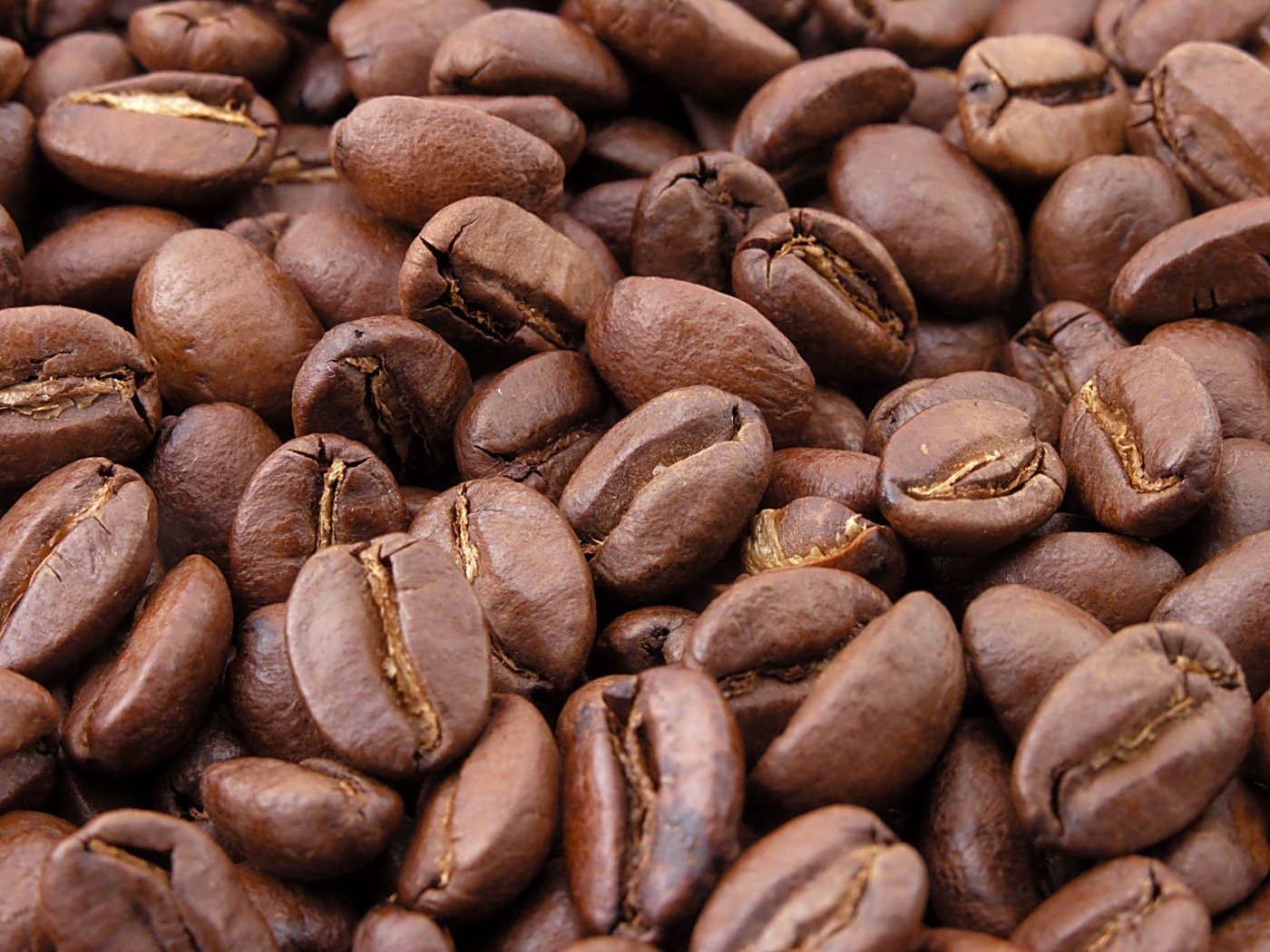
Roasting and brewing method — not the bean alone — determine how much of coffee’s cholesterol-active compounds survive into the cup. (Photo: Wikimedia Commons, public domain)
What Cardiologists Actually Recommend
Strip away the headlines and the actual clinical guidance from cardiologists tends to be strikingly unremarkable, which is itself useful information: don’t start drinking coffee for your heart if you don’t already; don’t feel obligated to quit if you do, at moderate intake; pay more attention to what you add to it than to the coffee itself; and treat any personal, reproducible symptom — palpitations, reflux, sleep disruption, anxiety — as more informative than a population average. The 2026 AHA statement’s own framing supports this: it neither recommends coffee as a preventive therapy nor advises restriction in the general population, instead describing the evidence as compatible with moderate intake being part of a heart-healthy pattern for most adults. Cardiologists also increasingly distinguish acute effects (a single cup’s temporary bump in heart rate and blood pressure) from chronic, habitual patterns (years of moderate intake, associated with neutral-to-lower long-term risk) — a distinction that resolves much of the apparent contradiction between “coffee raises your blood pressure right now” and “coffee drinkers don’t have higher rates of hypertension.”
Practical Coffee Recommendations
How to Drink Coffee With Your Heart in Mind
- Know your total caffeine, not just your cup count. A large coffee-shop drink can contain two to three times the caffeine of a home-brewed cup; track milligrams if you’re near a limit, not just number of cups.
- Choose filtered brewing if your cholesterol runs high. Drip, pour-over or a paper filter basket removes most cafestol and kahweol; French press, Turkish and boiled styles do not.
- Watch the add-ins, not just the coffee. Sugar, flavored syrups and heavy cream can turn a near-zero-calorie beverage into a significant daily source of added sugar and saturated fat.
- Stay under roughly 400 mg/day if you’re a healthy, non-pregnant adult. That’s about four to five 8-ounce cups of drip coffee — fewer if you’re drinking stronger brews or adding espresso shots.
- Cap it near 200 mg/day if you’re pregnant, per ACOG-aligned guidance — roughly two standard cups.
- Cut off afternoon/evening intake if sleep is a concern. Caffeine’s five-to-six-hour half-life means a 3 p.m. cup can still be active at bedtime; poor sleep is itself a cardiovascular risk factor.
- Treat reproducible personal symptoms as more informative than population data. If a specific amount or timing of coffee reliably triggers palpitations, reflux or anxiety for you, that individual signal should guide your choices more than any cohort average.
- Don’t treat energy drinks as interchangeable with coffee. Faster caffeine delivery, added stimulants and rapid consumption patterns carry a different, less-studied risk profile.
- Bring your actual coffee habit to your next physician visit — especially if you have arrhythmia, hypertension, heart failure, are on relevant medications, or are planning a pregnancy — rather than assuming a general-population guideline applies to your specific situation.
🔮 Future Watch
Several open questions remain genuinely unresolved and are active areas of research rather than settled science: whether genetic caffeine-metabolism testing will ever become clinically useful for individualizing coffee advice; whether coffee’s cardiovascular associations differ meaningfully by roast level or origin; longer-duration randomized trials that could track hard outcomes (heart attacks, strokes) rather than intermediate markers like arrhythmia counts; and more granular research on caffeine timing relative to the body’s daily blood-pressure rhythm. Readers should expect this article to be updated as the AHA, ESC, FDA, NIH and major peer-reviewed journals publish new guidance or high-quality research on these questions.
Timeline Summary
Every milestone from this guide, in one scannable table.
| Year | Discovery / Event | Clinical Importance |
|---|---|---|
| ~9th c. | Legend of Kaldi and the goats (Ethiopia) | None — folklore, not medical evidence |
| 15th c. | Coffee cultivation documented in Yemeni Sufi monasteries | Establishes coffee as a prepared beverage historically |
| 17th c. | Coffeehouses spread across the Ottoman Empire and Europe | Mass-population exposure begins, enabling later epidemiology |
| 1819 | Caffeine isolated (Runge) | Caffeine becomes a defined chemical, separable from coffee itself |
| 1903 | Decaffeination invented (Roselius) | Enables “coffee vs. caffeine” as a testable scientific question |
| 1948 | Framingham Heart Study begins | Builds the cohort-study infrastructure later used for coffee research |
| 1970s | Early studies raise coronary-risk concern | Establishes the original cautious clinical stance |
| 1980s | Smoking identified as a major confounder | Explains why early alarm didn’t hold up under better statistics |
| 1990s | Large women’s cohorts report favorable associations | Marks the turn toward a more favorable scientific consensus |
| 2006 | CYP1A2 genotype linked to differential coronary risk | Introduces genetics as an individual risk modifier |
| 2012 | NIH-AARP cohort (~400,000 adults) published | Large-scale confirmation of lower mortality among coffee drinkers |
| 2013 | Mainstream cardiology guidance softens | Clinical practice catches up to the accumulated evidence |
| 2017 | BMJ umbrella review of 201+ meta-analyses | Broadest single synthesis; ~3 cups/day benchmark widely cited since |
| 2018–2022 | UK Biobank coffee-subtype and genetic analyses | Shows decaf tracks with similar benefit to caffeinated coffee |
| 2023 | CRAVE randomized trial (NEJM) | First strong causal evidence: more PVCs, no significant PAC increase |
| 2026 | AHA Scientific Statement on Caffeine and CVD | Current, authoritative synthesis of the entire evidence base |
Related Reading on AiTimeline
Explore More Timelines
People Also Ask
Frequently Asked Questions
100 expert-level questions, grouped by topic, answered from the evidence covered in this guide.

Coffee starts as a fruit — the “cherry” — long before it becomes the roasted, brewed beverage that cardiology research studies. (Photo: Brian Smith / Wikimedia Commons, CC BY-SA 4.0)
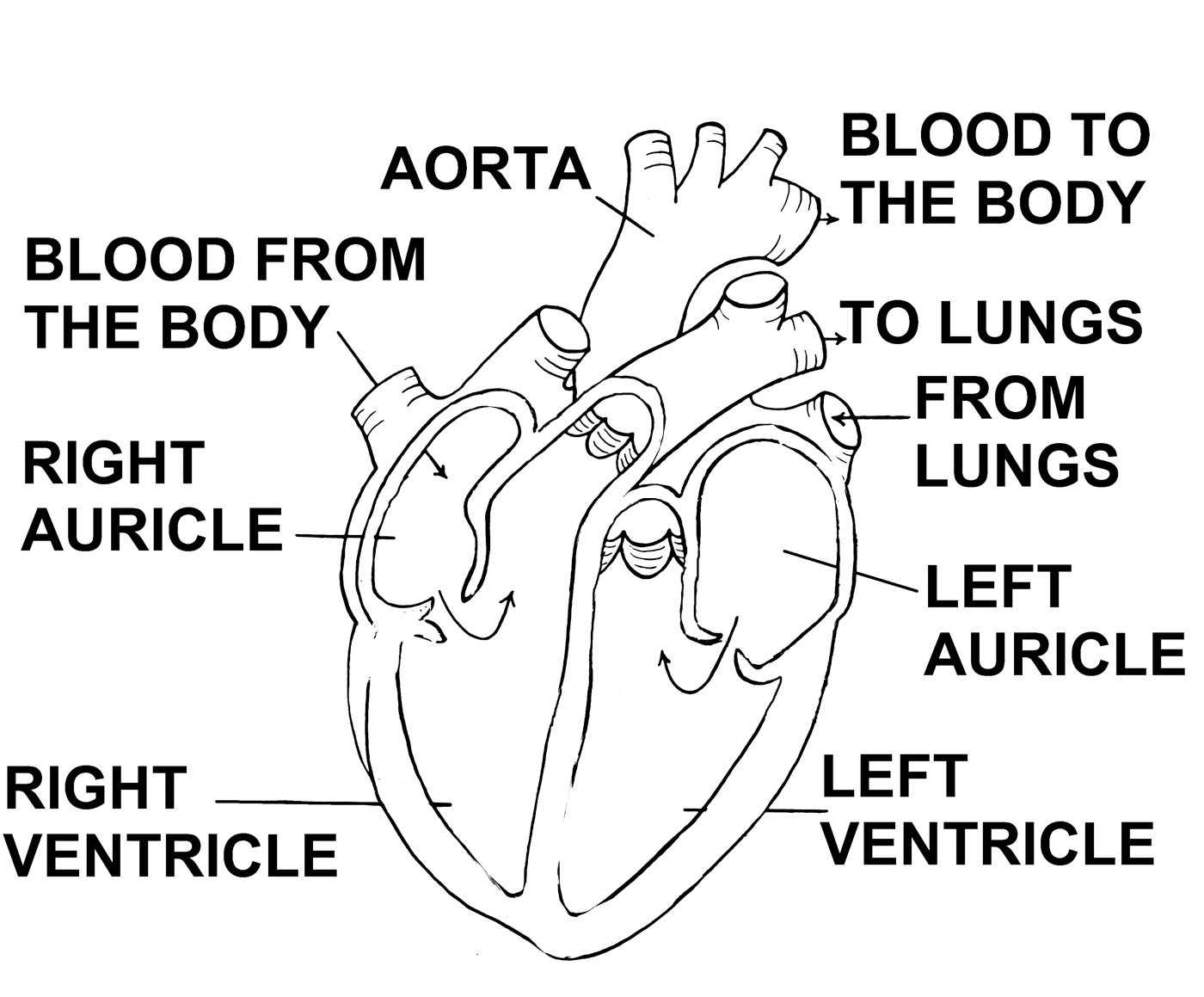
The chambers and rhythm-generating tissue this article repeatedly returns to: where atrial fibrillation, PVCs and coronary artery disease each originate. (Image: Pearson Scott Foresman / Wikimedia Commons, public domain)
What the Science Really Says About Coffee and Your Heart
Coffee is one of the most extensively studied beverages on Earth, and the honest summary of six decades of that research is neither “miracle” nor “menace.” Current evidence — observational cohorts spanning hundreds of thousands of people, a landmark 2023 randomized trial, and a comprehensive 2026 American Heart Association scientific statement built specifically to synthesize all of it — suggests that moderate consumption is generally compatible with good cardiovascular health for most adults. That evidence also makes clear that “most adults” is doing real work in that sentence: benefits and risks vary according to genetics, existing medical conditions, medications, pregnancy status, brewing method and overall lifestyle, in ways that a single population-wide number can never fully capture for any one reader.
The scientific story here is also, quietly, a story about how good science actually progresses — not through a single decisive study, but through decades of researchers finding and fixing each other’s blind spots: identifying a confounding variable in the 1980s, separating coffee from caffeine in the 1990s and 2000s, running the first real randomized trial in 2023, and finally assembling all of it into one authoritative statement in 2026. That process, more than any individual finding in it, is why this guide leans on primary sources and graded evidence rather than on a single cardiologist’s opinion or a single viral study.
If you take one thing from this guide back to your own morning routine, let it be this: the question “is coffee good for my heart” doesn’t have one universal answer, but it does have a reliable way to find your own — look at how you actually drink it, what you add to it, what your own health history includes, and what your own physician says about your own chart. For that, rely on guidance from healthcare professionals and trusted organizations such as the AHA and ESC, not on viral social media claims or an isolated study pulled out of context.
Sources & further reading
Every dated entry above was checked against these references. Last reviewed 15 September 2026.
- AHA Scientific Statement: Caffeine and Cardiovascular Disease (Circulation, 2026) — PubMed
- CRAVE Trial: Acute Effects of Coffee Consumption on Health Among Ambulatory Adults (NEJM, 2023) — PubMed
- Coffee Consumption and Health: Umbrella Review of Meta-Analyses (BMJ, 2017) — PMC
- Harvard T.H. Chan School of Public Health — Coffee (Nutrition Source)
- European Society of Cardiology — Clinical Practice Guidelines
- NIH / National Heart, Lung, and Blood Institute — High Blood Pressure
- World Health Organization — Cardiovascular Diseases Fact Sheet