← AiTimeline Home

AI Heart Disease Detection in Rural Hospitals Timeline

Health & AI

AI Heart Disease Detection in Rural Hospitals Timeline: How Artificial Intelligence Is Transforming Cardiac Care

📅 Updated June 2026🧡 Cardiology & AI🏥 Rural healthcare access

Heart disease is the world’s leading cause of death, yet millions in rural and underserved areas lack timely access to a cardiologist. Artificial intelligence is beginning to change that — helping interpret ECGs, flag high-risk patients and bring expert-level screening to remote clinics. This AI Heart Disease Detection in Rural Hospitals Timeline traces the evolution of cardiac AI, from early digital ECGs to today’s portable, cloud-connected screening tools, with a clear-eyed look at the evidence, the benefits and the limits.

⚕️ Medical disclaimer: AI supports clinical decision-making but does not replace qualified healthcare professionals. This article is for general educational purposes only and is not medical advice. Any final diagnosis or treatment decision must involve a licensed clinician. If you have symptoms such as chest pain, seek emergency care immediately.

🧠 AI Overview Summary

AI heart disease detection uses machine-learning models to analyse data such as ECGs, medical images and health records to identify signs of cardiovascular disease. In rural hospitals, where cardiologists are scarce, AI tools can help screen patients, interpret ECGs and flag high-risk cases for specialist review, supporting earlier diagnosis. Studies show AI can perform some specific tasks, such as detecting certain arrhythmias, at a level comparable to specialists, but AI assists clinicians rather than replacing them, and results must be confirmed by qualified professionals.

⚡ AI & Heart Disease Quick Facts
Leading Cause of DeathCardiovascular disease
Global CVD Deaths / Year~17.9 million (WHO)
Most Common AI ToolAI ECG analysis
Key Rural ChallengeCardiologist shortage
Reported Accuracy (specific tasks)Often AUC ~0.85–0.95
Core BenefitFaster screening & triage
⚡ Quick Answers — AI Overview Ready

AI Cardiac Care: Key Questions

What is AI heart disease detection?
AI heart disease detection is the use of machine-learning software to analyse data such as ECGs, scans and health records to identify possible signs of cardiovascular disease. It helps clinicians screen patients and prioritise high-risk cases, but it supports rather than replaces medical judgement.
How does AI help rural hospitals?
AI helps rural hospitals by providing fast, automated screening where specialists are scarce. It can interpret ECGs, flag abnormal results and enable telecardiology, allowing local staff to identify high-risk patients quickly and refer them for specialist review, reducing dangerous diagnostic delays.
Can AI detect heart disease earlier than traditional methods?
In some cases, yes. Research suggests AI can spot subtle ECG patterns linked to conditions like reduced heart function before symptoms appear. However, evidence varies by condition and population, and any AI finding must be confirmed by a clinician through standard diagnostic evaluation.
Why is AI important for underserved communities?
AI is important for underserved communities because it can extend scarce specialist expertise to remote clinics. By enabling faster screening and remote diagnosis, it helps reduce delays, travel burdens and missed diagnoses, improving access to cardiac care where resources are limited.
📚 Key Takeaways

What the Evidence Shows

What AI Can and Cannot Do in Heart Disease Detection

A balanced view, essential for safe and responsible use.

✅ AI Can

  • Identify patterns in ECGs and medical data quickly.
  • Help prioritise and triage high-risk patients.
  • Support clinicians by flagging possible abnormalities.
  • Extend screening to clinics without on-site specialists.
  • Process large volumes of data consistently.

❌ AI Cannot

  • Independently replace licensed medical professionals.
  • Provide a definitive diagnosis without clinical evaluation.
  • Account for a patient’s full history and context alone.
  • Guarantee accuracy across all conditions and populations.
  • Make final treatment decisions — that requires a clinician.

In short: AI is a powerful assistant for cardiac screening, but the final diagnosis should always involve clinical evaluation by a qualified healthcare professional.

Key Milestones in AI Cardiac Care

Developments shaping AI heart disease detection, newest first.

2024
Scale
Large-Scale AI Screening
Population-level programs
TechCloud AI ECG
ImpactWider rural reach
StatusPilots & rollouts

Emerging

2020
Tele
Telemedicine Surge
Pandemic acceleration
TechRemote monitoring
ImpactCare without travel
DriverCOVID-19

Access boost

2018
FDA
Cleared AI ECG Tools
AFib detection
ExamplesSmartwatch & handheld ECG
UseConsumer & clinical
ImpactScreening at scale

Regulated

2017
DL
Deep-Learning ECG
Specialist-level arrhythmia
ResearchAcademic studies
ResultHigh accuracy on tasks
CaveatTask-specific

Breakthrough

2009
EHR
Digital Records
Data foundation
ShiftEHR adoption
EnabledMachine learning
ImpactData for AI models

Infrastructure

1960s
ECG
Computerised ECG
Digital diagnostics begin
TechEarly medical computing
UseAutomated ECG reading
LegacyFoundation of AI ECG

The origins

AI Cardiology Timeline (Reverse Chronological)

From today’s cloud-based rural screening back to the first computerised ECGs of the 1960s.

2025
26

Portable Devices, Cloud Screening & Rural Telecardiology

🪁 Technology used: portable AI ECG, cloud🏥 Rural focus

Medical significance: AI-assisted ECG interpretation and predictive risk tools are increasingly built into portable, low-cost devices designed for primary-care and rural settings.

Rural healthcare impact: Cloud-based platforms let a single technician capture an ECG and receive AI-assisted analysis, with specialist review available remotely through telecardiology networks.

Patient benefits: Faster screening, earlier referral of high-risk patients and fewer long journeys to distant hospitals.

Challenges: Connectivity, device validation, data privacy and ensuring clinicians remain in the loop.

Interesting fact: Some handheld, smartphone-connected ECG devices can record a medical-grade trace in about 30 seconds.
Portable AI ECGCloud screeningTelecardiology
2023
24

Large-Scale AI Screening & Healthcare AI Growth

🪁 Technology used: clinical AI platforms📊 Population screening

Medical significance: Health systems began deploying AI screening at larger scale, and regulators authorised a growing number of AI/machine-learning medical devices.

Rural healthcare impact: Remote diagnostics expanded, helping connect under-resourced clinics to centralised expertise and AI analysis.

Patient benefits: Broader access to screening and earlier identification of at-risk patients in communities with few specialists.

Challenges: Demonstrating real-world benefit, avoiding over-reliance and maintaining rigorous validation.

Interesting fact: Regulators have cleared hundreds of AI-enabled medical devices, a fast-growing share in cardiology and radiology.
Population screeningAI device approvalsRemote diagnostics
2020
22

Pandemic-Driven Telemedicine & Remote Monitoring

🪁 Technology used: telehealth, wearables🧸 COVID-19 acceleration

Medical significance: The COVID-19 pandemic rapidly normalised telemedicine and remote patient monitoring, including AI-assisted analysis of home and wearable ECG data.

Rural healthcare impact: Patients could consult clinicians and be monitored without travelling, a major benefit in remote regions.

Patient benefits: Continuity of cardiac care during lockdowns and easier follow-up for chronic conditions.

Challenges: Digital access gaps, reimbursement rules and integrating remote data into care.

Interesting fact: Telehealth visits surged dramatically in 2020, permanently changing how many patients access care.
Telemedicine surgeRemote monitoringWearable ECG
2015
19

Deep-Learning Breakthroughs in Cardiac AI

🪁 Technology used: deep neural networks🔬 Research milestones

Medical significance: Deep learning, which transformed image recognition, was applied to ECGs and cardiac imaging. Research showed AI could detect certain arrhythmias at a level comparable to specialists in study settings.

Rural healthcare impact: These advances laid the groundwork for automated screening that could one day reach clinics without cardiologists.

Patient benefits: Potential for earlier, more consistent detection of conditions like atrial fibrillation.

Challenges: Results were often task-specific and needed validation across diverse, real-world populations.

Interesting fact: A landmark 2017 study trained a deep-learning model to classify heart rhythms from single-lead ECGs.
Deep learningArrhythmia detection2017 research
2000
14

Electronic Health Records & Early Machine Learning

🪁 Technology used: EHRs, early ML📚 Data foundations

Medical significance: Widespread adoption of electronic health records created the large datasets that modern medical AI depends on, while early machine-learning models were applied to risk prediction.

Rural healthcare impact: Digitised records and growing telemedicine began linking remote facilities to larger health systems.

Patient benefits: More complete, shareable medical histories supporting better decisions.

Challenges: Data quality, interoperability and uneven digital infrastructure, especially rurally.

Interesting fact: Major incentives in the late 2000s accelerated hospitals’ shift from paper to electronic records.
EHR adoptionRisk modelsTelemedicine growth
1980
99

Computer-Assisted Diagnostics & Digital Foundations

🪁 Technology used: expert systems💻 Early clinical software

Medical significance: Rule-based “expert systems” explored computer-assisted diagnosis, and automated ECG interpretation became standard in many hospitals.

Rural healthcare impact: Early decision-support tools hinted at how technology might one day extend expertise to under-served areas.

Patient benefits: More consistent, faster reporting of routine tests like ECGs.

Challenges: Limited computing power, narrow rule sets and the gap between research and bedside use.

Interesting fact: Early medical expert systems in the 1970s–80s pioneered the idea of computer-assisted clinical reasoning.
Expert systemsAutomated ECGDecision support
1960
79

Early Medical Computing & Digital ECG

🪁 Technology used: mainframe computing📊 First automated ECG analysis

Medical significance: Researchers developed the first computer programs to analyse and interpret electrocardiograms, pioneering automated cardiac diagnostics.

Rural healthcare impact: Though confined to major centres, this work began the long path toward accessible, automated heart screening.

Patient benefits: The promise of faster, standardised ECG reading.

Challenges: Huge, expensive computers and very limited processing capability.

Interesting fact: Computerised ECG interpretation dates back to the 1960s, making it one of medicine’s earliest uses of computers.
Digital ECGMedical computing1960s origins

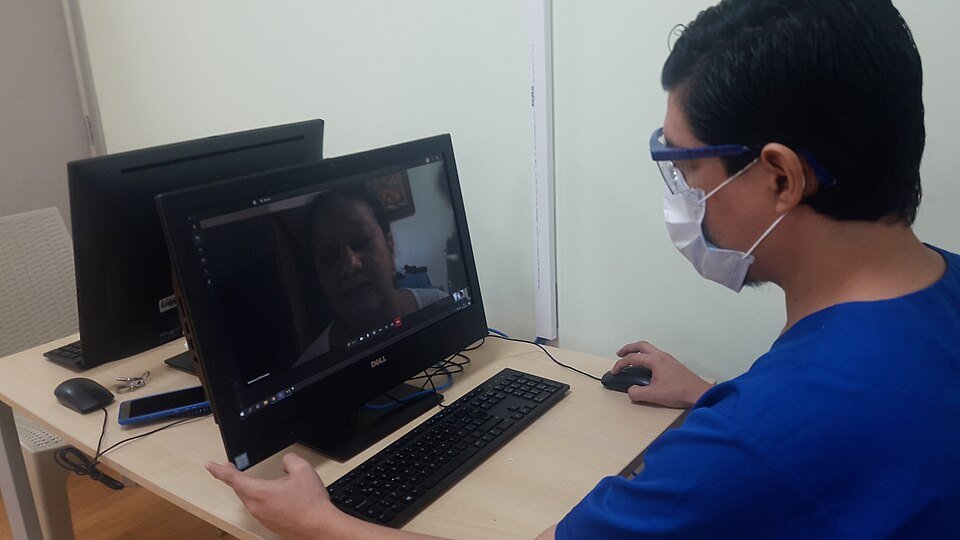
AI ECG analysis on a screen in a clinic

AI-Assisted vs Traditional Cardiac Diagnosis

AI complements, rather than replaces, established clinical methods.

AspectAI-Assisted ScreeningTraditional Diagnosis
SpeedSeconds to minutesDepends on specialist availability
Access in rural areasHigh (remote/automated)Often limited
ConsistencyVery consistentVaries by clinician
Clinical contextLimited on its ownFull patient context
Final diagnosisSupports clinicianMade by clinician
Best useCombined: AI screens and flags, clinician confirms and decides

Rural Healthcare Challenges & AI Solutions

The Challenges

Rural and remote communities face a cluster of barriers to cardiac care: a shortage of cardiologists and trained staff, long travel distances to specialist centres, delayed diagnosis, limited diagnostic equipment, weak infrastructure and tight budgets. Together, these can turn treatable conditions into emergencies.

How AI Can Help

AI ECG analysis can screen for arrhythmias and abnormalities on the spot. Clinical decision support helps local clinicians interpret results. Remote monitoring and wearables track patients between visits. Predictive analytics flag high-risk individuals, and telemedicine integration links rural clinics to distant specialists. Used together, these tools can extend expert-level screening to places that have never had a cardiologist — always with a clinician confirming the findings.

Doctor reviewing heart data with a rural patient

Key Organisations & Concepts

Global Health

World Health Organization (WHO)

The UN health agency that tracks the global burden of cardiovascular disease — the world’s leading cause of death — and promotes prevention, early detection and equitable access to care.

Cardiology Body

American Heart Association (AHA)

A leading non-profit funding cardiovascular research and issuing clinical guidance. It increasingly examines how AI and digital tools can support heart-disease prevention and detection.

Research Institute

NHLBI

The US National Heart, Lung, and Blood Institute funds and conducts research into heart and vascular diseases, including data-driven and AI approaches to diagnosis and risk prediction.

Technology

AI in Healthcare

The application of machine learning to medical data — images, signals and records — to support diagnosis, triage and monitoring, under regulatory oversight and clinical supervision.

Condition

Cardiovascular Disease (CVD)

A group of disorders of the heart and blood vessels, including coronary artery disease, heart failure and arrhythmias. CVD is the leading global cause of death, making early detection vital.

Care Model

Telecardiology

The remote delivery of cardiac care using telecommunications — sharing ECGs, images and data so distant specialists can advise local clinicians and patients in real time.

Case Studies

Illustrative examples of how AI is applied in cardiac care. Outcomes depend on local context and validation.

Case Study 1 — AI ECG Screening in Rural Clinics

Background: Clinics without cardiologists struggle to interpret ECGs. Implementation: local staff record ECGs that an AI tool screens for abnormalities. Results: faster identification of high-risk patients for referral. Lesson: AI works best as a triage aid with clinician confirmation.

Case Study 2 — Telecardiology Networks

Background: Remote hospitals lack specialist access. Implementation: digital networks link them to cardiologists who review AI-flagged cases. Results: reduced travel and quicker specialist input. Lesson: connectivity and trained staff are as important as the technology.

Case Study 3 — Portable Diagnostic Devices in Remote Communities

Background: Bulky equipment is impractical in remote areas. Implementation: handheld, smartphone-connected ECG devices bring screening to villages. Results: on-the-spot heart-rhythm checks. Lesson: portability and ease of use drive real-world adoption.

Case Study 4 — Heart Failure Prediction Models

Background: Some heart conditions are hard to catch early. Implementation: AI models analyse ECGs and records to flag elevated risk. Results: potential earlier referral for confirmatory tests. Lesson: predictions must be validated and always confirmed clinically.

Case Study 5 — AI-Powered Population Health Screening

Background: Large populations need efficient screening. Implementation: AI analyses data across communities to identify those needing follow-up. Results: more targeted use of scarce specialist time. Lesson: equity and data quality must be central to design.

Data Tables

Figures are approximate and drawn from public health sources and published studies; they vary by source and methodology.

Heart Disease BurdenApproximate FigureSource Type
Global CVD deaths per year~17.9 millionWHO estimate
Share of global deaths~32%WHO estimate
Leading single cause of deathCardiovascular diseasePublic health consensus
Large share in low/middle-income areasMajority of CVD deathsWHO estimate
AI Diagnostic Performance (illustrative)Typical Reported RangeEvidence Level
Arrhythmia / AFib detection from ECGHigh (often AUC ~0.9+)Peer-reviewed studies
Screening for reduced heart functionPromising in studiesResearch / pilots
Real-world rural performanceVaries; needs validationEmerging evidence

Note: performance figures are task- and dataset-specific and should not be generalised. Always interpret with clinical oversight.

Access FactorRuralUrban
Cardiologist availabilityLimitedGreater
Travel distance to careOften longUsually short
Diagnostic equipmentConstrainedMore available
Telemedicine potentialHigh valueUseful
EraAI Cardiology Milestone
1960sFirst computerised ECG interpretation
1980s–90sExpert systems & automated ECG reporting
2000sEHR adoption builds data foundation
2017Deep-learning ECG matches specialists on tasks
2018Regulator-cleared consumer AI ECG (AFib)
2020+Telemedicine and remote AI monitoring surge
Benefit of Early DetectionWhy It Matters
Earlier treatmentBetter outcomes and survival
Fewer emergenciesCatch problems before crises
Lower costsPrevention is cheaper than acute care
Reduced travelLocal screening saves time and money
Health equityExtends care to underserved areas

Evidence Levels: What’s Proven vs Emerging

How to Read the Evidence

People Also Ask

Can AI diagnose heart attacks?
AI can help detect signs associated with heart attacks, such as certain ECG changes, and flag them for urgent review. However, AI does not provide a standalone diagnosis. A heart attack must be diagnosed and treated by medical professionals. If you suspect a heart attack, seek emergency care immediately.
How accurate is AI heart disease detection?
For specific tasks like detecting atrial fibrillation from an ECG, AI has shown high accuracy in studies, often with an AUC around 0.9 or higher. However, accuracy varies by condition, data quality and population, and real-world performance must be validated and confirmed by clinicians.
Can AI replace cardiologists?
No. AI cannot replace cardiologists. It is a decision-support tool that helps screen, triage and flag potential issues, but final diagnosis and treatment require a qualified clinician who considers the patient’s full context. AI works best alongside, not instead of, medical professionals.
How is AI helping rural communities?
AI helps rural communities by extending scarce specialist expertise through automated screening and telecardiology. Local staff can capture ECGs that AI analyses, flagging high-risk patients for remote specialist review, reducing delays and long journeys to distant hospitals.
What is telecardiology?
Telecardiology is the remote delivery of heart care using telecommunications. ECGs, images and patient data are transmitted so distant cardiologists can advise local clinicians, often combined with AI analysis. It is especially valuable for rural and underserved areas lacking on-site specialists.

Frequently Asked Questions

How does AI detect heart disease?
AI detects heart disease by analysing data such as ECGs, medical images and health records, learning patterns associated with conditions like arrhythmias or reduced heart function. It flags potential abnormalities for clinicians to review. AI supports diagnosis but does not replace professional medical evaluation.
What is AI ECG analysis?
AI ECG analysis uses machine-learning models to interpret electrocardiogram signals, identifying patterns linked to heart conditions such as atrial fibrillation. It can provide fast, consistent readings, helping clinicians, especially in settings without a cardiologist, but results should be confirmed by a professional.
Can AI diagnose heart conditions?
AI can help identify possible heart conditions by spotting patterns in medical data, and some tools are cleared for specific uses like AFib detection. However, AI does not deliver a final diagnosis on its own; a qualified clinician must confirm findings and decide on treatment.
How is AI helping rural hospitals?
AI helps rural hospitals by enabling fast, automated screening where specialists are scarce. It interprets ECGs, flags high-risk patients and powers telecardiology, letting local staff identify problems early and refer patients for specialist review without long travel.
What are the benefits of AI in cardiology?
Benefits include faster and more consistent screening, earlier detection of some conditions, reduced workload for scarce specialists, expanded access in remote areas and better triage of high-risk patients. AI augments clinicians, helping them focus expertise where it is most needed.
Can AI improve healthcare access?
Yes. By enabling remote screening and telemedicine, AI can extend cardiac care to communities that lack specialists. It helps reduce delays, travel and missed diagnoses, improving access and potentially health equity, provided infrastructure, validation and clinical oversight are in place.
Is AI heart disease detection safe?
AI tools used in healthcare are subject to regulatory oversight and clinical validation, and are intended to support, not replace, clinicians. Safety depends on proper validation, human oversight and appropriate use. Patients should always rely on qualified professionals for diagnosis and treatment.
What is the leading cause of death worldwide?
Cardiovascular disease is the leading cause of death worldwide, responsible for an estimated 17.9 million deaths each year, around a third of all global deaths, according to the World Health Organization. This makes early detection and prevention a major public health priority.
What is an ECG?
An ECG (electrocardiogram) records the heart’s electrical activity through electrodes on the skin. It helps detect arrhythmias, signs of heart attacks and other conditions. AI can analyse ECG signals to support faster, more consistent interpretation, especially where specialists are unavailable.
What is atrial fibrillation?
Atrial fibrillation (AFib) is a common irregular heart rhythm that increases the risk of stroke and other complications. AI-enabled ECG tools, including some smartwatches and handheld devices, can help detect AFib, prompting people to seek confirmation and care from a clinician.
How does AI analyse ECG data?
AI analyses ECG data by processing the recorded electrical signals through a trained machine-learning model, which has learned patterns from many labelled examples. It outputs likely classifications, such as normal rhythm or a specific arrhythmia, for a clinician to review and confirm.
Can AI predict cardiovascular risk?
AI can estimate cardiovascular risk by analysing data such as ECGs, health records and lifestyle factors, helping flag higher-risk patients for closer attention. These predictions are supportive tools that must be validated and combined with clinical judgement, not used as standalone decisions.
What are wearable heart monitors?
Wearable heart monitors, such as smartwatches and patches, continuously track heart rate and rhythm. Some use AI to detect irregularities like AFib and alert users. They can support early detection and remote monitoring, but readings should be confirmed by a healthcare professional.
Why is early heart disease detection important?
Early detection allows treatment before conditions worsen, improving outcomes, reducing emergencies and lowering costs. For heart disease, catching problems early can be life-saving. AI-assisted screening aims to make early detection more accessible, especially in under-resourced communities.
What is clinical decision support?
Clinical decision support refers to tools that give clinicians evidence-based guidance, alerts or analysis at the point of care. AI-based decision support can highlight possible abnormalities in ECGs or records, helping clinicians make faster, more informed decisions while retaining final judgement.
Are AI medical tools regulated?
Yes. AI-enabled medical devices are regulated by authorities such as the US FDA and equivalent bodies worldwide, which review safety and effectiveness for specific intended uses. Hundreds of AI-enabled devices have been cleared, many in cardiology and radiology.
What challenges does AI face in healthcare?
Challenges include validating performance across diverse populations, avoiding data bias, protecting privacy, integrating with workflows, ensuring connectivity in rural areas and maintaining human oversight. Overcoming these is essential for AI to deliver safe, equitable benefits.
Can AI reduce healthcare costs?
AI may reduce costs by enabling earlier detection, more efficient screening and fewer unnecessary referrals or hospitalisations. By extending specialist reach, it can also cut travel and duplication. Actual savings depend on implementation, validation and integration into care systems.
What is remote patient monitoring?
Remote patient monitoring uses connected devices to track health data, such as heart rhythm or blood pressure, outside the clinic. AI can analyse this data to flag concerning changes, supporting timely intervention, which is especially valuable for chronic cardiac patients in remote areas.
How did the pandemic affect AI in healthcare?
The COVID-19 pandemic accelerated telemedicine, remote monitoring and digital health adoption, normalising virtual care. This boosted interest in AI tools that support remote diagnosis and monitoring, permanently expanding how many patients, including in rural areas, access care.
What is population health screening?
Population health screening evaluates large groups to identify those at risk of disease. AI can analyse data across populations to flag individuals who may need follow-up, helping target scarce resources efficiently, while requiring careful attention to equity and data quality.
Do AI tools work without internet?
Some AI tools run on local devices and work offline, while cloud-based systems need connectivity. In rural areas with limited internet, offline-capable or low-bandwidth solutions are important. Connectivity remains a key consideration when deploying AI for rural cardiac care.
What is deep learning in medicine?
Deep learning is a type of AI using multi-layered neural networks that learn complex patterns from large datasets. In medicine, it powers tasks like analysing ECGs and medical images, often achieving high accuracy on specific problems when properly trained and validated.
Can AI detect heart failure?
Research suggests AI can help screen for signs of reduced heart function, sometimes from an ECG, potentially before symptoms appear. These findings are promising but must be validated and always confirmed through standard clinical tests and professional evaluation.
What data does medical AI use?
Medical AI uses data such as ECG signals, medical images, electronic health records, lab results and wearable sensor data. The quality, diversity and representativeness of this data strongly affect how well an AI model performs across different patients and settings.
Is AI biased in healthcare?
AI can be biased if trained on data that under-represents certain groups, leading to less accurate results for them. This is a serious concern in healthcare. Addressing bias requires diverse training data, careful validation and ongoing monitoring to ensure fair, safe performance.
How fast can AI screen an ECG?
AI can analyse an ECG in seconds, providing near-instant screening results. This speed is valuable in busy or under-staffed settings, enabling rapid triage. The result still needs clinician review, but quick automated screening can help prioritise urgent cases.
What is the future of AI in cardiology?
The future likely includes more portable, affordable AI screening devices, wider telecardiology, better predictive models and integration into routine care, particularly to expand access in underserved areas. Progress depends on rigorous validation, regulation and keeping clinicians central to decisions.
Should I rely on a smartwatch for heart health?
Smartwatches with ECG features can help flag possible issues like AFib and encourage healthy habits, but they are screening aids, not diagnostic devices. Any alert or concern should be discussed with a healthcare professional, who can perform proper testing.
Does AI improve patient outcomes?
AI has the potential to improve outcomes by enabling earlier detection and faster triage, and some studies show benefits. However, proving real-world outcome improvements requires careful trials. AI is most beneficial when it strengthens, not bypasses, clinical care.

Explore More Timelines

⚕️ Important: This article is for general educational and informational purposes only and does not constitute medical advice, diagnosis or treatment. AI tools support clinical decision-making but do not replace qualified healthcare professionals. Always consult a licensed clinician for any health concern, and seek emergency care for symptoms such as chest pain, shortness of breath or fainting. Statistics are approximate and drawn from public sources such as the WHO; AI performance figures are study-specific and may not generalise.