Kodak Bankruptcy Timeline: How the Photography Pioneer Fell
Why did Kodak go bankrupt? From the 1975 digital camera to the 2012 Chapter 11 filing, patent sale and 2013 exit: how film economics broke Kodak.
Latest Story
Kodak invented the digital camera. A Kodak engineer, Steven Sasson, built the first self-contained one in 1975. Kodak later sold professional digital cameras, then consumer ones, and by 2005 it was the best-selling digital camera brand in the United States. Yet on 19 January 2012, the company that had defined photography for more than a century filed for Chapter 11 bankruptcy. That is the puzzle this timeline explains. Kodak did not simply “miss digital”. It saw digital coming, spent billions on it, and still could not replace a business that made money every time someone bought a roll of film, had it developed and printed the pictures. The camera survived. The business model did not.
💡 Short Answer
Kodak went bankrupt because digital photography destroyed the economics of film, not because Kodak ignored digital. It built the first digital camera in 1975 and sold digital cameras from 1991, but its profits came from film, chemicals, processing and prints. As film sales collapsed and smartphones replaced cameras, Kodak’s revenue fell from about $16 billion in 1996 to about $6 billion in 2011. It filed for Chapter 11 on 19 January 2012 and emerged on 3 September 2013 as a smaller printing and materials company.
Kodak Bankruptcy: Key Questions
Kodak’s Fall in Ten Lines
- George Eastman built Kodak on one idea: make photography simple and sell the film, processing and paper again and again.
- The 1888 Kodak camera came loaded for 100 pictures. “You press the button, we do the rest.”
- The $1 Brownie of 1900 made photography a mass hobby. Kodachrome followed in 1935.
- Steven Sasson built the first self-contained digital camera at Kodak in December 1975.
- Kodak sold a professional digital camera in 1991, the consumer DC40 in 1995 and EasyShare cameras from 2001.
- Revenue peaked at about $16 billion in 1996; market value peaked at about $30 billion in 1997.
- Digital cameras sold once. Film sold every week. Kodak could not replace film’s profits.
- Smartphones then made the standalone camera a feature. Kodak quit making digital cameras in 2012.
- Kodak filed for Chapter 11 on 19 January 2012 and sold patents for $527 million to survive.
- It emerged on 3 September 2013 as a printing, film and chemicals company, much smaller than before.
1880–1888: George Eastman Makes Photography Simple
Kodak’s first product was not a camera. It was ease.
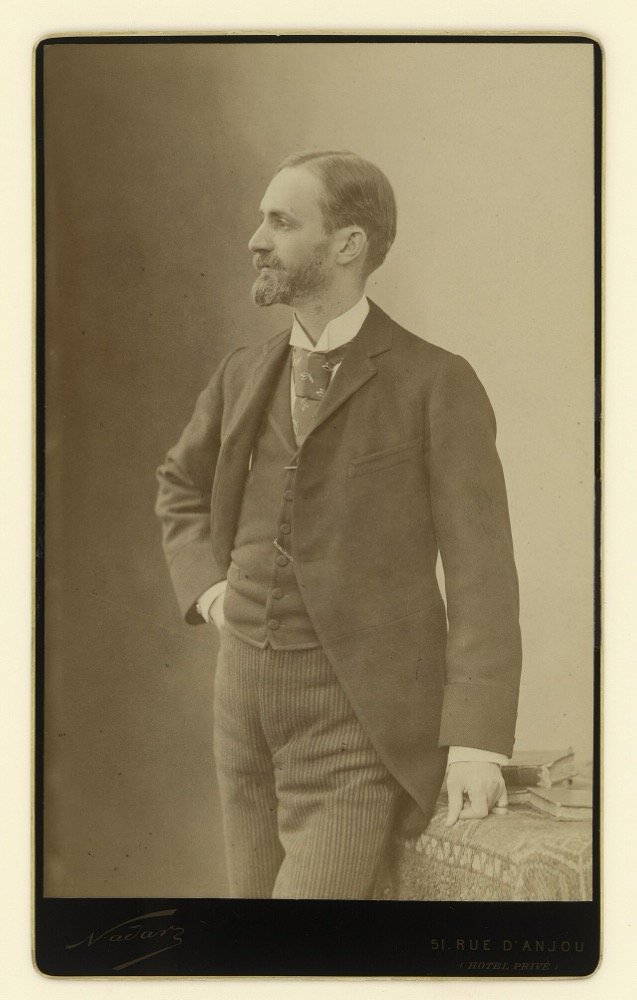
In the 1870s, taking a photograph meant carrying a heavy camera, glass plates and chemicals, and coating and developing the plates yourself. George Eastman, a young bank clerk in Rochester, New York, wanted to make it easier. In 1880 he began commercial manufacture of gelatin dry plates, which could be made in advance and stored.
On 1 January 1881, Eastman and the businessman Henry A. Strong formed the Eastman Dry Plate Company. Eastman’s plan was, in Kodak’s own history, to make products in large numbers at low cost, sell them worldwide, and advertise heavily. It still reads like a modern consumer-brand playbook.
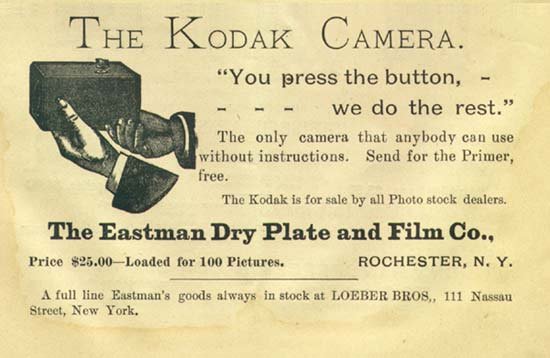
In 1888 the word Kodak appeared for the first time, on a small box camera. Eastman invented the name; he wanted something short, strong and hard to misspell. The camera cost $25 and came loaded with enough roll film for 100 pictures. When it was full, the owner mailed the whole camera back to Rochester. Kodak developed the film, printed the pictures, reloaded the camera and sent it back.
The slogan said it all: “You press the button, we do the rest.” Kodak was not just selling a camera. It was selling a service that earned money on every roll. That idea would make Kodak enormous, and a century later it would be the thing digital photography took away.
1900–1935: The $1 Brownie and Kodachrome
Cheap cameras, profitable film.
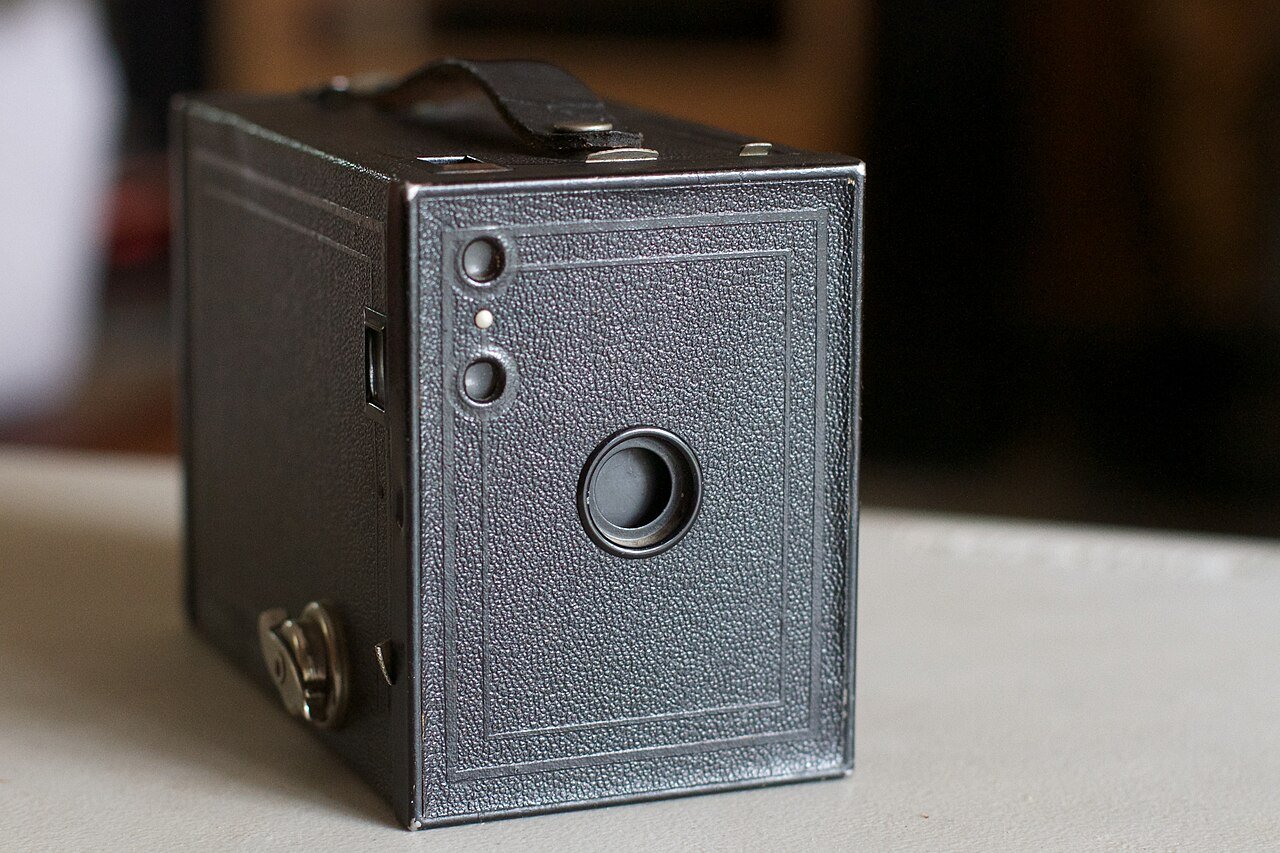
In 1900 Kodak launched the Brownie, a simple cardboard box camera that sold for $1. A roll of film for it cost 15 cents. Children, families and tourists could now take pictures. Millions of Brownies were sold over the following decades.
The Brownie made the model clear. The camera was cheap, sometimes almost a giveaway. The money came afterwards, from film, developing, printing and paper. Every picture a customer took meant another purchase. Business writers later called this a “razor and blades” model, and Kodak ran one of the most successful versions of it ever built.
In 1935 Kodak introduced Kodachrome, the first commercially successful colour film for amateurs. Colour film was harder to make and to process, which strengthened Kodak’s position: it controlled the chemistry, the factories and much of the processing. Kodachrome stayed in production for 74 years, until 2009.
1960s–1990s: Kodak Becomes an Industrial Giant
One of America’s most valuable brands.
By the middle of the 20th century Kodak was far more than a camera company. It made photographic film and paper, processing chemicals, cinema film, X-ray film and cameras, and it ran huge research labs in Rochester. It crossed $1 billion in annual sales in 1962. It was a member of the Dow Jones Industrial Average from 1930 to 2004.
In the United States Kodak dominated. Widely cited figures from 1976 credit it with about 90% of film sales and about 85% of camera sales. Its film margins were famously high, because once the factories were built, each extra roll cost little to make.
Kodak’s revenue peaked at about $16 billion in 1996. In 1997 its market value reached about $30 billion, according to Harvard Business School’s case material. That same year Clayton Christensen published The Innovator’s Dilemma, the book whose ideas would later be used to explain Kodak’s fall.
December 1975: Kodak Builds the First Digital Camera
The date that turned Kodak’s bankruptcy into a famous business lesson.
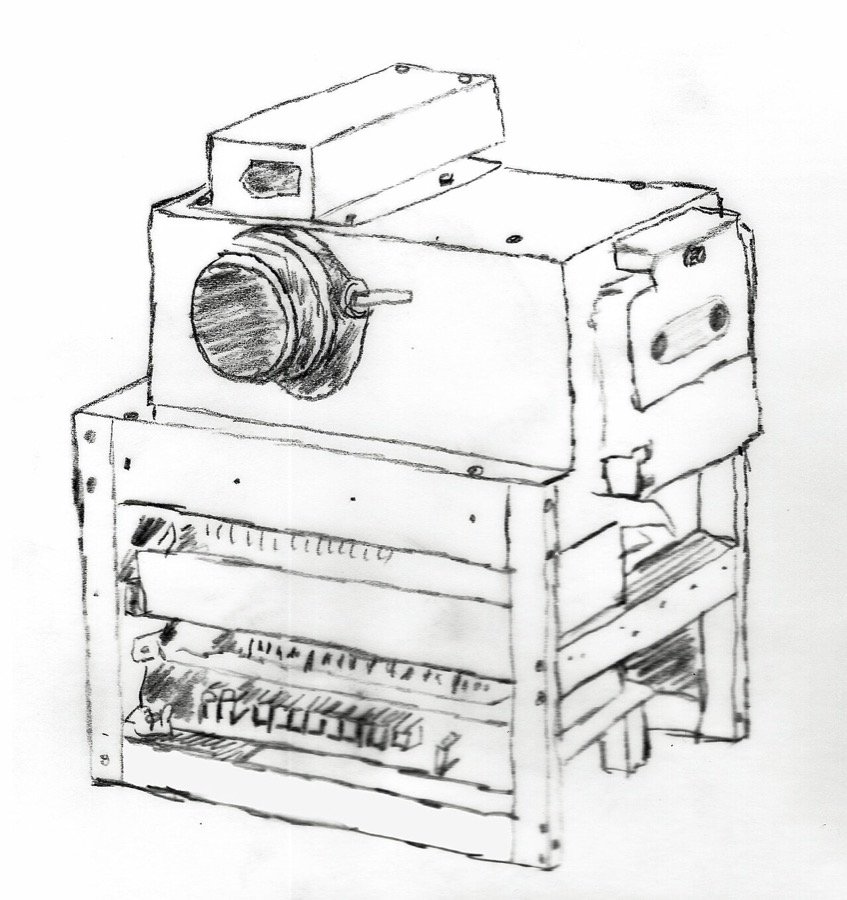
In 1975, a 24-year-old Kodak engineer named Steven Sasson was given a loosely defined task: see if a new electronic sensor, the charge-coupled device (CCD), could be used to make a camera. He put together a working prototype from a Super 8 movie-camera lens, a Fairchild CCD with 100 x 100 pixels (0.01 megapixels), 16 nickel-cadmium batteries and several circuit boards.
The camera weighed about 8 pounds (3.6 kg), roughly the size of a toaster. Each black-and-white image took about 23 seconds to record onto a cassette tape, and was viewed by playing the tape into a special unit connected to a television. On 12 December 1975, lab technician Joy Marshall agreed to pose for its first picture.
Sasson later recalled that when he showed it to Kodak managers, they asked why anyone would want to look at their pictures on a TV. He has described the reaction as essentially: “That’s cute, but don’t tell anyone about it.” Kodak received a US patent on the camera in 1978. Sasson was awarded the National Medal of Technology and Innovation in 2009.
The Problem Was Never Seeing Digital
Kodak’s story is usually told too simply.
The popular version says: Kodak invented digital photography, then hid it to protect film. The record is more complicated. Kodak kept working on digital imaging for the next 35 years. It built up more than 1,000 digital imaging patents. After George Fisher, formerly of Motorola, became chief executive in 1993, Kodak poured billions into digital, set up a digital imaging division and made cameras for other brands, including Apple’s QuickTake of 1994.
Harvard Business School professor Willy Shih, who ran Kodak’s consumer digital business in the late 1990s, argued in 2016 that Kodak’s downfall “wasn’t about technology”. The harder problem was that every successful digital photo could replace a film photo, and film was where Kodak made its money. A digital camera was bought once. Film, processing and prints were bought again and again.
Kodak’s leaders faced a question with no comfortable answer: how do you replace your most profitable product with a less profitable one, before someone else does it for you?
1991–2005: Kodak Sells Digital, and Wins, and Still Loses
From inventing digital imaging to leading the US market.
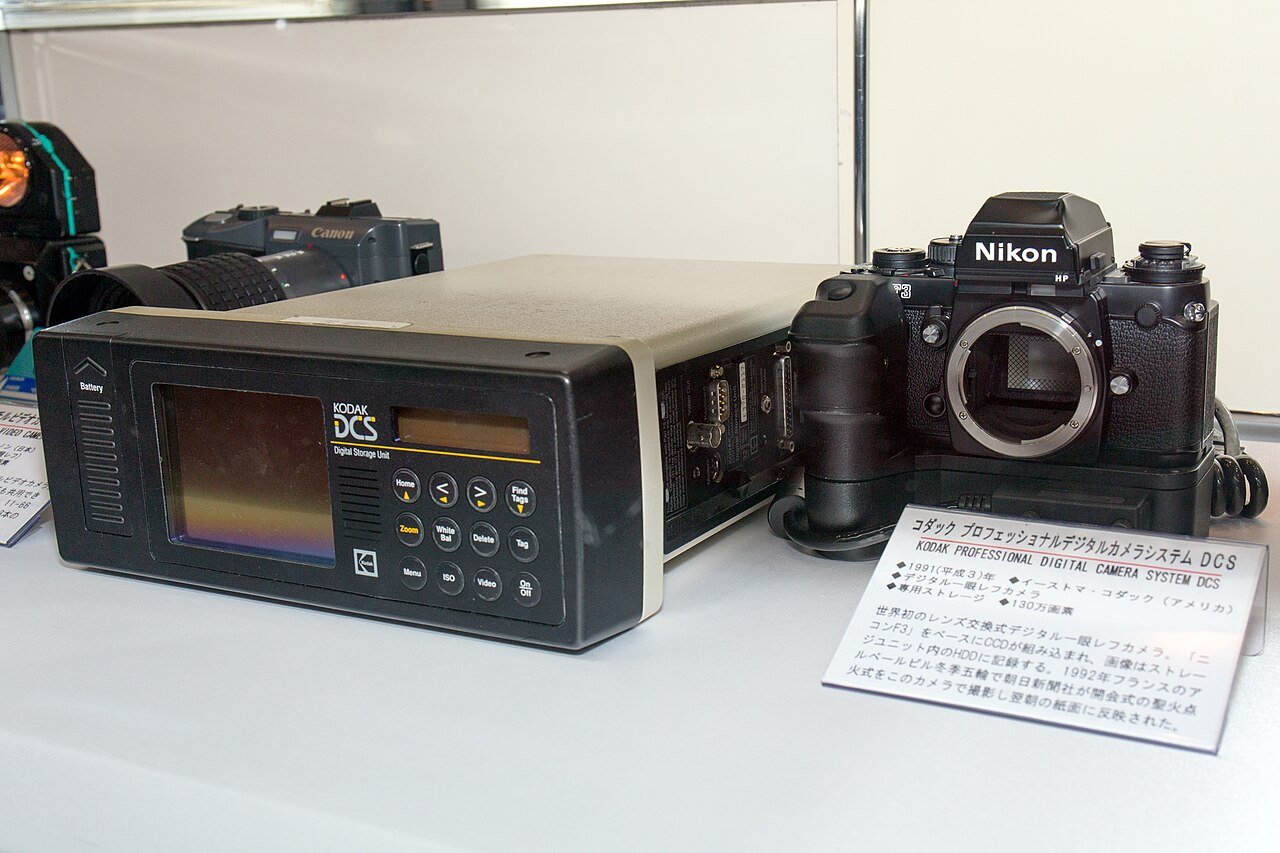
1991: the professional DCS. Kodak’s first commercial digital camera, the DCS (later called DCS 100), fitted a 1.3-megapixel Kodak sensor into a Nikon F3 body, wired to a separate storage unit carried on the shoulder. It was aimed at photojournalists and cost many thousands of dollars.
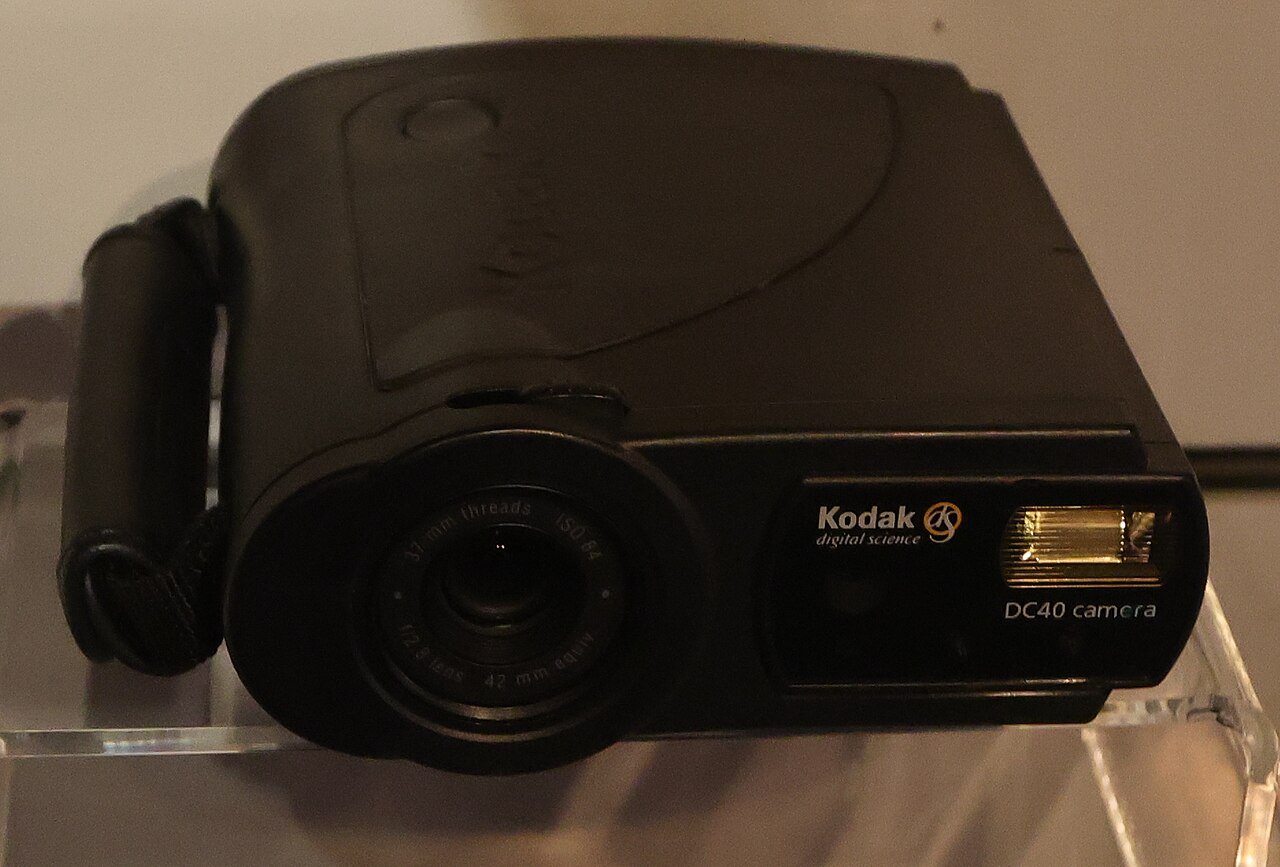
1995: the DC40. Kodak’s first consumer digital point-and-shoot stored images in memory and connected to a PC. Resolution was well under one megapixel, but it marked Kodak’s move into the home market.
2001: EasyShare and Ofoto. Kodak launched the EasyShare system of cameras and docks, built to make moving pictures to a computer simple. The same year it bought the online photo service Ofoto, later renamed Kodak Gallery. The idea was sound: digital photos needed storage, sharing and printing.
2005: number one. Under CEO Daniel Carp, EasyShare made Kodak the top-selling digital camera brand in the US. By then digital was the future of Kodak’s revenue. But digital cameras were a low-margin, fast-moving electronics business, with Japanese and Korean makers cutting prices every year. In 2006 Kodak handed camera manufacturing to Flextronics.
Film Economics vs Digital Economics
Why winning in digital cameras was not enough.
| Question | Film era | Digital era |
|---|---|---|
| Where is the picture? | On film | In data |
| Repeat purchase | Film, every roll | Memory card, bought once |
| Processing | Chemical, often Kodak’s | Software, free |
| Output | Prints on paper | Screens, sharing |
| Who makes money | Film and paper makers | Device, chip and platform makers |
| Camera | A dedicated device | Eventually a phone feature |
| Kodak’s margin | High | Thin |
In the film era, a family might buy one camera and then dozens of rolls, developing envelopes and prints over the years. In the digital era they bought one camera and took thousands of pictures for nothing. Then camera phones arrived, and the dedicated camera itself began to disappear. After the iPhone launched in 2007 and Android followed, the camera became a free feature inside a device made by someone else. Photos moved to Facebook and later Instagram, not to Kodak paper.
Kodak in Numbers: From $16 Billion to $1 Billion
Annual revenue, US dollars.
2004–2011: The Old Economics Collapse
Film fell faster than digital could grow.
In 2004 Kodak was removed from the Dow Jones Industrial Average after 74 years. The same year it announced deep job cuts and plant closures. Antonio Pérez, a former Hewlett-Packard executive, became CEO in 2005 and bet the company’s future on consumer inkjet printers and commercial printing, hoping ink would replace film as the repeat purchase.
The printers never earned enough. Meanwhile film sales kept falling, and the digital camera market itself began to shrink as phones took over. Kodak closed factories and cut tens of thousands of jobs. It turned to patent licensing and lawsuits for cash, including cases against Apple and Samsung.
By 2011, Kodak’s filings described continuing losses, a shareholder deficit and falling cash. Revenue that year was about $6 billion, well under half the 1996 peak, and Kodak still carried the pension and retiree healthcare costs of a much larger company.
19 January 2012: Kodak Files for Chapter 11
Reorganisation, not liquidation.
On 19 January 2012, Eastman Kodak Company and its US subsidiaries filed voluntary Chapter 11 petitions in the US Bankruptcy Court for the Southern District of New York. Its non-US subsidiaries were not part of the filing. Kodak secured a $950 million, 18-month debtor-in-possession loan from Citigroup to keep operating.
Kodak said the aims were to increase liquidity, sell or license non-core intellectual property, resolve legacy liabilities such as retiree benefits, and focus on the businesses most likely to be profitable. It was a reorganisation, not the end of the company.
A few weeks later, in February 2012, Kodak announced it would stop making digital cameras, pocket video cameras and digital picture frames, and license its brand to other camera makers instead. The company that invented the digital camera left the digital camera business.
2012–2013: Selling the Old Kodak
Patents, photo sites and the consumer business all went.
Kodak Gallery, 2012. The online photo service Kodak bought as Ofoto in 2001 was sold to Shutterfly for about $23.8 million.
Digital imaging patents, 2013. Kodak had hoped its roughly 1,100 digital imaging patents might fetch well over $2 billion. The deal, announced in December 2012 and completed on 1 February 2013, brought about $527 million. Intellectual Ventures bought most of the portfolio, and 12 licensees organised by Intellectual Ventures and RPX, including Apple, Google, Facebook, Amazon and Samsung, paid for licences. Kodak kept the right to use the patents.
Personalized and Document Imaging, 2013. Kodak’s film, photo paper, photo kiosk and document scanner businesses went to the Kodak Pension Plan of the UK, which was also Kodak’s largest creditor, in a deal valued at about $650 million. They became a separate company, Kodak Alaris.
3 September 2013: emergence. After about 20 months in Chapter 11, Kodak left bankruptcy as a much smaller company focused on commercial printing, packaging, functional printing and professional services. Its old shares were cancelled, and new stock began trading on the NYSE as KODK.
Kodak Before and After Bankruptcy
2014–2024: Film Refuses to Die
Hollywood deals, a Super 8 camera, and some strange detours.
Film did not disappear. In 2015, major Hollywood studios agreed to keep buying Kodak motion-picture film, after directors pushed to keep it available. Kodak remains the main maker of cinema film.
At CES in January 2016, Kodak showed a new Super 8 film movie camera, aimed at a new generation of filmmakers. It took until 2024 to reach customers, at a price of $5,495, far above early estimates.
Some of Kodak’s other attempts drew more attention than revenue. In January 2018 it announced KODAKOne and KodakCoin, a blockchain image-rights project, and its stock briefly more than doubled; the project went nowhere. In July 2020 the US government announced a planned $765 million loan for Kodak to make pharmaceutical ingredients. The shares soared, then the loan was put on hold within weeks amid questions about trading around the announcement, and it was never made.
2025–2026: A Going-Concern Scare and a Smaller Kodak
Kodak still exists. It is a different company.
In an 11 August 2025 filing, Kodak warned of “substantial doubt” about its ability to continue as a going concern. It had about $470–500 million of debt and preferred stock obligations coming due within a year and no committed financing to pay them. Headlines suggested Kodak might close. Kodak disputed that, saying it planned to pay down debt using surplus cash from ending its US pension plan, the Kodak Retirement Income Plan.
That plan went ahead. Kodak’s full-year 2025 results, published in March 2026, reported revenue of $1.069 billion, up 2% on 2024, and a year-end cash balance of $337 million. The pension plan termination added a net $153 million, and CEO Jim Continenza said annual interest costs had been cut by about $40 million. Kodak still posted a GAAP net loss of $128 million.
| 2025 segment | What it includes | Revenue |
|---|---|---|
| Printing plates, digital presses, inks, workflow software | $715 million (down 3%) | |
| Advanced Materials & Chemicals | Motion-picture and industrial film, chemicals, pharmaceutical ingredients | $316 million (up 17%) |
| Brand | Licensing the Kodak name to other companies | $23 million |
| Total | $1.069 billion (up 2%) |
Why Did Kodak Go Bankrupt? Five Reasons
No single cause. Each one made the others worse.
1. The technology changed faster than the business model
- Kodak knew digital mattered. The problem was that digital photography undermined every profitable step after the camera: film, chemicals, processing and prints.
2. The replacement was less profitable than the original
- Film earned high margins on repeat sales. Digital cameras were sold once, in a crowded electronics market with falling prices. Leading the US market in 2005 did not bring film-sized profits.
3. The camera itself became a phone feature
- Once smartphones arrived, most people stopped buying separate cameras at all. The value moved to phone makers, chips, software and social platforms.
4. Rivals had no film business to protect
- Sony, Canon and later Apple and Samsung could move fast in digital without cannibalising a century-old film empire. Fujifilm, Kodak’s closest film rival, cut costs and diversified into medical imaging, materials and cosmetics earlier.
5. Legacy costs stayed while revenue left
- Pensions, retiree healthcare, factories and environmental obligations were sized for a $16 billion company. Resolving them was a central goal of the Chapter 11 case. It was a balance-sheet transition as much as a technology one.
The Bigger Lesson
What happens when your own invention is worth less than what it replaces?
Kodak is usually summed up as the company that “invented the future and refused to use it”. The evidence suggests something harder. Kodak did use it. It sold digital cameras, built digital services and owned valuable patents. What it could not do was make digital as profitable as film, fast enough to carry the costs of the company film had built.
A company can be excellent at research and still struggle to commercialise. It can understand disruption and still move too slowly. And it can reinvent itself, as Kodak did in 2013, but only after the original business has already collapsed.
Kodak spent a century perfecting the chemistry of photography. Then photography stopped needing chemistry.
The People in Kodak’s Story
George Eastman
Began making dry plates in 1880, named Kodak in 1888 and launched the $1 Brownie in 1900. Died in 1932.
Henry A. Strong
Rochester businessman who formed the Eastman Dry Plate Company with Eastman on 1 January 1881.
Steven Sasson
Kodak engineer who built the first self-contained digital camera in 1975. National Medal of Technology, 2009.
George Fisher
Former Motorola chief who put billions into digital imaging and set up Kodak’s digital division.
Antonio Pérez
Bet on inkjet printers and led Kodak into and out of Chapter 11.
Jim Continenza
Executive chairman and CEO who steered Kodak through the 2025 debt scare.
Kodak Full Timeline, 1880–2026
Newest first.
2025 results: revenue up 2%
Kodak reports 2025 revenue of $1.069 billion, year-end cash of $337 million and about $40 million less in annual interest after its pension reversion.
Going-concern warning
Kodak warns of “substantial doubt” over about $500 million due within a year, and says it will use pension plan surplus to pay down debt.
Super 8 camera ships
Eight years after it was shown at CES, Kodak’s new Super 8 film camera reaches customers.
The $765 million loan that never came
A planned US government loan to make drug ingredients sends the stock soaring, then is put on hold.
KodakCoin
Kodak announces a blockchain image-rights platform. The shares spike; the project fades.
Super 8 revival shown at CES
Kodak shows a new Super 8 film camera, a bet on film’s creative comeback.
Kodak emerges from Chapter 11
After about 20 months, a much smaller Kodak leaves bankruptcy focused on commercial printing and imaging. Consumer film and paper go to Kodak Alaris.
Patent sale closes
About 1,100 digital imaging patents are sold and licensed for $527 million. Licensees include Apple, Google, Facebook, Amazon and Samsung.
Out of cameras; Gallery sold
Kodak stops making digital cameras and sells Kodak Gallery to Shutterfly for about $23.8 million.
Chapter 11 filing
Eastman Kodak and its US subsidiaries file for Chapter 11, backed by a $950 million Citigroup loan.
Kodachrome retired
Kodak ends production of its most famous colour film.
No. 1 in US digital cameras; Pérez takes over
Kodak leads US digital camera sales. Antonio Pérez becomes CEO and pushes into inkjet printers.
Dropped from the Dow
Kodak leaves the Dow Jones Industrial Average as film sales slide.
EasyShare and Ofoto
Kodak launches EasyShare cameras and buys the Ofoto online photo service, later Kodak Gallery.
Peak market value
Kodak’s market value peaks, a year after revenue reached about $16 billion.
DC40 consumer digital camera
Kodak’s first consumer digital camera for home users.
George Fisher bets on digital
The ex-Motorola chief becomes CEO and pours billions into digital imaging.
Professional DCS
A Kodak sensor in a Nikon F3 body: Kodak’s first commercial digital camera, for photojournalists.
First digital camera
Steven Sasson’s 8-pound prototype records a 100 x 100 pixel image to cassette tape in 23 seconds.
Kodachrome
The first commercially successful amateur colour film.
The $1 Brownie
A $1 camera brings photography to ordinary families. Film becomes the profit engine.
The first Kodak camera
“You press the button, we do the rest.” Owners mail the camera back for developing.
Eastman Dry Plate Company
George Eastman and Henry A. Strong form the company that becomes Kodak.
Dry plates
Eastman begins commercial manufacture of photographic dry plates.
Quiz: How Well Do You Know Kodak’s Fall?
Tap a question to reveal the answer.
1. When did Kodak build its first digital camera prototype?
2. What was the prototype’s resolution?
3. What did the first Brownie cost in 1900?
4. When did Kodak file for Chapter 11?
5. How much did Kodak’s digital imaging patents raise?
6. When did Kodak emerge from Chapter 11?
7. Does Kodak still make film?
Explore More Timelines
People Also Ask
Frequently Asked Questions
Related AiTimeline Stories
⚠️ Editorial Note
Dates and figures are cross-checked against Kodak’s own company history, Kodak’s 19 January 2012 Chapter 11 announcement, its 1 February 2013 patent-sale release, SEC filings including the August 2025 Form 10-Q, Kodak’s full-year 2025 results (March 2026), Harvard Business School case material, the National Inventors Hall of Fame and Wikipedia’s articles on Kodak and Steven Sasson. One widely repeated claim, that Clayton Christensen put Kodak’s digital investment at “$8 billion from the early 1990s”, could not be traced to a primary source and is not used. The patent deal is given as $527 million (the closing figure), not the $525 million announced in December 2012 or the $530 million sometimes quoted. This is editorial, AI-assisted content.
Sources & further reading
Every dated entry above was checked against these references. Last reviewed 27 September 2026.
- Kodak: Company history
- Kodak: Fourth-quarter and full-year 2025 financial results
- SEC: Eastman Kodak Form 10-Q for the quarter ended 30 June 2025
- Engadget: Kodak closes its digital imaging patent sale (1 February 2013)
- CBS News: Kodak warns of substantial doubt about staying in business (August 2025)
- National Inventors Hall of Fame: Steven Sasson
- DPReview: Kodak Super 8 camera will finally ship
- Harvard D3: Eastman Kodak, from market leader to bankruptcy
- Wikipedia: Kodak
- Wikipedia: Steven Sasson