Tata Trusts vs Tata Sons: The Boardroom Battle History
Tata Trusts own 66% of Tata Sons, yet its board voted 4-1 to keep Chandrasekaran. The Article 121 fight, RBI listing row and Cyrus Mistry history.
Latest Story
On 17 September 2026, the board of Tata Sons voted 4-1 to give N Chandrasekaran five more years as chairman and to move towards a stock-market listing. The one vote against came from Noel Tata, chairman of the Tata Trusts, the charities that own about 66% of the company. The Trusts say the vote is void; the board says it stands. The Tata Trusts vs Tata Sons fight is the group’s biggest boardroom battle since Cyrus Mistry was removed in 2016, and it turns on the same rulebook that case sent to the Supreme Court. This page explains the ownership structure, the two readings of the vote, the listing deadline, and the full history from 1892 to today, and marks which points are facts and which are one side’s claims.
💡 Short Answer
Tata Trusts owns about 66% of Tata Sons and nominates two of its directors. On 17 September 2026 the Tata Sons board voted 4-1 to reappoint N Chandrasekaran as chairman and to comply with the RBI’s listing rule. One Trust nominee, Noel Tata, voted against; the other, Venu Srinivasan, voted for. The Trusts say the Articles need both nominees’ support, so the vote is void. Tata Sons says it is valid. No court has ruled.
Tata Trusts vs Tata Sons: Key Questions
The Tata Power Struggle in Ten Lines
- Unusual owner: Charitable trusts own about 66% of Tata Sons, the unlisted holding company above TCS, Tata Steel, Tata Motors, Air India and the rest.
- Special seats: The Trusts nominate directors to the Tata Sons board, and the Articles give those nominees extra voting rights on some decisions.
- 2016: The board removed Cyrus Mistry as chairman on 24 October 2016. His family’s firms lost the legal fight in the Supreme Court on 26 March 2021.
- New Trusts chief: Ratan Tata died on 9 October 2024. Noel Tata became chairman of the Tata Trusts two days later.
- Internal split: In 2025 the trustees fell out over nominee director Vijay Singh and trustee Mehli Mistry, both of whom left.
- Listing clock: The RBI named Tata Sons an upper-layer NBFC in September 2022, with three years to list. The deadline passed in September 2025.
- Exit refused: On 11 September 2026 the RBI rejected Tata Sons’ request to leave that category.
- The vote: On 17 September 2026 the board voted 4-1 to reappoint Chandrasekaran, with the two Trust nominees on opposite sides.
- The claim: The Trusts say the resolution is void ab initio; Tata Sons says it is valid. Both sides have hired senior counsel.
- Still open: As of 28 September 2026 no court has ruled, the AGM is pending until 31 December, and Chandrasekaran’s current term runs to 20 February 2027.
First, Who Owns What
Three layers: trusts, a holding company, and operating companies.
Most Indian business groups are controlled by a family. The Tata Group is controlled by charitable trusts. They own about two-thirds of Tata Sons, the unlisted holding company and promoter of the listed Tata companies. The two biggest are the Sir Dorabji Tata Trust (about 28%) and the Sir Ratan Tata Trust (about 23.6%), both funded by shares left by Jamsetji Tata’s sons.
The second-largest shareholder is not a Tata at all. The Shapoorji Pallonji (SP) Group, the Mistry family’s business, owns about 18.4%. That stake gave the family a seat at the table for decades, and the standing to take the board to court in 2016.
| Shareholder | Approx. stake | Role in the 2026 fight |
|---|---|---|
| Sir Dorabji Tata Trust | ~28% | Sought to stop Srinivasan taking part in the vote |
| Sir Ratan Tata Trust | ~23.6% | Barred from meeting during Charity Commissioner inquiry |
| Other Tata trusts | rest of ~66% | Part of the Trusts’ combined block |
| SP (Mistry) Group | ~18.4% | Proposed selling part of its stake for Rs 25,000 crore+ |
| Tata companies and individuals | remainder | Not a party to the dispute |
Who Really Controls Tata Sons?
Five layers each hold part of the answer. Open each one to see what it can and cannot do.
1. Tata Trusts: about 66% of the equity
2. The Tata Sons board: day-to-day decisions
3. The two Trust nominees: special voting rights
4. The SP Group: about 18.4%, the largest minority holder
5. Regulators and courts: the outside referees
Articles of Association → Companies Act → RBI rules → shareholder votes → courts
The Article 121 Question
Everything turns on one clause in Tata Sons’ rulebook.
Tata Sons’ Articles of Association, its internal constitution, give the Trusts’ nominee directors extra power. As reported, Article 121 says that some decisions the board takes by majority must also carry the affirmative vote of a majority of the Trust-nominated directors present. Choosing, reappointing or removing the executive chairman is one of them. Outlook Business dates these provisions to amendments made in 2014.
No one disputes that the clause exists. The fight is about how it works when the Trusts’ two nominees disagree with each other, which had never happened in public before.
The Trusts’ reading: a majority of two is two. With Noel Tata against, the requirement failed. The chairman’s casting vote only breaks a tie of the whole board, not a split between two nominees. Therefore the resolution was void ab initio, invalid from the start.
The board’s reading: the board voted 4-1 and the resolution passed. Tata Sons says it complies with the Articles. Its supporters also point to RF Nariman’s 2025 opinion that nominee directors must use their own judgment, which would mean Venu Srinivasan’s vote counts as fully as Noel Tata’s.
The Trusts add a second argument taken from the Mistry case. Tata Sons defended these same special rights in court from 2016 to 2021, and the Supreme Court upheld its position. In the Trusts’ view, the company cannot now treat those rights as optional. That is the Trusts’ legal theory, not a ruling.
Tata Trusts statement, September 2026
Change the votes. Does the resolution pass?
Set how the two Trust nominees and three other directors vote, and see the result under each side’s reading of the Articles. This is a simplified model of the two positions, not legal advice.
This is the 17 September 2026 vote. The two readings give opposite answers, and that is the dispute.
The Second Front: Should Tata Sons List?
An RBI rule written for large finance companies caught the Tata holding company.
Because Tata Sons mainly holds shares in other companies, the RBI regulates it as a core investment company, a kind of non-bank finance company (NBFC). In September 2022 the RBI named it one of the upper-layer NBFCs, the largest and most systemically important, which must list their shares within three years.
Tata Sons tried to leave that category instead. In 2024, after paying off its debt, it applied to surrender its registration. The September 2025 deadline passed with no decision. On 11 September 2026 the RBI said no.
The Trusts oppose listing. They say the group was conceived as a national service and that listing would change its character; their proposal was to find liquidity for the SP Group without an IPO. The board majority moved to comply with the RBI. Singhvi, for the Trusts, has said the chairman’s reappointment and the listing are not connected. Salve, backing the chairman, says the company has to follow the regulator.
| Date | Listing milestone | Status |
|---|---|---|
| 30 Sep 2022 | RBI names Tata Sons an upper-layer NBFC | Fact |
| 2024 | Tata Sons, now debt-free, applies to surrender CIC registration | Fact |
| Sep 2025 | Three-year listing deadline passes; Tata Sons unlisted | Fact |
| 11 Sep 2026 | RBI letter rejects the surrender request | Reported |
| 17 Sep 2026 | Board majority moves towards compliance; Trusts object | Fact |
| Next | Listing timetable, or a court or regulatory challenge | Open |
The Split Inside the Trusts
The 2026 vote went 4-1 partly because the Trusts no longer speak with one voice.
Under Ratan Tata the Trusts and the Tata Sons board mostly moved together. After his death that changed quickly. Days after Noel Tata took over, the trustees adopted a protocol on 17 October 2024 asking nominee directors to consult them before key Tata Sons votes. In April 2025 RF Nariman advised that binding directors to trustees’ instructions would breach the Companies Act.
In September 2025 four trustees, including Mehli Mistry, blocked a renewal for nominee director Vijay Singh, who left. A month later the other side struck back: Mehli Mistry’s own reappointment as trustee was not approved, and he left in late October 2025.
By 2026 the Maharashtra Charity Commissioner was examining the Sir Ratan Tata Trust’s board, and reports say the trust could not meet or nominate representatives while the inquiry ran. That weakened the Trusts’ ability to act as one shareholder at the very moment the Tata Sons board was taking its biggest decisions.
2016 vs 2026: Same Rulebook, Reversed Roles
| 2016: Cyrus Mistry | 2026: Chandrasekaran | |
|---|---|---|
| The decision | Chairman removed | Chairman reappointed |
| Who objected | Minority shareholder (SP Group) | Majority shareholder (Tata Trusts) |
| Trust side’s figure | Ratan Tata | Noel Tata |
| Trusts’ rights | Attacked as excessive influence | Invoked as a veto |
| Where it went | NCLT, NCLAT, Supreme Court (2016-2021) | NCLT or Bombay High Court under consideration |
| Extra issue | Conversion to a private company | Mandatory stock-market listing |
| Outcome | Tata Sons won, 26 March 2021 | Unresolved as of 28 September 2026 |
In 2016 the question was whether the board could remove a chairman it said it had lost confidence in. In 2026 it is whether the board can keep a chairman the Trusts’ chairman no longer wants. Both times the answer depends on the Articles of Association, and on who gets to interpret them.
The Full Timeline, 1892 to 2026
Newest first. Claims are labelled as claims.
2026
Mehli Mistry leaves another Tata trust
Mehli Mistry, the trustee whose 2025 exit exposed the split inside the Trusts, steps down from the Tata Medical Centre Trust, his sixth exit from Tata entities, according to Business Today.
2026
The Trusts question a TVS Motor land lease
Reports say the Trusts have raised questions about a 29-year lease by TVS Motor to Hanno One Warehousing, a company whose directors include Chandrasekaran’s wife and son. Venu Srinivasan is TVS Motor’s chairman emeritus. The Trusts say they will consider a response if the allegations are established. Tata Sons says Hanno One was disclosed in April 2025 and that TVS Motor has no business dealings with the group.
2026
Tata Sons defends the vote in writing
Tata Sons sends Noel Tata a written reply saying the 17 September resolution is valid under the Articles, according to reports. Nothing has been filed in court.
2026
Lawyers line up
Senior advocate Abhishek Manu Singhvi, for the Trusts, says the shareholder-owners’ rights cannot be nullified and that the reappointment and the listing are separate issues. Harish Salve, backing the chairman, calls Tata Sons’ legal position sound and says it must follow RBI rules. The Trusts weigh a petition to the NCLT or the Bombay High Court.
2026
“Void ab initio”
The Trusts restate that the resolution was not validly passed and has no legal effect. They argue that a majority of two nominee directors is two, not one, and that the chairman’s casting vote applies only to a tie of the whole board. Noel Tata had submitted a legal opinion from former Chief Justice DY Chandrachud.
2026
The board votes 4-1
The Tata Sons board votes 4-1 to reappoint N Chandrasekaran as chairman for five more years and moves to comply with the RBI’s listing rule. Trust nominee Noel Tata votes against; the other Trust nominee, Venu Srinivasan, votes for. Noel Tata also tables an SP Group proposal to sell part of its stake for at least ₹25,000 crore. The Trusts call the reappointment illegal the same day.
2026
The RBI says no
The RBI rejects Tata Sons’ application to surrender its core investment company registration, according to Business Today and Business Standard. That closes the route Tata Sons had used to stay unlisted.
2026
The succession search stalls
Business Today and Business Standard report that the search for a new chairman is delayed because the Sir Ratan Tata Trust, constrained by Charity Commissioner proceedings, is seeking approval to join the search panel.
2026
Chandrasekaran says he will not seek another term
Chandrasekaran tells the board he will not offer himself for reappointment when his term ends on 20 February 2027. Reports say trustees led by Noel Tata had informally decided against renewing it, a day before a Trusts meeting was due to take it up. The Trusts accept the decision and expect a succession process to start.
2026
Board defers the third term
The Tata Sons board defers a decision on a third term after Noel Tata raises concerns, including losses at Air India and Tata Digital, capital allocation and talks with the RBI about staying private, according to Moneylife and other reports.
2026
The Charity Commissioner steps in
Maharashtra’s Charity Commissioner orders an inquiry into the Sir Ratan Tata Trust after complaints that three of its six trustees are perpetual appointees, above a 25% cap. Reports say the trust is barred from meeting, passing resolutions or nominating representatives while the inquiry runs.
Mehli Mistry is voted out
Mehli Mistry’s reappointment as trustee of the Sir Dorabji and Sir Ratan Tata Trusts is not approved, and his term ends on 27 October 2025. Venu Srinivasan is reappointed a life trustee of the Sir Dorabji Tata Trust the same month.
The first public split
Four trustees, including Mehli Mistry, oppose renewing Vijay Singh as a Trust nominee on the Tata Sons board, and he steps down. The 30 September 2025 listing deadline also passes with Tata Sons still unlisted.
The Trusts back a third term
The two main trusts approve a third term for Chandrasekaran, reports said later, making an exception to the group’s retirement-age rule. At this point Noel Tata and Venu Srinivasan are both reported as backing continuity.
Nariman: nominees must use their own judgment
Former Supreme Court judge RF Nariman says a protocol binding nominee directors to the trustees’ voting instructions would be contrary to the Companies Act 2013.
Ratan Tata dies; Noel Tata takes over
Ratan Tata dies on 9 October 2024, aged 86. On 11 October the trustees appoint his half-brother Noel Tata chairman of the Tata Trusts. On 17 October they adopt a protocol requiring nominee directors to consult trustees before key Tata Sons votes.
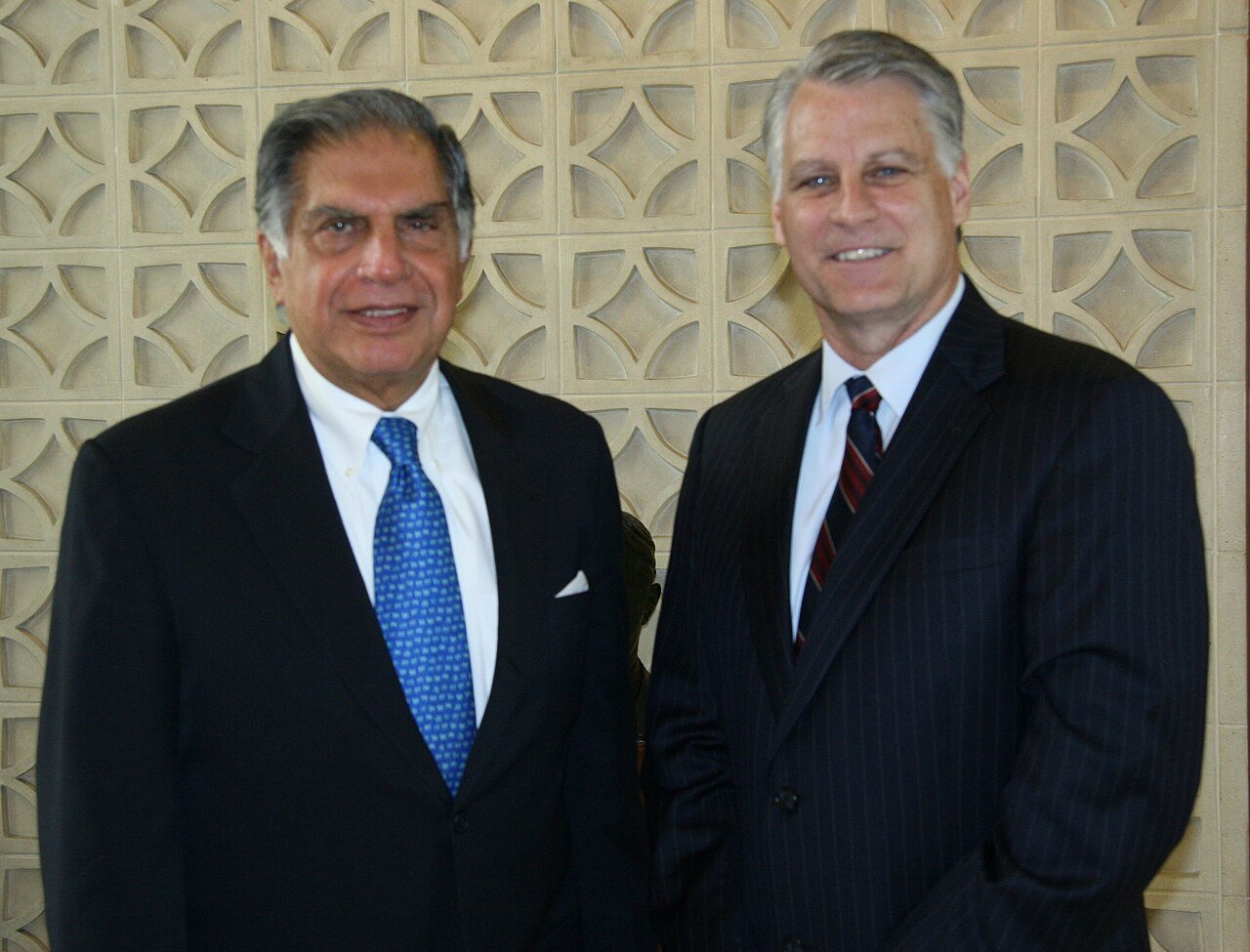
Tata Sons tries to stay unlisted
After becoming debt-free, Tata Sons applies to the RBI to surrender its registration as a core investment company, which would take it out of the upper-layer listing rule.
Mistry dies; the RBI names Tata Sons upper-layer
Cyrus Mistry dies in a road accident on 4 September. On 30 September the RBI names Tata Sons among its upper-layer NBFCs, which must list within three years.
Chandrasekaran’s second term
The board reappoints Chandrasekaran for five years, to 20 February 2027, with the Trusts’ backing.
2021
The Supreme Court rules for Tata
A bench led by Chief Justice SA Bobde sets aside the NCLAT order and upholds Mistry’s removal. It rejects the oppression and mismanagement claims and sets aside the NCLAT’s findings on the private-company conversion.
2019
NCLAT orders Mistry’s restoration
The NCLAT calls Mistry’s removal illegal, orders him restored as executive chairman and calls the conversion to a private company illegal. The Supreme Court stays the order on 10 January 2020.
2018
NCLT dismisses the petition
The tribunal dismisses the SP Group firms’ oppression and mismanagement petition. They appeal.
A new chairman and a private company
N Chandrasekaran, named on 12 January, takes charge on 21 February 2017. Mistry is removed as a director on 6 February. In September shareholders approve converting Tata Sons into a private limited company.
The Mistry firms go to the NCLT
Cyrus Investments and Sterling Investment Corporation file a petition alleging oppression of minority shareholders and mismanagement.
2016
Cyrus Mistry is removed
The board removes Cyrus Mistry as chairman. Ratan Tata returns as interim chairman. Mistry says the Trusts had too much influence; Tata says the board had lost confidence in him.
Mistry succeeds Ratan Tata
Named deputy chairman in November 2011, Cyrus Mistry, from the family behind the SP Group, becomes chairman. Ratan Tata becomes chairman emeritus and stays chairman of the Trusts.
Ratan Tata takes over
Ratan Tata succeeds JRD Tata and leads a global expansion that includes Tetley, Corus and Jaguar Land Rover.
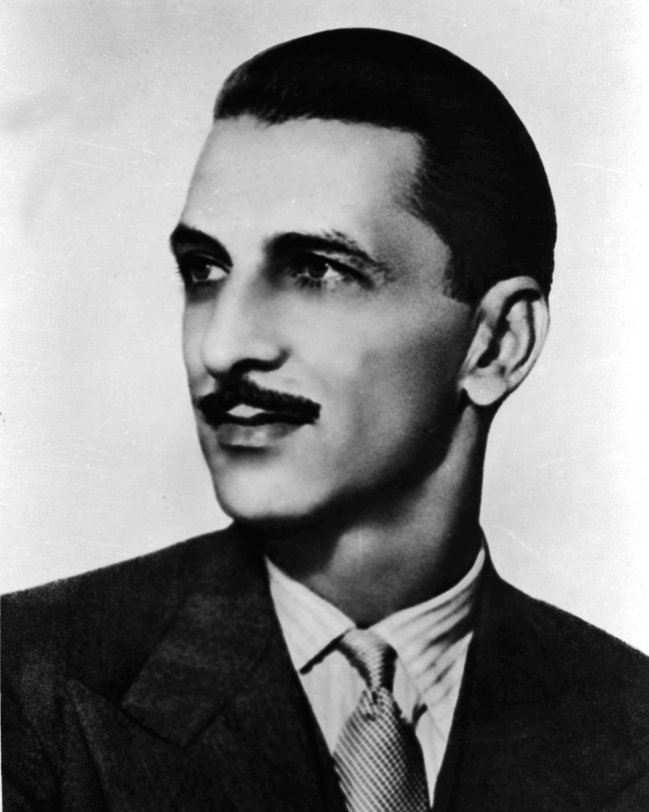
JRD Tata becomes chairman
JRD Tata chairs Tata Sons for 53 years, the longest tenure in its history.
1932
The trust model is built
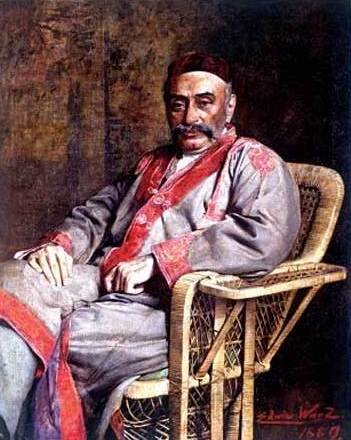
Jamsetji Tata sets up the JN Tata Endowment in 1892. Tata Sons is incorporated in 1917. The Sir Ratan Tata Trust (1919) and the Sir Dorabji Tata Trust (1932) follow, funded by the founder’s sons’ shares, and together become Tata Sons’ largest owners.
What Is Fact and What Is Claim?
The 2026 dispute is still developing. This is how we label it.
| Statement | Status |
|---|---|
| Tata Trusts hold about 66% of Tata Sons | Documented |
| Cyrus Mistry was removed in October 2016, and the Supreme Court upheld it in 2021 | Documented |
| Chandrasekaran said on 12 August 2026 he would not seek reappointment | Documented |
| The board voted 4-1 on 17 September 2026, with Noel Tata against | Documented |
| The RBI rejected Tata Sons’ exit from the CIC category | Reported, letter not public |
| The resolution is void | Tata Trusts’ position |
| The resolution is valid | Tata Sons’ position |
| Both Trust nominees must approve a chairman | Contested interpretation |
| The TVS Motor lease should have been disclosed | Allegation, denied |
| Listing would destroy the Tata model | Argument, not fact |
| “Coup” or “takeover” | Loaded wording, we avoid it |
What Could Happen Next
Five dates and decisions to watch, none of them settled.
A court case
The Trusts are weighing the NCLT or the Bombay High Court. A petition could test Article 121 directly and would likely take months.
The AGM by 31 December 2026
Shareholders, the Trusts above all, vote on directors at the AGM. That is where a majority owner’s power is strongest.
A listing plan
After the RBI’s refusal, Tata Sons needs a route to comply, or a fresh legal or regulatory challenge to the requirement.
The SP Group’s exit
The Rs 25,000 crore proposal and the listing are rival answers to the Mistry family’s need to sell.
20 February 2027
Chandrasekaran’s current term ends. Whether he stays depends on whether the September vote survives.
The Charity Commissioner
Its inquiry decides whether the Sir Ratan Tata Trust can act again, and so how united the Trusts can be.
🤔 Did You Know?
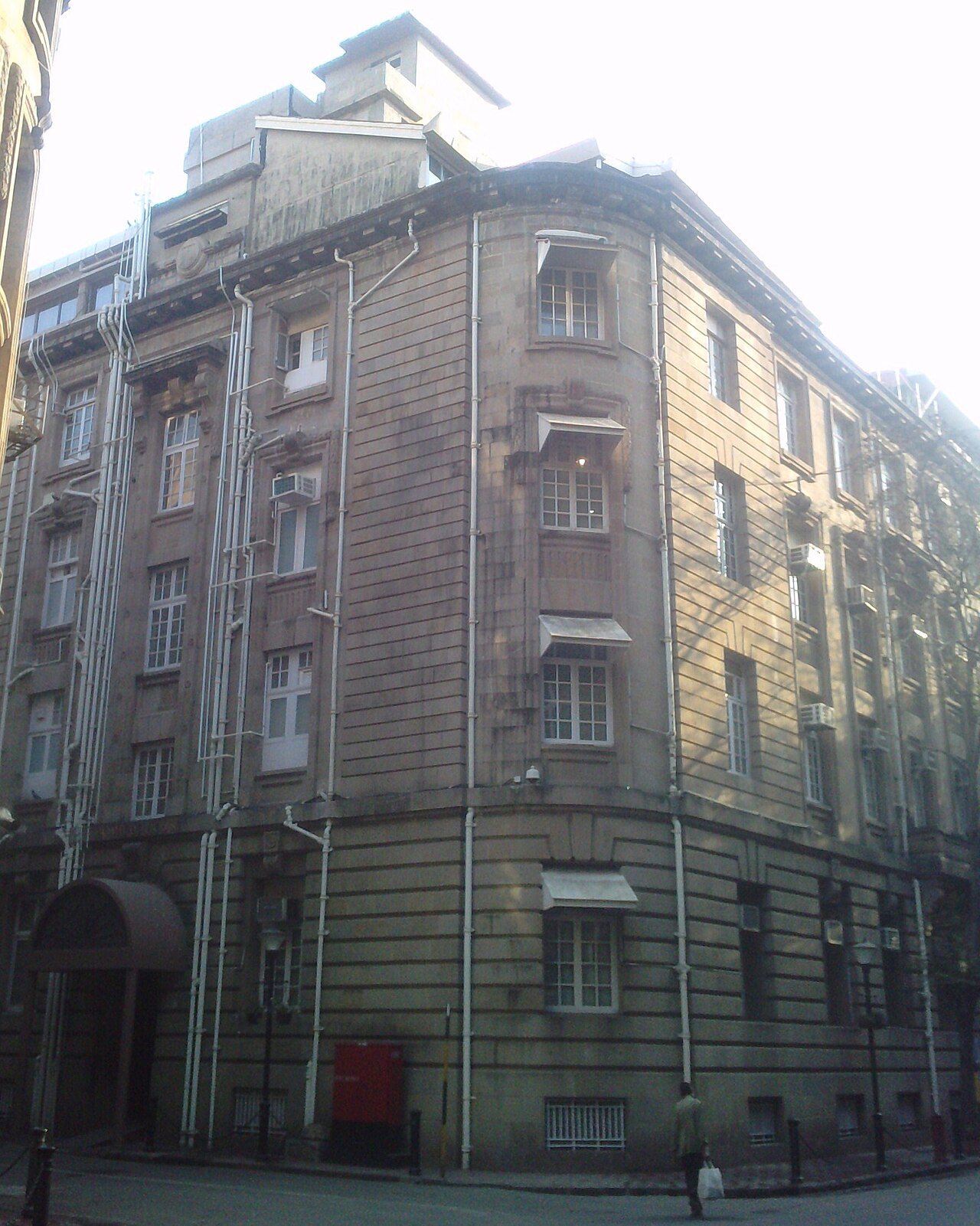
- Bombay House, the Tata headquarters in Mumbai’s Fort district, was completed in 1924 and has housed the group’s leadership ever since.
- JRD Tata chaired Tata Sons for 53 years, from 1938 to 1991, longer than any other chairman.
- Chandrasekaran, a TCS lifer, was widely described in 2017 as the first non-Parsi chairman of Tata Sons.
- Ratan Tata chaired Tata Sons twice: from 1991 to 2012, and as interim chairman from October 2016 to February 2017.
- Venu Srinivasan, the nominee who voted for the extension, is not a Tata executive. He is chairman emeritus of TVS Motor and vice-chairman of the Tata Trusts.
Explore More Timelines
People Also Ask
Frequently Asked Questions
Related AiTimeline Stories
⚠️ Editorial Note
This is a developing story, current to 28 September 2026. Events are checked against Tata Trusts’ September 2026 statements, Business Standard, Business Today, Al Jazeera, Outlook Business, Moneylife and Wikipedia’s Tata Sons entry. Several points in circulating summaries were corrected: Tata Sons’ shareholders approved the private-company conversion in September 2017, not 2018; the RBI listing deadline was September 2025; the claim that the Tata Sons board decided in March 2024 to stay unlisted could not be verified and is left out. Cyrus Mistry’s 2022 death, the 2024 protocol and Nariman opinion, the 2025 departures of Vijay Singh and Mehli Mistry, the February 2026 deferral, the Charity Commissioner inquiry, the AGM adjournment and the TVS lease allegation were missing from many timelines and are added. Where the legal meaning is contested we say “the Trusts argue” or “Tata Sons says”. The Rs 25,000 crore figure is the minimum gross proceeds in the SP proposal as described by Tata Trusts. This is editorial, AI-assisted content, not legal or investment advice.
Sources & further reading
Every dated entry above was checked against these references. Last reviewed 28 September 2026.
- Tata Trusts: resolution to reappoint N Chandrasekaran is illegal (press release)
- Tata Trusts: Chairman tables proposal for providing liquidity to the SP Group
- Business Today: RBI rejects Tata Sons' CIC deregistration bid
- Business Standard: Tata Trusts calls Chandra's reappointment void, questions casting vote
- Al Jazeera: Tata v Tata, what's behind India's big boardroom brawl?
- Business Today: When Justice Nariman said nominee directors are not bound by Trusts' directions
- Outlook Business: Tata Sons vs Tata Trusts, the battle over who calls the shots
- Business Today: Tata Trusts prepares to challenge Chandrasekaran's reappointment in court
- Moneylife: Tata Sons defers Chandrasekaran's third term after Noel Tata flags concerns
- Wikipedia: Tata Sons