Dainik Bhaskar: Journey of India’s Largest Hindi Newspaper
Dainik Bhaskar history from the 1958 Bhopal launch: the Jaipur coup of 1996, Divya Bhaskar, the 2009 IPO, the 2021 tax raids and 43 editions today.
Latest Story
Dainik Bhaskar began as a Bhopal Hindi daily in August 1958, out of a family business that had published since 1948. A survey-led launch in Jaipur in December 1996 made it a national player, and it is now the flagship of D. B. Corp, a listed company with papers in Hindi, Gujarati and Marathi, a radio network and India’s biggest publisher news app. This is Dainik Bhaskar history in order: every launch date from the group’s own record, the 1996 Jaipur numbers explained, the tax raids of 2021 and the court cases of 2023 and 2026 included, and each ‘largest’ claim labelled with its source and year.
💡 Short Answer
Dainik Bhaskar launched in Bhopal on 13 August 1958, from a family publishing business started in 1948 by Dwarka Prasad Agarwal and his brothers. It added Indore (1983), Raipur (1988) and Bilaspur (1993), then entered Jaipur on 19 December 1996 with 172,347 copies on day one. It moved into Chandigarh and Haryana (2000), Gujarati with Divya Bhaskar (2003), radio with MY FM (2006), Punjab (2006), Jharkhand (2010), Marathi with Divya Marathi (2011) and Bihar (2014). D. B. Corp listed in January 2010. Audited at 3.57 million copies a day in 2022, it reported FY26 revenue of about Rs 2,441 crore.
Dainik Bhaskar History: Key Questions
Dainik Bhaskar in Ten Points
- 1948–1958: the Agarwal brothers’ papers become Dainik Bhaskar in Bhopal on 13 August 1958.
- 1983–1995: Indore, Raipur and Bilaspur; No. 1 in Madhya Pradesh by 1995.
- 19 December 1996: Jaipur, after a 200,000-household survey: 172,347 copies against a 50,000 target.
- 2000: Chandigarh (69,000 copies) and Haryana (271,000) with the same model.
- 2003–2006: Divya Bhaskar in Gujarati, DNA with Zee, 94.3 MY FM and Punjab.
- Dec 2009–Jan 2010: D. B. Corp’s IPO is about 39.5 times subscribed; shares list on 6 January 2010.
- 2010–2014: Jharkhand, Divya Marathi and Bihar; the family’s other branch briefly halts the Ranchi edition in court.
- 2017: chairman Ramesh Chandra Agarwal dies at 72.
- 2021–2023: Covid reporting, then tax raids; a Madras High Court apology order in 2023.
- 2026: 43 editions in 11 states, about 16 million app users, Rs 2,441 crore revenue, and a contempt case over an advertisement.
One Name, Two Publishers
Why a Dainik Bhaskar in Lucknow is not the Dainik Bhaskar in Jaipur.
Bhopal: Ramesh Chandra Agarwal’s line
The listed company that publishes Dainik Bhaskar in 11 states, Divya Bhaskar and Divya Marathi, and runs bhaskar.com and MY FM. This page follows its history.
Jhansi: Mahesh Prasad Agarwal’s line
A branch of the founding family that has published Dainik Bhaskar from Jhansi since 1958, now also from Lucknow, Noida and Dehradun, at dainikbhaskarup.com. Ownership of the title has been fought over since the 1990s, including a 2003 Supreme Court ruling and the 2010 Ranchi stay.
The Dainik Bhaskar Timeline, 1948–2026
Newest first. Tags mark expansion, business milestones, scrutiny and turning points. Company claims are labelled as such.
An advertisement and a contempt case Scrutiny
On 12 September 2026 Dainik Bhaskar and The Hindu carried front-page advertisements headed ‘What is Dera Sacha Sauda? (Facts vs Fiction)’, which presented the jailed sect leader Gurmeet Ram Rahim Singh as the victim of a conspiracy. Both papers printed disclaimers saying they had no editorial involvement; The Hindu apologised the next day. On 16 September Justice Subhas Mehla of the Punjab and Haryana High Court began suo motu criminal contempt proceedings against the Dera and the publishers and editors-in-chief of both papers, holding that the material could prima facie scandalise the courts. The case is listed for 25 November 2026. Whatever its outcome, it is a reminder that an advertising department’s decision can land on the masthead.
Profits up, print holding Business
D. B. Corp’s results for April to June 2026, released on 16 July 2026, showed revenue of Rs 632 crore, up 8%, advertising revenue up 10% to Rs 432 crore, flat circulation revenue of Rs 120 crore, and net profit of Rs 100.7 crore. For the full year to March 2026 it had reported revenue of about Rs 2,441 crore and profit of about Rs 332 crore, down from Rs 371 crore after a costly election-year comparison. Its April 2026 investor deck lists 43 Dainik Bhaskar editions in 11 states, 8 Divya Bhaskar and 6 Divya Marathi editions, 44 radio stations and around 12,000 journalists including stringers. In an industry where print revenue has barely grown since 2012, the company says its print advertising rose 40% between FY13 and FY25.
2025
New apps, steady copies Expansion
The group launched a news app for Uttar Pradesh and Uttarakhand in 2024, digital entry into states where, for family reasons explained below, it does not print the Dainik Bhaskar title. In the 2024-25 financial year it launched Bhaskar English, a mobile app for readers who prefer news in English; the Hindi daily itself is unchanged. In the Audit Bureau of Circulations figures for January to June 2025, its big editions barely moved: Jaipur 464,898 copies, Raipur 191,855 and Gwalior 116,289, at a time when many Hindi titles were losing sale.
A court orders an apology Scrutiny
In March 2023 Dainik Bhaskar posted a video on social media claiming that migrant workers from Bihar had been attacked in Tamil Nadu for speaking Hindi. Tamil Nadu police said the death in the video was a suicide and released CCTV footage. In July 2023 the Madras High Court called the report fake news and directed the paper to apologise to the court and the people of Tamil Nadu through a front-page corrigendum in its print editions.
2021
Tax raids after the Covid coverage Turning point
Weeks after its second-wave reporting, when Bhaskar reporters counted bodies buried along the Ganga and matched crematorium registers against official Covid death tolls, the Income Tax Department searched about 30 offices and homes of the group in Bhopal, Indore, Jaipur, Ahmedabad, Noida, Mumbai and elsewhere. The CBDT alleged that tax on income of about Rs 700 crore had escaped over six years through companies registered in employees’ names, and that Rs 2,200 crore had been cycled among group firms. The paper ran the headline ‘We did our job’ and linked the raids to its pandemic journalism; the Editors Guild of India expressed concern, and Union minister Anurag Thakur said the agencies were simply doing their work. The same year the group launched 24 ‘mega editions’. The tax allegations are claims by the department; we have not found a final determination.
2020
‘Largest’ on several counts Business
The group celebrated 60 years in 2018 and opened a Gaya edition in Bihar. It began citing a stack of rankings: India’s No. 1 newspaper group on urban average-issue readership in the IRS 2017 and IRS 2019 surveys (excluding financial dailies), India’s largest circulated daily in the ABC July-December 2018 and 2019 audits, and the world’s third-largest circulated newspaper in WAN-IFRA’s 2019 report. Each figure is real for its survey and period; none is a measure of 2026.
2017
Ramesh Chandra Agarwal dies Turning point
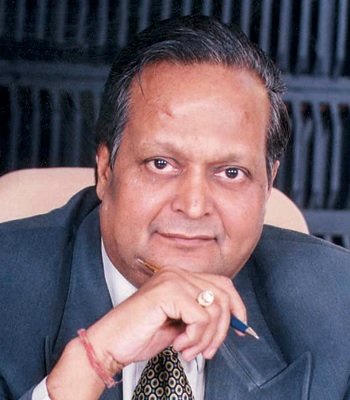
Ramesh Chandra Agarwal, the son of Dwarka Prasad Agarwal and the chairman who took Dainik Bhaskar from Madhya Pradesh into Rajasthan, Gujarat, Haryana, Punjab, Maharashtra, Jharkhand and Bihar, died after a cardiac arrest at Ahmedabad airport on 12 April 2017. He had received the Rajiv Gandhi Lifetime Achievement Award in Journalism in 2009. The business passed to his sons Sudhir (managing director), Girish and Pawan Agarwal. Two months later the group put its Hindi news app on Android, iOS and Windows.
2016
Bihar, and the world’s fourth-largest Expansion
Dainik Bhaskar entered Bihar with a Patna edition in January 2014, which the group counts as its 37th edition and 14th state, then added Bhagalpur (July 2015) and Muzaffarpur (August 2015). In April 2014 it launched an online Hindi edition for Uttar Pradesh, and in March 2016 an English daily, DB Post, in Bhopal. WAN-IFRA’s World Press Trends 2016 ranked Dainik Bhaskar the world’s fourth-largest paid daily by circulation. In the same period the paper ran its ‘No Negative News’ Monday editions, studied in a 2017 Emerald case, ‘Dainik Bhaskar: live no negative’.
2013
Divya Marathi and a crowded Rajasthan Expansion
In January 2011 Dainik Bhaskar opened four more Rajasthan editions at once. On 29 May 2011 the group launched its third language, Divya Marathi, in Aurangabad, and followed with Nashik, Jalgaon, Ahmednagar, Solapur, Akola and Amravati by August 2013. It also took DNA to Indore. By 2012, though, Zee had bought out the group’s half of DNA, ending its biggest English-language venture.
2010
Jharkhand, and a court stay Expansion
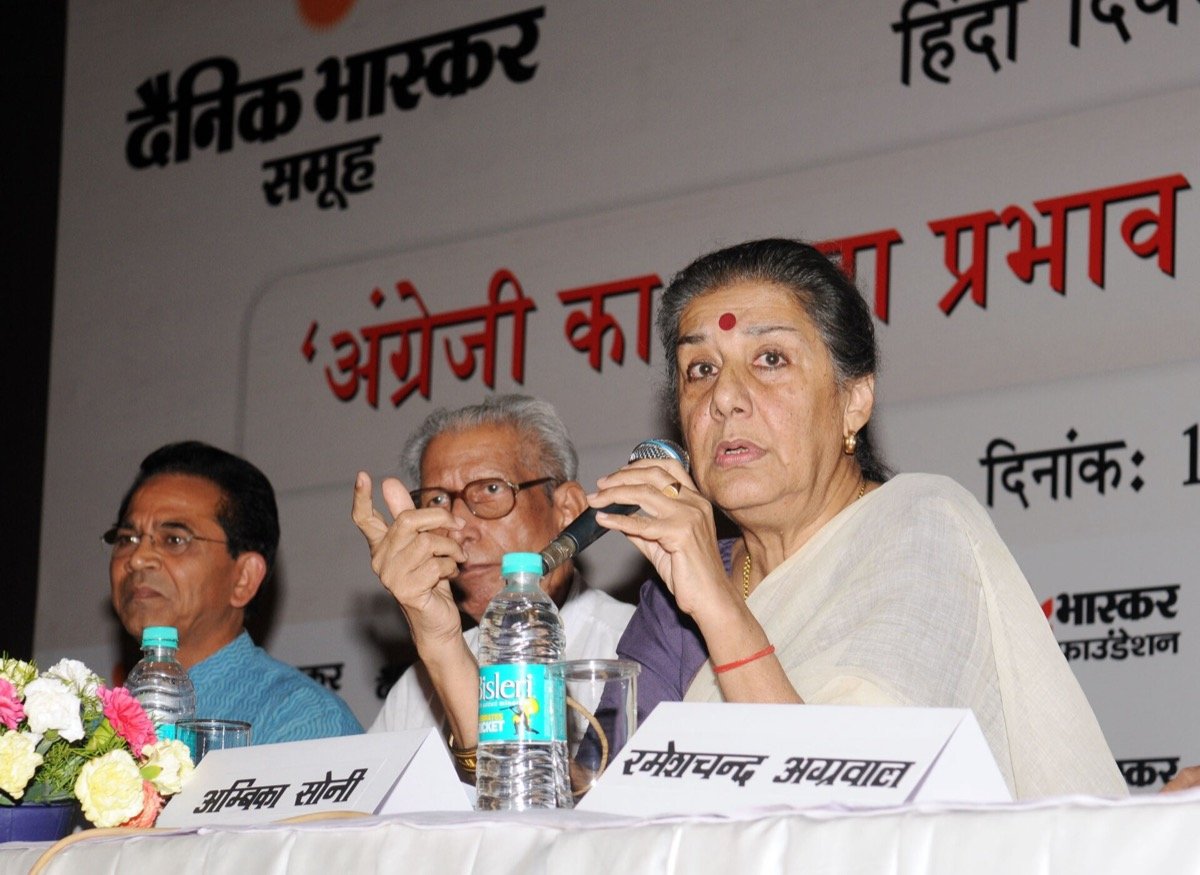
Dainik Bhaskar entered Jharkhand on 22 August 2010 with a Ranchi edition that, the group says, opened with 1,35,000 pre-subscribed copies. A week later the Delhi High Court stayed publication on a petition by Sanjay Agarwal, a co-owner of the Dainik Bhaskar title from the Jhansi branch of the family, who argued that new editions needed his consent; the order was soon reversed and the edition resumed. Jammu followed on 18 October and Jamshedpur on 12 December. In September the group’s Bhaskar Foundation held a Delhi seminar on Hindi print and the rise of English.
Jan 2010
D. B. Corp goes public Business
D. B. Corp’s initial public offering ran from 11 to 15 December 2009 (the group gives 10 December as the opening) at Rs 212 a share. It raised about Rs 384 crore and was subscribed about 39.5 times, then the best response to an Indian IPO in nearly two years. The shares began trading on the BSE and NSE on 6 January 2010. The year before, Dainik Bhaskar had marked its 50th anniversary with the ‘Zid karo, duniya badlo’ campaign fronted by M.S. Dhoni, and installed KBA presses in Jaipur and Ahmedabad.
2008
A company, a radio network, an English paper Business
In April 2005 the publishing business was reorganised: D. B. Corp Ltd emerged from the demerger of Writers and Publishers Ltd, with private-equity investment from Warburg Pincus, and a subsidiary won licences for 17 FM radio stations. On 30 July 2005 the group and Zee launched the English daily DNA in Mumbai as a 50:50 venture. Its first station, 94.3 MY FM, went on air in Jaipur on 28 May 2006. On 8 October 2006 Dainik Bhaskar entered Punjab with Amritsar and Jalandhar editions, claiming the No. 1 position on day one, and added Ludhiana on 15 December 2007. A digital subsidiary, now DB Digital, was set up in December 2005.
2004
Divya Bhaskar: a second language Turning point
In June 2003 the group launched Divya Bhaskar, a Gujarati daily, in Ahmedabad. The group says it debuted with 4.52 lakh copies and displaced a Gujarati paper that had led for 50 years, a launch later written up as an IIM Ahmedabad case. Surat followed on 28 March 2004 and Baroda on 12 September, and the group bought the 60-year-old Bhavnagar daily Saurashtra Samachar. It was the first time the Bhaskar model, survey first and launch big, was used outside Hindi.
2001
Chandigarh and Haryana Expansion
Chandigarh was an English-reading city: English papers outsold Hindi ones about six to one, and The Tribune led with around 50,000 copies. Bhaskar surveyed about 220,000 households in January 2000 and designed a Hindi paper that mixed in the city’s English usage. It launched on 7 May 2000 with 69,000 copies. Haryana followed on 4 June 2000 with Panipat and Hisar editions and 271,000 copies, and Faridabad on 17 June 2001. In November 2000 Chhattisgarh became a state, turning the Raipur and Bilaspur editions into a separate state market.
1999
The rest of Rajasthan Expansion
After Jaipur, the group repeated the survey-and-subscribe model city by city: Ajmer on 6 April 1997, Jodhpur on 3 August 1997, Bikaner on 16 October 1997, Udaipur in 1998 (its fifth Rajasthan edition) and Kota on 6 March 1999. By 1999, according to the case study by Porus Munshi, it was the No. 1 urban newspaper across the state.
1996
Jaipur: No. 1 from day one Turning point
Rajasthan Patrika dominated Jaipur with about 100,000 copies. Bhaskar’s goal was modest: to open as the No. 2 paper with 50,000 copies. An in-house team of about 700 surveyors visited roughly 200,000 households, asked what readers wanted, then went back with a prototype and offered an advance subscription at Rs 1.50 against a Rs 2 cover price, with a refund if they were unhappy. On 19 December 1996 Dainik Bhaskar sold 172,347 copies and opened as the city’s No. 1. The group calls it a ‘twin-contact’ research programme. The figure is a launch-day number reported by the group and a 2009 case study, not an audited count; it remains the move that defines the brand.
1995
Raipur, Bilaspur, No. 1 in Madhya Pradesh Expansion
The paper opened in Raipur in 1988 and Bilaspur on 20 September 1993, both then in Madhya Pradesh. By 1995, the group says, it was No. 1 in Madhya Pradesh and had been declared India’s fastest-growing daily by a readership survey. With the home state won, it looked for a market where it would have to start from nothing.
1983
Indore Expansion
The Indore edition, launched on 5 March 1983, took the paper into Madhya Pradesh’s largest commercial city, which had its own established Hindi press. It proved the multi-edition model: local reporting and distribution for each city, with shared management and printing behind them.
1981
Web offset in Bhopal Expansion
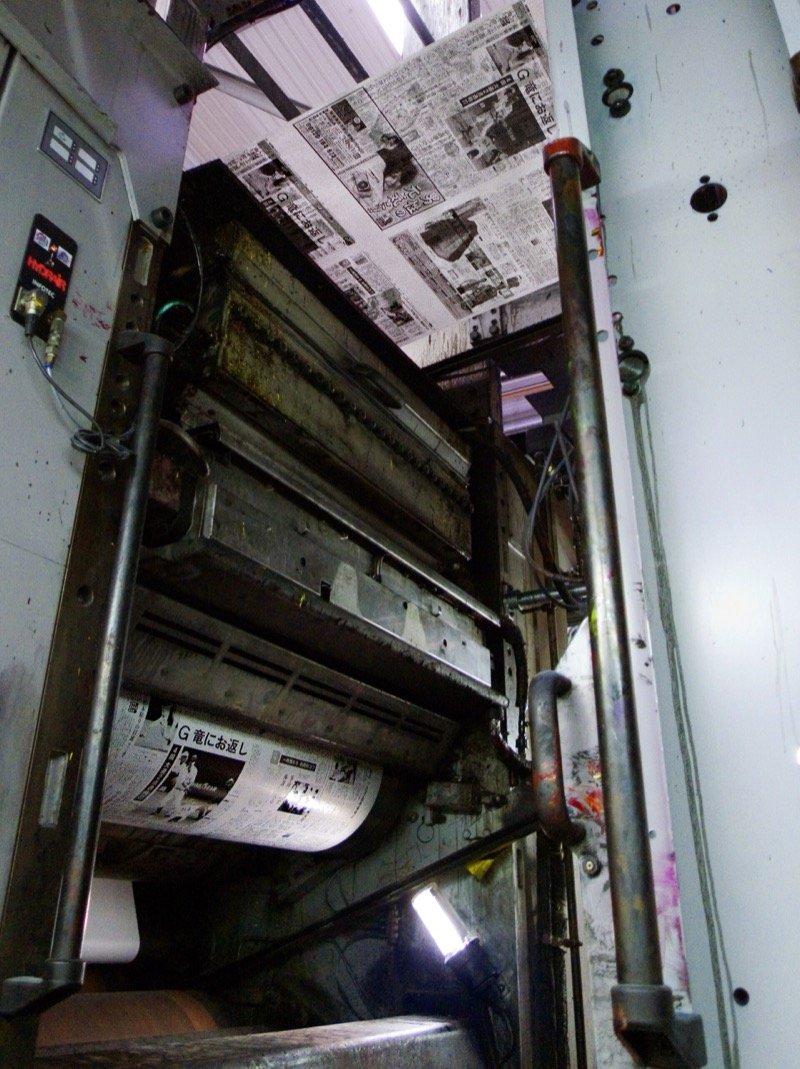
In 1977 the group installed a web-offset press in Bhopal, which it describes as the first in India; we have not found independent confirmation of that ‘first’. Web-offset presses print from continuous rolls of paper and made faster, cleaner, larger runs possible. By 1981, the group says, Dainik Bhaskar was the largest newspaper in Bhopal.
1958
Dainik Bhaskar launches in Bhopal Turning point
The group dates its flagship daily to 13 August 1958 in Bhopal, two years after the city became the capital of the new Madhya Pradesh. The new state government, its offices and its politics gave a Hindi daily an immediate readership. The same year, according to the Jhansi-based branch of the family, Mahesh Prasad Agarwal started a Jhansi edition, the root of the separate Dainik Bhaskar published in Uttar Pradesh today.
1957
Subah Savere and Bhaskar Samachar Business
Dwarka Prasad Agarwal and his younger brothers Bishambhar Dayal and Mahesh Prasad Agarwal started publishing in 1948. According to Wikipedia, the first paper was Subah Savere (‘early morning’) in Bhopal, alongside Good Morning India in Gwalior, renamed Bhaskar Samachar in 1957 and Dainik Bhaskar in 1958. Those early names come from an uncited section of Wikipedia; the 1948 start and the three brothers are confirmed by the family’s Jhansi branch. Shared origins later became shared litigation over who owns the title.
1958: Where the Bhaskar Story Began. Pick a year.
Drag from 1948 to 2026. Coral chips are Dainik Bhaskar states; teal chips are other languages, radio, digital and ventures. Dates from the group’s legacy timeline unless stated.
The Launch Numbers
How many copies each big entry sold on its first day, as the group and its case studies report them.
Six ways to measure a newspaper
‘India’s largest Hindi newspaper’ is true on some measures and not others. Pick one to see the figure, its source and the caveat.
Every Major Launch
Markets, languages and ventures, with dates from the group’s legacy timeline and the press record.
| Market or title | Launched | Language | Note |
|---|---|---|---|
| Bhopal | 13 Aug 1958 | Hindi | Flagship and headquarters |
| Indore | 5 Mar 1983 | Hindi | First major expansion |
| Raipur / Bilaspur | 1988 / 20 Sep 1993 | Hindi | Chhattisgarh since Nov 2000 |
| Jaipur | 19 Dec 1996 | Hindi | 172,347 copies on day one |
| Chandigarh / Haryana | 7 May / 4 Jun 2000 | Hindi | 69,000 / 271,000 copies |
| Divya Bhaskar, Ahmedabad | June 2003 | Gujarati | 4.52 lakh copies, group says |
| DNA, Mumbai | 30 Jul 2005 | English | With Zee; Bhaskar out by 2012 |
| 94.3 MY FM, Jaipur | 28 May 2006 | Radio | 44 stations in 2026 |
| Amritsar / Jalandhar | 8 Oct 2006 | Hindi | Punjab entry |
| Ranchi | 22 Aug 2010 | Hindi | Brief court stay |
| Divya Marathi, Aurangabad | 29 May 2011 | Marathi | 6 editions in 2026 |
| Patna | Jan 2014 | Hindi | 37th edition, 14th state |
| DB Post, Bhopal | Mar 2016 | English | Bhopal daily |
| Bhaskar English app | FY 2024-25 | English | Mobile only |
The Bhaskar Playbook
What the group did differently, and what it cost.
Ask before you print
Jaipur (200,000 households) and Chandigarh (220,000) were surveyed door to door before a single copy was printed, and the prototype was shaped by the answers.
Subscriptions before launch
Discounted advance subscriptions with a refund guarantee meant the paper knew its print run on day one, and rivals saw it only when it arrived.
Kendra mein pathak
‘The reader at the centre’: 61 main and 211 district editions so that each town sees its own news, staffed by a reporting network of about 12,000.
Scale invites scrutiny
A national footprint brought tax raids, court-ordered corrections and an advertising controversy, each tested in public.
From Print to Phones
The app that grew tenfold in six years.
Dainik Bhaskar in Numbers
Audited, surveyed, alleged and company-reported figures, kept apart and labelled.
| Figure | What it measures | Source | How to read it |
|---|---|---|---|
| 172,347 | Jaipur copies, 19 Dec 1996 | Munshi (2009); group | Launch day, not audited |
| 3,566,617 | Daily circulation, Jul-Dec 2022 | ABC | Audited; highest in India |
| 6.63 crore | Group total readership | IRS 2019 Q4, via group | Survey last run in 2019 |
| 39.5x | IPO subscription, Dec 2009 | Market data | Issue at Rs 212 |
| Rs 700 crore | Income allegedly untaxed | CBDT, July 2021 | Allegation, not a ruling |
| 43 / 11 | Dainik Bhaskar editions / states | D. B. Corp, Apr 2026 | Group: 61 main editions |
| ~12,000 | Journalists incl. stringers | D. B. Corp, Apr 2026 | Company figure |
| Rs 2,441 crore | Revenue, FY 2025-26 | D. B. Corp results | Profit about Rs 332 crore |
| 15.6 million | App monthly unique visitors, May 2026 | Comscore via D. B. Corp | Company-chosen peer set |
Corrections and Clarifications
Claims in the brief this page was built from, checked against the group’s legacy timeline, D. B. Corp filings, Wikipedia and the press record.
“1948, per Dainik Bhaskar UP/UK”
The brief cites dainikbhaskarup.com for D. B. Corp’s origins. That site belongs to the separate Jhansi branch of the family, not D. B. Corp. Its 1948 date agrees with Wikipedia, but it is not the group’s own record.
“IPO completed in 2010, 39.5 times”
The public issue ran in December 2009 (11 to 15 December; the group says 10 to 15) and was subscribed about 39.5 times; the shares listed on 6 January 2010. The group’s own page says ‘over 39 times’.
“1977: web-offset installed”
The group says it was India’s first web-offset machine. We found no independent confirmation, so the ‘first’ is labelled as its claim.
“SAP in 2006, No Negative News in 2015”
Neither appears in the group’s legacy timeline or the 2025 annual report we checked. The No Negative News Monday editions are documented in a 2017 case study; we do not give them a year.
Chandigarh, Haryana, Punjab, Jharkhand
The brief jumps from Rajasthan to Gujarat and Bihar. The 2000 Chandigarh and Haryana launches, Punjab in 2006 and Jharkhand in 2010 are now in the timeline.
DNA, MY FM and DB Post
The 2005 English-language venture with Zee, the radio network launched in 2006 and the 2016 Bhopal English daily were all left out.
The 2021 tax raids
The brief’s 2021 entry praises the pandemic journalism but omits the Income Tax searches that followed it and the CBDT’s Rs 700 crore allegation.
Courts, 2010 to 2026
The Ranchi stay of 2010, the Madras High Court apology order of 2023 and the 2026 contempt case over the Dera Sacha Sauda advertisement are all part of the record.
What Comes Next
Dainik Bhaskar’s print business is still growing slowly in an industry that mostly is not: advertising revenue rose 10% in the April-June 2026 quarter while circulation revenue held flat. The model that built it, survey a town, sell before you print, then report every district, is expensive to run and hard to copy, which is its protection.
The open questions are the ones scale brings. Its app is the biggest of any Indian publisher, but its audience stopped climbing after 2025. Its reporting has been praised and punished in the same year. And the 2026 contempt case shows that the trust a 68-year-old masthead has built can be spent by a single page it did not write. The next decade will test whether the paper that won Jaipur by listening can keep its readers’ trust as well as their subscriptions.
Explore More Timelines
People Also Ask
Frequently Asked Questions
The Bottom Line
Dainik Bhaskar is a Bhopal daily of 1958 with family roots in 1948. It became No. 1 in Madhya Pradesh by 1995, won Jaipur on its first day in 1996 with a door-to-door survey and advance subscriptions, and used the same method to enter Chandigarh, Haryana, Gujarat, Punjab, Jharkhand, Maharashtra and Bihar. Listed through D. B. Corp since 2010, it has led Indian dailies on audited circulation in recent years and built India’s largest publisher news app. It has also faced tax raids, court-ordered corrections and a 2026 contempt case. ‘Largest’ is true on several measures; each needs its source and its year.
Related AiTimeline Stories
⚠️ Editorial Note
Last updated 12 October 2026. Launch dates, first-day copy counts and rankings come from the Dainik Bhaskar Group’s legacy timeline and are labelled as company claims where not independently audited; the 1996 Jaipur and 2000 Chandigarh details are from Porus Munshi’s 2009 case study as summarised by Wikipedia; edition counts and app data from D. B. Corp’s April 2026 investor presentation and its 16 July 2026 results release; FY26 results from company filings as reported by the financial press; IPO details from market data; the 2021 raids from CBDT statements as reported; court matters from Newslaundry, ThePrint and legal reporting. The 1948-57 paper names come from an uncited section of Wikipedia. Circulation and readership figures refer to the periods stated, not to October 2026. AiTimeline has no commercial relationship with D. B. Corp Ltd.
Sources & further reading
Every dated entry above was checked against these references. Last reviewed 12 October 2026.
- Dainik Bhaskar Group: Our Legacy (launch dates 1958-2025, Jaipur 19 Dec 1996, Divya Bhaskar 2003, IPO Dec 2009, Ranchi 2010, Patna 2014)
- D. B. Corp Ltd: Q1 FY27 results press release (16 July 2026)
- D. B. Corp Ltd: Investor presentation, April 2026 (43 editions in 11 states, 44 radio stations, app MAU)
- D. B. Corp Ltd: Annual Report 2024-25 (Bhaskar English app, FY25 results)
- Wikipedia: Dainik Bhaskar (1948 Subah Savere, Jaipur and Chandigarh launch figures, ABC 2022 circulation)
- Chittorgarh: D B Corp IPO (11-15 Dec 2009, Rs 212, 39.54x subscribed, listed 6 Jan 2010)
- The Tribune: CBDT says Rs 700 crore tax evasion by Dainik Bhaskar (July 2021)
- afaqs: Fresh twist to family dispute over Dainik Bhaskar (Supreme Court ruling, 2003)
- Wikipedia: Daily News and Analysis (DNA, Zee-Bhaskar joint venture, 30 July 2005)
- CourtBook: P&H High Court initiates contempt against The Hindu, Dainik Bhaskar over Dera Sacha Sauda ads (Sep 2026)
- Wikipedia: Ramesh Chandra Agarwal (1944-2017)