Trace the full history of Australia vs Egypt at FIFA World Cup 2026. Timeline of how both nations reached the Round of 32 clash.
Australia vs Egypt: FIFA World Cup 2026 History
Australia vs Egypt FIFA World Cup 2026
Australia vs Egypt is a FIFA World Cup 2026 Round of 32 match between the Socceroos, three-time World Cup qualifiers from the AFC, and Egypt, making their first World Cup appearance since 1990. The match is trending globally as it represents a rare clash between two nations with contrasting football histories meeting on the sport’s biggest stage.
Two nations, separated by an ocean and a century of footballing experience, collided in the Round of 32 at FIFA World Cup 2026 — and the stakes could hardly have felt more different. For Australia, this was the latest chapter in a quarter-century transformation from underdog to genuine contender. For Egypt, it was a resurrection story thirty-six years in the making. What follows is the full arc of how we arrived at this fixture: from dusty qualification campaigns and heartbreak exits to the moment both flags flew together under North American floodlights.
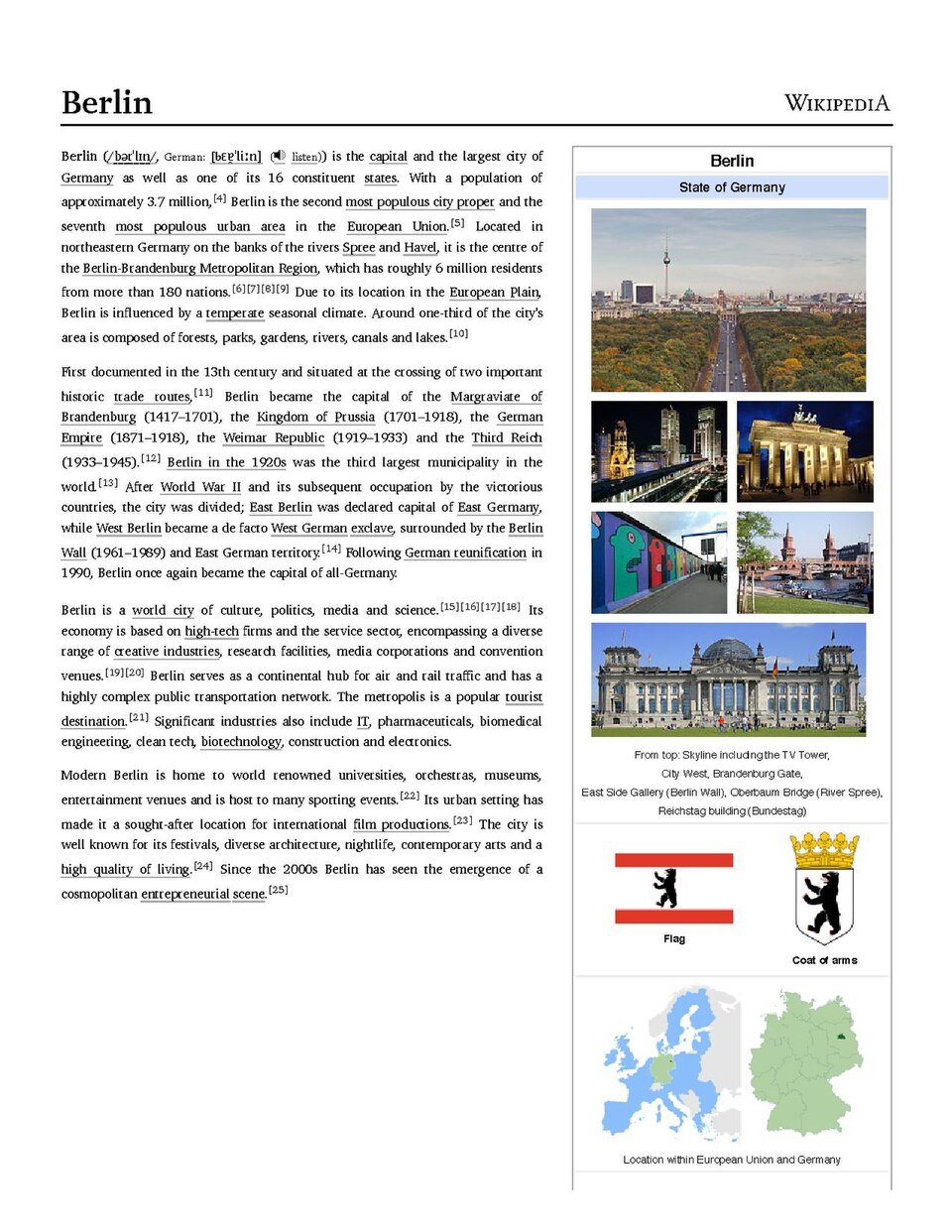
Egypt’s Final World Cup Appearance Before a 36-Year Absence at Italia 1990
Egypt competed at the 1990 FIFA World Cup in Italy, their second-ever World Cup appearance after 1934. They were drawn into Group F alongside England, Republic of Ireland, and the Netherlands, collecting one point from three matches without scoring a goal. The exit proved the beginning of a long continental exile from football’s grandest stage.
- ▸Egypt drew 0-0 with the Netherlands in their opening group match at Italia 1990.
- ▸Egypt failed to score in all three group-stage games, finishing bottom of Group F.
- ▸No African nation progressed past the group stage in 1990, reflecting the era’s power imbalance.

Australia’s National Soccer League Era and the Push Toward AFC Membership
Through the early 1990s, Australian football operated under the National Soccer League, a domestic competition dominated by ethnic club communities. The Socceroos competed within the Oceania Football Confederation, where qualification pathways to the World Cup were heavily penalised by inter-confederation playoffs. Structural limitations made consistent World Cup participation nearly impossible and galvanised calls for a fundamental rethink of where Australian football belonged globally.
- ▸The NSL, founded in 1977, remained Australia’s top domestic football competition through the 1990s.
- ▸Australia repeatedly faced inter-confederation playoff hurdles to reach World Cups, losing vital qualification matches.
- ▸FIFA’s expansion of World Cup berths in the 1990s intensified pressure for Australia to seek a stronger confederation.
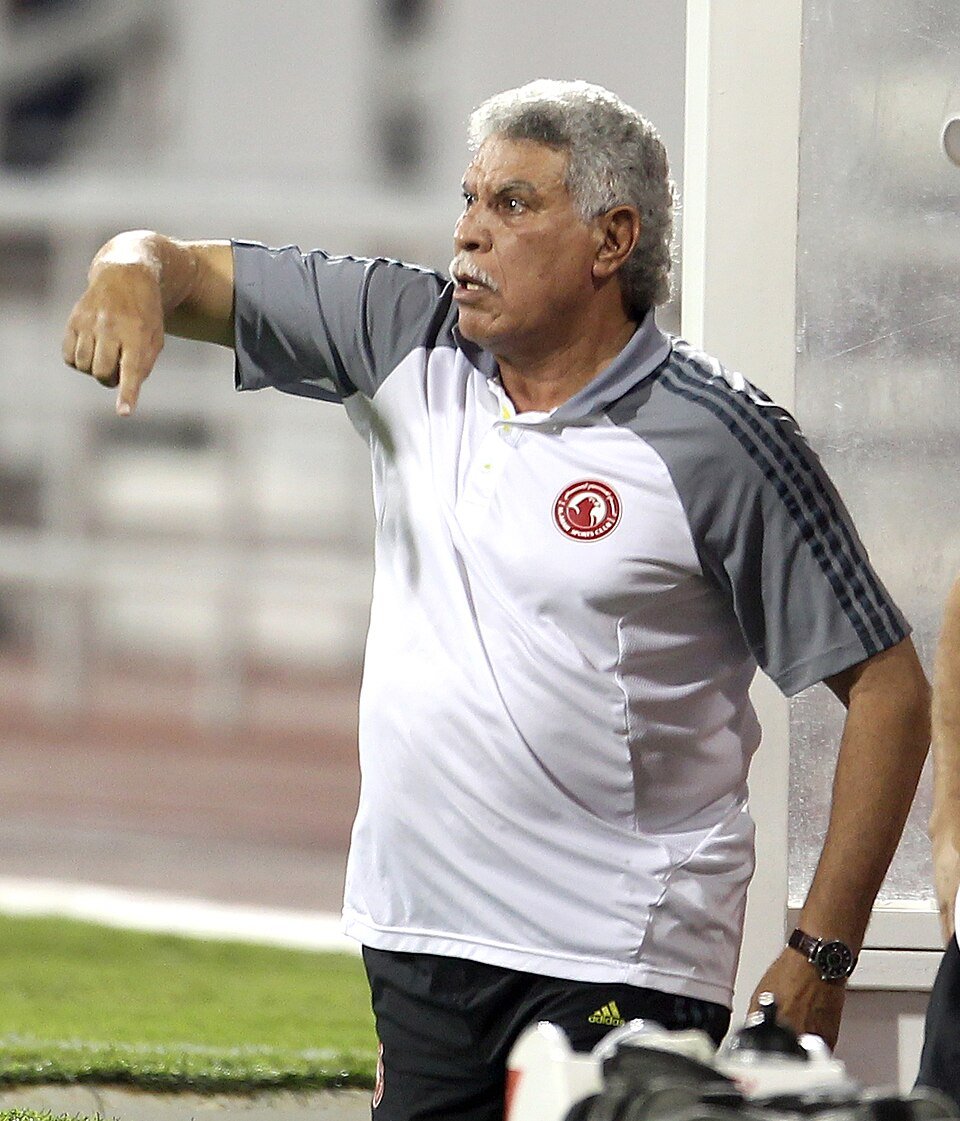
Mohamed Salah Begins Youth Career at El Mokawloon SC, Cairo
Mohamed Salah, born in Nagrig, Gharbia Governorate in 1992, joined El Mokawloon SC’s youth academy in Cairo as a teenager, making his senior debut in 2010. His extraordinary pace and technical skill quickly attracted European scouts, setting him on a path that would define Egyptian football for a generation. Salah’s emergence gave Egypt a globally bankable superstar around whom an entire national programme could be rebuilt.
- ▸Mohamed Salah made his professional debut for El Mokawloon SC in the Egyptian Premier League in 2010.
- ▸Salah scored 10 goals in 25 league appearances before attracting a move to Basel in 2012.
- ▸His Egyptian Premier League career established him as the country’s most exciting young talent since the golden generation of the 1990s.
Australia Leaves OFC and Joins the Asian Football Confederation, Changing World Cup Prospects
In January 2006, Australia formally transferred from the Oceania Football Confederation to the Asian Football Confederation, a seismic geopolitical and sporting decision. The move guaranteed Australia access to a qualification pathway with direct berths rather than near-certain playoff hurdles, fundamentally altering the Socceroos’ World Cup prospects. The switch also coincided with Australia’s debut at the 2006 FIFA World Cup in Germany — their first since 1974 — validating the strategic pivot immediately.
- ▸Australia joined the AFC in January 2006 after FIFA approved the transfer from the OFC.
- ▸The Socceroos reached the Round of 16 at the 2006 FIFA World Cup in Germany, their best result in decades.
- ▸Australia’s AFC membership opened direct qualification berths, replacing the near-impossible OFC inter-confederation playoff route.
Egypt Qualifies for the 2018 FIFA World Cup for the First Time in 28 Years
On 8 October 2017, Mohamed Salah converted a stoppage-time penalty against Congo to send Egypt to the 2018 World Cup in Russia — the nation’s first qualification in 28 years. The goal, scored in Alexandria, triggered mass celebrations across the country. Salah’s decisive contribution underscored his totemic importance to the national side and briefly made Egypt one of the most discussed teams in global football ahead of the tournament.
- ▸Mohamed Salah scored the qualification-clinching penalty against Congo in the 89th minute on 8 October 2017.
- ▸Egypt topped CAF Group E with six wins from six games during the final qualifying round.
- ▸The qualification ended a 28-year absence from the World Cup finals, the longest gap for a previous participant from Africa at the time.
Egypt Knocked Out in Group Stage at 2018 FIFA World Cup Russia Despite Salah Return from Injury
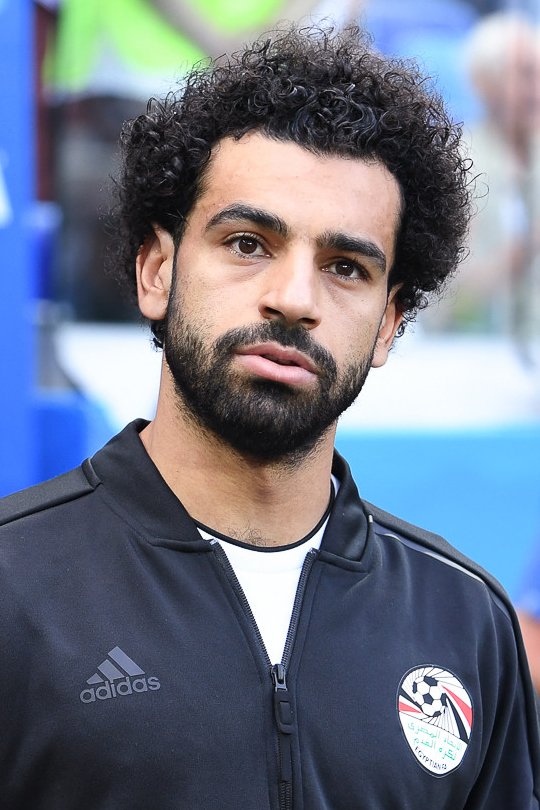
Egypt arrived at Russia 2018 with Salah carrying a shoulder injury sustained in the Champions League final just weeks earlier. The Pharaohs lost all three group games — to Uruguay, Russia, and Saudi Arabia — and were eliminated without a point. Salah scored twice in the tournament, but the squad’s structural limitations were brutally exposed. The exit reignited debate about the depth of Egyptian football beyond its singular star.
- ▸Egypt lost 1-0 to Uruguay, 3-1 to Russia, and 2-1 to Saudi Arabia in Group A at Russia 2018.
- ▸Mohamed Salah scored both Egypt goals at the tournament but could not prevent three defeats.
- ▸Salah had sustained a shoulder injury in the UEFA Champions League final against Real Madrid on 26 May 2018, just 16 days before Egypt’s opening game.
Australia Reaches FIFA World Cup 2022 Quarter-Final, Best-Ever World Cup Performance
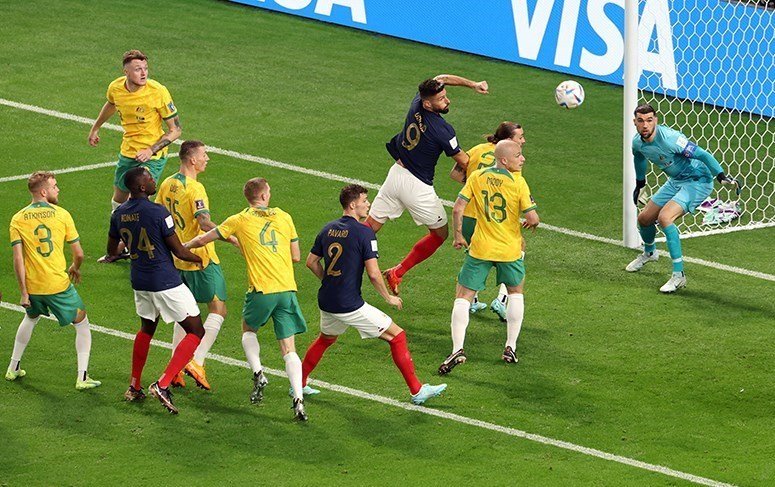
Australia’s campaign at the 2022 FIFA World Cup in Qatar was the finest in the nation’s history. The Socceroos eliminated Denmark in the group stage, then defeated Argentina in a dramatic Round of 16 penalty shootout — eliminating the eventual champions at that stage — before falling 1-0 to Argentina in the quarter-final. Goalkeeper Mat Ryan’s penalty heroics and striker Mitchell Duke’s physicality made the Socceroos a global fan favourite.
- ▸Australia defeated Argentina on penalties in the Round of 16 at Qatar 2022, the biggest result in Socceroos history.
- ▸Mitchell Duke’s headed goal against Denmark sealed a 1-0 group-stage victory that secured qualification from Group D.
- ▸Australia lost 1-0 to Argentina in the quarter-final, with Julián Álvarez scoring the only goal.
Egypt Launches CAF World Cup 2026 Qualification Campaign with Mohamed Salah as Captain
Egypt entered the CAF qualification rounds for the 2026 FIFA World Cup as one of Africa’s strongest candidates, with Salah — now a Champions League winner with Liverpool and arguably Africa’s greatest-ever player — leading the charge. The expanded 2026 format, featuring 48 teams and nine guaranteed CAF berths, gave Egypt a significantly broader pathway than in previous cycles. Coach Rui Vitória structured the squad to maximise Salah’s influence while developing complementary depth.
- ▸FIFA expanded the 2026 World Cup to 48 teams, giving CAF nine guaranteed berths — up from five in previous editions.
- ▸Egypt were seeded favourites in their CAF qualifying group alongside Guinea, Djibouti, Sierra Leone, and Ethiopia.
- ▸Salah, aged 31 at the start of qualification, publicly stated the 2026 World Cup as a primary personal target.
Australia Secures AFC Qualification for the 2026 FIFA World Cup, Continuing Unbroken Run
Australia secured qualification for the 2026 FIFA World Cup through the AFC’s expanded qualification rounds, continuing their unbroken run of World Cup appearances since 2006. The Socceroos competed in the AFC’s third round of qualifiers, where the top two from each group qualified automatically. Coach Tony Popovic, appointed after Graham Arnold’s departure, steadied the squad after an initial transition period and guided the team to the required qualification standard.
- ▸Australia’s 2026 qualification continued an unbroken AFC World Cup run stretching back to their 2006 switch from the OFC.
- ▸The AFC allocated eight direct berths plus a playoff spot for the expanded 48-team 2026 tournament.
- ▸Key players including Martin Boyle and Riley McGree anchored the qualification campaign under new coaching leadership.
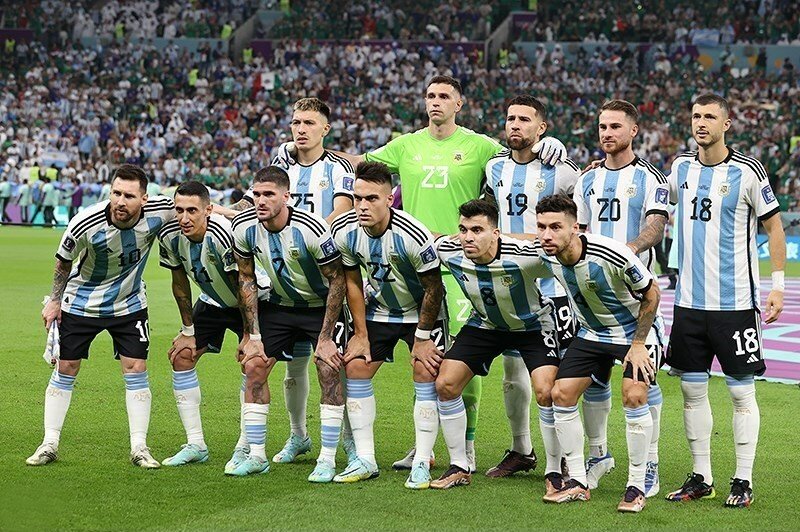
Egypt Qualifies for 2026 FIFA World Cup, Ending Second Long Absence Since Russia 2018
Egypt confirmed their place at the 2026 FIFA World Cup through the CAF qualification process, ending the uncertainty that had hung over the Pharaohs since their Russia 2018 disappointment. The expanded tournament format worked in Egypt’s favour, offering more berths than any previous African qualification cycle. Salah’s sustained excellence at Liverpool — including multiple Premier League golden boot awards in the intervening years — kept public and commercial interest in the national team at an all-time high.
- ▸Egypt qualified via CAF’s expanded nine-berth allocation for the 2026 World Cup.
- ▸Mohamed Salah, then 32, confirmed his availability for the tournament, ending speculation about international retirement.
- ▸Egypt’s qualification was celebrated nationally, with the Egyptian Football Association committing to improved pre-tournament preparation camps.
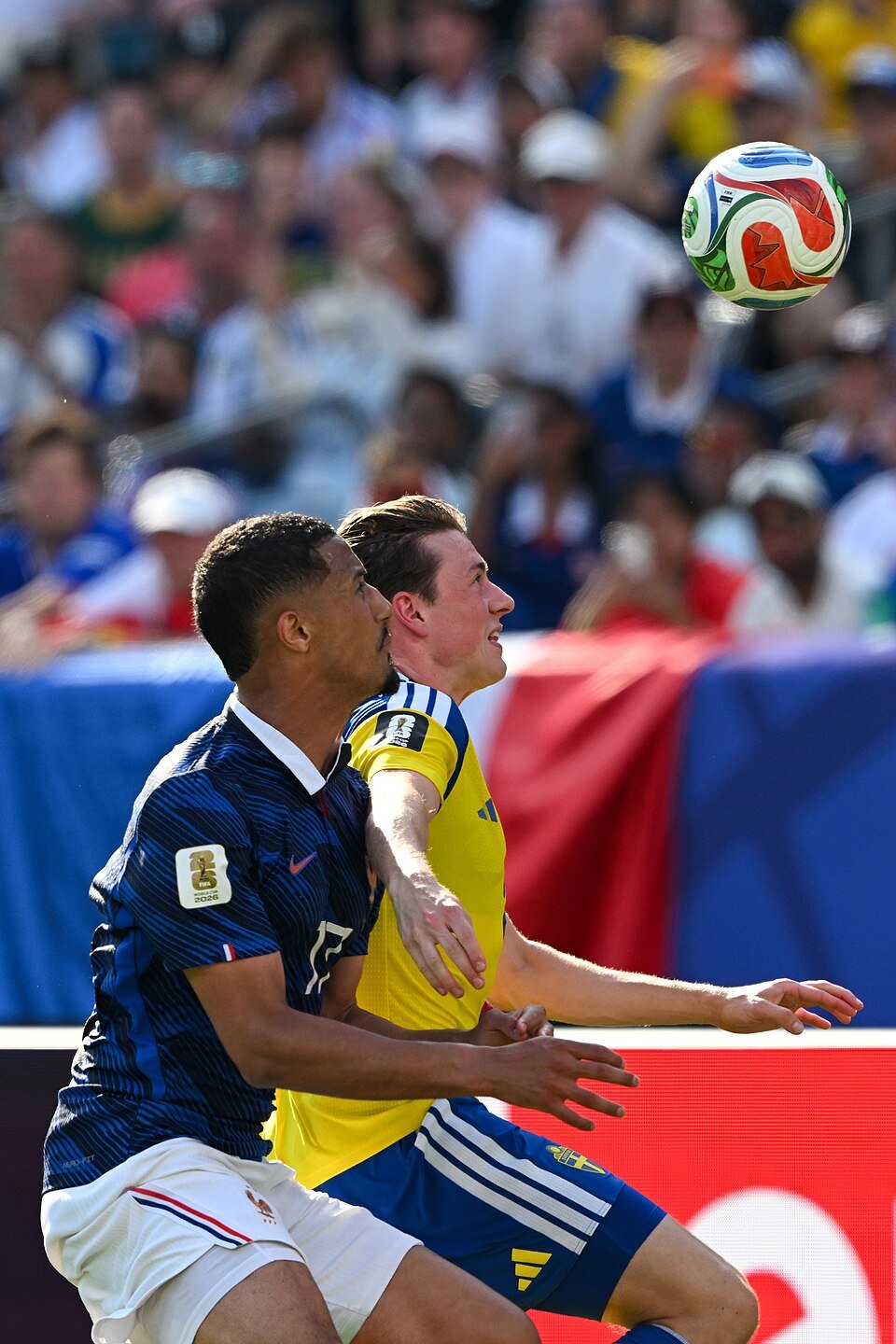
Australia vs Egypt: FIFA World Cup 2026 Round of 32 — A Clash of Styles and Ambitions
Australia and Egypt met in the Round of 32 at FIFA World Cup 2026, a fixture that brought together two nations with vastly different footballing cultures but equally compelling narratives. Australia, buoyed by their 2022 quarter-final pedigree, brought physical organisation and tactical discipline. Egypt, galvanised by Salah playing what many expected to be his final World Cup, carried the weight of a nation’s expectations. The 48-team format had made this encounter possible for the first time in either nation’s footballing history.
- ▸Australia vs Egypt marked the first-ever competitive meeting between the two nations at a FIFA World Cup.
- ▸The expanded 48-team format introduced the Round of 32 stage, enabling matchups like this that were impossible under the previous 32-team structure.
- ▸Mohamed Salah entered the match as Egypt’s all-time leading scorer and the tournament’s most-watched individual player from the African continent.
What Happens Next?
The story of Australia vs Egypt at FIFA World Cup 2026 is ultimately a story about football’s expanding universe. Australia’s two-decade journey from OFC outsider to AFC powerhouse, and Egypt’s tortured path from Italia 1990 through Russia 2018 heartbreak to a second redemption, converged at a moment made possible only by the tournament’s historic expansion to 48 teams. For Indian fans watching from afar, both sides offer a mirror of aspiration — Australia as the AFC benchmark India’s own Socceroos programme strives toward, Egypt as proof that a single generational talent like Salah can carry a nation back to football’s highest stage. The Australia vs Egypt World Cup 2026 clash was more than a knockout match; it was the intersection of two very different roads to the same destination. Whatever the final score, both nations leave the tournament with their footballing stories irreversibly enriched.
Frequently Asked Questions
Australia vs Egypt is scheduled as a Round of 32 match at the 2026 FIFA World Cup, hosted across the United States, Canada, and Mexico. The expanded 48-team format meant both nations had to advance through a group stage before reaching this knockout round, making the fixture possible for the first time in World Cup history.
Australia and Egypt have met rarely in senior international football. Their encounters have been largely limited to friendly matches and continental tournaments. This FIFA World Cup 2026 Round of 32 meeting marks the most high-profile and consequential fixture between the two nations in their entire footballing histories.
Australia qualified through the Asian Football Confederation pathway, competing in the AFC’s third-round qualifiers. The Socceroos secured their berth after finishing in a qualifying position across the extended AFC qualification rounds that ran from 2023 to 2025, continuing their record of qualifying for every World Cup since 2006.
Egypt qualified through the CAF Africa qualifiers, ending a 36-year absence from the World Cup finals after their last appearance at Italia 1990. The Pharaohs navigated a competitive African qualifying campaign, with striker Mohamed Salah serving as the team’s figurehead and the country’s most globally recognised footballing export.
For Indian fans, this match carries interest because Australia is India’s direct AFC rival and a benchmark for Asian football development. India’s own World Cup qualification ambitions are often measured against Australia’s success. Egypt’s return, led by Liverpool icon Mohamed Salah, adds global star power that resonates deeply with Indian football audiences.
Sources & References
Explore More Timelines
Sources & further reading
Every dated entry above was checked against these references. Last reviewed 15 September 2026.