Miracle of Bern: West Germany’s 1954 World Cup Triumph
Miracle of Bern, 4 July 1954: how West Germany came from 2-0 down to beat unbeaten Hungary 3-2 in the World Cup final. Every goal, the rain and the legacy.
Latest Story
On 4 July 1954 at the Wankdorf Stadium in Bern, West Germany beat Hungary 3–2 to win the World Cup, a result Germans still call the Miracle of Bern. Hungary had not lost in 31 matches, had beaten the same German side 8–3 a fortnight earlier, and led the final 2–0 after eight minutes. This page follows both teams’ road to Bern, every goal of the final, the rain, the radio call and the disputed offside, and what the match meant for a country nine years out of the war, with dates and scores checked against the DFB and FIFA records.
💡 Short Answer
The Miracle of Bern is West Germany’s 3–2 win over Hungary in the 1954 World Cup final in Bern on 4 July 1954. Hungary, unbeaten in 31 matches and 8–3 winners over West Germany earlier in the tournament, led 2–0 after eight minutes through Puskás and Czibor. Max Morlock and Helmut Rahn levelled by the 18th minute, and Rahn scored the winner in the 84th. It was West Germany’s first World Cup.
Miracle of Bern: Key Questions
The Miracle of Bern in Ten Points
- The favourites: Hungary, Olympic champions, unbeaten in 31 matches since May 1950.
- The warning, 20 June: Hungary 8–3 West Germany in Basel, against a weakened German side.
- The injury: Puskás hurt his ankle in that game and missed the quarter- and semi-final.
- The German road: 7–2 Turkey in a play-off, 2–0 Yugoslavia, 6–1 Austria.
- The rain: Bern was soaked on 4 July; West Germany had Adidas screw-in studs.
- The nightmare: Puskás 6’, Czibor 8’. Hungary 2–0 up.
- The answer: Morlock 10’, Rahn 18’. Level within ten minutes.
- The siege: post, bar, a clearance off the line and a string of Turek saves.
- The winner: Rahn’s left-foot shot in the 84th minute; a late Puskás goal flagged offside.
- The meaning: West Germany’s first World Cup, nine years after the war.
You are in the Wankdorf stand. Tap a minute to see the score and what just happened.
4 July 1954, Bern. Rain all afternoon. Hungary have not lost in four years.
Choose a minute above
The Final: From 0–2 to 3–2
Bern, 4 July 1954, rain throughout.
| Item | West Germany 3–2 Hungary, 4 July 1954 |
|---|---|
| Venue | Wankdorf Stadium, Bern, Switzerland |
| Attendance | About 62,500 |
| Referee | William Ling (England) |
| Weather | Heavy rain |
| Goals, Hungary | Puskás 6’, Czibor 8’ |
| Goals, West Germany | Morlock 10’, Rahn 18’, Rahn 84’ |
| Half-time | 2–2 |
| Near misses | Hidegkuti hits post; Kocsis hits bar; Kohlmeyer clears off line |
| Disallowed | Puskás, closing minutes, offside (linesman Mervyn Griffiths) |
| Coaches | Sepp Herberger (FRG); Gusztáv Sebes (HUN) |
| Captains | Fritz Walter (FRG); Ferenc Puskás (HUN) |
Hungary started the way they had played all tournament. In the 6th minute a shot from Sándor Kocsis deflected to Ferenc Puskás, playing on a damaged ankle, who scored. Two minutes later Werner Kohlmeyer and goalkeeper Toni Turek got in each other’s way and Zoltán Czibor walked the ball in. Two weeks after the 8–3, West Germany were 2–0 down after eight minutes.
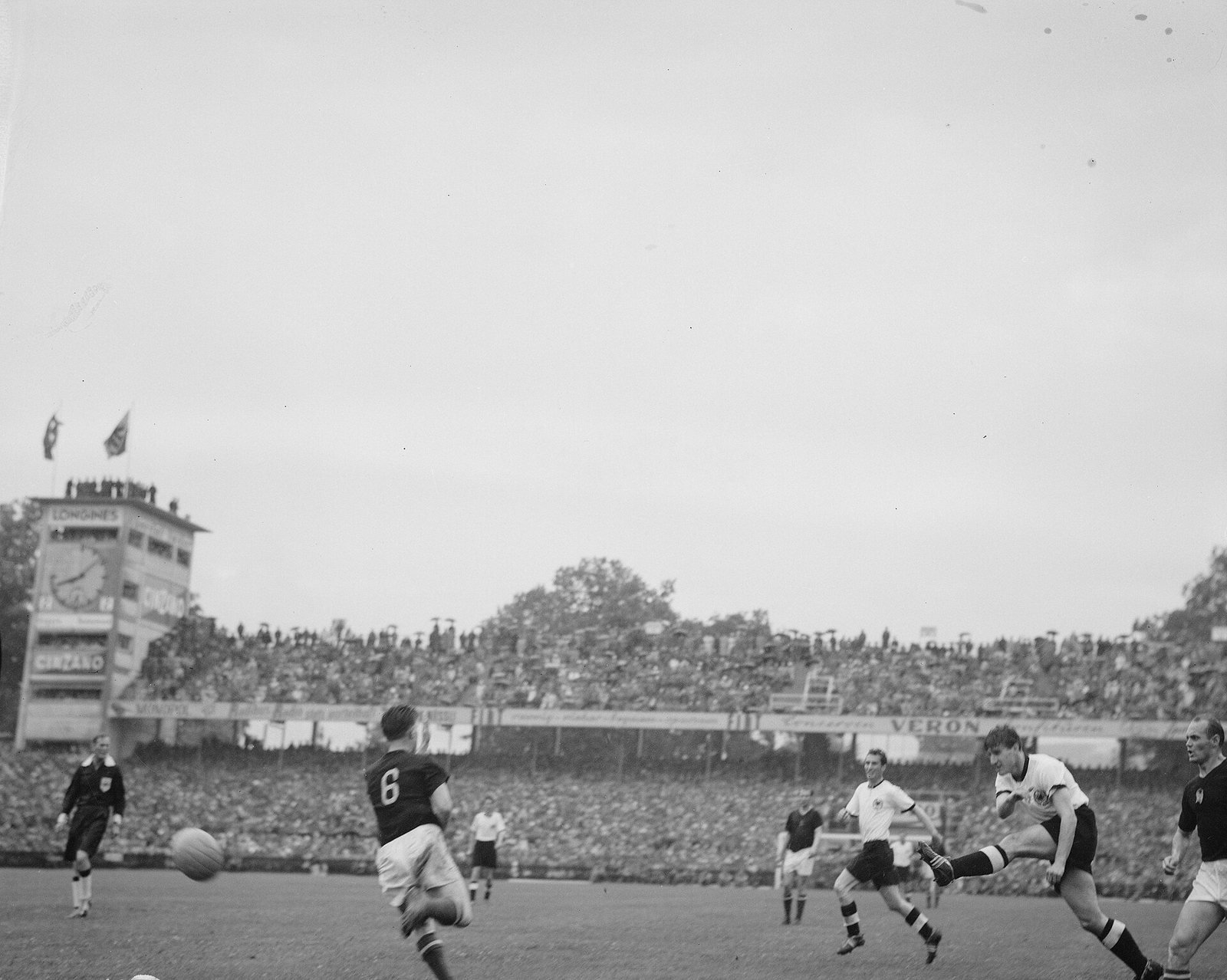
What happened next is why the game has a name. In the 10th minute Max Morlock stretched to divert a Helmut Rahn cross past Gyula Grosics. In the 18th, Grosics missed a Fritz Walter corner and Rahn volleyed in at the far post. It was 2–2 and stayed that way for 66 minutes, most of them spent in the German half: Hidegkuti hit the post, Kocsis headed against the bar, Kohlmeyer cleared off the line and Turek made a series of saves.
In the 84th minute a Hungarian header cleared the ball only to the edge of the penalty area. Rahn took it inside Mihály Lantos and shot low with his left foot into the corner. Near the end Puskás put the ball in the net again, but the Welsh linesman Mervyn Griffiths raised his flag. The final whistle came soon after: Hungary’s first defeat in four years and two months.
The Two Teams
A system against a squad of part-timers.
| West Germany | Position | Hungary |
|---|---|---|
| Toni Turek | Goalkeeper | Gyula Grosics |
| Jupp Posipal | Defence | Jenő Buzánszky |
| Werner Liebrich | Defence | Gyula Lóránt |
| Werner Kohlmeyer | Defence | Mihály Lantos |
| Horst Eckel | Half-back | József Bozsik |
| Karl Mai | Half-back | József Zakariás |
| Helmut Rahn | Forward | Zoltán Czibor |
| Max Morlock | Forward | Sándor Kocsis |
| Ottmar Walter | Forward | Nándor Hidegkuti |
| Fritz Walter (c) | Forward | Ferenc Puskás (c) |
| Hans Schäfer | Forward | Mihály Tóth |
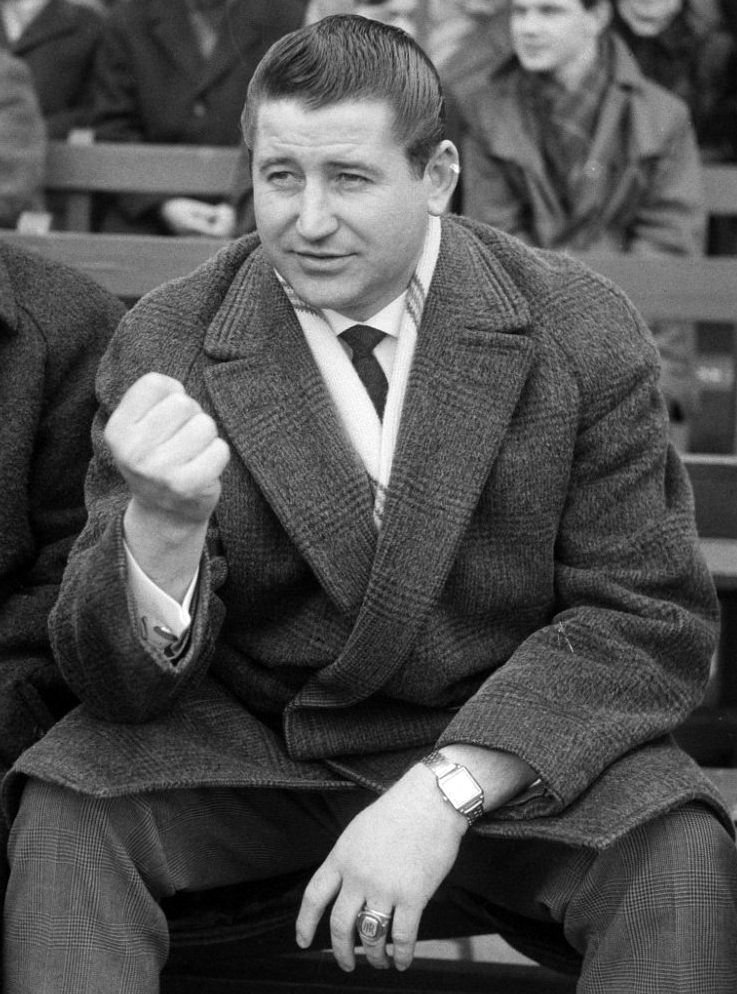
Hungary, the Aranycsapat or Golden Team, were coached by Gusztáv Sebes and built around the Budapest club Honvéd. Their innovation was Nándor Hidegkuti, a centre-forward who dropped deep into midfield and dragged opposing centre-halves out of position, leaving space for Puskás and Kocsis. They had won Olympic gold in 1952 and demolished England twice. In the final Czibor switched to the right wing, and Puskás played carrying an injury.
West Germany were amateurs or semi-professionals from the regional Oberligen; the Bundesliga did not exist until 1963. Sepp Herberger had built the side around five players from 1. FC Kaiserslautern, captain Fritz Walter and his brother Ottmar among them, the first brothers to win a World Cup together. Herberger’s defining decision came in the group: rather than risk his best team against Hungary, he rested it, lost 8–3, and won the play-off against Turkey with everyone fresh.
The Road to Bern
Under the 1954 format, the two seeds in each group did not play each other.
| Date | Round | West Germany | Hungary |
|---|---|---|---|
| 17 Jun | Group 2 | 4–1 Turkey (Bern) | 9–0 South Korea (Zurich) |
| 20 Jun | Group 2 | 3–8 Hungary (Basel) | 8–3 West Germany (Basel) |
| 23 Jun | Play-off | 7–2 Turkey (Zurich) | – |
| 27 Jun | Quarter-final | 2–0 Yugoslavia (Geneva) | 4–2 Brazil (Bern) |
| 30 Jun | Semi-final | 6–1 Austria (Basel) | 4–2 Uruguay, aet (Lausanne) |
| 4 Jul | Final | 3–2 Hungary (Bern) | 2–3 West Germany (Bern) |
Miracle of Bern: The Full Timeline, 1950–2026
Newest first. Tags mark results, records, milestones and disputed claims.
2026
72 years on, a German low point 2026
Germany go out of the 48-team World Cup in North America in the round of 32, losing a penalty shoot-out to Paraguay after a 1–1 draw, their first World Cup shoot-out defeat. Julian Nagelsmann leaves and Jürgen Klopp takes over. Spain win the tournament. Kabel Eins screens Das Wunder von Bern on 9 June, and on 4 July local amateur tournaments mark the anniversary with jokes about doing better than the national team.
The 2026 tournament breaks the record for total goals, 308 in 104 matches, but no team gets near Hungary’s 27 from 1954: France and England finish top with 20.
2021
Horst Eckel dies, the last of the eleven
Horst Eckel, the 22-year-old right half who marked Hidegkuti in the final, dies at 89. He was the last surviving player of the match. Hungary’s last survivor, full-back Jenő Buzánszky, had died in January 2015.
The doping study Disputed
A government-funded study into doping in West German sport reports evidence that some 1954 players were injected before the final, possibly with the stimulant Pervitin. The team’s doctors had always said the injections were vitamin C; several players developed jaundice in the months after. The claims are not proven and remain disputed, and doping was not prohibited in football at the time.
The Wankdorf is demolished
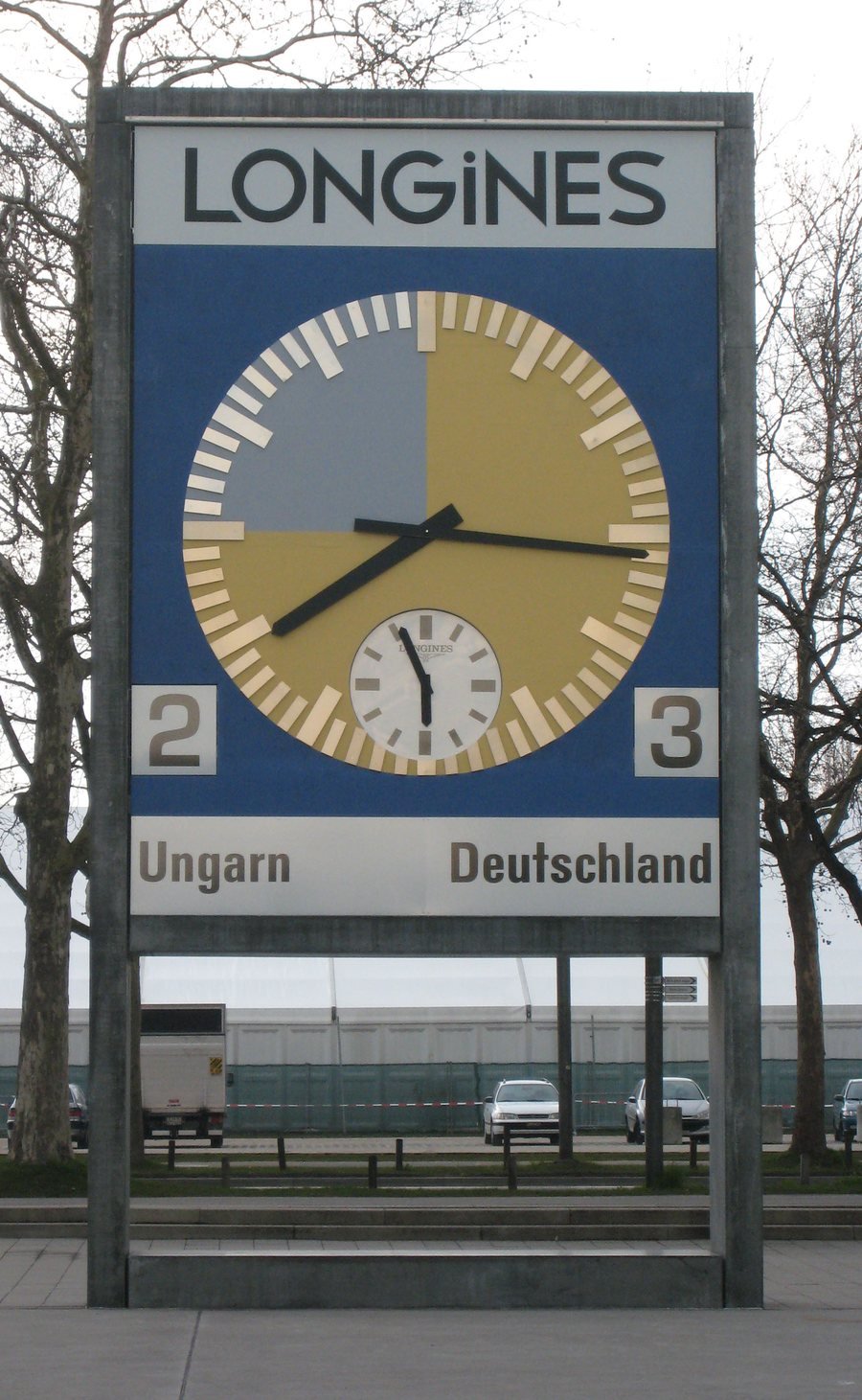
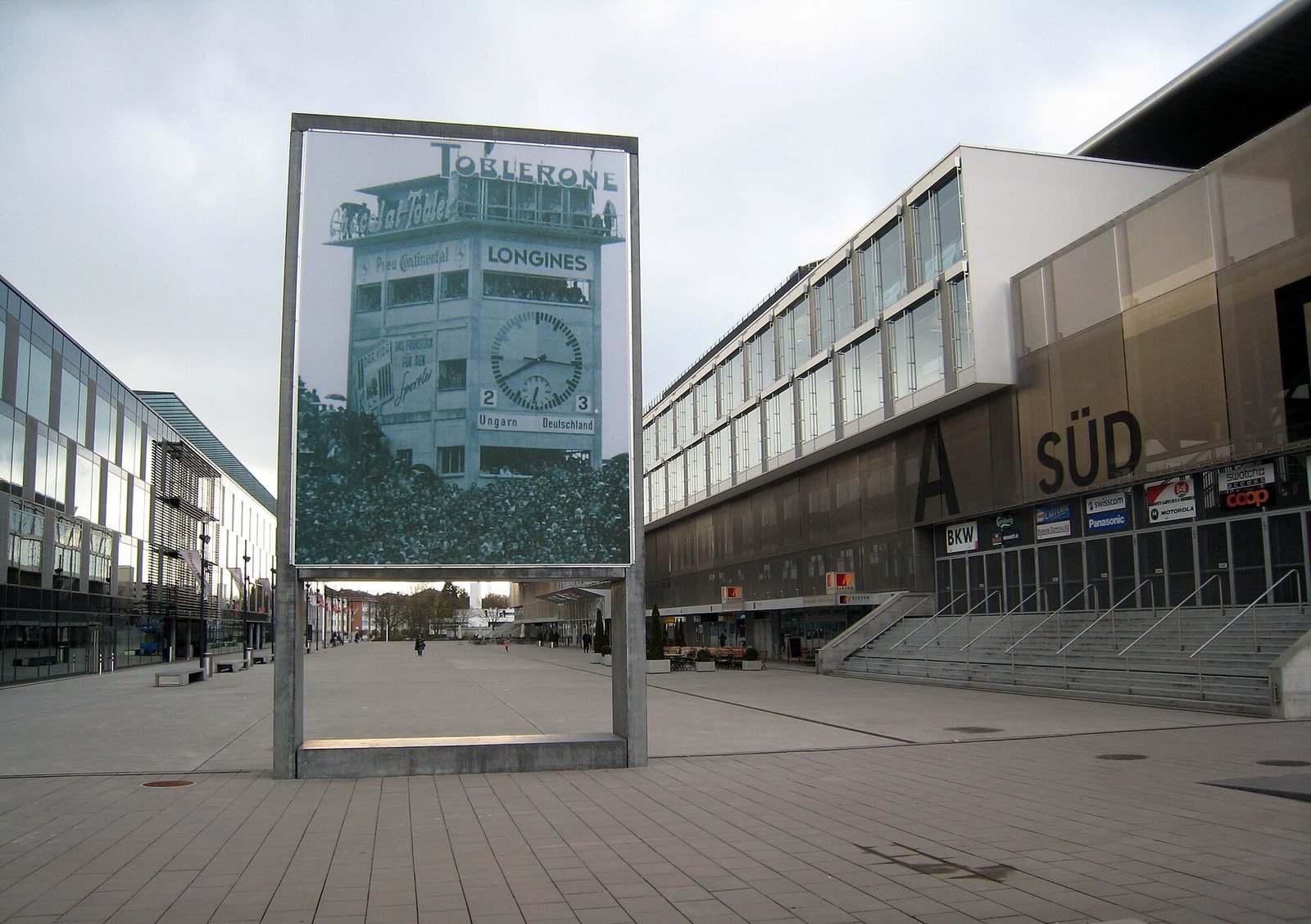
The 1925 Wankdorf is demolished and replaced on the same site by the Stade de Suisse, home of BSC Young Boys and now called the Wankdorf Stadium again. The scoreboard clock from the final, frozen at Ungarn 2, Deutschland 3, is restored and set up outside as a memorial.
Das Wunder von Bern, the film
Sönke Wortmann’s film ties the final to a Ruhr family whose father returns from a Soviet prisoner-of-war camp, the version of the story most younger Germans know. It turns the match into a parable of post-war families learning to live together again.
2014
Three more titles Milestone
West Germany win at home in 1974, beating the Netherlands 2–1, and again in Rome in 1990. A reunified Germany wins in Brazil in 2014. None carries the weight of 1954, because none was as unexpected.
1956
The Golden Team breaks up
Honvéd are abroad for a European Cup tie when Soviet tanks crush the Hungarian uprising. Puskás, Kocsis and Czibor do not go home; Puskás later wins three European Cups with Real Madrid, Kocsis and Czibor join Barcelona. Hungary never reach another World Cup final.
1954
West Germany 3, Hungary 2 Milestone
Hungary lead 2–0 after eight minutes: Puskás scores after a deflected Kocsis shot falls to him (6’), then Czibor pounces on a mix-up between Kohlmeyer and Turek (8’). Two minutes later Morlock slides in to divert Rahn’s cross. At 18’ Rahn volleys in at the far post from a corner: 2–2.
Then Hungary attack for an hour. Hidegkuti hits the post, Kocsis heads against the bar, Kohlmeyer clears off the line and Turek makes save after save. In the 84th minute a Hungarian header clears the ball only as far as Rahn, who cuts inside Lantos and shoots low past Grosics with his left foot. In the closing minutes Puskás scores again, but linesman Mervyn Griffiths flags him offside. Fritz Walter lifts the Jules Rimet Trophy.
1954
Semi-finals: 6–1 and 4–2 Won
West Germany take Austria apart in Basel, with both Walter brothers scoring twice, Fritz from the penalty spot. In Lausanne, Hungary end Uruguay’s unbeaten World Cup record in extra time, Kocsis heading both late goals. The final is the rematch nobody in Germany wanted on paper.
1954
Quarter-finals: 2–0 and the Battle of Bern Won
A Horvat own goal and a late Rahn goal take West Germany past Yugoslavia. In Bern, Hungary beat Brazil 4–2 in a match so violent it is remembered as the Battle of Bern: three players sent off and a fight in the dressing-room tunnel afterwards. Puskás, injured, watches.
1954
Play-off: West Germany 7–2 Turkey Won
Under the 1954 format, seeded teams did not play each other, so West Germany and Turkey finished level behind Hungary and met again. Herberger’s full side wins 7–2, with Morlock scoring a hat-trick. The gamble of the 8–3 has paid off: West Germany are in the quarter-finals.
1954
Hungary 8–3 West Germany Lost
Herberger rests several first-choice players, betting that a defeat will still leave a play-off against Turkey. Hungary score eight, Kocsis four of them. Werner Liebrich’s tackle hurts Puskás’s ankle, and the Hungarian captain misses the next two matches. German fans are furious with Herberger.
1954
Opening wins: 9–0 and 4–1 Won
Hungary open with nine goals against South Korea, Kocsis scoring a hat-trick. West Germany beat Turkey at the Wankdorf, the ground where they will play the final. The 1954 tournament goes on to average 5.38 goals a game, still the World Cup record.
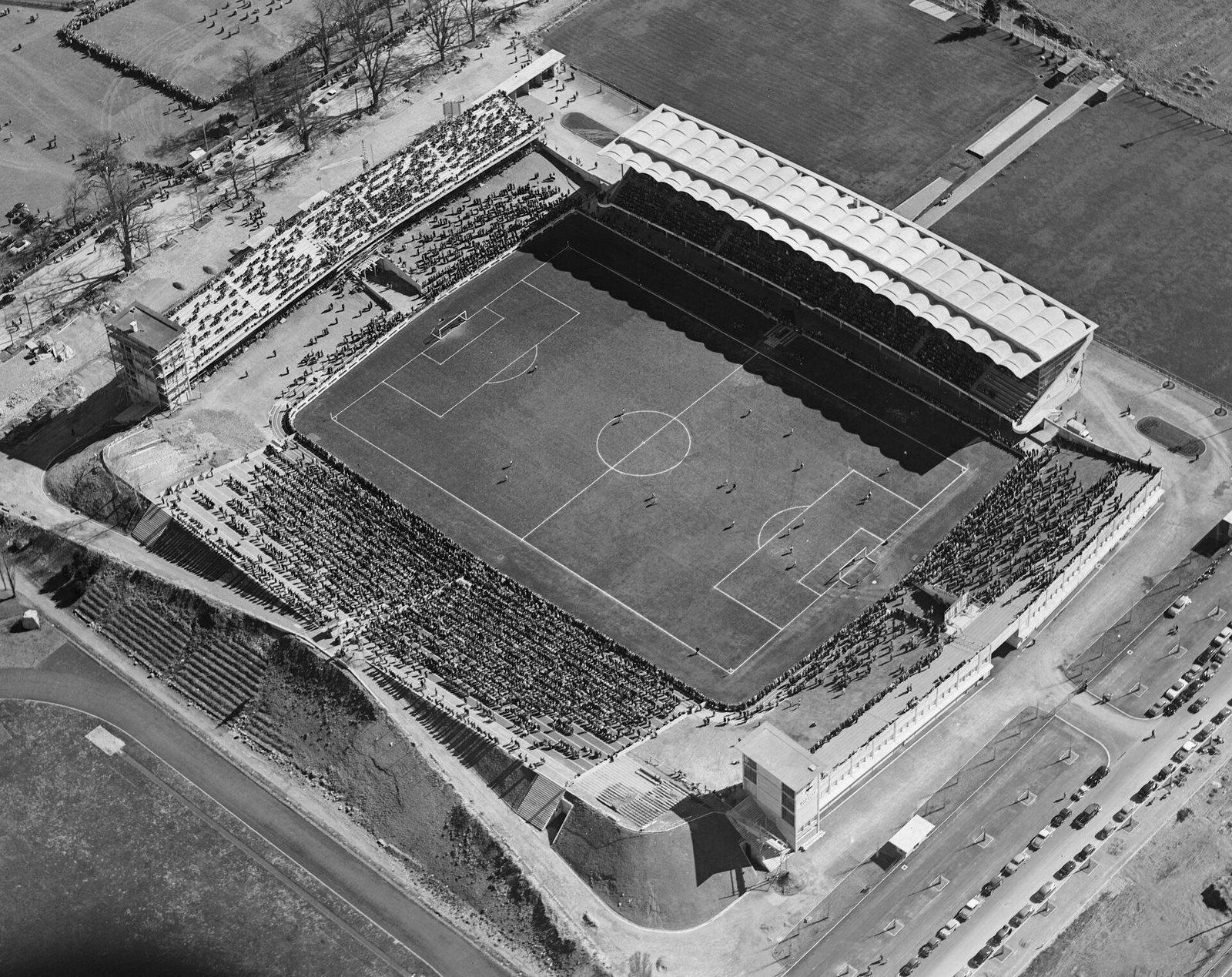
1954
The World Cup opens in Switzerland
Sixteen teams in four groups, with two seeds per group who do not meet. Hungary are seeded and favourites. West Germany, readmitted to FIFA only in 1950, are unseeded and made of part-time players from the regional Oberligen.
1954
Hungary 7–1 England Record
England arrive for revenge and suffer their heaviest ever defeat. Hungary go to Switzerland as the strongest side in the world by some distance.
1953
The Match of the Century: England 3–6 Hungary Record
Hungary become the first team from outside the British Isles to beat England at home. Hidegkuti, playing as a deep-lying centre-forward, scores a hat-trick and pulls England’s defence apart. Coaches across Europe start copying the Hungarian system.
1952
Olympic gold in Helsinki Won
The Aranycsapat, the Golden Team, wins the Olympic football tournament. Puskás, Kocsis, Hidegkuti, Czibor and Bozsik are now known across Europe.
1950
Two starts
On 14 May 1950 Hungary lose 5–3 to Austria in Vienna. They will not lose again until 4 July 1954, a run of 31 matches. Four months later, West Germany’s federation is readmitted to FIFA, too late for that summer’s World Cup in Brazil.
Why Germans Call It a Miracle
In 1954 West Germany was nine years out of a war it had started and lost, still occupied, still clearing rubble, with millions of soldiers only recently home from prisoner-of-war camps and some not home at all. It had been excluded from the 1950 World Cup. A world title, won against the best team on earth from 2–0 down, was the first international success the new state could celebrate without embarrassment.
Most West Germans heard it on the radio. Herbert Zimmermann’s commentary, “Aus dem Hintergrund müsste Rahn schießen” through to “Aus! Aus! Aus! Das Spiel ist aus! Deutschland ist Weltmeister!”, is probably the best-known piece of German broadcasting. Historians have since argued over how much weight one match can carry, and the celebrations had uglier moments, including fans singing the banned first verse of the national anthem in Bern. But the phrase that stuck was “Wir sind wieder wer”: we are somebody again.
In Hungary it is remembered the other way round. Fans rioted in Budapest after the defeat, the coach was blamed, and two years later the team was broken up by the 1956 revolution. Many Hungarians still regard Bern as the greatest team never to win the World Cup losing the one game that mattered.
The Rain, the Studs and the Weather Named After a Captain
Rain fell on Bern all afternoon. For the West Germans that was good news twice over. Adolf Dassler, the founder of Adidas, was with the squad and had supplied boots with screw-in studs, so the kit man could fit longer ones for the soaked pitch. And captain Fritz Walter was known to play best in the wet; the malaria he had caught as a soldier made him struggle in heat. Germans still call rain on match day Fritz-Walter-Wetter. Neither the weather nor the boots explain a 3–2 on their own, but both became part of the story.
Corrections to Claims Circulating Online
From the summary material this page was built from, checked against the DFB, FIFA and contemporary records.
“15 June 1954: World Cup begins”
The tournament opened on 16 June 1954. Both finalists played their first games on 17 June.
“A 30-match unbeaten run”
The standard count is 31 matches without defeat, from June 1950 (after a 5–3 loss to Austria on 14 May 1950) to the final.
“18’: Rahn – the impossible comeback begins”
The comeback began with Morlock’s goal in the 10th minute. Rahn’s 18th-minute goal made it 2–2.
“Group: Puskás scores. Final: Puskás loses”
Puskás was injured in the 8–3, missed the quarter-final and semi-final, and played the final not fully fit.
Did You Know?
- Goals per game: the 1954 World Cup averaged 5.38, still the record for any World Cup.
- Kocsis scored 11 goals in five games, including two hat-tricks.
- Brothers: Fritz and Ottmar Walter were the first brothers to win the World Cup together; Jack and Bobby Charlton followed in 1966.
- Same ground: West Germany’s first game, against Turkey, was also at the Wankdorf.
- Five from one club: five of the eleven played for 1. FC Kaiserslautern.
- The clock: the Wankdorf scoreboard clock showing 3–2 survived the stadium’s demolition and stands outside its successor.
Quick Quiz
1. What was the score after eight minutes of the final?
2. What did Hungary beat West Germany by in the group stage?
3. Who scored the winner?
4. How many goals did Hungary score at the 1954 World Cup?
5. Who flagged Puskás offside at the end?
Explore More Timelines
People Also Ask
Frequently Asked Questions
Seventy-Two Years On
The numbers still say Hungary should have won: 27 goals, 31 games unbeaten, an 8–3 win in the same tournament and a 2–0 lead after eight minutes. The final says otherwise. Germany have won three more World Cups since, but in a summer when the 2026 team went out in the round of 32, it is still 1954, the part-timers in the rain, that German football reaches for when it wants to remember what an unlikely win feels like.
As Sepp Herberger put it: the ball is round, and a game lasts 90 minutes.
Related AiTimeline Stories
⚠️ Editorial Note
Last updated 8 October 2026. Scores, goal times, line-ups and venues come from the DFB and FIFA match records; the woodwork, offside and radio details are as recorded in contemporary reports and the surviving film. The 2010 doping claims are reported as claims, not established fact. 2026 items are from dated news reports.
Sources & further reading
Every dated entry above was checked against these references. Last reviewed 8 October 2026.
- FIFA: 1954 FIFA World Cup Switzerland (official tournament page)
- Wikipedia: 1954 FIFA World Cup final (goals, line-ups, officials, attendance)
- Wikipedia: 1954 FIFA World Cup (groups, play-offs, knockout results, statistics)
- Wikipedia: Golden Team (Hungary 1950-56, unbeaten run, Match of the Century)
- ETH-Bibliothek via Wikimedia Commons: Comet Photo of the 1954 final, 42nd minute
- beIN Sports: Nagelsmann after Germany's round-of-32 exit (30 Jun 2026)
- Sky Sports: World Cup 2026 data analysis, record goals and how Spain won it
- MS Aktuell: Das Wunder von Bern on Kabel Eins (9 Jun 2026)