
Best Sports Video Games of All Time: Complete History Timeline
The best sports video games of all time: a complete history timeline of FIFA, Madden, NBA 2K, PES and more, from arcade classics to modern franchises.
Latest Story
Sports video games are the most-played genre in the history of the medium — a multi-billion-dollar pillar of gaming culture that turned real-world athletics into interactive obsession. This Best Sports Video Games of All Time Timeline traces the genre from 1958’s Tennis for Two and the arcade boom of Pong, through the console golden age of NBA Jam, Madden NFL and FIFA, to today’s EA Sports FC, NBA 2K and esports era. Read newest first.
Latest Update — October 2026
A new annual cycle has now arrived. Madden NFL 27 released August 13, 2026, with quarterback Caleb Williams as cover athlete and a new “persona engine” overhauling Franchise-mode player behaviour, negotiations and news, per EA’s official Madden NFL 27 site. NBA 2K27 released September 4, 2026 (early access from August 28), fronted by Victor Wembanyama, Caitlin Clark and Derrick Rose across its three editions — Clark is the first WNBA player to headline the series’ global premium edition, per 2K’s official newsroom. EA Sports FC 27 began early access September 18, 2026 for Ultimate and Ultimate Plus owners ahead of a September 25, 2026 worldwide launch, and for the first time ships alongside a free-to-download EA FC 27 Lite version, per EA’s official FC 27 site. Early sales favour the established franchises: Circana’s US chart for August 2026, published October 8, ranked NBA 2K27 first and Madden NFL 27 second in full-game dollar sales, with NBA 2K27 already third for 2026 year to date, per Circana analyst Mat Piscatella. Ownership has also changed — EA, which publishes EA Sports FC, Madden and NHL, became a private company on August 4, 2026, when its roughly $55 billion acquisition by Saudi Arabia’s PIF, Silver Lake and Affinity Partners closed at $210 per share and its stock was delisted from Nasdaq, per EA’s official announcement.
Sports Video Games: Key Facts
Sports Gaming History — Key Takeaways
- Tennis for Two (1958) was the first sports video game, predating Pong by 14 years.
- Pong (1972) was sports gaming’s first commercial hit and launched Atari and the arcade era.
- John Madden Football debuted in 1988 and became an annual cultural institution.
- NBA Jam (1993) defined arcade sports with its over-the-top, two-on-two action.
- FIFA International Soccer (1993) began the best-selling sports franchise in history.
- Tony Hawk’s Pro Skater 2 (2000) holds a Metacritic 98 — the highest-rated sports game ever.
- Wii Sports (2006) sold ~83 million copies and brought sports gaming to casual audiences.
- FIFA Ultimate Team (2009) created a billion-dollar live-service economy.
- EA’s exclusive NFL license (2004) ended the legendary NFL 2K series.
- In 2023 FIFA became EA Sports FC after EA and FIFA ended their 30-year partnership.
Top 10 Sports Video Games of All Time
Curated by influence, sales and critical acclaim. Headline figure is the standout stat for each.
All-time great
Cultural reset
Global #1
Arcade king
NFL icon
Sim standard
NES classic
The big bang
Dreamcast gem
The challenger
Sports Video Games Timeline (Reverse Chronological)
From the AI-driven present back to 1958’s oscilloscope tennis — every era with its breakthrough games and legacy.
26
The Modern Sports Gaming Era — AI & Cross-Platform
Context: Sports games now ship with machine-learning animation, adaptive AI opponents and full cross-platform competition across PlayStation, Xbox and PC.
Why it’s revolutionary: AI systems like EA’s HyperMotion and 2K’s ProPLAY translate real match footage into lifelike movement, blurring the line between broadcast and game.
Legacy today: Live-service updates, year-round content and esports integration keep franchises like EA Sports FC and NBA 2K as permanent platforms rather than annual products.
24
The EA Sports FC Transition
Context: After nearly 30 years, EA and FIFA ended their licensing deal. FIFA 23 was the last FIFA-branded game; EA Sports FC 24 launched the new era in 2023.
Business impact: EA kept the league and player licenses that matter most, while FIFA’s name reportedly cost over $150 million a year. EA Sports FC sold strongly, proving the gameplay, not the name, drove loyalty.
Legacy: The split reshaped football gaming and freed EA to expand the franchise as its own brand.
20
The Ultimate Team Revolution & Esports Boom
Context: FIFA Ultimate Team and NBA 2K’s MyTeam turned card-collecting and microtransactions into the genre’s biggest revenue engine.
Why it’s revolutionary: Live-service monetisation generated billions annually, while official esports leagues like the NBA 2K League (2018) and FIFA eWorld Cup professionalised competition.
Legacy today: Ultimate Team remains both the most profitable and most controversial part of modern sports gaming, drawing loot-box scrutiny from regulators.
10
The Realism Explosion & Licensing Era
Context: 3D hardware enabled photoreal simulations. Tony Hawk’s Pro Skater 2 (2000) hit Metacritic 98; NFL 2K and NBA 2K raised the simulation bar.
Business impact: EA secured an exclusive NFL license in 2004, ending the rival NFL 2K series and reshaping the industry around licensing power.
Legacy: Online multiplayer arrived via Xbox Live, setting up the connected, competitive sports gaming of the 2010s.
2000
The Console Sports Gaming Golden Age
Context: 16-bit and early 3D consoles birthed the franchises that still dominate: John Madden Football, NBA Jam (1993), FIFA International Soccer (1993) and Pro Evolution Soccer’s predecessors.
Why it’s revolutionary: Real team and player licenses, isometric and 3D presentation, and annual release cycles created the modern sports-game business model.
Legacy: This decade established EA Sports as a powerhouse and made sports games a permanent fixture of console libraries.
90
Arcade Sports Dominance
Context: Arcades ruled the 1980s with button-mashing hits like Konami’s Track & Field (1983), while the NES brought Punch-Out!! (1987) and Tecmo Bowl into homes.
Why it’s revolutionary: These games introduced character, strategy and personality to sports gaming, moving beyond abstract paddles to recognisable athletes and animation.
Legacy: The arcade sensibility — fast, exaggerated, fun — still echoes in titles like NBA Jam and modern arcade modes.
80
The Birth of Sports Video Games
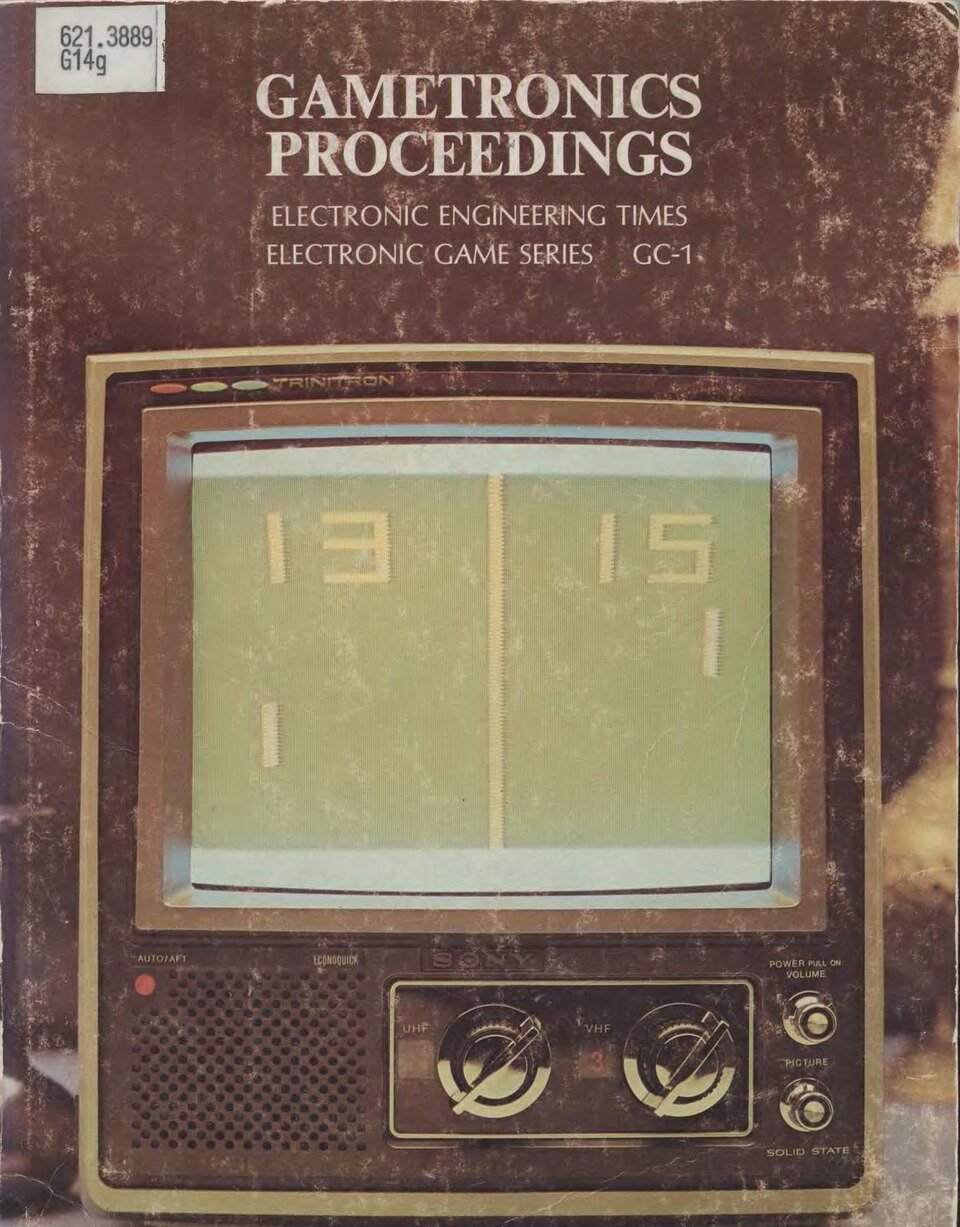
Context: Physicist William Higinbotham built Tennis for Two on an oscilloscope in 1958. Atari’s Pong (1972) then became the first commercially successful video game of any kind.
Why it’s revolutionary: Pong proved people would pay to play simulated sport, launching the arcade industry and the entire video game business.
Legacy: Every sports game since traces back to these simple bats and balls — the genre that started gaming itself.
Iconic Sports Franchises: Mini-Histories
EA Sports FC / FIFA 1993–
The best-selling sports franchise in history, with 325+ million copies. FIFA International Soccer launched in 1993; the series pioneered official licenses and, in 2009, Ultimate Team. In 2023 it rebranded as EA Sports FC after EA and FIFA parted ways.
Madden NFL 1988–
Named after coach John Madden, this annual American-football series became a cultural institution with 130+ million copies sold. Its “Madden curse” cover superstition and deep simulation define NFL gaming.
NBA 2K 1999–
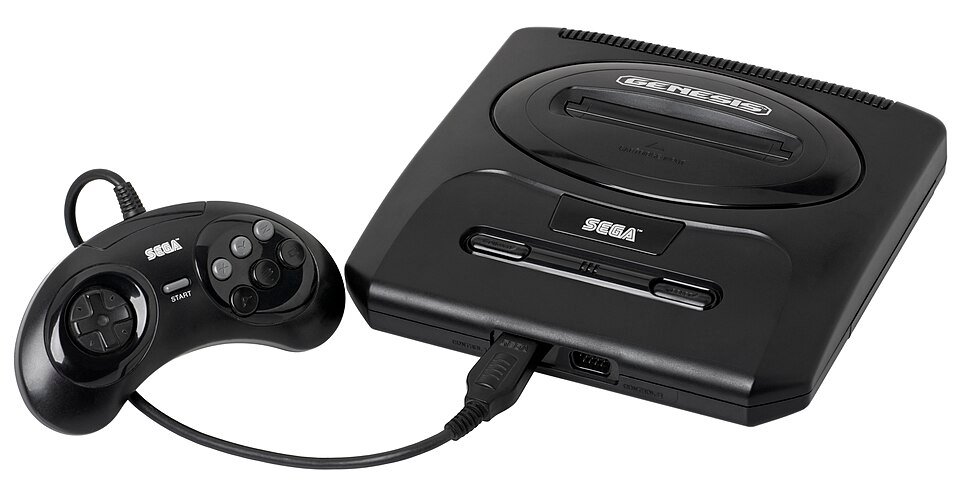
Launched on the Sega Dreamcast in 1999, NBA 2K became the definitive basketball simulation, renowned for presentation and MyCareer storytelling. It anchors the NBA 2K League esports competition.
PES / eFootball 1995–
Konami’s Pro Evolution Soccer (Winning Eleven in Japan) was FIFA’s great rival, beloved for superior on-pitch gameplay. It became free-to-play eFootball in 2021 with over 111 million lifetime sales.
NHL Series 1991–
EA’s NHL franchise, especially NHL ’94, is revered as one of the greatest sports games ever, immortalised in pop culture. It remains the definitive ice-hockey series.
Wii Sports 2006
Bundled with the Nintendo Wii, Wii Sports sold around 83 million copies and introduced motion controls to a mainstream, all-ages audience — the best-selling sports game of all time.
Tony Hawk’s Pro Skater 1999–
Neversoft’s skateboarding series defined extreme-sports gaming. Tony Hawk’s Pro Skater 2 (2000) scored a Metacritic 98, the highest of any sports game, and shaped a generation’s music taste.
Punch-Out!! 1984–
Nintendo’s boxing series, from the arcade original to the NES classic, built its appeal on pattern recognition and memorable opponents like Glass Joe and Mike Tyson.
NBA Jam 1993
Midway’s two-on-two arcade basketball was a phenomenon, earning over $1 billion in quarters. Its catchphrases (“Boomshakalaka!”) and on-fire mechanic made it pop-culture gold.
Virtua Tennis 1999
Sega’s arcade tennis, perfected on the Dreamcast, is widely considered the best tennis game ever made for its perfect blend of accessibility and depth.
The Studios That Built Sports Gaming
Xbox
Microsoft’s Xbox revolutionised sports gaming with Xbox Live (2002), bringing reliable online multiplayer to Madden, FIFA and NBA 2K. Game Pass now offers EA Sports titles via subscription.
Visual Concepts
The studio behind NBA 2K and the original NFL 2K and NBA 2K on Dreamcast. Its simulation expertise set the benchmark that EA’s sports titles have chased for two decades.
Best Sports Games by Sport
The single most influential title in each major sporting category.
| Sport | Defining Game | Why It Leads |
|---|---|---|
| Football (Soccer) | FIFA / EA Sports FC | Best-selling sports franchise; official global licenses |
| Basketball | NBA 2K | Definitive simulation and presentation |
| American Football | Madden NFL | Exclusive NFL license; cultural institution |
| Baseball | MLB The Show | Best-rated modern baseball sim (Sony) |
| Tennis | Virtua Tennis | Perfect arcade-sim balance |
| Golf | EA Sports PGA Tour / Tiger Woods | Defined golf gaming for decades |
| Skateboarding | Tony Hawk’s Pro Skater 2 | Highest-rated sports game ever |
| Boxing | Punch-Out!! / Fight Night | Genre blueprint and best modern boxing |
| Olympic / Multi-sport | Track & Field / Wii Sports | Defined arcade and casual multi-sport |
The Evolution of Sports Gaming: Seven Eras
1. The Arcade Era
From Pong (1972) to Track & Field (1983), sports gaming began in arcades with simple, addictive, coin-eating designs built for quick thrills and high scores.
2. The Simulation Era
John Madden Football and the 16-bit generation introduced real strategy, playbooks and licensed teams, transforming sports games into authentic simulations.
3. The 3D Graphics Revolution
The PlayStation, Dreamcast and N64 moved sports into polygonal 3D, enabling realistic stadiums, player models and camera work that mimicked TV broadcasts.
4. The Online Gaming Era
Xbox Live (2002) and PlayStation Network connected players worldwide, turning sports games into competitive online platforms and enabling head-to-head leagues.
5. The Ultimate Team Economy
FIFA Ultimate Team (2009) and NBA 2K’s MyTeam created card-collecting, live-service economies that now drive the majority of sports-game revenue.
6. Esports Integration
Official competitions like the NBA 2K League and FIFA/EA Sports FC esports turned sports games into professional spectator sports with prize pools and franchises.
7. AI-Driven Gameplay
Machine-learning animation (HyperMotion, ProPLAY) and adaptive AI now generate lifelike movement from real match data, defining the current generation.
Data Tables
| Game | Year | Sport | Metacritic | Legacy |
|---|---|---|---|---|
| Tony Hawk’s Pro Skater 2 | 2000 | Skateboarding | 98 | Highest-rated sports game |
| Tony Hawk’s Pro Skater 3 | 2001 | Skateboarding | 97 | Online console pioneer |
| NFL 2K1 | 2000 | Am. football | 97 | Online console sports |
| Tony Hawk’s Pro Skater | 1999 | Skateboarding | 96 | Genre creator |
| NBA 2K11 | 2010 | Basketball | 90 | Jordan Challenge classic |
| Wii Sports | 2006 | Multi-sport | 76 | Best-selling sports game |
| NBA Jam | 1993 | Basketball | — | Arcade phenomenon |
| Virtua Tennis | 2000 | Tennis | 91 | Best tennis game |
| NHL 94 | 1993 | Ice hockey | — | Cult classic |
| SSX 3 | 2003 | Snowboarding | 93 | Best extreme-sports game |
| Best-Selling Franchise | Publisher | Approx. Sales | Sport |
|---|---|---|---|
| FIFA / EA Sports FC | EA Sports | 325+ million | Football |
| NBA 2K | 2K Sports | 140+ million | Basketball |
| Madden NFL | EA Sports | 130+ million | Am. football |
| PES / eFootball | Konami | 111+ million | Football |
| Wii Sports series | Nintendo | 120+ million | Multi-sport |
| Pro Evolution / Mario sports | Various | Tens of millions | Multi-sport |
| Decade | Defining Shift | Landmark Game |
|---|---|---|
| 1970s | Birth of the genre | Pong (1972) |
| 1980s | Arcade dominance | Track & Field, Punch-Out!! |
| 1990s | Console golden age | NBA Jam, FIFA, Madden |
| 2000s | Realism & licensing | THPS2, NFL 2K, NBA 2K |
| 2010s | Ultimate Team & esports | FIFA Ultimate Team |
| 2020s | AI & live service | EA Sports FC, NBA 2K |
Great Rivalries: Head-to-Head
FIFA vs PES
| Rivalry | Winner & Why | Outcome |
|---|---|---|
| FIFA vs PES | FIFA on sales & licenses; PES on gameplay | FIFA dominates commercially |
| NBA 2K vs NBA Live | NBA 2K on simulation quality | NBA Live discontinued |
| Madden vs NFL 2K | NFL 2K on quality; Madden on license | EA’s 2004 exclusivity ended NFL 2K |
Case Studies
Case Study 1 — Wii Sports & Casual Gaming
Background: Bundled with the 2006 Wii, Wii Sports used motion controls to reach non-gamers. Impact: It sold ~83 million copies, drove Wii sales and brought grandparents and families into gaming. Innovation: intuitive motion input made sport accessible to everyone.
Case Study 2 — NBA Jam’s Arcade Revolution
Background: Midway’s 1993 two-on-two arcade basketball was outrageous and instantly addictive. Impact: it earned over $1 billion in quarters and entered pop culture. Innovation: exaggerated dunks, the “on fire” mechanic and unforgettable commentary.
Case Study 3 — Madden NFL’s Cultural Impact
Background: Launched in 1988 with coach John Madden, it became an annual ritual. Impact: 130+ million sold, “Madden curse” lore and even real NFL strategy use. Innovation: authentic playbooks and simulation depth.
Case Study 4 — FIFA Ultimate Team
Background: Introduced in FIFA 09, Ultimate Team merged card collecting with online play. Impact: it generates over $1 billion a year and reshaped game monetisation. Innovation: live-service economy — also the source of loot-box controversy.
Case Study 5 — NBA 2K Esports Growth
Background: The NBA 2K League launched in 2018 as an official NBA esports competition. Impact: real franchises, salaried pro players and a professional sports-gaming structure. Innovation: blending a real sports league with its own video game.
Controversies, Battles & Surprising Stories
Behind the Scenes of Sports Gaming
- The NFL licensing war: ESPN NFL 2K5’s $19.99 price forced EA to buy exclusive NFL rights in 2004, killing the acclaimed NFL 2K series.
- Loot-box scrutiny: FIFA Ultimate Team packs have been investigated as gambling by regulators in several countries.
- The Madden curse: a long-running superstition that players on the Madden cover suffer injuries or slumps.
- NBA Jam secrets: the arcade hid politicians, mascots and developers as unlockable characters.
- Goldeneye of sport: NHL ’94 is so beloved it appears in films and is referenced across pop culture.
- The FIFA divorce: EA walked away from the FIFA name in 2023 rather than pay $150M+ a year, betting on its own brand.
- From lab to living room: the first sports game, Tennis for Two, was never sold — it was a science-fair attraction.
Explore More Timelines
Frequently Asked Questions
People Also Ask
Explore More Timelines
Lamborghini History Timeline
Supercars History Timeline
Explore All AiTimeline Stories
Sources & further reading
Every dated entry above was checked against these references. Last reviewed 18 October 2026.