Amrita Bazar Patrika: The English Switch History
Amrita Bazar Patrika history: the 1868 Bengali weekly that went English a week after the 1878 Vernacular Press Act, then closed in 1991 after 123 years.
Latest Story
Amrita Bazar Patrika began on 20 February 1868 as a Bengali weekly in a Jessore village, now in Bangladesh. Ten years later the colonial government passed the Vernacular Press Act of 14 March 1878, a law that could muzzle newspapers printed in Indian languages but left English papers alone. The Patrika’s answer was not to go quiet. On 21 March 1878, one week later, it came out as an all-English weekly, outside the law’s reach and as critical as before. This is the story of that switch: why a language became a legal risk, how one paper used the loophole, and how the same paper went on to leak a Viceroy’s secrets, see its editor jailed, leave its editorial columns blank during the 1946 Calcutta killings, and finally close in 1991, after 123 years, under debts no change of language could fix.
🧠 AI Overview Summary
Amrita Bazar Patrika was founded on 20 February 1868 by brothers Sisir Kumar Ghose and Motilal Ghose as a Bengali weekly in Amrita Bazar, Jessore. It moved to Calcutta in 1871 and became bilingual. When Lord Lytton’s Vernacular Press Act of 14 March 1878 targeted Indian-language papers, the Patrika dropped Bengali and reappeared as an English weekly on 21 March 1878, escaping the law. It became a daily in 1891, was edited by Tushar Kanti Ghosh from 1931, launched the Bengali daily Jugantar in 1937, and stopped publishing in 1991 after 123 years, weighed down by debts of about Rs 21 crore.
Amrita Bazar Patrika: Key Questions
123 Years of Amrita Bazar Patrika in Ten Lines
- It started as a village Bengali weekly: 20 February 1868, Amrita Bazar, Jessore, founded by Sisir Kumar and Motilal Ghose.
- Calcutta made it bigger: a malaria epidemic drove the press to Calcutta in 1871, where it became bilingual.
- The law made language a risk: the Vernacular Press Act of 14 March 1878 let magistrates bind and fine Indian-language papers with no court appeal.
- The switch took one week: on 21 March 1878 the Patrika came out as an English-only weekly, beyond the Act’s reach.
- The workaround outlived the law: Lord Ripon’s government withdrew the Act in 1881, but the Patrika stayed English.
- Its best-known scoop changed the law too: a torn-up letter about Kashmir, pieced together by the paper, is linked to the Indian Official Secrets Act of 1889.
- It became a daily in 1891 and backed nationalist causes, from Tilak’s 1897 sedition defence to the 1905 anti-Partition campaign.
- Its editor went to jail: Tushar Kanti Ghosh, editor from 1931, was sentenced to three months for contempt in 1935.
- It used silence as protest: during the 1946 Great Calcutta Killings it left its editorial columns blank for three days.
- Debt, not the Raj, ended it: the paper stopped in 1991 with debts of about Rs 21 crore.
1868: A Bengali Weekly in a Jessore Village
A family bazaar, a wooden press and a quarrel with the indigo planters.
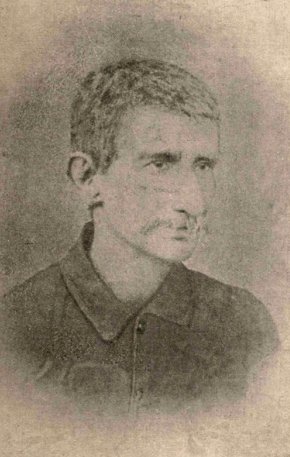
The first issue of Amrita Bazar Patrika came out on 20 February 1868 in a village in Jessore district, then part of the Bengal Presidency and now in Bangladesh. Its founders were two brothers, Sisir Kumar Ghose (1840–1911) and Motilal Ghose (died 1922), sons of a merchant family from Palua-Magura. The family had built a bazaar in the village and named it after the brothers’ mother, Amritamoyee. The village became Amrita Bazar, and the paper took its name from the village.
It was a Bengali weekly, printed, according to most accounts, on a small wooden press. Its early subjects were local: the treatment of peasants by indigo planters, the conduct of district officials, and rural grievances that Calcutta’s big papers ignored. It made enemies quickly. Within months of launch, a British sub-divisional officer sued the editor for criminal defamation. The court acquitted him.
Sisir Kumar Ghose was more than an editor. He had been in the first batch of students to pass Calcutta University’s entrance examination in 1857, founded the India League in 1875 to stir national feeling, and later wrote widely on Vaishnava devotion, including Lord Gauranga (1897).
1871: Malaria, Calcutta and Two Languages
The move that put the paper where the power was.
In 1871 an epidemic swept the Jessore countryside. The Ministry of Culture’s district repository and most histories describe it as malaria (one widely copied account says plague, which did not reach Bengal until the 1890s). The Ghose brothers moved the press to Calcutta, the capital of British India. The Ministry’s record gives the first issue from the new Calcutta press as 21 December 1871.
In Calcutta the paper began to print in both Bengali and English. That mattered for two reasons. Calcutta was where the Viceroy’s council, the High Court and the English-owned press all sat, so English columns let the Patrika argue with officials in their own language. And a bilingual paper was already half-way to the decision it would be forced to make seven years later. A Bengal administration report of 1872 noted that the Patrika was “believed by some to be more extensively read than others”.
1878: The Vernacular Press Act and the English Switch
A law about language, and a newspaper that changed language.
On 14 March 1878, the Viceroy’s council under Lord Lytton passed the Vernacular Press Act, unanimously. It applied to “publications in Oriental languages” across British India except the south. Under it, a district magistrate could require a printer or publisher to sign a bond promising not to publish material likely to excite “disaffection” against the government, and could demand a security deposit that would be forfeited if the paper broke the bond. The magistrate’s decision was final: no appeal to a court. Critics called it the “Gagging Act”.
English-language newspapers were not covered. The law assumed that the danger lay in papers the mass of Indians could read, not in papers aimed at officials and the educated elite. Proceedings were brought against Bengali papers such as Som Prakash, Bharat Mihir and Dacca Prakash.
The Patrika, which was widely believed to be the Act’s main target, did not wait to be served. It dropped its Bengali section. On 21 March 1878, exactly one week after the Act, it appeared as an English weekly. The language had changed; the tone had not. Because it was now an English paper, the Act simply did not apply to it.
The popular version says the switch happened “overnight”. The record supports “within a week”, which on a weekly paper means the very next issue. Either way, it was one of the fastest and most effective legal workarounds in the history of the Indian press.
Under the 1878 Act: Bengali Paper vs English Paper
How the Loophole Worked
Five steps from a village weekly to an English daily.
You edit a Bengali-English weekly in March 1878. The new Act targets Indian-language papers. What do you do?
1881: The Law Goes, the English Stays
A temporary workaround that became permanent.
Lytton left India in 1880. His successor, Lord Ripon, a Liberal appointee, reviewed the Act, and his government withdrew it in 1881. Bengali papers were once again under the ordinary law.
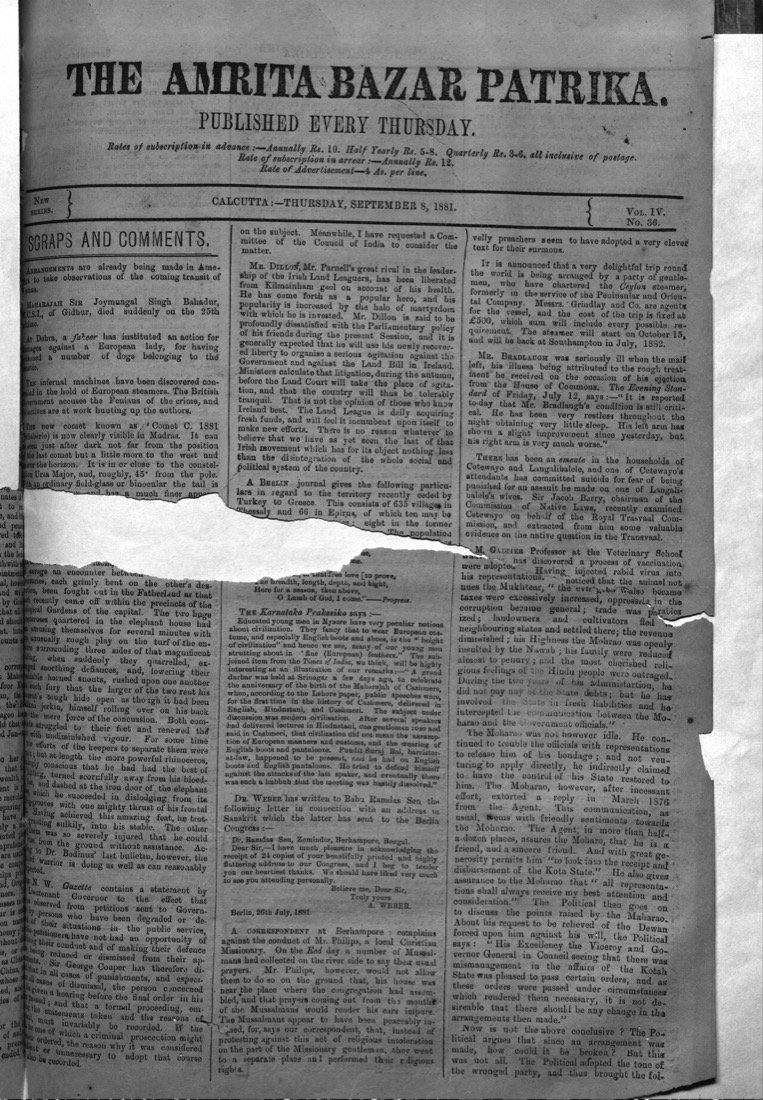
The Patrika did not go back. By then it had three years of English readers, English advertisers and an English reputation. The front page below, from 8 September 1881, shows what the switch had produced: The Amrita Bazar Patrika, “Published Every Thursday”, an English weekly from Calcutta, in its fourth volume of the new series. The workaround had become the paper’s identity.
1889–1910: A Viceroy’s Wastebasket, a Daily and Tilak
The paper becomes famous for getting what officials wanted hidden.
The most famous story about the Patrika belongs to the time of Viceroy Lord Lansdowne (1888–1894). As the paper’s own tradition tells it, someone connected to the Patrika recovered a torn-up letter from the Viceroy’s office wastepaper, pieced it together, and found plans concerning the future of Kashmir and its ruler, Maharaja Pratap Singh, who had been stripped of his powers in 1889. The Patrika published it. The account says the Maharaja used the disclosure to lobby in London.
The details vary between versions and cannot all be checked. But the story is regularly linked to the Indian Official Secrets Act of 1889, which made it an offence to publish official documents obtained without authority. If the link is right, one newspaper’s scoop helped create a secrecy law that India still lives with in its 1923 form.
In 1891 the Patrika became a daily. (A British Library catalogue gives 1895 for its conversion to an English daily; 1891 is the date most histories use.) The paper remained openly nationalist. In 1897 Sisir and Motilal raised money for the defence of Bal Gangadhar Tilak in his sedition trial. During the 1905 Partition of Bengal, its office served as a meeting point for opponents of the plan, and it described Lord Curzon as “young and a little foppish, and without previous training but invested with unlimited powers”. When the Press Act of 1910 brought security deposits back, the government demanded Rs 5,000 from the Patrika.
Sisir Kumar Ghose died on 10 January 1911. Motilal Ghose ran the paper until his death in 1922.
1931–1945: Tushar Kanti Ghosh, Contempt and Jugantar
Sixty years under one editor.
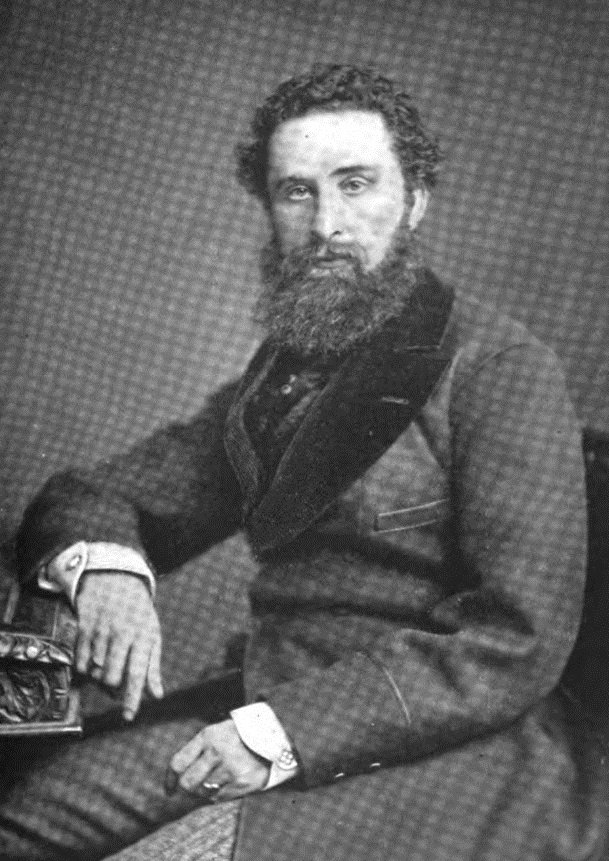
In 1931, Tushar Kanti Ghosh (1898–1994), Sisir’s son, became editor. He would hold the job for about sixty years, almost to the paper’s last issue, and was later called “the grand old man of Indian journalism”.
His first great test came in 1935. On 23 March 1935 the Patrika published material that questioned the conduct of British judges. The Calcutta High Court held it in contempt and sentenced Tushar Kanti Ghosh, as editor, to three months in prison and Tarit Kanti Biswas, printer and publisher, to one month. On 2 May 1935, Chief Justice Derbyshire and Justice Costello refused them a certificate to appeal to the Privy Council, holding that contempt was not part of the court’s “original criminal jurisdiction”.
In 1937 the group launched Jugantar, a Bengali daily. Sixty years after the 1878 switch, the family was back in Bengali, now with two titles: the English Patrika for officials, lawyers and the national audience, and Jugantar for the Bengali mass readership. By 1945, the Patrika was counted as India’s seventh-largest newspaper, with more than 30,000 subscribers.
1946–1947: Blank Columns and a Cloudy Dawn
Protest by leaving things out.
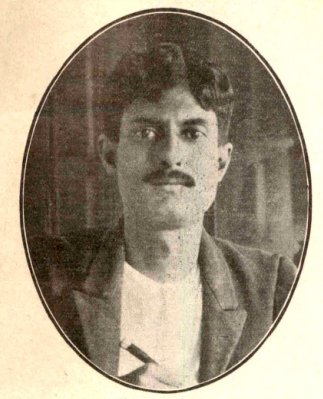
In August 1946, the Great Calcutta Killings left thousands dead in days of communal violence. The Patrika responded with silence: it left its editorial columns blank for three days. (Some later accounts say it was the whole front page; the paper’s Wikipedia history says the editorial columns.) It was a protest made with white space, a technique The Indian Express would use against censorship during the Emergency blank editorial of 1975.
On Independence, the Patrika’s editorial caught the mood of a divided Bengal: “It is dawn, cloudy though it is. Presently sunshine will break.”
1947–1985: From Opposition Paper to Establishment Paper
The fight was over; the paper’s role changed.
After 1947 the Patrika no longer had a colonial government to oppose, and its tone changed. Tushar Kanti Ghosh became a figure of the press establishment: he led the International Press Institute and the Commonwealth Press Union, and received the Padma Bhushan in 1964.
The Emergency of 1975–77 is where the Patrika’s story departs from the heroic version. Many accounts put every old nationalist paper on the side of press freedom. The Patrika was not one of the resisters. Journalist Manojit Mitra, quoted by ThePrint, described it in that period as “an out-and-out Congress newspaper” whose Emergency coverage was tepid. The paper that had outwitted a Viceroy’s press law in 1878 did not take on its own government’s censorship a century later.
1986–1991: Why Amrita Bazar Patrika Closed
No change of language could fix a balance sheet.
By the mid-1980s the group had moved from its old home at Ananda Chatterjee Lane to a larger building on Acharya Jagadish Chandra Bose Road in central Calcutta. Contemporary reporting by India Today linked this period to a sharp fall in fortunes. According to that reporting and later accounts, monthly advertising revenue fell from about Rs 1 crore to about Rs 20 lakh, and competitors such as The Telegraph (1982) were taking readers and advertisers.
Salaries went unpaid. Debts reached about Rs 21 crore. In February 1991 the Patrika stopped publishing, and Jugantar with it. India Today’s July 1991 headline summed it up: debts had killed a 123-year-old English daily. The end was grim for its staff; ThePrint records that a proofreader, Chandi Ghosh, hanged himself in the office. Tushar Kanti Ghosh died on 29 August 1994, aged 95.
The symmetry is hard to miss. In 1878, the paper survived a government’s attack on its language by changing language. In 1991 the threat was debt, and there was no loophole.
Two Threats, 113 Years Apart
| Question | 1878 | 1991 |
|---|---|---|
| Threat | Vernacular Press Act | Debt and falling ad revenue |
| Who | Lord Lytton’s government | Market and management |
| Target | Indian-language papers | The Patrika group itself |
| Response | Switch to English in one week | None that worked |
| Outcome | Paper survived and grew | Paper stopped after 123 years |
What Happened to the Archive?
The press stopped; the paper trail did not.
The paper’s back files survived. The Centre for Studies in Social Sciences, Calcutta holds a run of the Patrika and Jugantar, and the British Library’s Endangered Archives Programme (project EAP262) digitised it, with support that included the papers’ own former employees’ association. Hundreds of issues from the 1880s and 1890s are now public on Wikimedia Commons, including the 1881 weekly shown above and daily issues from 1897 to 1900. The German South Asia library service FID4SA also hosts the early run. Anyone can now read the English Patrika of the 1880s page by page, rather than rely on the stories told about it.
Why the 1878 Switch Still Matters
- Language was a legal category: the same criticism was punishable in Bengali and legal in English.
- The law backfired: an Act meant to restrain Indian-language journalism pushed one of its sharpest critics into the rulers’ own language, where officials could not avoid reading it.
- It shaped a genre: Indian-owned English papers, from The Hindu (1878) to the Patrika, became a main channel of nationalist argument.
- It had a cost: the switch took the Patrika away from Bengali village readers, the audience it was founded for, until Jugantar came in 1937.
- It set a pattern: Indian papers have answered press controls with form as well as words, from language switches to blank editorials.
Amrita Bazar Patrika: The Complete Timeline
Newest first.
Tushar Kanti Ghosh Dies
The editor who ran the paper for about sixty years dies at 95, three years after it stopped publishing.
The Patrika Stops Publishing
With salaries unpaid and debts of about Rs 21 crore, the Patrika and its Bengali sister Jugantar stop publishing. It ends 123 years after the first Jessore issue.
New Building, Falling Revenue
The group leaves Ananda Chatterjee Lane for a larger building. Monthly advertising income falls from about Rs 1 crore to about Rs 20 lakh.
The Emergency
Unlike in 1878, the Patrika is not a resister: a journalist of the period calls it “an out-and-out Congress newspaper” with tepid Emergency coverage.
Padma Bhushan for the Editor
Tushar Kanti Ghosh receives the Padma Bhushan. He also leads the International Press Institute and the Commonwealth Press Union.
“It Is Dawn, Cloudy Though It Is”
The Patrika greets Independence and Partition with a cautious editorial: “Presently sunshine will break.”
Three Days of Blank Editorials
The paper leaves its editorial columns blank for three days in protest at the communal violence.
Seventh-Largest Paper in India
The Patrika is counted seventh by circulation, with more than 30,000 subscribers.
Jugantar Launched
The group starts Jugantar, a Bengali daily. It runs until 1991. The family is back in Bengali, 59 years after leaving it.
The Editor Is Jailed
Over a 23 March 1935 publication, the High Court sentences Tushar Kanti Ghosh to three months and printer Tarit Kanti Biswas to one month for contempt. A Privy Council appeal certificate is refused on 2 May 1935.
Tushar Kanti Ghosh Becomes Editor
Sisir’s son takes over. He edits the paper for about sixty years.
Motilal Ghose Dies
The surviving founder dies. Sisir had died on 10 January 1911.
Press Act Security Demand
Security deposits return, and the government demands Rs 5,000 from the Patrika, this time with no language loophole available.
Against the Partition of Bengal
The Patrika’s office becomes a meeting point for opponents of Curzon’s partition, which the paper attacks.
Money for Tilak’s Defence
Sisir and Motilal raise funds for Bal Gangadhar Tilak’s defence.
The Patrika Becomes a Daily
The English weekly becomes an English daily. A British Library catalogue gives 1895; most histories give 1891.
The Kashmir Letter and the Secrets Act
By the paper’s own tradition, a torn letter from the Viceroy’s office about Kashmir is pieced together and published. The Indian Official Secrets Act of 1889 is linked to the leak.
The Act Is Withdrawn
Ripon’s government withdraws the Vernacular Press Act. The Patrika stays in English.
The English Switch
Lytton’s council passes the Vernacular Press Act on 14 March. On 21 March the Patrika appears as an English-only weekly, outside the Act.
Move to Calcutta; Bilingual Paper
A malaria epidemic drives the press to Calcutta. The paper prints in Bengali and English. The Ministry of Culture’s record dates the first Calcutta issue to 21 December 1871.
First Issue in Jessore
Sisir Kumar and Motilal Ghose launch a Bengali weekly named after their village, itself named after their mother, Amritamoyee.
Quiz: How Well Do You Know the Patrika?
Tap a question to reveal the answer.
1. When was Amrita Bazar Patrika founded?
2. How long after the Vernacular Press Act did the Patrika appear in English?
3. Which Viceroy’s council passed the Act?
4. Which law is linked to the Patrika’s Kashmir leak?
5. What was the group’s Bengali daily called?
6. What did the Patrika leave blank for three days in 1946?
Explore More Timelines
People Also Ask
Frequently Asked Questions
Related AiTimeline Stories
⚠️ Editorial Note
Dates are cross-checked across the Vernacular Press Act record, the Calcutta High Court’s 1935 judgment, Wikipedia’s articles on the paper and its editors, ThePrint and Madras Courier histories, and the British Library’s digitised issues. Where sources disagree, both are given: the daily is dated 1891 (most histories) or 1895 (a library catalogue); the 1871 epidemic is described as malaria (most sources) rather than plague; the 1946 protest is described as blank editorial columns or a blank front page. The Kashmir letter story comes from the paper’s own tradition and its details cannot be fully verified. Revenue and debt figures for the 1980s come from contemporary press reports. This is editorial, AI-assisted content.
Sources & further reading
Every dated entry above was checked against these references. Last reviewed 26 September 2026.
- Wikipedia: Amrita Bazar Patrika
- Wikipedia: Vernacular Press Act, 1878
- Calcutta High Court, In re Tushar Kanti Ghosh (2 May 1935)
- ThePrint: Amrita Bazar Patrika, fiery newspaper took on British, then a tame turn and tragedy
- Madras Courier: Amrita Bazar Patrika, epitome of fearless journalism
- India Today (15 July 1991): Debts kill 123-year-old English daily Amrita Bazar Patrika
- British Library Endangered Archives Programme EAP262: Amrita Bazar Patrika and Jugantar
- Wikipedia: Tushar Kanti Ghosh