Saudi Aramco IPO: Timeline of Its Long-Awaited Market Debut
Saudi Aramco IPO timeline: the 2016 idea, the $2 trillion fight, SAR 32 pricing, the 11 Dec 2019 Tadawul debut, $29.4bn record and the 2024 share sale.
Latest Story
The Saudi Aramco IPO was announced as an idea in January 2016, promised at a $2 trillion valuation, and delayed for almost four years. When the world’s biggest oil producer finally listed on Riyadh’s Tadawul exchange on 11 December 2019, it sold less than 2% of itself for about $29.4 billion, a record that stood until 2026. This timeline follows the whole story, from the 1938 oil discovery to the 2024 share sale, the transfers to the Public Investment Fund and Aramco’s position in October 2026.
💡 Short Answer
Saudi Aramco listed on the Saudi Exchange (Tadawul) on 11 December 2019 after an IPO priced at SAR 32 a share. It sold 3 billion shares (1.5%) for about $25.6 billion, rising to about $29.4 billion and 1.725% when the greenshoe was exercised in January 2020. The price valued Aramco at $1.7 trillion, below the $2 trillion goal that had helped delay the deal since 2016.
Saudi Aramco IPO: Key Questions
The Aramco IPO in Ten Points
- A 2016 idea: Mohammed bin Salman first floated the IPO in January 2016, then made it part of Vision 2030.
- The $2 trillion problem: the government’s valuation was higher than most investors would accept.
- Groundwork: a tax cut from 85% to 50% and a new joint-stock structure from 1 January 2018.
- Missed 2018 target: the listing slipped amid valuation and venue disputes.
- Plan B in 2019: the $69.1 billion SABIC deal gave the PIF cash; a $12 billion bond revealed $111 billion of profit.
- Domestic only: Tadawul, not New York or London; no marketing in the US, Canada or Japan.
- Priced at SAR 32: range set 17 November, final price 5 December 2019, value $1.7 trillion.
- Record deal: $25.6 billion, then $29.4 billion with the greenshoe; the record stood until June 2026.
- Stake shuffles: 16% moved to the PIF between 2022 and 2024; about 0.7% sold to investors in June 2024.
- Still state-run: the government and PIF control about 97.5% in 2026.
Saudi Aramco IPO at a Glance
The key dates and numbers. Scroll the table sideways on a phone.
| Milestone | Details |
|---|---|
| Company | Saudi Arabian Oil Company (Saudi Aramco), ticker 2222 |
| IPO idea made public | 7 January 2016 (The Economist interview) |
| Linked to | Vision 2030, launched 25 April 2016 |
| Intention to float | 3 November 2019 |
| Price range | SAR 30–32, set 17 November 2019 |
| Final offer price | SAR 32, set 5 December 2019 |
| Base offering | 3 billion shares, 1.5%, about $25.6 billion |
| With greenshoe | 3.45 billion shares, about 1.725%, about $29.4 billion (12 January 2020) |
| First day of trading | 11 December 2019, opened at SAR 35.20 (+10%) |
| IPO valuation | About $1.7 trillion |
| Second sale | June 2024: about 0.7% at SAR 27.25, about $12.35 billion |
| Ownership, end-2025 | Government 81.48%, PIF group 16%, public about 2.5% |
| IPO record | Largest ever from Dec 2019 to Jun 2026 (overtaken by SpaceX) |
The Timeline, Newest First
From Aramco’s 2026 position back to the 1938 oil discovery.
Shares sit just below the adjusted IPO price 2026
Almost seven years after listing, Aramco shares were trading around SAR 25.7 in mid-October 2026, inside a 52-week range of roughly SAR 23.3 to SAR 28. After the two bonus issues of 2022 and 2023, the SAR 32 IPO price is equivalent to about SAR 26.45, so the share price was slightly below where IPO buyers started, before counting dividends.
The market value, about $1.66 trillion, was close to the $1.7 trillion set at the IPO.
2026
Hormuz shock lifts profits 2026
With shipping through the Strait of Hormuz severely disrupted, Aramco rerouted crude to its Red Sea terminals through the East-West Pipeline, which it ran at its maximum 7 million barrels a day. Higher oil prices lifted second-quarter adjusted net income by 33% to $33.4 billion, and first-half adjusted income reached $67.2 billion.
The board declared a second-quarter base dividend of $21.9 billion.
Aramco loses the IPO record Milestone
After six and a half years at the top, Aramco’s record ended when SpaceX priced its Nasdaq IPO at $135 a share on 11 June 2026, raising about $75 billion, more than two and a half times Aramco’s total including the greenshoe.
2025
The state still owns almost all of it Ownership
According to Aramco’s 2025 annual report, the government held about 81.48% of the company directly at the end of 2025, and the Public Investment Fund and its wholly owned companies held 16%. Public shareholders, including the 2019 and 2024 buyers, held the rest, about 2.5%.
2025 also brought a sharp cut in payouts: Aramco reduced its performance-linked dividend, so total dividends for the year fell to about $85 billion from roughly $124 billion in 2024.
A second public sale, at a lower price Milestone
The government returned to the market with a secondary public offering of about 0.64% of Aramco. After a price range of SAR 26.70–29 announced on 30 May, the final price was set at SAR 27.25 on 7 June 2024, raising about $11.2 billion. The over-allotment option took the total to about $12.35 billion, or roughly 0.7% of the shares.
Unlike in 2019, the deal was marketed widely abroad, and foreign investors were reported to have provided more than half of the demand.
Another 8% moves to the PIF Ownership
Crown Prince Mohammed bin Salman announced the transfer of a further 8% of Aramco to companies wholly owned by the Public Investment Fund, bringing the fund’s total to 16% and reducing the government’s direct stake to about 82.19%.
4% to Sanabil, plus a second bonus issue Ownership
The government transferred another 4% of Aramco to Sanabil Investments, a company wholly owned by the PIF, cutting its direct stake to about 90.19%. In May shareholders approved a second one-for-ten bonus share issue, after a first one in 2022.
2022
Briefly the world’s most valuable company again Milestone
Soaring oil prices pushed Aramco’s market value to about $2.43 trillion, overtaking Apple, which had passed it in July 2020, as the world’s most valuable listed company.
First 4% stake transferred to the PIF Ownership
The government transferred 4% of Aramco to the Public Investment Fund, the country’s sovereign wealth fund. It was a transfer within the state, not a sale to the public, but it began a gradual shift of Aramco shares to the fund.
A pandemic year tests the new listing Risk
Within months of listing, Aramco faced a Saudi-Russian price war in March 2020 and the collapse in demand caused by COVID-19. Its profits fell sharply, yet it kept its promised $75 billion annual dividend, partly by borrowing.
On 31 July 2020 Apple overtook Aramco as the world’s most valuable listed company.
2020
The greenshoe lifts the IPO to $29.4 billion Milestone
The banks managing price stabilisation exercised the over-allotment (greenshoe) option, selling 450 million additional shares at SAR 32. That raised the total IPO to 3.45 billion shares, about 1.725% of the company, and lifted proceeds from $25.6 billion to about $29.4 billion.
2019
A brief touch of $2 trillion Milestone
On its second day of trading, the stock rose another 10% to SAR 38.70 in early trading, briefly pushing Aramco’s value above the $2 trillion target the crown prince had talked about since 2016. It closed lower, at SAR 36.80, valuing the company at about $1.96 trillion.
2019
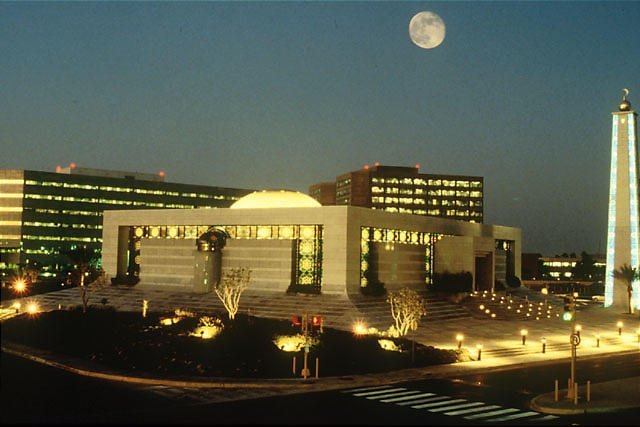
Aramco lists on Tadawul Milestone
Aramco began trading on the Saudi Exchange (Tadawul). The shares opened at SAR 35.20, 10% above the SAR 32 offer price and the maximum daily rise allowed, and stayed there. That made Aramco, at about $1.88 trillion, the world’s most valuable listed company.
2019
Final price: SAR 32 Milestone
After the institutional book closed on 4 December, Aramco set the final offer price at SAR 32, the top of the range. The base deal sold 3 billion shares, 1.5% of the company, for SAR 96 billion, or about $25.6 billion, implying a valuation of $1.7 trillion.
Total subscriptions reached about SAR 446 billion, around 4.65 times the shares on offer, with institutions taking most of the allocation and about 4.9 million individuals subscribing.
2019
Price range of SAR 30–32; subscriptions open Milestone
Aramco set an indicative price range of SAR 30–32 a share and opened subscriptions. The range valued the company at between $1.6 trillion and $1.7 trillion, clearly below the $2 trillion figure. Retail investors could apply until 28 November; institutions until 4 December.
2019
The prospectus is published Milestone
Aramco released its IPO prospectus, giving investors the most detailed public view of its finances, reserves and risks so far. It did not yet name the size of the offering or the price range. The risk section covered oil prices, government control, climate policy and attacks such as the September strike on Abqaiq.
2019
Intention to float on Tadawul Milestone
After almost four years of planning and delay, Aramco formally announced its intention to float on the Main Market of Tadawul. The Capital Market Authority approved the listing the same day. There would be no international listing for now.
2019
The Abqaiq attack Risk
Strikes on the Abqaiq crude-processing plant and the Khurais oilfield temporarily cut about 5.7 million barrels a day, roughly half of Saudi output. Aramco restored production within weeks, but the attack made the security of its facilities a central question for IPO investors.
2019
SABIC deal and a record bond Milestone
With the IPO on hold, Aramco agreed to buy 70% of SABIC from the PIF for $69.1 billion, giving the fund the cash the IPO had been meant to raise. To help pay for it, Aramco sold its first international bonds in April: $12 billion, with more than $100 billion of orders.
The bond prospectus was the first public look at Aramco’s accounts. It showed 2018 net income of $111.1 billion, more than any other company in the world.
The timetable slips Delay
The original plan was to list in 2018. It did not happen. In August 2018 several reports said the IPO had been put on hold, after disagreements about the valuation and the listing venue. Saudi officials said the government remained committed and that timing depended on market conditions and the SABIC deal.
Jan 2018
Making Aramco listable Milestone
Before it could be sold, Aramco had to look like a normal company. In March 2017 the government cut Aramco’s income tax rate from 85% to 50%, raising its reported profits, and later changed the royalty regime. Exchanges in New York, London and Hong Kong competed for a foreign listing.
On 1 January 2018 Aramco formally became a joint-stock company, with shares, a board and the legal structure needed for a listing.
2016
Vision 2030 and the $2 trillion idea Milestone
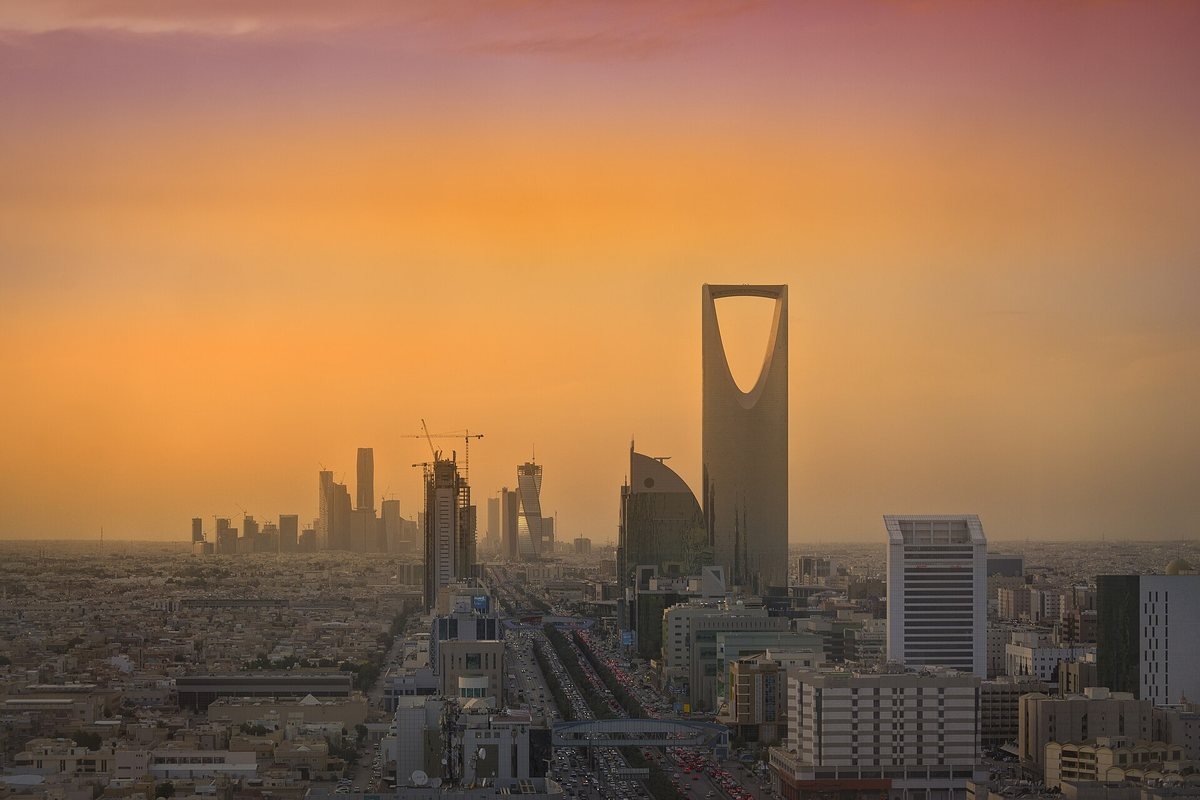
Saudi Arabia launched Vision 2030, a plan to reduce dependence on oil revenue. Its central financial idea was to sell less than 5% of Aramco and move the company into the Public Investment Fund, turning it into a giant sovereign fund. Mohammed bin Salman said Aramco was worth $2 trillion or more.
2016
The IPO idea goes public Milestone
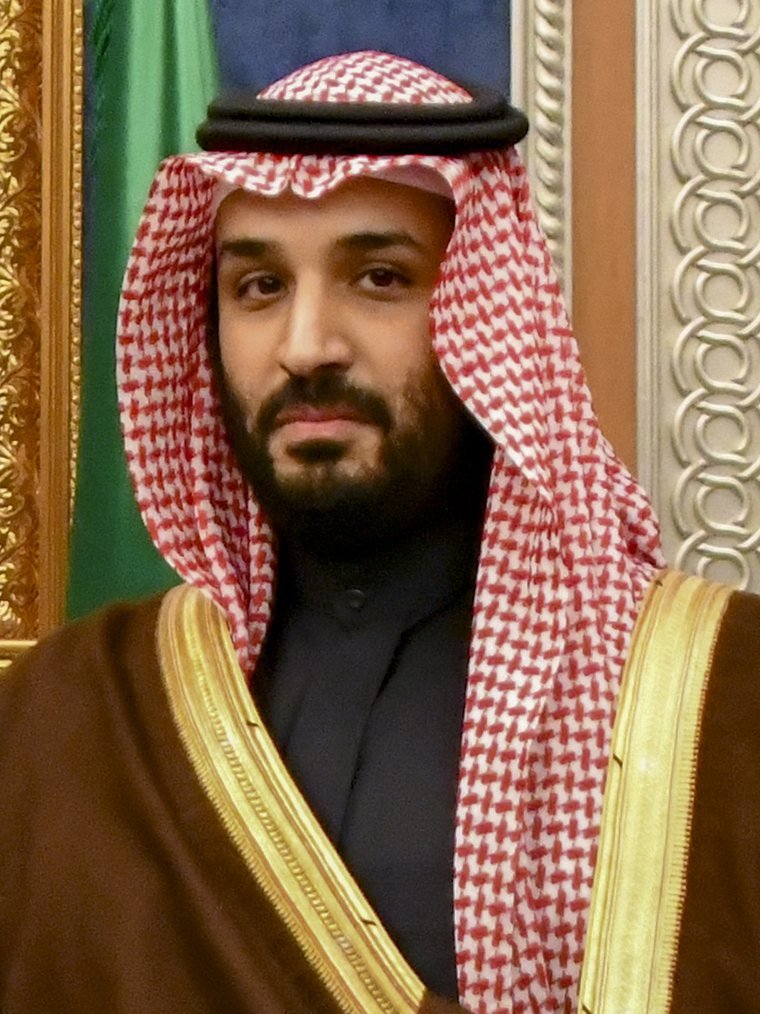
In an interview with The Economist, then Deputy Crown Prince Mohammed bin Salman said the kingdom was considering an IPO of Aramco and that he was personally enthusiastic. The next day Aramco confirmed it was studying options, including listing shares in the company or a group of its downstream subsidiaries.
Saudi Aramco is created Milestone
A royal decree created the Saudi Arabian Oil Company, Saudi Aramco, to take over the assets and operations of the Arabian American Oil Company. It later expanded into refining, chemicals, shipping and international joint ventures.
1980
The state buys out the US owners Milestone
The Saudi government bought into the Arabian American Oil Company, then owned by four US oil companies: 25% in 1973, 60% in 1974, and full ownership by 1980, backdated to 1976.
1938
Concession and discovery Milestone
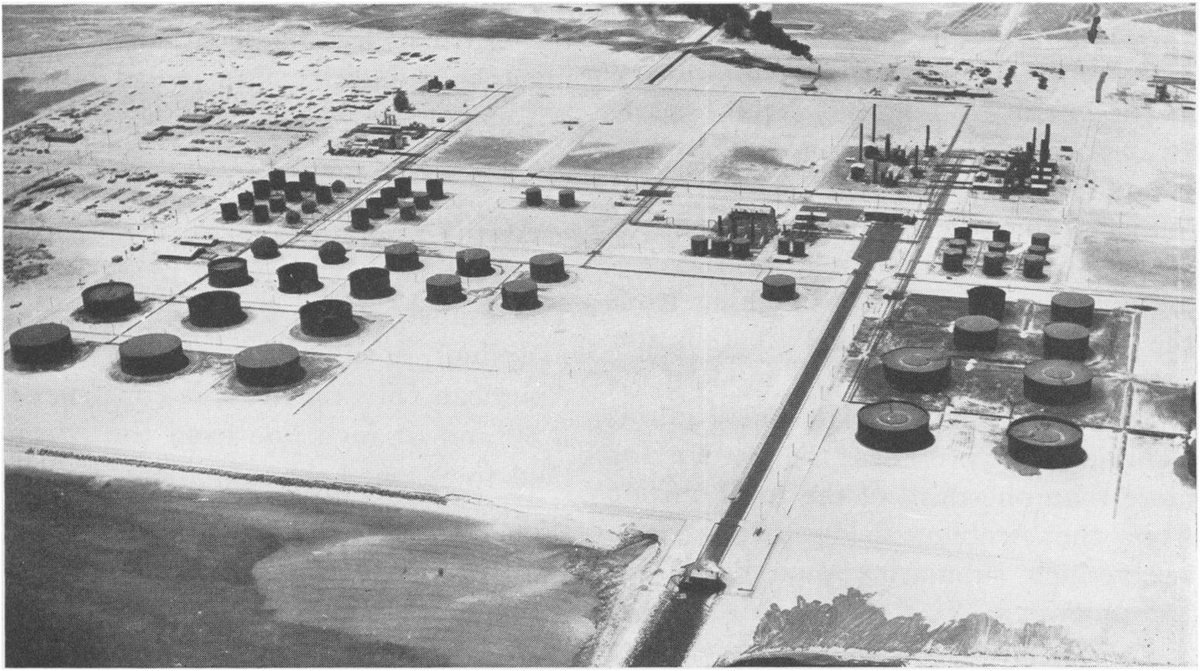
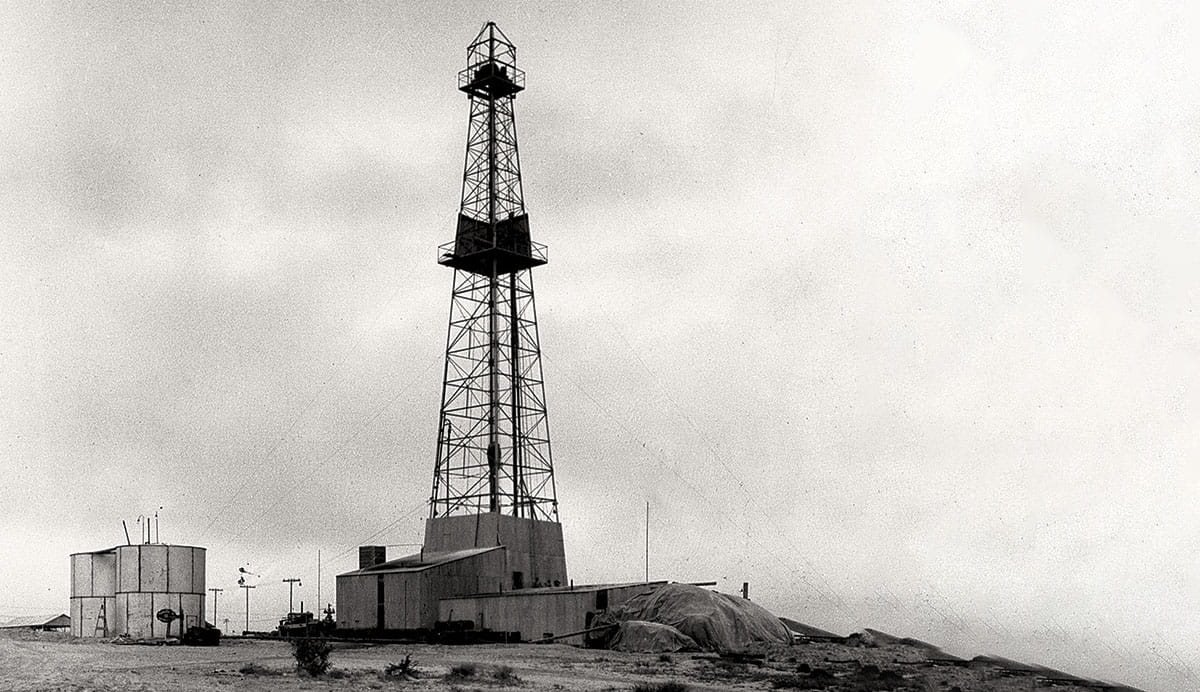
Saudi Arabia granted an oil concession to Standard Oil of California in May 1933. After years of dry holes, Dammam No. 7 struck commercial quantities of oil in March 1938, the start of the industry that would make Aramco the world’s largest oil producer.
Who Owns Aramco? The Ownership Shift
How the shares moved between the government, its sovereign fund and outside investors.
Pick a year. How much of Aramco did the public really get?
Tap a moment to see how the shares were split between the government, the Public Investment Fund and public investors.
The $2 Trillion Question
The valuation goal that delayed the IPO, measured against what the market actually paid.
Was Aramco ever worth the $2 trillion it was promised?
Pick a moment to fill the meter. The dashed line marks the $2 trillion goal.
Why Was the Saudi Aramco IPO Delayed?
Six problems that took almost four years to resolve.
The valuation gap
The government wanted at least $2 trillion. Many fund managers put Aramco closer to $1.2–1.5 trillion, citing state control, taxes and the long-term outlook for oil. The IPO settled at $1.7 trillion.
Where to list
New York, London and Hong Kong competed in 2017. A US listing brought litigation risk; London considered rule changes for state-owned companies. Riyadh chose Tadawul alone.
Disclosure
Aramco had never published full accounts. Its first public figures came in the April 2019 bond prospectus, and reserves had to be independently audited.
Tax and structure
An 85% income tax, royalty rules and a non-corporate structure had to be changed so the company could show profits and issue shares.
Oil and security risk
Oil prices, OPEC+ output decisions and the September 2019 Abqaiq attack all made investors cautious about paying a premium.
Keeping control
The state wanted cash for Vision 2030 without giving outsiders any say. Selling a tiny stake solved that, but limited how much it could raise.
The 2019 IPO vs the 2024 Share Sale
Two deals, the same seller.
| Factor | 2019 IPO | 2024 secondary offering |
|---|---|---|
| Type | First listing | Sale of already-listed shares |
| Seller | Government | Government |
| Shares sold | 3.45bn incl. greenshoe (about 1.725%) | About 1.7bn incl. greenshoe (about 0.7%) |
| Price | SAR 32 | SAR 27.25 (after two bonus issues) |
| Proceeds | About $29.4bn | About $12.35bn |
| Investors | Mainly Saudi and Gulf; not marketed in US, Canada, Japan | Marketed abroad; foreign demand reported above half |
| Who got the money | The state | The state |
In both deals the seller was the Saudi government, not Aramco itself. That is the most common misunderstanding about the IPO: the roughly $29.4 billion raised in 2019 and $12.35 billion raised in 2024 went to the state, and through it to Vision 2030 priorities, rather than to the company’s own investment budget. Aramco funds its operations from its oil revenue and borrowing.
What Did the IPO Mean for Saudi Arabia?
Cash for Vision 2030
IPO and later sale proceeds, plus the shares moved to the PIF, help pay for the kingdom’s diversification plans.
A bigger Tadawul
Aramco became by far the largest company on the exchange and lifted it into the global top ten by value.
Public accounts
Quarterly results, audited reserves and investor calls opened a previously secret company to scrutiny.
No change at the top
With about 97.5% held by the state and the PIF, outside shareholders have little influence on strategy.
Common Myths About the Aramco IPO
“The price was fixed on 17 November”
Only the SAR 30–32 range was set that day. The SAR 32 final price came on 5 December 2019.
“The IPO sold 1.725% on day one”
The base deal was 1.5%. The extra 0.225% came from the greenshoe exercised in January 2020.
“Aramco raised the money for itself”
The government sold its own shares, so the proceeds went to the state.
“It is still the biggest IPO ever”
It was, until SpaceX raised about $75 billion in June 2026.
Explore More Timelines
People Also Ask
Frequently Asked Questions
Conclusion: A Historic IPO, but Not a Privatisation
The Saudi Aramco IPO took almost four years from Mohammed bin Salman’s first public remarks to the opening bell on Tadawul. Along the way the government cut Aramco’s taxes, rebuilt it as a joint-stock company, gave up on a foreign listing, sold SABIC to it as a stopgap and accepted a lower valuation than it wanted. The result was a record $29.4 billion raise for about 1.7% of the company.
Seven years on, the state and its sovereign fund still hold about 97.5%, and the shares trade close to their IPO value. The defining feature of the Aramco IPO was balance: opening a small window on a national oil giant to public investors while keeping the asset at the heart of Saudi Arabia’s economy firmly in state hands.
Related AiTimeline Stories
⚠️ Editorial Note
Dates and figures come from Aramco’s IPO announcements and results releases, its 2025 annual report, Saudi Exchange filings for the 2024 offering, and contemporary reporting by Argaam, Al Jazeera, Business Standard and CNBC. Valuations in US dollars depend on the exchange rate (SAR 3.75 to the dollar) and the date. Share prices for October 2026 are approximate. This article is for general information and is not investment advice.
Sources & further reading
Every dated entry above was checked against these references. Last reviewed 13 October 2026.
- Saudi Aramco: Announcement of intention to float on the Main Market of the Saudi Exchange (Tadawul), 3 November 2019
- Argaam: Saudi Aramco sets IPO price range between SAR 30 and SAR 32 per share (17 November 2019)
- Saudi Aramco: Saudi Aramco listed on Tadawul (11 December 2019)
- Al Jazeera: Saudi Aramco shares surge 10 percent on stock market debut (11 December 2019)
- Business Standard: Aramco raises IPO to $29.4 bn via greenshoe option, sells 450 mn shares (12 January 2020)
- Argaam: Aramco sets final secondary offering price at SAR 27.25 per share (7 June 2024)
- Saudi Aramco: 2025 Annual Report (ownership structure)
- Saudi Aramco: Aramco announces second quarter and half year 2026 results (4 August 2026)