Bretton Woods Collapse: How the US Ended the Gold Link in 1971
In 1971 Nixon closed the gold window and the Bretton Woods system began to collapse. Full timeline from 1944 to the 1973 float, and what it means in 2026.
Latest Story
For nearly three decades after the Second World War, one promise held the world’s money together: foreign governments could exchange their US dollars for American gold at $35 an ounce, and every other major currency was pegged to the dollar. On 15 August 1971 Richard Nixon withdrew that promise. The Bretton Woods collapse did not happen in a single night, since governments spent another 19 months trying to save fixed exchange rates, but by March 1973 the major currencies were floating. This timeline traces how the system was built, why it cracked and what replaced it, through to the gold and reserve-currency debates of 2026.
💡 Short Answer
The Bretton Woods system, agreed by 44 nations in July 1944, fixed currencies to the US dollar and the dollar to gold at $35 an ounce for foreign governments. As dollars piled up abroad and US inflation rose, that promise became impossible to keep. Nixon suspended gold convertibility on 15 August 1971. The Smithsonian Agreement tried to restore fixed rates in December 1971, but it broke down, and the major currencies floated from March 1973.
Bretton Woods Collapse: Key Questions
The End of Bretton Woods in Ten Points
- The bargain: currencies pegged to the dollar, the dollar convertible into gold at $35 for foreign official holders.
- A short life: it only worked as designed from 1958, when European currencies became convertible, to 1971.
- The flaw: the world needed more dollars, but more dollars abroad made the gold promise less credible, the Triffin dilemma.
- The warning signs: gold at $40 in 1960, the 1961 Gold Pool, sterling’s 1967 devaluation and the 1968 two-tier market.
- The break: after the German mark floated in May 1971, Nixon closed the gold window on 15 August 1971.
- Not just gold: the same speech froze wages and prices for 90 days and added a 10% import surcharge.
- The rescue that failed: the Smithsonian Agreement set gold at $38, but lasted only 15 months.
- The end: a second devaluation to $42.22 in February 1973, then the general float in March.
- The formal close: the IMF’s Second Amendment legalised floating on 1 April 1978.
- The legacy in 2026: the dollar still dominates reserves at 56.70%, while gold, now about $4,182, is back in central bank vaults.
Bretton Woods Collapse at a Glance
The key milestones from the 1944 conference to the IMF’s 1978 reforms. Scroll sideways on a phone.
| Milestone | Date | Significance |
|---|---|---|
| Bretton Woods Conference | 1–22 July 1944 | 44 nations design the postwar monetary order |
| IMF and World Bank established | 27 December 1945 | Articles of Agreement enter into force |
| System fully operational | December 1958 | European currencies become convertible |
| Dollar claims exceed US gold | About 1961 | The core weakness becomes visible |
| Gold market splits | March 1968 | Two-tier market replaces the Gold Pool |
| Nixon Shock | 15 August 1971 | Gold convertibility suspended |
| Smithsonian Agreement | 18 December 1971 | Gold to $38; wider bands |
| Second devaluation | 12 February 1973 | Gold to $42.22 |
| Major currencies float | March 1973 | Fixed-rate system ends in practice |
| Jamaica Agreement | January 1976 | Floating accepted by IMF members |
| Second Amendment in force | 1 April 1978 | Floating legal; official gold price abolished |
The Timeline: From Gold-Backed Dollars to Floating Currencies
Newest first, from the 2026 debates back to the 1934 gold price. Tags mark international agreements, US policy moves, gold and currency events, crises and 2026 developments.
2026
Gold near $4,200, and the books still say $42.22 2026
Gold traded at about $4,182 an ounce on the morning of 13 October 2026, about a quarter below its January record. The US Treasury still carries its gold, about 261.5 million troy ounces, at the statutory price of $42.22 set in 1973, a book value of roughly $11 billion against a market value above $1 trillion. Some analysts argue a revaluation could come; on 14 October Kitco quoted UBP’s Peter Kinsella calling it an ‘upside risk’ for gold. No official proposal has been made.
2026
IMF: the dollar’s reserve share edges down to 56.70% 2026
The IMF’s Currency Composition of Official Foreign Exchange Reserves showed the dollar’s share slipping again, as holdings of the euro and other currencies grew while dollar claims were largely unchanged. Fifty-five years after the gold link ended, the dollar remains by far the largest reserve currency, but well below the roughly 71% share it held around the euro’s launch in 1999.
2026
55 years since the gold window closed 2026
The 55th anniversary of Nixon’s address drew commentary from economists and gold dealers alike, much of it framed around record gold buying by central banks, tariffs and the size of US government debt. Unlike 1971, there is no peg to defend: the dollar’s value is set in markets, and its reserve role rests on US financial markets rather than a claim on gold.
ECB: gold’s share of reserves passes US Treasuries Gold
The European Central Bank’s annual report found gold had risen to about 27% of global official reserves at the end of 2025, from about 20% a year earlier, while US Treasuries fell to about 22%. The report noted that much of the change reflected gold’s price surge, roughly 60% in 2025, and that central banks were still buying heavily. Many have cited the 2022 freezing of Russia’s reserves as a reason to hold more gold.
2026
Gold sets a record above $5,500 Gold
Gold hit its all-time high in late January 2026 amid geopolitical tension, tariff threats, a weaker dollar and questions about the Federal Reserve’s independence. It then fell back, trading roughly 25% lower by October. The record was more than 150 times the $35 official price abandoned in 1971.
Calls for a ‘new Bretton Woods’ Crisis
As the financial crisis spread, European leaders including Nicolas Sarkozy and Gordon Brown called for a ‘new Bretton Woods’ to remake global financial rules. The first G20 leaders’ summit followed in Washington in November 2008. It produced new financial regulation and a larger IMF, not a return to fixed exchange rates.
1985
The Plaza Accord shows managed floating Currencies
After the dollar’s steep rise in the early 1980s, the finance ministers of the United States, Japan, West Germany, France and the United Kingdom agreed to coordinate intervention to weaken it. It showed how the post-Bretton Woods world worked: no pegs, but governments still trying to steer exchange rates.
1980
Gold peaks at $850 as inflation rages Gold
Released from its peg, gold rose through the 1970s as US inflation climbed and the dollar weakened. It touched $850 an ounce in January 1980. Paul Volcker, who had helped close the gold window as a Treasury official in 1971, became Fed chairman in 1979 and raised interest rates sharply to break inflation.
1978
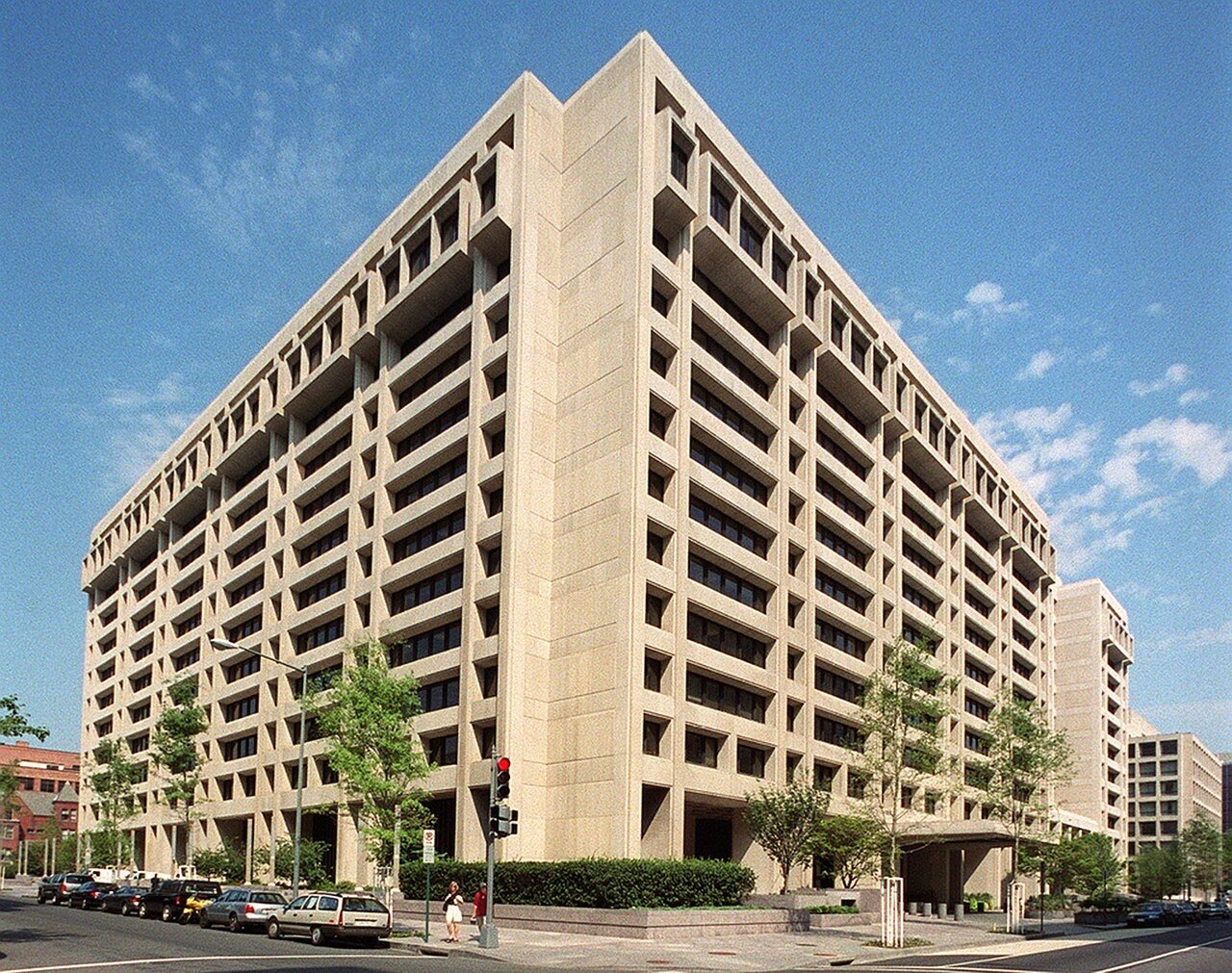
IMF Second Amendment takes effect Agreement
The amendment agreed in Jamaica entered into force, letting each member choose its own exchange-rate arrangement under IMF surveillance. It abolished the official price of gold and ended the obligation to use gold in transactions with the Fund, formally closing the Bretton Woods chapter.
1976
The Jamaica Agreement Agreement
After two years of reform talks, IMF members accepted the reality of floating exchange rates. The agreement also provided for the sale of part of the IMF’s gold. It was ratified as the Second Amendment to the Articles of Agreement.
1974
Americans may own gold again US policy
With gold no longer part of US monetary policy, Congress lifted the restrictions that had barred most Americans from holding gold bullion since Franklin Roosevelt’s 1933 order. By then the free-market price was far above the official $42.22.
1973
The major currencies float Crisis
After another wave of selling of the dollar, European exchange markets closed in early March. The G10 approved an arrangement in which six European Community currencies moved together while floating against the dollar. When markets reopened on 19 March, the Bretton Woods fixed-rate system was over in practice.
1973
Second devaluation: gold to $42.22 US policy
With exchange markets in Europe and Japan closed, the United States devalued the dollar a second time, by 10%, raising the official gold price from $38 to $42.22 an ounce. Japan let the yen float. Within a month nearly all major currencies were floating against the dollar.
1972
Sterling floats Currencies
Speculation against the pound forced Britain to let it float, an early crack in the Smithsonian arrangement. During 1972 speculators pushed many European currencies to the tops of their wider bands, and the free-market price of gold climbed to about $60 an ounce.
1971
The Smithsonian Agreement Agreement
The Group of Ten agreed new central rates. The dollar was devalued against gold, and the yen, mark and other currencies were revalued, for an average dollar devaluation of about 10.7% against the key currencies according to the Federal Reserve’s historians. Permitted fluctuations widened from 1% to 2.25% either side of the new rates, and the United States dropped its 10% import surcharge. Nixon hailed it as the most significant monetary agreement in the history of the world.
1971
The Nixon Shock closes the gold window US policy
In an address titled ‘The Challenge of Peace’, Nixon announced his New Economic Policy. He directed Treasury Secretary John Connally to suspend the convertibility of the dollar into gold for foreign official holders, froze wages and prices for 90 days and imposed a 10% surcharge on dutiable imports. He said the aim was to create jobs, stop the rise in the cost of living and ‘protect the dollar from the attacks of international money speculators’.
The speech was popular at home and the stock market rose the next day. Abroad, it was a shock: allies had not been consulted, and the anchor of the postwar monetary system was gone.
1971
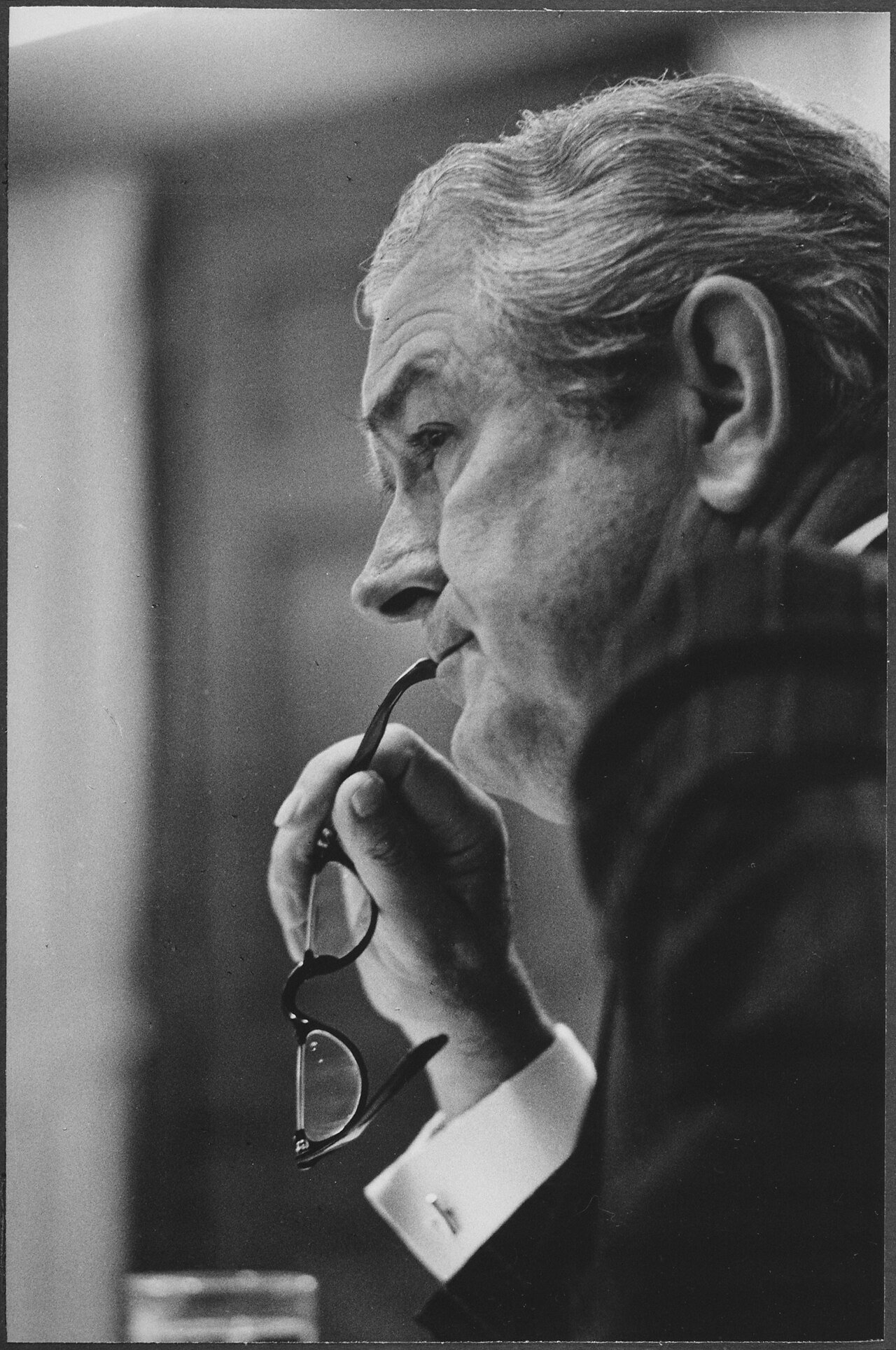
The Camp David weekend US policy
Nixon took his economic team to Camp David in secret to settle a package. Arthur Burns argued against closing the gold window, fearing market chaos; Connally pressed for bold action. Unemployment was about 6% and inflation was running above 5%, with an election due in 1972.
The German mark floats Crisis
A wave of money fleeing the dollar forced the Bundesbank to stop buying dollars. West Germany and the Netherlands let their currencies float, and Switzerland and Austria revalued. It was an early sign that the parity system could not hold, and pressure moved to the US gold stock over the summer.
1970
First allocation of SDRs Agreement
The IMF made its first allocation of Special Drawing Rights to member countries, to increase global reserves without relying on more US deficits or more gold. The idea was a direct response to the Triffin dilemma, but it came too late, and at too small a scale, to rescue the gold-dollar link.
1968
The gold market splits in two Gold
After weeks of heavy private buying, the London gold market was closed and the central banks of the Gold Pool met in Washington. They agreed that official transactions would continue at $35 an ounce while the private price was left to find its own level. The peg survived only among central banks.
1967
Sterling is devalued Currencies
The devaluation of the pound, the second-biggest reserve currency, shook confidence in the whole fixed-rate system and triggered a rush into gold that soon overwhelmed the Gold Pool.
1965
De Gaulle attacks the dollar’s privilege Crisis
Charles de Gaulle used a press conference to criticise the dollar’s special role and call for an international system based on gold. France stepped up conversions of its dollar reserves into gold. Valéry Giscard d’Estaing, his finance minister, had earlier described the dollar’s role as an ‘exorbitant privilege’.
1961
The London Gold Pool is formed Gold
The central banks of the United States, Britain, West Germany, France, Italy, Switzerland, the Netherlands and Belgium pooled gold to calm the London market. From March 1961 the US Treasury’s Exchange Stabilization Fund had also begun intervening in currency markets, and in March 1962 the Fed opened its first swap line, with the Bank of France.
1960
Gold jumps to $40 in London Crisis
Ahead of the US presidential election, the London gold price briefly hit $40 an ounce. The same year Robert Triffin published Gold and the Dollar Crisis, warning that a system relying on growing US deficits to supply world reserves would eventually undermine confidence in the dollar’s gold value. By 1961 dollar claims on the United States exceeded its gold stock.
Bretton Woods begins working as designed Currencies
Major European countries made their currencies convertible for current-account transactions. The Federal Reserve’s historians date the fully operational Bretton Woods system from 1958, which means it worked as planned for barely 13 years.
1947
The IMF opens for business Agreement
The International Monetary Fund began financial operations, overseeing members’ par values and lending to countries with temporary balance-of-payments problems. The World Bank made its first loan, to France, the same year.
1945
IMF and World Bank come into existence Agreement
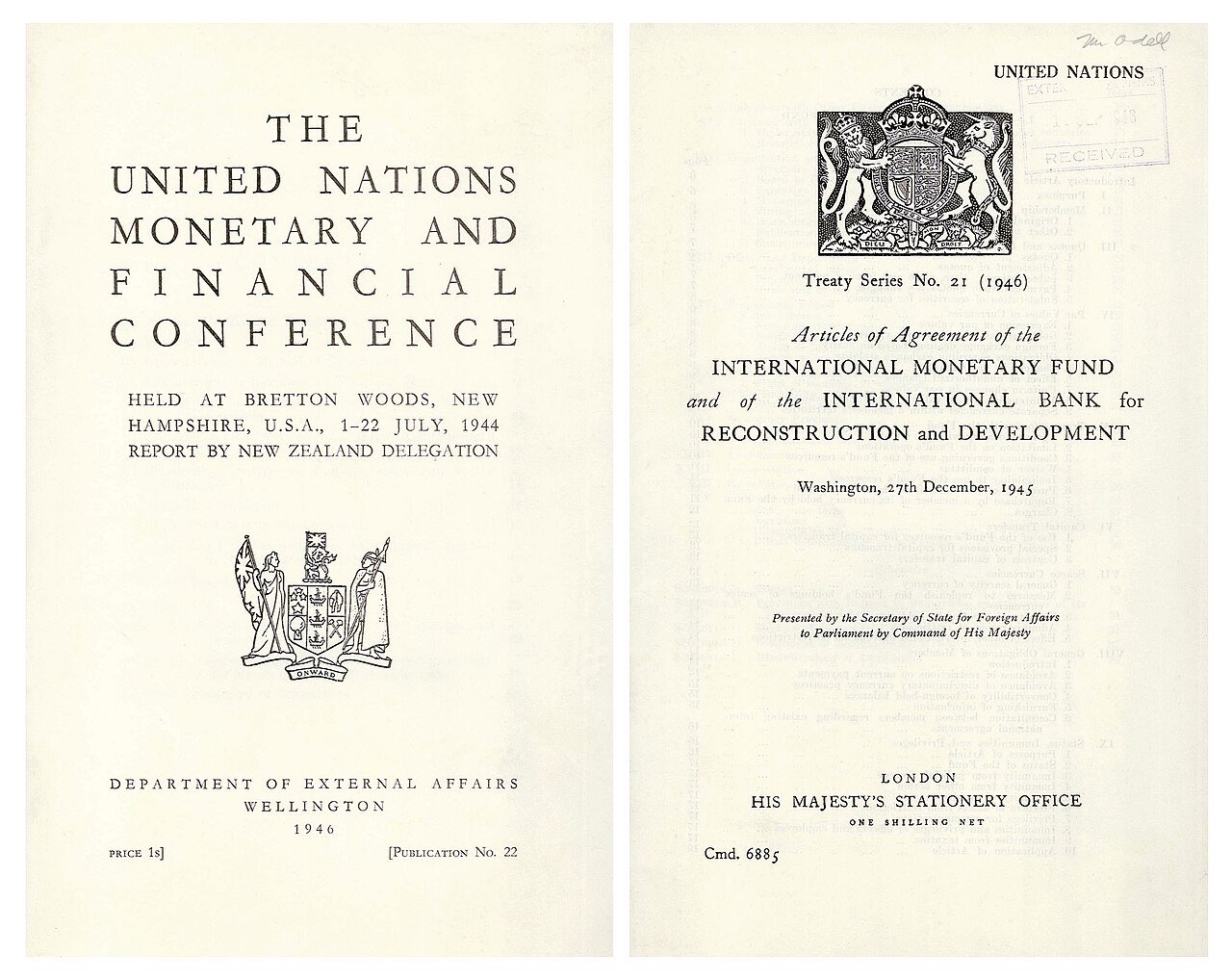
Once enough countries had ratified, the Articles of Agreement of the IMF and the International Bank for Reconstruction and Development took effect. The United States, the largest shareholder, had approved them through the Bretton Woods Agreements Act.
1944
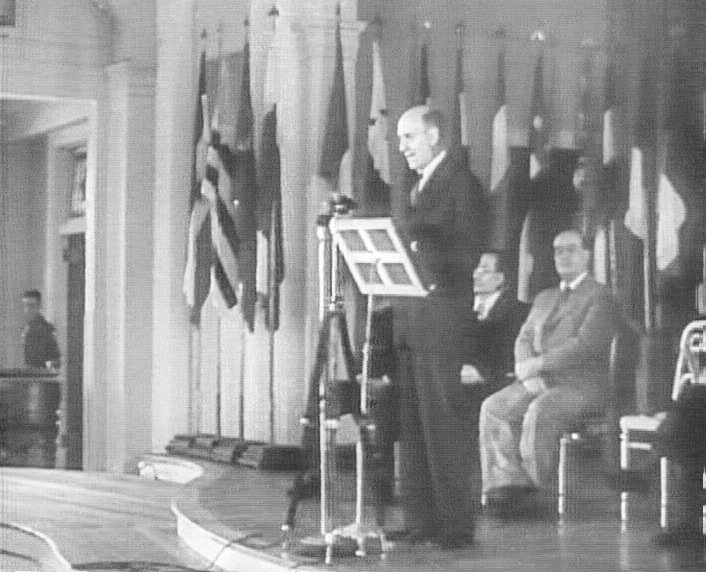
The Bretton Woods Conference Agreement
Delegates from 44 Allied nations spent three weeks designing the postwar monetary system. The American plan, led by Treasury official Harry Dexter White, prevailed over John Maynard Keynes’s more ambitious British design for an international clearing union. Currencies would hold fixed but adjustable values against the dollar, and the dollar would be convertible into gold at $35 an ounce for foreign official holders.
1934
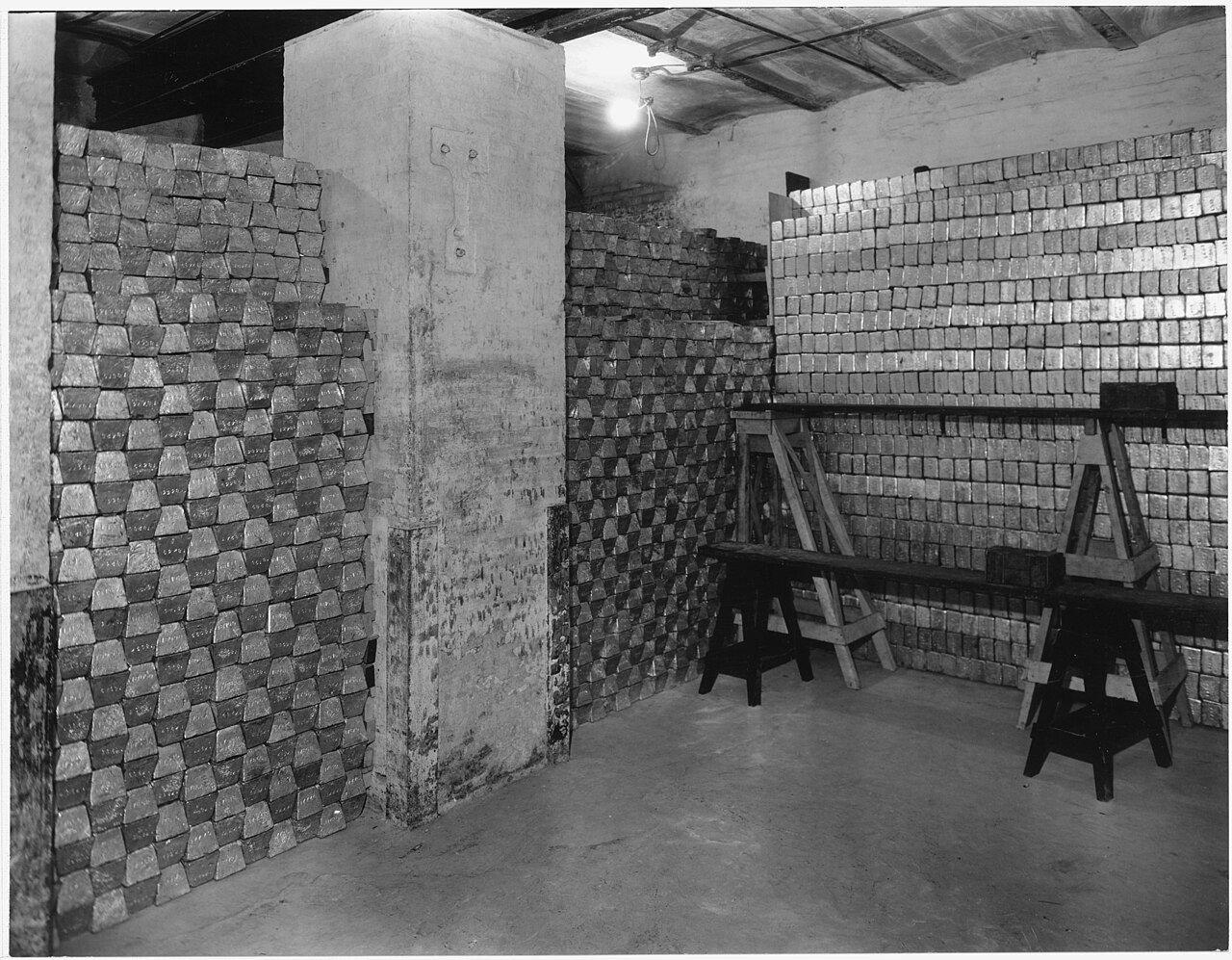
The $35 gold price is set US policy
The Gold Reserve Act transferred the Federal Reserve’s gold to the Treasury and let Roosevelt revalue it; he fixed the price at $35 an ounce, up from $20.67, effectively devaluing the dollar by about 41%. The $35 price became the anchor of the Bretton Woods system a decade later and lasted until 1971.
Gold Before and After the Peg
Gold was held at one official price for 37 years. Once the peg went, the market took over.
Pick a sum in dollars. How much gold would it have bought?
Until 15 August 1971 a foreign central bank could hand the US Treasury dollars and receive gold at $35 an ounce. Compare that with the $42.22 price still used in the Treasury’s accounts and gold’s market price on 13 October 2026 (about $4,182). Illustrative only.
Why Did the Bretton Woods System Collapse?
No single event broke the system. Five pressures built up over a decade.
Too many dollars, too little gold
World trade needed ever more dollar reserves, but each extra dollar abroad was another potential claim on a fixed stock of US gold. By about 1961 the claims exceeded the gold.
A weaker dollar
US inflation rose from under 2% in early 1965 to about 6% by the end of 1969, as spending on the Vietnam War and domestic programmes grew. A fixed $35 gold price looked ever less realistic.
Domestic goals came first
Defending the peg would have meant higher interest rates and slower growth. With unemployment near 6% and an election in 1972, Washington chose growth.
Capital moved faster than parities
Speculators could move huge sums into marks, francs and gold in days. Fixed rates gave them one-way bets, as Germany found in May 1971.
Allies resented the privilege
France and others objected that the United States could finance deficits by printing the world’s reserve currency, and converted dollars into gold.
Repairs came too late
The Gold Pool, swap lines, the two-tier market and SDRs each bought time. None solved the basic imbalance, and the Smithsonian deal only reset the numbers.
Pick a currency. What happened to its dollar peg?
Central rates before and after the December 1971 Smithsonian Agreement, and when each currency floated. Percentages show the revaluation against the dollar. Rates are official central rates, rounded.
What Changed After Bretton Woods?
The shift from a rules-based peg to market-set exchange rates changed how central banks work.
| Feature | Under Bretton Woods (to 1971) | After the transition (from 1973) |
|---|---|---|
| Dollar and gold | Convertible for foreign official holders at $35/oz | No conversion promise; gold priced by markets |
| Exchange rates | Fixed but adjustable par values, ±1% bands | Floating, managed or pegged by national choice |
| Who sets the rate | Governments, with IMF approval for big changes | Markets, plus central bank intervention |
| Role of gold | Formal anchor of the system | A reserve asset with no official price |
| Monetary policy | Constrained by the need to defend the peg | Freer to target domestic inflation and jobs |
| Capital controls | Widespread and expected | Gradually removed in most advanced economies |
| Main risk | Runs on the peg and on US gold | Currency volatility and sudden capital swings |
Fixed versus floating
Stable, predictable exchange rates and fast postwar growth, but rigid: countries had to defend parities, and the whole system relied on US gold.
Freedom to set monetary policy and absorb shocks through the exchange rate, at the cost of volatility, currency crises and occasional coordinated interventions.
Did the US Dollar Lose Its Global Dominance?
No. But in 2026 the debate over its role, and over gold, is louder than at any time since the 1970s.
Ending gold convertibility did not end the dollar’s role as the world’s leading reserve currency. It kept its place thanks to the size of the US economy, the depth of the Treasury market, its use in trade invoicing and commodity pricing, and the lack of an equally liquid alternative. What changed was the basis of confidence: from a claim on gold to trust in US institutions and markets.
That trust is now being tested in a different way. The dollar’s share of allocated foreign exchange reserves has drifted down from about 71% around 1999 to 56.70% in mid-2026. Central banks have bought around 1,000 tonnes of gold a year, and the ECB estimates gold made up about 27% of their reserves at the end of 2025, ahead of US Treasuries. Gold itself hit a record above $5,500 in January 2026. Yet no rival has replaced the dollar, and the euro, the second-largest reserve currency, holds about a fifth of reserves.
| Measure | Latest figure | Source |
|---|---|---|
| Dollar share of allocated FX reserves | 56.70% (Q2 2026) | IMF COFER, 30 Sep 2026 |
| Euro share | 20.60% (Q2 2026) | IMF COFER |
| Total FX reserves | $13.22 trillion (Q2 2026) | IMF COFER |
| Gold share of central bank reserves | About 27% (end-2025) | ECB, June 2026 |
| US Treasuries share | About 22% (end-2025) | ECB, June 2026 |
| Gold price | About $4,182/oz (13 Oct 2026) | Market price |
| US gold, official book value | $42.22/oz | US Treasury |
What the Collapse Meant for India
India sent a delegation to Bretton Woods in 1944 and became a founding member of the IMF and the World Bank. Under the system the rupee was tied to sterling, and through it to the dollar, at Rs 4.76 per dollar. In June 1966, under pressure from war, drought and aid donors, India devalued the rupee by 36.5% to Rs 7.50 per dollar.
When Nixon closed the gold window, India briefly pegged the rupee to the dollar, then returned to a sterling peg after the Smithsonian Agreement in December 1971. As sterling itself floated and weakened, India switched in September 1975 to a peg against an undisclosed basket of currencies, the start of a managed regime that eventually gave way to market-determined rates in 1993. The rupee’s long fall against the dollar began in this period.
Explore More Timelines
People Also Ask
Frequently Asked Questions
The Day the Dollar Changed Its Foundations
The collapse of Bretton Woods was not simply the end of a gold peg. It was the breakdown of a monetary bargain that linked the world’s leading reserve currency to gold and every other major currency to the dollar. Nixon’s address on 15 August 1971 began the decisive break; the failure of the Smithsonian Agreement showed the old framework could not survive unchanged; and by March 1973 the world had entered the era of floating rates.
Fifty-five years later the dollar is still at the centre of global finance, but without any promise that it can be exchanged for gold. Gold, freed from its $35 price, now trades above $4,000 and is again one of the biggest assets in central bank vaults.
Related AiTimeline Stories
⚠️ Editorial Note
This article draws on Federal Reserve History essays on the end of gold convertibility and the Smithsonian Agreement, the US State Department Office of the Historian, the Nixon Presidential Library, the text of Nixon’s 15 August 1971 address, IMF reserve-composition data released on 30 September 2026, the ECB’s June 2026 report on the international role of the euro, and market reporting on gold prices. Historical exchange rates are official central rates, rounded. Gold prices for 2025 and 2026 are approximate market levels and change daily. Talk of a US gold revaluation is analyst speculation, not policy. Nothing here is investment advice. Last checked 15 October 2026.
Sources & further reading
Every dated entry above was checked against these references. Last reviewed 15 October 2026.
- Nixon Ends Convertibility of US Dollars to Gold and Announces Wage/Price Controls
- The Smithsonian Agreement
- Creation of the Bretton Woods System
- Nixon and the End of the Bretton Woods System, 1971-1973
- Bretton Woods-GATT, 1941-1947
- Address to the Nation Outlining a New Economic Policy: The Challenge of Peace (15 August 1971)
- August 15, 1971
- IMF Data Brief: Currency Composition of Official Foreign Exchange Reserves (30 September 2026)
- The international role of the euro, June 2026
- Current price of gold: October 13, 2026