Demonetisation Anniversary: India’s 2016 Note Ban, Impact and Outcome Timeline
India's 8 Nov 2016 note ban withdrew ₹15.42 lakh crore, yet 99.3% came back. Full demonetisation timeline: impact, 2023 SC verdict and 2026 cash data.
Latest Story
On 8 November 2016, Prime Minister Narendra Modi announced that India’s ₹500 and ₹1,000 notes would stop being legal tender at midnight. Demonetisation withdrew about 86% of the country’s cash by value in a single night, in the name of fighting black money, counterfeit currency and terror financing. What followed was weeks of queues, a sharp blow to the cash economy, a 2023 Supreme Court verdict, and a debate that ten years later still turns on one number: 99.3% of the money came back. This timeline sets out what happened, what the government promised and what the evidence shows.
💡 Short Answer
India demonetised its old ₹500 and ₹1,000 notes on 8 November 2016, withdrawing ₹15.42 lakh crore, about 86% of cash by value. People had until 30 December 2016 to deposit them, and the RBI later reported that 99.3% returned. The Economic Survey estimated a 0.25 to 0.5 point hit to growth. The Supreme Court upheld the decision 4:1 on 2 January 2023. By March 2026 cash in circulation had reached a record ₹41.24 lakh crore.
Demonetisation Anniversary: Key Questions
Ten Years of Demonetisation in Ten Points
- Overnight scale: about 86% of India’s cash by value stopped being legal tender at midnight on 8 November 2016.
- The money came back: 99.3% of the ₹15.42 lakh crore returned to banks, per the RBI.
- Real costs: queues, shifting withdrawal limits and a hit to cash-dependent work; the Economic Survey estimated 0.25–0.5 points off growth.
- Tax follow-up: PMGKY and Operation Clean Money tried to tax and trace suspicious deposits.
- Costly replacement: printing banknotes cost ₹7,965 crore in 2016–17, double the year before.
- Cash rebounded fast: above pre-ban levels by March 2018, a record ₹41.24 lakh crore by March 2026.
- Fakes returned: 1,41,907 counterfeit new-series ₹500 notes were detected in 2025–26.
- Digital boom: UPI grew from about 2 million transactions in December 2016 to 24.07 billion in September 2026, for many reasons.
- Legally settled: the Supreme Court upheld it 4:1 in 2023, with a strong dissent on process.
- The ₹2,000 note created for the swap was itself withdrawn in 2023.
Demonetisation at a Glance
The core facts, from RBI and government records. Scroll sideways on a phone.
| Key fact | Detail |
|---|---|
| Announced | 8 November 2016, about 8 pm, televised address |
| Effective | Midnight, 8–9 November 2016 |
| Notes withdrawn | Old ₹500 and ₹1,000 (‘specified bank notes’) |
| Value withdrawn | ₹15.42 lakh crore after verification (RBI) |
| Share of cash by value | About 86% |
| Deposit deadline | 30 December 2016 |
| Returned to banks | ₹15.31 lakh crore, about 99.3% (RBI, Aug 2018) |
| Replacement notes | New ₹500 and ₹2,000; later ₹200, ₹50, ₹10 and others |
| GDP impact estimate | 0.25–0.5 points off 2016–17 growth (Economic Survey) |
| Supreme Court | Upheld 4:1 on 2 January 2023 |
| ₹2,000 note | Withdrawn from 19 May 2023; still legal tender |
| Cash in circulation, Mar 2026 | ₹41.24 lakh crore, a record |
| Tenth anniversary | 8 November 2026 |
The Complete Demonetisation Timeline, 2016–2026
Newest first, from the tenth anniversary back to India’s earlier note bans. Tags mark the government, the RBI, the cash crunch, tax, digital payments and the courts.
2026
Demonetisation turns ten Government
Ten years after the announcement, the two numbers most often quoted point in opposite directions. Cash in the economy has more than doubled since 2016, while digital payments have grown into the world’s largest real-time system. Neither outcome was what the policy most loudly promised, and neither can be credited to it alone.
UPI crosses 800 million transactions a day Digital
NPCI data showed UPI averaging 802 million transactions a day in September 2026, the first month above 800 million, even as monthly volume dipped slightly from August’s record. In December 2016, the first full month after demonetisation, UPI had handled about two million transactions in the entire month.
2026
RBI: cash at a record, fake ₹500 notes up 20.5% RBI
The RBI’s Annual Report for 2025–26 showed the value of banknotes in circulation rising 11.9% to ₹41.24 lakh crore at the end of March 2026, and their number by 10.5%. The ₹500 note made up 85.5% of the value. Detection of counterfeit ₹500 notes in the banking system rose 20.5% to 1,41,907 pieces, the bulk of 2,29,746 fakes found in all.
The report also noted that a survey of households and small retailers found a ‘continued strong preference for usage of cash’, and that the digital rupee in circulation had fallen to ₹771.7 crore.
A court orders RBI to swap seized old notes Courts
Nearly a decade on, demonetisation was still producing lawsuits. The Nagpur bench of Justices Urmila Joshi-Phalke and Nivedita Mehta directed the RBI to exchange 400 old ₹500 notes that police had seized from a traveller in December 2016 and returned only after the 30 December deadline, holding that he ‘cannot be placed in a disadvantageous position’ for something he was not responsible for. By 30 April 2026, the RBI said 98.47% of withdrawn ₹2,000 notes had also come back, leaving ₹5,451 crore outstanding.
Fake ₹500 notes jump 37% RBI
The RBI reported a 37.3% rise in counterfeit ₹500 notes detected in 2024–25, to 1,17,722 pieces. The new ₹500 design had been introduced in 2016 partly to defeat forgers; within a few years it had become the most counterfeited note in the system.
2023
The ₹2,000 note is withdrawn RBI
The RBI announced the withdrawal of the ₹2,000 note from circulation, while keeping it legal tender. It said the note had been introduced mainly to meet currency needs quickly after November 2016, that about 89% of the notes had been issued before March 2017, and that other denominations were now adequate. Banks accepted the notes until 7 October 2023; after that, only the RBI’s 19 issue offices did.
2023
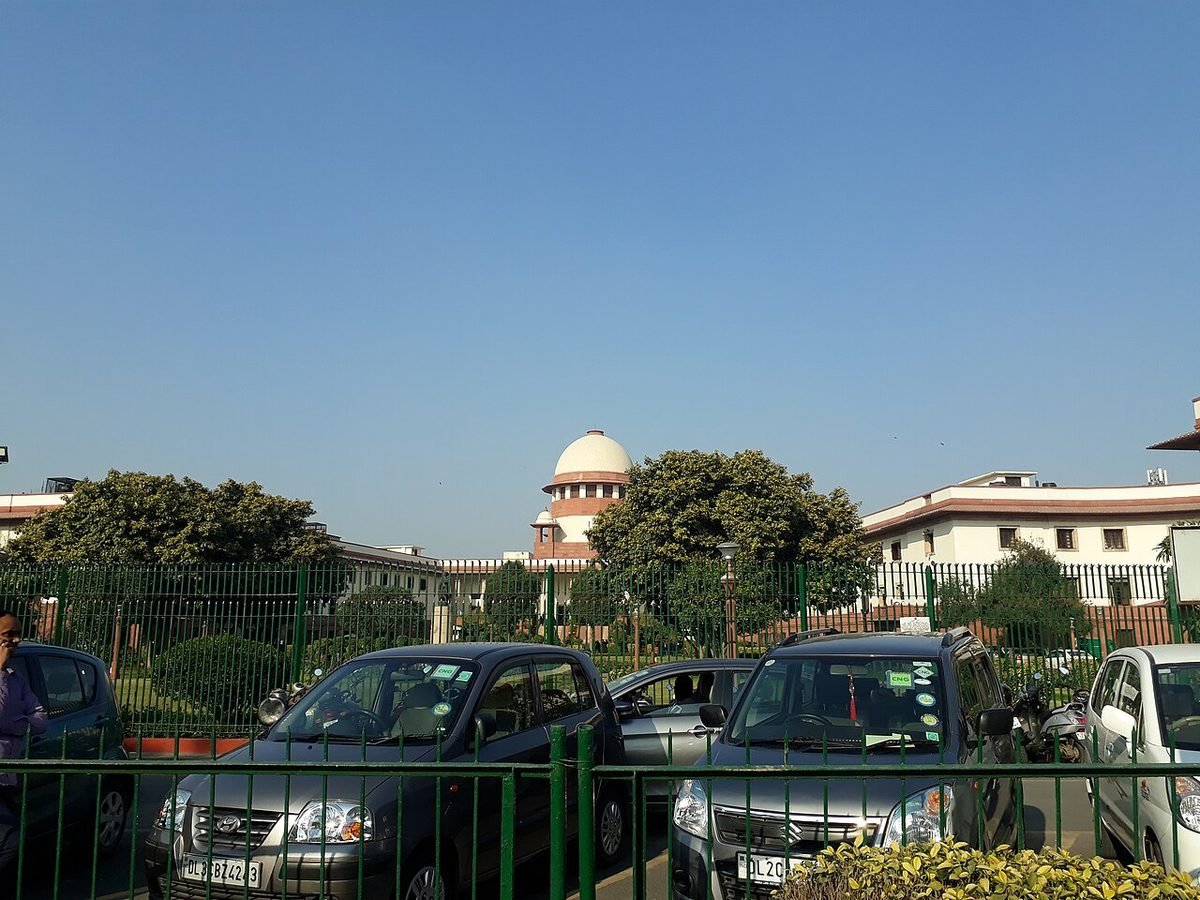
Supreme Court upholds demonetisation 4:1 Courts
Hearing 58 petitions, the bench of Justices S. Abdul Nazeer, B. R. Gavai, A. S. Bopanna, V. Ramasubramanian and B. V. Nagarathna ruled by majority that the 8 November 2016 notification was valid. Justice Gavai’s majority opinion held that the government and the RBI had consulted for six months, that Section 26(2) of the RBI Act allowed all series of a denomination to be withdrawn, and that the measure was proportionate and the 52-day exchange window reasonable.
Justice Nagarathna held that such a step, initiated by the government rather than the RBI, needed a law passed by Parliament, and called it unlawful, though without ordering relief. The court did not rule on whether the policy achieved its goals.
2021
The pandemic sends cash to new highs Cash crunch
When Covid-19 struck, households held more cash as a precaution, and banknotes in circulation grew at the fastest rate since remonetisation. At the same time, contactless habits pushed many shops onto UPI QR codes. Both trends rose together, undercutting the idea that demonetisation had set India on a straight path to less cash.
RBI board minutes surface under RTI RBI
Minutes of the RBI central board meeting held hours before the announcement, obtained under the Right to Information Act and published in March 2019, showed that directors recommended the move but recorded reservations: that most black money is held not as cash but in assets such as gold and property, and that the step would have a short-term negative effect on GDP.
2018
RBI: 99.3% of the old notes came back RBI
After almost two years of counting and verifying, the RBI published the final figure. Of the specified bank notes in circulation on 8 November 2016, worth ₹15.42 lakh crore after reconciliation, ₹15.31 lakh crore had been returned to the banking system. Only about 0.7% did not come back.
The figure deflated an early expectation that several lakh crore rupees of hoarded cash would simply be destroyed. It did not, on its own, show whether the money deposited was legitimate: that was a question for tax scrutiny.
Cash is back above pre-2016 levels Cash crunch
Remonetisation was effectively complete. The value of banknotes in circulation rose 37.7% in 2017–18 to ₹18.04 lakh crore, overtaking the level of the week before demonetisation. The new ₹200 and ₹50 notes had been issued on 25 August 2017 and the new ₹10 note announced on 5 January 2018.
2017
First count: 98.96% returned, and the bill for new notes RBI
The RBI’s first estimate showed ₹15.28 lakh crore of old notes returned, nearly all of the total. The same report put the cost of printing banknotes in 2016–17 at ₹7,965 crore, more than double the previous year, and recorded a fall in the RBI’s surplus transferred to the government.
2017
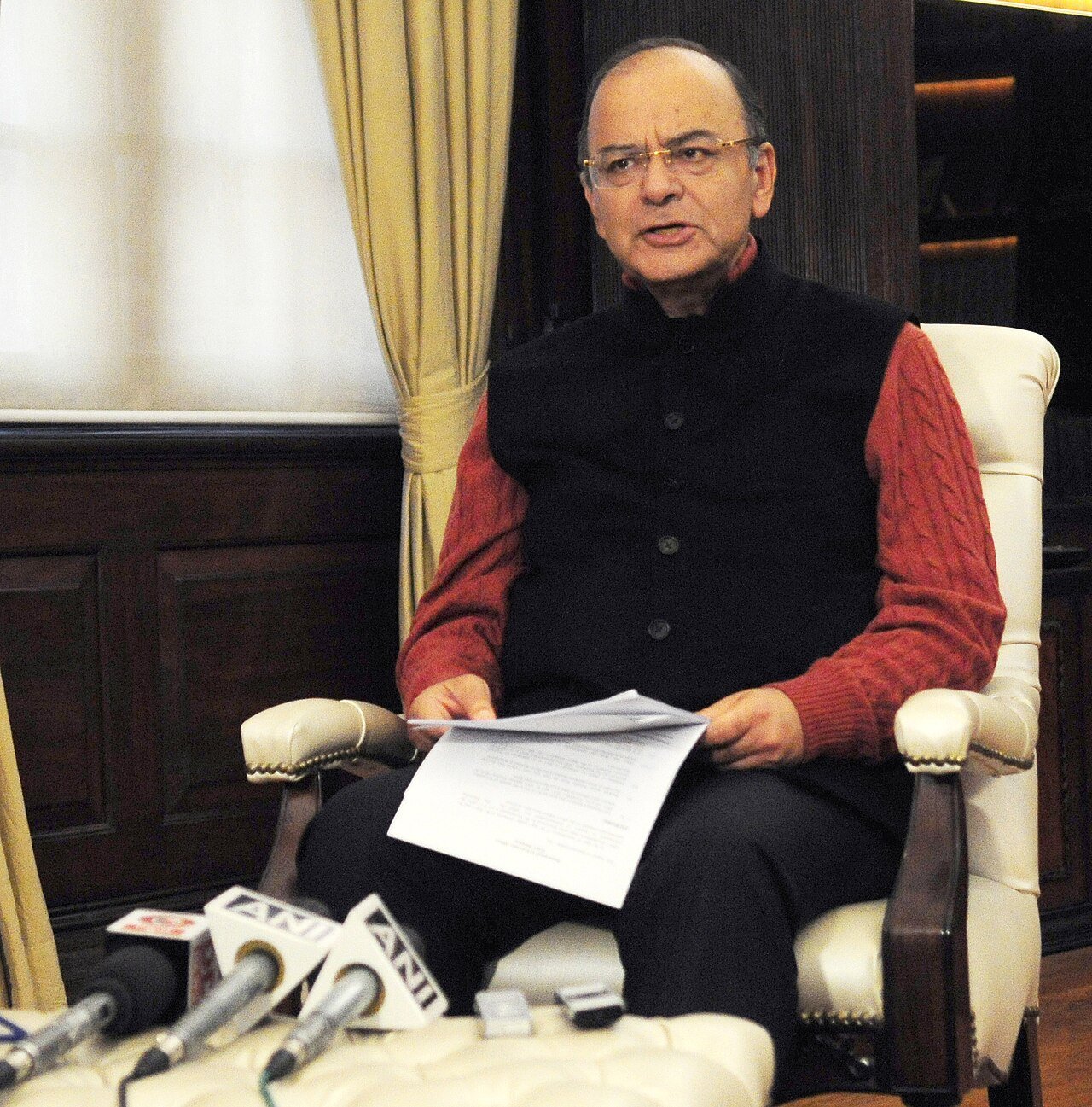
The Economic Survey counts the cost Government
The Economic Survey 2016–17 devoted a chapter to demonetisation. It estimated a loss of a quarter to half a percentage point of real GDP growth against a baseline of about 7%, warned that official data might understate the hit to the informal economy, and argued the long-term benefits could include more digitisation, formalisation and tax compliance.
The Income Tax Department launched Operation Clean Money the same day, flagging about 18 lakh people whose cash deposits did not seem to match their tax profiles.
2016
The deposit window closes Government
The 50 days ended. The government promulgated the Specified Bank Notes (Cessation of Liabilities) Ordinance, later passed as an Act in 2017, which ended the RBI’s guarantee on the old notes and made holding more than ten of them an offence. On the same day the Prime Minister launched the BHIM app to make UPI payments simpler, and on 31 December he addressed the nation again, announcing relief schemes for farmers, small businesses and housing.
2016
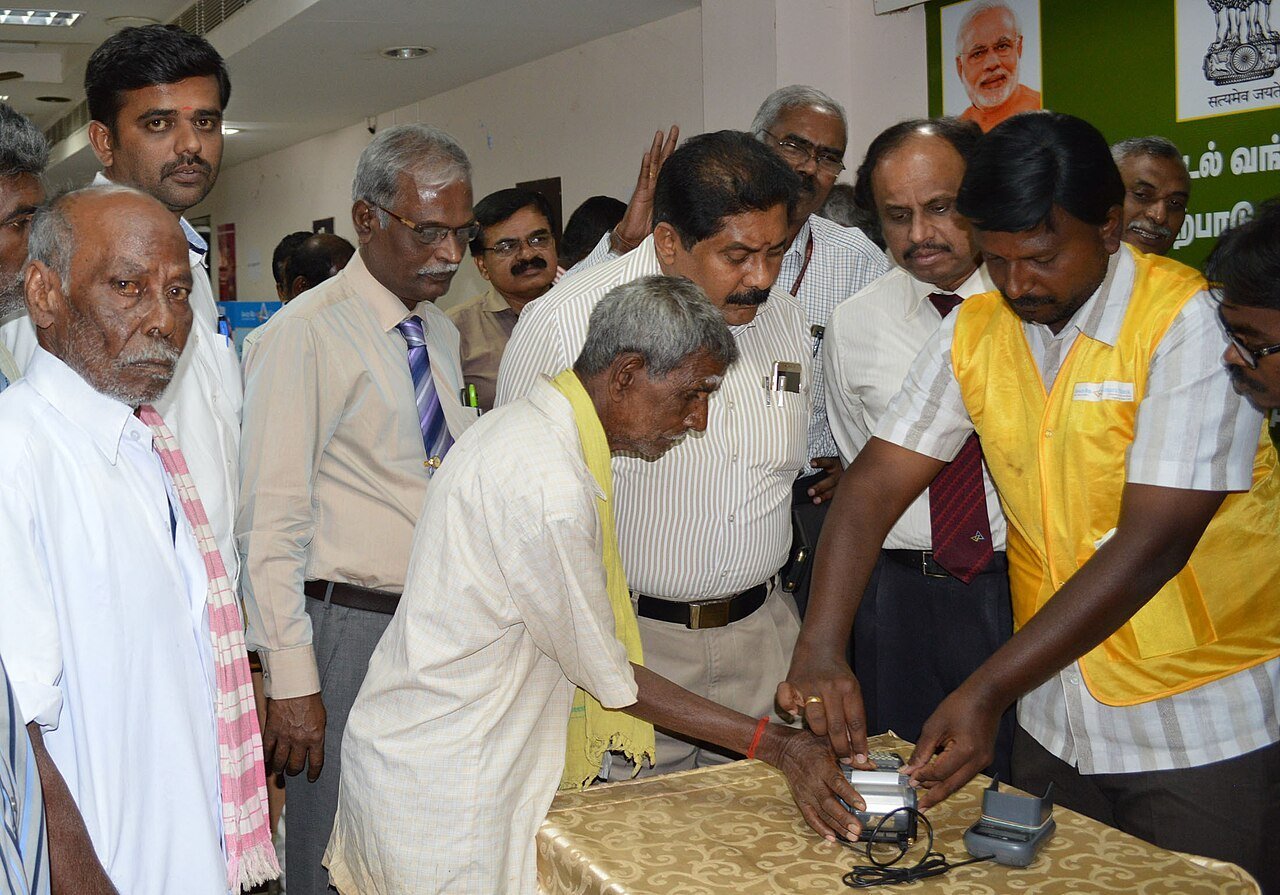
A last chance to declare cash Tax
Under amendments to the income tax law passed by Parliament in late November, the PMGKY let people declare undisclosed cash until 31 March 2017 by paying roughly half of it in tax, surcharge and penalty and depositing a further quarter in an interest-free bond for four years. It followed the Income Declaration Scheme of June to September 2016, which had brought in declarations of about ₹65,250 crore.
2016
Rules change almost daily Cash crunch
The government and the RBI revised the limits repeatedly. The ATM limit went from ₹2,000 to ₹2,500 a day and the weekly cap from ₹20,000 to ₹24,000, while the exchange allowance rose to ₹4,500, then fell to ₹2,000. Indelible ink was introduced to stop people exchanging repeatedly; weddings got a ₹2.5 lakh allowance; farmers were allowed to buy seeds with old ₹500 notes. In Goa on 13 November, Narendra Modi asked the country for 50 days.
After the night of 24 November, old notes could no longer be exchanged at counters, only deposited.
2016
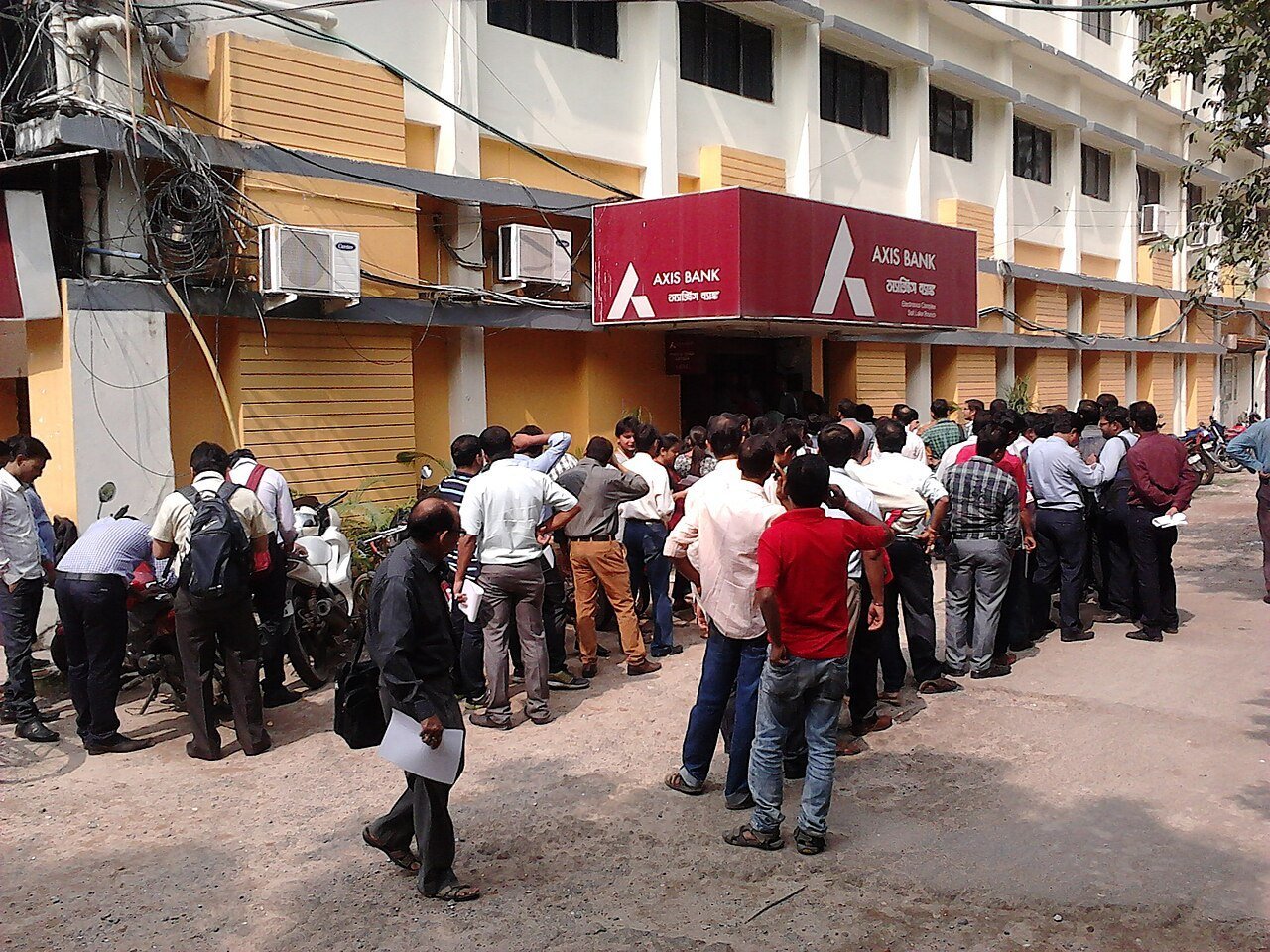
Banks shut, then the queues begin Cash crunch
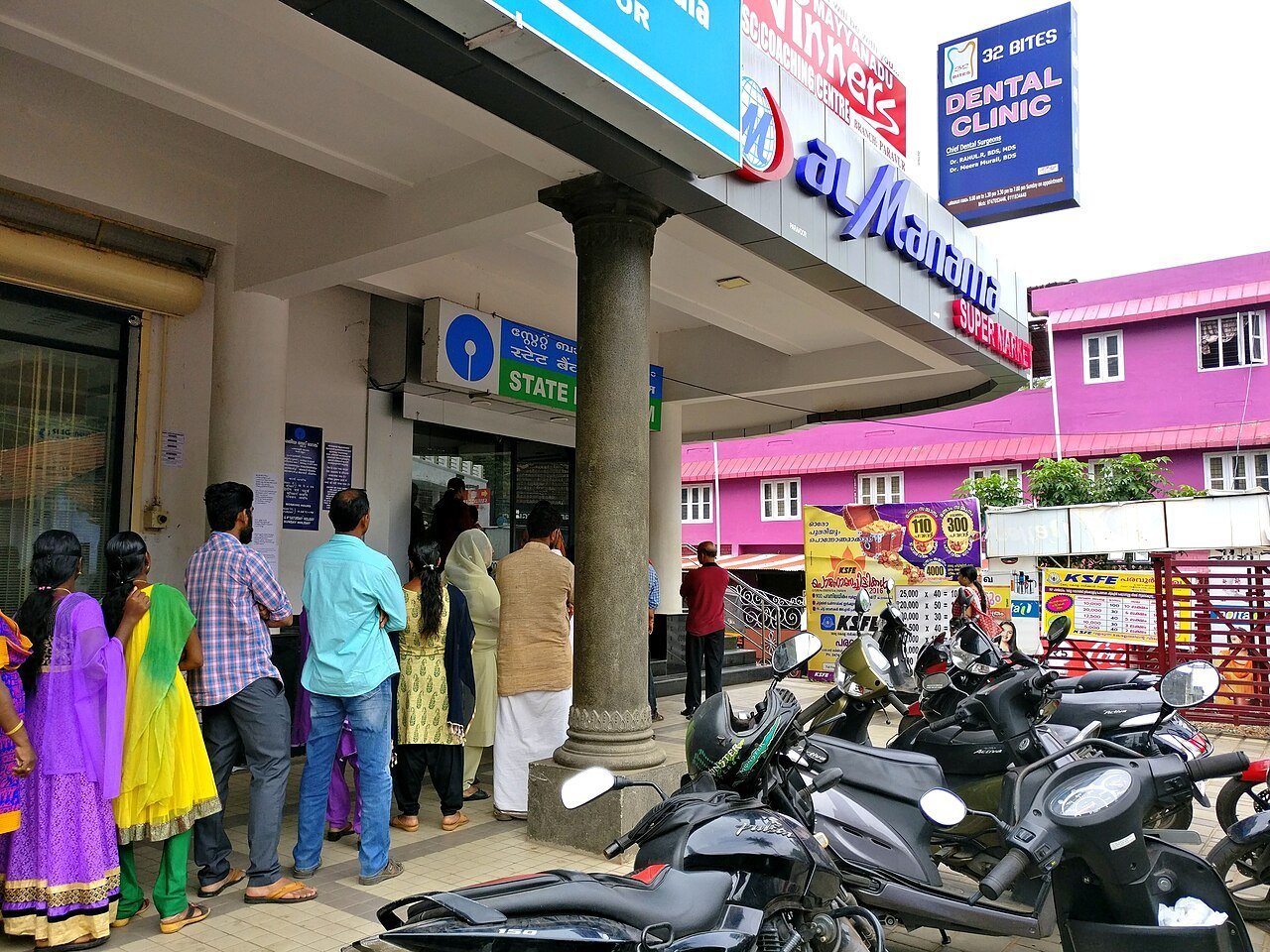
Banks stayed closed on 9 November and most ATMs for two days, as machines had to be recalibrated for notes of a different size. When branches reopened, queues ran around the block. Cash-intensive trades, from vegetable markets and construction sites to small manufacturers and trucking, slowed sharply. The new ₹2,000 note was hard to use for small purchases, since few people had change.
Only about 14% of the value of currency remained valid, mostly in ₹100 and smaller notes.
2016
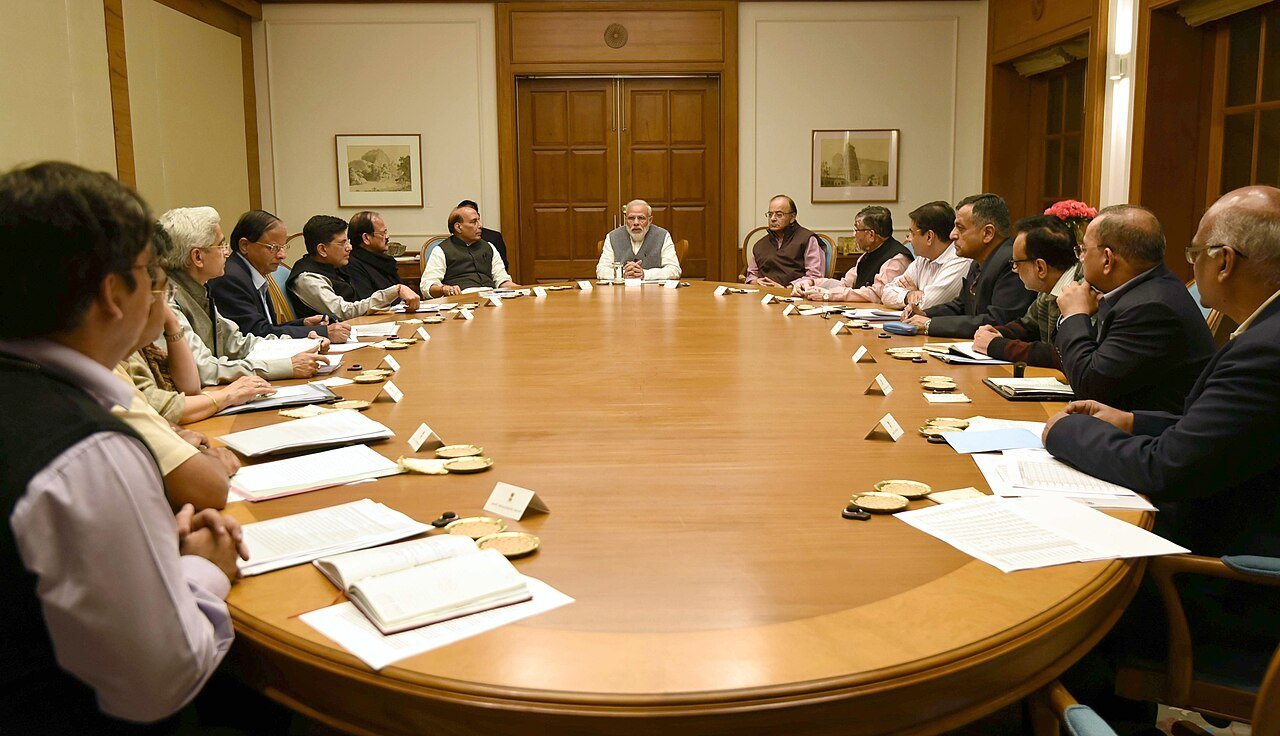
The announcement at 8 pm Government
Hours after the RBI’s central board met and recommended the step, the Prime Minister announced that the ₹500 and ₹1,000 notes would cease to be legal tender at midnight. He framed it as an attack on black money, corruption, counterfeit currency and terror financing. People were given until 30 December to deposit or exchange the notes, with hospitals, fuel pumps and railway ticket counters accepting them for a few days.
2016
The run-up: black money and bank accounts Tax
The government had been building up to a larger move. It set up a Special Investigation Team on black money in May 2014, launched the Jan Dhan scheme to open bank accounts for the unbanked in August 2014, passed a law on undisclosed foreign income and assets in 2015, and ran the Income Declaration Scheme in 2016. NPCI launched UPI in April 2016, seven months before the note ban.
1978
India’s earlier demonetisations Government
India had done this twice before, both times with very high-value notes that few ordinary people held. The 1978 move by the Janata government, aimed at black money, affected well under 2% of currency in circulation. The 2016 decision differed in scale: it covered about 86% of all cash by value.
How the Withdrawal Rules Changed
The limits were revised so often in November 2016 that banks struggled to keep up.
| Date | Rule change |
|---|---|
| 8 Nov 2016 | Exchange ₹4,000; ATM ₹2,000 a day; bank withdrawals ₹10,000 a day, ₹20,000 a week |
| 13 Nov 2016 | Exchange ₹4,500; ATM ₹2,500 a day; weekly limit ₹24,000 |
| 15 Nov 2016 | Indelible ink marks people who exchange notes |
| 17 Nov 2016 | Exchange cut to ₹2,000; ₹2.5 lakh for weddings; farmers ₹25,000 a week |
| 24 Nov 2016 | Over-the-counter exchange ends; deposits only after this |
| 30 Dec 2016 | Deposit window closes for most people |
| 1 Feb 2017 | ATM limits lifted for current accounts |
| 13 Mar 2017 | All withdrawal limits on savings accounts removed |
What Were the Objectives?
The reasons given in the 8 November address and in later government statements.
Black money
Force undeclared cash into the open: either deposit it and face questions, or lose it.
Counterfeit notes
Make fake ₹500 and ₹1,000 notes worthless and replace them with a new design.
Terror financing
Cut off cash used to fund militancy, which was said to rely on high-value fakes.
Corruption
Make bribes and cash dealings in property and elections harder.
Digital payments
Within weeks, the message shifted towards a ‘less-cash’ economy and digital transactions.
Formalisation
Bring more people and businesses into banks and the tax net.
Pick a goal. Did demonetisation deliver it?
Six goals the government gave for the note ban, each checked against official data available in October 2026.
Did India Use Less Cash After Demonetisation?
The short answer from the RBI’s own numbers is no.
Pick a year. How much cash was in India?
Value of banknotes in circulation at the end of March each year, from RBI annual reports, compared with March 2016, the last reading before demonetisation.
Counterfeit Notes: The Problem That Came Back
Counterfeit notes detected in the banking system, from RBI annual reports. Scroll sideways on a phone.
| Year | Fake ₹500 notes detected | All fake notes detected |
|---|---|---|
| 2016–17 | Mostly old series | 7,62,072 |
| 2021–22 | 79,669 (new series) | 2,30,971 |
| 2022–23 | 91,110 | 2,25,769 |
| 2023–24 | 85,711 | 2,22,639 |
| 2024–25 | 1,17,722 | 2,17,396 |
| 2025–26 | 1,41,907 (+20.5%) | 2,29,746 (+5.7%) |
Demonetisation made every old fake worthless at once, and it is one of the policy’s clearer short-term effects. But detection figures show that new-series ₹500 fakes began to climb within a few years. Rising detection can reflect better checking as well as more forgery, so the numbers are an indicator, not a precise count of fakes in the economy. Either way, a one-time note swap did not end counterfeiting; that requires constant changes to security features and enforcement.
Digital Payments: Push or Coincidence?
The cash shortage of late 2016 forced millions of people to try wallets, cards and UPI for the first time, and the BHIM app launched on the day the deposit window closed. That is a real legacy.
But UPI had launched seven months earlier, and its biggest growth came years later, driven by cheap 4G data after 2016, free person-to-person transfers, QR codes at small shops, and the pandemic. By September 2026 it was handling 802 million payments a day. Meanwhile, cash grew too. India did not swap cash for digital; it added digital on top of cash.
Who Was Most Affected?
Daily-wage workers
Paid in cash, many went unpaid or were laid off for weeks as employers ran short of notes.
Traders and small firms
Sales fell when customers had no usable cash, and working capital dried up.
Farmers
The ban came during the rabi sowing season, when seeds and fertiliser are bought in cash.
Bank staff and the RBI
Handled deposits and exchanges at unprecedented volume while counting and verifying every note.
Elderly and unbanked
Those without bank accounts or digital access found it hardest to exchange savings kept at home.
Digital payment firms
Wallets and UPI apps signed up millions of new users in weeks.
India’s Note Bans Compared
Scroll sideways on a phone.
| Episode | Notes withdrawn | Scale |
|---|---|---|
| January 1946 | ₹1,000 and ₹10,000 | Very small share; held by the wealthy |
| 16 January 1978 | ₹1,000, ₹5,000 and ₹10,000 | Under 2% of currency |
| 8 November 2016 | ₹500 and ₹1,000 | About 86% of currency by value |
| 19 May 2023 | ₹2,000 (withdrawn, still legal tender) | About 10.8% of currency by value |
Was Demonetisation a Success or a Failure?
No single number settles it. Here is how each claim stands ten years on.
What it did vs what it promised
A fast, nationwide currency swap; deposit data for tax scrutiny; an early jolt to digital payments; a legal green light from the Supreme Court.
Extinguishing hoarded cash; a lasting fall in fakes; a less-cash economy; any published estimate of terror-funding impact.
The most defensible verdict separates the measurable from the claimed. The currency swap, the return rate and the cost are documented. The long-term effects on black money, jobs, growth and tax compliance are much harder to attribute to one policy, especially because the GST followed eight months later and the pandemic three years after that. What can be said is that the policy’s headline promise, that a large stock of illicit cash would be destroyed, was not borne out by the RBI’s own count.
Explore More Timelines
People Also Ask
Frequently Asked Questions
Ten Years Later, the Debate Is About Evidence
Demonetisation remains one of India’s most argued-over economic decisions because its costs were felt by hundreds of millions of people in a few weeks, while its promised benefits were harder to see. The 99.3% return figure undercut the idea that a large share of cash would simply disappear, but it could not by itself answer questions about tax enforcement, digital adoption or formalisation.
Ten years on, the lesson is that a policy’s stated goals, its costs and its measurable outcomes have to be judged separately. On the RBI’s own numbers, India today uses more cash than ever and more digital payments than almost any country, and demonetisation is only part of the reason for either.
Related AiTimeline Stories
⚠️ Editorial Note
This article draws on Reserve Bank of India annual reports (2016–17, 2017–18, 2024–25, 2025–26) and press releases, the Economic Survey 2016–17, the Supreme Court’s judgment in Vivek Narayan Sharma v Union of India (2023), NPCI payment data and contemporaneous reporting. Cash figures are the value of banknotes in circulation at the end of March unless stated. Counterfeit detection figures reflect notes found in the banking system and are not a count of all fakes in circulation. Effects on growth, jobs and tax compliance are contested among economists and are presented here as estimates. This is not financial or legal advice. Last checked 15 October 2026.
Sources & further reading
Every dated entry above was checked against these references. Last reviewed 15 October 2026.
- Reserve Bank of India: Annual Report 2017-18 (99.3% of specified bank notes returned)
- Reserve Bank of India: Annual Report 2025-26, Currency Management
- Economic Survey 2016-17, Chapter 3: Demonetisation: To Deify or Demonize?
- Finance Ministry: Demonetisation objectives and outcomes (30 August 2017)
- RBI: Rs 2000 denomination banknotes, withdrawal from circulation (19 May 2023)
- Demonetisation judgment: majority opinion (Vivek Narayan Sharma v Union of India)
- UPI transactions surge 23% to 24.07 billion in September 2026: NPCI
- RBI flags 20% jump in fake Rs 500 notes years after demonetisation drive
- High Court tells RBI to exchange man's Rs 2 lakh in old currency notes