Harshad Mehta Scam: How the 1992 Securities Fraud Rocked India
Harshad Mehta scam explained: how bank money fuelled the 1992 Sensex boom, how unbacked receipts worked, the crash and the reforms that reshaped markets.
Latest Story
The Harshad Mehta scam, also called the 1992 securities scam, began as the most exciting stock-market boom India had seen. Between April 1991 and April 1992 the Sensex almost quadrupled, and a Bombay broker nicknamed “the Big Bull” became its public face. Behind the rally, thousands of crores of rupees had been drawn out of banks through government-securities deals that were never properly backed. When the gap surfaced on 23 April 1992, the market crashed, banks counted their losses and India began rebuilding how its markets work. This timeline follows the whole story, from Mehta’s rise to the tax rulings still being decided in 2026.
💡 Short Answer
The Harshad Mehta scam was a 1991–92 fraud in which brokers drew money out of Indian banks through ready-forward deals in government securities, often backed by Bankers’ Receipts with no securities behind them, and used it to buy shares. It was exposed on 23 April 1992. The RBI found about ₹3,542 crore of unbacked deals; the Sensex fell 12.77% on 28 April 1992.
Harshad Mehta Scam: Key Questions
The 1992 Scam in Ten Points
- Bank money, not market money: the rally was partly funded by cash drawn out of banks through securities deals.
- Paper over securities: Bankers’ Receipts, some issued by the Bank of Karad and the Metropolitan Co-operative Bank with nothing behind them, replaced real securities.
- A record boom: the Sensex went from about 1,194 to about 4,467 in a year; ACC rose from about ₹200 to nearly ₹9,000.
- Exposed by a journalist: Sucheta Dalal’s Times of India report on 23 April 1992 revealed SBI’s shortfall.
- Crash: the Sensex fell 12.77% on 28 April 1992 and about half its value by later that year.
- Official estimates differ: about ₹3,542 crore unbacked (RBI) to just under ₹5,000 crore (JPC).
- Arrest in November, not June: the CBI arrested Mehta and his brothers on 9 November 1992.
- Few convictions, slowly: Mehta was convicted in 4 of 27 cases before he died in 2001; four bankers were jailed only in 2017.
- Lasting reforms: SEBI’s penalty powers, screen trading and demat shares followed within four years.
- Still unfinished: tax appeals and Custodian claims were still being decided in 2026.
The Scam at a Glance
Key dates and numbers. Scroll the table sideways on a phone.
| Key fact | Details |
|---|---|
| Period investigated | 1 April 1991 to 6 June 1992 (Special Court Act window) |
| Central figure | Harshad Shantilal Mehta (1954–2001), Bombay stockbroker, “the Big Bull” |
| Market | Bombay Stock Exchange; Sensex about 1,194 (Apr 1991) to about 4,467 (Apr 1992) |
| Mechanism | Bank funds diverted through ready-forward deals in government securities |
| Instruments | Bankers’ Receipts (some unbacked), SGL transfer forms, call money |
| Exposed | 23 April 1992, by Sucheta Dalal in The Times of India |
| Crash | 28 April 1992: Sensex down 570 points (12.77%) to 3,870 |
| RBI inquiry | Janakiraman Committee, set up 30 April 1992: about ₹3,542 crore unbacked |
| Parliament | JPC set up August 1992, report 21 December 1993 |
| Arrest | 9 November 1992, by the CBI, with brothers Ashwin and Sudhir |
| Died | 31 December 2001, aged 47, in judicial custody in Thane |
| Still open in 2026 | Custodian claims and tax appeals (ITAT ruling reported 5 Oct 2026) |
Estimates of the scam’s total size vary by inquiry and by what each one counted. The “₹4,000 crore” figure is a historical round number, not a final accounting.
How the Scam Worked: Follow the Money
The core failure: banks paid money against documents that did not prove the securities existed.
How did bank money end up in the stock market?
Step through a typical deal, from an ordinary bank transaction to the crash.
The scam lived in the money market, not the stock market. Indian banks had to hold a large share of their deposits in low-yielding government securities and traded them with each other in short-term ready-forward deals. Because the settlement system was slow and paper-based, banks used Bankers’ Receipts as a promise that securities would be delivered, and let brokers arrange the deals.
Over 1991–92, brokers moved from arranging deals to being the deal. Cheques were made out to broker accounts, receipts circulated without securities behind them, and the money spent weeks in the share market before being repaid with fresh money from another bank. As long as share prices rose, the scheme worked; when they stopped, it collapsed.
The Timeline, Newest First
From the 2026 tax ruling back to Harshad Mehta’s early career.
Tax tribunal deletes a ₹1,021 crore addition 2026
Thirty-four years after the scam, the Income Tax Appellate Tribunal in Mumbai was still ruling on Harshad Mehta’s income for 1992–93. In Jyoti H. Mehta v. DCIT, a bench of Sandeep Gosain and Bijayananda Pruseth deleted an addition of ₹1,021.33 crore for a supposed “oversold” money-market position, finding calculation errors, omitted purchases and transactions wrongly treated as sales.
It also deleted a ₹524.54 crore addition tied to payments to State Bank of India and several smaller ones, while upholding about ₹6.16 crore of unexplained bank credits. The tax department’s fresh assessment in December 2016 had put his income for the year at ₹2,106.04 crore.
Special Court rejects the family’s ₹5,500 crore claim Legal
Mehta’s family had argued that the Custodian owed them refunds of more than ₹5,500 crore because the group’s assets exceeded its debts. The Special Court disagreed. Citing the Custodian’s figures as of 31 July 2021, it noted liabilities of about ₹22,606 crore against assets of about ₹3,605 crore, leaving some ₹19,000 crore uncovered.
2020
Scam 1992 brings the story to a new generation Milestone
The web series Scam 1992: The Harshad Mehta Story, based on the book The Scam by Debashis Basu and Sucheta Dalal, became one of India’s most watched streaming shows and made Pratik Gandhi a star.
Four bank officials jailed, 25 years on Legal
Special Judge H.S. Mahajan convicted four former bank officials — M.S. Srinivasan of the State Bank of Saurashtra, Vinayak Deosthali and P.A. Karkhanis of UCO Bank, and R. Sitaraman of SBI’s securities wing — of corruption, criminal breach of trust and falsifying accounts to benefit Mehta. Each was sentenced to three years and fined ₹5,000.
2009
Supreme Court rules on the NHB–UCO Bank case Legal
The Supreme Court decided appeals arising from one of the clearest examples of the scam’s mechanics. On 6 April 1992 the National Housing Bank lent ₹40 crore “at call” to UCO Bank, but the money was credited to Harshad Mehta’s account. The Special Court had convicted bank officials and others in 2003; the Supreme Court reviewed those convictions and sentences.
2001
Harshad Mehta dies in custody Milestone
After complaining of chest pain in Thane jail, Mehta was taken to Thane Civil Hospital, where he died of a heart attack on 31 December 2001, aged 47. He had been convicted in four of the 27 criminal cases brought against him; the rest, plus hundreds of civil claims, were unresolved.
On 14 January 2003 the Supreme Court upheld his September 1999 conviction, which had carried five years’ rigorous imprisonment and a ₹25,000 fine.
Depositories Act: shares go electronic Reform
The Depositories Act, 1996 allowed shares and securities to be held and transferred electronically. The National Securities Depository Ltd began operating in November 1996, and dematerialised shares soon replaced the paper certificates and transfer deeds that had made forgery, bad deliveries and slow settlement common.
SEBI gets teeth Reform
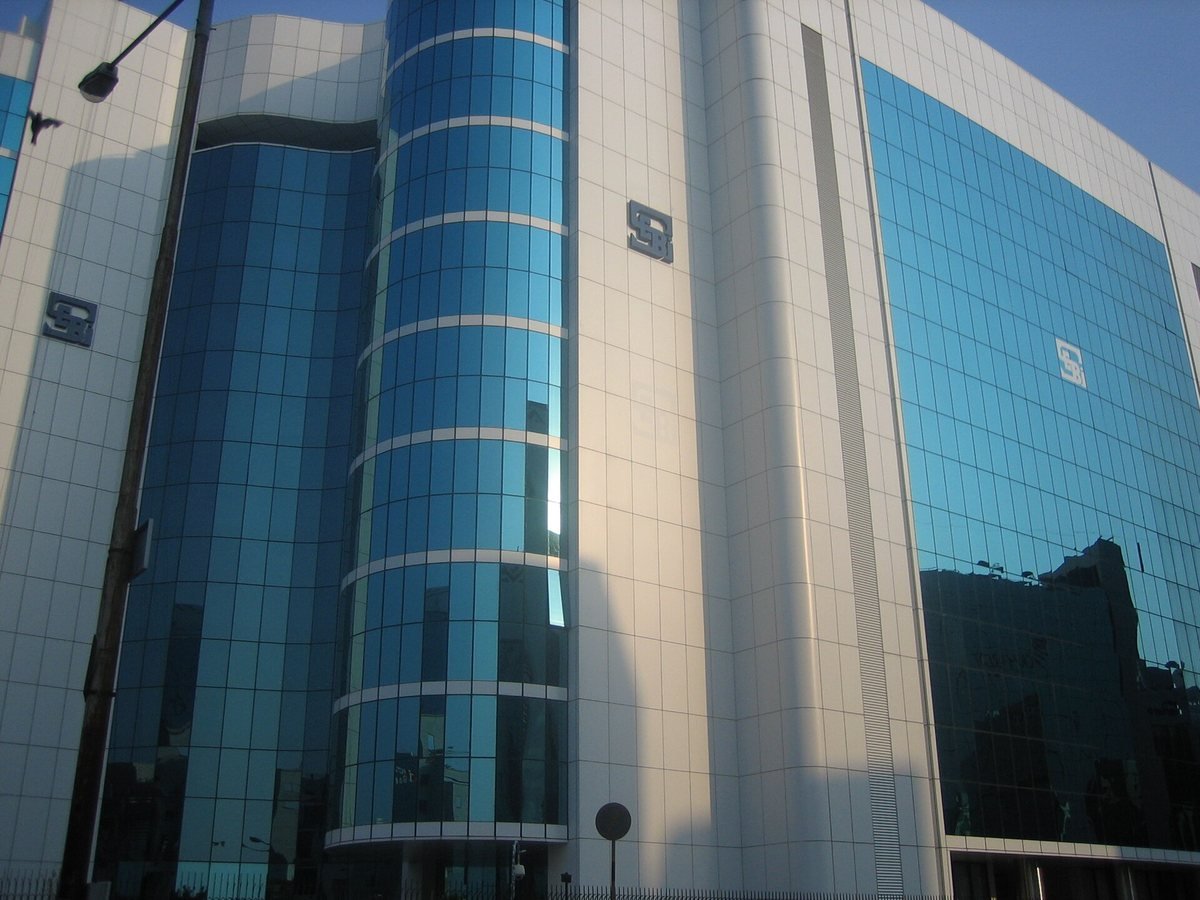
SEBI had become a statutory regulator in 1992, but its enforcement powers were limited. The Securities Laws (Amendment) Act, 1995 let it impose monetary penalties, regulate more types of intermediaries and act against fraudulent and unfair trade practices.
Screen-based trading on the NSE Reform
The National Stock Exchange, set up by financial institutions as part of the reform plan, began trading in equities in November 1994 on a nationwide electronic screen-based system, five months after opening its wholesale debt market. Prices and trades became visible to all members at once, not only to brokers on the floor in Bombay.
1993
The JPC report Probe
The Joint Parliamentary Committee presented its report on irregularities in securities and banking transactions. It criticised banks that let brokers handle their money and lapses in supervision, and estimated the scam at just under ₹5,000 crore.
1993
The ₹1 crore suitcase allegation Probe
Out on bail, Mehta told a crowded press conference that he had personally handed ₹1 crore in a suitcase to Prime Minister P.V. Narasimha Rao at his residence in return for help. Rao and the Congress denied it. Investigators found no prima facie evidence and the charge was never proved, but it was the first time a sitting prime minister had faced such a public accusation.
1992
The CBI arrests Mehta and his brothers Legal
The Central Bureau of Investigation arrested Harshad Mehta and his brothers Ashwin and Sudhir on charges including the misappropriation of more than 27 lakh shares of about 90 companies, worth about ₹250 crore. The case concerned shares that had been bought with bank money or belonged to others.
Special Court Act and the JPC Legal
The ordinance of 6 June became the Special Court (Trial of Offences Relating to Transactions in Securities) Act, 1992. The Custodian notified brokers and others, and all their property was automatically attached. In the same month Parliament formed a Joint Parliamentary Committee, chaired by Ram Niwas Mirdha, to investigate.
1992
A special court and a Custodian Legal
The President promulgated an ordinance creating a Special Court in Bombay, presided over by a sitting High Court judge, and a Custodian empowered to notify anyone involved in securities offences between 1 April 1991 and 6 June 1992. Notification froze all of that person’s property.
1992
The Janakiraman Committee’s first report Probe
The RBI committee’s interim report began laying out how banks had paid money without receiving securities. Its findings put the total of such unbacked transactions at about ₹3,542 crore, or about ₹3,192 crore after setting off securities found at one bank. Further reports followed into 1993.
1992
The RBI sets up the Janakiraman Committee Probe
A week after the first report, the Reserve Bank of India appointed a committee under Deputy Governor R. Janakiraman to look into irregularities in funds management by banks and financial institutions, especially in government securities and public-sector bonds.
1992
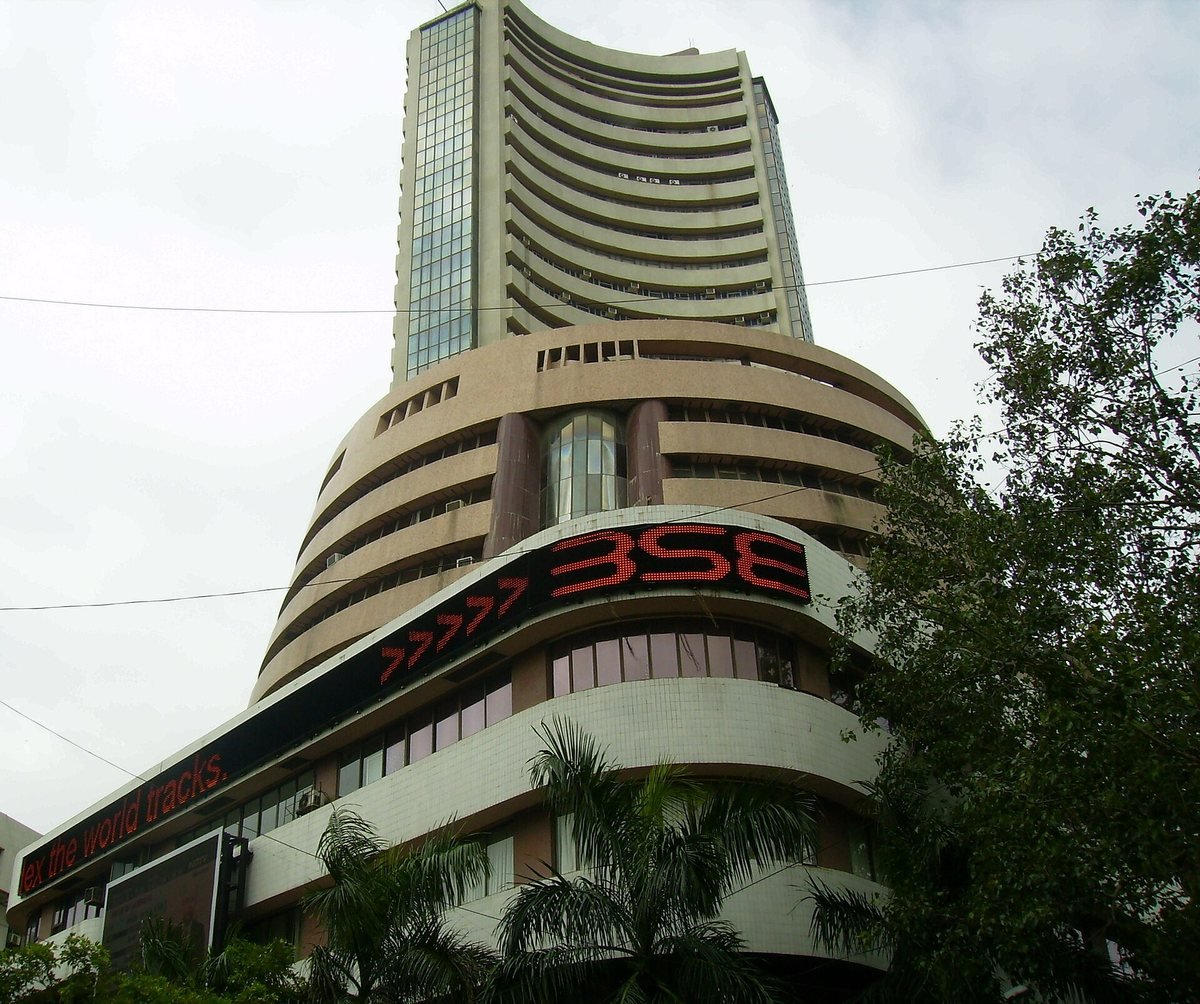
The Sensex crashes 12.77% Crash
As banks rushed to reverse their deals and brokers were forced to sell, the Sensex fell 570 points, or 12.77%, to 3,870. The slide continued for months, taking the index to around 2,500 and erasing much of the gain of the previous year.
1992
Sucheta Dalal breaks the story Milestone
Journalist Sucheta Dalal reported in The Times of India that State Bank of India’s government-securities portfolio had a large shortfall: the bank had paid money in ready-forward deals routed through Harshad Mehta but did not hold the securities it should have. Other banks soon found similar gaps.
The Sensex peaks near 4,500 Milestone
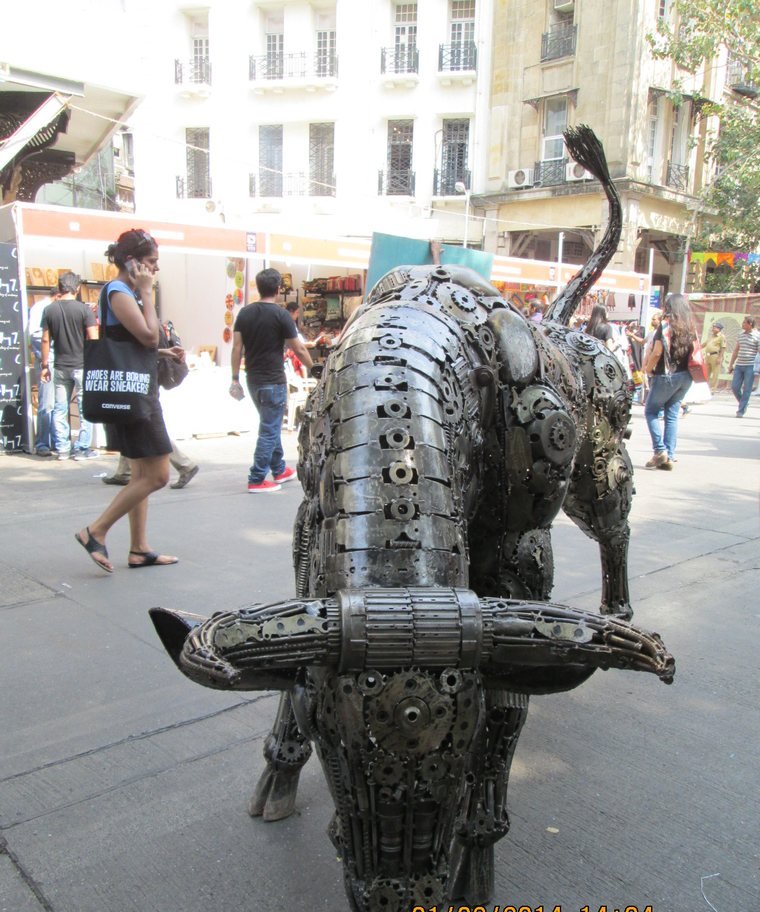
Between April 1991 and April 1992 the Sensex rose from about 1,194 to about 4,467, its biggest one-year gain ever. Mehta’s favourite shares rose much faster: ACC climbed from about ₹200 to nearly ₹9,000. Some of the buying was funded with money that had left the banking system through the securities market.
1992
₹40 crore of NHB money reaches a broker Milestone
On this day, according to the CBI case later decided by the Supreme Court, the National Housing Bank lent ₹40 crore to UCO Bank as call money. Instead of staying in UCO Bank’s books, it was credited to Harshad Mehta’s account. NHB was eventually the biggest loser of the scam, with about ₹1,199 crore at stake.
1992
SEBI becomes a statutory regulator Reform
The Securities and Exchange Board of India, created in 1988 without legal powers, received statutory status under the SEBI Act. The old Controller of Capital Issues, which fixed share-issue prices, was abolished a few months later.
Liberalisation and a hungry market Milestone
India’s 1991 economic reforms opened the economy and lifted business confidence. In the money market, banks were required to hold large amounts of government securities at low interest rates, and their treasuries looked for ways to earn more. Brokers offered to help, often by handling both money and securities for both sides of a deal.
The rise of Harshad Mehta Milestone
Harshad Shantilal Mehta grew up in Bombay, completed a B.Com in 1976 and worked in a series of jobs before joining the stock market as a jobber’s clerk in the early 1980s. He later became a member of the Bombay Stock Exchange and set up Grow More Research and Asset Management in 1986.
By 1990–91 the press called him the “Big Bull”; a business magazine cover named him the “Raging Bull”.
The Boom and the Bust in Numbers
What the rally and the crash looked like on the Sensex, and who carried the losses.
How Big Was the Harshad Mehta Scam?
The answer depends on who was counting, and what.
₹3,500 crore? ₹5,000 crore? ₹22,606 crore? Pick a source.
Different inquiries measured different things. Tap one to fill the meter (scale to ₹25,000 crore).
What Changed After the Scam?
The scam was an important catalyst, but several reforms were already under way.
| Area | Change | When | Link to the scam |
|---|---|---|---|
| Regulator | SEBI Act gives SEBI statutory status | Jan–Apr 1992 | Came before the scam broke |
| Enforcement | SEBI can impose penalties, regulate more intermediaries | 1995 | Direct response to weak enforcement |
| Trading | NSE screen-based trading; BSE moves to BOLT in 1995 | 1994–95 | Part of wider reform, strengthened by the scam |
| Ownership | Depositories Act; NSDL; demat shares | 1996 | Ends forgery-prone paper certificates |
| Banking | Tighter rules on BRs, broker use and SGL accounts | 1992–93 | Direct response (Janakiraman, RBI) |
| Courts | Special Court and Custodian to attach assets | 1992 | Created for the scam |
Why the Scam Rocked India
Controls failed
Major public-sector and foreign banks let brokers handle their cash and accepted receipts without checking the securities.
Confidence was shattered
Retail investors who bought at the top took heavy losses, and many stayed away from shares for years.
Oversight was exposed
The RBI’s supervision of bank treasuries and SEBI’s weak powers both came under attack in Parliament.
It reached the top
The ₹1 crore bribe claim against the prime minister, though never proved, made the scam a national political story.
Common Myths About the Harshad Mehta Scam
“He was arrested in June 1992”
The CBI arrested Mehta and his brothers on 9 November 1992.
“SEBI was created because of the scam”
SEBI dates from 1988 and became statutory in January 1992; the scam led to its 1995 penalty powers.
“The NSE was set up because of the scam”
It was part of a reform plan already in progress, incorporated in November 1992.
“Harshad Mehta did it alone”
Other brokers, bank officials and institutions were involved; several bankers were convicted.
Explore More Timelines
People Also Ask
Frequently Asked Questions
Conclusion: A Boom Built on Missing Securities
The Harshad Mehta scam was not just a stock-market crash. It showed how weak bank controls, paper-based settlement and a regulator without real powers could let thousands of crores of rupees move from bank treasuries into speculative share buying without anyone checking what stood behind the paperwork.
India’s response — a stronger SEBI, screen-based trading, electronic shares and a special court for the cases — built much of the market infrastructure investors rely on today. More than three decades later, courts and tax tribunals are still settling the bill. The lasting lesson is simple: markets run on trust, but trust has to be backed by verifiable assets, transparent records and effective oversight.
Related AiTimeline Stories
⚠️ Editorial Note
This account draws on the RBI Janakiraman Committee reports, the Special Court (TORTS) Act, 1992, the Supreme Court’s 2009 judgment in R. Venkatakrishnan v. CBI, the IIM Ahmedabad working paper by Samir Barua and Jayanth Varma, SEBI’s historical review of market reforms, and reporting by The Times of India, Moneylife, The Quint and Juris Hour. Figures for the scam’s size differ between inquiries and are given with their source. Allegations that were never proved are described as allegations. This article is for general information and is not investment or legal advice.
Sources & further reading
Every dated entry above was checked against these references. Last reviewed 14 October 2026.
- Reserve Bank of India: Reports of the Committee to Enquire into Securities Transactions of Banks and Financial Institutions (Janakiraman Committee), 1992-93
- IIM Ahmedabad: Securities Scam - Genesis, Mechanics and Impact (Samir K. Barua and Jayanth R. Varma, 1992)
- Special Court (TORTS), Bombay: History of the court under the Special Court (Trial of Offences Relating to Transactions in Securities) Act, 1992
- Supreme Court of India: R. Venkatakrishnan v. CBI, judgment of 7 August 2009 (NHB-UCO Bank Rs 40 crore case)
- SEBI: A Historical Perspective of the Securities Market Reforms (speech, March 2004)
- The Quint: Harshad Mehta scam - four former bank officials jailed (April 2017)
- Moneylife: Special Court rejects Harshad Mehta family's claim of assets exceeding liabilities (June 2022)
- Juris Hour: Rs 1,021 crore tax addition against Harshad Mehta deleted by ITAT Mumbai (October 2026)
- Indian Kanoon: Harshad S. Mehta v. Union of India, Bombay High Court, 29 July 1992