India’s Tobacco Control Laws: A Complete Timeline
How India's tobacco laws grew from a 1975 cigarette warning to COTPA, smoke-free rules, 85% pack warnings, the gutkha and e-cigarette bans and 2026 taxes.
Latest Story
India never banned tobacco. It built a web of laws around it. A cigarette pack today carries a warning covering 85% of both sides, smoking is banned in public places, advertising is prohibited, sales to under-18s and near schools are illegal, gutkha is banned as a food, e-cigarettes are banned outright, and from February 2026 tobacco carries 40% GST plus a new excise duty. This is how tobacco control laws in India grew, layer by layer, from a one-line cigarette warning in 1975.
💡 Short Answer
India’s tobacco control rests on the Cigarettes and Other Tobacco Products Act, 2003 (COTPA), which bans public smoking, tobacco advertising, sales to under-18s and sales within 100 yards of educational institutions, and mandates 85% pack warnings. Gutkha is banned under 2011 food-safety rules, e-cigarettes under a 2019 Act, and since 1 February 2026 tobacco carries 40% GST plus excise duty.
Tobacco Control Laws in India: Key Questions
What Every Reader Should Know
- Regulate, not ban: COTPA controls where, how and to whom tobacco is sold, shown and smoked. Only gutkha (as food) and e-cigarettes are prohibited.
- The court came first: the Supreme Court ordered a public-smoking ban on 2 November 2001, before Parliament passed COTPA in 2003.
- COTPA arrived in stages: 2004 for public smoking, ads and minors; 2007-09 for packaging; 2009 for the 100-yard school buffer.
- Smoke-free rules date to 2008: they were notified on 30 May 2008 and applied from 2 October 2008, not 2009 as some summaries claim.
- Warnings took a decade to grow: first notified in 2006, pictures from 2009 at 40%, and 85% of both sides from 1 April 2016 after a court fight.
- Gutkha was banned through food law in 2011, which is why its survival depends on state food-safety enforcement.
- India bans the newer product and regulates the older one: e-cigarettes are prohibited, cigarettes and bidis are not.
- Screens are covered: films and TV since 2012, streaming platforms since the 31 May 2023 rules.
- 2026 is the tax year: 40% GST and a new excise duty from 1 February 2026 made price a central tool again.
- Use is falling slowly: adult tobacco use fell from 34.6% (2009-10) to 28.6% (2016-17). GATS-3 results are still awaited.
Tap a year. See what the law could suddenly reach.
1975: one warning. 2026: a web of laws covering products, advertising, public spaces, schools, packaging, e-cigarettes, screens and tax.
Five Generations of Tobacco Law
Each layer answered a problem the previous one could not reach
In 1975 the problem was framed as the cigarette packet. In 2001 it was the smoke in the room. In 2003 it became the whole tobacco market. By 2011 it had to include products that are chewed, not smoked. In 2016 the packet itself became the warning. In 2019 it was an electronic device, by 2023 a streaming screen, and in 2026 the price at the counter.
COTPA 2003 Explained, Section by Section
The Act that turned a cigarette law into a tobacco law
The full name is long for a reason: the Cigarettes and Other Tobacco Products (Prohibition of Advertisement and Regulation of Trade and Commerce, Production, Supply and Distribution) Act, 2003. Its schedule lists cigarettes, cigars, cheroots, bidis, pipe and hookah tobacco, chewing tobacco, snuff, pan masala or any chewing material containing tobacco, gutkha and tooth powder containing tobacco. That list is the Act’s real break with 1975: the law finally followed what Indians actually use.
COTPA is enforced through rules, not only its sections. Almost every headline change since 2003, from smoke-free restaurants to 85% warnings and OTT disclaimers, came through a notification amending the rules, not a new Act. That is why the timeline has so many dates, and why courts, not Parliament, often decided when rules actually took effect.
| COTPA provision | What it does | In force | Penalty |
|---|---|---|---|
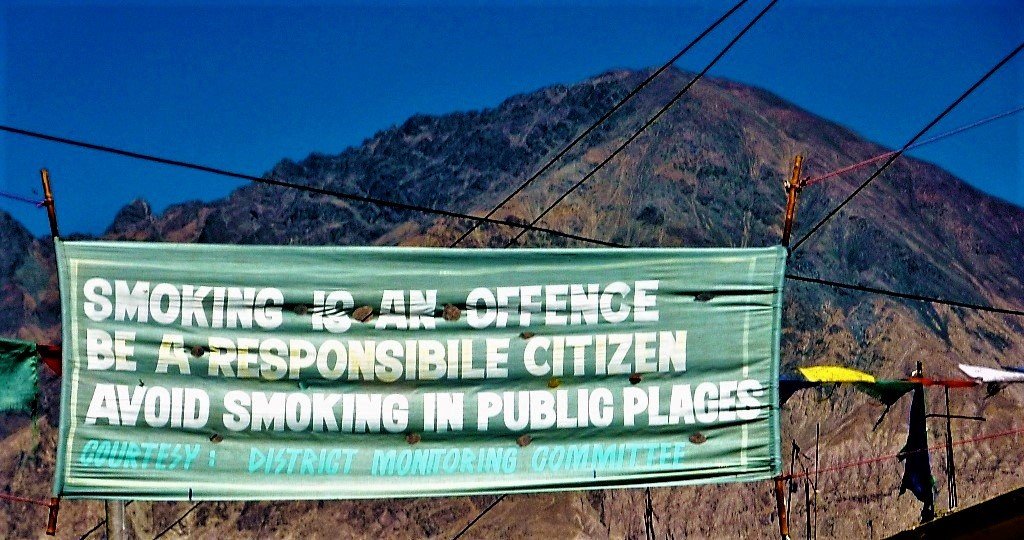
| Section 4 | No smoking in public places | 2004; rules from 2 Oct 2008 | Fine up to ₹200 |
| Section 5 | No direct or indirect advertising, promotion or sponsorship | 2004 | Up to 2 years or ₹1,000 (first); up to 5 years and ₹5,000 (repeat) |
| Section 6(a) | No sale to under-18s | 2004 | Fine up to ₹200 |
| Section 6(b) | No sale within 100 yards of educational institutions | Rules 2004; enforced 2009 | Fine up to ₹200 |
| Sections 7-10 | Specified health warnings on every pack | Nov 2007; pictures 31 May 2009 | Maker: up to 2 years or ₹5,000 (first); seller: up to 1 year or ₹1,000 |
| Section 11 | Testing of tar and nicotine content | 2019 (labs notified) | – |
The Complete Timeline, 2026 Back to 1948
Newest first. Dates from gazette notifications, court orders and the Health Ministry’s NTCP archive
Tax becomes a tobacco-control tool
The GST compensation cess ends on 1 February 2026. Cigarettes, chewing tobacco and pan masala move to 40% GST, while bidis stay at 18%. An additional central excise duty of about ₹2,050 to ₹8,500 per 1,000 cigarettes follows under the Central Excise (Amendment) Act, 2025. The Health Security se National Security Cess is levied on pan masala machines by installed capacity. On 1 June 2026 the second pictorial image under the 2024 rules is due to replace the first. Results from GATS-3, surveyed in 2025, are still awaited.
Karnataka goes to 21; new pack text
The COTPA (Karnataka Amendment) Act, 2024 gets presidential assent on 23 May 2025 and is published on 30 May. Karnataka raises the tobacco purchase age to 21, bans hookah bars, and raises the public-smoking fine to up to ₹1,000. From 1 June 2025, packs nationwide must carry the 2024 rules’ warning: “Tobacco causes painful death” in white on red, with “Quit today call 1800-11-2356”. In December Parliament passes the tobacco excise and cess laws.
2024
New packaging rules
The Packaging and Labelling Amendment Rules, 2024 are notified. They keep the 85% warning but fix new colours, a 300 DPI print standard and two pictorial images, each used for 12 months. The Ministry publishes high-resolution images in many Indian languages on the NTCP site.
2023
Rules reach streaming
The COTPA Amendment Rules, 2023 extend film and TV requirements to online curated content. OTT platforms showing tobacco use must carry anti-tobacco health spots, an audio-visual disclaimer and an on-screen warning during the scene.
Warnings refresh; reform stalls
New warning images are notified in July 2020 and again on 21 July 2022. The 2022 set brings “Tobacco causes painful death” from 1 December 2022 and “Tobacco users die younger” from 1 December 2023. A draft COTPA Amendment Bill is circulated for public comment at the start of 2021. It would raise the age to 21, ban loose cigarettes and designated smoking areas, and raise fines. It is not enacted.
2019
E-cigarettes prohibited
An ordinance bans e-cigarettes. Parliament replaces it with the Prohibition of Electronic Cigarettes Act, 2019, enacted on 5 December 2019 and deemed in force from 18 September. It bans the production, manufacture, import, export, transport, sale, distribution, storage and advertising of e-cigarettes, including heat-not-burn products and e-hookahs.
The 85% warning survives court
The Karnataka High Court strikes down the 2014 rules on 15 December 2017, leaving the old 40% rule in place. On 8 January 2018 the Supreme Court stays that ruling, saying the health of citizens has primacy. New images with the National Tobacco Quitline 1800-11-2356 appear from 1 September 2018.
2016
The pack becomes the warning
After a year’s deferral, warnings covering 85% of both main faces of every tobacco pack take effect: 60% picture, 25% text. Some manufacturers briefly halt production in protest, and in May 2016 the Supreme Court tells industry petitioners to comply while cases are heard.
2014
85% warnings notified
The Health Ministry notifies rules raising warnings from 40% of the front panel to 85% of both sides, due to start on 1 April 2015. A parliamentary committee on subordinate legislation questions the evidence, and on 24 September 2015 the start date is moved to 1 April 2016.
2012
Tobacco on screen, second attempt
A 2005 attempt to ban tobacco scenes in films and TV was struck down by the Delhi High Court on 23 January 2009 in a case brought by Mahesh Bhatt. The new rules take a different route: tobacco scenes are allowed, but only with an editorial justification to the CBFC, 30-second health spots at the start and middle, a 20-second disclaimer, and an on-screen warning during the scene. Brand display is banned.
Gutkha banned through food law
The Food Safety and Standards (Prohibition and Restrictions on Sales) Regulations, 2011 take effect on 5 August 2011. Regulation 2.3.4 says tobacco and nicotine shall not be used as ingredients in any food product. Madhya Pradesh bans gutkha from 1 April 2012 and other states follow. Separately, 11 August 2011 rules require shops to show a sign that selling tobacco to minors is an offence.
Pictures, finally, and the school buffer
Three years after the first rule, pictorial warnings appear on packs on 31 May 2009, covering 40% of the front panel. The 100-yard rule under Section 6(b) is formally brought into force in September 2009, and display-board rules for educational institutions follow in January 2010.
2008
Smoke-free rules take effect
The Prohibition of Smoking in Public Places Rules, 2008 take effect on Gandhi Jayanti. They cover workplaces, restaurants, hotels, cinemas, malls, stations and public transport. Owners and managers must display signs and can be held liable. Designated smoking areas are allowed only in hotels with 30+ rooms, restaurants with 30+ seats and airports.
NTCP and the COTPA amendment
The COTPA (Amendment) Act, 2007 is notified on 25 September 2007, and a November 2007 notification brings the packaging sections 7-10 into force. The National Tobacco Control Programme launches in 2007-08 in 21 states covering 42 districts. For the first time, the law has an implementation machine behind it.
2006
First pictorial-warning rules
Rules require pictorial warnings, including a skull and crossbones, on tobacco packs. Industry objections and ministerial reviews lead to repeated deferrals and redesigns. The pictures are softened, and implementation slips to 2009.
COTPA switched on; FCTC ratified
COTPA’s first sections are notified in February 2004: bans on public smoking, advertising and sales to minors. India ratifies the WHO FCTC on 5 February 2004, and the treaty enters into force on 27 February 2005. In May 2005 an amendment to the advertising rules tries to ban tobacco scenes in films.
2003
Parliament passes COTPA
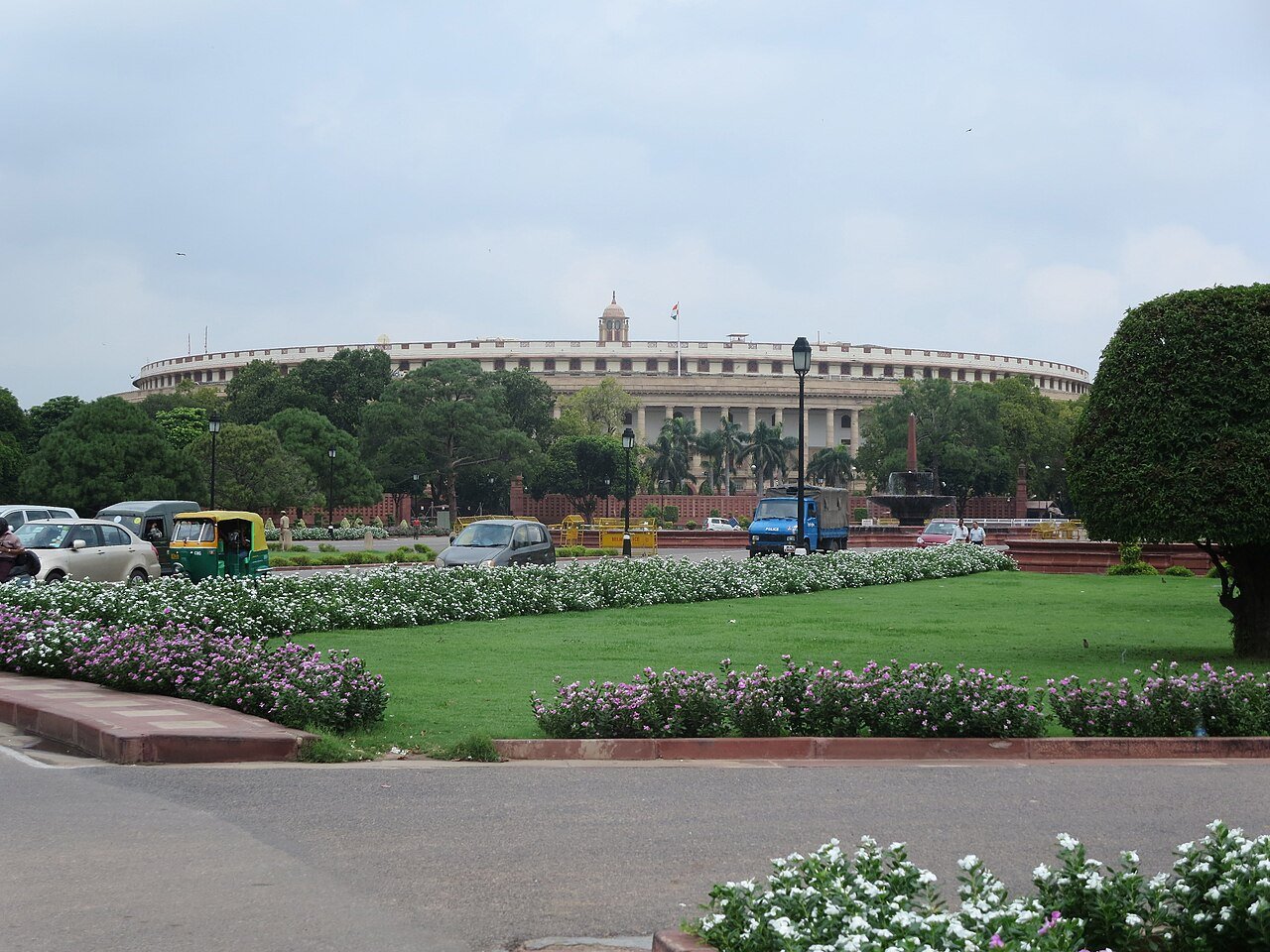
The Cigarettes and Other Tobacco Products Act, 2003 covers all tobacco products, not just cigarettes. It bans smoking in public places (S.4), advertising (S.5), sales to minors (S.6a) and sales near educational institutions (S.6b), and requires pack warnings (S.7). Two days later, on 21 May, the World Health Assembly adopts the FCTC. India signs it on 10 September 2003.
2001
Supreme Court orders a smoking ban
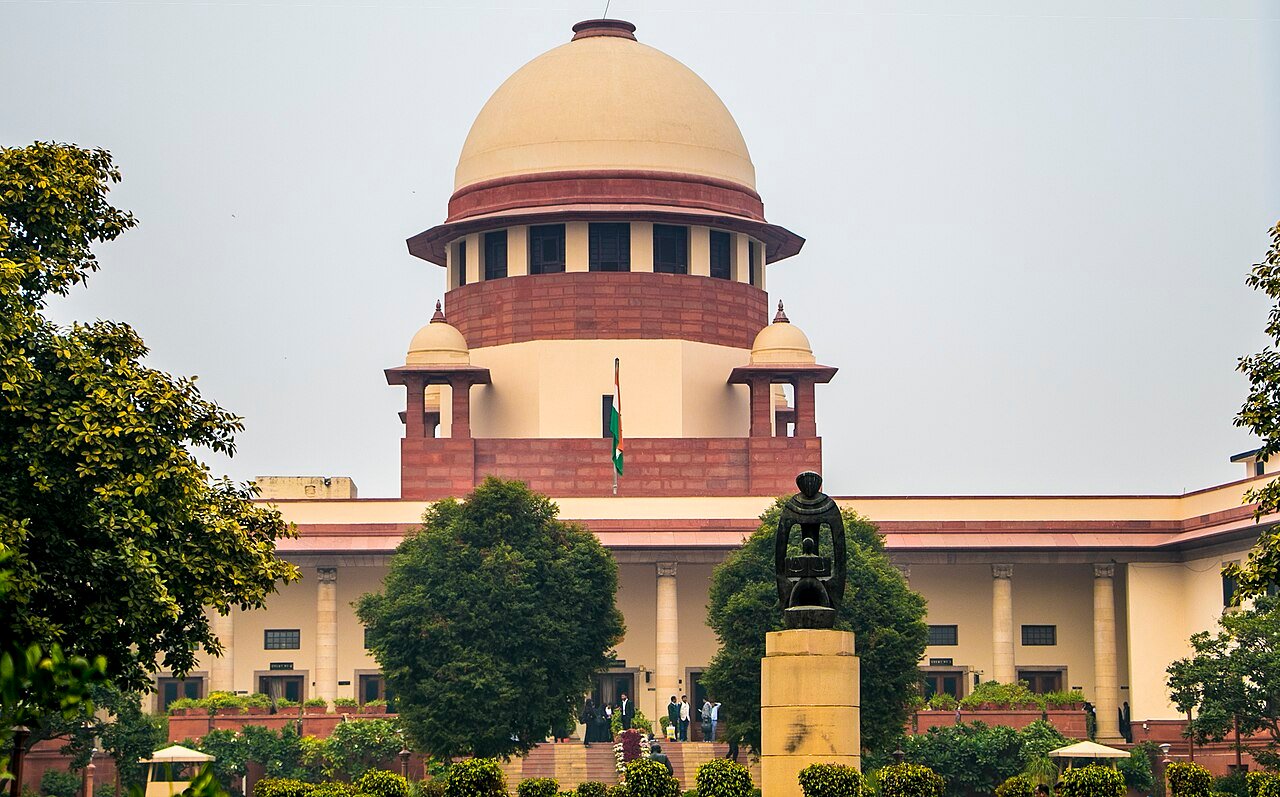
Ruling on a 1999 public-interest petition by former MP Murli Deora, the Supreme Court orders a ban on smoking in auditoriums, hospitals, health institutions, educational institutions, libraries, courts, public offices and public transport, including railways. Its reasoning: making non-smokers breathe smoke violates the right to life under Article 21.
The warning, and the Tobacco Board
The Cigarettes (Regulation of Production, Supply and Distribution) Act, 1975 requires the warning “Cigarette smoking is injurious to health” on packs and ads. It covers only cigarettes, not bidis or smokeless tobacco. The same year, the Tobacco Board Act, in force from 1976, sets up a board to develop the tobacco industry. Development and control have coexisted ever since.
Tobacco left out of the Constitution
Sardar Bhopinder Singh Man moves an amendment to add “tobacco” between “drinks” and “drugs” in the directive that became Article 47. He admits he expects to displease influential members. The amendment is negatived.
The Warning Battle: 40% to 85%
India’s longest-running tobacco fight was about the size of a picture
Pack warnings show how a tobacco rule can be notified, delayed, redesigned, litigated and reversed before it reaches a shop. The first pictorial rules of July 2006 took three years to appear on packs, and when they did, in May 2009, they covered 40% of the front only. The 85% rule of October 2014 was deferred once, delayed by a parliamentary committee’s objections, struck down by the Karnataka High Court and restored by a Supreme Court stay.
The industry argued that 85% warnings left no room for trademarks and hurt bidi and tobacco farmers. The government and health groups argued that bigger pictures reach people who cannot read, which matters in a country where a large share of tobacco users have little formal education. The Supreme Court’s January 2018 line that the health of citizens has primacy settled the interim question.
| Date | Warning change | Outcome |
|---|---|---|
| 5 Jul 2006 | First pictorial-warning rules notified | Deferred, redesigned |
| 15 Mar 2008 | Packaging and Labelling Rules, 2008 | Replaced 2006 rules |
| 31 May 2009 | Pictures appear: 40% of the front panel | In force |
| 15 Oct 2014 | 85% of both sides notified for 1 Apr 2015 | Deferred to 2016 |
| 1 Apr 2016 | 85% warnings (60% picture + 25% text) | In force |
| 15 Dec 2017 | Karnataka High Court strikes down 2014 rules | Stayed by SC, 8 Jan 2018 |
| 1 Sep 2018 | New images plus quitline 1800-11-2356 | In force |
| 1 Dec 2022 | ‘Tobacco causes painful death’ image set | Rotated 1 Dec 2023 |
| 1 Jun 2025 | 2024 rules: red text panel, black quitline band | Second image from 1 Jun 2026 |
The Hidden Story: Smokeless Tobacco
Most Indian tobacco is chewed, not smoked
India’s tobacco problem was never mainly a cigarette problem. GATS-2 found 21.4% of adults used smokeless tobacco such as khaini, gutkha, zarda, mishri, gudakhu or betel quid with tobacco, against 10.7% who smoked. Khaini was the most used product, and bidis outsell cigarettes among smokers. A 1975 law that covered only cigarettes missed most users entirely.
COTPA brought these products under warnings and advertising bans, but the decisive blow against gutkha came from food law. Regulation 2.3.4 of the 2011 food-safety regulations bars tobacco and nicotine as ingredients in any food, and gutkha, sold as a food, fell under it. States followed with bans from April 2012. The industry answered with twin packs: pan masala and flavoured chewing tobacco in separate sachets, which the buyer mixes. Surrogate adverts for pan masala under tobacco brand names keep the brands on billboards and screens.

Farm vs Health: India’s Built-In Contradiction
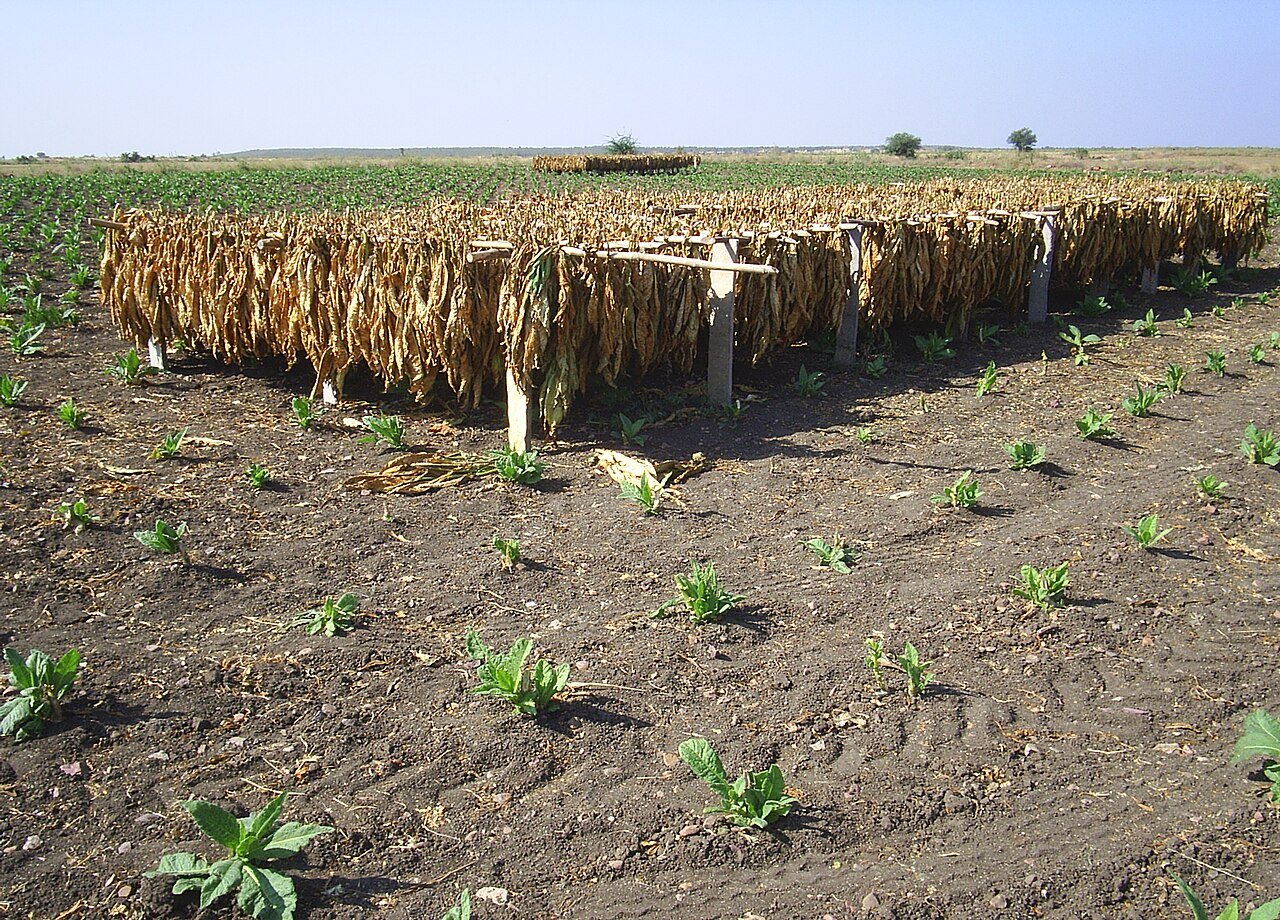
The same year India wrote its first cigarette warning, it passed the Tobacco Board Act, 1975 to develop the industry. India is among the world’s largest tobacco producers, with Virginia flue-cured tobacco grown mainly in Andhra Pradesh and Karnataka, bidi tobacco in Gujarat, and millions of livelihoods in farming, bidi rolling and small retail. That economic weight is why warning sizes, bidi taxes and the pace of reform have been contested for fifty years, and why bidis stayed at 18% GST in 2026 while cigarettes moved to 40%.
Eight everyday situations. Guess, then tap.
Answers reflect central law as of September 2026, with Karnataka flagged where its 2025 amendment differs.
General information, not legal advice. State rules and local orders can be stricter.
Did the Laws Work? The Numbers
Tobacco use is falling, slowly, and remains very high
The Global Adult Tobacco Survey is the benchmark. Adult tobacco use fell from 34.6% in 2009-10 to 28.6% in 2016-17, a six-point drop, and the number of users fell by about 8.1 million to 266.8 million, even as the population grew. GATS-2 found 42.4% of men and 14.2% of women used tobacco, with very wide variation between states. GATS-3 was surveyed in 2025 with over 110,000 respondents; its results will be the first national test of the 85% warnings, the e-cigarette ban and the gutkha bans.
The Health Ministry puts India’s tobacco deaths at about 1.35 million a year. Among school students aged 13-15, the Global Youth Tobacco Survey of 2019 found 8.5% used some form of tobacco. That is why reformers still push for the measures COTPA lacks.
Six Layers of Tobacco Law in 2026
| Layer | Approach | Covers | Who runs it |
|---|---|---|---|
| COTPA 2003 + rules | Regulate | Smoking, ads, minors, schools, warnings, screens | Health Ministry, police, state cells |
| FSS Regulations 2011 | Prohibit (as food) | Gutkha, tobacco pan masala | State food-safety commissioners |
| E-Cigarettes Act 2019 | Prohibit | Vapes, heat-not-burn, e-hookahs | Police, customs, authorised officers |
| Tobacco Board Act 1975 | Develop | Virginia tobacco farming and exports | Commerce Ministry |
| GST + Excise Acts 2025 | Tax | Price of cigarettes, chewing tobacco, pan masala | Finance Ministry |
| NTCP (2007-08) | Implement | Awareness, cessation, enforcement, labs | Health Ministry, states, districts |
COTPA vs the E-Cigarette Act
Two opposite philosophies inside one country’s law
Regulate vs prohibit
The government argued in 2019 that it was easier to stop a new product before it spread than to control it afterwards, citing rising youth vaping elsewhere. Critics said the ban protected the cigarette market and denied smokers a less harmful alternative. Either way, India now treats the most dangerous established products more leniently than the newest ones.
What Indian Tobacco Law Still Does Not Do
- National age 21: proposed in the 2021 draft COTPA amendment, adopted only by Karnataka.
- Loose-cigarette ban: single-stick sales, which make cigarettes affordable to children, remain legal under central law.
- Meaningful fines: the 200-rupee public-smoking and minor-sale fines date from 2003 and have not been raised nationally.
- Designated smoking areas: still allowed in large hotels, restaurants and airports.
- Surrogate advertising: pan masala and elaichi ads under tobacco brand names remain common.
- Twin packs: gutkha bans are undermined by separately sold pan masala and chewing tobacco.
- Fresh data: the latest published national adult survey is from 2016-17.
Test Yourself: Tobacco Law Quiz
1. What was India’s first major national tobacco-control law?
2. Which case led to a ban on smoking in public places?
3. From which date did the 2008 smoke-free rules apply?
4. Which law actually bans gutkha?
5. How much of a pack’s front and back must the warning cover?
6. What is the legal age to buy tobacco in Karnataka since 2025?
7. What GST rate applies to cigarettes from 1 February 2026?
Explore More Timelines
People Also Ask
Frequently Asked Questions
Related AiTimeline Stories
⚠️ Editorial Note
This article is general information about Indian law and public health, not legal or medical advice. Dates are taken from gazette notifications listed in the Health Ministry’s NTCP archive, India Code, Supreme Court and High Court orders, the WHO FCTC treaty record, FSSAI regulations and the Global Adult Tobacco Survey. Corrections to circulating summaries: the 2008 smoke-free rules applied from 2 October 2008, not 2009; the 2024 packaging rules were notified on 2 December 2024 and apply from 1 June 2025; and the story did not end in 2024: Karnataka raised its tobacco age to 21 in 2025, and a new tax regime began on 1 February 2026. If you want to quit, the National Tobacco Quitline is 1800-11-2356.
Sources & further reading
Every dated entry above was checked against these references. Last reviewed 29 September 2026.
- MoHFW NTCP: COTPA 2003 and all rules and notifications
- India Code: Prohibition of Electronic Cigarettes Act, 2019
- Supreme Court: Murli S. Deora v. Union of India (2 November 2001)
- Supreme Court: Health for Millions Trust v. Union of India, stay order (8 January 2018)
- WHO FCTC: The Convention and parties
- GATS-2 India Fact Sheet 2016-17 (MoHFW)
- IIPS: Global Adult Tobacco Survey (GATS-3)
- LiveLaw: Health Security se National Security Cess enforceable from 1 February 2026