Baghdad Pact & CENTO: Cold War Alliance History Timeline
Explore the complete history of the Baghdad Pact and CENTO, a Cold War alliance formed to counter Soviet influence in the Middle East, from its 1955
Latest Story
The Baghdad Pact, formed in 1955, was a Western-backed security alliance designed to contain Soviet influence across the Middle East. Initially linking Iraq and Turkey, it soon included the United Kingdom, Pakistan and Iran. After Iraq withdrew in 1959, the alliance was renamed the Central Treaty Organization (CENTO). Despite Western military and economic support, CENTO struggled with regional rivalries, weak collective-defence arrangements and the absence of a common command structure. The Iranian Revolution and Pakistan’s withdrawal in 1979 effectively ended the alliance.
💡 Short Answer
The Baghdad Pact was a 1955 Cold War security agreement between Iraq, Turkey, the United Kingdom, Pakistan and Iran, aimed at containing Soviet influence in the Middle East and South Asia. The United States supported it but never became a full treaty member. After a 1958 coup overthrew Iraq’s monarchy, Iraq withdrew in March 1959 and the alliance was renamed the Central Treaty Organization (CENTO), with its headquarters moving to Ankara. CENTO never built an integrated military command, gave Pakistan no real support in its 1965 and 1971 wars with India, and collapsed in March 1979, when revolutionary Iran withdrew on 11 March and Pakistan followed on 12 March; it was formally dissolved on 26 September 1979.
Baghdad Pact & CENTO: Key Questions
The Baghdad Pact & CENTO in Nine Points
- 24 February 1955: Iraq and Turkey sign the Pact of Mutual Cooperation in Baghdad.
- April–November 1955: the United Kingdom, Pakistan and Iran join, completing five founding members.
- The US never joined as a full treaty member, but supported the alliance through its Economic and Military Committees and bilateral aid.
- 14 July 1958: a military coup overthrows Iraq’s monarchy, installing a republic under Abd al-Karim Qasim.
- March 1959: Iraq formally withdraws from the pact.
- 19 August 1959: the alliance is renamed the Central Treaty Organization (CENTO); headquarters move from Baghdad to Ankara.
- No integrated command: unlike NATO, CENTO never built a unified military structure.
- 1965 and 1971: India-Pakistan wars show CENTO gives Pakistan no real military support.
- 11–12 March 1979: revolutionary Iran withdraws, Pakistan follows a day later; CENTO is formally dissolved on 26 September 1979.
Who Were the Members?
Five founding members, plus a major power that never signed the treaty.
| Country | Joined | Role & significance |
|---|---|---|
| Iraq | 24 Feb 1955 | Original regional signatory; withdrew March 1959 after the monarchy was overthrown |
| Turkey | 24 Feb 1955 | Original signatory; provided a link to NATO and the European security system |
| United Kingdom | Apr 1955 | Major Western power and security sponsor |
| Pakistan | Sep 1955 | Connected the alliance to South Asia; withdrew 12 March 1979 |
| Iran | Nov 1955 | Strategic link to the Persian Gulf and the USSR’s southern frontier; withdrew 11 March 1979, after the revolution |
| United States | Never a full member | Supported the alliance, joined its Economic and Military Committees, and provided bilateral aid; never signed the treaty |
Why Did the West Want This Alliance?
Containment strategy met Britain’s fading regional influence.
A chain around the USSR
The US and UK sought to strengthen states considered vulnerable to Soviet pressure, extending the containment strategy first applied in Europe into the Middle East and South Asia.
Oil & trade routes
The alliance aimed to connect Turkey, the Middle East and South Asia through a security framework protecting Persian Gulf oil and the transport corridors linking Europe and Asia.
Preserving influence
The pact also reflected Britain’s attempt to retain influence in a region where anti-colonial nationalism was growing and its traditional position was under pressure.
US Secretary of State John Foster Dulles promoted regional security arrangements in the Middle East during a 1953 visit, building on the Truman Doctrine (1947) and NATO’s 1949 European model. The resulting pact encouraged pro-Western governments to cooperate on security, even though it never developed NATO-style integrated command arrangements.
Baghdad Pact & CENTO Timeline, Newest First
From the 1955 signing to the 1979 dissolution.
CENTO formally dissolves Collapse

What happened: With Iran and Pakistan both gone and only Turkey and the UK remaining as active regional members, CENTO’s Secretary-General announced on 16 March 1979 that he would convene the council to dissolve it, and the organisation was formally dissolved on 26 September 1979.
Pakistan announces its withdrawal from CENTO Collapse
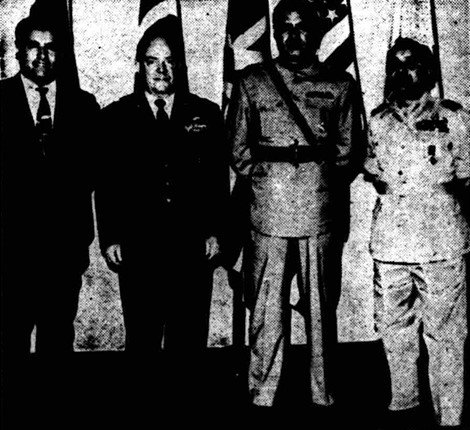
What happened: Pakistan formally announced its withdrawal from CENTO, saying the organisation was no longer able to protect Pakistan’s security — a disillusionment rooted in CENTO’s absence during its 1965 and 1971 wars with India. The announcement came one day after Iran’s own withdrawal.
Revolutionary Iran withdraws from CENTO Collapse
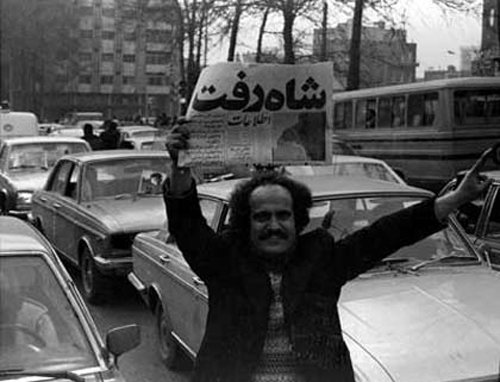
What happened: The Iranian Revolution, which toppled the Shah’s government in February 1979, installed new rulers who rejected CENTO’s Western alignment; Iran withdrew from the organisation on 11 March 1979.
India-Pakistan wars expose CENTO’s limits Strain
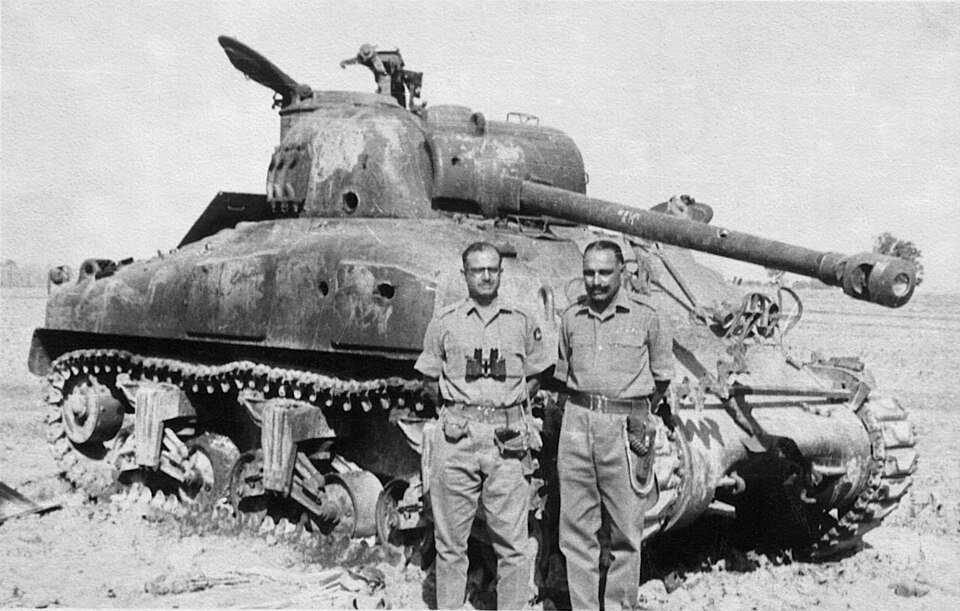
What happened: In both the 1965 and 1971 wars with India, Pakistan received no direct military support from its CENTO allies, since the alliance’s mandate covered Soviet aggression, not conflicts with non-member states.
The Suez Crisis damages the pact’s standing Strain
What happened: The Suez Crisis exposed divisions between Western powers and Arab nationalism, hardening opposition to the Baghdad Pact among many Arab states who viewed it as a tool of Western influence.
Remaining members rename the alliance CENTO Formation
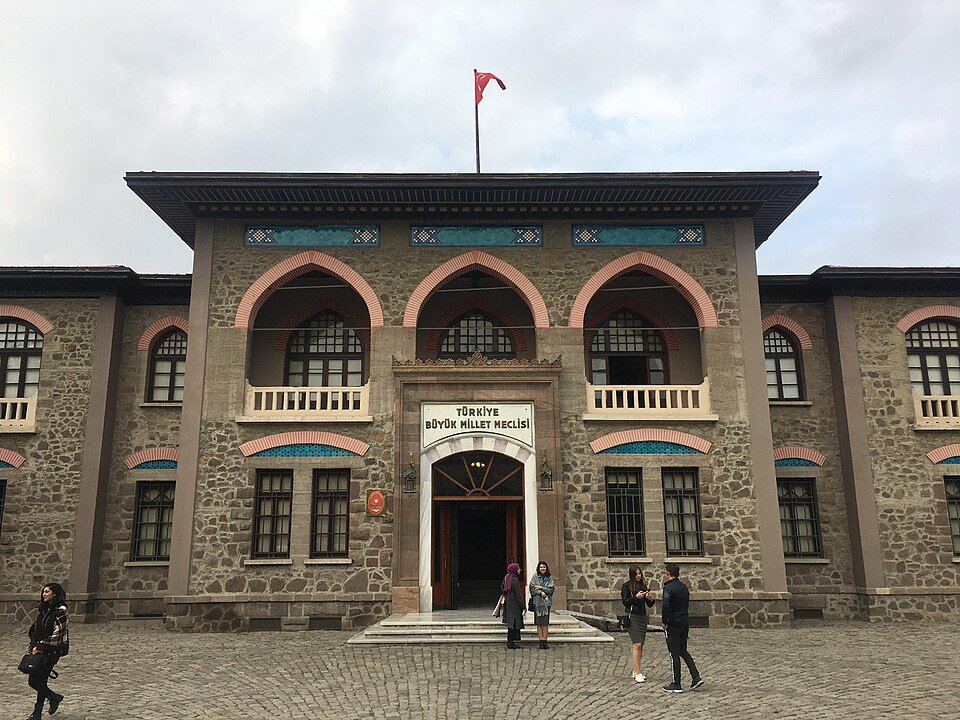
What happened: Following Iraq’s withdrawal, Turkey, Iran, Pakistan and the UK renamed the alliance the Central Treaty Organization (CENTO) and relocated its headquarters to Ankara.
Iraq formally withdraws from the Baghdad Pact Collapse
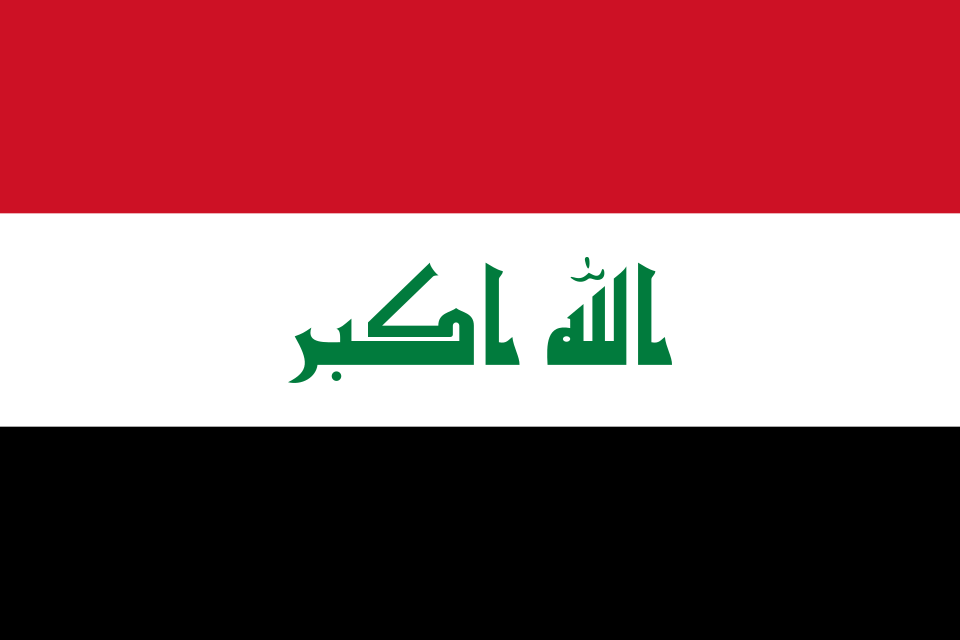
What happened: Iraq’s new government under Abd al-Karim Qasim formally withdrew, opposing the pact’s Western alignment. The organisation lost its name, its original host country, and much of its claim to represent a regional Middle Eastern security framework.
A coup overthrows Iraq’s monarchy Collapse
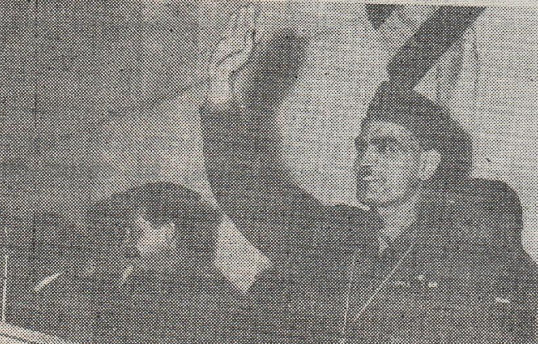
What happened: Army officers led by Abd al-Karim Qasim overthrew King Faisal II and Prime Minister Nuri al-Said, ending Iraq’s Hashemite monarchy and its pro-Western foreign policy.
The United States backs the pact without joining it Formation
What happened: The US supported the alliance politically, joined its Economic and Military Committees, and provided aid through bilateral agreements with member states — without ever signing the treaty as a full member.
Iraq and Turkey sign the Baghdad Pact; UK, Pakistan and Iran join Formation
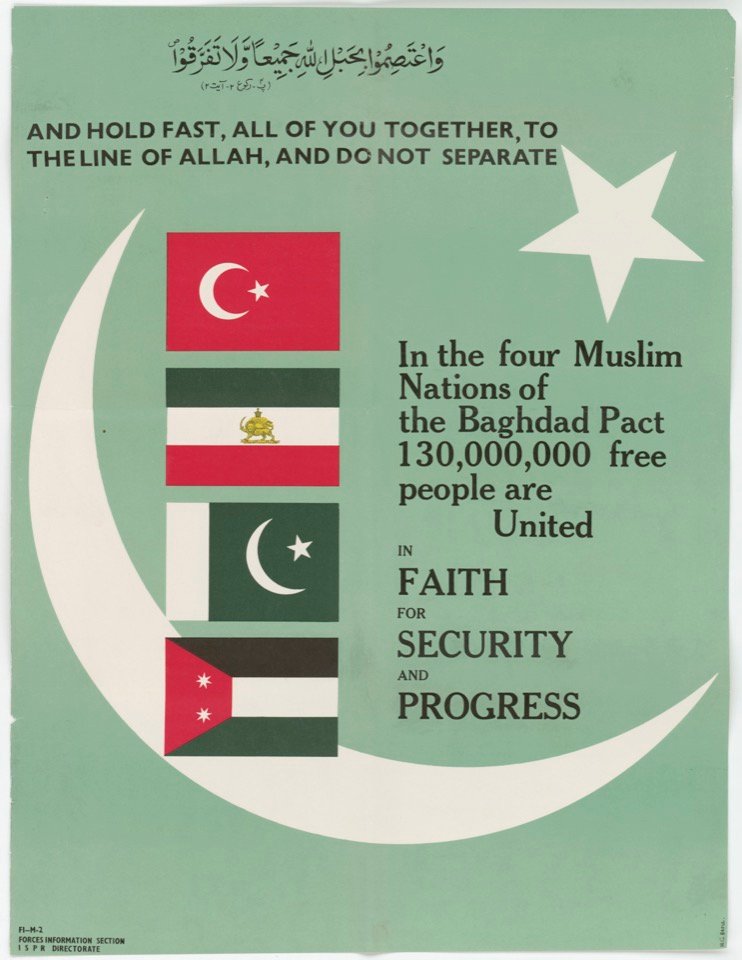
What happened: Iraq and Turkey signed the Pact of Mutual Cooperation on 24 February 1955. Britain joined in April, Pakistan in September, and Iran in November, completing the five-country alliance aimed at containing Soviet influence.
Why Did Iraq Leave?
The Baghdad Pact was closely associated with Iraq’s Hashemite monarchy and its pro-Western foreign policy. That political foundation collapsed on 14 July 1958, when army officers led a coup that overthrew King Faisal II and Prime Minister Nuri al-Said. The new Iraqi leadership under Abd al-Karim Qasim pursued a different foreign policy and opposed the pact’s Western alignment, and Iraq formally withdrew in March 1959.
Iraq’s departure was a major blow: the organisation lost its name, its original host country, and much of its claim to represent a regional Middle Eastern security framework. Its headquarters moved to Ankara and the organisation became CENTO.
What Did CENTO Actually Do?
CENTO’s main activities
- Military exercises and defence consultations among member states.
- Cooperation on communications, transport and infrastructure.
- Technical and economic development programmes.
- Intelligence and security discussions between member militaries.
- Links between regional members and Western military assistance.
CENTO aimed to improve cooperation among its members, but it never developed the integrated military structure associated with NATO. It helped maintain diplomatic and military relationships, but did not create a reliable collective-response mechanism for every crisis affecting its members — as Pakistan discovered in both its wars with India.
Why Did CENTO Fail?
Seven factors, compounding over 24 years.
| Factor | What happened |
|---|---|
| No integrated command | Unlike NATO, CENTO never established a unified command structure capable of coordinating member forces |
| Conflicting interests | Turkey, Iran and Pakistan faced different security challenges, making a common regional strategy difficult |
| Arab opposition | Many Arab nationalists viewed the pact as a Western tool; the Suez Crisis deepened this hostility |
| Iraq’s withdrawal | The 1958 revolution and 1959 exit weakened the pact’s regional foundations and changed its identity |
| Limited guarantees | Pakistan received no automatic military assistance from CENTO allies during its 1965 and 1971 wars with India |
| Iran’s revolution | The 1979 Iranian Revolution removed one of CENTO’s most important regional partners |
| Pakistan’s withdrawal | Pakistan’s 12 March 1979 exit, following Iran’s, left CENTO with little practical basis to continue |
CENTO and the Cold War Alliance System
How it compared to NATO and SEATO.
Three Western-backed Cold War alliances
| Alliance | Established | Strategic region |
|---|---|---|
| NATO | 1949 | North Atlantic and Europe |
| SEATO | 1954 | Southeast Asia and the wider Asia-Pacific |
| Baghdad Pact / CENTO | 1955 | Middle East and the southern flank of the Soviet Union |
These alliances were not identical. NATO developed an integrated military command and a strong collective-defence system. CENTO remained more limited and depended heavily on bilateral relationships and the political commitment of its members.
Conclusion: The Legacy of CENTO
CENTO’s dissolution in 1979 marked the end of one of the Cold War’s major attempts to build a security belt from the eastern Mediterranean to South Asia. Its history illustrates the limits of alliances built around an external threat when member states do not share the same priorities — geography alone could not create lasting unity. Domestic revolutions, regional conflicts and competing national interests ultimately proved stronger than the organisation’s institutional framework.
The Baghdad Pact began as a Western-backed effort to contain Soviet influence. CENTO ended after the political order that sustained it was transformed by revolution and withdrawal. Its story remains an important chapter in the history of Cold War diplomacy, Middle Eastern politics, and the changing strategic relationships of Turkey, Iran, Iraq and Pakistan.
Explore More Timelines
People Also Ask
Baghdad Pact & CENTO: Frequently Asked Questions
Related AiTimeline Stories
⚠️ Sources & Editorial Note
Last updated 3 November 2026. Distinguishes the Baghdad Pact’s original five-member configuration from CENTO after Iraq’s withdrawal. The United States supported the organisation and participated as an observer/associate via its Economic and Military Committees, but was not a full treaty member. Iran and Pakistan withdrew on 11 and 12 March 1979, the Secretary-General announced dissolution proceedings on 16 March, and CENTO was formally dissolved on 26 September 1979. Key sources: Wikipedia: Baghdad Pact, Wikipedia: Central Treaty Organization, U.S. Department of State, Office of the Historian, Encyclopaedia Britannica: CENTO, NATO: The Baghdad Pact becomes CENTO, 19 August 1959, and Encyclopaedia Iranica: Baghdad Pact.