Trace the history of Constitution Day India, from the Constituent Assembly debates in 1946 to the final text that shaped the nation's democratic framework.
Constitution Day India: Constituent Assembly Debates Timeline
Constitution Day India
Constitution Day India, celebrated annually on November 26, marks the adoption of the Indian Constitution by the Constituent Assembly in 1949. It is trending as citizens and scholars reflect on the historic debates that shaped fundamental rights, federalism, and the democratic ethos of the world’s largest democracy.
We often take our democratic freedoms for granted, yet every article in the Indian Constitution was forged through intense intellectual combat. Behind the final parchment lay grueling months of debate, dissent, and visionary drafting that spanned years of a newly independent nation. This timeline traces those foundational discussions, shedding light on the architects who weighed liberty against order in shaping the republic we know today.
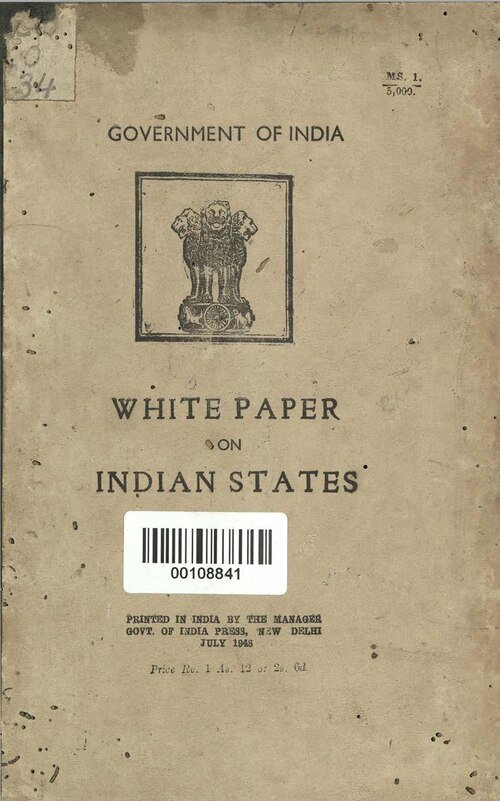
The Constituent Assembly convenes for the first time in New Delhi
Elected representatives from across British India and princely states gathered in New Delhi to begin drafting a framework for self-governance. Amid the turmoil of impending partition, leaders laid the procedural groundwork for an inclusive democratic setup.
- ▸Dr. Sachchidananda Sinha served as the temporary chairman of the inaugural session.
- ▸Muslim League members largely boycotted the early sessions, altering the initial political composition.
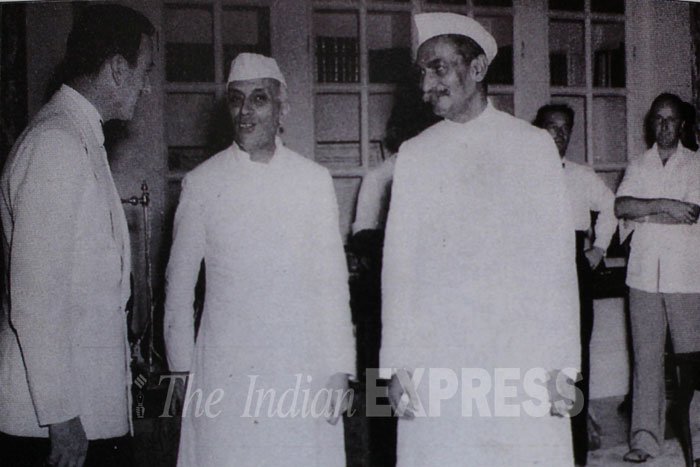
Jawaharlal Nehru introduces the historic Objectives Resolution
Jawaharlal Nehru tabled the Objectives Resolution, outlining the core principles, ideals, and philosophy that would guide the future constitution. It guaranteed justice, equality, and freedom of speech, effectively serving as the ideological blueprint for the Preamble.
- ▸The resolution pledged India as an independent, sovereign republic.
- ▸It emphasized adequate safeguards for minorities, backward areas, and depressed classes.
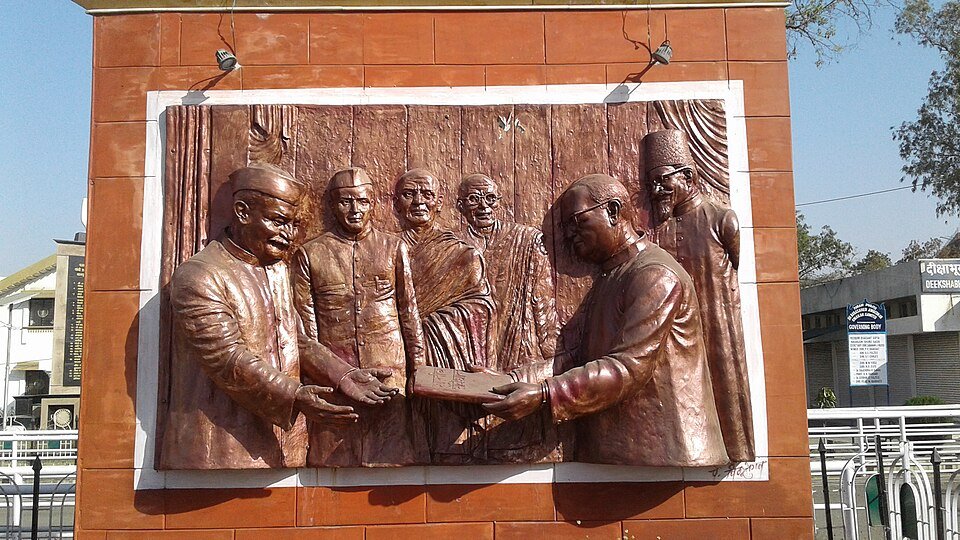
Dr. B.R. Ambedkar appointed chairman of the Drafting Committee
Following India’s independence, the assembly appointed a specialized seven-member Drafting Committee tasked with producing a comprehensive draft. Dr. B.R. Ambedkar was unanimously chosen as chairman, leveraging his profound legal expertise and vision for social reform.
- ▸The committee included legal luminaries like Alladi Krishnaswamy Iyer and K.M. Munshi.
- ▸Ambedkar studied global constitutions to cherry-pick features suited for India’s pluralistic society.
Constituent Assembly publishes the first draft of the Constitution for public feedback
The Drafting Committee released the initial draft, inviting amendments, critiques, and suggestions from citizens, press, and provincial legislatures. This triggered thousands of petitions and intense public debates regarding linguistic states, governance structures, and religious rights.
- ▸Over 7,000 amendments were proposed by assembly members alone.
- ▸Public feedback helped refine provisions concerning federal power distribution and property rights.
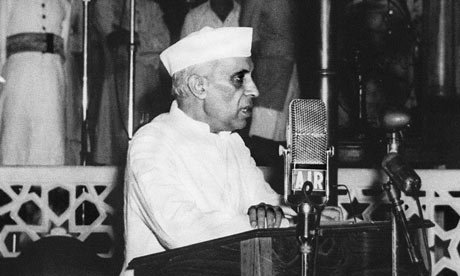
Dr. B.R. Ambedkar introduces the final draft for clause-by-clause debate
Dr. Ambedkar moved the motion for the draft constitution, initiating months of rigorous clause-by-clause scrutiny. Members debated every single article, ranging from official language policies and emergency powers to adult franchise and secularism.
- ▸Debates spanned hundreds of days, characterized by remarkable speeches and sharp disagreements.
- ▸Controversial topics like capital punishment, prohibition, and national language status saw heated exchanges.
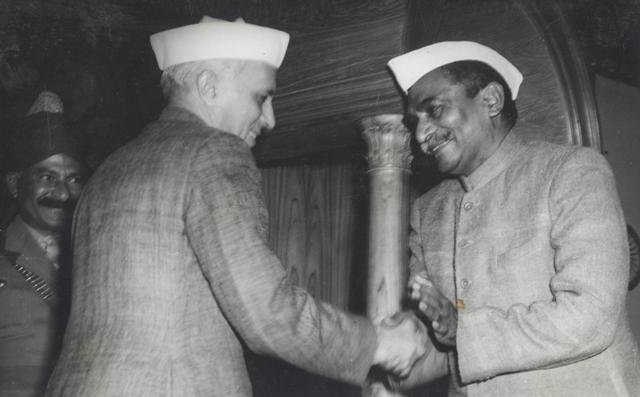
The Constituent Assembly adopts the Constitution of India
After nearly three years, eleven sessions, and 165 days of sitting, the assembly formally adopted the Constitution of India. President Rajendra Prasad signed the historic document, marking the culmination of the freedom struggle’s institutional goals.
- ▸283 members present signed the hand-written English and Hindi manuscripts.
- ▸Universal adult franchise was granted immediately, enfranchising millions of citizens regardless of wealth or gender.

The Constitution of India comes into full legal force across the nation
The Constitution of India officially replaced the Government of India Act 1935 as the supreme governing law. India was declared a sovereign, democratic republic, and Dr. Rajendra Prasad took oath as the country’s first president at the historic Durbar Hall.
- ▸The Supreme Court of India was inaugurated two days later on January 28, 1950.
- ▸The transition completed India’s journey from a British dominion to an independent republic.
Government of India officially designates November 26 as Constitution Day
The Ministry of Social Justice and Empowerment notified November 26 as Constitution Day, or Samvidhan Divas, to honor Dr. B.R. Ambedkar’s 125th birth anniversary year. The move aimed to reconnect younger generations with the foundational values of the freedom struggle.
- ▸Schools and universities across India began mandatory readings of the Preamble on this day.
- ▸Parliamentary special sessions were instituted to debate contemporary constitutional challenges.
What Happens Next?
The evolution of Constitution Day India reflects an ongoing dialogue between the founding text and modern democratic aspirations. From the arduous Constituent Assembly debates in New Delhi to contemporary civic observances, the document continues to serve as the ultimate guardian of Indian democracy. As new legal and technological challenges test the republic, examining these historical roots ensures that the promise of justice, liberty, and equality remains alive for future generations.
Frequently Asked Questions
Constitution Day in India, also known as Samvidhan Divas, is observed on November 26 every year. It commemorates the adoption of the Constitution of India by the Constituent Assembly in 1949, officially coming into effect on January 26, 1950, establishing the nation as a sovereign democratic republic.
The Constituent Assembly of India held its very first meeting on December 9, 1946, in the Constitution Hall of New Delhi. Comprising elected and nominated leaders from diverse backgrounds, the assembly embarked on the monumental task of framing a comprehensive constitution for a deeply fractured, newly independent society.
Dr. B.R. Ambedkar served as the chairman of the crucial Drafting Committee appointed in August 1947. Often hailed as the Father of the Indian Constitution, Ambedkar synthesized global constitutional jurisprudence with indigenous socio-economic realities, ensuring robust protections for marginalized communities and minority rights.
November 26 was chosen because the Constituent Assembly formally adopted the completed constitution on this day in 1949 after nearly three years of deliberation. Although January 26 was chosen later for full republic enforcement to honor the 1930 Purna Swaraj declaration, November 26 remains pivotal for marking adoption.
The Government of India officially declared November 26 as Constitution Day in 2015 to promote constitutional values among citizens. Schools, government institutions, and legal bodies now host reading sessions of the Preamble, nationwide seminars, and civic awareness programs celebrating the enduring legacy of the founding document.
Sources & References