The GameStop Short Squeeze: How a Struggling Retailer Hit $483 and Shook Wall Street
GameStop went from $17 to a $483 intraday high in January 2021. What the SEC found really drove it, why Robinhood froze buying, and what happened next.
Latest Story
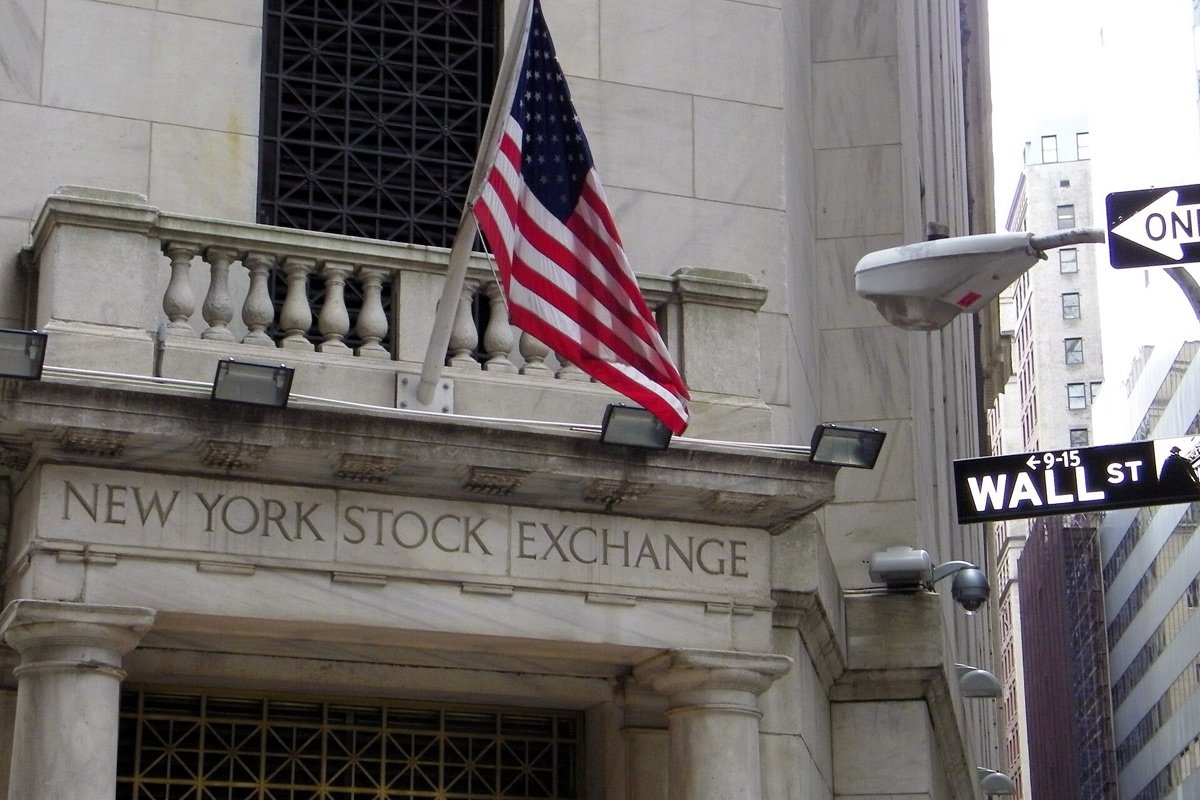
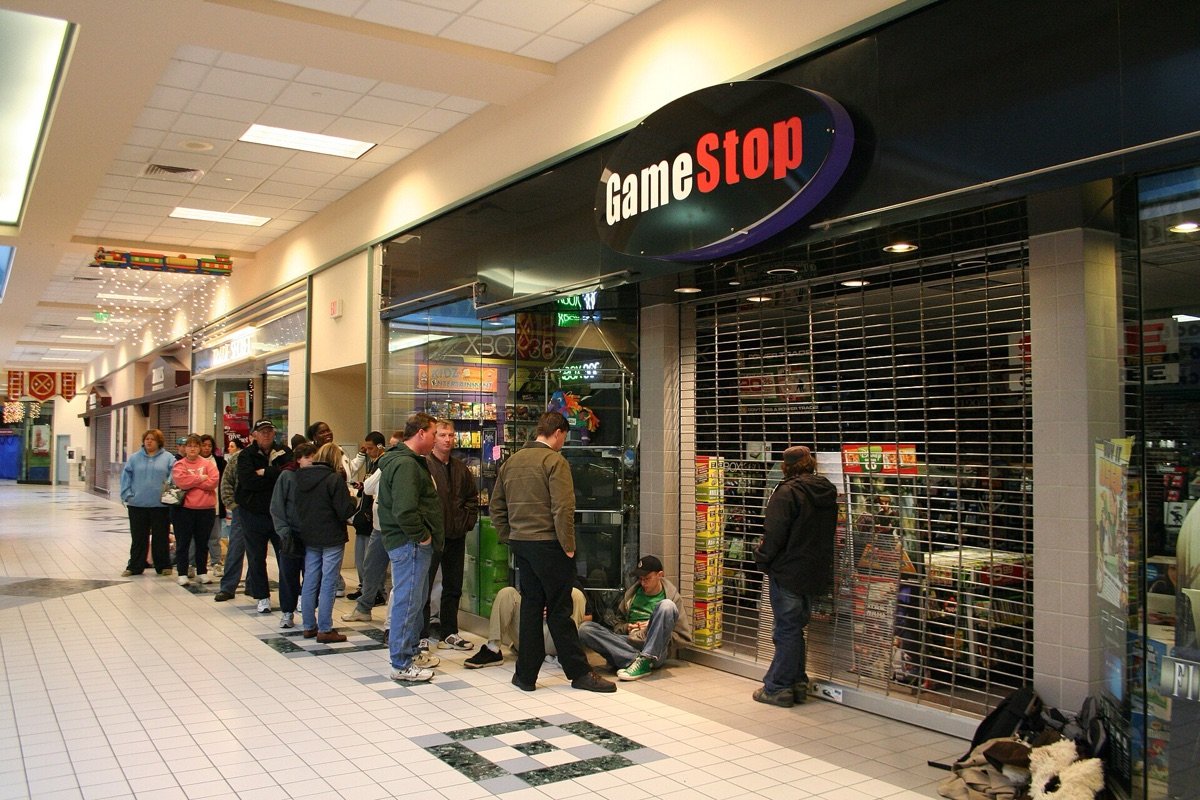
In January 2021 shares in GameStop, a mall-based video-game chain that many professional investors expected to shrink into irrelevance, rose from a $17.25 close on 4 January to an intraday high of $483 on 28 January. Millions of people who had never followed short interest, options or clearinghouses suddenly did. The GameStop short squeeze is usually told as Reddit beating Wall Street. The official record, mainly the SEC staff report of October 2021, tells a more interesting story: enthusiastic buying did most of the work, trapped short sellers did less than legend says, and the buy button disappeared because of the market’s plumbing, not a phone call from a hedge fund. Five years on, GameStop is sitting on billions of dollars it raised from the frenzy, and in 2026 it tried to buy eBay.
💡 Short Answer
The GameStop short squeeze was the January 2021 surge in GME shares from about $17 to an intraday high of $483 (about $120.75 after the 2022 split). Short interest had reached 122.97% of the float, and retail traders organised partly on Reddit’s r/wallstreetbets piled in. The SEC later found that buying sentiment, not short covering or a gamma squeeze, sustained the rise. On 28 January Robinhood and other brokers restricted purchases after clearinghouse deposit calls, and the price collapsed to $40.59 by 19 February.
The GameStop Short Squeeze: Key Questions
The GameStop Squeeze in Ten Points
- The move: $17.25 on 4 January 2021 to a $483 intraday high on 28 January, then $40.59 by 19 February.
- Split warning: all 2021 prices are pre-split; divide by four to compare with charts after July 2022.
- The setup: short interest reached 122.97% of the float and had hovered near 100% through 2020.
- The spark: Ryan Cohen’s board seats on 11 January, then a viral following on r/wallstreetbets and Keith Gill’s two-year-old thesis.
- Not mainly a short squeeze: the SEC found buy-to-cover was a small fraction of buying; sentiment sustained the rally.
- No gamma squeeze found: individual investors’ options buying was mostly puts, and market makers were buying calls.
- The buy button: Robinhood restricted purchases after a clearinghouse deposit call of about $3 billion, not on orders from hedge funds.
- Losers: Melvin Capital lost about 53% in January and shut in May 2022; many late retail buyers lost most of their stake.
- The real winner: GameStop sold more than $4.7 billion of new shares in 2021 and 2024.
- Legacy: T+1 settlement from May 2024, a lasting meme-stock culture, and a cash-rich GameStop that bid $56 billion for eBay in 2026.
The Squeeze in One Chart
Closing prices on selected days, pre-split dollars.
Why Short Selling Made GameStop Explosive
A short seller borrows shares, sells them and hopes to buy them back later for less. Borrow at $20, sell at $20, buy back at $10, and the profit is $10. But if the price rises to $100 the loss is $80, and in principle there is no ceiling on how much a short can lose. When a lot of short sellers are crowded into the same stock and the price starts rising, some may have to buy back in a hurry, either because their losses hit risk limits or because their brokers demand more collateral. That buying can push the price up further. That feedback loop is a short squeeze.
GameStop was an extreme case of crowding. The SEC report says short interest reached 122.97% of the public float in January 2021, far above other meme stocks. More than 100% is possible because a borrowed share that is sold can be lent again by its new owner and shorted a second time. It had cost more than 100% a year to borrow GME shares in the second quarter of 2020, a sign of how hard the trade was to maintain.
What Actually Drove the Price: Legend vs Record
The SEC staff report is the most detailed public analysis, based on trade-level data from the Consolidated Audit Trail.
Retail buying and sentiment
Accounts trading GME daily went from under 10,000 to nearly 900,000. The SEC concluded it was ‘the positive sentiment, not the buying-to-cover, that sustained the weeks-long price appreciation’.
Short covering
Large short sellers did buy to cover, but that was ‘a small fraction of overall buy volume’, and the price stayed high after its effect would have faded.
A gamma squeeze
Options trading exploded, from $58.5 million on 21 January to $2.4 billion on 27 January for individuals, but mostly in puts. Market makers were buying calls, not writing them.
Media and social media
Every new high made headlines, and r/wallstreetbets grew by millions of members in days. Elon Musk’s ‘Gamestonk!!’ tweet on 26 January poured on more fuel.
Clearing and broker limits
Margin calls from the NSCC led brokers to restrict buying on 28 January. The decline ‘coincided’ with the restrictions, though the SEC did not say they caused it.
A wider frenzy
Since the start of 2020, 134 stocks had at least one bigger one-day rise than GameStop’s largest. On 27 January Koss rose 480% and AMC 301%.
Could a heavily shorted stock actually squeeze? Move the sliders.
A teaching model, not a trading tool. The weights are illustrative, loosely based on what the SEC found mattered in January 2021.
High short interest does not guarantee a squeeze. Price, liquidity, borrow availability, options positioning and, above all, whether buyers keep arriving all matter. In GameStop’s case the SEC found buying by enthusiastic investors, not forced covering, did most of the work.
Why the Buy Button Disappeared
The most contested day of the episode, explained through the clearing system.
When you buy a share, the trade takes time to settle; in 2021 that was two business days. During that gap the clearinghouse, the NSCC, guarantees the trade, and it protects itself by demanding collateral from brokers based on how volatile their customers’ positions are. When GME moved by hundreds of dollars a day, that collateral bill exploded.
On 27 January the NSCC made intraday margin calls of $6.9 billion on 36 clearing members, taking total margin across members to $25.5 billion. Early on 28 January, Robinhood’s clearing arm received an automated notice of a deposit deficit of about $3 billion, including an excess-capital premium charge triggered because its risk had outgrown its capital. Robinhood switched GME, AMC and several other stocks to closing trades only. The NSCC then waived the excess-capital charge for all members, leaving Robinhood’s requirement at about $1.4 billion, nearly ten times what it had been on 25 January. Robinhood met it. It went on to raise $3.4 billion from investors in a few days.
Many traders saw a rigged game: the little guys could only sell while professionals could still buy. That suspicion was understandable, and it fuelled the Congressional hearing. But the SEC report notes that the NSCC cannot order brokers to stop trading particular stocks, and that the decisions were the brokers’, made in reaction to margin calls. Tenev and Griffin both denied under oath that hedge funds or Citadel had asked for the restrictions. No evidence has emerged that they did.
The GameStop Timeline, 2019–2026
Newest first. Tags mark market events, company moves, regulation and the people involved.
Record quarterly profit, and Cohen keeps buying Company
GameStop reported second-quarter operating income of $160.2 million, the highest in its history for that quarter, even as net sales fell 19% to $790.2 million. Collectibles, mostly trading cards, rose 57% to $356.3 million and are now 45.1% of sales. It held about $5.4 billion in cash, securities and digital assets, plus about 43.4 million eBay shares worth $4.9 billion, and raised its full-year adjusted EBITDA outlook to more than $650 million.
Ryan Cohen bought about 2.6 million more shares in September at between roughly $20 and $23.50, taking his direct stake to about 41 million shares. At around $23, the stock was worth about $92 in pre-split terms, still far below January 2021’s $483 high.
A $56 billion bid for eBay Company
Having built a stake of about 5% in eBay, GameStop offered $125 a share, about $56 billion, half in cash and half in GameStop stock, backed by a $20 billion financing commitment from TD Securities. That was several times GameStop’s own market value of about $12 billion. eBay’s board called the proposal ‘neither credible nor attractive’. Cohen vowed in July to keep pursuing eBay, withdrew a performance pay award so management could focus on the deal, and in August was reported by Bloomberg to be weighing a partnership instead. GameStop’s September results still called the acquisition ‘proposed’.
Bitcoin and billions in convertible debt Company
GameStop added bitcoin as a treasury reserve asset, raised $1.3 billion in zero-coupon convertible notes in March and announced on 28 May that it had bought 4,710 bitcoin, then worth about $500 million. In June it sold another $2.25 billion of convertible notes, upsized from $1.75 billion. In 2026 it retired about $1.4 billion of those notes, cutting debt to $2.8 billion.
T+1 settlement arrives Regulation
US share trades began settling one business day after the trade instead of two. Shorter settlement means a clearinghouse is exposed for less time, so it needs less margin from brokers in volatile markets. The SEC cited the January 2021 meme-stock episode when it adopted the rule; it is one of the few concrete regulatory changes that can be traced back to GameStop.
2024
Roaring Kitty returns, and GameStop sells $3 billion of stock People
Keith Gill broke almost three years of silence with a meme on 12 May; GME rose 74% the next day. On 2 June he posted a screenshot showing about 5 million shares and 120,000 call options, worth about $116 million. GameStop used the frenzy to sell 45 million shares for $933 million in May and 75 million for $2.137 billion in June. On 7 June, the day of Gill’s first livestream since 2021, GameStop released results early and disclosed the second sale, and the stock fell about 39%.
Ryan Cohen becomes CEO; ‘Dumb Money’ hits cinemas People
Cohen, who had become chairman in June 2021, took over as chief executive, pursuing cost cuts and store closures rather than the e-commerce transformation investors had hoped for. The same month Hollywood released Dumb Money, with Paul Dano as Keith Gill, turning the episode into a mainstream underdog story.

Four-for-one stock split Market
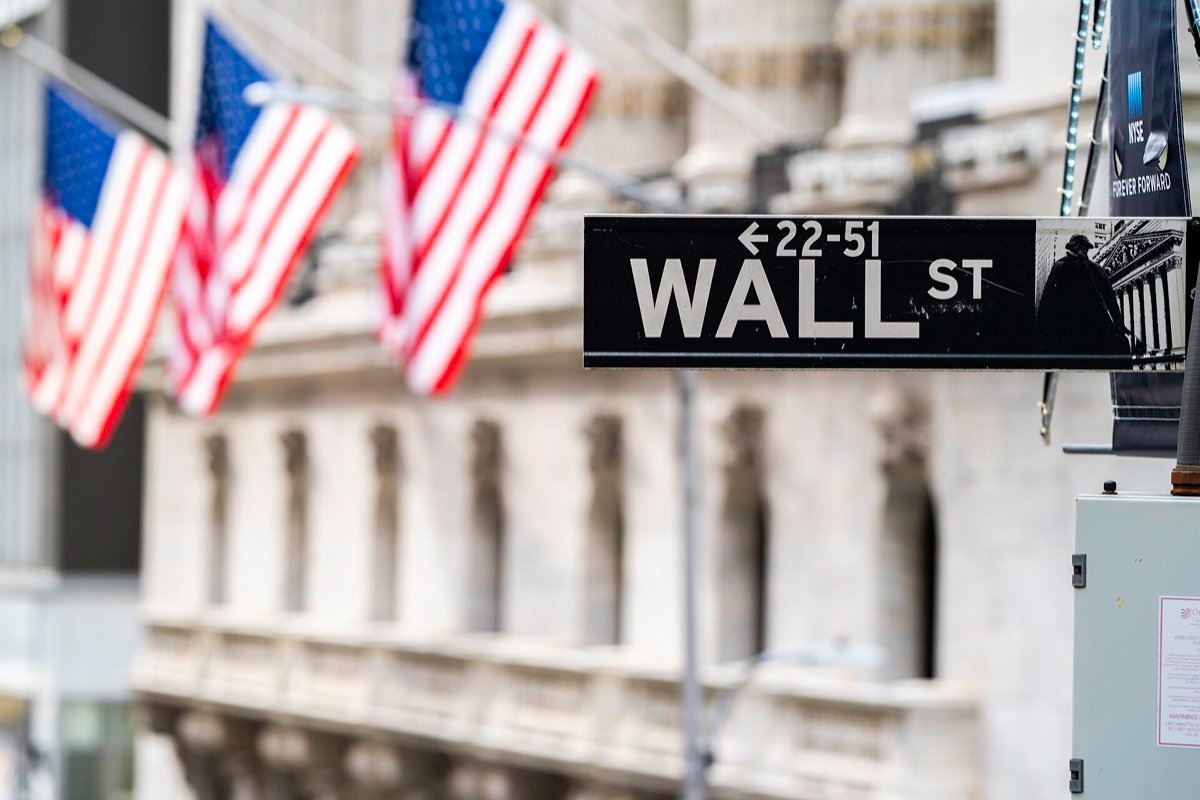
GameStop split each share into four, paid as a stock dividend. Every 2021 price in this story is pre-split: the $483 high is about $120.75 on a split-adjusted chart and the $17.25 starting point about $4.31. Mixing the two is one of the most common mistakes in retellings.
Melvin Capital shuts down Market
Gabe Plotkin told clients he would wind down Melvin’s funds and return money, after a failed attempt to recover from the January 2021 losses and a further slump in 2022. The fund that had become the face of the losing side of the trade was gone 16 months later.
The SEC staff report Regulation
The SEC’s staff report on equity and options market conditions in early 2021 remains the most detailed official account. It found that buy-to-cover purchases by large short sellers were a small part of total buying, that there was no evidence of a gamma squeeze, and that it was ‘the positive sentiment, not the buying-to-cover, that sustained the weeks-long price appreciation’. It also concluded that hedge funds broadly were not significantly affected.
Why it matters: the most popular explanation of the episode, a mechanical squeeze of trapped shorts, was not what the regulator’s data showed.
Robinhood goes public Market
Robinhood listed six months after the restrictions, reserving a large slice of its IPO for its own customers. The shares fell 8% on the first day. Its prospectus disclosed that purchase limits on some stocks had lasted from 28 January to 5 February 2021, and that it faced about 50 proposed class actions over them.
2021
GameStop cashes in Company
Unlike most companies caught in a squeeze, GameStop turned it into money: it sold new shares at prices it could not have dreamed of a year earlier, used the proceeds to pay off debt, and ended 2021 with more than $1 billion in cash. Ryan Cohen became chairman in June.
2021
‘Game Stopped?’: the Congressional hearing Regulation
Robinhood’s Vladimir Tenev, Citadel’s Ken Griffin, Melvin’s Gabe Plotkin, Reddit’s Steve Huffman, Keith Gill and Cato Institute scholar Jennifer Schulp testified by video. Tenev said Robinhood did not restrict trading at the request of hedge funds; Griffin denied that Citadel had asked it to. Gill’s opening statement summed up his thesis: ‘I like the stock.’
The collapse, and the rebound Market
GME fell more than 86% from the 28 January intraday high to the close at the end of the first week of February, and closed at $40.59 on 19 February. It was still more than double its early-January price, and it bounced back above $100 by the end of the month. Buyers at $300 to $400 had nonetheless lost most of their money.
2021
$483, and the buy button disappears Market
GME hit $483 in the morning, then fell as Robinhood, Interactive Brokers and other retail brokers stopped customers opening new positions in GME, AMC and several other meme stocks. Before dawn Robinhood’s clearing broker had been told by the National Securities Clearing Corporation that it had a deposit deficit of about $3 billion. The NSCC waived an excess-capital charge and Robinhood met the remaining requirement of about $1.4 billion; it then raised $3.4 billion from investors over the following days.
Why it matters: for millions of new investors, the market’s normally invisible plumbing became the story.
2021
$347.51: a 1,600% rise in 11 trading days Market
GME closed at $347.51, up $199.53 in a day and more than 1,600% from its 11 January close. Melvin Capital said it had closed its GameStop short. Across the market the frenzy spread: Koss rose 480% that day, AMC 301% and Naked Brand 252%, all bigger single-day gains than any GameStop managed. The NSCC made intraday margin calls of $6.9 billion on 36 clearing members.
2021
Citadel and Point72 rescue Melvin; ‘Gamestonk!!’ Market
Melvin Capital, down about 30% in three weeks and heading for a 53% January loss, took $2.75 billion from Citadel and Point72. On the evening of 26 January Elon Musk tweeted ‘Gamestonk!!’ with a link to r/wallstreetbets, whose membership was surging past several million.
2021
$43 to $72 in three hours Market
The SEC report records GME rising from $43 to $72, a 71% jump, in about three hours on 22 January, the day of the highest share volume of the month. It closed at $65.01. Options trading by individual investors rose nearly tenfold from the day before, to $563 million.
2021
The first big jump Market
GME rose 57% in a day as trading volume jumped twentyfold. The number of accounts trading the stock rose more than sixfold in a day, from 9,220 to 60,515, according to data from the Consolidated Audit Trail.
2021
Ryan Cohen joins the board People
GameStop agreed to appoint Cohen, Alan Attwood and Jim Grube to its board after pressure from Cohen’s RC Ventures, which owned about 13% of the company. The stock touched $20.65, about 17% above the previous close, as investors bet on an e-commerce turnaround led by the man who had built Chewy.
Short interest near 100% all year Market
Short interest hovered around 100% of the public float for most of the year, and in the second quarter it cost more than 100% a year to borrow GME shares to short them. The pandemic shut stores while digital downloads grew. Ryan Cohen disclosed a stake of almost 10% in August, and Reddit users noted GME’s 84% short-interest ratio as early as April.
The thesis starts on Reddit People
Michael Burry, famous for betting against US housing before 2008, disclosed a stake in GameStop and urged it to buy back shares. In September Keith Gill posted his GME position on r/wallstreetbets and began updating it regularly; his long YouTube streams as Roaring Kitty argued the market had written the company off too early.
The Key Trading Days
Closing prices, pre-split and split-adjusted. Swipe sideways on mobile.
| Date (2021) | Close (pre-split) | Split-adjusted | What happened |
|---|---|---|---|
| 4 Jan | $17.25 | $4.31 | Starting point |
| 11 Jan | $19.94 | $4.99 | Cohen board deal announced |
| 13 Jan | $31.40 | $7.85 | Volume 144M shares, up from 7M |
| 22 Jan | $65.01 | $16.25 | $43 to $72 in three hours; 197.2M shares |
| 26 Jan | $147.98 | $37.00 | Melvin rescue; ‘Gamestonk!!’ |
| 27 Jan | $347.51 | $86.88 | Record close; Melvin covers |
| 28 Jan | $193.60 | $48.40 | $483 intraday high; broker restrictions |
| 29 Jan | $325.00 | $81.25 | Restrictions partly eased |
| 2 Feb | $90.00 | $22.50 | Collapse below $100 |
| 19 Feb | $40.59 | $10.15 | February low close |
Pick when you bought and when you sold GameStop in 2021.
Pre-split prices. Illustrative only: ignores commissions, taxes, spreads and the fact that few people bought or sold at exactly these prices.
Who Testified on 18 February 2021
| Witness, 18 Feb 2021 | Role | Key point |
|---|---|---|
| Vladimir Tenev | CEO, Robinhood | Restrictions were driven by NSCC deposit requirements, not hedge funds |
| Ken Griffin | CEO, Citadel and Citadel Securities | Denied asking Robinhood to restrict trading |
| Gabe Plotkin | Founder, Melvin Capital | Said Melvin closed its GME short and was not bailed out |
| Steve Huffman | CEO, Reddit | Defended r/wallstreetbets as legitimate discussion |
| Keith Gill | Individual investor (Roaring Kitty) | ‘I like the stock’; denied soliciting others |
| Jennifer Schulp | Cato Institute | Warned against restricting retail access |
Who Won, Who Lost
Early buyers
Keith Gill’s roughly $53,000 position from 2019 was worth tens of millions at the peak. Some long-holding funds also made hundreds of millions.
Late buyers
Anyone who bought at $200 to $483 and sold in February lost most of their stake. There is no reliable total of retail losses.
Melvin Capital
Down about 53% in January, rescued with $2.75 billion, closed in May 2022. Its thesis about the business was not wrong; its timing and position size were.
Robinhood
Gained millions of customers and listed in July 2021, but its reputation with its own users never fully recovered from 28 January.
GameStop the company
Sold more than $4.7 billion of new shares across 2021 and 2024 and turned from indebted retailer to cash-rich holding company.
The hedge-fund industry
The SEC found hedge funds broadly were not significantly affected and saw no liquidity problems at advisers it monitored.
How GameStop Turned the Frenzy Into Cash
The company was arguably the biggest winner of all.
| When | How GameStop raised money | Amount |
|---|---|---|
| Apr 2021 | At-the-market sale of 3.5M shares | $551.7M net |
| Jun 2021 | At-the-market sale of 5M shares | About $1.1B net |
| May 2024 | At-the-market sale of 45M shares | $933.4M gross |
| Jun 2024 | At-the-market sale of 75M shares | $2.137B gross |
| Mar 2025 | Zero-coupon convertible notes | $1.3B |
| Jun 2025 | Zero-coupon convertible notes (upsized) | $2.25B |
That money changed what GameStop is. Sales have kept shrinking as stores close and game purchases move online, from about $5.1 billion in fiscal 2020 to under $1 billion a quarter now. But interest on the cash pile, the bitcoin position and a pivot to trading cards have have made it profitable. In the quarter to 1 August 2026, net sales fell 19% to $790.2 million while net income rose to $298.7 million. In May 2026 Ryan Cohen used that balance sheet as the springboard for an unsolicited, roughly $56 billion offer for eBay, which eBay rejected.
Corrections and Clarifications
Claims in the material this page was built from, and in common retellings, checked against the SEC record.
“Call buying set off a gamma-hedging loop”
The SEC staff ‘did not find evidence of a gamma squeeze’. Individuals’ options buying was driven mainly by puts, and market makers were net buyers of calls.
“Forced short covering drove the price”
Covering by large short sellers was ‘a small fraction of overall buy volume’. The SEC said sentiment, not covering, sustained the rise.
“GameStop hit $483”
True in pre-split dollars. After the July 2022 four-for-one split, today’s charts show the high as about $120.75.
“The Senate Banking Committee noted $3 billion falling to $1.4 billion”
The figures come from Tenev’s written testimony to the House on 18 February 2021 and the SEC report, not a Senate finding. The drop came from an NSCC waiver of an excess-capital charge; $1.4 billion was nearly ten times the 25 January requirement.
“By February the episode had largely unwound”
The price fell to $40.59 on 19 February but was back above $100 by the end of the month, and the meme trade returned in 2021 and again in 2024.
What happened next
Melvin’s 2022 closure, the 2022 split, Roaring Kitty’s 2024 return, T+1 settlement, GameStop’s bitcoin buying and its 2026 eBay bid were all absent from the original material.
What GameStop Changed
Retail as a force
Funds now monitor Reddit, X and retail order flow as a risk factor, and crowded shorts are treated with more caution.
Shorter settlement
T+1 settlement from May 2024 cut the time a clearinghouse is exposed and the collateral it needs in a frenzy.
Payment for order flow
Zero-commission brokers’ reliance on wholesalers came under scrutiny; SEC proposals in 2022 to change order routing were not adopted.
Meme stocks
‘Diamond hands’, ‘to the moon’ and ‘apes’ entered the language; AMC and others used meme demand to raise capital too.
What to Watch Next
Bid, partnership or retreat
Whether GameStop formally withdraws its offer, pursues a proxy fight or settles for a store partnership.
Third-quarter results
Whether collectibles keep growing fast enough to offset falling game and hardware sales.
What Cohen buys
With about $5.4 billion in cash and investments plus the eBay stake, the next acquisition matters more than the next quarter.
The next spike
Social-media-driven surges still recur; each one is a chance for GameStop to sell more stock.
Quick Quiz
1. What was GameStop’s intraday high on 28 January 2021?
2. What did the SEC say sustained the price rise?
3. Why did Robinhood restrict buying on 28 January?
4. Which stock rose most on 27 January 2021?
5. Which rule change can be traced to the episode?
Explore More Timelines
People Also Ask
Frequently Asked Questions
The Bottom Line
The GameStop short squeeze was real, but it was not the simple story of trapped short sellers being forced to buy. The regulator’s data show a crowd of new investors buying because they believed in the stock, in the trade or in the fight, and a heavily shorted company that was unusually exposed to that crowd. When the clearing system demanded collateral, brokers pulled the brakes, and the most damaging myth of the episode was born.
Five years later the clearest winner is GameStop itself, which turned a market frenzy into billions in cash and a chief executive bold enough to bid for eBay. The lesson for everyone else is older than Reddit: a price can rise far beyond what the business is worth, and most of the money is made, and lost, by when you buy and when you sell.
Related AiTimeline Stories
⚠️ Editorial Note
Last updated 6 October 2026. Prices for 2021 are pre-split closing or intraday prices; split-adjusted figures divide by four. Market data for January and February 2021 are from the SEC staff report on equity and options market structure conditions in early 2021 (14 October 2021) and exchange records. Robinhood’s clearing figures are from Vladimir Tenev’s written testimony of 18 February 2021 and its prospectus; GameStop figures are from its SEC filings, including the second-quarter 2026 results of 8 September 2026. Reports about the eBay offer after May 2026 are from news coverage and may change. This article is not investment advice.
Sources & further reading
Every dated entry above was checked against these references. Last reviewed 6 October 2026.
- SEC staff report on equity and options market structure conditions in early 2021 (14 October 2021)
- Written testimony of Vladimir Tenev, Robinhood, to the House Financial Services Committee hearing 'Game Stopped?' (18 February 2021)
- House Financial Services Committee hearing record: Game Stopped? Who Wins and Loses When Short Sellers, Social Media, and Retail Investors Collide
- GameStop announces four-for-one stock split (Form 8-K, July 2022)
- GameStop completes at-the-market offering of 75 million shares (June 2024)
- GameStop second-quarter fiscal 2026 results (8 September 2026)
- eBay rejects GameStop's $56 billion takeover bid (CNBC, 12 May 2026)
- Melvin Capital to wind down funds after losses (Bloomberg, 18 May 2022)