BlackBerry: Rise, Fall and Legacy of a Smartphone Icon
BlackBerry history from RIM's 1999 email pager to a US$19.9B peak, the iPhone-era collapse, the end of its phones and its 2026 QNX car-software comeback.
Latest Story
BlackBerry turned email into something people carried in their pockets, became the standard device for executives, governments and a generation of teenagers, then lost the smartphone war to the iPhone and Android in barely five years. This page follows the whole arc, from Research In Motion’s 1984 start in Waterloo, Canada, through the 2011 revenue peak and the 2013 collapse, to the profitable car-software and security company BlackBerry is in 2026.
The numbers explain why the story still fascinates. In the year to February 2011 BlackBerry’s revenue was US$19.9 billion. In the year to February 2026 it was US$549 million. Yet the company never disappeared: the operating system it bought in 2010 to save its phones, QNX, now runs inside more than 275 million cars and is growing faster than at any time in its history.
💡 Short Answer
BlackBerry, made by Canada’s Research In Motion, pioneered secure push email on a keyboard device from 1999 and led the US smartphone market in 2009. Revenue peaked at US$19.9 billion in fiscal 2011, but touchscreen iPhones and Android phones with app stores overtook it. BlackBerry 10 failed in 2013, phone-making ended in 2016, and legacy services shut down in 2022. Today BlackBerry is a profitable software company built on QNX car software and secure communications.
BlackBerry History: Key Questions
The BlackBerry Story in Ten Points
- Origin: Research In Motion, founded in Waterloo in 1984 by Mike Lazaridis and Douglas Fregin.
- Breakthrough: the 1999 BlackBerry 850 pushed company email to a keyboard pager as it arrived.
- Enterprise lock-in: BlackBerry Enterprise Server let IT departments secure and manage every device.
- Peak: 41.6% of US smartphone subscribers in 2009, US$19.9 billion revenue in fiscal 2011.
- Late answer: the 2008 Storm and 2011 PlayBook showed the old software could not compete.
- Collapse: BlackBerry 10 and the Z10 (2013) led to a US$934 million write-down and 4,500 job cuts.
- Rescue: a planned US$4.7 billion buyout became a US$1 billion Fairfax-led investment under John Chen.
- Exit from phones: in-house design ended in 2016; TCL’s licence ended in 2020; old services died in 2022.
- The asset that survived: QNX, bought in 2010, now runs in 275 million+ vehicles.
- 2026: a profitable software company; QNX revenue grew 27% in the latest quarter.
The Revenue Curve: Up, Down, Stable
Seventeen years of BlackBerry revenue in one chart.
The iPhone launched in June 2007, but RIM’s revenue kept climbing for almost four more years: from about US$6 billion in fiscal 2008 to US$19.9 billion in fiscal 2011, driven by cheaper Curve phones, BBM and growth in Asia, Latin America and the Middle East. That delay is central to the story. The business looked strongest exactly when the platform shift was becoming irreversible, so the warning signs, falling US share and slowing app development, were easy to dismiss.
Once the decline started it was brutal: revenue fell by roughly 40% or more in each of fiscal 2013, 2014 and 2015. Since 2018 BlackBerry has been a sub-US$1 billion software company. Revenue fell further after the 2025 sale of Cylance, but costs fell faster, and by 2026 BlackBerry was reporting consecutive quarters of profit.
Six Eras of BlackBerry
From email pager to the software inside your car.
Pick a device to see what it changed, and what it got wrong.
Eight landmark BlackBerry products, from the 1999 email pager to the last licensed Android keyboard phone.
Choose a device above
BlackBerry History: The Full Timeline
Newest first, from the September 2026 QNX record back to a 1984 start-up in Waterloo.
2026
Record QNX quarter Official
BlackBerry reports second-quarter revenue of US$163.3 million, up 26%, and a sixth straight quarter of GAAP profit (US$33.9 million). QNX revenue hits a record US$80.3 million, up 27%, helped by royalties. Coretura, the Volvo Group and Daimler Truck software joint venture, picks QNX’s Alloy Kore platform in what BlackBerry calls the largest design win in QNX history, adding more than US$100 million to its royalty backlog.
Guidance raised: fiscal 2027 revenue of US$616–636 million, with QNX at US$315–325 million. Secure Communications grows 2% to US$60.9 million.
2026
Back to growth, as a software company Official
For the year to February 2026 BlackBerry reports revenue of US$549.1 million, up 3%, its first annual growth in years, and net income of US$53.2 million. QNX brings in US$268.0 million, Secure Communications US$258.9 million and patent licensing US$22.2 million. QNX’s royalty backlog is put at about US$950 million, and BlackBerry says its software is embedded in more than 275 million vehicles.
2025
Cylance sold to Arctic Wolf Official
BlackBerry completes the sale of its Cylance endpoint-security business to Arctic Wolf, agreed in December 2024. It had paid US$1.4 billion for Cylance in 2019. About US$80 million in cash is paid at closing and about US$40 million a year later, after adjustments. The sale leaves BlackBerry with two clear businesses: QNX and Secure Communications.
New CEO, IPO plan dropped Official
John Chen, CEO since 2013, retires on 3 November 2023. On 11 December BlackBerry names John J. Giamatteo, head of its cybersecurity unit, as chief executive and drops a planned separate listing of its Internet of Things (QNX) business, choosing to run the divisions separately inside one company instead.
32,000 patents sold; the movie arrives Official
BlackBerry closes the sale of about 32,000 mostly mobile patents to Malikie Innovations on 11 May: US$170 million in cash, US$30 million more within three years and up to US$700 million in royalties. An earlier US$600 million deal agreed in early 2022 had fallen through. The same month Matt Johnson’s film BlackBerry, which premiered in Berlin in February, reaches cinemas.
The last planned BlackBerry phone is cancelled Reported
Texas start-up OnwardMobility, which in August 2020 had licensed the brand for a secure 5G phone with a physical keyboard, abandons the project and closes after losing the licence, according to reports. It ends the last serious attempt to sell a new BlackBerry-branded phone.
2022
Legacy BlackBerry services switched off Official
BlackBerry ends the infrastructure behind its own operating systems. Devices running BlackBerry 7.1 and earlier, BlackBerry 10 and PlayBook OS 2.1 and earlier can no longer be relied on for data, calls, SMS or emergency calls. For many former users this, more than any business decision, marks the end of the BlackBerry phone.
2020
TCL ends the licence Official
TCL Communication, which had designed, built and sold BlackBerry-branded Android phones since late 2016, says it will stop selling new BlackBerry devices after 31 August 2020. Its KEYone (2017) and KEY2 (2018) had kept the physical keyboard alive for loyal users but never reached the mass market.
2019
BBM closes for consumers
The consumer version of BlackBerry Messenger, run by Indonesian media group Emtek since 2016, shuts down. BBM had pioneered delivery and read receipts and PIN-based contacts, and in its heyday had tens of millions of users. Emtek says users have moved to other apps; WhatsApp alone has well over a billion by then.
Cylance bought for US$1.4 billion Official
BlackBerry completes the purchase of US cybersecurity company Cylance, which used machine learning to detect malware. It is the biggest acquisition in BlackBerry’s history and the centrepiece of John Chen’s plan to turn BlackBerry into a security software company. It did not pay off: Cylance was sold for a fraction of the price in 2025.
BlackBerry stops making phones Official
On 28 September 2016 BlackBerry says it will end in-house hardware development and outsource it to partners. In December TCL Communication signs a global brand licence; regional deals follow, including with BB Merah Putih in Indonesia and Optiemus Infracom in India in 2017. BlackBerry keeps the brand, security software and royalties; partners take the hardware risk.
Why it matters: after 17 years, the company named after a phone was no longer a phone maker.
Priv: BlackBerry goes Android
BlackBerry releases the Priv, its first Android phone, combining a slide-out physical keyboard with Google’s app store and BlackBerry’s security tools. A year earlier it had tried the opposite approach with the square-screened Passport (September 2014) and the Classic (December 2014), keyboard phones for loyalists running BlackBerry 10.
2013
Sale abandoned; John Chen takes over Official
BlackBerry drops the September plan to be bought for US$9 a share, about US$4.7 billion, by a group led by its largest shareholder, Fairfax Financial. Instead Fairfax and other investors provide US$1 billion through convertible debentures. CEO Thorsten Heins leaves and former Sybase chief John Chen becomes executive chair and interim CEO. In December the company reports a quarterly loss of about US$4.4 billion.
2013
The Z10 write-down Official
BlackBerry warns of a near-billion-dollar quarterly loss, mainly from unsold Z10 phones, and announces 4,500 job cuts, about 40% of its workforce. The final figure for the inventory charge is US$934 million. It also says it will narrow its phone range to business and prosumer users. A strategic review, including a possible sale, had started in August.
2013
RIM becomes BlackBerry; BlackBerry 10 launches
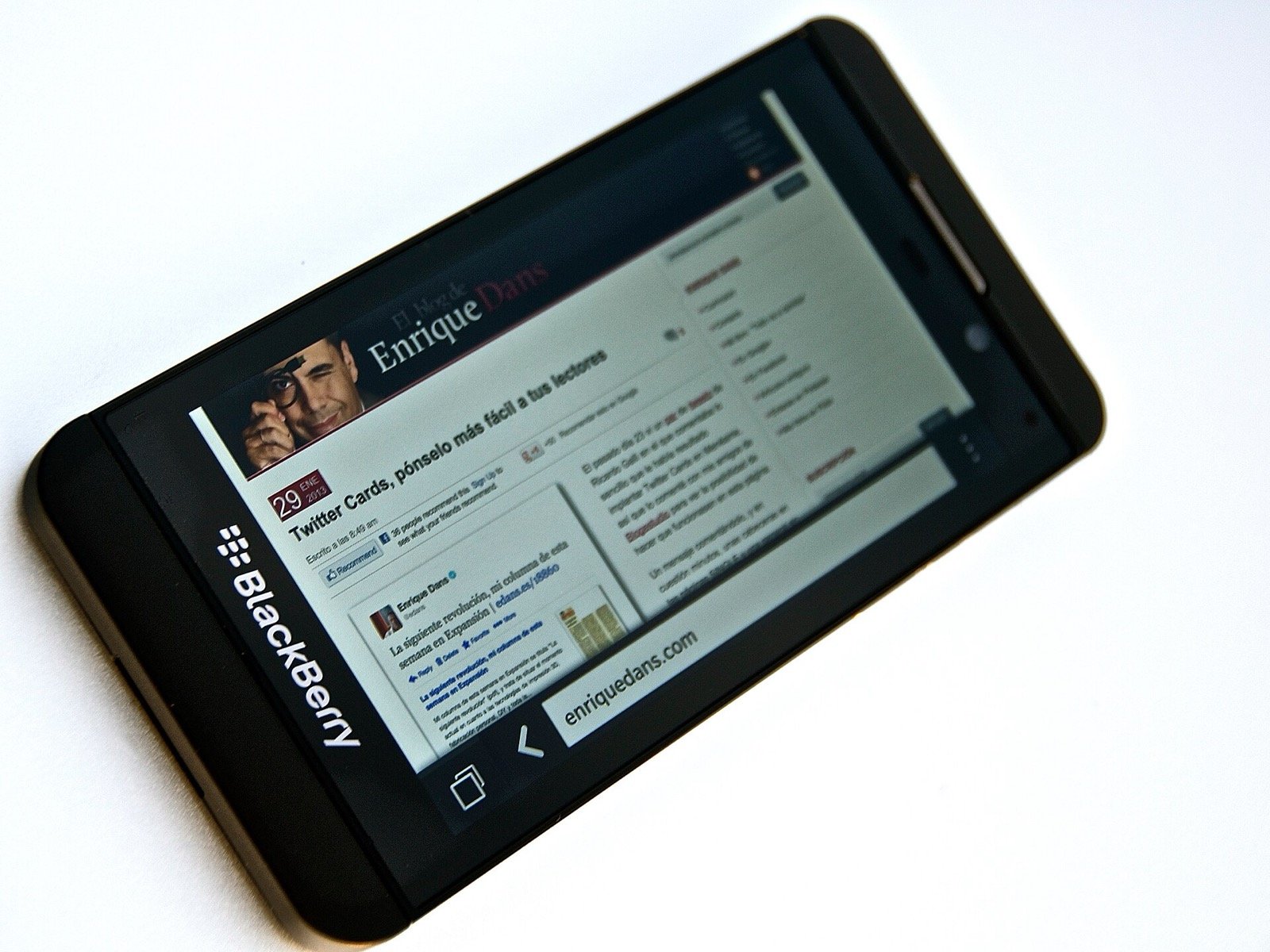
Research In Motion launches its long-delayed new operating system, BlackBerry 10, with the all-touchscreen Z10 and the keyboard Q10, and starts doing business as BlackBerry. Reviewers like BB10’s gesture interface and BlackBerry Hub inbox, but the app gap with iOS and Android is large, and the platform is five years behind the iPhone.
80 million subscribers, the top of a falling curve Official
RIM reports about 80 million BlackBerry subscribers, the highest it will ever report, up from 78 million in the previous quarter, largely thanks to emerging markets. But revenue is already shrinking fast: from US$19.9 billion in fiscal 2011 to US$11.1 billion in fiscal 2013. In January 2012 founders Mike Lazaridis and Jim Balsillie had handed the CEO role to Thorsten Heins.
The outage and the PlayBook
From 10 October 2011 a core-switch failure in RIM’s infrastructure disrupts email, BBM and browsing for millions of users across Europe, the Middle East, Africa, India, Latin America and North America for about three days. In December RIM takes a US$485 million pre-tax charge on unsold PlayBook tablets, launched in April without built-in email.
Android overtakes BlackBerry in the US Reported
comScore’s monthly survey puts Android ahead of RIM among US smartphone subscribers for the first time. A year earlier RIM had led with about 41–43%. Fiscal 2011, ending in February, is still RIM’s best year ever, with revenue of US$19.9 billion, which made the danger easy to underestimate.
RIM buys QNX Official
RIM agrees to buy QNX Software Systems, maker of a real-time operating system already used in cars and industrial equipment, from Harman. The plan is to use QNX as the base of a modern BlackBerry platform. It powers the PlayBook and BlackBerry 10, but its lasting value turns out to be in cars.
Why it matters: the purchase that could not save the phone business is what keeps BlackBerry alive in 2026.
India threatens to shut BlackBerry services Reported
Citing security concerns after the 2008 Mumbai attacks, India’s Home Ministry demands that RIM let security agencies read BBM and BlackBerry email by 31 August 2010 or face a ban. RIM offers interim access for consumer services and the deadline is extended. Saudi Arabia and the UAE make similar demands the same year. By 2013 BlackBerry is reported to have given India a lawful-interception system for consumer BBM and email; encrypted corporate email remains under company control.
The BlackBerry president
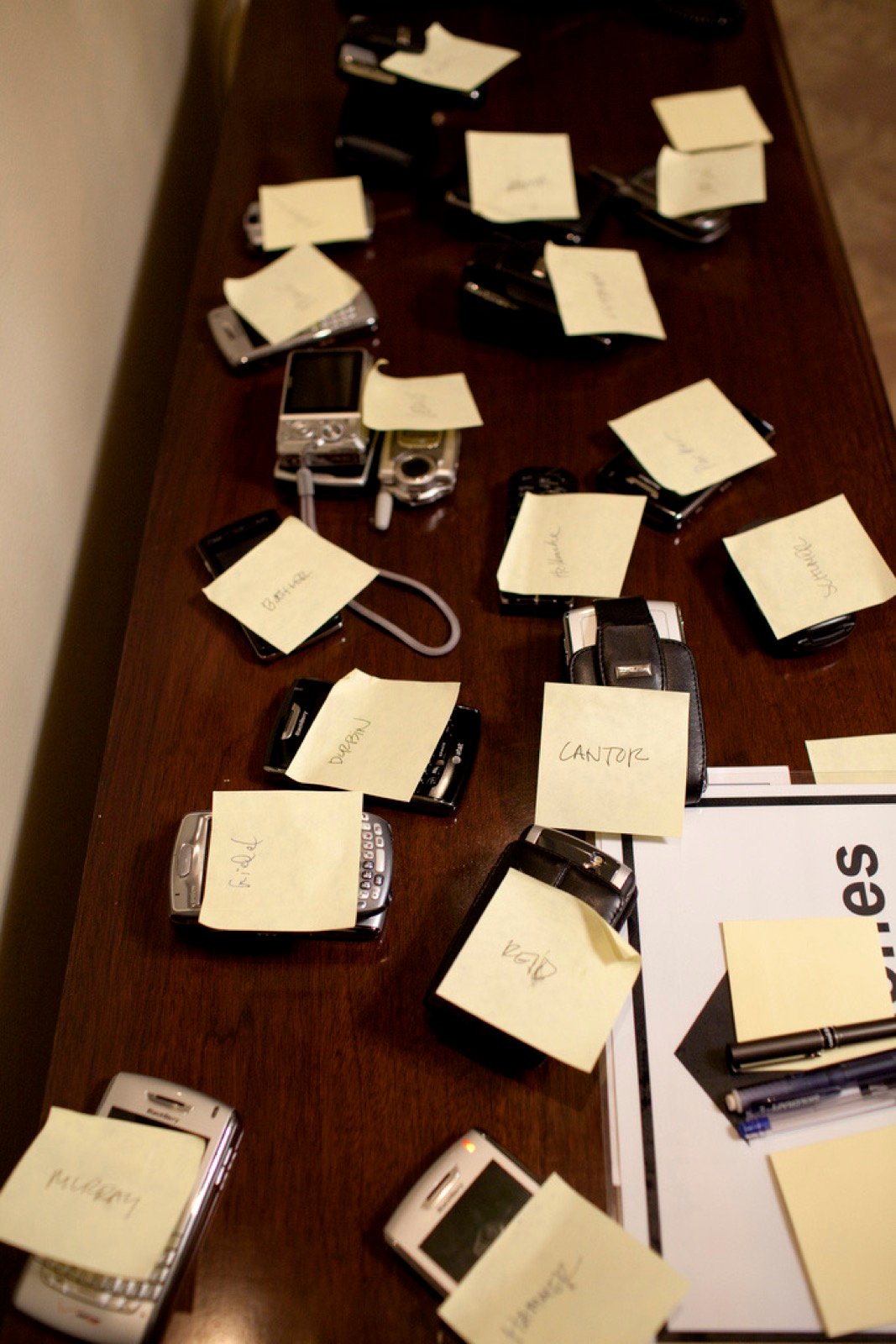
Barack Obama fights to keep his BlackBerry after taking office in January and is given a hardened device. RIM is the leading US smartphone platform with 41.6% of subscribers in December, per comScore, and fiscal 2010 (to February 2010) brings about 37 million devices shipped and more than 41 million subscriber accounts.
The iPhone arrives; RIM answers with Bold and Storm
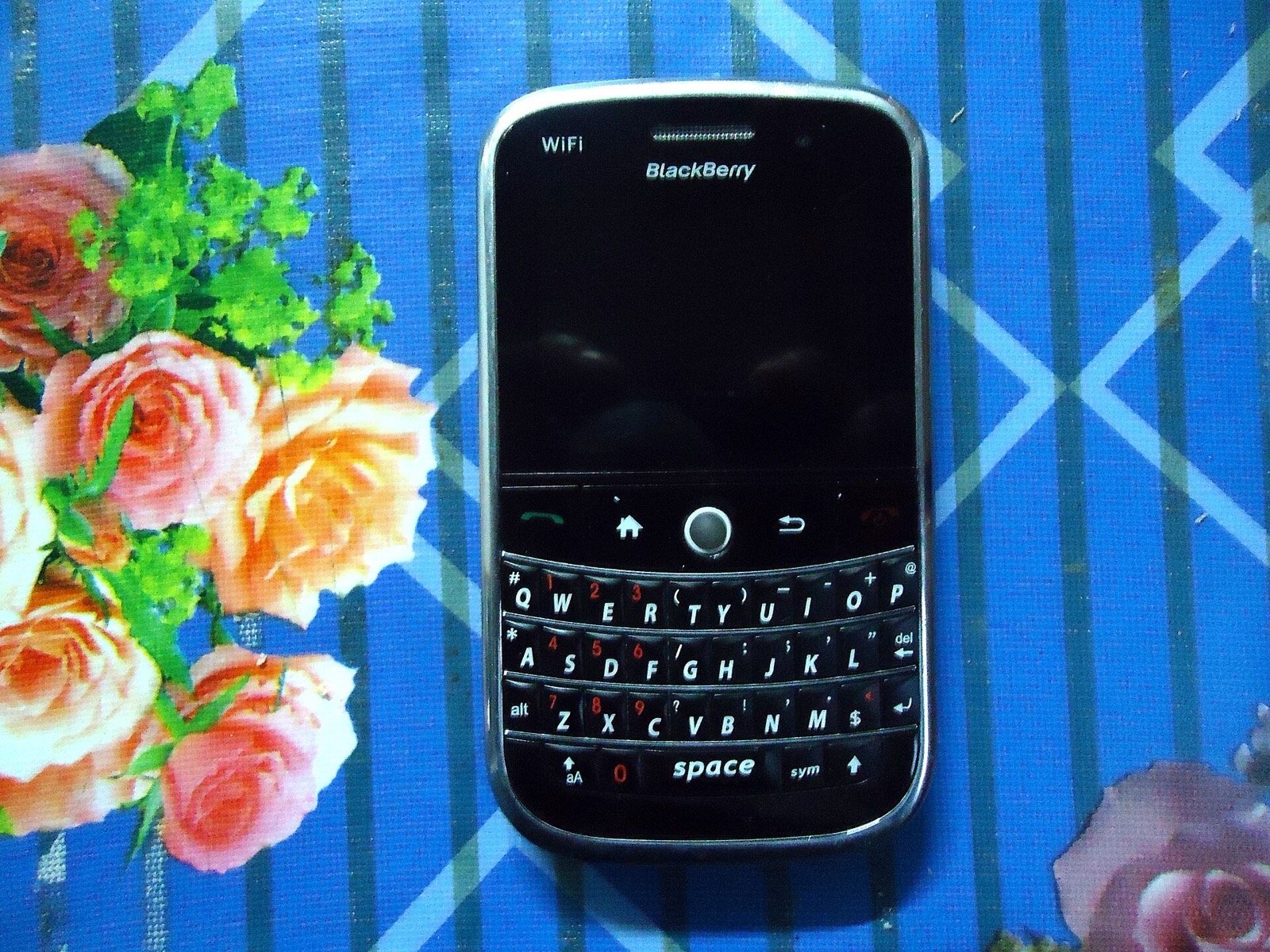
Apple’s iPhone goes on sale in the US on 29 June 2007 with a multi-touch screen and a full web browser; the App Store follows in July 2008. RIM keeps growing. Its shares peak at about US$148 in June 2008. It releases the keyboard Bold 9000 that summer and its first touchscreen, the Storm, in November 2008, whose clicking SurePress screen and buggy software disappoint reviewers.
NTP settlement and the consumer BlackBerry Official
On 3 March 2006 RIM pays US$612.5 million to settle a patent case brought by NTP that had threatened to shut down BlackBerry service in the US. In September it launches the Pearl 8100, a slimmer phone with a camera and a trackball aimed at consumers. “CrackBerry” is named Word of the Year by Webster’s New World College Dictionary.
The BlackBerry becomes a phone
The BlackBerry 5810 of 2002 is the first BlackBerry that can make voice calls, through a headset. The 6200 and 7200 series of 2003 add a built-in speaker and, on the 7230, a colour screen. With BlackBerry Enterprise Server, IT departments can now issue one device for email, calls and the corporate address book, and banks, law firms and governments adopt it as standard.
1999
The BlackBerry is born
RIM launches the BlackBerry 850, an email pager with a thumb keyboard that pushes new messages from a company’s mail server to the device as they arrive, over existing paging networks. It has no phone and no web browser. The name, suggested by the branding firm Lexicon, comes from the keyboard’s berry-like keys. RIM lists on Nasdaq in February.
Why it matters: “always-on” email changed office life before the smartphone existed.
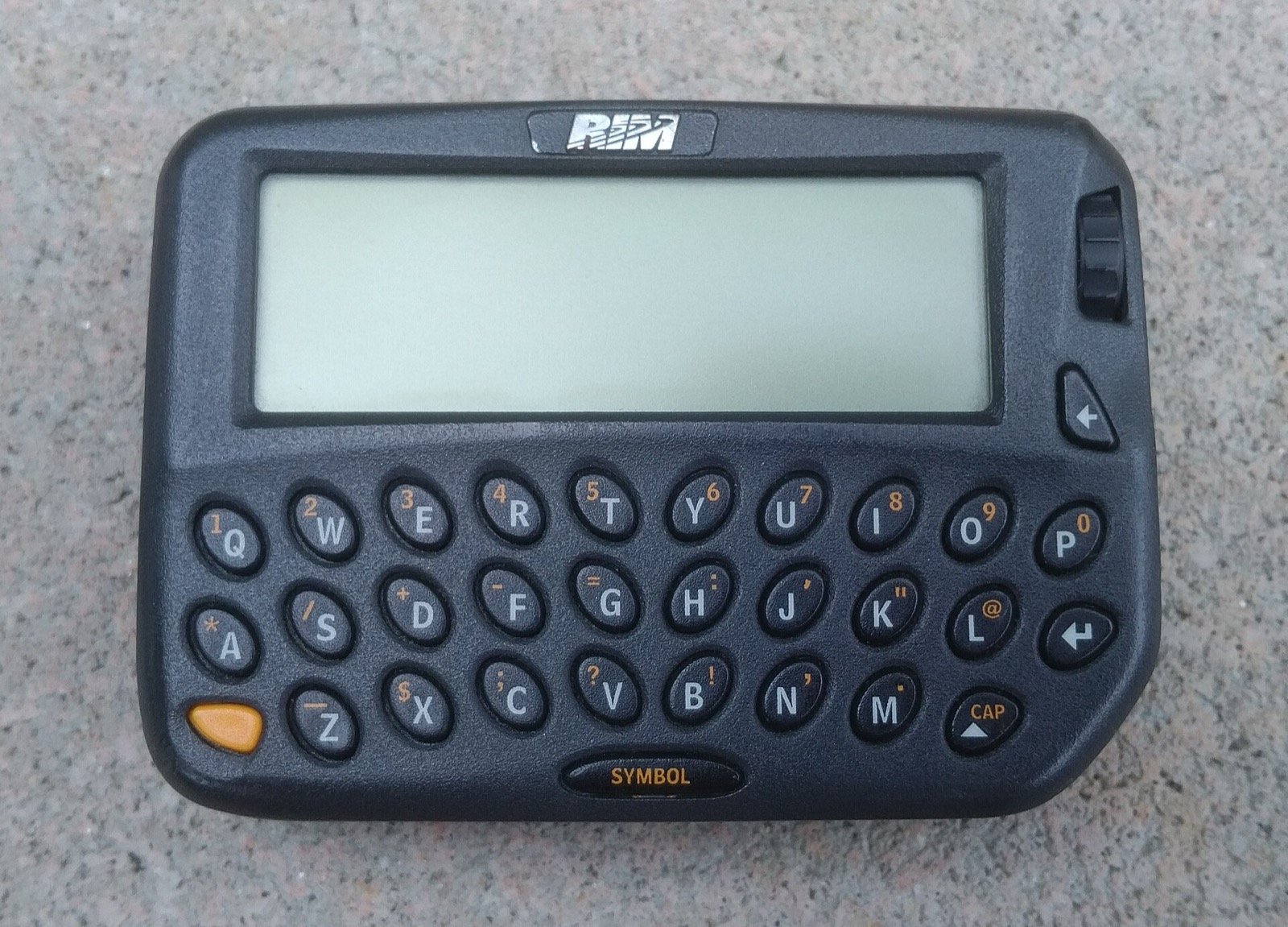
Research In Motion starts in Waterloo
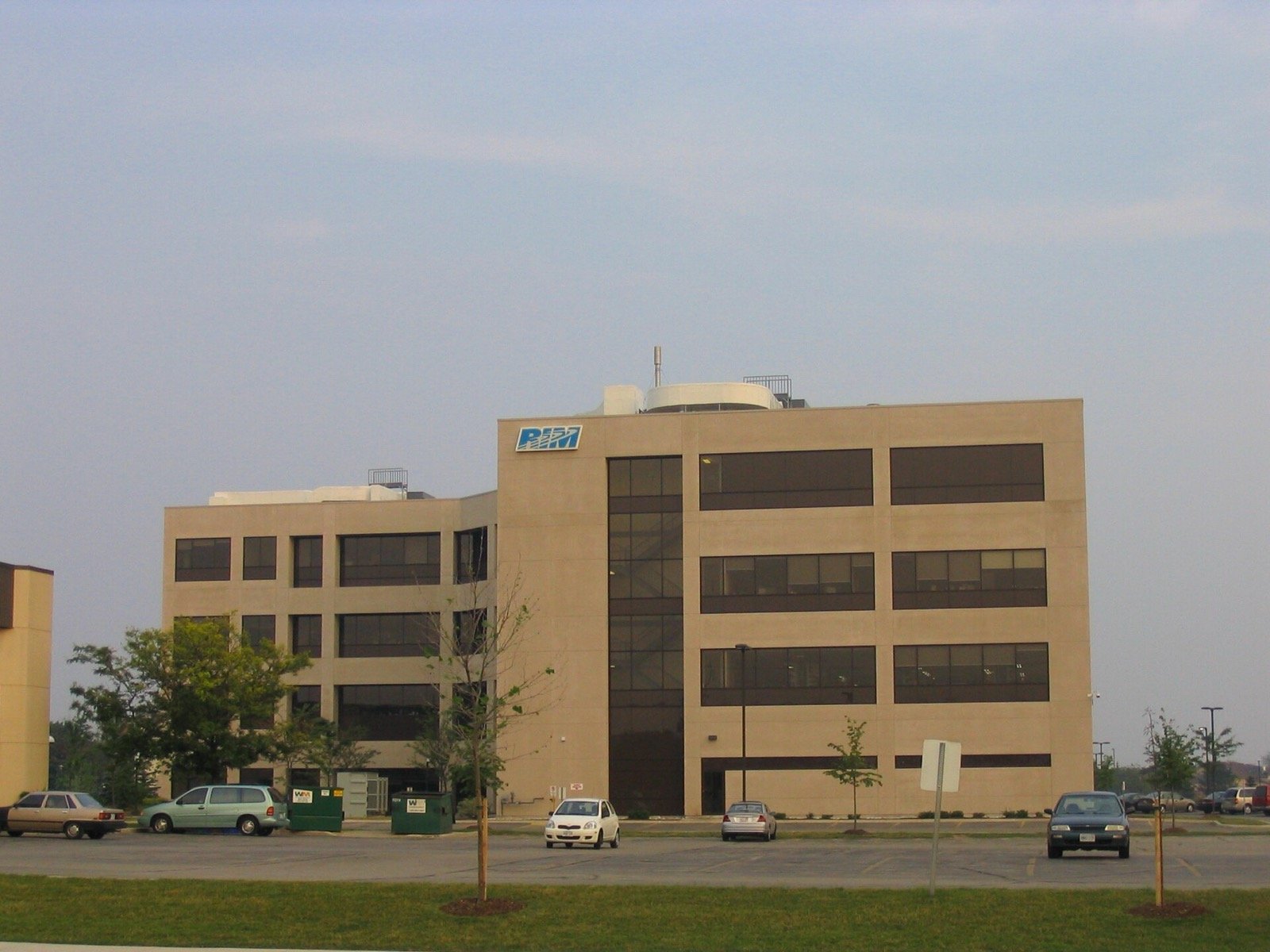
University of Waterloo engineering student Mike Lazaridis and University of Windsor student Douglas Fregin found Research In Motion in 1984. Early work includes LED signboards and wireless data products for the Mobitex network. Businessman Jim Balsillie joins in 1992 and becomes co-CEO. RIM lists on the Toronto Stock Exchange in 1997 and sells two-way Inter@ctive Pagers from 1996.
Why BlackBerry Lost the Smartphone War
Not one bad phone, but five problems at once.
The operating system aged
BlackBerry OS was built for pagers and slow networks. Its browser and touch support lagged, and the replacement, BlackBerry 10 on QNX, took until 2013. Apple and Google shipped modern systems from 2007 and 2008.
The app gap
Developers followed users to iOS and Android, and users followed apps. BlackBerry App World (2009) and BB10 never broke that loop, even with Android app compatibility.
Consumers took over
Phones were increasingly chosen by individuals, not IT departments. Employees brought iPhones to work, and companies adapted. BlackBerry’s strongest customer, the CIO, lost the decision.
Android at every price
BlackBerry’s late growth came from cheap Curves and BBM in emerging markets. Low-cost Android phones with WhatsApp took that base from about 2012.
Leadership and timing
Two co-CEOs ran the company until January 2012. The Storm and PlayBook were rushed, BB10 was late, and by the time RIM was ready, its market had gone.
Security and reliability
The same strengths kept governments as customers and made QNX a trusted base for car and industrial systems. That is the business that survived.
BlackBerry vs iPhone vs Android
Three different ideas of what a smartphone was for, around 2009.
| BlackBerry (c.2009) | iPhone | Android | |
|---|---|---|---|
| Core idea | Communication device: email, messaging, calls | Pocket computer: web, apps, media | Open platform for any maker, any price |
| Input | Physical keyboard, trackball | Multi-touch screen | Touchscreen, many designs |
| Apps | Few; App World from 2009 | App Store from July 2008 | Android Market (2008), later Google Play |
| Key customer | IT department, then consumers | Consumers, then businesses | Consumers and carriers worldwide |
| Network | Own NOC servers compress and route data | Carrier data, full web | Carrier data, full web |
| Strength | Security, battery, typing, data efficiency | Ease of use, design, ecosystem | Price range, scale, Google services |
| Weakness | Old OS, browser, app gap | Early lack of enterprise features | Fragmentation, early security concerns |
BlackBerry and India
Status symbol, security dispute and, later, a licensed comeback.
In India the BlackBerry was a symbol of corporate seniority in the late 2000s, and BBM and cheaper models such as the Curve made it popular with students around 2010–12. It also triggered one of the country’s first big fights over encrypted communication. In August 2010, citing the 2008 Mumbai attacks, the Home Ministry gave RIM until 31 August to let security agencies read BBM and BlackBerry email, or face a shutdown. RIM offered access to consumer services, the deadline was extended, and by 2013 BlackBerry was reported to have set up a lawful-interception arrangement for consumer BBM and email. Corporate BlackBerry Enterprise Server email, encrypted with keys held by the customer, remained out of RIM’s reach, which was the company’s argument from the start.
After BlackBerry stopped making phones, Optiemus Infracom took an Indian licence in 2017 and sold models including the KEYone under the BlackBerry name. The deal faded with the wider licensing programme. India’s phone market by then belonged to Android, a story told in our Xiaomi India timeline.
BlackBerry in 2026: What the Company Actually Does
Two businesses, one licensing stream, and no phones.
| Business | FY2026 revenue | Q2 FY2027 (to Aug 2026) | What it sells |
|---|---|---|---|
| QNX | US$268.0M | US$80.3M (+27%) | Real-time OS, hypervisor and safety software for cars, robots, industrial and medical devices; 275M+ vehicles |
| Secure Communications | US$258.9M | US$60.9M (+2%) | UEM device management, SecuSUITE encrypted calls and messaging, AtHoc critical-event alerts; government-heavy |
| Licensing | US$22.2M | about US$22M | Royalties and payments from the 2023 Malikie patent sale |
| Total | US$549.1M | US$163.3M (+26%) | Fiscal 2026 net income US$53.2M; Q2 FY27 net income US$33.9M |
BlackBerry Limited, still headquartered in Waterloo and listed as BB in New York and Toronto, is now led by John J. Giamatteo. Its fastest-growing unit is QNX, whose real-time operating system, hypervisor and safety-certified software sit inside digital cockpits, driver-assistance systems and, increasingly, robots and industrial machines. Carmakers pay royalties for every vehicle shipped, which is why the US$950 million royalty backlog matters more to investors than any single quarter.
Secure Communications is smaller-growth but steady: device management (UEM), encrypted voice and messaging for governments (SecuSUITE), and the AtHoc system that sends emergency alerts for agencies and large organisations. Its customers are the people who once carried BlackBerrys for the same reason: they cannot afford to have their communications intercepted.
BlackBerry in Numbers
| Figure | What it is | Context |
|---|---|---|
| 1984 | Research In Motion founded | Waterloo, Ontario |
| 19 Jan 1999 | BlackBerry 850 launched | First BlackBerry-branded device |
| US$612.5M | NTP patent settlement, 2006 | Avoided a US shutdown |
| ~US$148 | Peak share price, June 2008 | Nasdaq |
| 41.6% | US smartphone subscriber share, Dec 2009 | comScore |
| US$19.9B | Peak revenue, fiscal 2011 | Year to Feb 2011 |
| ~80M | Peak subscribers, Sep 2012 | Q2 fiscal 2013 |
| US$934M | Z10 inventory charge, 2013 | Plus 4,500 job cuts |
| US$1B | Fairfax-led rescue, Nov 2013 | Convertible debentures |
| 4 Jan 2022 | Legacy services shut down | BB7.1, BB10, PlayBook OS |
| ~32,000 | Patents sold to Malikie, 2023 | Up to US$900M |
| 275M+ | Vehicles with QNX software | BlackBerry, Apr 2026 |
| US$950M | QNX royalty backlog | End of fiscal 2026 |
Corrections to Claims Circulating Online
“Lazaridis founded RIM, later joined by Fregin”
Mike Lazaridis and Douglas Fregin co-founded Research In Motion together in 1984. Jim Balsillie was the one who joined later, in 1992.
“The 1999 BlackBerry 850 had web browsing”
The 850 was an email pager. Browsing and voice came later; the first BlackBerry able to make calls was the 5810 of 2002, not the 6210 of 2003.
“Google Play had millions of apps in 2010”
In 2010 the store was Android Market, with far fewer apps. It became Google Play in March 2012.
“Number-one smartphone brand in the US at the end of 2009”
The best-known figure is comScore’s: RIM led US smartphone subscribers with 41.6% in December 2009. That measures phones in use, not quarterly sales.
“QNX remains part of the story”
QNX is now BlackBerry’s largest business: US$268 million in fiscal 2026 and a record US$80.3 million in the September 2026 quarter.
A story that stopped in 2022
An earlier AI-generated draft of this page omitted the patent sale, the Cylance purchase and sale, the 2023 CEO change and BlackBerry’s return to profit. All are now included.
Did You Know?
- The name: branding firm Lexicon suggested “BlackBerry” because the keyboard keys looked like the seeds of the fruit.
- CrackBerry: Webster’s New World College Dictionary made it Word of the Year in 2006.
- A near shutdown: the 2006 NTP patent case could have switched off BlackBerry in the US until RIM paid US$612.5 million.
- Read receipts: BBM’s “D” and “R” delivery and read markers came before WhatsApp’s ticks.
- Presidential phone: Barack Obama kept a secured BlackBerry in the White House from 2009.
- Hidden in cars: QNX software is in more than 275 million vehicles, usually with no BlackBerry logo in sight.
Quick Quiz: BlackBerry History
1. What was the company behind BlackBerry originally called?
2. What could the first BlackBerry, the 850 of 1999, NOT do?
3. In which fiscal year did BlackBerry’s revenue peak?
4. How large was the 2013 Z10 inventory charge?
5. When were legacy BlackBerry services shut down?
6. Which BlackBerry business is now the largest?
Explore More Timelines
People Also Ask
Frequently Asked Questions
From Pockets to Infrastructure
BlackBerry did not fail because it stopped innovating. It solved mobile email, device security and instant messaging years before its rivals, and those ideas are now standard on every phone. It failed because the definition of a smartphone changed from a communication tool to a general-purpose computer, and an operating system and business model built for the first could not become the second fast enough. What remained, a reputation for security and an operating system trusted to run machines that cannot crash, turned out to be worth more than the brand on the keyboard. BlackBerry left people’s pockets and moved into their cars.
Related AiTimeline Stories
⚠️ Editorial Note
Last updated 4 October 2026. Items marked Official rest on company results, SEC filings and press releases from RIM, BlackBerry, TCL and Arctic Wolf; items marked Reported rely on research firms such as comScore or on news reports, and are attributed. Fiscal years end in late February or early March. Device descriptions summarise contemporary reviews. This page is not investment advice. It replaces an earlier AI-generated draft; see the corrections section.
Sources & further reading
Every dated entry above was checked against these references. Last reviewed 4 October 2026.
- BlackBerry: Second Quarter Fiscal Year 2027 Results (SEC Form 8-K exhibit, 24 September 2026)
- BlackBerry: Fourth Quarter and Full Fiscal Year 2026 Results (SEC Form 8-K exhibit, 9 April 2026)
- BlackBerry: John Giamatteo appointed CEO; company to pursue separation instead of IPO (SEC 8-K, 11 December 2023)
- BlackBerry: Patent sale to Malikie Innovations (SEC 8-K, March 2023)
- Arctic Wolf and BlackBerry announce closing of acquisition for Cylance (3 February 2025)
- CNBC: BlackBerry abandons sale plan, replaces CEO Thorsten Heins (4 November 2013)
- RIM: PlayBook inventory provision announcement (SEC 6-K, 2 December 2011)
- comScore: January 2011 U.S. Mobile Subscriber Market Share
- TechCrunch: BlackBerry and TCL will end their handset partnership in August 2020
- TechCrunch: The consumer version of BBM is shutting down on May 31 (2019)
- Al Jazeera: India lifts BlackBerry ban threat (30 August 2010)