Pulwama Attack Anniversary: How India’s Security Doctrine Changed, From Balakot to PRAHAAR
Pulwama attack anniversary: how 14 Feb 2019 changed India's security doctrine, from Balakot and new terror laws to Operation Sindoor and PRAHAAR.
Latest Story
On 14 February 2019, a suicide bomber drove an explosives-laden car into a CRPF convoy at Lethpora in Pulwama, killing 40 personnel. Every Pulwama attack anniversary since has been a moment to ask what changed. The visible answer is retaliation: Balakot in 2019 and Operation Sindoor in 2025. The less visible answer is a slower rebuild of laws, investigation, intelligence sharing and border technology, which India finally wrote down in February 2026 as PRAHAAR, its first national counter-terrorism policy. This is the full record, with dates, numbers and the claims that remain disputed.
💡 Short Answer
After the Pulwama attack killed 40 CRPF personnel on 14 February 2019, India moved from absorbing attacks to answering major ones across the border: Balakot in 2019, then Operation Sindoor after the 2025 Pahalgam attack. At home it expanded terror laws, widened the NIA’s powers and improved intelligence sharing and border technology. In February 2026 these strands were formalised as PRAHAAR, a seven-pillar national counter-terrorism policy.
Pulwama Attack Anniversary: Key Questions
What Pulwama Changed, in Ten Points
- The toll: 40 CRPF personnel, the deadliest attack on Indian forces in Kashmir in three decades.
- Turning point, not starting point: the 2016 surgical strikes had already broken the taboo on cross-LoC action.
- Balakot went further: the first Indian air strike across the international border since 1971.
- Outcome disputed: the Balakot death toll has never been independently verified.
- Costs were real: a MiG-21 shot down, a pilot captured and six airmen lost to friendly fire at Budgam.
- Law and investigation: 2019 amendments let India name individuals as terrorists and widened the NIA’s reach.
- The numbers fell: terrorist-initiated incidents dropped from 228 in 2018 to 41 by late 2023, per MHA.
- The threat did not end: Pahalgam killed 26 people in April 2025.
- Sindoor raised the stakes: nine sites, then air bases, and a stated policy of no distinction between terrorists and sponsors.
- PRAHAAR (2026) is the first time India has put prevention, response, rights and resilience in one public policy.
From Reaction to Deterrence to Prevention
Three stages, overlapping rather than sequential.
Contain and absorb
After the 2001 Parliament attack and the 2008 Mumbai attacks, India mobilised troops or applied diplomatic pressure but did not strike across the border. The main lasting result of Mumbai was a new agency, the NIA.
Deter by punishment
Uri brought strikes across the LoC, Pulwama brought Balakot, and Pahalgam brought Sindoor. Each response went further than the last, and each was public.
Disrupt the network
Designating individuals, seizing property, tracing money, prosecuting handlers and widening the NIA’s reach, aimed at the ecosystem rather than the gunman.
Write it down
PRAHAAR turns these practices into a national policy with seven pillars, and makes prevention, rule of law and resilience part of the doctrine, not afterthoughts.
Security analysts describe this as a move from deterrence by denial, making attacks hard to carry out, to adding deterrence by punishment, making the sponsor pay. The two are not alternatives. Fencing, sensors and intelligence reduce how many attacks get through; the threat of retaliation tries to change the sponsor’s calculation. Pulwama showed that denial had failed on that day, and the response after it was about punishment. The quieter years that followed depended mostly on denial.
Tap a PRAHAAR pillar to see what it does, who runs it and what has changed since Pulwama.
Based on the February 2026 policy and public records. Updated 6 October 2026.
Choose a pillar above
Did Violence Actually Fall?
Official figures, and their limits.
The Home Ministry credits the fall to intelligence integration, counter-infiltration, terror-finance action and the political changes of August 2019. Independent trackers broadly agree on the direction, though their totals differ because they count incidents differently. Two caveats matter. Violence moved geographically, with a run of deadly ambushes in Rajouri, Poonch, Kathua and Doda in 2023 and 2024. And the Pahalgam attack in 2025 killed more civilians in one afternoon than in the whole of 2023.
Pulwama to PRAHAAR: The Full Timeline, 2016–2026
Newest first. Tags mark attacks, responses, institutions, laws, diplomacy and doctrine.
PRAHAAR conference: a ten-year plan, down to the police station Doctrine
Home Minister Amit Shah opened a national conference on PRAHAAR and called for a counter-terror mechanism built to last ten years, with its principles taken down to every police station and an automated response system at all levels. He launched an extradition portal; the ministry said 288 fugitives had been brought back from 36 countries between 2019 and 2026.
Why it matters: a policy written in Delhi only works if a district police station can act on it. The conference moved PRAHAAR from document to implementation.
PRAHAAR: India’s first national counter-terrorism policy Doctrine
Nine days after the seventh Pulwama anniversary, the Home Ministry released PRAHAAR, India’s first written national counter-terrorism policy and strategy. Its seven pillars run from prevention and proportionate response to human rights and rule of law, counter-radicalisation, international cooperation and recovery. Published summaries say it names state-sponsored cross-border terrorism, drones, CBRNE risks, organised-crime links, cryptocurrency and the dark web as threats, makes the IB’s Multi Agency Centre the hub for real-time intelligence sharing, the NSG the national intervention force and state police the first responders, and calls for a graded response to radicalisation, from counselling to prosecution.
Why it matters: for decades India’s counter-terror approach existed in laws, speeches and practice but not in one public document. PRAHAAR writes it down.
Seventh anniversary at Lethpora
The CRPF held a wreath-laying ceremony at the Lethpora memorial and observed a minute’s silence for the 40 personnel killed in 2019. Personnel donated more than 100 units of blood in Srinagar. Security across the Valley was tightened, with drone surveillance and highway patrols, a sign of how the anniversary itself is now treated as a security event.
NIA chargesheet: Pahalgam ‘planned and controlled from Pakistan’ Institutions
The NIA charged Lashkar-e-Taiba, its proxy The Resistance Front (TRF), LeT chief Hafiz Saeed and Lahore-based handler Sajid Jatt, along with the three dead gunmen and two Pahalgam men arrested in June 2025 for sheltering them. The agency described the attack as religion-based targeted killing planned from Pakistan. In July 2025 the United States had designated TRF a foreign terrorist organisation.
Operation Mahadev: the Pahalgam gunmen are killed Response
Security forces killed three militants in the Dachigam forest whom the government identified as the Pahalgam attackers. Amit Shah told the Lok Sabha that ballistic tests linked their weapons to the killings. The operation is a reminder that the doctrine has two tracks: the cross-border strike gets the headlines, but the network still has to be found and prosecuted at home.
Modi: ‘Operation Sindoor is the new normal’ Doctrine
In his first address after the fighting, Prime Minister Narendra Modi said Operation Sindoor was now India’s policy against terrorism. He set out three principles: every terror attack will be answered on India’s terms, India will not accept nuclear blackmail, and it will not distinguish between terrorists and the governments that sponsor them. Terror and talks, he said, cannot go together.
Why it matters: this is the clearest public statement of deterrence by punishment that any Indian government has made.
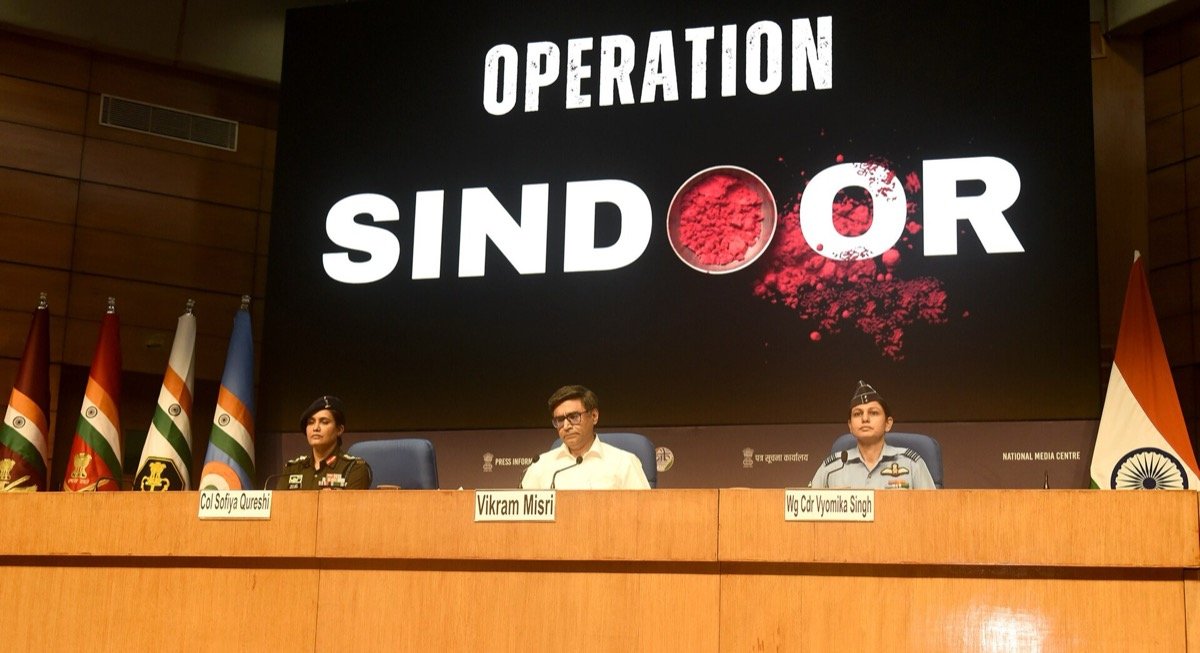
Operation Sindoor: nine sites in four days of conflict Response
Fifteen days after Pahalgam, India struck nine sites linked to Jaish-e-Mohammed, Lashkar-e-Taiba and Hizbul Mujahideen, including JeM’s base at Bahawalpur and LeT’s at Muridke. The government called the strikes “focused, measured and non-escalatory” and said no Pakistani military facilities were targeted. Pakistan answered with artillery fire on the Line of Control, which killed civilians in Poonch, and waves of drones and missiles. India then hit several Pakistani air bases. Both sides agreed to stop firing on the afternoon of 10 May.
Note: India’s Chief of Defence Staff later acknowledged aircraft losses early in the conflict without giving a number, while rejecting Pakistan’s higher claims.
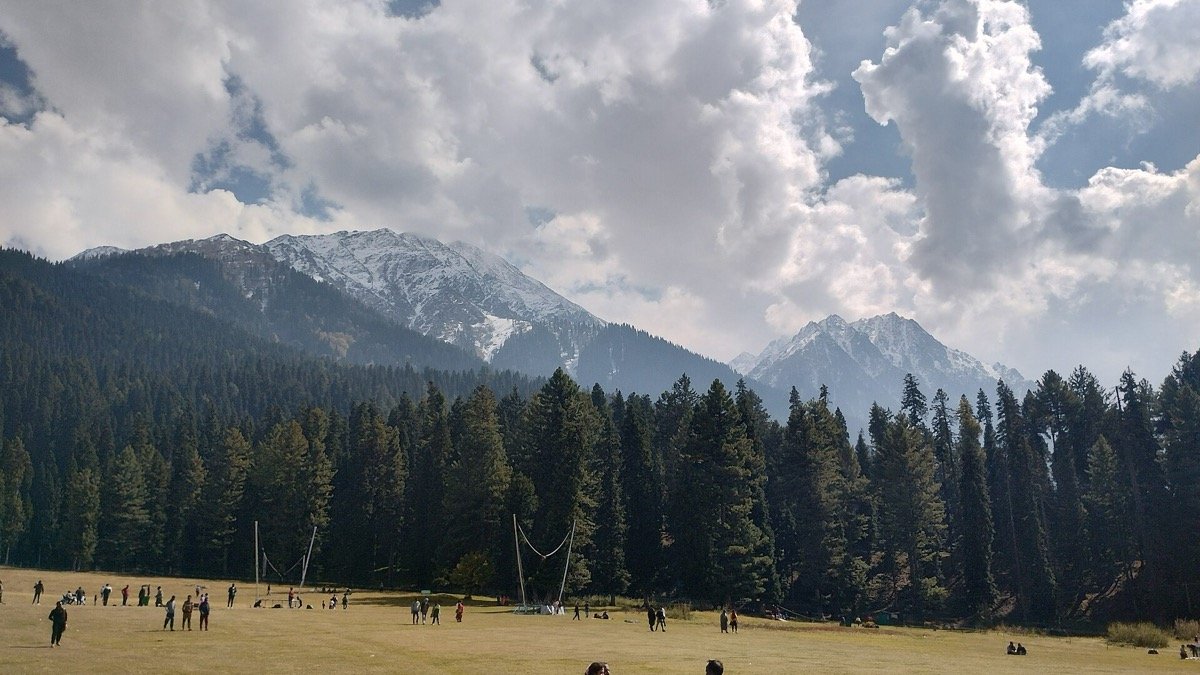
Pahalgam: 26 killed at Baisaran Attack
Gunmen came out of the forest around the Baisaran meadow near Pahalgam and shot tourists, singling out Hindu men, according to survivors. Twenty-six people died: 25 tourists, including a Nepali citizen, and Syed Adil Hussain Shah, a local pony operator killed trying to stop an attacker. The next day the Cabinet Committee on Security put the Indus Waters Treaty in abeyance, closed the Attari crossing and cancelled most visas for Pakistani nationals.
Why it matters: six years after Pulwama, this was the deadliest attack on civilians in Kashmir in years. It showed that falling numbers had not removed the capacity for mass-casualty terrorism.
The numbers fall, and Article 370 is upheld Institutions
The Home Ministry told Parliament that terrorist-initiated incidents in Jammu and Kashmir had fallen from 228 in 2018 to 41 by 15 November 2023, security-force deaths from 91 to 20 and civilian deaths from 55 to 13. Five days later the Supreme Court upheld the 2019 removal of Article 370. Violence also shifted: more attacks moved south of the Pir Panjal, into Rajouri, Poonch and later Kathua and Doda.
FATF takes Pakistan off its grey list Diplomacy
The Financial Action Task Force removed Pakistan from increased monitoring after it completed its action plans on terror financing and money laundering. India had used the grey-list process after Pulwama to press for action against groups such as JeM and LeT. The decision showed the limits of financial pressure: it can force legal changes but cannot by itself stop cross-border attacks.
The LoC ceasefire is restored Diplomacy
The Directors General of Military Operations of India and Pakistan agreed to strictly observe all ceasefire agreements along the Line of Control. After years of near-daily shelling, firing dropped sharply and largely held until the 2025 conflict.
Why it matters: deterrence and de-escalation can coexist. A quieter border made counter-infiltration easier while the larger threat of punishment stayed in place.
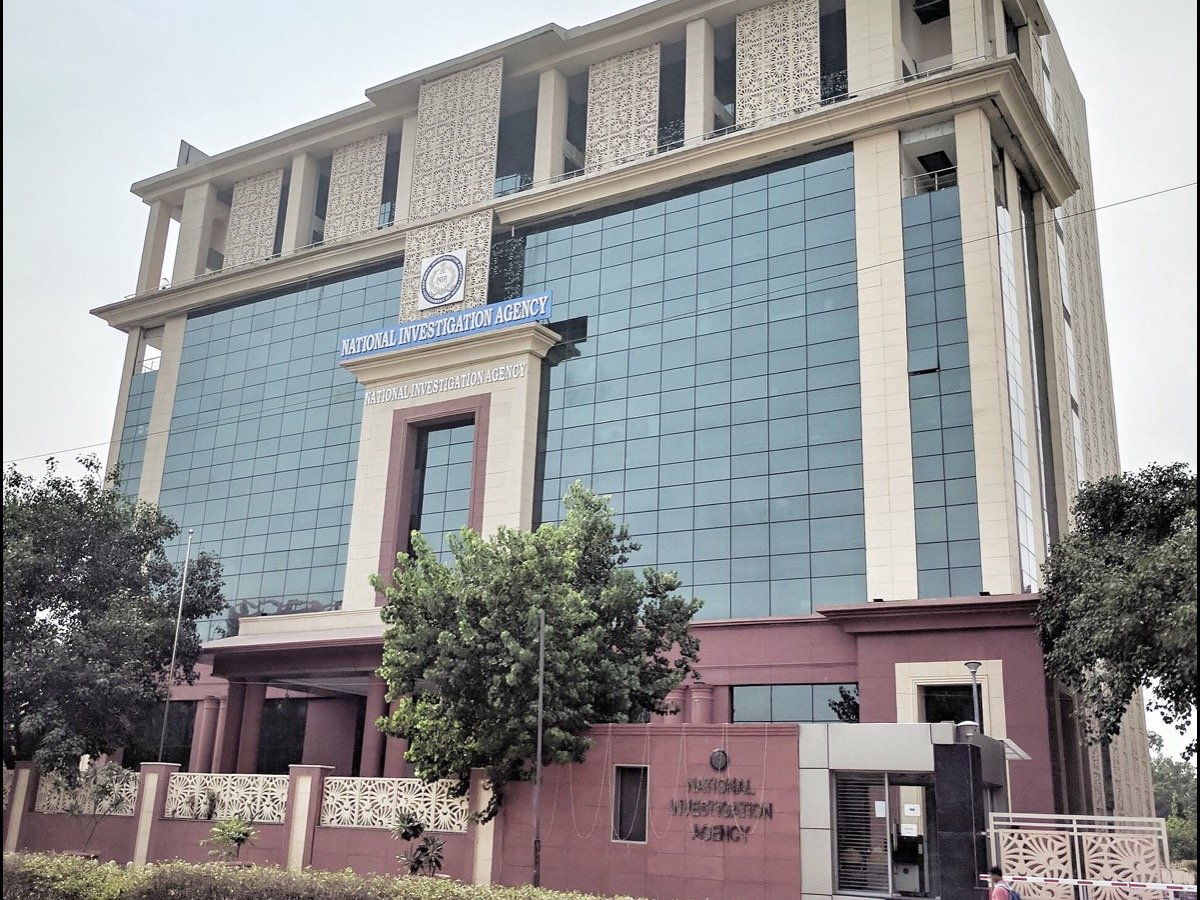
NIA chargesheet names Masood Azhar Institutions
The NIA filed its chargesheet in a Jammu court against 19 accused, including JeM chief Masood Azhar, his brothers Abdul Rauf Asghar and Ammar Alvi, and his nephew Mohammad Umar Farooq, whom investigators described as a key organiser. The chargesheet said some materials for the bomb were bought online. Seven accused had been arrested; six, including Farooq, had been killed in encounters.
2019
New laws: individuals can be named as terrorists Law
Parliament amended the Unlawful Activities (Prevention) Act so that individuals, not just organisations, could be designated as terrorists, and allowed the NIA to seize property linked to terrorism. The NIA (Amendment) Act let the agency investigate offences against Indians or Indian interests abroad and added cyber-terrorism, human trafficking and some arms offences to its list. On 4 September the government named Masood Azhar, Hafiz Saeed, Zaki-ur-Rehman Lakhvi and Dawood Ibrahim. On 5 August, separately, it ended Jammu and Kashmir’s special status under Article 370.
The UN lists Masood Azhar Diplomacy
After blocking four attempts over a decade, China dropped its objection and the UN Security Council’s ISIL and Al-Qaida sanctions committee listed Masood Azhar, subjecting him to an asset freeze, travel ban and arms embargo. It was the main diplomatic result of the Pulwama campaign.
2019
Pakistan retaliates; a pilot is captured Attack
Pakistan’s air force struck near military sites in Jammu and Kashmir. In the air battle an Indian MiG-21 was shot down and Wing Commander Abhinandan Varthaman was captured; Pakistan returned him at the Wagah border on 1 March. The same morning an IAF Mi-17 helicopter was brought down by an Indian air-defence missile over Budgam, killing six airmen and a civilian. The IAF later acknowledged the error.
Why it matters: the crisis showed that escalation could be managed but not fully controlled. Jointness, air-defence identification and secure communications became lessons that resurfaced in 2025.
2019
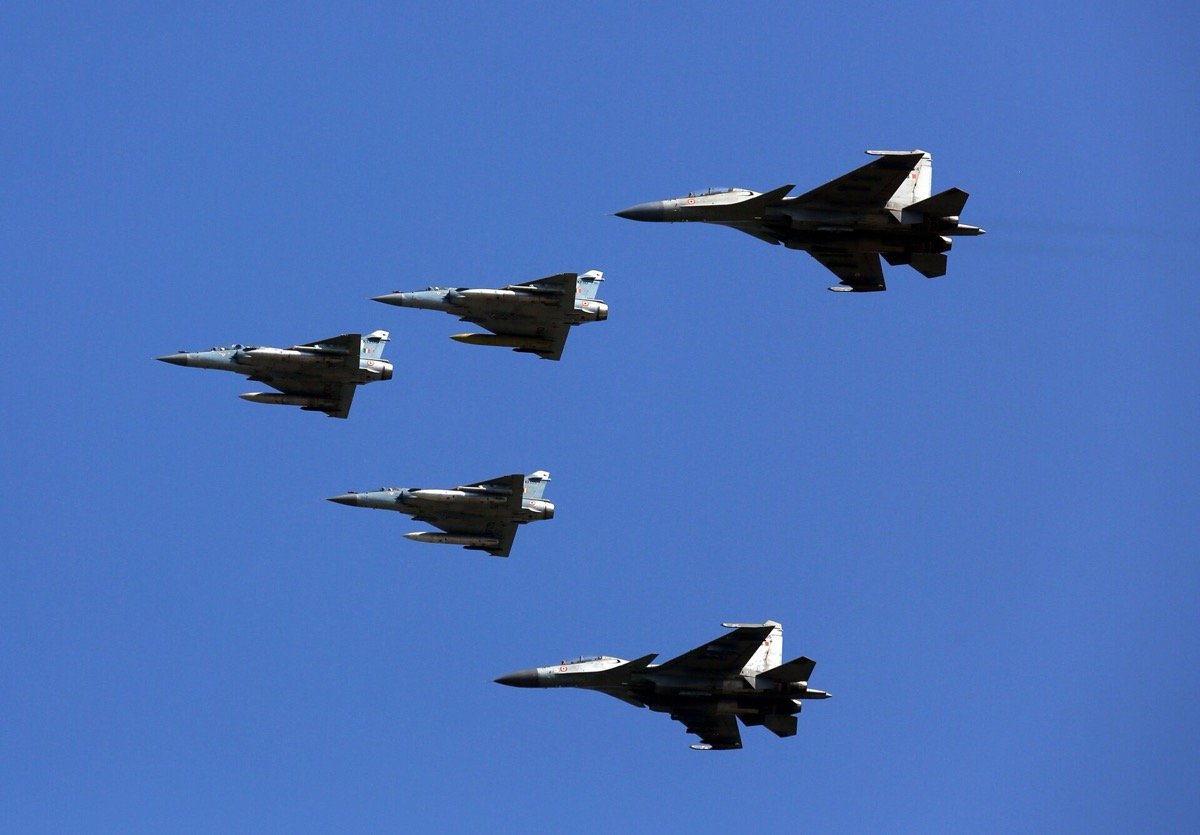
Balakot: the first air strike across the border since 1971 Response
Twelve days after Pulwama, IAF Mirage 2000 jets struck what India said was Jaish-e-Mohammed’s largest training camp. Foreign Secretary Vijay Gokhale called it a “non-military pre-emptive action”, based on intelligence that JeM was planning more suicide attacks, and said civilian casualties had been avoided. Pakistan said the bombs fell on empty forest. The number killed has never been independently verified.
Why it matters: unlike the 2016 strikes across the Line of Control, Balakot crossed the international border into undisputed Pakistani territory. It established that a major attack could bring a response deep inside Pakistan.
2019
Trade, diplomacy and the NIA move in Diplomacy
The day after the attack the Cabinet Committee on Security withdrew the Most Favoured Nation status India had given Pakistan in 1996, and duties on Pakistani imports were raised to 200%. India briefed foreign envoys to build pressure for JeM to be sanctioned. On 20 February the NIA re-registered the case and began tracing the vehicle, the explosives and the handlers.
2019
Pulwama: 40 CRPF personnel killed at Lethpora Attack
A convoy moving personnel back to the Valley after a highway closure was passing Lethpora when Adil Ahmad Dar, a 19-year-old local who had joined Jaish-e-Mohammed, drove a car packed with explosives into a bus. Forty CRPF personnel were killed, the deadliest single attack on Indian forces in Kashmir in three decades. JeM claimed responsibility within hours with a video of the bomber.
Why it matters: a vehicle-borne suicide bombing by a local recruit, directed from across the border, exposed gaps at every layer: intelligence, convoy movement, explosives control and the recruitment pipeline.
Border technology before Pulwama Institutions
The Comprehensive Integrated Border Management System began pilot stretches on the Jammu border, linking cameras, radar and sensors to a command centre. It shows that the shift from fences to sensor networks was under way before Pulwama, which accelerated it rather than starting it.
Uri and the surgical strikes Response
After militants attacked an army brigade headquarters at Uri, special forces crossed the Line of Control to hit launch pads, and the Director General of Military Operations announced the operation publicly. It was the first time India had openly claimed a cross-LoC strike.
Why it matters: Pulwama was a turning point, not a starting point. The idea that cross-border terror would bring cross-border consequences was set in 2016; Balakot extended it past the LoC.
Every Major Attack and India’s Response
How the response to a mass-casualty attack has changed over 25 years. Swipe sideways on mobile.
| Attack | Killed | Group blamed by India | Response | What was new |
|---|---|---|---|---|
| Parliament, Dec 2001 | 9 (plus 5 attackers) | JeM, LeT | Operation Parakram mobilisation | Ten months of mass troop deployment, no strike |
| Mumbai, Nov 2008 | 166 | LeT | Diplomatic pressure; NIA created, 2009 | New institutions, no military response |
| Uri, Sep 2016 | 19 soldiers | JeM | Surgical strikes across the LoC, 29 Sep | First publicly announced cross-LoC strike |
| Pulwama, Feb 2019 | 40 CRPF | JeM | Balakot air strike, 26 Feb | First strike across the international border since 1971 |
| Pahalgam, Apr 2025 | 26 civilians | LeT / TRF | Operation Sindoor, 7–10 May | Nine sites, then air bases; treaty and trade measures |
Balakot vs Operation Sindoor
Six years apart, very different in scale.
Balakot (2019) vs Operation Sindoor (2025)
The Toolkit Built Since 2009
The institutions and laws behind the doctrine.
| Tool | When | What it does | Used against |
|---|---|---|---|
| NIA | Created 2009 (after Mumbai) | Central agency for terror investigation and prosecution | Pulwama, Pahalgam and most major cases |
| UAPA amendment | Aug 2019 | Designate individuals as terrorists; NIA property seizure | Masood Azhar, Hafiz Saeed and others |
| NIA (Amendment) Act | 2019 | Offences abroad; cyber-terrorism, trafficking, arms | Cases with overseas links |
| Multi Agency Centre | Strengthened through the 2010s | Real-time intelligence sharing between central and state agencies | Named PRAHAAR’s intelligence hub |
| CIBMS | Pilots from 2018 | Sensors, radar and cameras linked to command centres | Jammu and Punjab borders |
| PRAHAAR | Feb 2026 | First written national counter-terrorism policy and strategy | The whole system |
| Extradition portal | Sep 2026 | Tracks requests to bring fugitives back | 288 fugitives returned since 2019 |
Corrections and Clarifications
Claims in the material this page was built from, and in common coverage.
“Balakot destroyed a major JeM facility”
That is India’s official position. Pakistan denied any casualties and no independent verification of the damage or toll exists. We report it as a claim.
“Intelligence-led pre-emptive strike”
The government’s exact term was “non-military pre-emptive action”, meaning aimed at a terrorist group rather than Pakistan’s military.
“Government statements in 2026 adopted deterrence by punishment”
We could not find this wording in official text. It is an accurate analysts’ description; Modi’s May 2025 principles are the closest official statement.
PRAHAAR and FATF
Published summaries of PRAHAAR name crypto and the dark web as threats and stress international cooperation. We found no confirmed reference to FATF coordination in the policy itself.
“26 people killed at Pahalgam”
Correct, but 25 were tourists, including one Nepali citizen, and one was a local pony operator who tried to stop the attackers.
The costs and the follow-through
The MiG-21 and pilot capture, the Budgam friendly-fire loss, MFN withdrawal, the UN listing of Masood Azhar, Operation Mahadev, the Pahalgam chargesheet and India’s acknowledged aircraft losses in 2025 were all missing.
What to Watch Next
PRAHAAR at district level
Whether the police-station rollout and an automated response system, promised in September 2026, get budgets, training and timelines.
Pulwama and Pahalgam trials
Most named Pulwama accused are dead or in Pakistan. Convictions of those in custody are the test of the ‘rule of law’ pillar.
Drones on the border
Counter-drone systems along Punjab and Jammu, where PRAHAAR says handlers abroad use drones for weapons and drugs.
The eighth anniversary
The first anniversary with PRAHAAR fully in place, and a marker for whether the policy has produced measurable change.
Did You Know?
- Why the convoy was so large: the highway had been closed for days by weather, so personnel returning from leave were moved together in 78 vehicles.
- First since 1971: Balakot was the first time Indian aircraft had struck across the international border since the 1971 war.
- Four tries at the UN: China blocked Masood Azhar’s listing in 2009, 2016, 2017 and March 2019 before relenting in May 2019.
- Friendly fire: the Mi-17 lost at Budgam on 27 February 2019 was shot down by an Indian air-defence missile; the IAF later began court-martial proceedings against officers.
- Name with a message: ‘Prahaar’ means ‘strike’ in Hindi, but four of its seven pillars are about prevention, law, radicalisation and recovery.
- A local hero: Syed Adil Hussain Shah, the only local killed at Pahalgam, died trying to wrest a rifle from an attacker.
Quick Quiz
1. How many CRPF personnel were killed at Pulwama?
2. How many days after Pulwama was the Balakot strike?
3. How many sites did India strike on 7 May 2025?
4. What does the first P in PRAHAAR stand for?
5. Which agency investigated the Pulwama attack?
Explore More Timelines
People Also Ask
Frequently Asked Questions
The Bottom Line
Pulwama did not invent India’s current security doctrine, and it did not end terrorism in Kashmir. It did two things. It made a cross-border military answer to a major attack the expected response rather than the exception, a line that ran from Uri through Balakot to Operation Sindoor. And it gave momentum to slower changes in law, investigation, intelligence and border technology that account for most of the measured fall in violence.
PRAHAAR is the first attempt to put both halves into one public framework. Its value will be judged not by its name but by whether the next plot is caught before it reaches a highway or a meadow. That is the real test behind every Pulwama attack anniversary: preventing the next family from receiving that call.
Related AiTimeline Stories
⚠️ Editorial Note
Last updated 6 October 2026. Casualty figures are official Indian figures. Incident data is from the Ministry of Home Affairs’ written reply to the Rajya Sabha of 6 December 2023. Details of PRAHAAR are from the Home Ministry’s release and published summaries; the full policy text has not been reviewed here. Claims about strike damage made by either India or Pakistan are reported as claims where they have not been independently verified. This article does not take sides in the India–Pakistan dispute.
Sources & further reading
Every dated entry above was checked against these references. Last reviewed 6 October 2026.
- MEA: Statement by Foreign Secretary on the strike on JeM training camp at Balakot (26 Feb 2019)
- The Wire: Pulwama attack, NIA files chargesheet naming JeM chief Masood Azhar among 19 (Aug 2020)
- ThePrint (PTI): Terror incidents in J&K declining since 2018, MHA reply to Rajya Sabha (6 Dec 2023)
- All India Radio: NIA files chargesheet in Pahalgam terror attack case (15 Dec 2025)
- The Week: PM Modi's address to the nation on Operation Sindoor (12 May 2025)
- All India Radio: Govt launches national counter-terrorism policy and strategy PRAHAAR (23 Feb 2026)
- Kashmir Images: HM Shah at PRAHAAR conference, launches extradition portal (29 Sep 2026)
- ORF: Operation Sindoor, understanding context and consequences