US Death Penalty: Firing Squads, Injections & Legal Challenges
US death penalty 1972-2026: Supreme Court rulings, failed lethal injections, Idaho's firing squad law, Christa Pike's survival and the Hasan livestream.
Latest Story
For four decades lethal injection was meant to make American executions look calm and clinical. In 2026 that promise is under more strain than at any time since it began. On 30 September Tennessee failed to kill Christa Pike after giving her two doses of pentobarbital. Idaho has made the firing squad its main method. And on 9 October the Pentagon said it would livestream a military firing-squad execution. This timeline traces the US death penalty from the Supreme Court rulings of the 1970s to the legal fights over method, eligibility and dignity that are now heading back to court.
💡 Short Answer
The US death penalty survives in 27 states, the federal system and the military. Lethal injection is still the main method, but drug shortages and failures have pushed states back to the firing squad and nitrogen gas. Executions jumped to 47 in 2025. In 2026 Idaho made the firing squad its default, Tennessee’s failed execution of Christa Pike halted its executions, and the Pentagon’s plan to livestream Nidal Hasan’s execution drew bipartisan protest.
US Death Penalty: Key Questions
The US Death Penalty in Ten Points
- 1972: Furman v. Georgia voided death-penalty laws as arbitrary.
- 1976–77: Gregg allowed revised laws; Utah’s firing squad carried out the first new execution.
- 1982: Texas carried out the first lethal injection; it soon became the standard.
- 2002–08: the Court barred executing people with intellectual disability, juvenile offenders and non-killers.
- 2008–19: Baze, Glossip and Bucklew made method challenges hard to win.
- 2011 onward: drug makers cut supply, and states turned to substitutes and secrecy.
- 2024–25: nitrogen gas debuted in Alabama; South Carolina used the firing squad three times.
- 2025: executions rose to 47 while support fell to 52%.
- 2026: federal firing squads authorised; Idaho switched to them; Tennessee’s Pike execution failed.
- Oct 2026: the Pentagon set a firing-squad execution for Hasan and proposed livestreaming it.
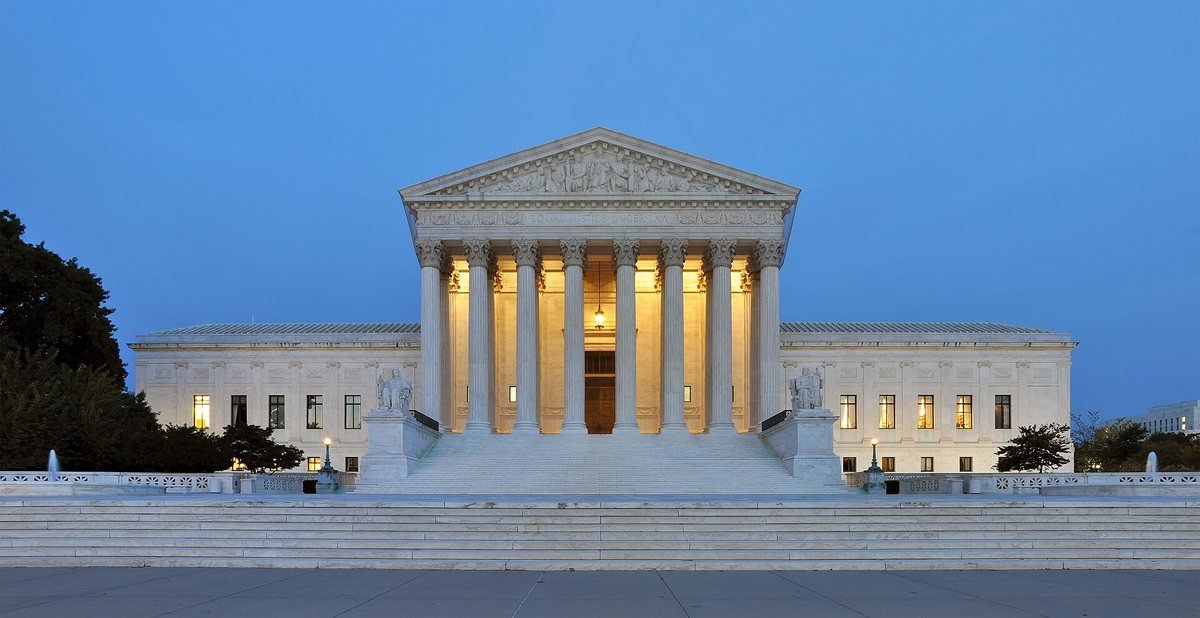
Five failed or botched executions, and what happened next
Tap a case. Each shows the method, what failed and how courts or officials responded. Nothing you click is recorded.
Choose a case above
US Death Penalty Timeline, 1972–2026
Newest first. Tags show whether a moment is a Supreme Court ruling, a method change, a policy shift, a failed execution or a federal or military decision.
2026
Pentagon says Hasan’s execution will be livestreamed Federal / military
A Pentagon spokesperson says the firing-squad execution of Nidal Malik Hasan, the former Army psychiatrist who killed 13 people at Fort Hood in 2009, will be broadcast online. It is set for 3 December at 1pm local time, the hour of the shooting, at the same base. Criticism is immediate and bipartisan: Senator Jack Reed calls it a “barbaric spectacle”, Republican Senator Thom Tillis calls it “beyond disgusting”, and the UN human rights office says a broadcast would be “tantamount to a public execution”. Legal experts raise rules barring minors from witnessing executions. President Trump says Hasan deserves the firing squad and that the administration will decide on the broadcast; Vice President JD Vance says he will not watch.
Why it matters: no US execution has been public since the 1930s. The fight is now about how the state carries out a sentence, separate from whether Hasan can be executed at all.
2026
Trump approves a military firing squad Federal / military
The White House and Pentagon announce that President Trump has approved Hasan’s execution and Defense Secretary Pete Hegseth’s recommendation that it be carried out by an Army firing squad. Military law requires the President to approve any execution. The last military execution was the 1961 hanging of Private John Bennett; the last by military firing squad was in 1945.
Why it matters: it revives a military death row that had been dormant for 65 years, and puts a firing squad at the centre of federal capital punishment.
2026
Tennessee pauses executions; prisons chief resigns Failed execution
The day after the failed attempt, Governor Bill Lee orders a “comprehensive, third-party review” and halts the state’s only other 2026 execution, of Gary Wayne Sutton, set for 3 December. On 3 October Correction Commissioner Frank Strada announces he will resign; former US Attorney Ed Stanton is named to oversee the review. On 7 October a Davidson County judge orders the state to preserve all evidence. Pike regains consciousness on 6 October and is discharged back to prison on 10 October.
Why it matters: Tennessee had already paused executions in 2022 after a protocol failure. A second pause raises doubts about whether its system can work at all.
2026
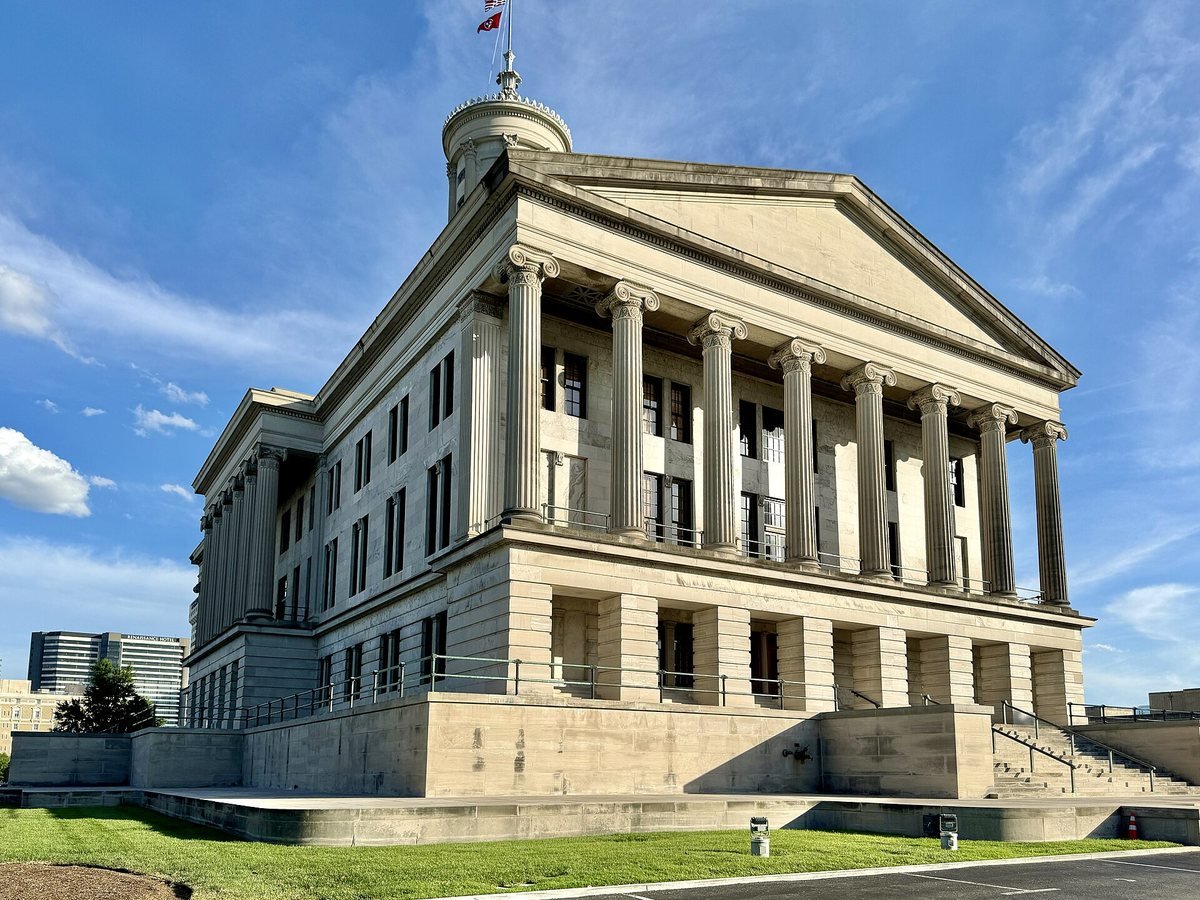
Christa Pike survives a lethal injection Failed execution
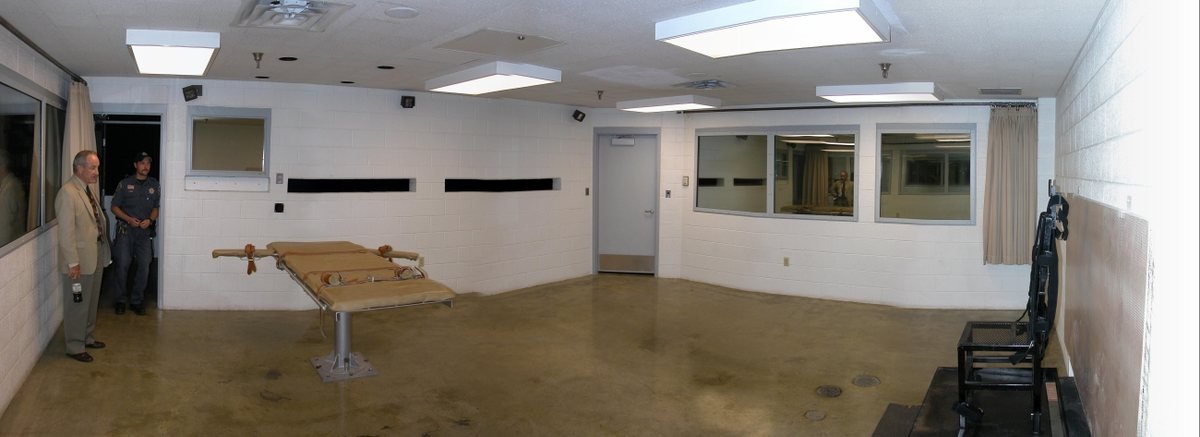
Tennessee tries to execute Christa Gail Pike, 50, for the January 1995 murder of Colleen Slemmer, 19, in Knoxville, a crime Pike committed at 18. Reporters who witnessed it said placing the IV lines took more than an hour. Pike told staff her vein felt “about to bust”. A first dose of pentobarbital is given at 7:41pm and a second about 25 minutes later, but she keeps breathing; media witnesses are led out after 8:50pm. She is taken to Vanderbilt University Medical Center, intubated, with swollen and blistered arms. Her lawyers say they believe the drug went into tissue rather than her bloodstream. Hours earlier the US Supreme Court had refused to stop the execution.
Why it matters: earlier survivors, such as Romell Broom (2009) and Kenneth Smith (2022), never received the lethal drugs. Pike did. A death-penalty expert called it an unprecedented failure, and it reopens the question of whether a second attempt would be cruel and unusual.
2026
Idaho makes the firing squad its primary method Method
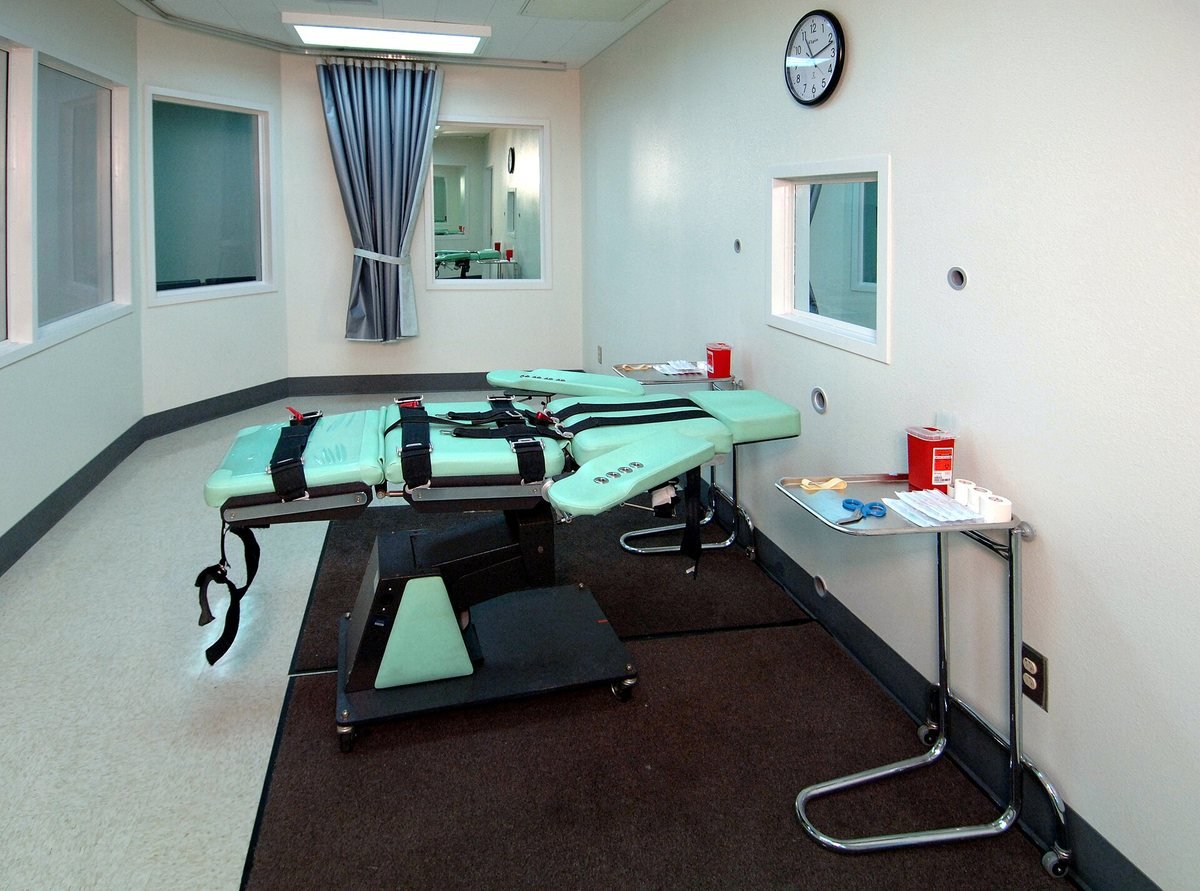
Idaho becomes the only state where the firing squad is the default method. Lawmakers acted after the state failed to execute Thomas Creech by lethal injection in February 2024, when staff could not set an IV. The prison retrofitted its execution chamber at a reported cost of more than $1.2 million. Lethal injection remains available if the firing squad cannot be used.
Why it matters: other states keep the firing squad as a backup. Idaho is the first to choose it first.
Supreme Court drops Alabama’s IQ appeal Supreme Court
After hearing argument on how courts should weigh several IQ scores, the Court dismisses Alabama’s appeal in the case of Joseph Clifton Smith, leaving in place findings that he has an intellectual disability and cannot be executed under Atkins. The dismissal does not settle the wider legal question.
Why it matters: eligibility fights, not only method fights, still decide who is executed.
2026
Justice Department adds firing squads to federal executions Federal / military
The Justice Department readopts the single-drug pentobarbital protocol used for 13 federal executions in 2020–21, which the Biden administration had withdrawn over pain concerns, and expands the federal protocol to allow the firing squad, electrocution and gas asphyxiation. It also streamlines internal approval of capital cases. Attorney General Pam Bondi had lifted the federal moratorium in February 2025.
Why it matters: it is a policy change, not a court ruling. Any federal execution using a new method can still be challenged. As of 10 October 2026 no federal firing-squad execution has taken place.
Executions nearly double to 47 Policy
The Death Penalty Information Center counts 47 executions, up from 25 in 2024 and the most in 15 years. Florida alone carries out 19, a state record set under Governor Ron DeSantis. South Carolina executes Brad Sigmon (7 March), Mikal Mahdi (11 April) and Stephen Bryant (14 November) by firing squad. Louisiana carries out its first nitrogen execution, of Jessie Hoffman, on 18 March. Juries reject death in 56% of capital sentencing decisions, and Gallup finds support at 52%, the lowest since 1972.
Why it matters: executions rose while public support and new death sentences fell. A few states drove the national number.
2025
First US firing-squad execution in 15 years Method
Sigmon, convicted of beating his ex-girlfriend’s parents to death in 2001, chooses the firing squad over lethal injection, saying he feared a prolonged death by drugs. Three prison volunteers fire from 15 feet. It is the first firing-squad execution in the US since Ronnie Lee Gardner in Utah in 2010.
Why it matters: it showed prisoners themselves choosing the gun over the needle because of doubts about injection drugs.
2025
Glossip wins a new trial Supreme Court
A decade after his name was attached to the leading lethal-injection case, Richard Glossip wins at the Supreme Court on a different issue. The Court rules that prosecutors violated his rights by failing to correct false testimony from their key witness, and orders a new trial.
Why it matters: it is a reminder that method disputes and wrongful-conviction disputes often involve the same prisoners.
2024
Biden commutes 37 federal death sentences Federal / military
Weeks before leaving office, President Biden commutes the sentences of 37 of the 40 people on federal death row. Three men convicted of terrorism or hate-motivated mass murder remain sentenced to death.
Why it matters: it emptied most of federal death row just before an administration that promised to expand executions.
2024
Alabama executes Kenneth Smith with nitrogen Method
Alabama executes Kenneth Smith by forcing him to breathe nitrogen through a mask. Witnesses describe him shaking and writhing for several minutes. In November 2022 the state had tried and failed to execute Smith by lethal injection when staff could not set an IV line before the death warrant expired at midnight.
Why it matters: it was the first execution by a new method since lethal injection in 1982, and the first time a survivor of a failed attempt was later executed in the modern era.
2021
Federal moratorium; Virginia abolishes Policy
Attorney General Merrick Garland pauses federal executions pending a review of policies, including the pentobarbital protocol. The same day Virginia’s abolition law, signed on 24 March, takes effect. Virginia, which had executed more people than any other state in its history, becomes the first Southern state to end capital punishment.
Why it matters: policy can swing quickly with elections, at both federal and state level.
Jan 2021
Federal executions resume after 17 years Federal / military
The first Trump administration carries out 13 federal executions in six months, starting with Daniel Lewis Lee on 14 July 2020, more than any president in over a century. All use single-drug pentobarbital.
Why it matters: the same protocol was reinstated in April 2026.
2019
Bucklew v. Precythe Supreme Court
Russell Bucklew, who had a condition causing blood-filled tumours in his throat, argued that lethal injection would make him choke. The Court rejects his claim, holding that he still had to identify a feasible alternative method and show it would significantly reduce his suffering.
Why it matters: the ruling is why some prisoners now name the firing squad as their alternative.
2015
Glossip v. Gross upholds midazolam Supreme Court
The Court rejects a challenge to Oklahoma’s use of the sedative midazolam. Prisoners must show a substantial risk of severe pain and point to a feasible, readily available alternative. Justice Breyer’s dissent asks whether the death penalty itself is still constitutional.
Why it matters: it made method challenges much harder to win.
2014
Clayton Lockett’s execution goes wrong Failed execution
Oklahoma’s first use of a new three-drug protocol with midazolam fails when the IV line is misplaced. Lockett writhes and speaks; officials halt the execution, but he dies of a heart attack about 43 minutes after it began.
Why it matters: it led directly to the Glossip case.
Drug supply collapses Method
Hospira, the only US maker of sodium thiopental, the first drug in the standard three-drug protocol, stops production in January after Italian authorities object to its use in executions. The EU later restricts exports of drugs that can be used to kill. States switch to pentobarbital, midazolam and compounding pharmacies, often behind secrecy laws.
Why it matters: most lethal-injection litigation since then has been about substitute drugs and hidden suppliers.
2010
Utah’s last firing-squad execution Method
Gardner is shot by a five-man squad at Utah State Prison. He had chosen the method before Utah limited it in 2004; the state later restored it in 2015 as a backup if drugs were unavailable.
Why it matters: it was the last US firing-squad execution until South Carolina in 2025.
2008
Baze v. Rees upholds lethal injection Supreme Court
The Court upholds Kentucky’s protocol. The plurality says a method is unconstitutional only if it creates a substantial risk of serious harm compared with known alternatives; some risk of pain is not enough. Executions, informally paused while the case was pending, resume.
Why it matters: it set the test used in every method case since.
The Court narrows who can be executed Supreme Court
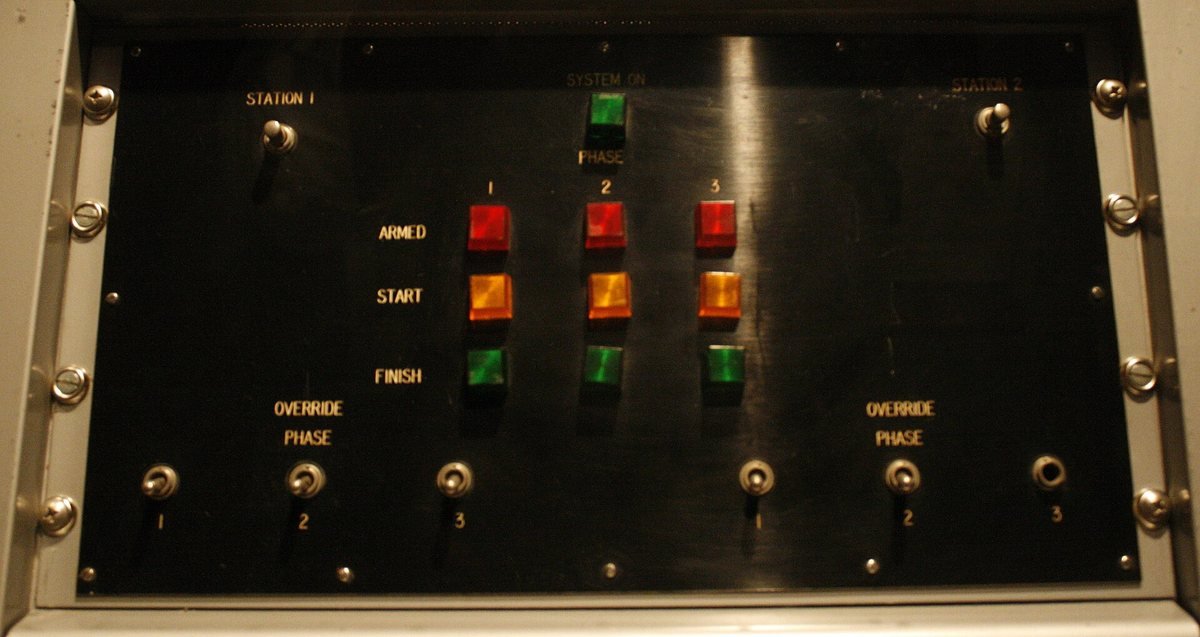
In Atkins v. Virginia the Court bars executing people with intellectual disability; in Roper v. Simmons, people who were under 18 at the time of the crime; in Kennedy v. Louisiana, people convicted of crimes against an individual in which no one was killed.
Why it matters: these rulings define who is eligible for death, whatever the method.
1982
First execution by lethal injection Method
Texas executes Brooks with a three-drug combination. Oklahoma had been the first state to adopt the method, in May 1977, presenting it as more humane than the electric chair or gas chamber.
Why it matters: within two decades almost every state had made it the main method.
1977
Gary Gilmore executed by firing squad Method
Gilmore, who dropped his appeals, is shot by a firing squad in Utah, ending a ten-year national pause in executions.
Why it matters: the modern era of US executions began with a firing squad.
1976
Gregg v. Georgia restores the death penalty Supreme Court
The Court upholds new laws in Georgia, Florida and Texas that separate guilt and sentencing and guide juries with aggravating and mitigating factors. It strikes down mandatory death sentences in North Carolina and Louisiana the same day.
Why it matters: it made capital punishment constitutional again, under rules courts still enforce.
1972
Furman v. Georgia voids death sentences Supreme Court
The Court rules that the death penalty as then administered was so arbitrary that it violated the Eighth and Fourteenth Amendments. Hundreds of death sentences are converted to prison terms, and states rewrite their laws.
Why it matters: every current death-penalty law is a response to this case.
Five methods, and where each is legal
A method being in a statute does not mean it is used, or that it has survived every challenge. Scroll the table sideways on a phone.
| Method | Where authorised (Oct 2026) | Primary or backup | Last used | Main legal concerns |
|---|---|---|---|---|
| Lethal injection | Every death-penalty state, federal government, military | Primary almost everywhere | Weekly in 2026 | Drug supply, IV access, secrecy, midazolam |
| Firing squad | Idaho, Mississippi, Oklahoma, South Carolina, Utah; federal since Apr 2026; military (Hasan) | Primary only in Idaho (from 1 Jul 2026) | South Carolina, Nov 2025 | Missed shots, violence, training of shooters |
| Nitrogen hypoxia | Alabama, Arkansas, Louisiana, Mississippi, Oklahoma | Backup or chosen | Alabama and Louisiana, 2024–25 | Untested science, reports of prolonged distress |
| Electrocution | Nine states incl. South Carolina, Tennessee, Florida; federal since Apr 2026 | Mostly backup; prisoner may choose | Tennessee, 2020 | Burns, failed jolts (Francis, 1946) |
| Gas chamber (other gases) | Several states as backup; federal since Apr 2026 | Backup | Arizona, 1999 | Prolonged deaths; largely abandoned |
Courts do not rank methods. Each is judged under the Baze–Glossip test: does it create a substantial risk of severe pain compared with a feasible, readily available alternative? Source: Death Penalty Information Center method-by-state tracker.
Why Has Lethal Injection Become So Controversial?
Drug supply
The original three-drug protocol relied on sodium thiopental, which stopped being made in the US in 2011. European makers refused to sell for executions. States switched to pentobarbital, the sedative midazolam, or drugs from compounding pharmacies, each change prompting new lawsuits.
The IV line
Many failures, including those of Romell Broom, Clayton Lockett, Kenneth Smith, Thomas Creech and, according to her lawyers, Christa Pike, came down to setting or keeping an IV line. Medical ethics bar most doctors from taking part, so execution teams often have limited training.
Secrecy
Most death-penalty states shield the identity of drug suppliers and execution staff. Officials say this protects people from harassment; critics say it prevents anyone from checking the quality of drugs or the competence of the team. News organisations have sued for wider witness access in several states, including Idaho.
What courts require
The Eighth Amendment does not guarantee a painless execution. Under Baze and Glossip, a prisoner must show a substantial risk of severe pain and name a feasible alternative. That high bar is one reason many prisoners now point to the firing squad.
Eleven rulings in one line
Swipe or scroll sideways. Method cases and eligibility cases are mixed in date order.
Francis v. Resweber
A second attempt after a failed electrocution is allowed.
Furman v. Georgia
Death penalty as then applied is arbitrary; existing laws void.
Gregg v. Georgia
Revised laws with guided discretion are constitutional.
Ford v. Wainwright
No execution of a prisoner who is insane.
Atkins v. Virginia
No execution of people with intellectual disability.
Roper v. Simmons
No death penalty for crimes committed under 18.
Baze v. Rees
Kentucky’s lethal injection upheld; risk test set.
Kennedy v. Louisiana
No death penalty for non-homicide crimes against a person.
Glossip v. Gross
Prisoners must name an available alternative method.
Bucklew v. Precythe
Alternative rule applies even with a rare illness.
Glossip v. Oklahoma
New trial ordered over uncorrected false testimony.
The Constitutional Battle: What the Eighth Amendment Protects
The Eighth Amendment bans “cruel and unusual punishments”. The Supreme Court reads it in light of “evolving standards of decency”, which is why it can narrow who may be executed over time. Death-penalty cases usually fall into one of five kinds of claim:
| Type of claim | Question for the court | Leading case |
|---|---|---|
| Method of execution | Does this procedure risk severe pain compared with an available alternative? | Baze v. Rees (2008); Glossip v. Gross (2015) |
| Eligibility | Can this person be sentenced to death at all? | Atkins (2002); Roper (2005); Kennedy v. Louisiana (2008) |
| Competency | Does the prisoner understand why they are being executed? | Ford v. Wainwright (1986); Panetti v. Quarterman (2007) |
| Individual medical | Does this prisoner’s condition make the method especially risky? | Bucklew v. Precythe (2019) |
| Fair trial and due process | Was the conviction or sentence obtained lawfully? | Glossip v. Oklahoma (2025) |
The Wider Debate: Justice, Deterrence and Wrongful Convictions
Supporters argue that death is a proportionate punishment for the worst murders, expresses society’s condemnation and gives some victims’ families a sense of justice.
Opponents point to exonerations, more than 200 people freed from death row since 1973 by the Death Penalty Information Center’s count, racial and geographic disparities, cost, and the risk of suffering shown by failed executions. They note that research has not established that capital punishment deters murder more than long prison terms.
Executions, new death sentences and public opinion measure different things. In 2025 executions rose while juries rejected death in 56% of capital sentencing decisions and Gallup support fell to 52%. A rise in one does not prove a trend in the others.
The law on second attempts, in five parts
What the Supreme Court has said
What state courts have said
What happened to other survivors
Arguments for a second attempt
Arguments against
No court has yet ruled on whether Tennessee may try again to execute Christa Pike. Executions there are paused until at least 2027.
Fact Check: Common Claims, Corrected
Checked against the Death Penalty Information Center, Supreme Court opinions, the Justice Department and news reports, up to 10 October 2026.
“Alabama first used nitrogen in 2023”
The first nitrogen-hypoxia execution was Kenneth Smith’s on 25 January 2024. Alabama authorised the method in 2018.
“No one has ever survived a US execution”
Willie Francis (1946), Romell Broom (2009), Doyle Hamm (2018), Kenneth Smith (2022) and Thomas Creech (2024) all survived attempts. Pike is unusual because lethal drugs were actually given.
“The execution will definitely be broadcast”
The Pentagon announced it on 9 October, but the President said the decision was still to be made. Hasan’s execution is scheduled, not carried out.
“Idaho only allows the firing squad”
Lethal injection remains a backup if the firing squad cannot be used.
“The federal government now uses firing squads”
Since April 2026 it is authorised to. No federal firing-squad execution has taken place as of 10 October 2026.
“More executions mean the public wants more”
Gallup support fell to 52% in 2025, the lowest since 1972, the same year executions nearly doubled.
What Happens Next
Tennessee. Ed Stanton’s review of the Pike execution, and any lawsuit over a second attempt. Executions are paused for the rest of 2026.
The Hasan execution. Whether the 3 December date holds, whether last-minute appeals succeed, and whether the livestream goes ahead.
Idaho. The first execution under its new firing-squad protocol, and the court fights over the chamber and witness access that are likely to come first.
Federal cases. The three men still on federal death row, and new federal capital prosecutions, are the first candidates for the expanded methods.
Explore More Timelines
People Also Ask
Frequently Asked Questions
The Method Is Part of the Legal Question
The United States has no single execution procedure. It has a patchwork of state, federal and military laws, shaped by Supreme Court rulings, drug supply and politics. Lethal injection was adopted to make executions look controlled; its failures have pushed some states back to the oldest method of the modern era.
The constitutional rule has not changed since 1976: the state may impose death only within the limits of the Eighth Amendment, and how it kills remains open to challenge. The Pike review, the Hasan execution and Idaho’s first firing squad will test those limits in the months ahead.
Related AiTimeline Stories
⚠️ Editorial Note
Last updated 10 October 2026. This article describes capital punishment and failed executions in non-graphic terms. Execution counts are from the Death Penalty Information Center; 2026 figures are to 7 October. Details of the Christa Pike execution come from witness reporting and her lawyers’ statements and are subject to the independent review. The Hasan livestream is a plan announced by the Pentagon and remains disputed. AiTimeline takes no position on the death penalty.
Sources & further reading
Every dated entry above was checked against these references. Last reviewed 10 October 2026.
- Death Penalty Information Center - The Death Penalty in 2025: Year End Report (press release)
- Death Penalty Information Center - Methods of execution by state
- Death Penalty Information Center - Executions in 2026
- NPR - Tennessee governor halts executions after Christa Gail Pike survives lethal injection (1 Oct 2026)
- NPR - Pentagon to livestream firing squad execution of Fort Hood shooter (9 Oct 2026)
- NPR - Justice Department to allow firing squads for executions (24 Apr 2026)
- Glossip v. Gross, 576 U.S. 863 (2015), opinion text (Cornell LII)
- Constitution Annotated (Congress.gov) - Eighth Amendment