Anti-CEC Delhi Protest: Tracing the Demand for Electoral Reform
Live timeline of the Anti-CEC Delhi protests: SIR voter-roll revision, 13.39 crore flagged entries, Supreme Court rulings and the Jantar Mantar lockdown.
Latest Story
The Anti-CEC Delhi protest has turned a technical question about voter lists into a national argument about democracy: who gets to vote, who decides whether a voter is eligible, and who holds the Election Commission to account. Through October 2026, opposition MPs, student groups and the youth-led Cockroach Janta Party have marched in Delhi demanding the resignation of Chief Election Commissioner Gyanesh Kumar, over the Special Intensive Revision (SIR) that has flagged 13.39 crore voter entries. The Commission says the exercise is lawful and removes only ineligible names. This live timeline tracks how the dispute escalated, what courts have said, and what each side can and cannot prove.
Latest Updates
- Kejriwal detained; BJP calls stir a “flop show”. AAP convener Arvind Kejriwal was detained by Delhi Police in the afternoon; AAP’s Atishi said he was “brutally taken into custody”. Over 50 more protesters were detained near Dilli Haat. BJP spokesperson Sambit Patra called the protest a “flop show”. Congress and CJP set up legal helplines; no releases or official police total reported yet (ThePrint, Outlook).
- Opposition leaders detained in Delhi. Former West Bengal chief minister Mamata Banerjee and five TMC MPs, including Derek O’Brien and Saket Gokhale, were detained outside her South Avenue residence, the TMC said. Police also detained YouTuber Dhruv Rathee in Gurugram, CJP founder Abhijeet Dipke and two co-conveners at Delhi airport, Yogendra Yadav, Pinarayi Vijayan and hundreds of protesters outside Gurdwara Bangla Sahib (ThePrint, The Federal). No releases or police totals confirmed yet.
- Delhi locked down for Jantar Mantar protest. About 57 metro stations shut from 9 pm on 9 October, trains into New Delhi and Hazrat Nizamuddin suspended; AP reported at least 23,000 personnel deployed. Cockroach Janta Party founder Abhijeet Dipke detained; SFI and other Left student protesters detained at Jantar Mantar. The CJP claims 10,000 detentions nationwide; police have not given a total.
- Supreme Court on West Bengal appeals: over 1 lakh decided, 93% found eligible, about 1.70 lakh pending before late-November Kolkata and Howrah civic polls. Bench signals inclusion appeals first; next hearing 16 October.
- EC breaks silence on 13 crore figure: 13.39 crore entries flagged out of 95.40 crore checked, “not permanent deletion”. Rahul Gandhi detained for the third time in two days.
Newest first. We add an item only when a development is confirmed by an official statement, a court record or at least one wire or national outlet. Claims by any side are labelled as claims.
💡 Short Answer
The Anti-CEC Delhi protest is a wave of demonstrations demanding that Chief Election Commissioner Gyanesh Kumar resign. Protesters say the Special Intensive Revision of voter rolls, which flagged 13.39 crore entries, risks excluding eligible voters and was run without proper collective decisions. The Election Commission says SIR is lawful, upheld by the Supreme Court, and removes only ineligible entries.
The Anti-CEC Protest: Key Questions
The Anti-CEC Protest in Ten Points
- The trigger: the Special Intensive Revision of voter rolls, begun in Bihar in June 2025 and now in most of India.
- The number: 13.39 crore entries flagged, which the EC says is not the same as 13.39 crore voters deleted.
- The ruling: the Supreme Court upheld SIR on 27 May 2026.
- The leak: on 23 September 2026 The Indian Express reported 14 written objections by two election commissioners.
- The form: on 5 October the Chief Justice said the modified Form 6 “has not been approved by us”.
- No suspension: the Court refused to suspend the CEC but issued notice on his decision-making.
- The streets: detentions on 2, 6, 7 and 10 October, including Rahul Gandhi and Priyanka Gandhi Vadra.
- The movement: the Gen Z-led Cockroach Janta Party set a 2 October resignation deadline.
- Parliament: removal notices from 193 MPs were refused admission in April 2026.
- Next: West Bengal appeals in the Supreme Court on 16 October; Phase III final rolls through December.
Why a Voter-List Exercise Became a Street Protest
Three disputes stacked on top of each other.
The first dispute is about scale. Annual roll revisions add and remove names at the margins. SIR asked every listed voter to re-establish their entry, and in many cases to produce documents or link to an older roll. Across Phase II alone, rolls shrank by more than 5 crore names.
The second is about process. In September 2026 The Indian Express reported that two of the three commissioners had objected in writing, 14 times in 10 months, to decisions on voter data, deletions, appeals and Form 6. The Commission said decisions were unanimous, then adopted nine process changes. On 5 October the Chief Justice publicly rejected the Commission’s claim that the Court had approved the new Form 6.
The third is about trust in the referee. The CEC is now chosen by a panel the government controls two-to-one, and an attempt to remove him in Parliament was stopped at the threshold in April. For the opposition and the youth movement, that left the street.
Pick your situation and see the form, the deadline logic and the appeal route
A study aid based on ECI procedures and the Representation of the People Act, 1950. Nothing you click is recorded. For your own case, check the official voters’ portal or your Booth Level Officer.
Choose a situation above
Anti-CEC Delhi Protest: Full Timeline, 1950–2026
Newest first. Tags separate protests, court actions, the Commission’s position, allegations and laws.
2026
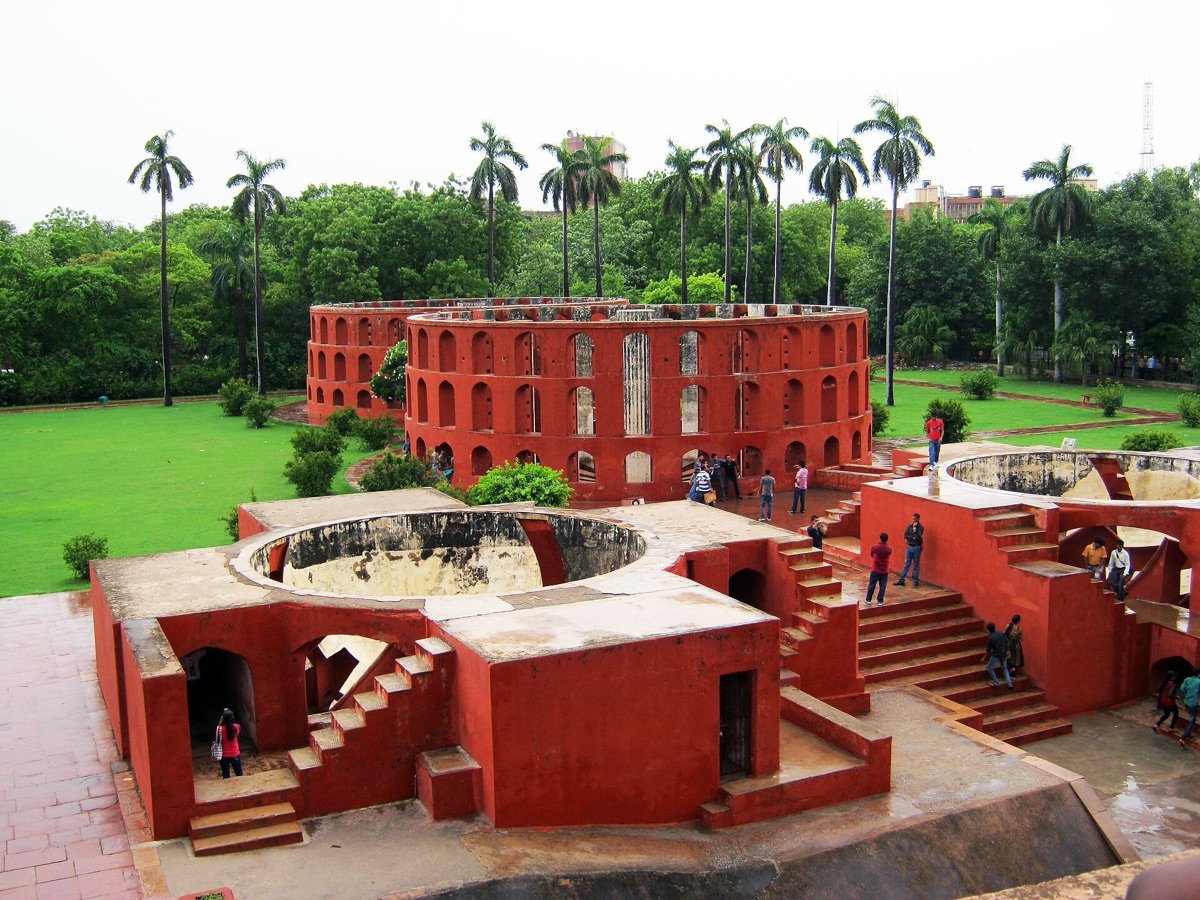
Delhi locks down for “Jantar Mantar 2.0” Protest
Police refuse permission for the youth-led rally, citing a late application, and turn central Delhi into a security zone: about 57 metro stations close from 9 pm on 9 October, trains into New Delhi and Hazrat Nizamuddin stations are suspended and AP reports at least 23,000 personnel deployed. Founder Abhijeet Dipke is detained before the protest; SFI and other Left student protesters who reach Jantar Mantar are detained. The movement claims 10,000 detentions across India; police have not confirmed a figure.
Why it matters: the response to the protest, not just the protest, has become part of the argument about democratic rights.
2026
Supreme Court prioritises excluded West Bengal voters Court
Hearing deleted voters who fear missing the late-November Kolkata and Howrah civic polls, the bench is told more than one lakh appeals have been decided, 93% in favour of inclusion, with about 1.70 lakh pending. The Chief Justice indicates tribunals could hear inclusion appeals before appeals seeking further deletions.
Why it matters: the practical test of SIR is whether an eligible voter is back on the roll before the next election.
2026
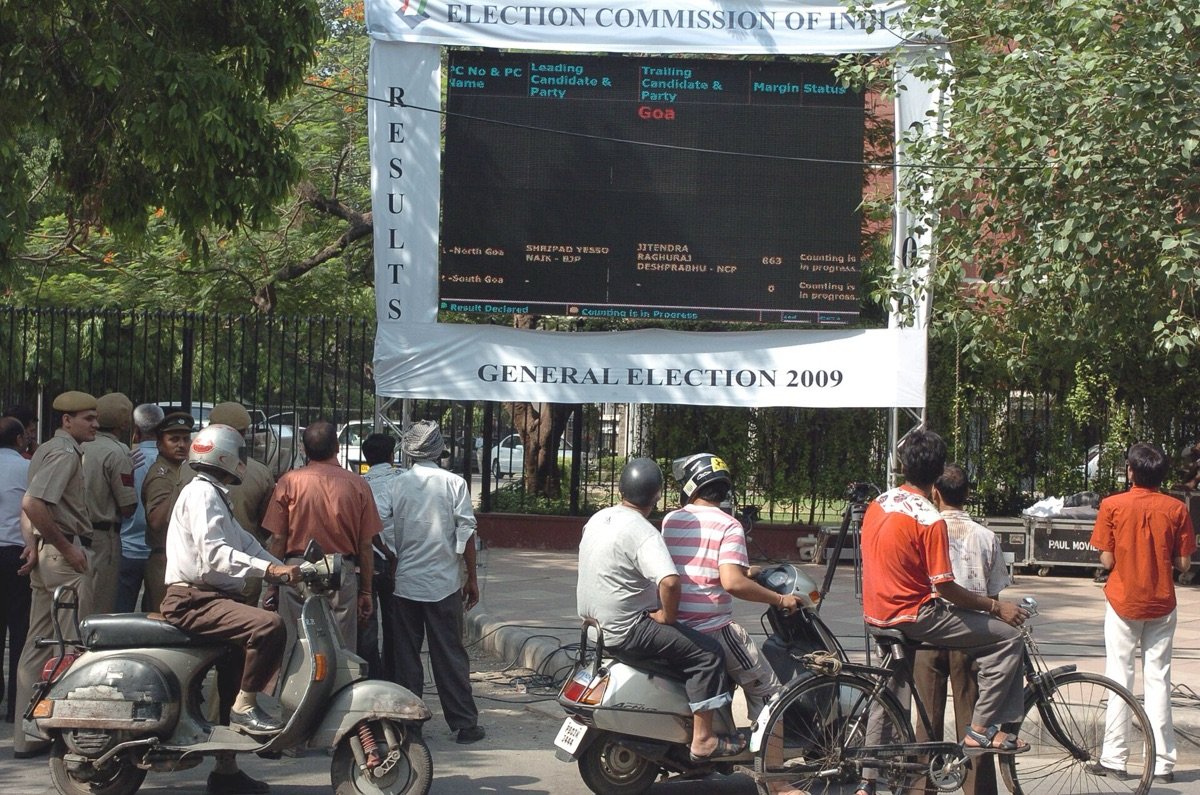
EC: 13.39 crore entries flagged, “not permanent deletion” EC position
Responding to the opposition’s “13 crore deleted” charge, the Commission says 13.39 crore entries were placed in lists of absent (3.01 crore), permanently shifted (6.30 crore), dead (2.80 crore), duplicate (1.02 crore) and other (0.26 crore), and that eligible people can file claims, use Form 6 or appeal. The same day Rahul Gandhi is detained for the third time in two days while MPs march toward Jantar Mantar: “for us, Gyanesh Kumar is not the legitimate commissioner.”
Why it matters: the size of the number is agreed; what it means is the dispute.
2026
INDIA bloc MPs march on the Election Commission Protest
Nearly 300 opposition MPs in white caps marked “SIR” and “vote chori” march from Parliament. Police, saying no permission was sought, stop them; Rahul Gandhi, Priyanka Gandhi Vadra and others enter the Akashwani Bhawan campus next to the Commission and are detained, then released after about two hours. The Commission says MPs declined a meeting offer; an FIR over the Akashwani entry is reported the next day.
Why it matters: the opposition took the dispute to the Commission’s door, a few hundred metres from Parliament.
2026
Supreme Court refuses to suspend the CEC, disowns modified Form 6 Court
A bench led by Chief Justice Surya Kant declines an interim order suspending Gyanesh Kumar but issues notice to the Centre, the Commission, the CEC, both election commissioners, Deputy Election Commissioner Maneesh Garg and Director General (IT) Seema Khanna. Rebutting the Commission’s claim that its Form 6 declaration had court approval, the CJI says: “Modified Form 6 has not been approved by us, let us be very clear.” The Court says it could recall decisions taken without the required unanimity.
Why it matters: the case moved from whether SIR is legal to how specific decisions were made, and by whom.
2026
Youth Congress marches to Jantar Mantar Protest
Hundreds of Indian Youth Congress workers march with placards demanding the CEC’s resignation and accusing the government of shielding him.
Why it matters: the main opposition party’s youth wing joined a campaign first driven by the independent youth movement.
2026
The resignation deadline passes: “Jail Bharo” protests Protest
With Kumar still in office, the Cockroach Janta Party launches courting-arrest protests. Delhi Police impose prohibitory orders under Section 163 BNSS and close 11 metro stations near Jantar Mantar; Al Jazeera reports more than 500 people detained in Delhi by 3 pm, including former Chief Minister Atishi. Police patrol Shivaji Park in Mumbai.
Why it matters: the dispute became a visible street movement, and policing of protest became a second issue.
2026
The Commission announces nine process changes EC position
Three days after the leak, the Commission announces decisions in response to the two commissioners’ concerns, including that new initiatives go to a Committee of Officers before Commission approval, and a review of its ECINet data platform. It also says its Form 6 declaration was consistent with the Supreme Court’s May judgment, a claim the Court later rejects.
Why it matters: the changes implicitly accepted that process questions were valid, while the Commission maintained no rule had been broken.
2026
Cockroach Janta Party sets a 2 October ultimatum Protest
The movement, which had led summer protests over exam paper leaks, announces nationwide protests from 2 October unless the CEC resigns.
Why it matters: a youth movement with millions of social-media followers put a date on the demand.
2026
Indian Express: two commissioners objected 14 times Allegation
The newspaper reports that the two election commissioners recorded at least 14 written objections in 10 months to steps including centralising the voter database, software integrity, new enrolment methods, deletion and restoration of voters, appeals against restorations and the Form 6 change. The Commission responds the same day that all key decisions were unanimous, later describing some objections as suggestions.
Why it matters: it turned a political charge into a documented question about how the Commission decides.
2026
Supreme Court upholds SIR Court
The Court upholds the Bihar SIR as an exercise in furtherance of free and fair elections and confirms the Commission’s power to order a special revision. It also distinguishes registration as an elector from a formal determination of citizenship and gives directions on deleted voters, reported to include accepting Aadhaar for identity and publishing the names removed.
Why it matters: the legal foundation of SIR is settled; the fight shifted to how it is implemented.
2026
The Cockroach Janta Party is born
Political communications strategist Abhijeet Dipke launches a satirical youth movement whose name answers a courtroom remark comparing some young activists to cockroaches. It gains millions of Instagram followers in days, protests over exam paper leaks at Jantar Mantar from June, and turns to the Election Commission in September.
Why it matters: it brought Gen Z digital organising into a dispute that had been fought mostly by parties.
2026
SIR Phase III announced: 16 states and 3 UTs SIR
The Commission extends SIR to Delhi, Maharashtra, Karnataka, Punjab, Haryana, Telangana, Andhra Pradesh, Odisha, Jharkhand, Uttarakhand, the north-eastern states and two more UTs, about 3.94 lakh Booth Level Officers in all. Final rolls start with Odisha, Sikkim, Mizoram and Manipur on 6 September.
Why it matters: after Phase III only four states and UTs remain outside the exercise.
2026
Removal notices against the CEC rejected Parliament
Lok Sabha Speaker Om Birla and Rajya Sabha Chairman C. P. Radhakrishnan refuse to admit opposition notices seeking Gyanesh Kumar’s removal, which listed seven charges including “partisan and discriminatory conduct” and “mass disenfranchisement”. No public reasons are given. Abhishek Singhvi says rejection at the threshold “undermined constitutional processes”.
Why it matters: the parliamentary route to accountability closed before any inquiry, pushing the dispute to the courts and the streets.
Apr 2026
Phase II rolls shrink by more than 5 crore SIR
Draft rolls appear from December 2025; West Bengal’s revised roll follows on 28 February 2026 after Supreme Court directions, with millions placed “under adjudication”. In March the Commission sets up 19 appellate tribunals in West Bengal. Uttar Pradesh alone loses about 2.05 crore names.
Why it matters: the scale of Phase II made the numbers impossible to treat as routine housekeeping.
2025
SIR goes national: Phase II announced SIR
The Commission announces the second phase covering Uttar Pradesh, West Bengal, Tamil Nadu, Kerala, Gujarat, Madhya Pradesh, Rajasthan, Chhattisgarh, Goa, Puducherry, Andaman and Nicobar and Lakshadweep, saying no eligible elector should be left out and no ineligible one included.
Why it matters: a Bihar experiment became a national programme, ahead of the 2026 state elections.
2025
Bihar’s final roll: about 47 lakh fewer names SIR
After the draft roll of 1 August (7.24 crore, 65 lakh below the earlier roll) and a claims period, Bihar’s final roll is published with about 7.42 crore electors, a 5.95% fall. The state votes in November 2025.
Why it matters: the first SIR roll was used in an election before the Supreme Court ruled on the exercise.
“Vote chori”: the opposition’s campaign begins Allegation
Rahul Gandhi alleges large-scale irregularities in one Bengaluru assembly segment’s roll and coins the “vote chori” (vote theft) slogan. Opposition MPs marching to the Commission on 11 August are detained. On 17 August Gyanesh Kumar asks him to submit a sworn declaration or apologise.
Why it matters: the political frame of the 2026 protests was set more than a year earlier, not in September 2026.
2025
SIR ordered in Bihar SIR
The Commission orders a Special Intensive Revision in Bihar, requiring electors not on the 2003 roll to establish eligibility with documents. Petitions by the Association for Democratic Reforms, PUCL and opposition MPs reach the Supreme Court by July.
Why it matters: a technical exercise became a legal and political dispute over who must prove what.
2025
Gyanesh Kumar becomes Chief Election Commissioner
Kumar, a 1988-batch IAS officer and election commissioner since March 2024, takes over as the 26th CEC. Leader of the Opposition Rahul Gandhi, a member of the selection committee, records a dissent, arguing the appointment should wait for the Supreme Court’s hearing on the 2023 law.
Why it matters: the protests’ target was contested from the day he was appointed.
Parliament changes how election commissioners are chosen Law
The new law gives the selection panel to the Prime Minister, a Union Cabinet minister nominated by the Prime Minister and the Leader of the Opposition. It replaces the interim panel the Supreme Court set in March 2023 in Anoop Baranwal v. Union of India, which had included the Chief Justice of India.
Why it matters: the government’s two-to-one majority on the panel underlies the opposition’s claim that the referee is not neutral.
1952
The Election Commission and India’s first rolls Law
The Constitution vests superintendence of elections in an independent Election Commission. The Representation of the People Act, 1950 governs electoral rolls and gives the Commission power, under Section 21(3), to order special revisions. India’s first general election registers about 17 crore voters.
Why it matters: the integrity of elections depends not only on counting votes but on who is on the roll.
One number, two readings
The opposition says 13 crore names were “wiped out”. The Commission says 13.39 crore entries were sorted into lists for verification. Both describe the same data. Here is what it can and cannot tell you.
Scale
About one entry in seven of those checked was flagged. That is far larger than routine annual revisions, which is why scrutiny is legitimate.
Mix
Seven in ten flagged entries are “shifted” or “absent”, the categories most dependent on a field visit finding someone at home.
Wrongful exclusions
The count does not say how many were eligible voters. That needs claims, restorations and appeal outcomes by booth.
Who was hit
Whether removals fell harder on minorities, migrants or opposition areas is the core allegation. It can only be tested with booth-level data that is not fully public.
One hard data point exists: in West Bengal, 93% of the more than one lakh inclusion appeals decided by 9 October 2026 succeeded. That suggests errors among those who appealed; it does not tell us the error rate overall.
The Three Phases of SIR
| Phase | Announced | Coverage | Electors before | Result |
|---|---|---|---|---|
| I | 24 Jun 2025 | Bihar | 7.89 crore | 7.42 crore final roll (−5.95%) |
| II | 27 Oct 2025 | 9 states + 3 UTs, incl. UP, West Bengal, Tamil Nadu, Kerala | 50.99 crore | 45.81 crore (−10.2%) |
| III | 14 May 2026 | 16 states + 3 UTs, incl. Delhi, Maharashtra, Karnataka, Punjab | 36.73 crore | Final rolls 6 Sep–23 Dec 2026 |
Phase II: Names Removed by State
Final-roll reductions, as reported. Bihar (Phase I) fell by about 47 lakh, or 5.95%.
| State / UT | Names removed | Share of electors |
|---|---|---|
| Uttar Pradesh | ~2.05 crore | 13.2% |
| West Bengal | 83.86 lakh | 10.9% |
| Tamil Nadu | 74 lakh | 11.5% |
| Gujarat | 68 lakh | 14.5% |
| Madhya Pradesh | 34.25 lakh | 6.0% |
| Rajasthan | 31 lakh | 5.7% |
| Chhattisgarh | 25 lakh | 11.8% |
| Kerala | 9 lakh | 3.2% |
| Goa | 1.28 lakh | 10.8% |
| Puducherry | 0.77 lakh | 7.5% |
| Andaman and Nicobar | 0.52 lakh | 16.6% |
| Lakshadweep | 206 | 0.4% |
The same exercise, seen from both sides
Enumeration
BLOs deliver forms to every listed voter. Commission: catches the dead and the departed. Critics: anyone not home, or migrant for work, risks being marked absent.
Field visit
Documents
Many voters must link to an older roll or show proof. Commission: verifies eligibility. Critics: poorer, rural and women voters are least likely to hold papers.
Contested
Draft roll
Names without a form drop off the draft. Commission: not final deletion. Critics: many never learn they are off the draft.
Published
Claims
A month for claims and objections. Commission: the safeguard. Critics: too short for the scale, and the Form 6 declaration changed mid-process.
Contested
Appeals
DM, then CEO; tribunals in West Bengal. Commission: full remedy. Critics: backlog of 1.7 lakh Bengal appeals before civic polls.
Backlog
Final roll
Who votes in the next election. The test of the whole exercise is whether eligible people are on it on polling day.
Outcome
Swipe →
Who Is Who in the Dispute
Gyanesh Kumar, CEC
Retired IAS officer, CEC since February 2025. Says SIR is the Commission’s constitutional duty and that decisions were taken lawfully.
Sukhbir Singh Sandhu and Vivek Joshi
The two election commissioners whose written objections were reported in September. Both were named in the Supreme Court’s 5 October notice.
INDIA bloc
Led on the streets by Rahul Gandhi, Leader of the Opposition. Demands the CEC’s resignation and an end to SIR in its current form.
Cockroach Janta Party
Founded May 2026 by Abhijeet Dipke. Called the 2 October and 10 October Jantar Mantar protests.
SFI, AISA, Youth Congress
Left and Congress-linked student and youth wings that joined marches; several leaders were detained or kept at home before 10 October.
Ruling side
Rejects the “vote chori” charge, says names were flagged for checks, and backs the Commission’s independence.
The Election Commission vs the Protesters
And the evidence that would decide each point.
| The Election Commission says | Protesters and critics say | What would settle it |
|---|---|---|
| Rolls must be cleaned of dead, shifted and duplicate entries | Eligible voters are being swept out with them | Published restorations and appeal outcomes by booth |
| SIR is legal: the Supreme Court upheld it in May 2026 | Legal power does not cover every step, such as the modified Form 6 | The Court’s ruling on the notices issued 5 Oct |
| Key decisions were unanimous | Two commissioners objected 14 times on record | The objection notes and Commission minutes |
| No name is removed without due process | Many never learnt they were off the draft | Notice and hearing records |
| No political motive | Removals hit opposition supporters and minorities harder | Independent analysis of booth-level removal data |
Five checks, and how each has worked in 2026
Removal motion
Article 324(5): a CEC is removable only like a Supreme Court judge. Notices signed by 193 MPs were refused admission on 6 April 2026.
Judicial review
The Supreme Court upheld SIR in May but disowned the modified Form 6 on 5 October and issued notice on the CEC’s decision-making.
The other two commissioners
Decisions are meant to be unanimous or by majority. Sandhu and Joshi’s 14 recorded objections became public in September.
The selection panel
Under the 2023 Act, the government holds two of three seats. Critics want the Chief Justice back on the panel; the government says Parliament decides.
Press, RTI, protest
Disclosure of dissent came from journalism. Protest is the visible check, and its limits, from Section 163 to metro closures, are now part of the story.
What Electoral Reforms Are Protesters Demanding?
Not every party or group backs every item in the same form.
1. Transparent revision. Publish, booth by booth, why each entry was removed and separate draft deletions, final deletions, restorations and pending appeals.
2. Protection against wrongful exclusion. Accessible ways to prove eligibility, especially for migrants, women who changed address after marriage and people without papers, and decisions in time to vote.
3. An independent referee. A selection panel that the government does not control, such as restoring the Chief Justice, which needs Parliament to amend the 2023 Act.
4. Collective decisions. Clear rules on when the CEC can act alone and publication of dissent, so that changes like the Form 6 declaration go through the full Commission and the statutory rules.
5. The right to protest. Fewer blanket Section 163 orders and lockdowns, and a working designated protest site.
Common Myths and Corrections
Checked against court records, ECI statements and wire reports up to 10 October 2026.
“13 crore voters were disenfranchised”
13.39 crore entries were flagged. The share that were eligible voters wrongly removed is unknown.
“The Supreme Court approved every SIR step”
It upheld SIR in principle. It said on 5 October it had not approved the modified Form 6.
“The Court found SIR illegal”
It did not. It refused to suspend the CEC and is examining specific decisions.
“Vote chori began in September 2026”
Rahul Gandhi launched the slogan in August 2025, more than a year before the CEC protests.
“Opposition leaders were arrested”
They were detained and released within hours. An FIR was reported over entry into the Akashwani campus on 6 October.
“10,000 people were detained”
That is the Cockroach Janta Party’s nationwide claim. Police have not confirmed a total.
Explore More Timelines
People Also Ask
Frequently Asked Questions
Electoral Reform Begins With Public Trust
The Anti-CEC Delhi protest is about more than whether one official should resign. It is a contest over how India verifies its voters, how the Election Commission explains its decisions, and how citizens can challenge mistakes before they vote.
The Commission has a real duty to keep rolls accurate. Critics have a real reason to ask for proof that the duty is exercised fairly. The test is simple to state and hard to meet: every eligible voter should be on the roll on polling day, and should be able to fix it quickly if they are not.
Related AiTimeline Stories
⚠️ Editorial Note
Last updated 10 October 2026, 4:30 pm IST. This is a live tracker on a contested political dispute. We report the Election Commission’s statements, court proceedings and protesters’ allegations separately and label claims as claims. Numbers are from ECI statements and court hearings as reported by national and wire outlets; detention counts vary by source. No court has found that any election result was manipulated. The voter-help capsule is a study aid, not legal advice; check the Election Commission’s official voters’ services for your own case. Sources are listed below.
Sources & further reading
Every dated entry above was checked against these references. Last reviewed 10 October 2026.
- Supreme Court upholds Special Intensive Revision (27 May 2026)
- EC on 13.39 crore flagged entries: claims, Form 6 and appeals (7 Oct 2026)
- Supreme Court refuses to suspend CEC Gyanesh Kumar, issues notice (5 Oct 2026)
- Who altered Form 6? CJI: modified form not approved by the Court
- Supreme Court fixes 16 Oct to hear West Bengal deleted voters' appeals
- Notices signed by 193 MPs to remove CEC rejected (6 Apr 2026)
- Rahul Gandhi detained over election chief protest (7 Oct 2026)
- India steps up security ahead of major New Delhi protest over voter lists (9 Oct 2026)