Hunt Brothers Silver Squeeze: A Timeline of Market Manipulation
Explore how the Hunt brothers drove silver toward $50 an ounce, the 1980 Silver Thursday crash, and the civil and regulatory cases that followed.
Latest Story
In January 1979 silver cost about $6 an ounce. A year later it closed at $48.70, and ten weeks after that it was back at $10.80. At the centre were two Texas oil heirs, Nelson Bunker Hunt and William Herbert Hunt, whose physical hoard and leveraged futures made them the most powerful force in the market. This timeline of the Hunt brothers silver squeeze follows the price, the exchange rule changes that broke the rally, the margin calls of Silver Thursday, and the civil and regulatory cases that followed, through to the 2025–26 silver boom that finally broke their record.
💡 Short Answer
Nelson Bunker Hunt and William Herbert Hunt, with their brother Lamar and Saudi partners, built huge positions in physical silver and futures in 1979. Silver rose from about $6 an ounce to a closing high of $48.70 on 17 January 1980. When COMEX capped positions and allowed only liquidation orders, the price collapsed, reaching $10.80 on Silver Thursday, 27 March 1980, when the Hunts could not meet margin calls. In 1988 a civil jury found the three brothers liable for conspiring to corner the market (about $134 million), and in 1989 Bunker Hunt settled CFTC charges with a $10 million fine and a lifetime trading ban.
Hunt Brothers Silver Squeeze: Key Questions
The Silver Squeeze in Ten Points
- The players: Nelson Bunker and William Herbert Hunt, sons of oil billionaire H. L. Hunt, with brother Lamar and Saudi partners.
- The method: buy bullion, take delivery on futures, and hold even more futures on margin.
- Autumn 1979: over 43 million ounces of physical silver plus a claim on 60 million more.
- The rally: about $6 in January 1979 to a $48.70 close on 17 January 1980.
- The rule changes: COMEX position limits on 7 January, liquidation only from 21 January.
- Silver Thursday: 27 March 1980, a low of $10.80 and margin calls the Hunts could not meet.
- The rescue: a $1.1 billion bank loan to Placid Oil, approved by Fed chairman Paul Volcker.
- The verdict: three Hunts liable in the 1988 Minpeco civil case, about $134 million.
- The settlement: Bunker Hunt fined $10 million and banned for life by the CFTC in 1989.
- The echo: silver broke the 1980 nominal record in October 2025 and hit about $121.62 in January 2026.
Silver’s Rise and Fall on One Chart
Dated readings from the CFTC’s account of the 1979–80 silver market, with the day COMEX banned new positions marked.
Hunt Brothers Silver Squeeze Timeline
Newest first. Tags mark the surge, the rule changes, the crash and the legal aftermath. Allegations, jury findings and settlements are labelled as such.
Silver near $60, half its record Crash
Spot silver traded around $60 an ounce in early October 2026: $61.19 on 6 October, $58.71 on 8 October and about $60.4 on 9 October. That is roughly half the January record, but still about 20% higher than a year earlier and comfortably above the $48.70 close that the Hunt brothers’ squeeze produced in 1980.
2026
A record, then the worst day since 1980 Crash
After a rally of roughly 250% in a year, spot silver hit an all-time nominal high of about $121.62 on 29 January 2026. The next day it fell about 26%, its steepest one-day decline since 1980, as the dollar rallied after President Trump named Kevin Warsh, seen as less keen on rate cuts, to lead the Federal Reserve. Commentators reached straight for the Hunt brothers comparison: a crowded, leveraged market reversing in hours.
London squeeze breaks the 1980 record Surge
A shortage of silver available to borrow in London pushed spot prices above $50 and past the January 1980 record, reported at about $52.58 at one point. One-month lease rates jumped above 30% a year and London spot traded up to about $3 over New York futures, a gap traders said had last been seen during the Hunt squeeze. This time there was no single buyer: the squeeze came from thin vault stocks and heavy demand.
2024
The three brothers die
Lamar Hunt, founder of the Kansas City Chiefs, died in 2006. Nelson Bunker Hunt, the driving force behind the silver bet and a famous racehorse owner, died on 21 October 2014 at 88. William Herbert Hunt, who rebuilt a career in oil and gas after bankruptcy and became a Dallas philanthropist, died on 9 April 2024 at 95, the last surviving child of H. L. Hunt and his first wife, Lyda.
1989
Bunker Hunt settles with the CFTC Legal
Nelson Bunker Hunt agreed to pay a $10 million fine and accepted a permanent ban from trading on any US commodity exchange, consenting to the CFTC’s manipulation findings “without admitting or denying” them, UPI reported. A CFTC spokesman said there was no settlement yet with Herbert Hunt; later accounts say he agreed similar terms. The CFTC also had a $1.5 million claim in Bunker’s bankruptcy.
Chapter 11 Crash
Weeks after the Minpeco verdict, Nelson Bunker and William Herbert Hunt filed for protection under Chapter 11 of the US Bankruptcy Code, among the largest personal bankruptcy filings in Texas at the time. UPI later put the debts left by the silver collapse at more than $1.2 billion. The brothers also faced multimillion-dollar settlements with the Internal Revenue Service.
1988
The Minpeco verdict Legal
After a trial that began on 24 February 1988, a federal jury in New York found Nelson Bunker, William Herbert and Lamar Hunt liable for conspiring to corner the silver market, in a civil suit brought by Peru’s state minerals company Minpeco. The jury put Minpeco’s net losses at about $66 million; trebling took that to about $199 million, and $64.6 million already paid by six firms that settled, including Merrill Lynch, Prudential-Bache and ContiCommodity, was deducted, leaving about $134 million. Racketeering findings applied to Bunker and Herbert, not Lamar. It was a civil verdict, not a criminal conviction.

1985
The CFTC files manipulation charges Legal
The CFTC closed its silver investigation by alleging that Nelson Bunker Hunt, William Herbert Hunt and other individuals and firms manipulated and attempted to manipulate silver prices in 1979 and 1980. These were allegations, contested by the Hunts, who blamed inflation, geopolitics and the exchanges’ rule changes for the price swings. The administrative hearing did not open until November 1987.
1981
The report to Congress Rules
As required by Public Law 96-276, the CFTC sent Congress a report on the events in the silver market in late 1979 and early 1980. Its study of the silver market, prepared with other agencies, examined position sizes, deliveries and the exchanges’ emergency actions, and remains a standard source on the episode. The CFTC still cites it when it writes rules on speculative position limits.
1980
A $1.1 billion lifeline
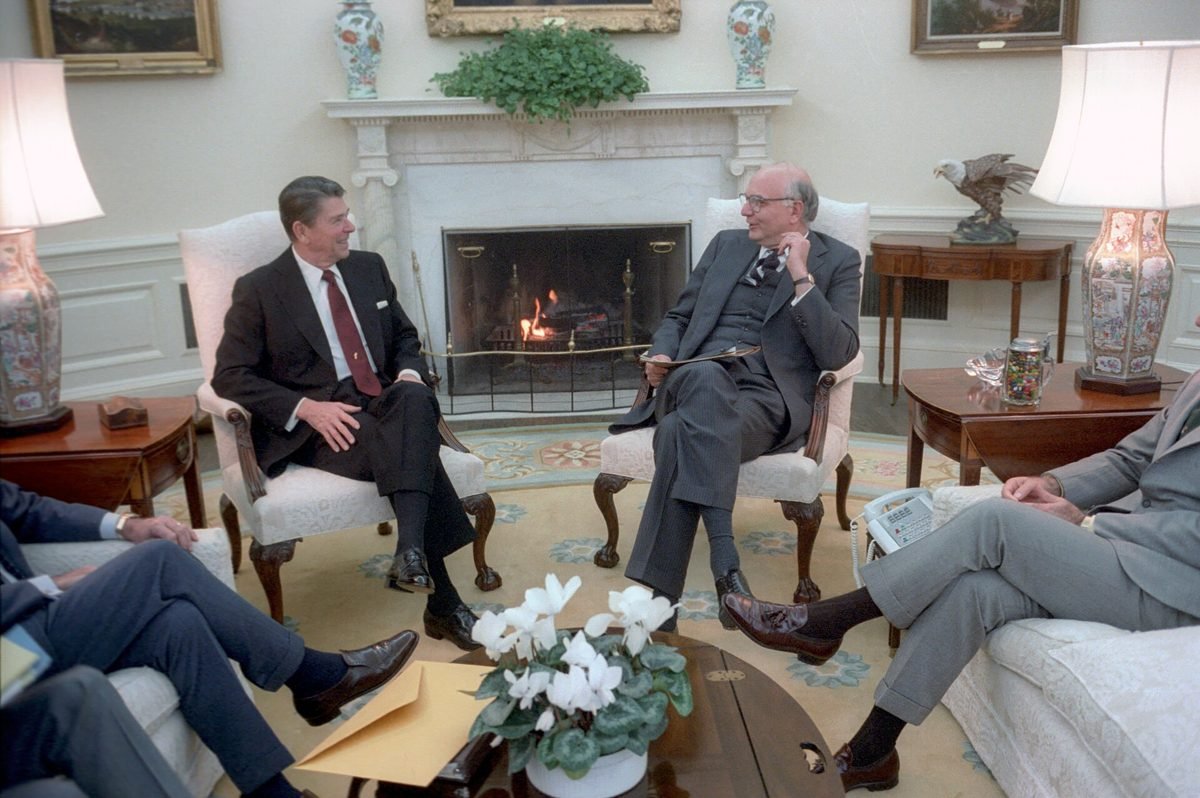
To avoid a chain of defaults among brokers and banks, a consortium of 13 banks arranged a $1.1 billion loan to the Hunt family’s Placid Oil, so the brothers could pay off their silver debts over time. Fed chairman Paul Volcker approved it even though, weeks earlier, he had asked banks to stop lending for commodity speculation. Critics called it a bailout for billionaires; supporters said the alternative was a wider financial panic.
1980
The CFTC holds its fire
The day after the crash, the CFTC voted not to use its emergency powers to suspend silver futures trading. Brokers sold large parts of the Hunts’ futures positions, and the price stabilised, though far below its January level.
1980
Silver Thursday: $10.80 Crash
The Hunts told their brokers they could not meet further margin calls. Silver fell to a low of $10.80 an ounce, down about 78% from its January close. The unsecured debit balance in the Hunts’ accounts at Bache Halsey Stuart Shields was about $122 million, and the Securities and Exchange Commission suspended trading in Bache Group’s shares. Wall Street feared that losses at brokers and banks would spread. The day became known as Silver Thursday.
1980
Credit curbs on speculation Rules
As part of a programme of credit controls announced by President Carter on 14 March, the Federal Reserve asked banks to restrain lending for speculative purchases of commodities and precious metals. For leveraged holders like the Hunts, who were borrowing to meet margin calls, new money became much harder to raise just as the price slid.
1980
A $10 fall in a day Crash
The day after COMEX barred new positions, silver fell by about $10 to roughly $34 an ounce. Without new buyers, the forces that had driven the rally, scarce deliverable metal and ever-larger long positions, went into reverse. Through February and March the price kept sliding and the Hunts’ margin calls kept growing.
1980
COMEX: liquidation only Rules
COMEX restricted silver futures trading to liquidation orders: traders could close positions but not open new ones. The CFTC’s later account describes COMEX as suspending trading in silver. Either way, the move cut off the buying that had powered the rally at the very moment the market was most stretched.
1980
The peak: $48.70 Surge
Silver closed at $48.70 an ounce on 17 January 1980, the high in the CFTC’s price series, and traded near $50 the next day. A year earlier it had been about $6. The Hunt group’s silver was worth several billion dollars on paper, and families across America were selling silverware and coins to be melted down. But paper gains could not pay margin calls.
1980
Silver Rule 7: position limits Rules
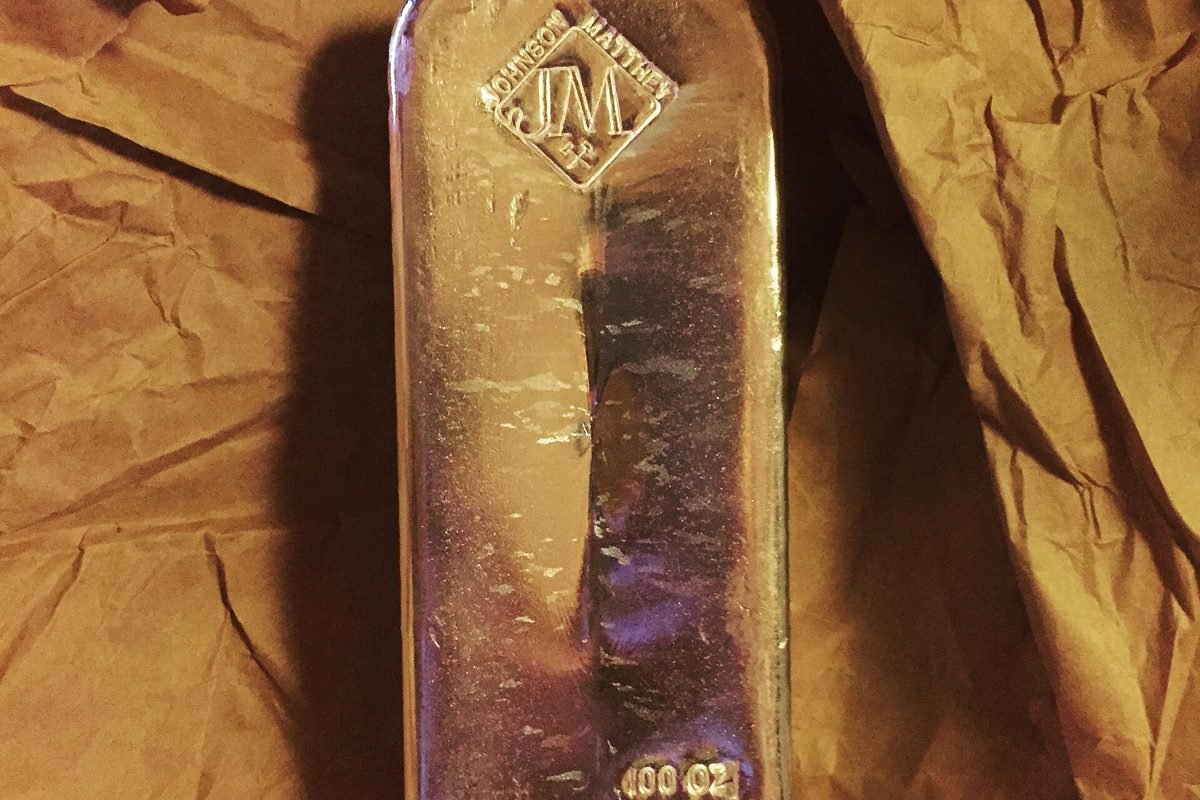
COMEX, the larger silver exchange, imposed position limits of 10 million ounces, a rule known as Silver Rule 7, and raised margins. The Chicago Board of Trade had already introduced a 3-million-ounce limit in late 1979. Traders above the limits had to cut their positions by set deadlines, which turned the Hunts’ strategy of ever-larger positions into a race against the rules.
1979
$34.45 and 195 million ounces Surge
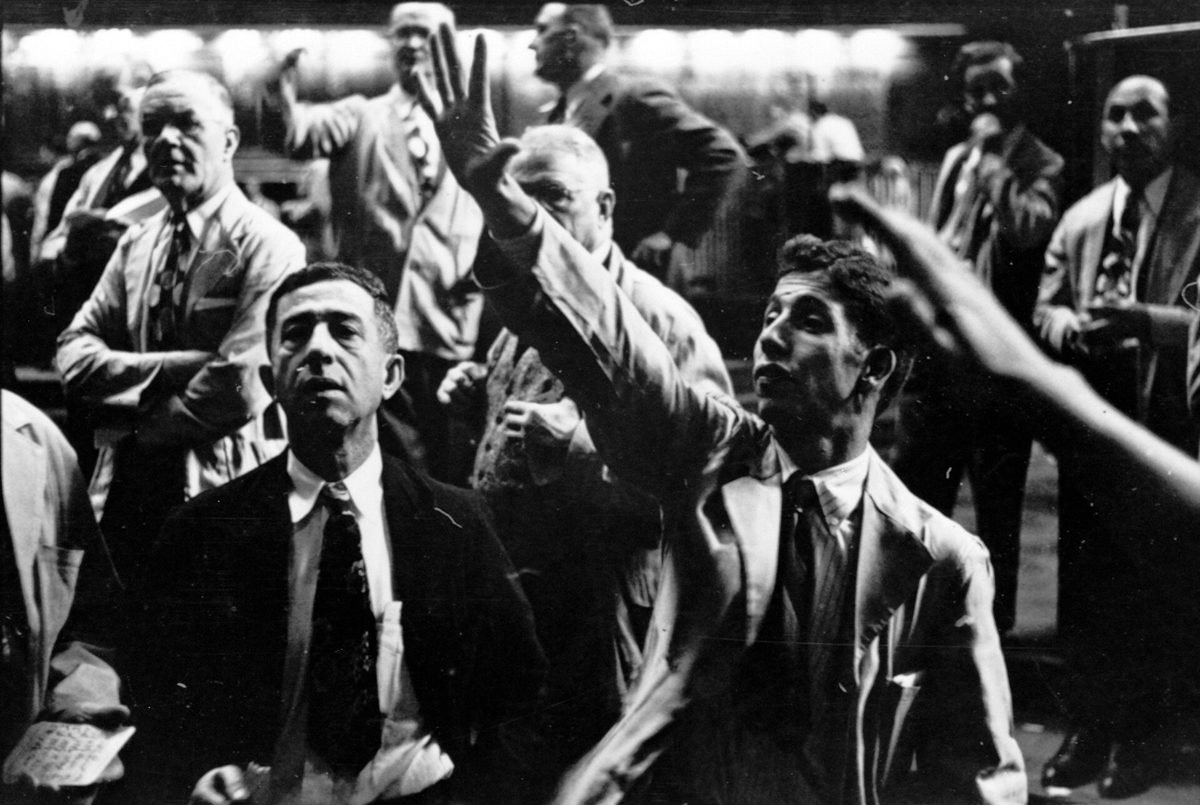
Silver ended 1979 at $34.45 an ounce. Between 31 July 1979 and 1 January 1980, the position of the Hunts and their International Metals Investment Co. grew from about 123 million to about 195 million ounces, counting bullion and futures, and its apparent value from about $1.1 billion to about $6.8 billion.
1979
43 million ounces in the vault Surge
By the autumn, the Hunts had accumulated over 43 million ounces of physical silver, and with associates held more than 12,000 futures contracts for March 1980 delivery, a claim on another 60 million ounces, according to the CFTC. They stood for delivery rather than rolling contracts over and made sure the metal they received was not delivered back to them. Through most of October and November silver traded between $15 and $17.50.
Saudi partners join
The Hunts set up International Metals Investment Co., owned by two Hunt brothers and two Saudi investors, to buy silver. Other wealthy traders, including Mahmoud Fustok, brother-in-law of the Saudi crown prince, and Naji Nahas, a Lebanese businessman based in Brazil, also built large silver positions; the Minpeco suit later named both.
1979
From $6 to $9 Surge
Silver settled at about $6.00 an ounce in January 1979 and was above $9 by August, according to the CFTC’s account. US inflation was running in double digits, the dollar was weak and gold was rising too, so the Hunts were not the only buyers. What set them apart was size and leverage.
An inflation hedge becomes a hoard
Nelson Bunker Hunt and William Herbert Hunt were sons of the Texas oil billionaire H. L. Hunt. Convinced that inflation would erode paper money, they began buying silver in bulk in the 1970s, taking delivery and storing the metal rather than just trading contracts. Futures let them control far more silver than they paid for upfront, with only a margin deposit down.
Pick a moment. See what an ounce, and a 1,000-ounce bar, was worth
Prices are silver in US dollars per troy ounce on the dates shown. A standard COMEX contract was 5,000 ounces; a large bullion bar is about 1,000 ounces.
How the Silver Squeeze Worked
Physical metal and futures, used together. Each step fed the next, on the way up and on the way down.
Take metal off the market
Bullion bought and stored, or flown abroad, is no longer available to settle contracts. Every ounce the Hunts held made deliverable silver scarcer.
Control more with margin
A futures contract on 5,000 ounces needed only a deposit, so rising prices multiplied the Hunts’ gains and let them borrow against paper profits to buy more.
Stand for delivery
Instead of closing contracts before expiry, the Hunts demanded the metal. Traders who were short had to find silver or buy back contracts at higher prices.
Others pile in
Rising prices drew in speculators, while households sold silverware and coins to be melted. Inflation fears and the 1979 Iranian revolution added to the demand.
The exchanges step in
Position limits and liquidation-only trading stopped new buying. With no fresh demand, prices could only fall, and every fall triggered margin calls.
Forced selling
When the Hunts could not post more cash, brokers sold their positions, adding to the selling. The leverage that built the rally accelerated the crash.
Buy one 5,000-ounce silver contract on margin. Then let the price fall
An illustration of how leverage works, not the Hunts’ actual accounts. Margin is the deposit you post; when losses eat into it, the broker demands more cash.
The Legal Aftermath, Proceeding by Proceeding
Retellings often blur these together. They had different forums, standards and results.
| Proceeding | Type | Dates | Outcome |
|---|---|---|---|
| CFTC report to Congress | Regulatory study | Sent 29 May 1981 | Documented positions, deliveries and exchange actions |
| CFTC enforcement case | Administrative charges | Filed 28 Feb 1985; hearing from Nov 1987 | Bunker Hunt settled 20 Dec 1989: $10m fine, permanent ban, no admission |
| Minpeco v. Hunt | Civil jury trial, New York | Trial from 24 Feb 1988; verdict Aug 1988 | Three Hunts liable; ~$134m after trebling and settlement offsets |
| Hunt bankruptcies | Chapter 11 | Filed Sep 1988 | Bunker and Herbert; debts above $1.2bn per UPI |
| Criminal charges | — | — | None. No Hunt was criminally convicted over silver |
The distinction matters. The CFTC’s 1985 complaint was a set of allegations, which the Hunts disputed. The 1988 Minpeco verdict was a civil jury’s finding, on the balance of the evidence, that the brothers had conspired to corner the market; the antitrust and racketeering laws under which it was brought allow damages to be trebled. Bunker Hunt’s 1989 CFTC settlement neither admitted nor denied the findings. At no point was any of the brothers charged with a crime over silver.
The Hunts’ defence, then and later, was that they were long-term investors protecting themselves against inflation, that other wealthy traders were buying too, and that the exchanges, whose board members included firms that were short silver, changed the rules mid-game to save the shorts. That last argument still has supporters. The jury was not persuaded.
Silver Today: The Record Falls, 45 Years Later
For more than four decades, $50 was silver’s ceiling. Then 2025 happened.
In October 2025 a shortage of metal in London vaults sent the cost of borrowing silver for a month above 30% a year, and spot prices broke the 1980 record for the first time. The rally ran on into January 2026, to about $121.62 on the 29th, before a single-day fall of about 26%, the worst since the Hunt era. By 9 October 2026 silver was around $60.
The parallels are real but limited. There was no single family trying to corner the market in 2025; the squeeze came from thin inventories, strong industrial and investment demand, and positions that could not be covered quickly. But the mechanics were familiar: when deliverable metal is scarce and leverage is high, prices can overshoot, and a change in margin requirements or interest-rate expectations can reverse them in hours.
What Investors Can Learn
- Size relative to supply is what matters: a position large compared with deliverable metal can move the price, in both directions.
- Leverage turns volatility into a cash problem: the Hunts were rich in silver and oil but short of cash when margin calls came.
- Paper and metal are different: futures, bullion and the ability to deliver are linked but not interchangeable.
- Rules can change mid-game: position limits, margin increases and liquidation-only orders can end a strategy overnight.
- Squeezes reverse violently: forced selling made the 1980 crash as fast as the rally, and the 2026 fall echoed it.
- Legal risk outlasts market risk: the trades ended in 1980; the lawsuits, bankruptcy and bans ran to 1989.
Corrections and Clarifications
Claims in the brief this page was built from, checked against the CFTC’s records, contemporary reports and court coverage.
“A jury found the brothers liable”
The 1988 Minpeco jury found three Hunts liable: Nelson Bunker, William Herbert and Lamar. Racketeering findings applied to Bunker and Herbert only. Net losses of about $66 million were trebled, and $64.6 million in earlier settlements deducted, leaving about $134 million.
The 1989 settlement
Bunker Hunt’s settlement was announced on 20 December 1989: a $10 million fine, a permanent ban, and no admission or denial. UPI reported there was no settlement yet with Herbert Hunt at that point.
“February 1985” and “May 1981”
Correct, and more precise dates exist: the CFTC filed its manipulation allegations on 28 February 1985 and sent its silver report to Congress on 29 May 1981.
“150 million ounces in April 1980” and the “$13.26” spread
Neither appears in the CFTC document the brief cited, and we could not confirm them elsewhere, so they are left out. The CFTC and SEC-based figures used instead: 43 million ounces of bullion by autumn 1979, and a group position of about 195 million ounces by 1 January 1980.
The rescue loan and the bankruptcy
The brief skipped the $1.1 billion loan from 13 banks to Placid Oil in spring 1980, approved by Fed chairman Paul Volcker, and the Chapter 11 filings of September 1988.
“Can a silver squeeze happen again?”
It already has, in part. In October 2025 a London squeeze broke the 1980 record, and silver hit about $121.62 in January 2026 before a 26% one-day fall. Herbert Hunt died on 9 April 2024.
Explore More Timelines
People Also Ask
Frequently Asked Questions
The Bottom Line
The Hunt brothers did not invent inflation fears or the 1979 commodity boom, but their hoard of bullion and leveraged futures turned a rally into a squeeze. When the exchanges limited positions and banned new buying, the same leverage turned the squeeze into a crash, and Silver Thursday nearly took brokers and banks down with it. A civil jury later found that the brothers had conspired to corner the market, and the CFTC banned Bunker Hunt for life. Forty-five years on, silver’s 2025–26 boom and bust showed the lesson still holds: market power, leverage and scarce supply make both the boom and the collapse far more extreme.
Related AiTimeline Stories
⚠️ Editorial Note
Last updated 11 October 2026. Prices for 1979–80 are from the CFTC’s historical account and SEC-based figures as reported; different exchanges and contracts give slightly different numbers, which is why the peak is quoted between about $48.70 and $50. Legal outcomes are from contemporary reports of the 1988 verdict and 1989 settlement. 2025–26 prices are market reports and approximate. The inflation-adjusted figure is an AiTimeline estimate. The margin calculator is an illustration, not a reconstruction of any real account. This page is history, not investment advice.
Sources & further reading
Every dated entry above was checked against these references. Last reviewed 11 October 2026.
- CFTC: Position Limits for Derivatives, proposed rule (2013), historical discussion of the 1979-80 silver market
- CFTC: History of the CFTC, the 1980s (silver report 1981, Hunt charges 1985)
- 3 Hunts guilty in plot to corner silver market (August 1988)
- CFTC set to resume Hunt case (23 August 1988)
- Nelson Bunker Hunt agrees to $10 million fine (20 December 1989)
- Banks pooling $1 billion to help Hunts settle up (1 May 1980)
- Famed Texas oil tycoon Nelson Bunker Hunt dies at 88 (October 2014)
- Oil baron, philanthropist William Herbert Hunt dies at 95 (April 2024)
- Silver hits record high above $52.50 as safe-haven demand fuels rally (October 2025)
- Gold set for steepest daily drop since 1983, silver eyes worst day ever (30 January 2026)
- Current price of silver as of Thursday, October 8, 2026