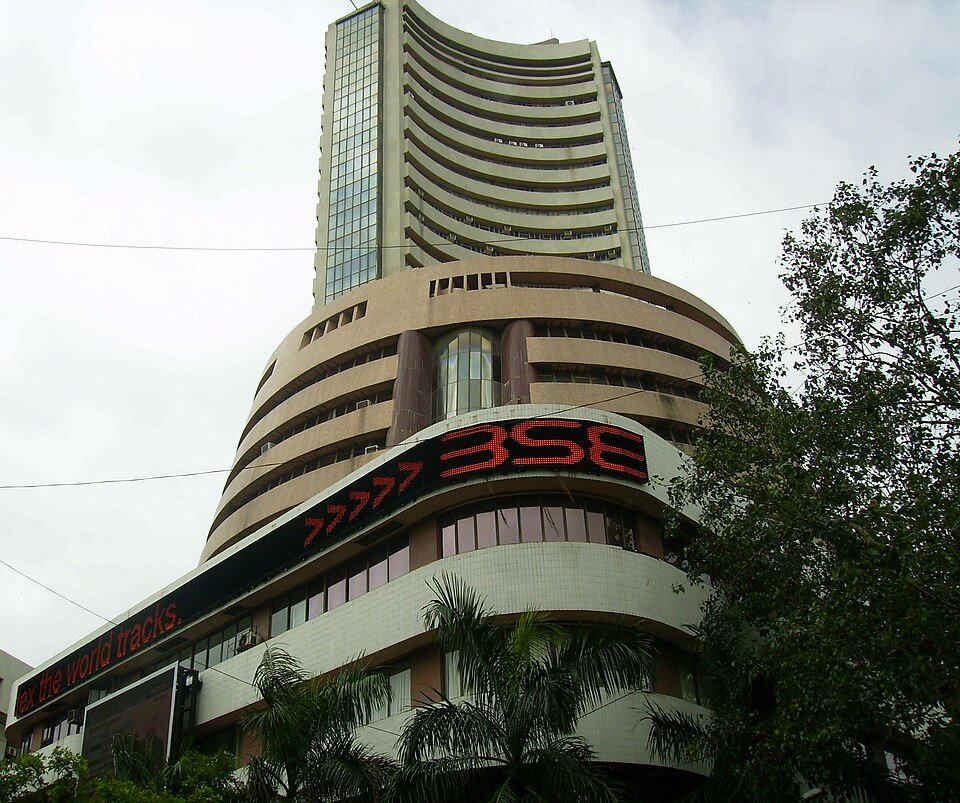
YES Bank Crisis History Timeline (2003–2026): Rise, Collapse, RBI Rescue, Recovery & Lessons
YES Bank crisis timeline: the 2020 RBI moratorium, SBI-led rescue, AT1 bond write-down, recovery and the 2025 SMBC deal. Not investment advice.
Latest Story
The YES Bank crisis history timeline traces one of India’s most dramatic banking stories: from a fast-growing private lender founded in 2003 to a full-blown crisis in March 2020, an RBI-led rescue anchored by the State Bank of India, and a multi-year recovery that in 2025 brought Japan’s SMBC in as the largest shareholder. This reverse-chronological guide sets out the verified sequence of events — official RBI actions, court and regulatory developments, YES Bank disclosures and well-reported news — and keeps analysis clearly separate from fact. It is an explainer, not investment advice.
Latest Update — October 2026
On 15 October 2026 the Supreme Court dismissed the appeals of YES Bank, the RBI and the Union government and upheld the Bombay High Court's 2023 ruling that the administrator had no power to write down ₹8,415 crore of AT1 bonds in March 2020, so the bonds stand restored. YES Bank said it would examine the judgment and evaluate its legal options, and put the pro forma hit to its CET1 ratio at about 250 basis points; its shares fell more than 14% on the day, per Business Today. Two days later, on 17 October 2026, the bank reported Q2 FY27 standalone net profit of about ₹1,080 crore, up about 65% year-on-year, with gross NPA at 1.2% — but a pro forma table showed that recognising the AT1 ruling would have meant a quarterly net loss of about ₹5,217 crore, per Business Standard.
🧠 YES Bank Crisis in 60 Seconds — AI Overview
The YES Bank crisis peaked on 5 March 2020, when the Reserve Bank of India imposed a moratorium, superseded the board and capped withdrawals at ₹50,000 after years of bad loans and governance failures. On 13 March 2020, an RBI reconstruction scheme led by the State Bank of India injected fresh capital; SBI took up to 49%. Depositors were protected, but ₹8,415 crore of AT1 bonds were written down. The bank stabilised, and in 2025 Japan’s SMBC became its largest shareholder.
YES Bank Crisis: Key Questions
YES Bank Crisis: What to Know
- Rapid rise, sharp fall: founded in 2003, YES Bank grew aggressively, peaking near ₹90,000 crore in market value in 2018 before collapsing.
- Root cause: aggressive corporate lending, concentration on stressed borrowers, under-reported bad loans and weak governance.
- The trigger: the RBI imposed a moratorium on 5 March 2020 and capped withdrawals at ₹50,000 per depositor.
- The rescue: an RBI reconstruction scheme (13 March 2020) led by SBI injected fresh capital and installed new management.
- Depositors were protected — no depositor lost money — but ₹8,415 crore of AT1 bonds were written down, sparking a long legal battle.
- Founder fallout: Rana Kapoor was arrested by the ED on 8 March 2020 and spent about four years in custody before being granted bail in April 2024.
- Recovery: a ₹15,000 crore FPO (2020), a stressed-asset sale to JC Flowers ARC (2022) and a return to profit stabilised the bank.
- New era: Japan’s SMBC became the largest shareholder in September 2025, and Vinay Tonse became MD and CEO in April 2026.
- Not advice: this timeline explains what happened; it is not a recommendation to buy, hold or sell any security.
The Crisis at a Glance
Five pivotal facts of the YES Bank story, all from the public record.
Official RBI Action
Official RBI Action
Court / Regulatory
Court / Regulatory
Verified News
Official RBI Action
YES Bank Crisis Timeline (Reverse Chronological)
Latest events first. Each milestone is labelled by source type.
Q2 FY27 results: profit up 65%, but AT1 ruling not yet booked
Event: YES Bank reported standalone net profit of about ₹1,080 crore for the quarter ended 30 September 2026 (Q2 FY27), up about 65% from ₹654 crore a year earlier, with net interest income up 22.7% to ₹2,822 crore and gross NPA improving to 1.2% of advances, per Business Standard.
Why it matters: The reported profit does not include the effect of the Supreme Court's 15 October AT1 ruling. A pro forma table in the results showed the bank would have posted a net loss of about ₹5,217 crore for the quarter had the restored bonds been recognised, and the auditors flagged that reported performance could have been materially different.
Long-term significance: Underlying operations kept improving, but how the bank accounts for and funds the restored AT1 liability is now the key question for its capital position.
Supreme Court upholds quashing of AT1 bond write-down
Development: A Supreme Court bench of Justices Dipankar Datta and Augustine George Masih dismissed the appeals of YES Bank, the RBI and the Union government, upholding the Bombay High Court's January 2023 judgment. The Court held that the administrator had no power to write down the ₹8,415 crore of AT1 bonds, noting that the government had consciously left the write-down clause out of the final Reconstruction Scheme.
Immediate impact: The bonds stand restored. YES Bank said it would examine the judgment and evaluate all available legal options, estimated a pro forma impact of about 250 basis points on its CET1 ratio, and said it had access to capital-management levers. Its shares fell more than 14% on the day, per Business Today.
Financial significance: After more than six years of litigation, the ruling vindicates AT1 bondholders, including the retail investors who had bought into the bonds, and sets a precedent on the limits of an administrator's powers in a bank rescue.
Q1 FY27 results: profit up 33.7%, bad loans keep falling
Event: YES Bank reported standalone net profit of about ₹1,071 crore for the quarter ended 30 June 2026 (Q1 FY27), up 33.7% year-on-year, with gross NPA improving to 1.3% of advances (from 1.6% a year earlier) and net NPA at 0.2%.
Why it matters: The results, announced on 18 July 2026, extend the post-2020 recovery trend a few months into Vinay Tonse's tenure as MD & CEO and under SMBC as largest shareholder.
Long-term significance: Steadily improving asset quality and profitability are the metrics regulators and investors are watching to judge whether the 2020 rescue has fully paid off.
Vinay Tonse takes over as MD & CEO
Event: Vinay Muralidhar Tonse, a former State Bank of India executive, became YES Bank's Managing Director and CEO with effect from 6 April 2026, succeeding Prashant Kumar, who had led the bank since the 2020 reconstruction.
Why it happened: Prashant Kumar's term ended, and the leadership transition came as the bank entered its new phase under largest shareholder SMBC, with R. Gandhi continuing as part-time chairman.
Long-term significance: New leadership marks the shift from crisis-era stabilisation to a growth phase backed by a strategic foreign investor.
Supreme Court hears AT1 appeals, reserves verdict
Development: The dispute over the ₹8,415 crore Additional Tier 1 (AT1) bond write-down continued before the Supreme Court, which heard arguments and reserved its order in April 2026. The verdict was delivered on 15 October 2026.
Why it matters: In January 2023 the Bombay High Court had set aside the write-down, ruling the administrator exceeded his powers; the Supreme Court stayed that order in March 2023, leaving bondholders' fate unresolved until the 2026 verdict.
Financial significance: SEBI data cited in court showed 1,346 retail investors had put about ₹679 crore into the bonds — a landmark test of how AT1 instruments rank in a rescue.
SMBC becomes YES Bank's largest shareholder
Event: Sumitomo Mitsui Banking Corporation (SMBC) of Japan completed the purchase of a 20% stake in YES Bank from SBI and other lenders for about ₹13,483 crore, becoming the largest shareholder. SBI retained roughly 10%.
Key decision: Two SMBC nominee directors joined the board; the deal was later expanded toward about 24% with an additional stake bought from a Carlyle-linked investor.
Long-term impact: It marked one of the largest cross-border investments in India's banking sector and a vote of confidence in the recovered bank.
Recovery: bad-loan clean-up, lock-in ends, return to profit
Events: In 2022 YES Bank transferred a large pool of stressed loans (reported at around ₹48,000 crore) to JC Flowers ARC, cleaning up its balance sheet. The three-year lock-in on reconstruction-era shareholders ended in March 2023, and the bank returned to profitability.
Why it happened: Offloading legacy bad loans and rebuilding retail deposits were central to stabilising the bank after 2020.
Long-term impact: A cleaner balance sheet and steadier profits set the stage for the SMBC investment.
₹15,000 crore follow-on public offer (FPO)
Event: YES Bank raised about ₹15,000 crore through a follow-on public offer to shore up its capital position after the reconstruction.
Why it happened: The bank needed a durable capital buffer beyond the initial rescue infusion to meet regulatory ratios and rebuild confidence.
Financial significance: It reduced reliance on the rescuing banks' capital and broadened the shareholder base.
Moratorium lifted; reconstructed bank reopens
Key decision: The RBI lifted the moratorium on 18 March 2020. The reconstructed YES Bank resumed full operations, with Prashant Kumar as MD and CEO and a new board.
Immediate impact: Depositors regained unrestricted access to their money after 13 days of the ₹50,000 cap; no depositor lost funds.
Long-term impact: The swift reopening prevented contagion fears from spreading to the wider banking system.
Reconstruction Scheme notified; AT1 bonds written down
Key decision: The government notified the YES Bank Reconstruction Scheme on 13 March 2020. SBI invested about ₹6,050 crore for up to 49%, with ICICI, HDFC, Axis, Kotak, Federal, Bandhan and IDFC First adding capital — roughly ₹10,000 crore in total.
Policy change: As part of the scheme, about ₹8,415 crore of AT1 bonds were written down to zero on 14 March 2020, and 75% of existing shareholders' equity was locked in for three years.
Financial significance: Depositors and senior creditors were protected, but AT1 bondholders bore the loss — the decision that later reached the courts.
RBI moratorium; withdrawals capped; founder arrested
Key decision: On 5 March 2020 the RBI placed YES Bank under a moratorium, superseded its board, appointed Prashant Kumar (a former SBI CFO) as administrator, and capped depositor withdrawals at ₹50,000.
Why it happened: The bank could not raise the capital it needed to cover mounting bad loans, and deposits were flowing out — a solvency and liquidity crisis.
Court development: On 8 March 2020, the Enforcement Directorate arrested founder Rana Kapoor over allegations of fraud and money laundering; he would spend about four years in custody before bail in April 2024.
Asset quality collapses; capital raises fail
Events: Rana Kapoor stepped down as CEO in January 2019; Ravneet Gill took charge in March 2019. Through the year, bad loans surged, losses mounted, and repeated attempts to raise capital fell through.
Immediate impact: The share price collapsed by around 90% over 2019 as confidence evaporated and rating agencies downgraded the bank.
Why it happened: Years of aggressive lending to stressed groups came home to roost as those borrowers defaulted and the true scale of bad loans emerged.
RBI curtails Rana Kapoor's tenure as CEO
Key decision: In September 2018 the RBI declined to extend Rana Kapoor's term as MD and CEO, directing him to step down by 31 January 2019 amid governance and asset-quality concerns.
Why it happened: The RBI had flagged repeated under-reporting of bad loans and concerns about the bank's risk culture under its dominant founder.
Long-term impact: The forced exit exposed how concentrated power had been, and set off the leadership churn that preceded the 2020 crisis.
NPA divergence and aggressive corporate lending
Events: The RBI's asset-quality reviews found that YES Bank had under-reported its bad loans by thousands of crores in FY16 and FY17 — a large “NPA divergence.” The bank had lent heavily to stressed corporate groups.
Why it happened: A growth-at-all-costs strategy prioritised rapid loan-book expansion, including to borrowers that later defaulted, such as several high-profile infrastructure and shadow-banking groups.
Long-term impact: These hidden bad loans were the seed of the crisis; once recognised, they overwhelmed the bank's capital.
Co-founder Ashok Kapur killed in the 26/11 attacks
Event: Ashok Kapur, YES Bank's co-founder and non-executive chairman, was killed during the 26 November 2008 Mumbai terror attacks at the Taj Mahal Palace hotel.
Long-term impact: His death left Rana Kapoor as the dominant figure at the bank and triggered a long dispute with Kapur's family over board rights — a governance faultline that echoed for years.
Financial significance: The concentration of control that followed is widely cited as a contributing factor to later governance failures.
YES Bank founded and launched
Event: Rana Kapoor and Ashok Kapur secured a banking licence from the RBI in 2003 and launched YES Bank, which commenced operations in 2004 with an ambition to build a world-class Indian private bank.
Long-term impact: YES Bank grew rapidly to become one of India's largest private banks, courting corporate clients with fast, flexible lending.
Financial significance: That same aggressive growth model powered its rise — and, a decade later, its fall.
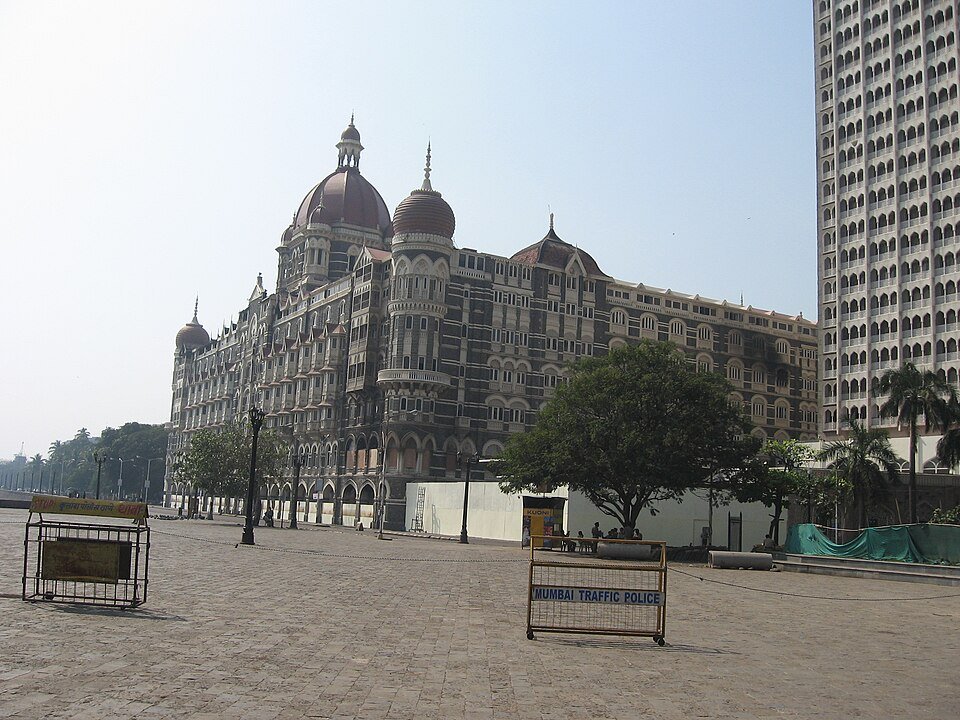
The Taj Mahal Palace, Mumbai — where YES Bank co-founder Ashok Kapur was killed during the November 2008 attacks, a turning point in the bank's governance history.
Why Did YES Bank Collapse?
The root causes, explained separately — established facts, not speculation.
Aggressive lending. YES Bank grew its loan book rapidly, often lending to large corporate borrowers that safer banks avoided. This drove growth but built up hidden risk.
Concentration risk. The bank had heavy exposure to a handful of stressed groups — including major infrastructure and shadow-banking names that later defaulted — so their troubles hit YES Bank hard.
Corporate governance. Power was concentrated in a dominant founder-CEO, with weak checks. The RBI eventually curtailed Rana Kapoor's tenure over governance concerns.
NPA recognition. RBI reviews found the bank had under-reported bad loans (“NPA divergence”) by thousands of crores. Once recognised, provisioning needs surged.
Liquidity and capital. As bad loans mounted, the bank needed large amounts of fresh capital it could not raise, while depositors began pulling money out — a squeeze on both capital and liquidity.
Market confidence. Rating downgrades and a collapsing share price fed a loss of confidence, accelerating deposit outflows until the RBI stepped in.
RBI Intervention & the Reconstruction Scheme
How the rescue worked, step by step.
Why the RBI acted. By early March 2020, YES Bank could not raise capital, its finances were deteriorating, and deposits were leaving. To protect depositors and financial stability, the RBI intervened.
Moratorium and withdrawal cap. On 5 March 2020 the RBI imposed a moratorium, capped withdrawals at ₹50,000 per depositor, and superseded the board.
Administrator. The RBI appointed Prashant Kumar, a former SBI CFO, as administrator to run the bank and steer the rescue.
Reconstruction scheme. On 13 March 2020 the government notified the YES Bank Reconstruction Scheme. SBI anchored the rescue with up to a 49% stake, joined by a consortium of private banks, injecting roughly ₹10,000 crore.
Objectives and results. The aim was to keep the bank running as a going concern, protect depositors, and avoid contagion. Within 13 days the moratorium was lifted, deposits were fully accessible, and the bank stabilised — though AT1 bondholders bore losses now being tested in court.
Who Was Affected, and How
The financial impact across stakeholder groups.
| Stakeholder | Impact | Outcome |
|---|---|---|
| Depositors | Withdrawals capped at ₹50,000 for 13 days | Fully protected; no deposit losses |
| Equity shareholders | Heavy value loss; 75% of holdings locked in 3 years | Retained shares; value recovered partially over time |
| AT1 bondholders | ₹8,415 crore written down to zero | Wiped out in 2020; write-down quashed, upheld by Supreme Court Oct 2026 |
| Senior bondholders / creditors | Protected under the scheme | Claims preserved |
| Borrowers | Loans continued; stressed accounts pursued | Bad loans later sold to JC Flowers ARC |
| Employees | Uncertainty during crisis | Bank continued; jobs largely retained |
| Banking sector | Confidence shock; AT1 market chilled | Rescue contained contagion; rules tightened |
YES Bank vs Other Indian Bank Failures
How the YES Bank resolution compared with other cases.
| Bank | Main Cause | Regulator Action | Resolution | Depositors |
|---|---|---|---|---|
| YES Bank (2020) | Bad loans, governance | RBI moratorium + reconstruction | SBI-led recapitalisation; stayed independent | Protected |
| Global Trust Bank (2004) | NPAs, governance | RBI moratorium | Merged into Oriental Bank of Commerce | Protected |
| PMC Bank (2019) | Loan fraud (HDIL) | RBI restrictions, withdrawal caps | Merged into Unity Small Finance Bank (2022) | Protected (after delay) |
| Lakshmi Vilas Bank (2020) | Capital erosion, governance | RBI moratorium | Merged into DBS Bank India | Protected |
Note: unlike GTB, PMC and LVB, which were merged or absorbed, YES Bank was recapitalised and kept as a standalone bank. In every case, depositors were protected.
Key Entities in the Crisis
The institutions and people at the centre of the story.
Reserve Bank of India
India's central bank and banking regulator. The RBI flagged YES Bank's bad loans, curtailed its founder-CEO's tenure in 2018, and in March 2020 imposed the moratorium and drove the reconstruction that saved the bank.
State Bank of India
India's largest bank. Under the 2020 reconstruction scheme, SBI invested about ₹6,050 crore for up to 49% of YES Bank and provided leadership, anchoring the rescue. It later pared its stake to about 10% after the SMBC deal.
YES Bank
A private-sector bank founded in 2003. It rose rapidly on corporate lending, collapsed in 2020 under bad loans and governance failures, was rescued, and recovered — with SMBC becoming its largest shareholder in 2025.
Rana Kapoor
Co-founder, former MD and CEO. He built YES Bank's aggressive growth model but was pushed out by the RBI in 2018-19. He was arrested by the ED in March 2020 and granted bail in April 2024 after about four years in custody.
Prashant Kumar
A former SBI CFO appointed RBI administrator in March 2020 and then MD and CEO. He led YES Bank's stabilisation and recovery for six years, until Vinay Tonse succeeded him in April 2026.
Banking Regulation Act
The law under which the RBI supervises banks and, with the government, can impose a moratorium and notify a reconstruction scheme. It provided the legal basis for the YES Bank rescue.
Banking Terms Explained
Plain-English definitions of the jargon in this story.
| Term | What It Means |
|---|---|
| NPA | Non-Performing Asset — a loan on which the borrower has stopped paying interest or principal, typically for 90+ days. |
| NPA divergence | The gap between the bad loans a bank reports and the higher amount the RBI assesses in its review. |
| Capital Adequacy Ratio | A measure of a bank's capital against its risk-weighted assets; a buffer to absorb losses. |
| Provisioning | Money a bank sets aside to cover expected loan losses, which reduces reported profit. |
| Liquidity | A bank's ability to meet withdrawals and obligations with cash and easily sold assets. |
| Moratorium | A temporary freeze, imposed by the RBI, restricting a bank's payments and large withdrawals during a crisis. |
| Prompt Corrective Action | An RBI framework that restricts a weak bank's activities to nurse it back to health. |
| AT1 bonds | Additional Tier 1 bonds — high-risk, perpetual bank capital that can be written down or skipped in a crisis. |
| Retail vs corporate lending | Retail lending is to individuals (home, auto, cards); corporate lending is to companies, often larger and riskier. |
Case Studies & Lessons
Five angles on the rise, fall and recovery.
1. The rise of YES Bank
From a 2003 start-up bank, YES Bank grew into one of India's largest private lenders within 15 years, peaking near ₹90,000 crore in market value in 2018. Its edge was speed and a willingness to lend where others hesitated — a strength that quietly became its biggest weakness.
2. Early warning signs
The NPA divergences found in RBI reviews, the concentration on stressed groups, and the RBI's 2018 move to curtail the founder-CEO's tenure were all red flags. The lesson: hidden bad loans and concentrated control are dangerous long before a crisis becomes visible.
3. The March 2020 rescue
The RBI and SBI executed one of India's fastest bank rescues — moratorium to reopening in 13 days — protecting depositors and containing panic. The AT1 write-down showed that not all creditors rank equally, a point still being tested in court.
4. Recovery strategy
A ₹15,000 crore FPO, a stressed-asset sale to JC Flowers ARC, a pivot toward retail deposits and a return to profit rebuilt the bank — culminating in SMBC taking the largest stake in 2025.
5. Lessons for India's banking sector
The crisis reinforced the importance of honest bad-loan recognition, diversified lending, strong governance independent of any one person, and clear disclosure of instruments like AT1 bonds. It also showed that a well-designed rescue can protect depositors and keep a failing bank alive.
💡 YES Bank — Notable Facts
- No YES Bank depositor lost money in the crisis — the ₹50,000 cap lasted just 13 days.
- The entire rescue, from moratorium to reopening, took under two weeks.
- The ₹8,415 crore AT1 write-down became a landmark case; in October 2026 the Supreme Court upheld its quashing.
- Rana Kapoor spent about four years in custody before bail in April 2024.
- In a striking reversal, a bank rescued in 2020 attracted Japan's SMBC as its largest shareholder in 2025.
- Both of YES Bank's post-crisis CEOs — Prashant Kumar and Vinay Tonse — came from SBI.
Explore More Timelines
People Also Ask
YES Bank Crisis FAQ
Detailed answers to the most-searched questions.
⚠️ Editorial & E-E-A-T Note
This timeline separates Official RBI Actions and government notifications, YES Bank disclosures, court and regulatory developments (including the AT1 bond case decided by the Supreme Court in October 2026), verified news events, and financial analysis (clearly-marked interpretation). Dates and figures are drawn from official records and established reporting by outlets such as the RBI, SEBI, the Economic Times, Business Standard, Reuters and Mint; some amounts are widely reported approximations. This article is independent, is not affiliated with YES Bank, SBI, SMBC or the RBI, and is for information only — it is not investment advice and contains no buy, sell or hold recommendation.
Explore More Timelines
Sources & further reading
Every dated entry above was checked against these references. Last reviewed 18 October 2026.