Qatar World Cup Labour Reforms: A Timeline of Migrant Worker Rights
Qatar's preparations for the 2022 World Cup brought global attention to migrant worker conditions. From 2014, Qatar reformed the kafala system, introduced
Latest Story
Qatar’s preparations for the 2022 FIFA World Cup brought global attention to the working and living conditions of the roughly two million migrant workers who build and run the country. Reports of recruitment debt, unpaid wages, dangerous summer heat and restrictions on changing jobs exposed serious weaknesses in the kafala sponsorship system. From 2014 onward, Qatar introduced reforms covering sponsorship, minimum wages, worker mobility, heat protection and wage recovery — real changes, but ones that left enforcement gaps, recruitment fees and disputed death tolls as unresolved questions.
💡 Short Answer
Between 2014 and 2026, Qatar dismantled the core legal pillars of its kafala sponsorship system: it abolished exit permits for most workers in October 2018, removed the requirement to get a former employer’s No Objection Certificate before changing jobs in August 2020, and introduced a non-discriminatory minimum wage of QAR 1,000 a month (effective March 2021), alongside a 2021 heat-stress law banning outdoor work above a WBGT index of 32.1°C. The 2022 World Cup accelerated this process and brought it global scrutiny, but it did not resolve every problem: recruitment fees, uneven enforcement and a bitterly disputed death toll — ranging from the Supreme Committee’s “3 work-related stadium deaths” to the Guardian’s widely cited count of over 6,500 migrant deaths since 2010 — remain open questions that outlived the tournament itself.
Qatar Labour Reforms: Key Questions
Why Did Qatar’s Labour System Come Under Scrutiny?
A workforce of roughly two million, mostly from South Asia, Southeast Asia and Africa.
Qatar relies heavily on migrant workers in construction, transport, hospitality, cleaning and domestic work, drawn largely from India, Nepal, Bangladesh, the Philippines and African countries. After FIFA awarded Qatar the 2022 World Cup in December 2010, the scale of stadium and infrastructure construction drew international attention to conditions that had existed for years but had rarely made global headlines.
Human-rights organisations, journalists and labour researchers raised recurring concerns: recruitment fees that left workers in debt before they even started work; delayed or unpaid salaries; restrictions on changing employers or leaving the country under the kafala (sponsorship) system; dangerous outdoor labour in extreme summer heat; overcrowded accommodation; and weak complaint and compensation mechanisms. Not every migrant worker in Qatar worked on World Cup construction — the Supreme Committee’s own project-specific protections applied only to contractors on its stadium and training-site projects, while national-level reforms (minimum wage, exit permits, heat rules) applied to the wider labour market.
Kafala control
A worker’s legal residence was tied to an employer, who could restrict job changes and exit from the country.
Pre-arrival debt
Many workers paid recruitment agents in their home country before arriving, creating debt bondage risk.
Extreme heat
Summer temperatures above 40°C made outdoor construction and delivery work a serious occupational hazard.
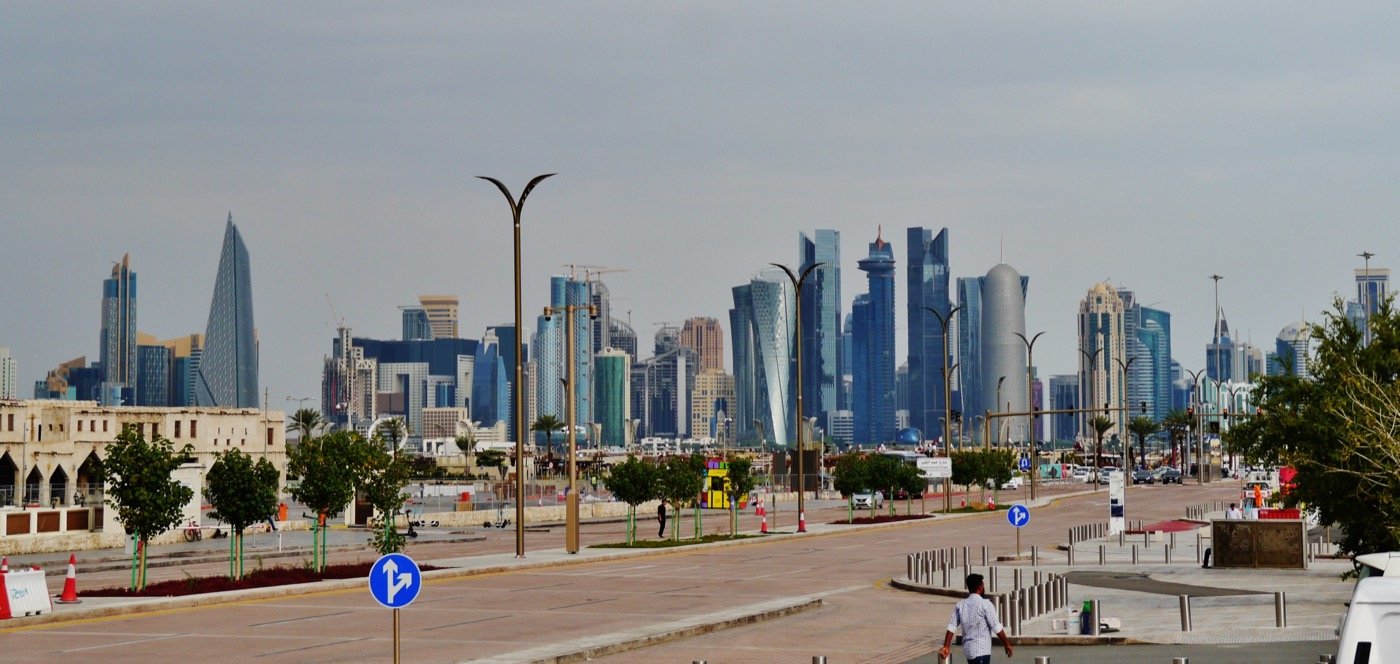
Qatar’s Labour Reforms in Ten Points
- 2 December 2010: FIFA awards Qatar the 2022 World Cup, triggering sustained international scrutiny of its labour system.
- 11 February 2014: the Supreme Committee for Delivery & Legacy issues its first Workers’ Welfare Standards for World Cup-linked projects (revised in 2016).
- 8 November 2017: the ILO Governing Body closes a forced-labour complaint after Qatar commits to reform; the ILO opens its first Doha project office in April 2018.
- 4 September 2018: Law No. 13 of 2018 abolishes exit permits for most workers, effective that October.
- 30 October 2018: Law No. 17 of 2018 creates the Workers’ Support and Insurance Fund to help recover unpaid wages.
- 30 August 2020: Qatar adopts a non-discriminatory minimum wage (Law 17/2020) and abolishes the No Objection Certificate requirement for most job changes (Law 19/2020).
- 20 March 2021: the QAR 1,000 minimum wage takes effect nationwide.
- 26 May 2021: Ministerial Decision No. 17 of 2021 bans outdoor work whenever the WBGT heat-stress index exceeds 32.1°C.
- November-December 2022: the World Cup is held in Qatar; the government’s own death-toll figures (3 work-related stadium deaths; 400-500 national work-related deaths, 2014-2020) are disputed by rights groups citing far higher counts.
- 2024-2028: Qatar and the ILO sign a new four-year, US$19 million cooperation programme as recruitment-fee debt and uneven enforcement remain live concerns.
Qatar Labour Reforms Timeline, Newest First
From the 2010 World Cup award to the 2024-2028 ILO programme extension.
Scrutiny continues over enforcement and recruitment fees Scrutiny
What happened: Attention has increasingly shifted from whether the laws exist to whether they are consistently enforced, whether recruitment-fee debt has actually been eliminated, and whether workers who suffer heat-related illness or unpaid wages can get real remedies.
Qatar and the ILO sign a new four-year cooperation programme Reform
What happened: Following the end of the second technical-cooperation phase, Qatar and the ILO agreed a further programme covering 2024-2028, with a budget of roughly US$19 million, continuing work on labour-market mobility, inspection and access to justice.
ILO’s second technical-cooperation phase concludes Reform
What happened: The ILO’s second phase of technical cooperation with Qatar (running from mid-2021) reached its planned end on 31 December 2023. New laws and institutions were in place, but enforcement and workers’ access to remedies remained the programme’s stated priority going forward.
The FIFA World Cup is held in Qatar Scrutiny
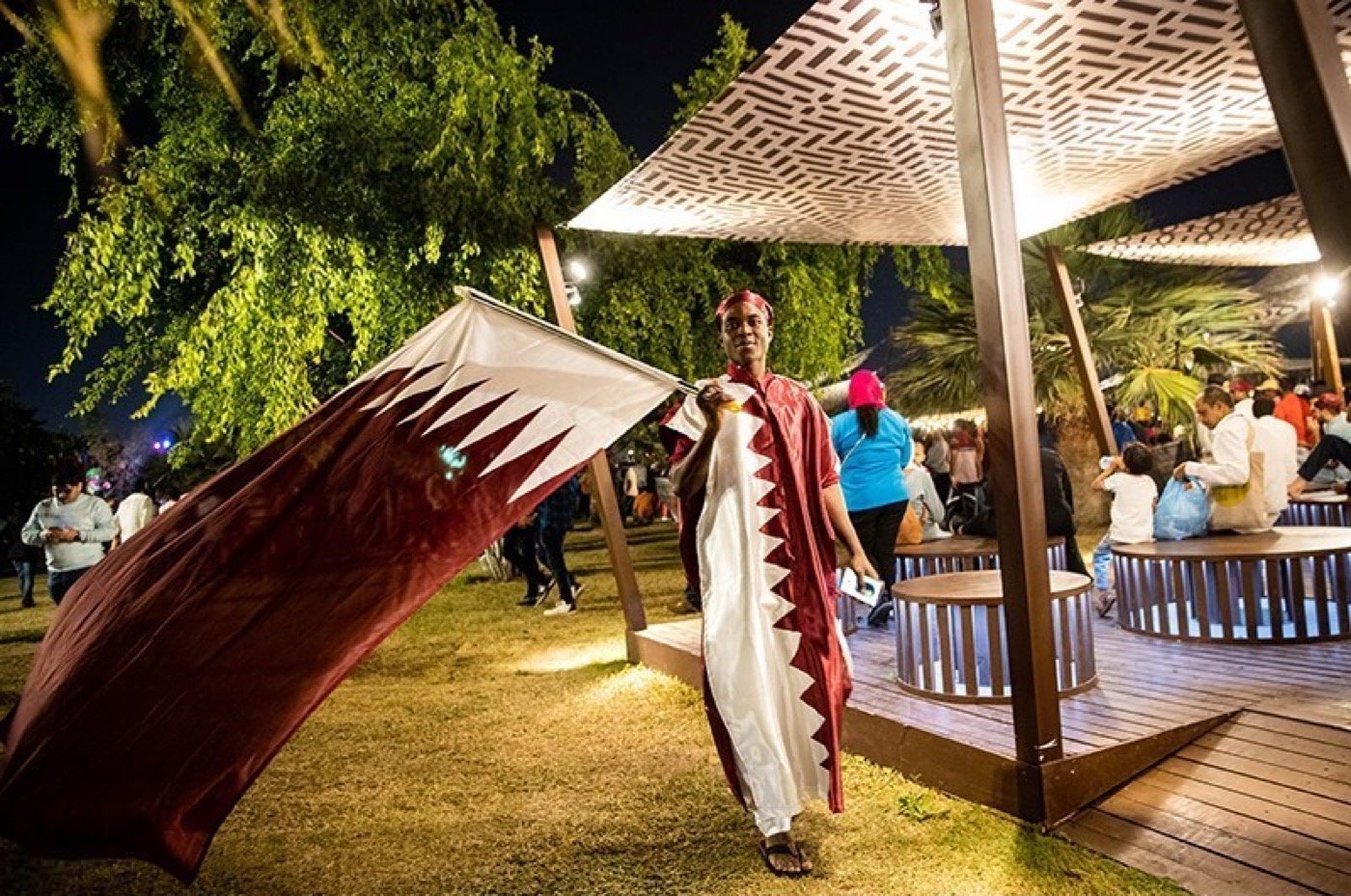
What happened: The tournament brought Qatar’s labour reforms, and the gaps that remained in them, to a global television and social-media audience. It also brought the country’s official death-toll figures under renewed, pointed scrutiny (see the dedicated section below).
Qatar introduces its current heat-stress protections Reform
What happened: A new ministerial decision replaced Qatar’s 2007 heat rules, banning outdoor work between 10:00 and 15:30 from 1 June to 15 September, and requiring work to stop at any hour the WBGT heat-stress index exceeds 32.1°C, with mandatory rest, water and shade provisions.
The QAR 1,000 minimum wage takes effect Reform
What happened: Six months after Law No. 17 of 2020 was adopted, Qatar’s non-discriminatory minimum wage came into force on 20 March 2021, setting a basic wage of QAR 1,000 a month plus food and housing allowances where these are not provided directly.
Qatar adopts the minimum wage law and scraps the No Objection Certificate Reform
What happened: On the same day, Qatar’s Emir ratified Law No. 17 of 2020 establishing the minimum wage, and Law No. 19 of 2020, which removed the requirement for most workers to obtain a No Objection Certificate from their current employer before changing jobs.
The Workers’ Support and Insurance Fund begins processing claims Reform
What happened: Following its 2018 establishment, the Fund reportedly began receiving and paying out claims from eligible workers for certain categories of unpaid wages and benefits when employers failed to pay. FIFA later said the Fund had disbursed over US$350 million to workers in cases largely involving late or non-payment of wages.
Qatar creates the Workers’ Support and Insurance Fund Reform
What happened: Qatar’s Emir issued Law No. 17 of 2018 establishing a dedicated fund to help workers recover unpaid wages and certain benefits in cases where employers could not or would not pay, funded partly by employer contributions and state funding.
Qatar abolishes exit permits for most migrant workers Reform
What happened: Law No. 13 of 2018, signed on 4 September and taking effect that October, cancelled the requirement for most workers covered by the labour law to get their employer’s permission before leaving the country. It did not initially cover domestic workers, who gained the same right in a further step in January 2020.
ILO closes its forced-labour complaint against Qatar Reform
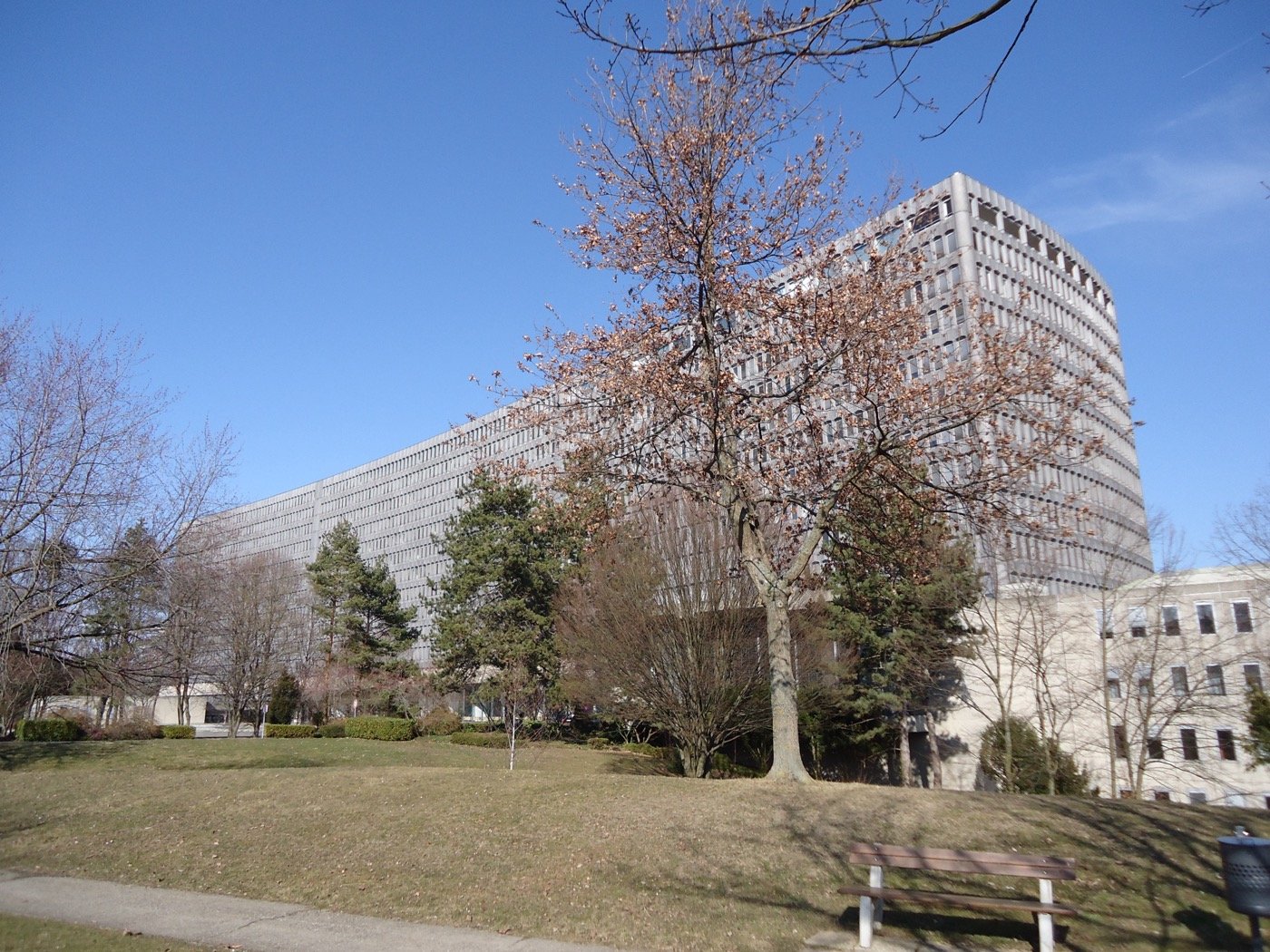
What happened: The ILO Governing Body formally closed a complaint lodged in 2014 under Article 26 of the ILO Constitution, after Qatar committed to a three-year technical cooperation programme. The ILO opened its first project office in Doha the following April, in 2018.
The Supreme Committee publishes revised Workers’ Welfare Standards Reform
What happened: Two years after its first edition, the Supreme Committee published a strengthened version of its Workers’ Welfare Standards, expanding requirements for contractors on recruitment, wage payment, accommodation and worker representation on its own World Cup-linked projects.
The Supreme Committee issues its first Workers’ Welfare Standards Reform
What happened: The Supreme Committee for Delivery & Legacy issued project-level rules covering recruitment, wage payment, accommodation and worker safety for contractors on its World Cup stadium and training-site projects — requiring, among other things, that contractors set up bank accounts so wages could be audited.
Rights groups’ reports and a formal ILO complaint escalate pressure Scrutiny
What happened: Human-rights organisations published major reports on recruitment debt, unpaid wages and sponsorship restrictions in Qatar’s labour market. In 2014, international trade unions lodged a complaint against Qatar under Article 26 of the ILO Constitution, alleging forced labour conditions tied to the kafala system.
FIFA awards the 2022 World Cup to Qatar Scrutiny
What happened: FIFA’s executive committee selected Qatar to host the 2022 World Cup, setting off more than a decade of large-scale stadium, transport and accommodation construction that would draw the migrant workforce — and international scrutiny of their working conditions — into global view.
The Kafala System: What Actually Changed?
Two legal pillars dismantled; sponsorship itself did not disappear.
The kafala system linked a migrant worker’s legal residence in Qatar to a sponsoring employer, who in practice could control the worker’s ability to change jobs or leave the country. Qatar’s reforms changed two specific, consequential parts of this system.
Freedom to leave
Before Law No. 13 of 2018, most workers needed employer permission to leave Qatar. From October 2018, most workers covered by the labour law no longer needed one; domestic workers gained the same right in January 2020.
No more NOC
Law No. 19 of 2020 removed the requirement for most workers to get a No Objection Certificate from their current employer before switching jobs, subject to notice-period rules.
Sponsorship persists
Visas are still employer-sponsored. Legal change did not automatically end retaliation, recruitment debt or contract substitution for every worker, and enforcement has been reported as uneven across sectors.
Minimum Wage: What Did Workers Gain?
A non-discriminatory wage floor, effective 20 March 2021.
| Component | Amount (QAR) | When it applies |
|---|---|---|
| Basic wage | 1,000 / month | Always payable |
| Food allowance | 300 / month | If employer does not provide food directly |
| Housing allowance | 500 / month | If employer does not provide housing directly |
| Maximum cash package | 1,800 / month (~US$495) | Neither food nor housing provided in kind |
The law, Law No. 17 of 2020, was adopted on 30 August 2020 and took effect six months later, on 20 March 2021. It applies without discrimination by nationality or sector, including to domestic workers — a notable design choice, since domestic work is excluded from minimum-wage coverage in several other Gulf states. A Wage Protection System separately monitors salary transfers through approved banks, and the Workers’ Support and Insurance Fund (see below) exists to help recover pay when employers fail to transfer it.
The implementation challenge: a wage law only works if employers actually pay on time, workers can report violations without fear of retaliation, and a successful complaint leads to real payment, not just a ruling on paper. Reports of wage delays and slow recovery continued to surface after the law took effect.
Heat Protection and Workplace Safety
A revised rule, in force since 26 May 2021.
Qatar’s current heat-stress framework
- Outdoor work is banned from 10:00 to 15:30, 1 June through 15 September each year.
- Work must stop at any hour, in any season, if the WBGT heat-stress index at a workplace exceeds 32.1°C.
- Employers must provide drinking water, shaded or air-conditioned rest areas, and heat-stress training.
- Annual health checks are required for workers regularly exposed to heat.
- Non-compliant worksites can be partially or fully shut down by ministerial decision — around 232 sites were reportedly closed in one enforcement sweep.
Migrant-rights researchers have argued the 32.1°C WBGT threshold is still dangerously high for sustained manual labour, and that roles like delivery riders, petrol-station attendants and security guards frequently continue working through the midday ban in practice, since their jobs sit outside strict “outdoor construction” definitions. The rule replaced a narrower 2007 regulation that banned only a fixed midday window regardless of actual temperature.
World Cup Worker Welfare: What Did FIFA and Qatar Actually Do?
Project-specific standards, audited by an outside firm.
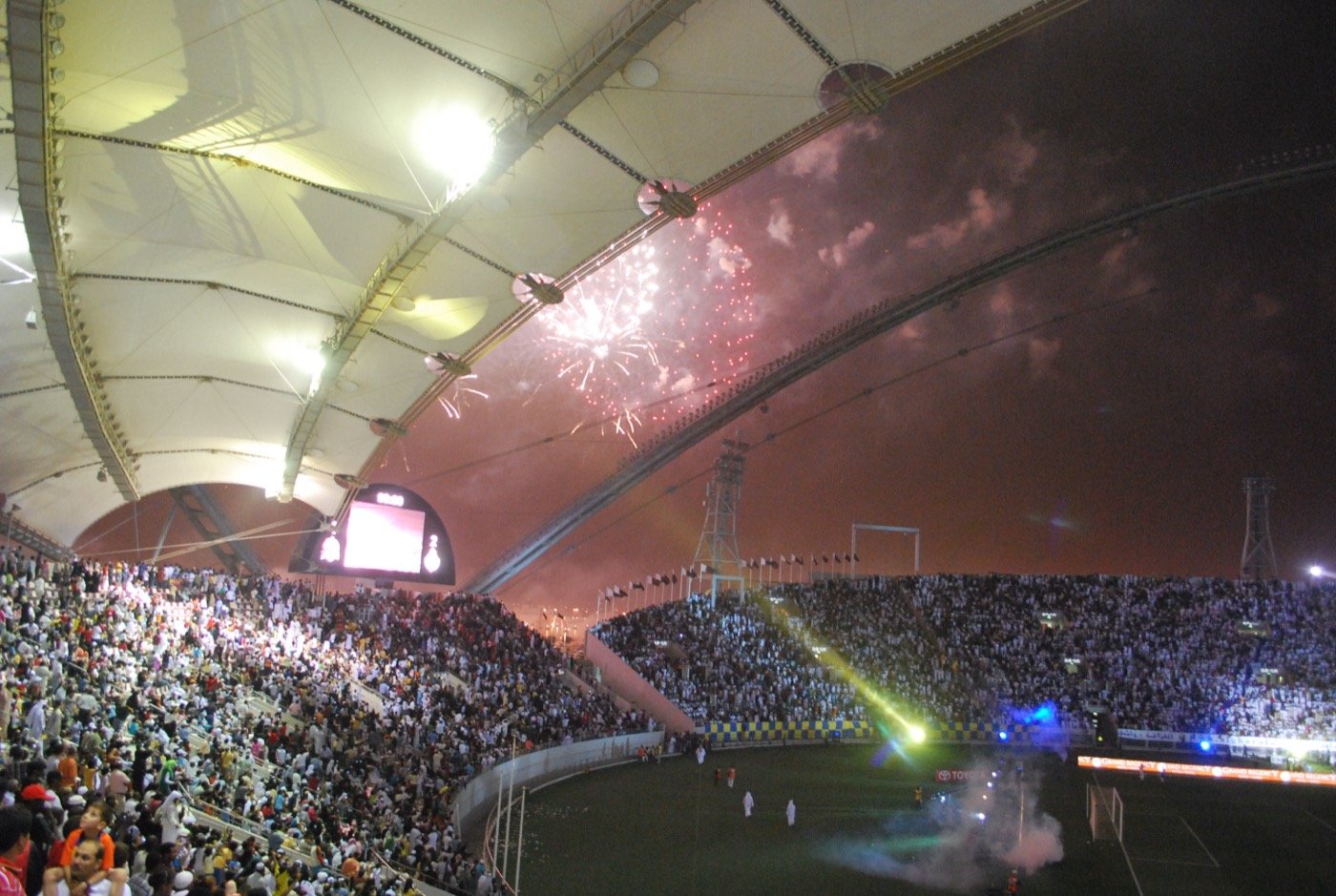
The Supreme Committee for Delivery & Legacy introduced its own Workers’ Welfare Standards for contractors on projects under its direct supervision — principally stadiums and training sites, not the wider national infrastructure build-out. The standards addressed recruitment practices and worker-paid fees, employment contracts and wage payment (via auditable bank accounts), accommodation and food standards, medical care and workplace safety, worker representation, and contractor/subcontractor audits.
An independent auditor, Impactt Ltd, published annual external compliance reports; its 2022 report covered around 15,000 workers still engaged on Supreme Committee projects by then. The International Trade Union Confederation (ITUC) argued the standards, while an improvement, “reinforced” rather than replaced the underlying kafala framework. FIFA also faced sustained pressure to use its influence on worker welfare and remedy; questions about compensation for harmed workers and institutional responsibility remained contested well after the final whistle.
The Disputed Death Toll
Three very different numbers, measuring three different things.
| Figure | Source | What it actually measures |
|---|---|---|
| 3 deaths | Supreme Committee | Work-related deaths during World Cup stadium construction specifically |
| 37 deaths | Supreme Committee | Non-work-related deaths among workers on stadium projects (illness, natural causes, etc.) |
| 400–500 deaths | SC chief Hassan Al-Thawadi (2022) | All work-related deaths nationwide, across all sectors and nationalities, 2014–2020 |
| 6,500+ deaths | The Guardian (2021 investigation) | All deaths of South Asian migrant workers in Qatar, all causes, all sectors, 2010–2020 |
How Can a Worker Recover Unpaid Wages in Qatar?
The formal process, as reported by the Ministry of Labour and FIFA.
- File a complaint with the Ministry of Labour, in person or via its electronic system, documenting the unpaid amount and employer details.
- Case review by a Workers’ Dispute Resolution Committee, intended to rule faster than a standard labour court.
- If the employer still does not pay, an eligible worker can apply to the Workers’ Support and Insurance Fund for certain categories of unpaid wages and benefits.
- Fund disbursement: FIFA has said the Fund paid out more than US$350 million to workers in cases mainly involving late or non-payment of wages, though independent reporting notes the process and timelines can vary by case.
⚠️ Editorial Note
Published timelines for Fund claims vary by source and are not guaranteed for every case. This is a general description of the reported process, not legal or immigration advice — a worker with an active wage dispute should contact Qatar’s Ministry of Labour or a recognised legal-aid organisation directly.
Conclusion: What the World Cup Changed, and What It Didn’t
Qatar’s labour reforms between 2014 and 2021 were real: a non-discriminatory minimum wage, the removal of exit permits and the No Objection Certificate, and a stronger heat-stress law are legal changes most of the Gulf region had not made at the time, and some still have not. The World Cup is the reason the reform timeline moved as fast as it did — sustained global attention is a kind of pressure that ordinary labour-market problems rarely attract.
But the tournament’s end did not resolve the underlying tension the whole period exposed: legal reform on paper is not the same as consistent enforcement on a construction site, in a labour camp, or inside a sponsorship relationship that still runs through a single employer. The disputed death toll is the starkest example of that gap — both “3 work-related stadium deaths” and “6,500+ deaths since 2010” are true statements about different things, and the distance between them is where most of the unresolved debate still lives.
Explore More Timelines
People Also Ask
Frequently Asked Questions
Related AiTimeline Stories
⚠️ Editorial Note
This article compiles publicly reported laws, official statements and independent research from sources including the ILO, Human Rights Watch, Amnesty International, the Supreme Committee for Delivery & Legacy, FIFA and contemporary news reporting. Figures on deaths, fund disbursements and enforcement outcomes are disputed between official and independent sources and are presented with their original attribution rather than as single settled numbers. This is editorial content, not legal advice.
Sources & further reading
Every dated entry above was checked against these references. Last reviewed 3 November 2026.
- International Labour Organization — ILO in Qatar
- ILO — Qatar adopts a non-discriminatory minimum wage
- ILO — New legislation in Qatar provides greater protection to workers from heat stress
- Human Rights Watch — Qatar country page
- Human Rights Watch — Qatar: End All Migrant Worker Exit Visas (2018)
- Human Rights Watch — Qatar Risks Backsliding on Critical Labor Reforms (2024)
- FIFA — FIFA Welcomes Assurances on Workers' Compensation Mechanisms
- Amnesty International — Qatar country page