OpenAI Board Crisis: Sam Altman’s Ouster and Return
OpenAI board crisis timeline: how Sam Altman was fired on 17 November 2023 and returned on 29 November, plus the board changes and review findings.
Latest Story
The OpenAI board crisis began on Friday 17 November 2023, when the board removed Sam Altman as CEO, and ended with his return under a new board. In between, two interim CEOs were named, almost all employees threatened to leave, and Microsoft offered Altman a job. This timeline runs newest first, from the 2026 Musk trial back to the 2015 founding, and separates what the board said, what an independent review later found and what remains disputed.
💡 Short Answer
OpenAI’s board fired Sam Altman on 17 November 2023, saying he had not been consistently candid with directors. Staff threatened to quit, Microsoft offered him a role, and the board agreed on 21 November (US time) to bring him back under a new board. He officially returned on 29 November. A March 2024 review cited a breakdown in trust, not safety or finances.
OpenAI Board Crisis: Key Questions
The OpenAI Crisis in Ten Points
- Four days to a deal: from Friday 17 November to Tuesday 21 November (US time); twelve days to the formal return.
- Stated reason: the board said Altman was not consistently candid with it.
- Review finding: a breakdown in trust; conduct did not mandate removal; not safety or finances.
- Two interim CEOs: Murati for two days, then Emmett Shear, which the brief omitted.
- Employee revolt: 700+ of about 770 staff signed; one count says 745.
- Microsoft: offered Altman and Brockman a new team on 20 November and became a board observer afterwards.
- Board reset: only D’Angelo of the four voting directors stayed; Taylor became chair.
- Disputed accounts: Sutskever’s 2025 testimony and Toner’s 2024 claims are contested, not findings.
- Structure changed: OpenAI Group PBC under the OpenAI Foundation since 28 October 2025.
- Still litigated: a jury rejected Musk’s suit on 18 May 2026; he said he will appeal.
OpenAI Board Crisis Timeline, Latest First
Each entry is tagged and ends with why it matters. Use the filter to isolate the twelve days of the crisis itself.
Crisis, pressure, return, governance or aftermath? Filter the OpenAI timeline by type.
–
2026
Jury rejects Elon Musk’s lawsuit against OpenAI Aftermath
A jury found that Elon Musk waited too long to sue OpenAI, Sam Altman and Greg Brockman over the company’s shift to a for-profit structure. The jury was advisory; Judge Yvonne Gonzalez Rogers accepted the finding and dismissed his claims, and Musk said he would appeal. The case was about OpenAI’s conversion, not the 2023 firing, but sworn testimony given in it has become a main public record of the boardroom crisis.
2025
Sutskever deposition puts the board’s reasoning on the record Aftermath
According to press reports, Ilya Sutskever testified that he wrote a 52-page memo for the independent directors alleging a pattern of lying and of undermining executives, and that Mira Murati supplied most of the screenshots. He also said Anthropic proposed a merger within a day of the firing, which he opposed; Helen Toner has publicly disputed parts of that account. These are contested claims, not findings.
2025
OpenAI completes its restructuring into a public benefit corporation Governance
Two years after the crisis, OpenAI finished a recapitalization with California and Delaware attorneys general involved. The commercial company became a public benefit corporation controlled by the nonprofit foundation, which appoints its board. Press reports put Microsoft’s stake at about 27% and the company’s valuation at $500 billion.
2024
Mira Murati leaves OpenAI Aftermath
Murati, who had been named interim CEO on the day of the firing and then returned as chief technology officer, announced she was leaving OpenAI. Most of the leaders at the centre of the November 2023 crisis had left within a year, either by choice or when the board changed.
2024
Microsoft gives up its board observer seat Governance
Microsoft told OpenAI it was relinquishing its non-voting observer seat, saying it had seen significant progress over eight months. The move came as regulators examined the Microsoft-OpenAI relationship. OpenAI said it would hold regular meetings with strategic partners instead.
Sutskever departs and Toner explains the board’s view Aftermath
Ilya Sutskever announced he was leaving OpenAI after nearly a decade. Later in May former director Helen Toner said the board had been misled about aspects of ChatGPT’s release and safety processes and that some executives had raised serious concerns about Altman’s behaviour. OpenAI’s chair disputed that characterisation, pointing to the independent review.
2024
Independent review concludes: loss of trust, not safety or finances Governance
OpenAI published a summary of the review. It said the previous board acted within its broad discretion, that Altman’s conduct did not mandate removal, and that the decision did not arise from concerns about product safety or security, the pace of development, OpenAI’s finances or its statements to investors, customers or partners. The board expressed full confidence in Altman and Brockman. Sue Desmond-Hellmann, Nicole Seligman and Fidji Simo joined, and Altman returned to the board. No written report was released.
2023
WilmerHale retained to examine the removal Governance
The new board retained the law firm WilmerHale to review the circumstances of Altman’s removal, as agreed in the return deal. The review ran for three months before its summary was released.
2023
Altman officially resumes as CEO under a new initial board Return
OpenAI confirmed Altman’s return as chief executive. Toner, McCauley and Sutskever were no longer on the board. Microsoft received a non-voting observer role. The company said the new board would expand and appoint independent directors, and the leadership team that employees had demanded was restored.
2023
Agreement in principle: Altman returns, board is replaced Return
OpenAI announced that Altman would return as CEO with a new initial board led by Bret Taylor. Altman and Brockman would not take board seats at first, and the deal included an independent investigation. Brockman said he was coming back. The company’s own post carries a 22 November timestamp because of the time difference, which is why accounts give two dates.
2023
Reports: board approached Anthropic about a merger Crisis
Reuters reported that the board had approached Anthropic’s chief executive about taking over the top job and merging the two companies, and that he declined. In his 2025 testimony Sutskever described an Anthropic proposal to merge and take over leadership, which he opposed. The accounts differ on who made the first move, and the talks went nowhere.
2023
Microsoft offers Altman and Brockman a new research team Pressure
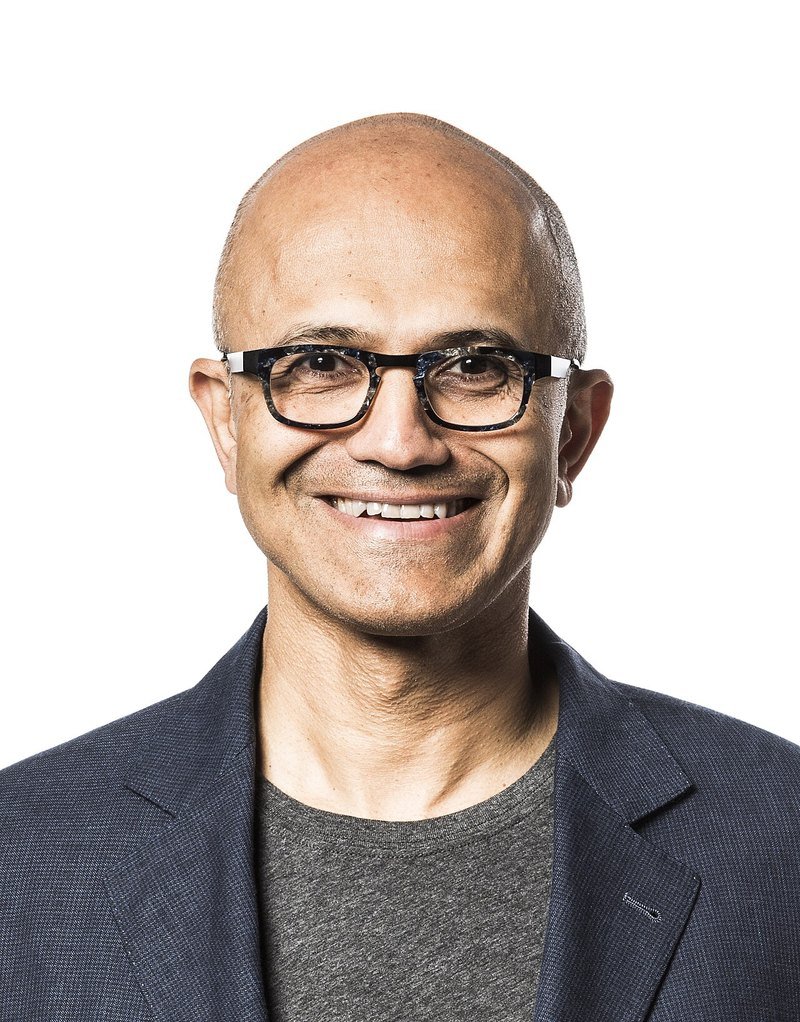
Microsoft chief executive Satya Nadella announced that Altman and Brockman, with colleagues, would join Microsoft to lead a new advanced AI research team, while pledging to stay committed to the OpenAI partnership. Microsoft and other companies also signalled they would hire OpenAI staff. The offer gave Altman an alternative and made the board’s position far weaker.
2023
Employees demand the board resign; Sutskever says he regrets his role Pressure
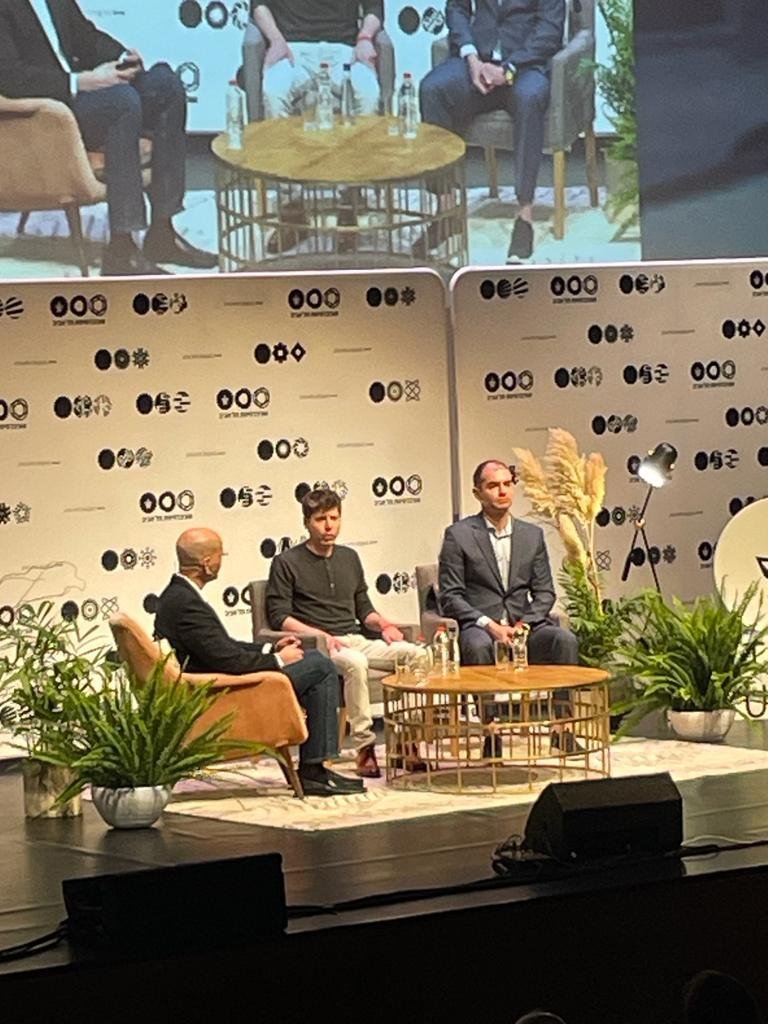
An open letter to the board called for its resignation and Altman’s reinstatement, warning staff might leave. Signatories included Sutskever, who wrote publicly that he deeply regretted his participation in the board’s actions and would do everything he could to put the company back together. Counts of signatures varied by hour and by report.
2023
Talks at headquarters fail; Emmett Shear named interim CEO Crisis
Altman returned to the offices to negotiate, with Microsoft’s chief executive reportedly mediating, but the board instead named Emmett Shear, the former Twitch chief executive, as interim CEO, replacing Murati. Shear later said the process around the removal had been handled very badly and promised an independent investigation. Dozens of staff reportedly resigned in response to his appointment.
2023
COO tells staff there was no malfeasance; board reportedly weighs reinstatement Crisis
Chief operating officer Brad Lightcap told employees, in a memo reported by Reuters, that the decision was not a response to malfeasance or to concerns about finances, business, safety, security or privacy, but a breakdown in communication. The Verge reported that the board had discussed reinstating Altman and agreed in principle to resign, but a deadline passed without a deal.
2023
Board removes Sam Altman as CEO Crisis
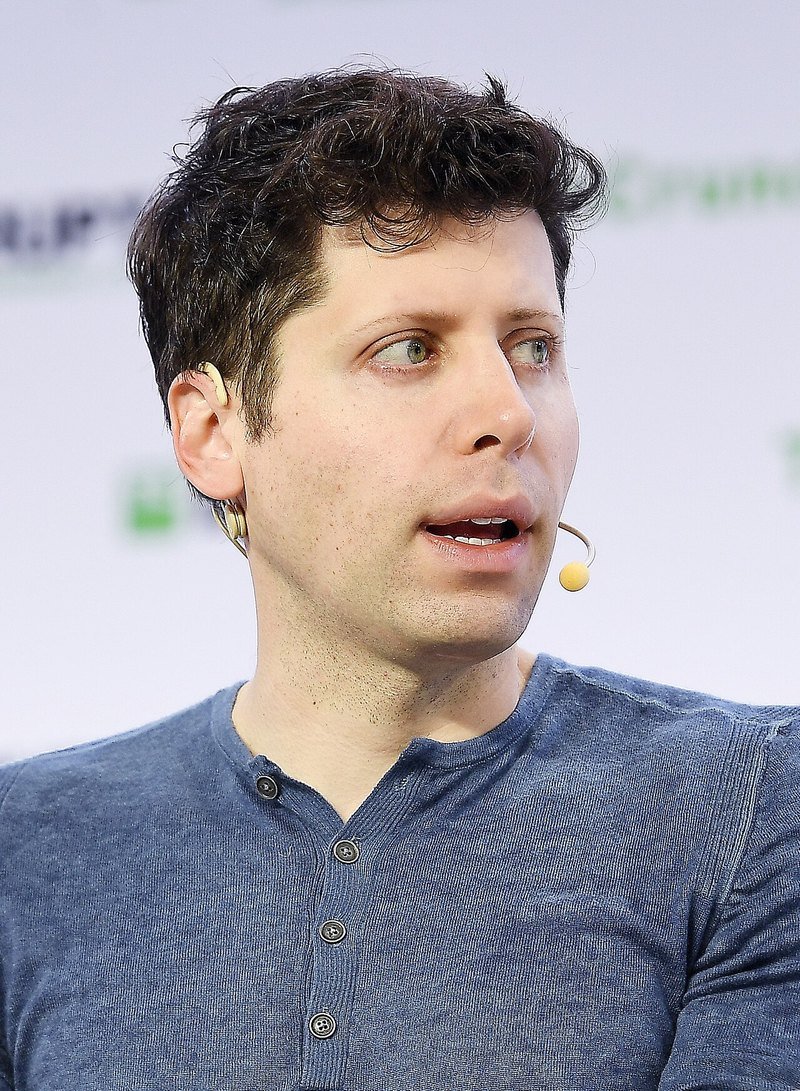
OpenAI said Altman would leave as CEO and from the board after a review concluded he had not been consistently candid with directors, hindering their ability to exercise their responsibilities. Altman was reportedly told only minutes before, and Microsoft about a minute before the announcement. Greg Brockman was removed as board chair and resigned from the company hours later, followed by senior researchers.
to 2023
ChatGPT’s launch turns OpenAI into a global company Governance
ChatGPT reached a mass audience within weeks. By 2023 OpenAI’s products ran across education, coding, customer service and research, and its commercial partnerships had grown. The company was still governed by a small nonprofit board.
OpenAI creates a capped-profit arm Governance
To raise the capital that advanced AI research required, OpenAI added a capped-profit company under the nonprofit. Investor returns were limited, and the nonprofit board kept authority over the mission. This design gave directors without equity the power to remove the chief executive, and it set up the conflict of 2023.
OpenAI founded as a nonprofit research lab Governance
OpenAI began as a nonprofit with a pledge of $1 billion from its founders and backers. Its mission statement placed benefit to humanity ahead of shareholder returns, which is the principle the board later invoked when it said it had lost confidence in Altman’s candour.
The Five Days at a Glance
How OpenAI’s Board Changed
Who held the votes before, during and after the crisis.
| Date | Board members | Notes |
|---|---|---|
| Before 17 Nov 2023 | Altman, Brockman (chair), Sutskever, D’Angelo, Toner, McCauley | Six directors; the four without management roles voted to remove Altman |
| 17-19 Nov 2023 | Sutskever, D’Angelo, Toner, McCauley | Altman and Brockman off the board; Murati, then Shear, interim CEO |
| 29 Nov 2023 | Taylor (chair), Summers, D’Angelo | Initial board; Microsoft non-voting observer; Altman, Brockman not on the board |
| 8 Mar 2024 | Taylor, Summers, D’Angelo, Altman, Desmond-Hellmann, Seligman, Simo | Seven directors after the review; Altman rejoins |
| 9 Jul 2024 | Same, no Microsoft observer | Microsoft gives up its observer seat |
| 28 Oct 2025 | Appointed by the OpenAI Foundation | OpenAI Group PBC board after the recapitalization |
What the Board Said vs What the Review Found
Separating the public statements from the March 2024 summary. Speculation is excluded.
| Question | Board statement, 17 Nov 2023 | Independent review summary, 8 Mar 2024 |
|---|---|---|
| Why was Altman removed? | Not consistently candid with the board, hindering its responsibilities | Breakdown in relationship and loss of trust between Altman and the previous board |
| Was it product safety or security? | Not stated as a reason | Did not arise from concerns about product safety or security |
| Was it the pace of development? | Not stated as a reason | Did not arise from the pace of development |
| Was it finances or investor statements? | Not stated as a reason | Did not arise from finances or statements to investors, customers or partners |
| Did the board have the power? | Yes, as the controlling nonprofit board | Yes, it had broad discretion, but Altman’s conduct did not mandate removal |
| Was a full process followed? | Described as a deliberative review process | Decision made quickly; no full written report was published |
Key Numbers at a Glance
| Measure | Figure | Source and caveat |
|---|---|---|
| Altman removed | 17 Nov 2023, about noon Pacific | OpenAI announcement; press timings differ slightly |
| Deal announced | Late 21 Nov US time (22 Nov elsewhere) | The brief gives both dates; they describe the same announcement |
| Formal return | 29 Nov 2023 | OpenAI announcement |
| Employees in letter | 745 of 770 (one count); 700+ in most reports | Counts changed during the day |
| Documents reviewed | More than 30,000 | OpenAI summary of the WilmerHale review |
| Interim CEOs | 2 (Murati, then Shear) | Murati 17-19 Nov; Shear 19-21 Nov |
| Microsoft stake, Oct 2025 | About 27% | Press reports of the recapitalization |
What the Crisis Revealed About AI Governance
1. Formal authority is not the same as practical power. The board had the legal right to remove the CEO. Staff, investors and a major partner had the practical power to make that decision unworkable within days.
2. Communication is part of the decision. The first statement gave few details, and executives, the board and its interim CEOs then offered different explanations. Uncertainty spread faster than facts.
3. AI companies face unusual oversight questions. A board must weigh competition, product reliability, security and long-term risk. A structure that lets directors without equity override management can protect a mission, but only if its limits are clear.
4. Employees can decide outcomes. The open letter showed that the willingness of researchers and engineers to stay or leave was decisive.
5. Reviews clarify but do not settle. The WilmerHale summary gave a narrow official account, yet no full report was published, and later testimony produced competing versions.
Who Shaped the Crisis
Roles as described in public sources. Naming an individual here is not a finding of fault.
Sam Altman
Removed on 17 November 2023, returned on 29 November and rejoined the board in March 2024.
Greg Brockman
Removed as chair and resigned on 17 November; resumed as president on 29 November.
Ilya Sutskever
One of four directors who voted to remove Altman; later regretted it and left OpenAI in May 2024.
Mira Murati and Emmett Shear
Murati was interim CEO for two days; Shear, ex-Twitch, was named on 19 November before the deal.
Helen Toner, Tasha McCauley, Adam D’Angelo
Toner and McCauley left the board in the reset; D’Angelo stayed on the new board.
Microsoft and Satya Nadella
Largest investor and cloud partner; offered Altman a role, then took and later gave up a board observer seat.
Explore More Timelines
People Also Ask
Frequently Asked Questions
Related AiTimeline Stories
⚠️ Editorial Note
This timeline separates OpenAI’s public statements from the findings of the later independent review, and does not treat unverified theories about AI safety, personal disputes or hidden motives as fact. Accounts from depositions and interviews are press reports of contested claims. The brief dated the deal both 21 and 22 November; both are the same announcement, made late on 21 November in US Pacific time. The brief omitted Emmett Shear’s interim role, the reported Anthropic approach, Toner, McCauley and Sutskever leaving the board, and events from 2024 to 2026, which are added here. Signature counts on the staff letter vary by report.
Sources & further reading
Every dated entry above was checked against these references. Last reviewed 20 October 2026.
- OpenAI announces leadership transition (17 Nov 2023)
- Sam Altman returns as CEO, OpenAI has a new initial board (29 Nov 2023)
- Review completed and Altman, Brockman to continue to lead OpenAI (8 Mar 2024)
- Sam Altman confirms return to OpenAI board as law firm's review rips loss of trust
- OpenAI averts internal crisis with return of CEO Sam Altman
- Timeline of the OpenAI leadership crisis
- Sam Altman reaches deal to return as CEO of OpenAI
- Removal of Sam Altman
- Inside the deposition that showed how OpenAI nearly destroyed itself
- Musk vs Altman: what to know about the OpenAI verdict (19 May 2026)
- OpenAI completes its for-profit recapitalization (28 Oct 2025)
- Microsoft gives up observer seat on OpenAI board (10 Jul 2024)