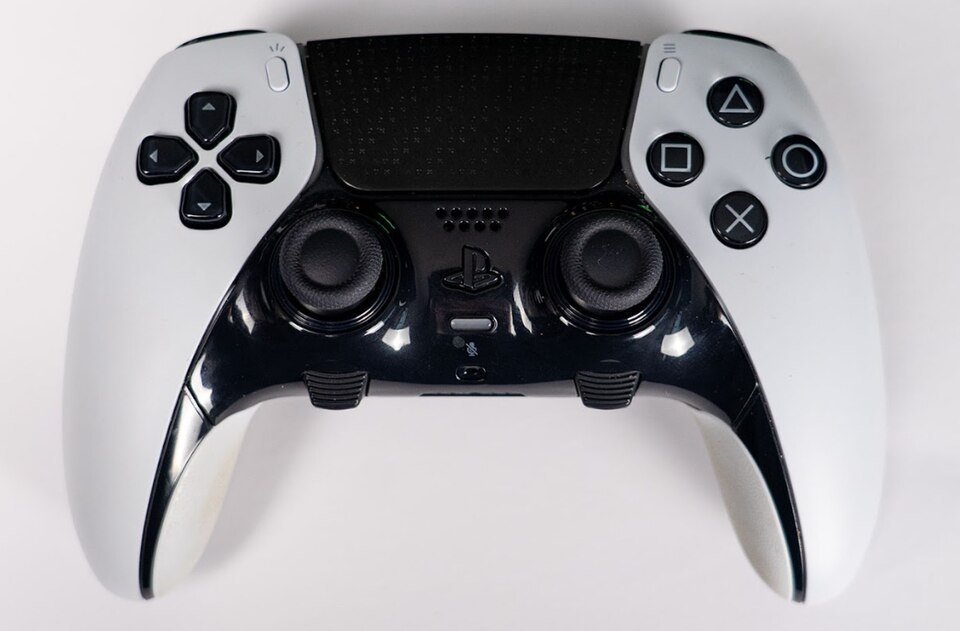
Gaming Accessories Market Size & Growth Timeline: From Arcade Controllers to the Global Gaming Ecosystem
Fortune Business Insights values the gaming accessories market at $12.60 billion in 2026, projecting $26.17 billion by 2034 at a 9.57% CAGR.
Latest Story
The gaming accessories market size and growth timeline traces more than fifty years of innovation — from the single-button Atari joystick to AI-tuned, haptic-rich peripherals built for a 3.3-billion-strong global audience. What began as a handful of paddles and arcade sticks is now a multi-billion-dollar gaming hardware industry spanning controllers, headsets, mechanical keyboards, high-DPI mice, racing wheels, capture cards and VR devices. This reverse-chronological timeline maps every pivotal era, brand and breakthrough that shaped the modern gaming peripherals market.
🧠 AI Overview Summary
The gaming accessories market is estimated at roughly US$10 billion in 2024 (estimates range about US$8–12 billion by scope) and is projected to grow at a ~9–12% CAGR through the early 2030s. Growth is driven by esports, streaming, mobile and cloud gaming, plus premium upgrades like wireless low-latency, RGB, haptic feedback and VR. Headsets, controllers, keyboards and mice are the core segments, led by Sony, Microsoft, Nintendo, Logitech, Razer, Corsair and SteelSeries.
Gaming Accessories: Key Questions Answered
🎮 What Counts as a Gaming Accessory?
Gaming accessories are hardware products that enhance gameplay, communication, immersion, comfort or performance. Examples include controllers, keyboards, mice, headsets, webcams, microphones, racing wheels, VR headsets, capture cards and streaming equipment. The category sits inside the wider gaming hardware industry, which also covers consoles, gaming PCs and components — but accessories specifically refer to the peripherals that connect players to those platforms.
Gaming Accessories Market — What to Know
- The gaming accessories market is estimated near US$10 billion in 2024 and is widely projected to grow at roughly 9–12% per year into the early 2030s.
- Gaming headsets form the largest accessory revenue segment; controllers are the most universal device across console, PC and mobile.
- The controller evolved from a one-button joystick (1977) to the D-pad (1985), twin analog sticks (1997), motion controls (2006) and haptic adaptive triggers (2020).
- Esports and streaming professionalized peripherals — low latency, high polling rates and high DPI moved from pro arenas to mainstream desks.
- The mechanical keyboard and RGB lighting booms (2010–2019) turned setups into personalized, status-driven hardware.
- Key brands: Sony, Microsoft and Nintendo shape controllers; Logitech, Razer, Corsair and SteelSeries lead PC peripherals and esports gear.
- VR, AR and AI-enhanced peripherals plus mobile and cloud-gaming controllers are the fastest-growing frontier for 2025–2026 and beyond.
- A global base near 3.3–3.4 billion gamers and a ~540-million esports audience underpin sustained accessory demand.
- All market sizes here are estimates that vary by research firm; historical hardware dates are established facts, clearly separated below.
Most Iconic Gaming Accessories of All Time
The peripherals that defined eras, set standards and shaped the modern gaming hardware industry.
Controller
Controller
Controller
Headset
Controller
Mouse
Gaming Accessories Market & Growth Timeline (Reverse Chronological)
Newest developments first. Each milestone covers the market event, industry development, technology innovation, estimated market impact, consumer impact and lasting relevance.
AI-Enhanced Peripherals & Smart Haptics Go Mainstream
Market Event: Brands ship peripherals with on-device AI — adaptive audio, noise-suppressing mics, auto-tuned sensitivity and software that learns play style. AI becomes a marketing and pricing differentiator.
Industry Development: Logitech, Razer, SteelSeries and HP/HyperX lean into companion-app AI and acoustic processing; controller makers refine drift-resistant Hall-effect and TMR sticks.
Technology Innovation: Machine-learning audio, real-time voice clarity, smarter haptics and predictive aim-assist tuning at the firmware level.
Estimated Market Impact: Premiumization lifts average selling prices; the accessories market is projected to extend its ~9–12% growth trajectory (forecast).
Consumer Impact: Clearer comms, less stick drift and personalized settings — but higher prices and more subscription-style software.
Gaming Trend Influence: Competitive integrity debates around AI assistance; deeper personalization of every input.
Why It Matters Today: AI is reshaping how peripherals are valued — from raw specs to intelligent, adaptive performance.
Wireless Ecosystems, Cloud & Mobile Controllers Surge
Market Event: Wireless low-latency becomes the default expectation; mobile controllers (Backbone, Razer Kishi) and cloud-gaming gear ride the growth of services like Xbox Cloud Gaming and GeForce Now.
Industry Development: Unified wireless ecosystems (one dongle, multiple devices) and USB-C standardization simplify multi-platform setups.
Technology Innovation: Sub-millisecond wireless, longer battery life, magnetic switches and high polling-rate (4–8 kHz) mice.
Estimated Market Impact: Mobile and cloud accessories are among the fastest-growing sub-segments (estimate), widening the total addressable market beyond console and PC.
Consumer Impact: Console-grade control on phones and cloud; fewer cables, but device fragmentation and accessory lock-in concerns.
Gaming Trend Influence: Cross-platform and “play anywhere” gaming makes controllers portable lifestyle devices.
Why It Matters Today: The phone became a legitimate gaming platform, and accessories followed the player off the desk.
VR Reboot & Industry Consolidation
Market Event: Meta Quest 3 (2023), PlayStation VR2 (2023) and Apple Vision Pro (2024) reignite immersive hardware, while the peripheral industry consolidates.
Industry Development: Turtle Beach completed its acquisition of SteelSeries (closed early 2024); Corsair had earlier absorbed Elgato (2018) and SCUF; HP acquired HyperX (2021).
Technology Innovation: Inside-out tracking, pancake lenses, eye tracking, controller-free hand tracking and headset haptics.
Estimated Market Impact: VR/AR remains a high-growth but still niche slice of accessories (estimate); consolidation concentrates share among fewer large players.
Consumer Impact: More capable, lighter VR; clearer brand portfolios but fewer independent challengers.
Gaming Trend Influence: Mixed reality and spatial computing push accessories beyond the screen.
Why It Matters Today: The accessory market is maturing — scale, IP and software ecosystems now matter as much as hardware.
Pandemic Gaming Boom & the DualSense Leap
Market Event: COVID-19 lockdowns drove a historic spike in gaming and a buying surge for controllers, headsets, webcams and streaming gear. The PS5 and Xbox Series X/S launched in November 2020.
Industry Development: Stock shortages and scalping hit consoles and peripherals; webcams and microphones sold out as work and play moved home.
Technology Innovation: Sony’s DualSense introduced advanced haptic feedback and adaptive triggers; capture cards and stream decks went mainstream.
Estimated Market Impact: Accessories saw a sharp demand spike in 2020–2021 (industry reports), pulling forward upgrades and expanding the buyer base.
Consumer Impact: Millions of new and returning players invested in better gear; supply shortages frustrated buyers.
Gaming Trend Influence: Gaming cemented itself as mainstream social entertainment; “battlestation” culture exploded.
Why It Matters Today: The pandemic permanently widened the accessory audience and normalized premium upgrades.
Accessibility Goes Mainstream: Xbox Adaptive Controller
Market Event: Microsoft launched the Xbox Adaptive Controller, a modular pad designed with and for players with limited mobility.
Industry Development: Accessibility moved from afterthought to a competitive and ethical priority across the industry.
Technology Innovation: Large programmable buttons plus 3.5 mm jacks for external switches, pedals and joysticks.
Estimated Market Impact: A small but symbolically major category that expanded the addressable audience and shaped brand reputation.
Consumer Impact: Gaming opened to millions who could not use a standard pad.
Gaming Trend Influence: Sparked an accessibility movement echoed by Sony’s later Access controller.
Why It Matters Today: Inclusive hardware design is now a baseline expectation for major platform holders.
Nintendo Switch & the Hybrid Joy-Con
Market Event: The Nintendo Switch blended console and handheld with detachable Joy-Con controllers, creating a new accessory ecosystem.
Industry Development: A wave of grips, charging docks, cases and third-party Joy-Con and Pro-style pads followed.
Technology Innovation: HD Rumble, motion controls, IR sensing and modular detachable design.
Estimated Market Impact: The Switch became one of the best-selling consoles ever, driving a large attached-accessory market (industry data).
Consumer Impact: Flexible play on the go; later “Joy-Con drift” highlighted durability and repair concerns.
Gaming Trend Influence: Reinforced portable and social local multiplayer.
Why It Matters Today: Hybrid hardware blurred the console/handheld line that handhelds like the Steam Deck would later widen.
RGB, Mechanical Keyboards & the Headset Boom
Market Event: PS4 and Xbox One launched (2013); Razer Chroma RGB (2014) and the HyperX Cloud (2014) helped trigger mass-market peripheral booms.
Industry Development: Mechanical keyboards moved from niche enthusiast gear to mainstream gaming hardware; RGB became a defining aesthetic.
Technology Innovation: Per-key RGB lighting, software ecosystems (Razer Synapse, Corsair iCUE) and the DualShock 4 touchpad and light bar.
Estimated Market Impact: Keyboards, mice and headsets entered a sustained high-growth phase (industry reports), led by premium upgrades.
Consumer Impact: Setups became personalized and visually expressive; tactile, durable switches improved feel.
Gaming Trend Influence: The “battlestation” and RGB aesthetic became central to gamer identity.
Why It Matters Today: RGB and mechanical switches remain core selling points and a major margin driver.
Twitch Launches: Streaming Reshapes the Desk
Market Event: Twitch launched in 2011, turning live-streaming into a mass medium and creating demand for capture cards, microphones, webcams and lighting.
Industry Development: Elgato, Blue Microphones and others built a “creator gear” category alongside traditional gaming peripherals.
Technology Innovation: Hardware encoding capture cards, USB condenser mics and the Stream Deck (2017) macro panel.
Estimated Market Impact: Content creation opened an entirely new accessory market adjacent to gaming (estimate), with strong margins.
Consumer Impact: Anyone could broadcast; gear quality became part of personal brand.
Gaming Trend Influence: Streamers became the most influential buyers and product marketers in gaming.
Why It Matters Today: The line between “player” and “creator” blurred, doubling many users’ accessory needs.
Wii Motion Controls & the Rise of Gaming Headsets
Market Event: The Nintendo Wii (2006) made motion control mainstream; Astro Gaming’s A40 and Turtle Beach pushed gaming headsets into the spotlight; Razer’s DeathAdder (2006) set the mouse standard.
Industry Development: Headsets shifted from niche to essential as online voice chat became central to multiplayer.
Technology Innovation: Accelerometer/IR motion sensing (Wii Remote), surround-sound headsets and high-precision optical mouse sensors.
Estimated Market Impact: Motion controls expanded the audience to casual and family players (industry data); headsets became a fast-growing segment.
Consumer Impact: Gaming reached non-traditional players; communication gear became standard for competitive play.
Gaming Trend Influence: Casual/family gaming and online team communication both surged.
Why It Matters Today: Motion and voice are now baseline inputs; headsets remain the largest accessory segment.
Xbox 360 Controller Sets the Ergonomic Standard
Market Event: The Xbox 360 (2005) shipped a wireless, ergonomically refined controller that became the template for the next two decades.
Industry Development: Microsoft’s XInput standard made the 360 pad the default controller for PC gaming.
Technology Innovation: Offset analog sticks, triggers, wireless play and a comfortable, mass-friendly shape.
Estimated Market Impact: Standardization simplified development and accessory design across console and PC (industry view).
Consumer Impact: One familiar controller worked across platforms; wireless freed players from cables.
Gaming Trend Influence: Online multiplayer and PC controller support both accelerated.
Why It Matters Today: Modern Xbox and many PC pads still trace their ergonomics to the 360 design.
Xbox, Xbox Live & the USB Peripheral Era
Market Event: Microsoft entered consoles with the Xbox (2001) and launched Xbox Live (2002); SteelSeries was founded in 2001.
Industry Development: USB became the universal connector for PC peripherals, simplifying plug-and-play mice, keyboards and headsets.
Technology Innovation: Console online services, broadband multiplayer and early dedicated voice communicators (Xbox Communicator headset).
Estimated Market Impact: Online play created durable demand for headsets and better input devices (industry view).
Consumer Impact: Players connected globally; voice chat and competitive ranking arrived on consoles.
Gaming Trend Influence: Online communities and competitive ladders laid groundwork for esports.
Why It Matters Today: Online-first design still drives accessory priorities like low latency and clear comms.
Optical Mice & the Birth of the Gaming Mouse
Market Event: Microsoft’s IntelliMouse with IntelliEye (1999) popularized optical tracking; Razer’s Boomslang (1999) targeted gamers directly.
Industry Development: A dedicated gaming-mouse category formed around precision, DPI and ergonomics; Razer (brand since 1998) emerged.
Technology Innovation: Optical sensors replaced rubber balls, enabling higher accuracy and reliability.
Estimated Market Impact: Seeded the high-margin gaming-mouse market that competitive PC play would later expand (estimate).
Consumer Impact: Smoother, more accurate aiming and no more cleaning a clogged mouse ball.
Gaming Trend Influence: Competitive FPS titles (Quake, Counter-Strike) made mouse precision a skill differentiator.
Why It Matters Today: DPI, polling rate and sensor quality are still core gaming-mouse marketing points.
Sony DualShock: Twin Sticks & Force Feedback
Market Event: Sony’s DualShock (1997 in Japan) added two analog sticks and vibration to the PlayStation pad, defining the modern controller.
Industry Development: Dual-analog plus rumble became the universal layout copied across the industry; Logitech expanded force-feedback wheels and pads.
Technology Innovation: Twin analog sticks for 3D camera and movement, plus dual vibration motors.
Estimated Market Impact: Set the controller template that shaped accessory design for 25+ years (industry consensus).
Consumer Impact: Intuitive control of 3D worlds and tactile feedback became standard expectations.
Gaming Trend Influence: Enabled the 3D action, shooter and adventure genres to flourish on console.
Why It Matters Today: Every modern gamepad — DualSense, Xbox, Switch Pro — descends from the DualShock layout.
Nintendo 64: The Analog Stick Arrives
Market Event: The Nintendo 64 (1996) put an analog thumbstick at the center of its controller, essential for true 3D movement.
Industry Development: Analog control and the add-on Rumble Pak (1997) reset expectations for console pads.
Technology Innovation: Proportional analog input and detachable force-feedback peripherals.
Estimated Market Impact: Made analog sticks a mandatory feature, reshaping all future controller design (industry view).
Consumer Impact: Smooth, precise movement in 3D games like Super Mario 64.
Gaming Trend Influence: Unlocked the 3D platformer and open-world era.
Why It Matters Today: The analog stick remains the single most important control on every modern gamepad.
PlayStation Era Begins
Market Event: Sony launched the PlayStation (1994 Japan, 1995 West), entering the console market and building a vast accessory ecosystem.
Industry Development: Memory cards, multi-taps, light guns and third-party controllers formed a thriving accessory economy.
Technology Innovation: CD-ROM games, the four-shoulder-button pad and later analog upgrades.
Estimated Market Impact: PlayStation broadened gaming’s audience and accessory spending (industry data).
Consumer Impact: Save management via memory cards and a richer library of plug-in peripherals.
Gaming Trend Influence: Helped take gaming mainstream with older teens and adults.
Why It Matters Today: PlayStation remains a dominant accessory ecosystem under Sony Interactive Entertainment.
The D-Pad, Light Guns & Early Motion Experiments
Market Event: The NES (1985 in North America) standardized the cross-shaped D-pad; the Zapper light gun and the Power Glove (1989) experimented with new inputs.
Industry Development: Nintendo revived the home console market after the 1983 crash, defining accessory norms for a generation.
Technology Innovation: Gunpei Yokoi’s D-pad, the start/select layout, light-gun targeting and early gesture control.
Estimated Market Impact: Established the template and accessory economy for home consoles (historical record).
Consumer Impact: Precise, comfortable directional control replaced bulky joysticks for home play.
Gaming Trend Influence: Cemented the seated, two-handed pad as the console standard.
Why It Matters Today: The D-pad still appears on virtually every controller made.
The Atari Joystick & the Arcade Boom
Market Event: The Atari 2600 (1977) shipped the iconic CX40 single-button joystick, while booming arcades drove distinctive control schemes.
Industry Development: The detachable joystick became the first mass-market gaming accessory and a replaceable consumable.
Technology Innovation: Digital directional switches, the single action button and arcade-grade sticks and buttons.
Estimated Market Impact: Created the very first consumer market for swappable game controllers (historical record).
Consumer Impact: Players bought replacement and third-party joysticks — the original accessory upgrade cycle.
Gaming Trend Influence: Arcade culture and home cartridge gaming fed each other.
Why It Matters Today: The joystick established the idea that the controller is a product worth upgrading.
Foundations: Odyssey, Pong & the First Controllers
Market Event: The Magnavox Odyssey (1972), the first home video game console, shipped with detachable paddle controllers; Atari’s Pong arrived the same year.
Industry Development: The concept of a dedicated game input device entered the home for the first time.
Technology Innovation: Rotary paddles and simple analog dials translated player motion into on-screen action.
Estimated Market Impact: Laid the entire foundation of the gaming hardware and accessory industry (historical record).
Consumer Impact: Families played video games at home for the first time using physical controllers.
Gaming Trend Influence: Established that games need dedicated, tactile input hardware.
Why It Matters Today: Every controller, headset and peripheral since traces back to these first paddles.
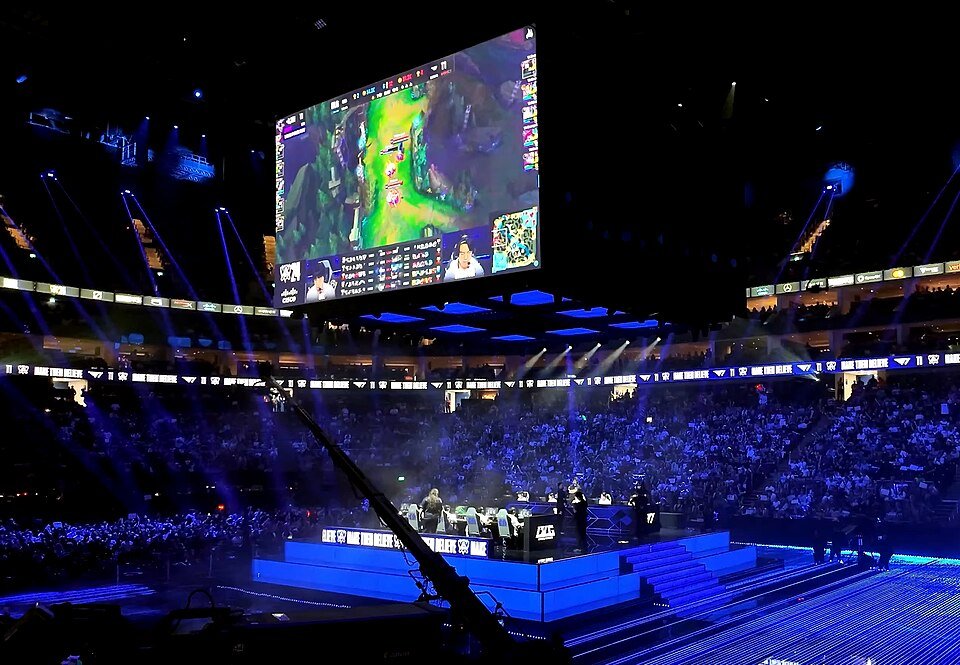
Esports turned peripherals into performance tools — low latency, high polling rates and pro-grade precision became mainstream selling points.
Controller Evolution: Joystick to Haptic Feedback
How the gaming controller became the most important — and most popular — accessory of all.
The controller is the most popular gaming accessory and the clearest example of decades of iterative innovation. Its evolution maps almost perfectly onto the history of games themselves.
Joystick era (1972–1984): Magnavox Odyssey paddles and the Atari CX40 joystick established tactile input. One stick, one button — simple, durable and endlessly replaceable.
D-pad evolution (1985): Nintendo’s Gunpei Yokoi created the cross-shaped directional pad for the NES, delivering precise eight-direction control that still appears on nearly every modern gamepad.
Analog sticks (1996–1997): The Nintendo 64 thumbstick and Sony’s twin-stick DualShock enabled true 3D movement and camera control, defining the modern dual-analog layout.
Motion controls (2006): The Nintendo Wii Remote brought accelerometer and infrared motion sensing to the living room, reaching casual and family audiences.
Adaptive controllers (2018): Microsoft’s Xbox Adaptive Controller made gaming accessible to players with disabilities, later echoed by Sony’s Access controller.
Haptic feedback systems (2020): Sony’s DualSense turned vibration into nuanced haptics and resistance with adaptive triggers, making feedback a core gameplay feature.
VR controllers (2016–present): Tracked motion controllers from Oculus/Meta, Valve and PlayStation VR added six-degrees-of-freedom hand presence, with finger tracking and headset haptics on newer devices.
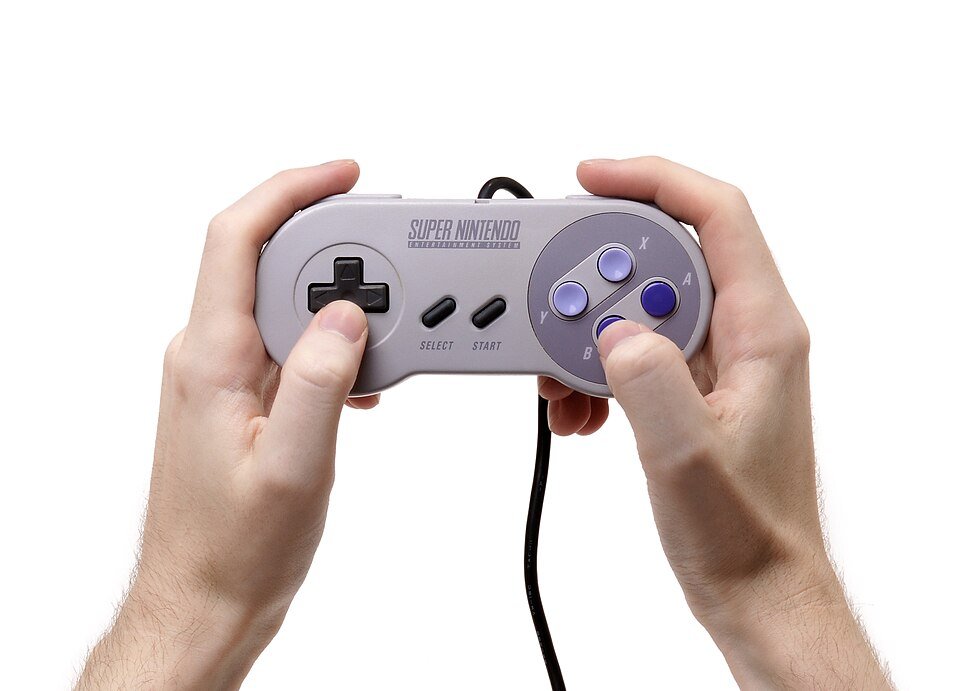
From the SNES pad’s D-pad and four face buttons to today’s haptic gamepads, the controller is the through-line of gaming hardware history.
Headset Evolution: From Voice Chat to AI Audio
Why gaming headsets became the largest accessory segment.
The gaming headset market grew from a communication add-on into the single largest accessory category, driven by online multiplayer, esports and streaming.
Voice chat revolution (2002): Xbox Live and the bundled Communicator headset normalized in-game voice on consoles, making a microphone essential for team play.
Competitive gaming communication (2006–2014): As online shooters and MOBAs exploded, clear comms became a competitive edge, and brands like Astro, Turtle Beach, SteelSeries and HyperX specialized.
Surround sound gaming (2010s): Virtual 7.1 surround helped players pinpoint footsteps and gunfire, turning audio into a tactical advantage.
Wireless headsets: Low-latency wireless freed players from cables without sacrificing audio sync, becoming a premium standard.
Noise cancellation: Active noise cancellation and noise-gating microphones improved focus and stream quality.
AI-powered audio (2024–2026): Machine-learning noise suppression, voice clarity and adaptive spatial audio are the newest battleground, often delivered via companion software.
Keyboard & Mouse Evolution: Precision & Speed
How the PC gaming setup became a performance instrument.
The gaming keyboard market and gaming mouse market are defined by a relentless pursuit of speed, precision and personalization.
Mechanical switches: Cherry MX and later Razer, Corsair, SteelSeries and Gateron switches brought tactile feedback, durability (often rated for tens of millions of presses) and a premium feel that fueled the 2010s keyboard boom.
Programmable keys: Macro keys, on-the-fly remapping and software profiles (Razer Synapse, Corsair iCUE, Logitech G HUB) let players customize every input.
High-DPI sensors: Optical sensors from PixArt and others pushed DPI, tracking speed and accuracy ever higher, a core marketing axis since 1999.
Wireless gaming: Technologies like Logitech Lightspeed proved wireless could match or beat wired latency, removing the last objection for competitive players.
Ultra-low-latency devices: High polling rates (4–8 kHz), optical and magnetic switches, and lightweight (sub-60 g) mice now target the fastest reaction times for esports.
VR & AR Accessories: The Immersion Frontier
The fastest-growing — and most experimental — corner of gaming hardware.
VR headsets: Devices like Meta Quest 3, PlayStation VR2 and PC headsets deliver stereoscopic 3D, inside-out tracking and increasingly lighter, sharper optics.
Motion tracking: Six-degrees-of-freedom tracking, base stations and onboard cameras translate real-world movement into the game with high precision.
Haptic gloves: Emerging gloves and wearables aim to add touch and finger-level feedback, though they remain early-stage and mostly enthusiast or enterprise gear.
AR gaming hardware: Augmented-reality glasses and phone-based AR overlay digital content onto the real world, a category still searching for a mass-market gaming hit.
Mixed reality accessories: Passthrough headsets blend real and virtual space, supported by tracked controllers, hand tracking and spatial audio — the foundation of “spatial computing” gaming.
Key Brands Shaping Gaming Accessories
The platform holders and peripheral specialists driving the gaming hardware industry.
Sony Interactive Entertainment
Maker of PlayStation, the DualShock and DualSense controllers, and PlayStation VR/VR2. Sony defined the modern twin-analog gamepad (1997) and pioneered advanced haptics and adaptive triggers (2020), anchoring one of gaming’s largest accessory ecosystems.
Microsoft
Through Xbox, Microsoft set the ergonomic controller standard (Xbox 360, 2005), made XInput the PC default, and led accessibility with the Xbox Adaptive Controller (2018) and premium Elite pads. Its Cloud Gaming push is expanding controller and mobile-accessory demand.
Nintendo
Innovation engine of input design: the D-pad (1985), the console analog stick (N64, 1996), mainstream motion control (Wii, 2006) and the hybrid detachable Joy-Con (Switch, 2017). Nintendo repeatedly redefined what a controller could be.
Logitech
A peripheral giant whose Logitech G line leads gaming mice, keyboards and racing wheels, with Lightspeed wireless tech. Logitech acquired Astro Gaming (2017) and Blue Microphones (2018), spanning controllers, audio and streaming gear.
Razer
The gamer-lifestyle brand behind the Boomslang and DeathAdder mice, BlackWidow keyboards, Kraken headsets and Chroma RGB (2014). Razer also makes Kishi mobile controllers, pushing the “for gamers, by gamers” identity across categories.
Corsair
Grew from PC components into peripherals with K-series keyboards, iCUE RGB software and a creator portfolio after acquiring Elgato (2018) and SCUF controllers. Corsair bridges gaming, streaming and high-end PC building.
SteelSeries
A Danish esports pioneer known for the QcK mousepad, Arctis headsets and OmniPoint adjustable switches. Long favored by pro players, SteelSeries combined with Turtle Beach in early 2024 to form an audio-and-peripheral powerhouse.
Turtle Beach & HyperX
Turtle Beach is a console-headset leader (now owner of SteelSeries), while HyperX — whose Cloud headset (2014) defined value gaming audio — is now part of HP. Together they exemplify the headset segment’s scale.
Case Studies: How the Market Grew
Five deep dives into the forces that built the gaming accessories market.
Case Study 1 — The Rise of Gaming Headsets
Background: Once a niche communication add-on, the gaming headset became the largest accessory segment.
Timeline: Xbox Live’s bundled headset (2002) normalized voice chat; Astro and Turtle Beach professionalized console audio (2006–2010); HyperX Cloud (2014) brought comfort and value to the mainstream; wireless, ANC and AI audio followed (2018–2026).
Growth Drivers: Online multiplayer, esports comms, streaming quality and the tactical advantage of positional audio.
Industry Impact: Headsets became a flagship, high-volume category, prompting consolidation (HP–HyperX, Turtle Beach–SteelSeries).
Future Outlook: AI noise suppression, personalized spatial audio and hearing-safe volume features will likely define the next wave.
Case Study 2 — The Mechanical Keyboard Revolution
Background: Mechanical keyboards moved from typist nostalgia and enthusiast forums into mainstream gaming hardware.
Timeline: Cherry MX switches (1980s) provided the foundation; gaming brands adopted them (2010–2014); RGB and hot-swap switches drove a customization boom (2015–present).
Growth Drivers: Tactile feel, durability, RGB personalization, the custom-keyboard hobby and streamer influence.
Industry Impact: Created a deep premium tier and a thriving enthusiast aftermarket of keycaps, switches and custom builds.
Future Outlook: Magnetic Hall-effect switches with adjustable actuation and rapid-trigger features are the new performance frontier.
Case Study 3 — Esports Hardware Professionalization
Background: Competitive gaming turned peripherals into precision performance tools.
Timeline: Early LAN tournaments (2000s) rewarded fast mice and keyboards; the esports boom (2013–2019) standardized low latency, high DPI and high polling rates; pro-endorsed gear became a marketing engine.
Growth Drivers: Prize pools, pro-player endorsements, measurable performance specs and the aspiration to “play like the pros.”
Industry Impact: Specs like polling rate, click latency and sensor accuracy became mainstream selling points; lightweight mice and linear switches proliferated.
Future Outlook: Ever-faster wireless, 8 kHz+ polling and AI-assisted tuning, balanced against fair-play debates.
Case Study 4 — Mobile Gaming Accessory Growth
Background: Smartphones became the world’s most common gaming platform, creating a new accessory category.
Timeline: Mobile gaming scaled in the 2010s; clip-on controllers (Razer Kishi, Backbone, 2019–2020) and cooling fans, triggers and grips followed as cloud gaming matured.
Growth Drivers: Billions of mobile players, competitive mobile titles, cloud streaming and the desire for physical controls on touchscreens.
Industry Impact: Opened accessories to a massive, younger and emerging-market audience beyond traditional consoles.
Future Outlook: Tighter cloud-service integration, USB-C standardization and console-grade mobile controllers.
Case Study 5 — VR Gaming Hardware Evolution
Background: Virtual reality promised total immersion and a new class of accessories.
Timeline: Oculus Rift revived VR (2016); standalone Quest headsets cut the cord (2019–2020); Quest 3, PSVR2 and Apple Vision Pro pushed mixed reality (2023–2024).
Growth Drivers: Falling prices, standalone convenience, hand tracking and flagship VR titles.
Industry Impact: Created tracked controllers, haptic accessories and a high-growth but still niche segment.
Future Outlook: Lighter optics, haptic wearables and spatial-computing convergence — potentially the next mass platform if a killer app emerges.
Gaming Accessories Market Data Tables
Estimates and projections compiled from public industry research. Figures vary by firm and definition — treat as directional estimates, not precise values.
| Year | Est. Accessories Market | Key Driver | Note |
|---|---|---|---|
| 2018 | ~US$5–7B | RGB, mechanical keyboards | Personalization era |
| 2020 | ~US$7–9B | Pandemic surge | Demand spike, shortages |
| 2022 | ~US$8–10B | New-gen consoles | PS5 / Series X ramp |
| 2024 | ~US$8–12B | Esports, streaming, mobile | Range by scope |
| 2026 | US$12.6B | Esports, streaming, mobile | Fortune Business Insights est. |
| 2034 (proj.) | US$26.17B | AI, VR, wireless | Fortune Business Insights forecast, 9.57% CAGR |
| Segment | Relative Size | Growth Outlook | Leading Brands |
|---|---|---|---|
| Headsets & audio | Largest | Steady, high volume | HyperX, Turtle Beach, SteelSeries, Razer |
| Controllers | Very large | Steady | Sony, Microsoft, Nintendo, SCUF |
| Keyboards | Large | Premiumizing | Razer, Corsair, Logitech, SteelSeries |
| Mice | Large | Steady, esports-led | Logitech, Razer, SteelSeries |
| VR/AR & mobile | Smaller | Fastest-growing | Meta, Sony, Razer, Backbone |
📊 Market Share & Region (2026)
Two segments have firm 2026 market-share figures from named research: controllers/gamepads hold roughly 32.88% share (Fortune Business Insights, 2026), and headsets hold roughly 27.92% share in a separate 2026 industry report. Other segments above are not consistently broken out with one agreed percentage across research firms, so their relative-size labels are kept qualitative.
By region, Fortune Business Insights sizes the 2026 market at US$4.97 billion in North America (about 39% of the global total, with the US alone estimated near US$3.65 billion), US$4.18 billion in Asia-Pacific, and US$2.08 billion in Europe.
| Brand | Founded | Specialty | Signature Product |
|---|---|---|---|
| Sony (SIE) | 1993 (SCE) | Consoles, controllers, VR | DualShock / DualSense |
| Microsoft (Xbox) | 2001 (Xbox) | Consoles, controllers | Xbox / Elite controller |
| Nintendo | 1889 | Consoles, input innovation | Joy-Con / D-pad |
| Logitech | 1981 | PC peripherals, wheels | Logitech G mice / keyboards |
| Razer | 1998 / 2005 | Gamer-lifestyle peripherals | DeathAdder / Chroma |
| Corsair | 1994 | Peripherals, creator gear | K-series / Elgato |
| SteelSeries | 2001 | Esports peripherals, audio | Arctis / QcK |
| Era | Esports Hardware Shift | Key Spec | Impact |
|---|---|---|---|
| 2000s | Optical mice, LAN play | DPI, wired latency | Precision baseline |
| 2010–14 | Mechanical boards, pro mice | Switch type, sensor | Standardized pro gear |
| 2015–19 | Lightweight wireless mice | Weight, Lightspeed | Wireless accepted in pro play |
| 2020–23 | High polling, low-latency | 1–4 kHz polling | Faster reaction windows |
| 2024–26 | 8 kHz, magnetic switches, AI | Rapid trigger, adaptive | New performance ceiling |
| Opportunity | Why It Matters | Horizon | Status |
|---|---|---|---|
| AI-enhanced peripherals | Adaptive audio, tuning | 2025–2028 | Emerging |
| Cloud-gaming controllers | Play-anywhere demand | 2025–2030 | Scaling |
| VR/AR & haptics | Immersion, spatial play | 2026–2032 | High-growth, niche |
| Hall-effect / TMR sticks | Drift-free durability | 2025–2029 | Rapid adoption |
| Sustainable / repairable gear | E-waste, right-to-repair | 2026–2032 | Early |
Consumer Trends Driving the Market
The behaviors turning accessories into recurring, identity-driven purchases.
Competitive gaming: Esports aspiration pushes players toward pro-grade mice, keyboards and headsets with measurable performance specs.
Streaming culture: Live broadcasting drives demand for capture cards, microphones, webcams, lighting and stream decks alongside core gaming gear.
Content creation: The blurring of player and creator means many users now buy two stacks of gear — one to play, one to produce.
Mobile gaming: Billions of smartphone players fuel a fast-growing market for clip-on controllers, cooling and grips.
Cloud gaming: Services like Xbox Cloud Gaming and GeForce Now decouple play from hardware, making portable controllers and low-latency gear more valuable.
Cross-platform gaming: Players who move between console, PC and mobile want accessories that work everywhere, favoring universal wireless and USB-C standards.
Discover: Surprising Gaming Accessory Facts
- Most iconic accessory: The cross-shaped D-pad, designed by Gunpei Yokoi in the early 1980s, still appears on almost every controller made.
- Best-selling peripherals: Controllers and gaming headsets dominate volume; the Razer DeathAdder is among the best-selling gaming mice ever.
- Biggest innovation leap: The DualSense’s adaptive triggers turned simple vibration into a genuine gameplay mechanic.
- Unexpected trend: “Stick drift” lawsuits and complaints pushed the whole industry toward drift-free Hall-effect joysticks.
- Future tech: AI audio, haptic gloves and 8 kHz wireless mice are redefining what a peripheral can do.
- Accessibility milestone: The Xbox Adaptive Controller’s box was redesigned so players with limited hand strength could open it.
Explore More Timelines
People Also Ask
Gaming Accessories FAQ
Forty of the most-searched questions about the gaming accessories market, hardware and history.
Explore More Timelines
⚠️ Editorial Note & Sources
This article separates established historical facts (hardware release dates, product features and company milestones) from market estimates and forecasts. Market-size and growth figures are directional estimates compiled from public industry research (firms such as Newzoo, Grand View Research, Mordor Intelligence and Fortune Business Insights) and vary widely by methodology and category definition — they are clearly labeled with “~”, “est.” or “proj.” Forecasts to 2030–2032 are projections, not guarantees. Company announcements and acquisitions are noted as reported. This content is editorial and AI-assisted, compiled from publicly available sources, and is not financial or investment advice.
Sources & further reading
Every dated entry above was checked against these references. Last reviewed 15 September 2026.