← AiTimeline Home

Politics · Defence · 1986–2026

Bofors Scandal: What Was Proved, What Was Alleged, What Is Still Unknown

📅 Updated 19 October 2026📖 22 milestones⚖️ Last appeal ended 6 Aug 2026
Advertisement

View as Web Story

In short

Bofors scandal timeline from the 1986 deal to the Supreme Court's 6 Aug 2026 ruling: what was proved, what was alleged and what no court ever decided.

Advertisement

Latest Story

The Bofors scandal turned a ₹1,437-crore artillery purchase into a 40-year political and legal saga. This timeline runs newest first, from the Supreme Court’s dismissal of the last appeal on 6 August 2026 back to the 1986 contract and the 1987 Swedish Radio allegations, and it keeps three things apart: what the record establishes, what was only alleged, and what no court ever decided.

Advertisement
Advertisement

💡 Short Answer

No one was ever convicted in the Bofors case. India signed the contract on 24 March 1986 and Swedish Radio alleged kickbacks on 16 April 1987. The CBI charged Bofors, intermediaries and a defence secretary in 1999 and the Hindujas in 2000, but the Delhi High Court quashed the Hinduja case in 2005 and the Supreme Court dismissed the last appeal on 6 August 2026. Who received the money was never decided.

⚡ Bofors Case: Quick Facts
Contract24 Mar 1986, ₹1,437 cr
Guns410 FH-77B howitzers
First allegation16 Apr 1987 (Swedish Radio)
CBI FIR22 Jan 1990
Alleged commissionsAbout ₹64 crore
Last ruling6 Aug 2026, appeal dismissed
⚡ Quick Answers — AI Overview Ready

Bofors Scandal: Key Questions

Was anyone convicted?
No. The CBI filed chargesheets in 1999 and 2000, but the Delhi High Court quashed the case against the Hinduja brothers and AB Bofors in 2005, the Quattrocchi case was withdrawn in 2011, and the last appeal was dismissed on 6 August 2026.
What did the 2026 Supreme Court order decide?
A bench of Justices Pardiwala and Chandran dismissed advocate Ajay Agrawal’s appeal against the 2005 High Court judgment. It ended the last pending litigation but held no trial and made no new finding on the payments.
Was Rajiv Gandhi found guilty?
No. He denied wrongdoing in the Lok Sabha on 20 April 1987. In February 2004 the Delhi High Court cleared him of criminal culpability. He died in 1991 and never stood trial.
Were the guns themselves the problem?
No. The FH-77B howitzers were bought lawfully and performed well in the 1999 Kargil conflict. The scandal concerned alleged commissions paid to win the contract.
📚 Key Takeaways

The Bofors Case in Ten Points

  • No conviction: four decades of proceedings produced none.
  • 6 Aug 2026: the Supreme Court dismissed the last appeal; litigation is over.
  • Not an acquittal on the merits: the 2005 order quashed the case for lack of a prima facie case against the Hindujas and AB Bofors.
  • Rajiv Gandhi: cleared of criminal culpability in 2004; allegations against him were never proved.
  • Quattrocchi: left India in 1993, was never tried, case withdrawn in 2011, died in 2013.
  • The money: Swiss records showed payments to intermediaries; who ultimately benefited was never decided.
  • Delay decided the end: the CBI’s appeal failed over a 4,522-day delay.
  • The guns worked: FH-77B howitzers served at Kargil in 1999.
  • Politics: the scandal fed Congress’s defeat in November 1989.
  • Lesson: transparency, documented intermediaries and well-prepared prosecution matter as much as evidence.
Advertisement

Bofors Scandal Timeline, Latest First

Each entry is tagged and ends with why it matters. Use the filter to separate court rulings from allegations.

🎯 Interactive: Filter the Timeline

Allegation, investigation, court ruling or politics? Filter the Bofors timeline by type.

–

Advertisement
6 Aug
2026

Supreme Court dismisses the last Bofors appeal Court ruling

Bench: Justices J.B. Pardiwala and K. Vinod ChandranAppellant: advocate and BJP leader Ajay K. AgrawalSrichand and Gopichand Hinduja now deceasedPrakash Hinduja the surviving respondent

Agrawal, appearing virtually, asked for four weeks to delete the names of the two dead respondents. The bench asked, ‘What is all this about the Hinduja brothers and CBI?’, then said: ‘All proceedings were quashed. What is this? How many years have passed?’ It refused an adjournment (‘It is a 2018 matter’) and dismissed the appeal. It was the only surviving challenge to the Delhi High Court’s 31 May 2005 judgment (Business Standard, 7 August 2026).
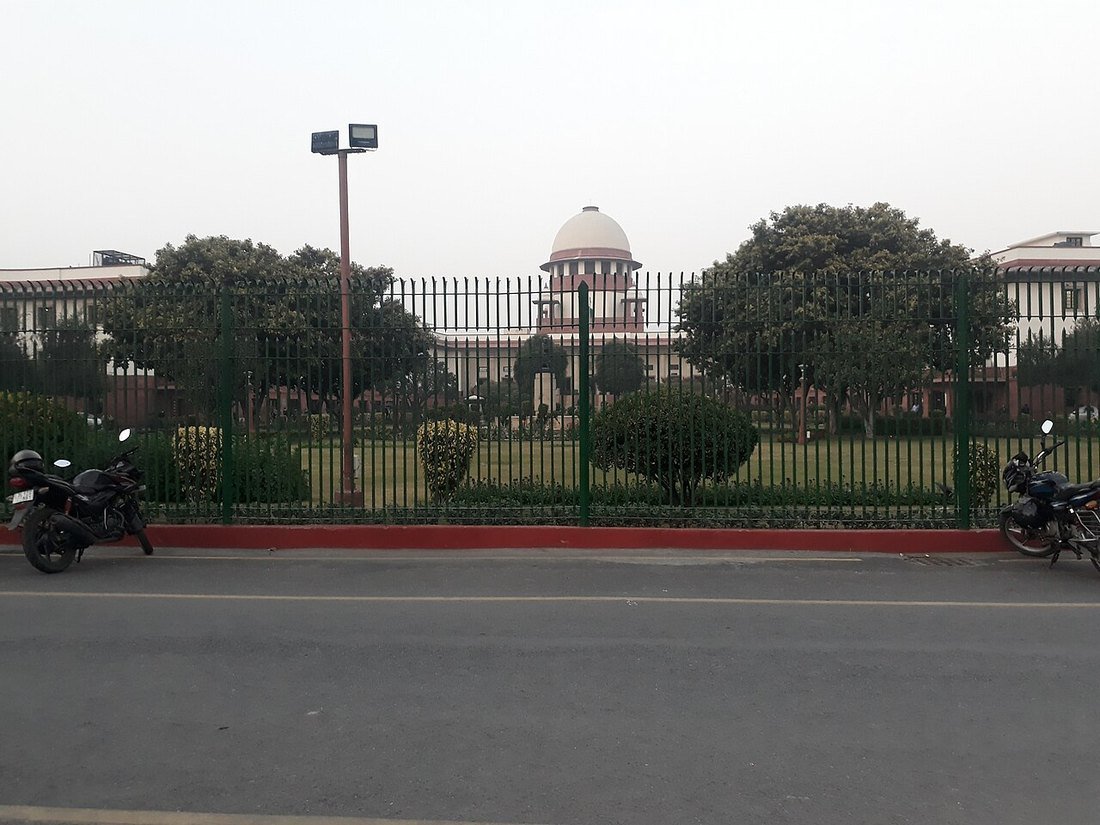
Why it matters: All pending Indian litigation is over. The order ended the case; it did not re-try the allegations or find the payments lawful.
The domed Supreme Court of India building behind a green railing in New Delhi
The Supreme Court of India, New Delhi, where the last Bofors appeal was dismissed on 6 August 2026. Photo: Pinakpani, CC BY-SA 4.0, via Wikimedia Commons.

Whistleblower Sten Lindström says he found nothing against Rajiv Gandhi Allegation

Source: 2012 interview (The Hoot), summarised on WikipediaLindström led the Swedish police inquiryAn investigator’s view, not a court finding

On the 25th anniversary of the story, the former Swedish police chief said his inquiry found nothing to suggest Rajiv Gandhi received payments. He argued, however, that Gandhi knew of the kickbacks and did not act, and he accused the Swedish government of diverting development money to win the deal. He also said the Bachchan family had no involvement.

Why it matters: The key foreign witness put the weight on intermediaries and the Swedish side, but he is not a court, and Indian courts never tested his account.
13 Jul
2013

Ottavio Quattrocchi dies in Milan Court ruling

Heart attackNamed in the 1999 chargesheetNever tried in India

Quattrocchi, the Italian businessman whom the CBI had pursued as the alleged conduit for commissions, died two years after the Delhi court let the CBI drop its case against him. No Indian court had ever heard evidence against him.

Why it matters: The central alleged intermediary died with the case against him closed rather than decided.
4 Mar
2011

Delhi court lets the CBI withdraw the case against Quattrocchi Court ruling

Oct 2009: CBI asks to withdraw, calling continued prosecution ‘unjustified’Extradition effort had cost about ₹250 crore (Business Standard)The CBI said it could not secure his extradition

The Chief Metropolitan Magistrate’s order closed the prosecution. Business Standard records the court’s reasoning that the country could not afford to spend more public money on an extradition that had already cost about ₹250 crore. Wikipedia notes the magistrate also said he agreed there were ‘certain malafide intentions’ in the case. Critics, including former cabinet minister Arun Jaitley, attacked the withdrawal.

Why it matters: A withdrawal for lack of extradition is not an acquittal. It also meant the main alleged intermediary never faced a trial.
6 Feb
2007

Quattrocchi detained in Argentina, then freed Investigation

Detained at Iguazu airportNews released by the CBI only on 23 FebNo extradition treaty with Argentina (Wikipedia)

The Indian Express records his arrest at Iguazu airport. According to Wikipedia, he was released and his passport impounded, and India lost the extradition case in the Argentine courts because a key court order was not supplied; no appeal followed after delays in obtaining an English translation of the ruling.

Why it matters: Two Malaysian courts (Dec 2002, Mar 2004) and then Argentina all left Quattrocchi beyond India’s reach.

London bank accounts defrozen, then emptied Investigation

11 Jan: accounts defrozen at government request16 Jan: Supreme Court orders status quoMoney withdrawn the same day (Indian Express)CBI later said about ₹21 crore had gone

India had sent a letter rogatory to the UK in July 2003 to freeze the accounts. On 11 January 2006 advocate Ajay Agrawal told the Supreme Court that the government had asked British authorities to defreeze them. The court ordered status quo on 16 January, but the Indian Express reports the money was withdrawn that day. Wikipedia adds that the accounts held about €3 million and US$1 million.

Why it matters: The episode became the strongest evidence for critics’ claim that the case was mishandled. It shows poor handling, not proof of guilt.
18 Oct
2005

Supreme Court admits Ajay Agrawal’s petition Court ruling

CBI had missed the 90-day appeal limitA private citizen steps inPending until 2026

After the CBI failed to appeal the 31 May 2005 judgment within 90 days, advocate Ajay Agrawal filed his own petition and the Supreme Court admitted it. That petition would survive 21 years, outlasting the CBI’s own appeal, and was the one dismissed in August 2026.

Why it matters: The litigation lived on through a private appellant after the investigating agency had left the field.
31 May
2005

Delhi High Court quashes the case against the Hinduja brothers and AB Bofors Court ruling

Justice R.S. SodhiSrichand, Gopichand and Prakash Hinduja‘Nearly ₹250 crore’ spent on the prosecution (Business Standard)

Justice Sodhi quashed all criminal proceedings against the three brothers and AB Bofors under the Prevention of Corruption Act. The judgment criticised the CBI’s handling of the investigation and said the prosecution had not made out a prima facie case against them. The full judgment is on Indian Kanoon.

Why it matters: This is the ruling the 2018 and 2026 orders left standing. It says the prosecution failed against these respondents, not that no payments were made.

Delhi High Court clears Rajiv Gandhi of criminal culpability Court ruling

Also: S.K. BhatnagarForgery charge directed against the Bofors company31 Mar 2004: Malaysian Supreme Court rejects extradition

Business Standard reports that the High Court cleared the late Prime Minister of any criminal culpability while directing that a forgery charge be framed against the company. The ruling stunned the CBI, which had pursued the case for 14 years, and the CBI said it would contest it. Wikipedia dates it 5 February 2004.

Why it matters: The only judicial ruling on Rajiv Gandhi’s role came after his death and without a trial: a quashing of charges, not an adjudicated acquittal.

Hinduja brothers charged; Quattrocchi charged and arrested in Malaysia Investigation

9 Oct 2000: supplementary chargesheet against the Hinduja brothersDec 2000: Quattrocchi arrested in Malaysia, then bailedBrothers said in London the funds had no connection to Bofors

A supplementary chargesheet added the brothers to the case. The Hindujas issued a statement in September–October 2000 denying any link between the funds in question and the Bofors deal. A separate chargesheet followed against Quattrocchi, who had earlier asked the Supreme Court to reverse his arrest order and refused to appear before the CBI.

Why it matters: A chargesheet is the agency’s case, not proof of guilt. The brothers’ part of this case was quashed five years later.
22 Oct
1999

CBI files the first chargesheet Investigation

Accused: Win Chadha, Ottavio Quattrocchi, S.K. Bhatnagar, Martin Ardbo, AB BoforsCharges: criminal conspiracy, cheating, forgeryNine years after the FIR

The chargesheet named the Bofors agent Win Chadha, Italian businessman Ottavio Quattrocchi, former defence secretary S.K. Bhatnagar, former Bofors president Martin Ardbo and the company. Wikipedia says Rajiv Gandhi was also named, though he had died in 1991 and could not be tried. Chadha and Bhatnagar died in 2001.

Why it matters: It moved the matter from political allegation into a criminal case, but trial was never reached.
May–Jul
1999

Bofors guns prove their worth at Kargil Politics

FH-77B howitzers in the Kargil conflictBan on Bofors lifted in 1999 (Wikipedia)Spare-part shortage reported

Battlefield commanders told reporters the FH-77B gave India an edge in the high-altitude artillery duels. Wikipedia reports the 1989 ban on Bofors was lifted around this time because the guns were effective but crippled by a shortage of spares. The guns were never the issue; the question was how the contract was won.

Why it matters: Separates the weapon’s performance from the controversy over the deal. Both are true at once.

Swiss documents arrive; red-corner notice for Quattrocchi Investigation

About 500 Swiss bank documents released after years of litigation17 Feb 1997: red corner notice for Quattrocchi (Indian Express)

The Swiss courts finally released roughly 500 documents. They traced payments through intermediary companies and coded accounts, but turning transaction records into proof that specific people knowingly committed offences needed more evidence, and the key accused was abroad.

Why it matters: Bank records showed money movements. They did not, by themselves, show who was criminally responsible.
29–30 Jul
1993

Quattrocchi leaves India Investigation

Flew to Kuala LumpurDays after the Swiss Supreme Court ruling on account detailsNever returned

He left on the night of 29–30 July 1993 (Indian Express). The Swiss Supreme Court had dismissed his appeal against disclosure of the account information that month. Efforts to return him — through Malaysia, the UK and Argentina — lasted until the CBI gave up in 2009–11.

Why it matters: His departure is the single most important reason a trial never took place.
22 Jan
1990

CBI registers the FIR Investigation

Offences: criminal conspiracy, cheating, forgeryNamed Martin Ardbo and Win Chadha, among othersFeb 1990: first letter rogatory to Switzerland

The FIR, registered under the Indian Penal Code and the Prevention of Corruption Act, began a 36-year legal saga. Business Standard’s two chronologies disagree on whether the Hindujas were named in the FIR itself; the supplementary chargesheet of 9 October 2000 is the firm date for their formal charging.

Why it matters: Three years after the Swedish Radio report, the allegation became a criminal case.
26 Dec
1989

V.P. Singh’s government bars Bofors from Indian contracts Politics

Order barred any contract with IndiaLifted in 1999Followed Congress’s defeat in November 1989

The new government acted within weeks of taking office. Business Standard’s 2017 chronology records the order; Wikipedia reports that the ban was lifted around the Kargil conflict.

Why it matters: The state’s first formal sanction came from a new government, not the one that signed the deal.

Congress loses power; Bofors a central election issue Politics

General election, November 1989Opposition campaign centred on the scandalBusiness Standard: one of the primary reasons for the defeat

Rajiv Gandhi’s party lost the Lok Sabha majority. Reporting describes Bofors as one of the main reasons, though inflation, the Sri Lanka intervention and other issues also weighed on voters.

Why it matters: The scandal’s political cost came before any court examined a single piece of evidence.

Joint Parliamentary Committee reports: no evidence of middlemen Politics

Chair: B. ShankaranandReport: 25–26 April 1988Opposition boycotted and rejected itDate disputed: some timelines say 18 July 1989

Outlook’s chronology records that the JPC said it found no evidence of middlemen or of any payments other than ‘winding-up charges’, which Bofors said it paid to agents it had terminated; the opposition, which had boycotted the panel, called it a whitewash. Shankaranand’s own record gives 26 April 1988. A 2017 Business Standard timeline gives 18 July 1989, so this page flags the discrepancy.

Why it matters: A parliamentary report is a political record, not a criminal judgment, and it had no cross-examination.
6 Aug
1987

Parliament sets up the Joint Parliamentary Committee Politics

Chair: Congress MP B. Shankaranand50 sittingsOpposition boycott (Corruption Tracker)

The government formed the committee to examine whether commissions had influenced the choice of the Swedish firm. Bofors told it that its Indian agents had been paid winding-up charges after their contracts ended in 1986, but it also disclosed a third agent appointed late in the deal, a point the Outlook account says Bofors could not satisfactorily explain.
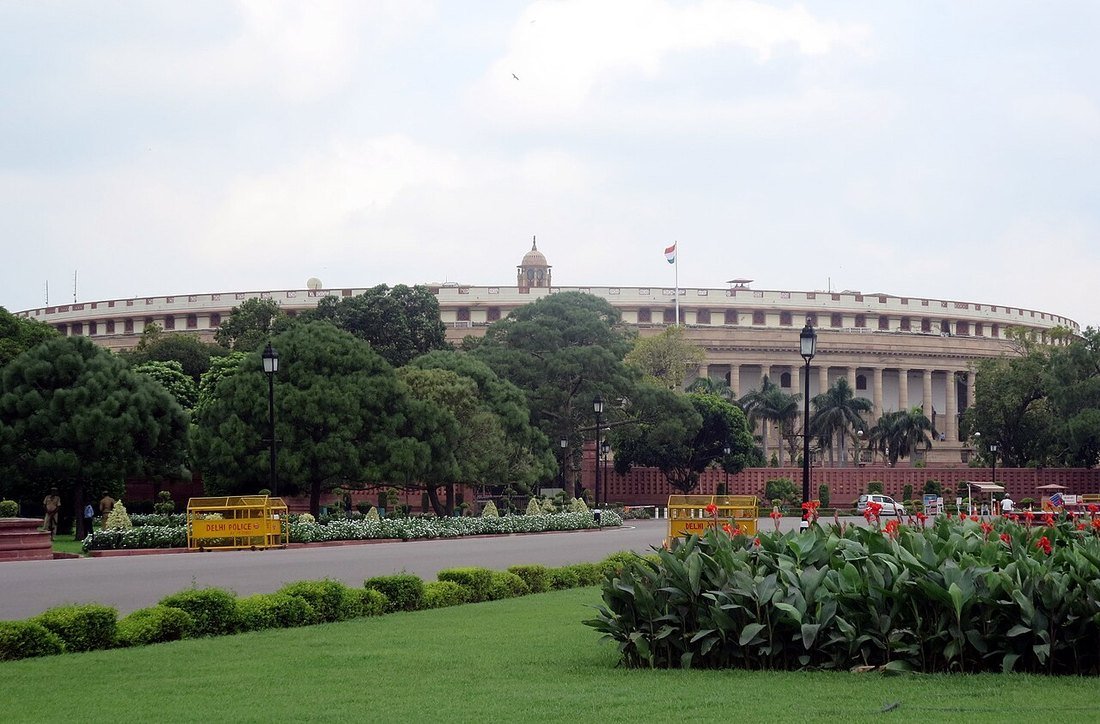
Why it matters: Parliament’s only inquiry began with the opposition outside the room.
The circular colonnaded Parliament House in New Delhi seen across a lawn
Parliament House (Sansad Bhavan), New Delhi, where the Bofors allegations were debated and the JPC reported. Photo: Nikhilb239, CC BY-SA 4.0, via Wikimedia Commons.
20 Apr
1987

Rajiv Gandhi tells the Lok Sabha no kickbacks were paid Politics

Statement: no kickbacks, no middlemenFour days after the Swedish Radio reportHe denied wrongdoing until his death in 1991

The Prime Minister’s categorical denial became the central political position of his government. A denial settles nothing on its own, and an allegation proves nothing either; both needed evidence. Later investigations alleged payments to intermediaries, but no court held that he personally received any.
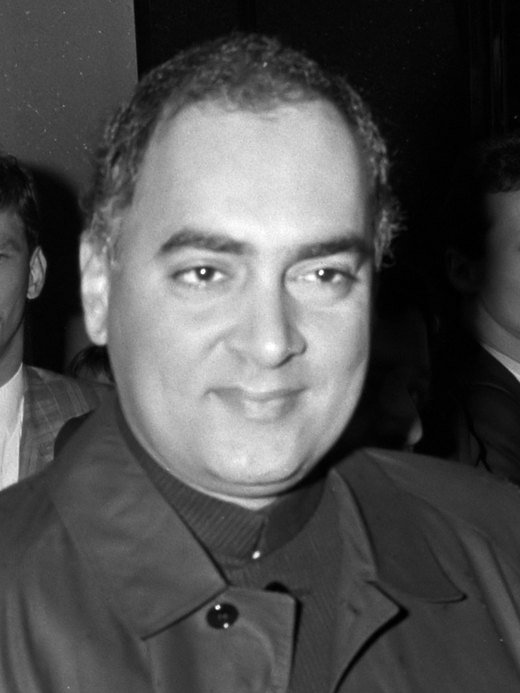
Why it matters: The question was no longer whether the guns were bought but what had happened around the purchase.
Black-and-white portrait of Rajiv Gandhi in October 1987
Rajiv Gandhi, Prime Minister at the time of the 1986 contract, in October 1987. Photo: Bart Molendijk / Anefo, Nationaal Archief, CC BY-SA 3.0 nl, via Wikimedia Commons.
16 Apr
1987

Swedish Radio alleges Bofors paid commissions Allegation

Sourced from leaked Swedish police materialAbout ₹64 crore allegedThe Hindu followed with documents

Swedish Radio reported that Bofors paid kickbacks to win the Indian contract. The leak came from Sten Lindström, the former head of the Swedish police unit that investigated. In India, The Hindu, reporting by Chitra Subramaniam and a team led by N. Ram, published the documents, according to Wikipedia. Business Standard puts the alleged payoff at ₹64 crore.

Why it matters: This is the starting point of the scandal: a serious allegation, not a judicial finding.
24 Mar
1986

India signs the ₹1,437-crore Bofors contract Allegation

410 FH-77B 155 mm howitzers (some reports say 400)About US$285 millionPrime Minister: Rajiv Gandhi

The purchase followed trials that began after 1977, when India asked Bofors and six other makers for towed howitzers. Four were shortlisted in 1981, and in 1985 the FH-70 and GHN-45 were eliminated, leaving the Bofors gun and the French GIAT TR 155. The Swedish firm’s deal was the largest arms export in its history.
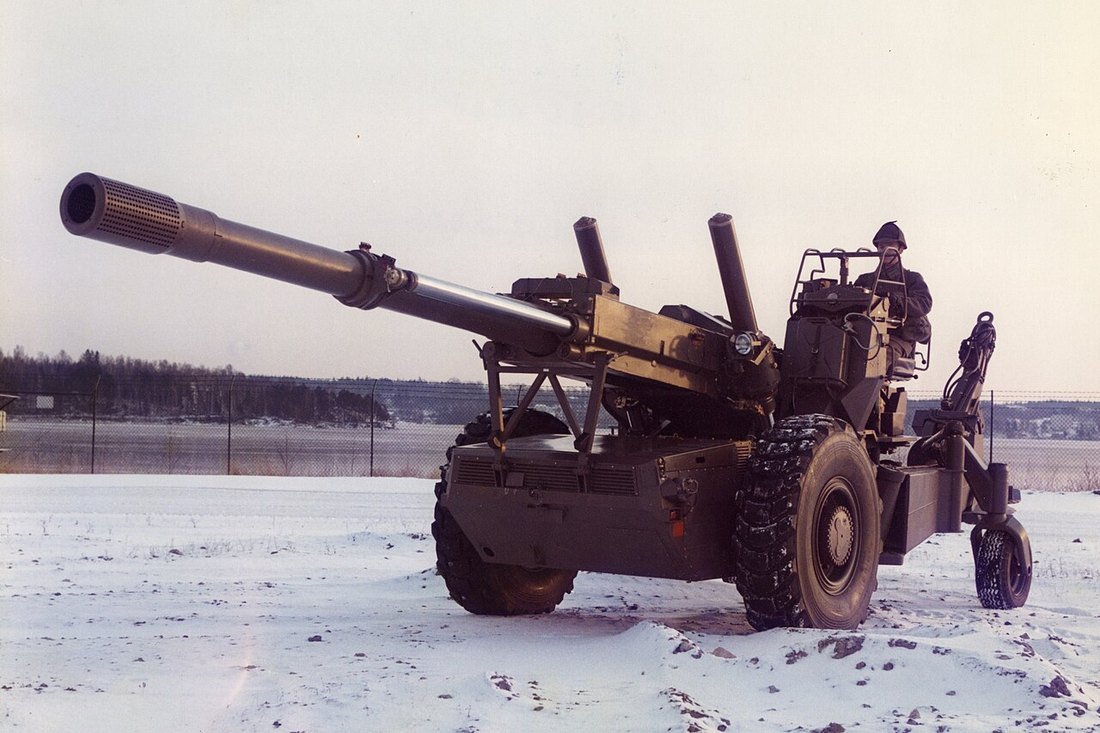
Why it matters: The purchase was real and lawful. The controversy is about whether commissions influenced the choice.
A Bofors Field Howitzer 77 gun with its barrel raised on a snowy field in Sweden
A Swedish Army Bofors Field Howitzer 77 (FH 77), 1978-1982. India bought the related FH-77B variant. Photo: Miliseum, CC0, via Wikimedia Commons.
Advertisement

What Was Proved, Alleged or Left Unresolved

Proof, allegation and silence are different things. This table keeps them apart.

QuestionStatusWhat the record shows
Did India sign the contract?Established24 March 1986, ₹1,437 crore for FH-77B howitzers. The guns served at Kargil in 1999.
Were Bofors payments made to intermediaries?Documented, not found illegalSwiss bank records (about 500 documents, 1997) and Bofors’ own disclosures to the JPC show payments to agents. Bofors called them winding-up charges.
Did the CBI file criminal charges?EstablishedFIR 22 January 1990; first chargesheet 22 October 1999; supplementary chargesheet 9 October 2000.
Did Rajiv Gandhi receive money?Not provedThe Delhi High Court cleared him of criminal culpability in February 2004. Sten Lindström told an interviewer in 2012 his probe found nothing showing Gandhi received payments.
Did the Hinduja brothers take part in illegal payments?Not established in courtProceedings were quashed on 31 May 2005; the last appeal was dismissed on 6 August 2026.
Was Quattrocchi a conduit?Alleged, never triedNamed in the 1999 chargesheet. He left India in 1993, was never extradited, the CBI withdrew the case in 2011, and he died in 2013.
Who finally received the money?UnresolvedNo Indian court has decided it. Naming a recipient as fact goes beyond the judicial record.
Why did the case fail?DisputedCritics cite CBI delays, the 2006 account withdrawal and the weak extradition effort; the CBI cites foreign courts and missing evidence.

Court Rulings in the Bofors Case

DateCourtDecisionEffect
Feb 2004Delhi High CourtCleared Rajiv Gandhi; forgery charge against BoforsNo trial for the late Prime Minister
31 May 2005Delhi High Court (Justice Sodhi)Quashed all proceedings against the Hindujas and AB BoforsCorruption case against them ends
18 Oct 2005Supreme CourtAdmitted Ajay Agrawal’s petitionChallenge survives without the CBI
4 Mar 2011Delhi court (CMM)Allowed CBI to withdraw the case against QuattrocchiNo trial for the main alleged intermediary
2 Nov 2018Supreme CourtDismissed CBI appeal; 4,522-day delay not condonedAgency’s challenge ends
6 Aug 2026Supreme Court (Pardiwala, Chandran)Dismissed the last appealAll Indian litigation over

Who’s Who in the Bofors Case

Descriptions reflect the chargesheets and court records. Naming a person here is not a finding of guilt.

Manufacturer

AB Bofors

Swedish arms maker. Chargesheeted in 1999; proceedings against it quashed on 31 May 2005 in the case connected with the Hindujas.

Alleged agent

Win Chadha

Bofors’ India agent, named in the 1999 chargesheet. Died in 2001 before any trial.

Alleged conduit

Ottavio Quattrocchi

Italian businessman. Left India in 1993; case withdrawn in 2011; died 2013. Never tried.

Defence secretary

S.K. Bhatnagar

Chargesheeted in 1999. Exonerated by the High Court in 2004; died in 2001.

Bofors executive

Martin Ardbo

Then president of Bofors. Named in the FIR; died before any verdict. An open warrant had been issued in 2000.

Businessmen

The Hinduja brothers

Charged in 2000; case quashed in 2005; last appeal ended 6 August 2026. They denied any link.

The Bofors Case in Numbers

NumberFigureSource
Contract value₹1,437 crore (about US$285 million)Business Standard, Wikipedia
Guns410 FH-77B howitzers (some reports say 400)Indian Express, Wikipedia
Alleged commissionsAbout ₹64 croreBusiness Standard, 2017
Years from FIR to the last ruling36 (22 Jan 1990 to 6 Aug 2026)Business Standard
Years from contract to last ruling40Business Standard
CBI appeal delay not condoned4,522 daysBusiness Standard, 2018 and 2026
Cost cited by High Court for the prosecutionNearly ₹250 croreBusiness Standard, 2026
Swiss documents receivedAbout 500 (1997)Wikipedia

The Biggest Unresolved Questions

Who ultimately received the money? Swiss records traced payments through intermediary companies and coded accounts. Investigators alleged some went on to Indians, but no court ever decided it.

Why did the investigation fail? Delays in the FIR and in letters rogatory, Quattrocchi’s flight in 1993, the 2006 release of the London accounts, an extradition that collapsed in Argentina, and an appeal filed 4,522 days late all contributed, according to critics and the courts. The CBI points to foreign courts and evidence limits. The answer is multi-causal.

Was Rajiv Gandhi involved? The courts say the case against him did not stand; the investigator Sten Lindström says he found no evidence of payments but believes Gandhi knew. These are different claims, and neither is a verdict after trial.

Does closure mean vindication? No. The Supreme Court’s order in August 2026 ended the litigation. It is not a judgment that every payment was lawful, and it is not a finding that every allegation was false.

Why Bofors Still Matters

The case made ‘Bofors’ shorthand for alleged corruption in defence contracts. India banned middlemen in arms deals afterward, and Wikipedia notes that the rule was relaxed in 2015 to allow declared company representatives. The case also showed how hard cross-border financial investigations are: bank records can reveal transactions, but proving intent, identifying beneficiaries and getting admissible evidence can take decades.

Bofors is neither a story in which every allegation was proved nor one in which every suspicion was disproved. It is the story of a real defence deal, serious allegations, contested evidence, heavy political consequences and a criminal process that ended without deciding the question it began with.

Advertisement

Explore More Timelines

People Also Ask

Was the Bofors case ever proved?
No court found any person guilty. The Delhi High Court quashed the case against the Hinduja brothers in 2005, and the last appeal was dismissed on 6 August 2026.
Did Rajiv Gandhi receive Bofors money?
That was never proved. The Delhi High Court cleared him of criminal culpability in February 2004, and he died in 1991 without facing trial.
Why did Quattrocchi escape trial?
He left India in July 1993; Malaysia and Argentina did not extradite him, and a Delhi court allowed the CBI to withdraw the case on 4 March 2011.
Are Bofors guns still used by India?
Yes. The FH-77B howitzers served in the 1999 Kargil conflict and remained in service, though India has since added newer artillery.
Who was the Bofors whistleblower?
Sten Lindström, the former head of the Swedish police unit that investigated, has identified himself as the source of the leaked documents.

Frequently Asked Questions

What was the Bofors scandal?
A defence-procurement scandal that began on 16 April 1987, when Swedish Radio alleged that AB Bofors paid commissions to win India’s ₹1,437-crore contract of 24 March 1986 for 155 mm FH-77B howitzers. It led to a parliamentary inquiry, a CBI case, extradition battles and four decades of litigation that ended in 2026 without a conviction.
How much was the Bofors deal worth?
The contract signed on 24 March 1986 was worth ₹1,437 crore (about US$285 million at the time). It covered 410 FH-77B 155 mm howitzers, according to Wikipedia and the Indian Express; some press reports, including Business Standard’s, say 400. The alleged commissions were put at roughly ₹64 crore.
Was anyone convicted in the Bofors case?
No. No person was convicted. The first chargesheet came on 22 October 1999. By 2026 several accused had died, the Delhi High Court had quashed the case against the Hinduja brothers in 2005, and a Delhi court had allowed the CBI to withdraw its case against Ottavio Quattrocchi in 2011.
What did the Supreme Court decide on 6 August 2026?
A bench of Justices J.B. Pardiwala and K. Vinod Chandran dismissed the last pending appeal, filed by advocate Ajay K. Agrawal against the Delhi High Court’s 2005 judgment. It refused an adjournment and said the proceedings had been quashed long ago. The order closed the remaining litigation; it did not re-examine the allegations.
Is the Bofors case closed now?
In the courts, yes. The 6 August 2026 dismissal ended the last surviving challenge to the 2005 Delhi High Court judgment. The historical and political questions, such as who ultimately received the money, remain open because no trial ever decided them.
Does the 2026 ruling prove the allegations were false?
No. The Supreme Court dismissed an appeal that was decades old. It did not hold a trial, make findings on the payments or declare the allegations baseless. The Delhi High Court’s 2005 judgment found the prosecution had not made out a case against the Hinduja brothers and AB Bofors.
Who made the first allegation?
Swedish Radio, on 16 April 1987. The story drew on material leaked by Sten Lindström, the former head of the Swedish police unit that investigated, according to Wikipedia and his own later interviews. In India, The Hindu, led by Chitra Subramaniam and N. Ram, then published documents about the payments.
Did Rajiv Gandhi take bribes in the Bofors deal?
Not proved. Rajiv Gandhi told the Lok Sabha on 20 April 1987 that no kickbacks were paid and no middlemen involved. In February 2004 the Delhi High Court cleared him of criminal culpability, posthumously. He was assassinated in 1991 and never stood trial.
What did Sten Lindström say about Rajiv Gandhi?
Per Wikipedia, citing a 2012 interview, Lindström said his investigation found nothing to suggest Rajiv Gandhi received payments, though he argued Gandhi knew of the kickbacks and took no action. That is one investigator’s view, not a court finding.
Who was Ottavio Quattrocchi?
An Italian businessman who, per Wikipedia, represented the petrochemicals firm Snamprogetti. Named in the first chargesheet of 22 October 1999 as an alleged conduit for commissions, he left India on 29–30 July 1993, was never tried here, and died in Milan on 12 July 2013.
Why was Quattrocchi never extradited?
Malaysian courts refused India’s requests in December 2002 and again in March 2004. He was detained at Iguazu airport in Argentina on 6 February 2007, but Wikipedia reports India lost the extradition case there because a key court order was not supplied. The CBI sought withdrawal of the case in October 2009.
Why did the Delhi court allow the CBI to withdraw the case in 2011?
On 4 March 2011 the court allowed the CBI to withdraw its case against Quattrocchi. Business Standard reports the court said the country could not afford to spend more public money on an extradition that had already cost about ₹250 crore. The CBI had called continued prosecution unjustified.
Who were the Hinduja brothers in the case?
Srichand, Gopichand and Prakash Hinduja, London-based businessmen. The CBI named them in a supplementary chargesheet on 9 October 2000. The Delhi High Court quashed the proceedings against them and AB Bofors on 31 May 2005. Srichand and Gopichand have since died; Prakash is the surviving respondent.
What did the Delhi High Court say on 31 May 2005?
Justice R.S. Sodhi quashed all criminal proceedings against the Hinduja brothers and AB Bofors. Business Standard reports the court criticised the CBI’s handling and noted that roughly ₹250 crore had been spent on a prosecution that failed to establish a prima facie case against them.
Why did the CBI not appeal in 2005?
The CBI did not file within the 90-day limit. Advocate Ajay Agrawal filed his own petition, which the Supreme Court admitted on 18 October 2005. In December 2016 the CBI told the court the authorities had not permitted it to appeal. It finally filed on 2 February 2018 and was dismissed for delay.
Why was the CBI’s 2018 appeal dismissed?
On 2 November 2018 the Supreme Court refused to condone a delay of 4,522 days in filing it, saying the delay was not satisfactorily explained. The court allowed the CBI to make its case in Agrawal’s pending appeal, which was itself dismissed on 6 August 2026.
What was the Joint Parliamentary Committee?
A 1987 committee under Congress MP B. Shankaranand, set up on 6 August 1987, which the opposition boycotted. Its report in April 1988 said it found no evidence of middlemen or of payments other than ‘winding-up charges’; the opposition rejected it as a whitewash.
When did the JPC report?
Contemporary accounts and Shankaranand’s own record put it at 25–26 April 1988. Some chronologies, including a 2017 Business Standard timeline, give 18 July 1989. This page uses April 1988 and flags the discrepancy rather than choosing silently.
What were ‘winding-up charges’?
Bofors’ description, to the JPC, of money paid to its Indian agents when it said their agency contracts were terminated in 1986 after the government asked it to dispense with agents. Critics argued the payments were really commissions. No court found that those payments were illegal bribes to officials.
How did Bofors affect the 1989 election?
The scandal was a major issue in the November 1989 Lok Sabha election, in which Congress lost power. Business Standard calls it one of the primary reasons for the defeat. Historians stress that economic and political factors also mattered, so the scandal cannot be treated as the single cause.
Was Bofors blacklisted?
Yes. The V.P. Singh government barred Bofors from signing any contract with India on 26 December 1989. Wikipedia reports the ban was lifted in 1999, around the Kargil conflict, when the guns’ performance was praised but spare parts were short. The firm’s guns remained in Indian service throughout.
Did the Bofors guns work in the Kargil War?
Yes. The FH-77B howitzers were widely used in the 1999 Kargil conflict, and battlefield commanders credited them with giving India an edge, according to accounts summarised by Wikipedia. The scandal concerned how the contract was won, not whether the guns performed.
Where was the money alleged to have gone?
Swiss banking records obtained after years of litigation (about 500 documents in 1997) traced payments through intermediary companies and coded accounts. Investigators alleged they led to agents and intermediaries. Whether any of it ended up with Indian officials or politicians was never proved in court.
Who else was charged?
The first chargesheet of 22 October 1999 named Win Chadha (Bofors’ India agent), Ottavio Quattrocchi, former defence secretary S.K. Bhatnagar, Bofors president Martin Ardbo and AB Bofors. Chadha, Bhatnagar and Ardbo died before any verdict. Rajiv Gandhi was named in the wider case but had been dead since 1991.
What was the London bank account controversy?
India sent a letter rogatory to the UK in July 2003 to freeze Quattrocchi’s accounts. On 11 January 2006 the accounts were defrozen at the government’s request. The Supreme Court ordered status quo on 16 January, but the Indian Express reports the money was withdrawn that day. The CBI later said about ₹21 crore had gone.
What did critics say about the CBI’s handling?
Former cabinet minister Arun Jaitley and others criticised delays in lodging the FIR and sending letters rogatory, the failure to appeal in 2004–05, the defreezing of Quattrocchi’s accounts and the weak extradition effort. These are criticisms from named critics; they are not court findings.
What did the Bofors scandal change about arms deals?
India banned agents and middlemen in arms deals after it. Wikipedia notes the rule was relaxed in 2015 so that firms could use declared ‘company representatives’. The scandal made commissions and intermediaries a standing political issue in every large defence purchase that followed.
Why did the investigation take so long?
Evidence sat in Swiss, Swedish and British banks and had to be requested through letters rogatory contested in foreign courts. Quattrocchi left in 1993, extradition failed, and CBI appeals were filed late. The result was a case that spanned 1990 to 2026 with no trial.
Who benefited from the Bofors payments?
Unresolved. Investigators alleged commissions went to agents and intermediaries and some alleged onward payments to Indians, but no court has established who ultimately received the money. Anyone who names a recipient as fact is going beyond the judicial record.
What is the difference between an allegation, a chargesheet and a conviction?
An allegation is a claim, such as the 1987 Swedish Radio report. A chargesheet is the investigating agency’s case that a court must test. A conviction is a court finding of guilt after trial. In Bofors there were allegations and chargesheets, but no conviction.
How many people involved in the case died before any verdict?
Several. Business Standard lists Quattrocchi (2013), Win Chadha, Martin Ardbo and S.K. Bhatnagar, while Srichand and Gopichand Hinduja were also dead by August 2026. Rajiv Gandhi died in 1991. The deaths shrank the pool of living accused as the case dragged on.
What lessons does Bofors hold for defence procurement?
Transparent selection, documented intermediaries, independent audit, and fast, well-prepared prosecution. The case shows how a missed appeal deadline or a stalled extradition can decide an outcome more than the evidence; and how public trust can erode even when no court finds guilt.
Where can I read the primary documents?
The Delhi High Court’s 31 May 2005 judgment (Srichand P. Hinduja v. State through CBI) is on Indian Kanoon. Business Standard’s 2018 chronology and its 7 August 2026 report summarise the court orders. Sources are listed at the foot of this page.

Related AiTimeline Stories

⚠️ Editorial Note

This page uses ‘alleged’ for claims no court established and does not state that any named person received a bribe. It separates the Delhi High Court’s 31 May 2005 judgment, the Supreme Court’s 2 November 2018 dismissal of the CBI appeal and the 6 August 2026 dismissal of the last appeal. Dates differ between sources in places: the JPC report is dated April 1988 here (some timelines say 18 July 1989), and the gun count is given as 410 (some reports say 400). Where Wikipedia is the only source, the text says so.

Advertisement
UN Food Aid Cuts in Gaza: A Timeline of the Funding Crisis Tariff Walls and Trade Bridges: The Hidden Forces Reshaping Global Trade
→
Next Article