States Reorganisation Act History: How India’s Map Evolved
States Reorganisation Act history from the 1956 law to Telangana, Amaravati and Keralam in 2026: how India's map was redrawn into 28 states and 8 UTs.
Latest Story
The States Reorganisation Act history is the story of how India’s internal map was redrawn by public movements, commissions and Parliament. This timeline runs newest first, from the renaming of Kerala as Keralam in August 2026 back to the linguistic debates of the 1920s, and shows why the 1956 Act was a foundation, not a final settlement.
💡 Short Answer
The States Reorganisation Act, 1956, took effect on 1 November 1956 and redrew India’s states largely on linguistic lines, creating 14 states and 6 Union Territories. It followed the Andhra agitation of 1952-53 and a commission report of 30 September 1955. Maharashtra and Gujarat (1960), Haryana (1966), the north-eastern states, Goa (1987), three states in 2000 and Telangana (2014) followed. India has 28 states and 8 Union Territories as of October 2026.
States Reorganisation: Key Questions
India’s Changing Map in Ten Points
- Language first, not only: the 1955 commission said it was neither possible nor desirable to use language or culture as the single test.
- Andhra triggered it: Potti Sreeramulu’s death in 1952 led to Andhra State in 1953.
- 1956 was the turning point: 14 states and 6 Union Territories replaced the Part A, B and C system.
- The government overruled the commission: it rejected a separate Vidarbha and a separate Hyderabad State.
- Bilingual Bombay lasted four years: Maharashtra and Gujarat followed in 1960.
- The north-east was rebuilt: Nagaland (1963), three states in 1972, Arunachal and Mizoram in 1987.
- 2000 broke the language rule: three states created on regional and development grounds.
- Telangana (2014): the newest state, with a ten-year shared capital that ended in 2024.
- 2026 changes: Amaravati in law (April) and Keralam (August).
- Unfinished: J&K and Ladakh statehood talks are live as of October 2026.
India’s State Formation Timeline, Latest First
Each entry is tagged and ends with why it matters. Use the filter to separate new states from laws and name changes.
New state, law, name change or movement? Filter India’s map history by type.
–
Statehood talks: J&K Assembly resolution and Ladakh negotiations Status or name change
Jammu and Kashmir’s Assembly passed a resolution in late September 2026 urging the Centre to restore full statehood, adding to earlier House resolutions. On 17 October Speaker Abdul Rahim Rather said the Government of India ‘should respect the Assembly’s resolution’ (Kashmir Reader). The Centre had not responded in the reports checked.
In Ladakh, talks between the Home Ministry, the Leh Apex Body and the Kargil Democratic Alliance continued. Sonam Wangchuk called the latest round ‘not satisfactory’ and said there was a ‘huge gap’. Ladakh wants statehood with Sixth Schedule protection; the Centre has offered Article 371-style safeguards. The next meeting is set for 22 October (The News Mill, 16 October).
2026
Kerala officially becomes Keralam Status or name change
Parliament used Article 3 to change the state’s name in the First Schedule from ‘Kerala’ to ‘Keralam’, as the Assembly had asked in 2024. The Home Ministry notified 25 August 2026 as the effective date (Onmanorama, 26 August). Central and state records are to be updated over the following year.
2026
Parliament names Amaravati the capital of Andhra Pradesh Law or commission
The Andhra Pradesh Reorganisation (Amendment) Act, 2026 amended Section 5 of the 2014 Act so that ‘Amaravati shall be the new capital’, ending the Hyderabad joint-capital arrangement in law. The state government had already notified Amaravati as its capital location on 23 April 2016 (All India Radio).
2024
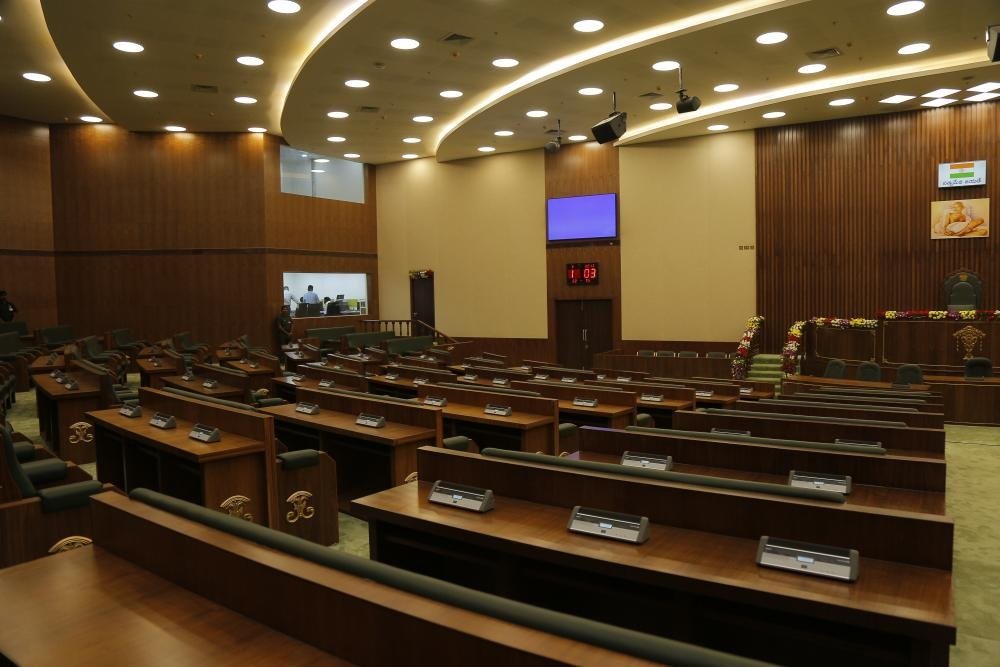
Hyderabad’s ten-year joint-capital period ends Status or name change
The 2013 Cabinet decision, written into the 2014 Act, made Hyderabad the common capital for both states for a period not exceeding ten years. That period ran out on 2 June 2024.
2023
Supreme Court upholds Article 370’s abrogation, asks for statehood Law or commission
The Supreme Court upheld the 2019 decision to abrogate Article 370 and directed that statehood be restored at the earliest. Assembly elections followed in 2024, but the Union Territory arrangement remains. For the full legal sequence, see our Article 370 timeline.
2020
Dadra and Nagar Haveli merge with Daman and Diu Status or name change
Two Union Territories became one, reducing the count of Union Territories. The new Union Territory spans four geographical entities, all formerly part of Portuguese India (Wikipedia).
2019
Jammu and Kashmir becomes two Union Territories Law or commission
The former state was divided into Jammu and Kashmir, with a legislature, and Ladakh, without one. It was the first time since Independence that a full state was downgraded into Union Territories.
2014
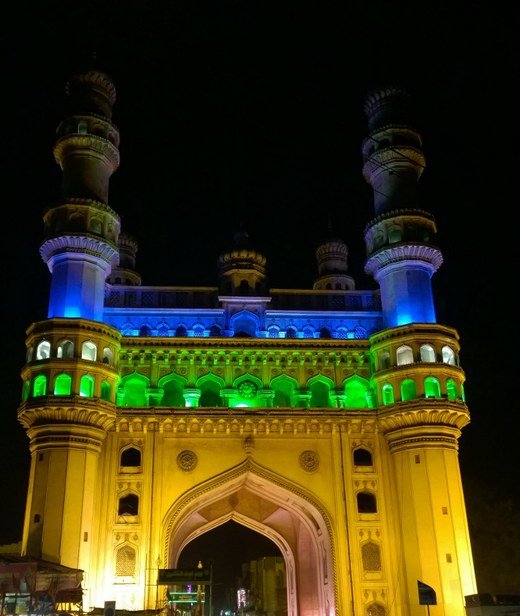
Telangana becomes India’s 29th state New state
The movement drew on regional identity, concerns about public employment, resources and representation. The Cabinet cleared the proposal on 3 October 2013 and set up a Group of Ministers to work out legal and administrative measures (PIB). Telangana was carved out of Andhra Pradesh, with the residuary state continuing as Andhra Pradesh.
Orissa becomes Odisha Status or name change
The English rendering of the state’s name and the name of its language were changed to match the Odia spelling (Wikipedia). It was the second name change of the century, after Uttaranchal.
2007
Uttaranchal renamed Uttarakhand Status or name change
The hill state’s name was changed after demands that it reflect the region’s older name.
2000
Chhattisgarh, Uttarakhand and Jharkhand are created New state
Three separate reorganisation Acts divided Madhya Pradesh, Uttar Pradesh and Bihar. Each rested on regional identity and development concerns, from Adivasi identity in Jharkhand to hill-region demands in Uttarakhand, not on language. It showed that language was no longer the main argument for a new state.
1987
Goa becomes a state; Daman and Diu stay a Union Territory New state
After the 1961 operation, Goa, Daman and Diu were a Union Territory. In the January 1967 opinion poll, 55.48 per cent voted against merging with Maharashtra (Wikipedia). Twenty years later Goa gained statehood, while Daman and Diu stayed as a Union Territory.
1987
Arunachal Pradesh and Mizoram become states New state
Mizoram’s statehood followed a negotiated settlement that ended a long insurgency. Arunachal Pradesh, formerly the North-East Frontier Agency, completed the north-eastern pattern begun in 1963.
1975
Sikkim joins the Union as the 22nd state New state
Sikkim had been a protectorate with a monarchy. After the referendum and a constitutional amendment, it entered the Union as a full state.
1972
Manipur, Meghalaya and Tripura become states New state
The north-east was reorganised in one stroke. Manipur and Tripura moved up from Union Territory status, Meghalaya was carved out of Assam and two new Union Territories were created.
1971
Himachal Pradesh becomes a state New state
Himachal Pradesh was a Part C state, then a Union Territory after 1956, grew with the transfer of hill areas from Punjab in 1966 and became the 18th state in 1971.
Karnataka and Tamil Nadu take their present names Status or name change
Two of the 1956 linguistic states changed their names to reflect the language and region (Wikipedia).
1966
Punjab is reorganised and Haryana is created New state
The Punjabi Suba movement ended with Hindi-speaking areas forming Haryana and Punjabi-speaking areas staying in Punjab. Chandigarh became a Union Territory serving as the capital of both states.
1963
Nagaland becomes a state New state
Nagaland was the 16th state. Its creation reflected the Naga region’s distinct history and was the first of the north-eastern states created by splitting Assam.
Goa, Daman, Diu and Puducherry join the Union Status or name change
The last colonial enclaves entered the Union. Puducherry’s French territories had been under Indian administration since 1954 and were formally ceded in 1962, and Goa, Daman and Diu were freed from Portuguese rule in December 1961. None became a state immediately.
1960
Maharashtra and Gujarat emerge from Bombay State New state
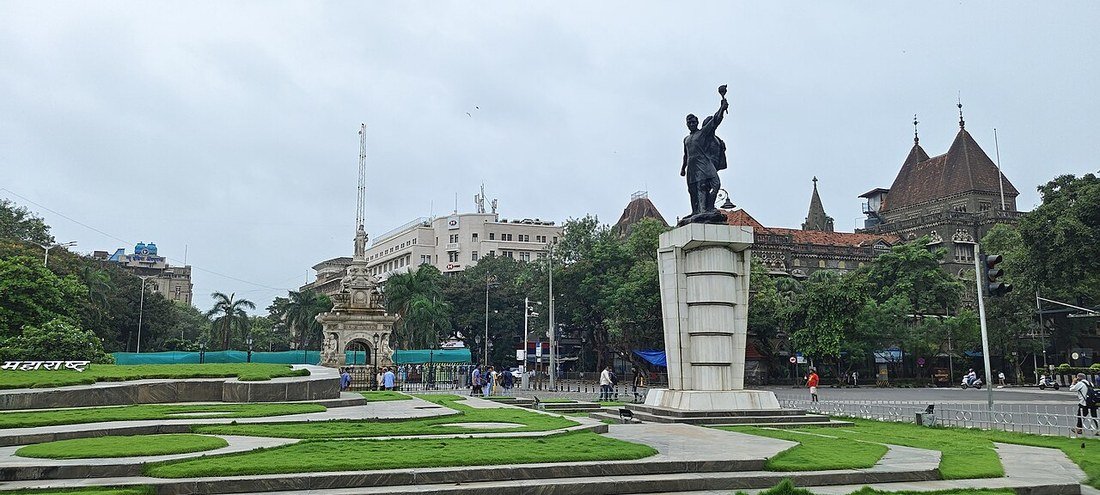
The bilingual state created in 1956 lasted four years. Protests in Bombay, where more than 100 people died, ended with Marathi-speaking and Gujarati-speaking states. Mumbai went to Maharashtra.
1956
The States Reorganisation Act takes effect Law or commission
Andhra Pradesh, Kerala and Mysore were formed; Madras and Bombay were redrawn; Hyderabad State was dissolved. Telangana was joined with Andhra after a February 1956 agreement between leaders of the two regions. Delhi, Manipur, the Andaman and Nicobar Islands, Himachal Pradesh, Tripura and the Laccadive islands became Union Territories. The Act implemented some of the commission’s recommendations, not all (Wikipedia).
1955
The States Reorganisation Commission submits its report Law or commission
The commission recommended abolishing the three-tier state system and said it was ‘neither possible nor desirable’ to reorganise on the single test of language or culture. It recommended a separate Vidarbha and a separate Hyderabad State for Telangana for the time being; the government did not accept either (Wikipedia, Report of the SRC).
1953
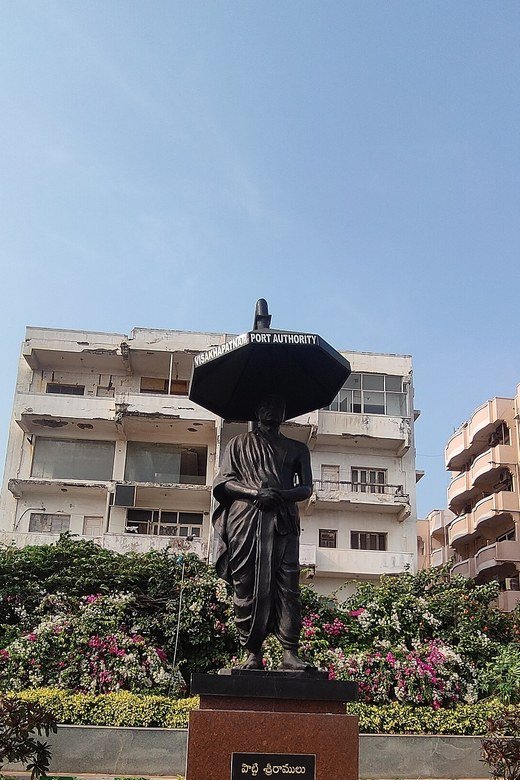
Andhra State is created Movement
After Sreeramulu’s fast and death, mass unrest forced the Centre to agree. The Telangana region remained in Hyderabad State until 1956, so Andhra State was not yet today’s Andhra Pradesh.
1950
The Constitution sets up Part A, B, C and D states Law or commission
The arrangement was transitional. It reflected how India’s territory had been assembled, not how its people wished to be governed. Our Constitution Day timeline covers the Assembly debates.
Apr 1949
The Dhar Commission and the JVP Committee say ‘not now’ Law or commission
The Dhar Commission said forming provinces on mainly linguistic lines was not in the nation’s larger interests. The JVP Committee agreed the time was unsuitable but conceded that public sentiment was ‘insistent and overwhelming’ (Wikipedia).
Independence and the integration of the princely states Law or commission
Before the linguistic question could be tackled, the Union had to hold together. See our Sardar Patel Jayanti timeline for the integration story.
Language becomes a political demand Movement
Congress adopted linguistic provinces in its own structure in 1920 and repeated the pledge, including in the 1945-46 manifesto (Wikipedia). After Partition, leaders worried that linguistic states might threaten unity.
How India’s Map Changed: Key Milestones at a Glance
| Year | Major change |
|---|---|
| 1947-1950 | Independence, integration of princely states and the first constitutional state framework |
| 1953 | Andhra State created |
| 1956 | Major linguistic reorganisation under the States Reorganisation Act |
| 1960 | Maharashtra and Gujarat formed |
| 1963 | Nagaland becomes a state |
| 1966 | Haryana created; Punjab and surrounding territories reorganised |
| 1971-1972 | Himachal Pradesh gains statehood; Manipur, Meghalaya and Tripura become states |
| 1975 | Sikkim becomes a state |
| 1987 | Arunachal Pradesh, Mizoram and Goa become states |
| 2000 | Chhattisgarh, Uttarakhand and Jharkhand formed |
| 2014 | Telangana created |
| 2019 | Jammu and Kashmir reorganised into two Union Territories |
| 2020 | Dadra and Nagar Haveli merged with Daman and Diu as one Union Territory |
| 2024-2026 | Hyderabad joint-capital period ends (2024); Amaravati named capital (April 2026); Kerala becomes Keralam (August 2026) |
Where Each of the 28 States Came From
Origin and key dates for every state, then the eight Union Territories.
| State | Present form from | How it came about |
|---|---|---|
| Andhra Pradesh | 1956 (residuary state 2014) | Andhra State (1953) plus Telangana in 1956; Telangana split off in 2014 |
| Arunachal Pradesh | 1987 | Union Territory from 1972; statehood 20 February 1987 |
| Assam | 1950 | Part A state; Nagaland (1963) and Meghalaya (1972) later carved out |
| Bihar | 1950 | Part A state; southern districts became Jharkhand in 2000 |
| Chhattisgarh | 2000 | From Madhya Pradesh, 1 November 2000 |
| Goa | 1987 | Union Territory after 1961; 1967 opinion poll; statehood 30 May 1987 |
| Gujarat | 1960 | From Bombay State, 1 May 1960 |
| Haryana | 1966 | Hindi-speaking parts of Punjab, 1 November 1966 |
| Himachal Pradesh | 1971 | Union Territory 1956-71; statehood 25 January 1971 |
| Jharkhand | 2000 | From Bihar, 15 November 2000 |
| Karnataka | 1956 | Enlarged Mysore State; renamed Karnataka 1 November 1973 |
| Keralam (Kerala) | 1956 | Travancore-Cochin plus Malabar; renamed Keralam 25 August 2026 |
| Madhya Pradesh | 1956 (reduced 2000) | Redrawn in 1956; Chhattisgarh split off in 2000 |
| Maharashtra | 1960 | From Bombay State, 1 May 1960, with Mumbai as capital |
| Manipur | 1972 | Union Territory to state, 21 January 1972 |
| Meghalaya | 1972 | Autonomous state within Assam from 1970; state 21 January 1972 |
| Mizoram | 1987 | Union Territory from 1972; state 20 February 1987 |
| Nagaland | 1963 | From Assam, 1 December 1963 |
| Odisha | 1950 | Province since 1936; Orissa renamed Odisha, 2011 |
| Punjab | 1966 (reduced) | Reduced by the 1966 Act; Punjab and Haryana share Chandigarh |
| Rajasthan | 1956 | Union of princely states from 1949; enlarged in 1956 |
| Sikkim | 1975 | Former protectorate; 16 May 1975 |
| Tamil Nadu | 1956 | Madras State redrawn in 1956; renamed 14 January 1969 |
| Telangana | 2014 | From Andhra Pradesh, 2 June 2014 |
| Tripura | 1972 | Union Territory to state, 21 January 1972 |
| Uttar Pradesh | 1950 (reduced 2000) | Part A state; Uttarakhand split off in 2000 |
| Uttarakhand | 2000 | From Uttar Pradesh, 9 November 2000; renamed from Uttaranchal in 2007 |
| West Bengal | 1950 | Part A state; boundaries adjusted after Partition and in 1956 |
| Union Territory | Current status from | Note |
|---|---|---|
| Andaman and Nicobar Islands | 1956 | Part D in 1950; Union Territory after 1956 |
| Chandigarh | 1966 | Joint capital of Punjab and Haryana |
| Dadra and Nagar Haveli and Daman and Diu | 26 January 2020 | Two Union Territories merged |
| Delhi | 1956 | Union Territory after 1956; later given a legislature |
| Jammu and Kashmir | 31 October 2019 | With a legislature; statehood demand pending |
| Ladakh | 31 October 2019 | No legislature; talks on statehood or Sixth Schedule pending |
| Lakshadweep | 1956 | Laccadive islands; Union Territory after 1956 |
| Puducherry | 1962 | De jure transfer from France in 1962 |
What State Reorganisation Changed
Administration and schooling in regional languages
Linguistic states made it easier to run government and education in the dominant regional language. Minorities within states remained.
More legislatures, more governments
New states gave regional movements institutions through which to pursue their priorities.
Capitals, water, assets and finances
Every split forced negotiation over capitals (Chandigarh, Hyderabad, Amaravati), rivers and public assets.
Recognition, not resolution
Statehood recognised distinct histories but did not end every boundary dispute.
Demands That Were Refused or Remain Open
Vidarbha. The 1955 commission recommended a separate Vidarbha state. The government merged the region into Bombay State instead, and later Maharashtra.
Telangana. The commission advised a separate Hyderabad State with a possible merger with Andhra after 1961 elections. The 1956 settlement joined the regions at once. The 2014 split completed a demand that had been argued since 1956.
Jammu and Kashmir and Ladakh. Both are Union Territories since 2019. J&K’s Assembly has passed a statehood resolution and Ladakh is negotiating with the Home Ministry on statehood or Sixth Schedule safeguards.
Other demands. Gorkhaland, Bodoland and smaller-state demands persist. Whether smaller states govern better depends on resources and administration; the evidence is mixed. Any new state needs a Parliament bill, and delimitation is frozen. See our delimitation freeze timeline.
What the History Teaches Us
India’s map evolved through a series of political choices, not a single blueprint. The 1956 Act was the central landmark, but 1960, 1966, 2000 and 2014 show the federal structure kept adapting. Language dominated the early decades; later demands combined identity with development, representation and administrative access.
Reorganisation does not automatically solve regional problems and not every demand must be accepted. The record shows how constitutional and parliamentary processes have accommodated changing aspirations while preserving the Union.
Explore More Timelines
People Also Ask
Frequently Asked Questions
Related AiTimeline Stories
⚠️ Editorial Note
This timeline highlights major milestones, not every district transfer, name change or constitutional adjustment. Dates for 2026 events come from news reports and, where cited, official releases; sources differ on some parliamentary dates (the Amaravati Act is reported as passed on 2 April and gazetted on 6 April 2026). Statehood talks for Jammu and Kashmir and Ladakh were ongoing at the time of writing. For legal details, consult the original Acts and official records.
Sources & further reading
Every dated entry above was checked against these references. Last reviewed 20 October 2026.
- States Reorganisation Commission (Wikipedia): Dhar Commission, JVP Committee, 1955 report and implementation
- Report of the States Reorganisation Commission, 1955 (digitised copy)
- Report of the SRC, 9 November 1955 (Nehru Archive)
- Creation of a new State of Telangana by bifurcating Andhra Pradesh (3 October 2013)
- Andhra Pradesh Reorganisation Act, 2014
- The Jammu and Kashmir Reorganisation Bill, 2019
- Amaravati to now be permanent capital of Andhra Pradesh; Parliament passes Reorganisation Bill, 2026 (2 April 2026)
- Amaravati as capital: Andhra Pradesh Reorganisation (Amendment) Act, 2026 explained (7 April 2026)
- It's official: Kerala is now 'Keralam' as Centre notifies name change (26 August 2026)
- Union Cabinet approves renaming Kerala to Keralam (25 February 2026)
- GoI should respect J&K Assembly's statehood resolution: Speaker Rather (18 October 2026)
- Sonam Wangchuk highlights gaps after talks on Ladakh democracy (16 October 2026)
- Ministry of Home Affairs: Centre-State Division