SIR & Jantar Mantar Protests: Why Indians Question Voting Lines
Delhi's SIR draft voter roll left out 47.56 lakh names, sparking Jantar Mantar protests. What SIR is, why names were dropped and how to claim by 30 Oct.
Latest Story
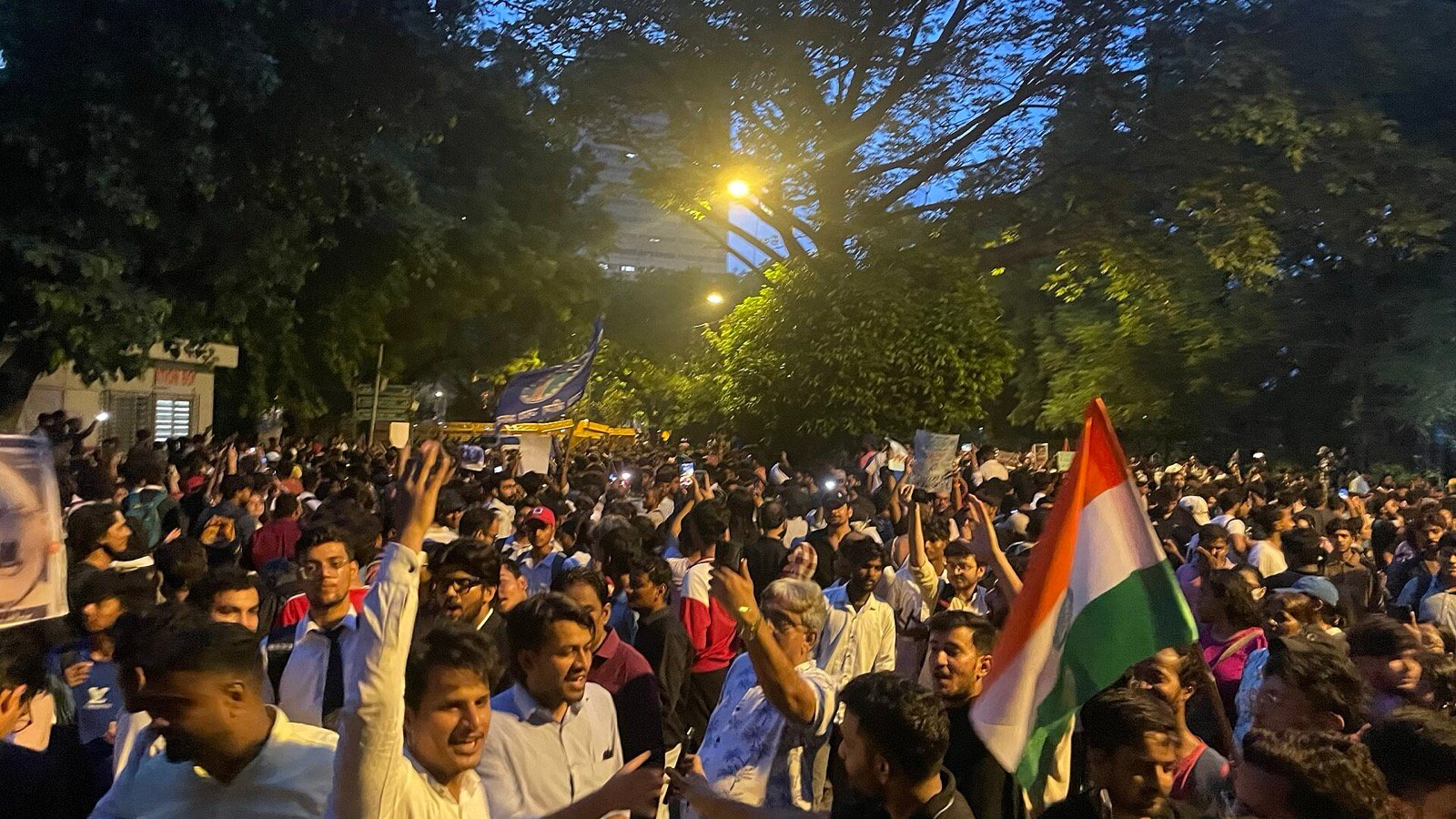
On 2 October 2026 Delhi Police detained hundreds of students, activists and opposition leaders trying to reach Jantar Mantar. Their target was the Election Commission’s Special Intensive Revision (SIR) of electoral rolls, which left 47,56,722 names out of Delhi’s draft voter list. This timeline explains the SIR and Jantar Mantar protests: what SIR is, where the numbers come from, what the ECI and the protesters each say, and what a voter can still do before the final roll on 4 December.
The source headline put the anger in one question protesters asked the Chief Election Commissioner: why should we stand in line? The line is not the polling-day queue. It is the chain of forms, mapping and verification a citizen now has to clear to stay on the roll. Throughout this page, items marked Official come from the ECI or CEO Delhi, and items marked Reported rely on news reports that have not been officially confirmed.
💡 Short Answer
SIR, the Special Intensive Revision of electoral rolls, re-verifies every voter through house visits and document checks. Delhi’s draft roll on 31 August 2026 kept 97.53 lakh of 1.45 crore electors and left out 47.56 lakh, mostly marked shifted or absent. Fearing eligible voters will be cut, protesters marched on Jantar Mantar on 2 October and hundreds were detained. Missing names are not final deletions: claims are open until 30 October and the final roll is due 4 December.
SIR and Jantar Mantar: Key Questions
The SIR Protests in Nine Points
- What SIR is: a door-to-door re-verification of the voter list, not an identity card and not a polling-booth rule.
- The Delhi numbers: 1,45,10,299 on the base list; 97,53,577 in the draft; 47,56,722 left out.
- Why they were left out: 91% shifted, absent or others; 5.9% dead; 3% duplicates (CEO Delhi).
- Not final: claims and objections run to 30 October; the final roll is due 4 December.
- Notices: 31.64 lakh by 19 Sep officially (33.13 lakh reported later); BLOs now collect documents at home, hearings only in exceptional cases.
- Legal backing: the Supreme Court upheld SIR on 27 May 2026, so the dispute is about execution.
- The protest: on 2 October, more than 500 people by the lowest count were detained heading for Jantar Mantar.
- The demand: resignation of CEC Gyanesh Kumar; a removal notice had already been rejected in April 2026.
- Still open: how many legitimate voters are restored before 4 December.
Delhi’s Draft Roll, in Numbers
The figures behind the anger, and what they do and do not mean.
The headline figure is 47,56,722. It is the number of electors on Delhi’s pre-SIR base list whose enumeration forms Booth Level Officers could not collect between 30 June and 17 August 2026. CEO Delhi’s press note records 43,32,775 as permanently shifted, absent or others, 2,82,412 as deceased and 1,41,535 as enrolled at multiple places. The work involved 13,033 BLOs at 13,033 polling stations, watched by 33,226 booth-level agents from the recognised parties.
Two things are true at once. Delhi’s roll certainly carried dead, duplicate and long-gone entries; a city of migrants and renters accumulates them. And “absent” on a BLO’s form can mean a voter who was at work, travelling, or living in a building the officer could not find. That is why the draft is followed by notices, claims and objections, and why nobody yet knows how many of the 47.56 lakh are real removals.
Why “Voting Lines” Are Being Questioned
The line before the polling-day queue.
A voter can fall out of the process at several points: no one at home when the BLO called, no link to the 2002 roll, a mismatch in age or a parent’s name. Each step adds work for the citizen. Supporters say that is the price of an accurate list; critics say the cost falls hardest on the people least able to pay it, such as daily-wage migrants, women who moved after marriage, the elderly and people in informal settlements.
Pick the situation closest to yours to see the next step and the deadline.
A plain-language guide to the Delhi SIR 2026 process, based on ECI and CEO Delhi instructions as of 3 October 2026. It is not legal advice; your BLO or Electoral Registration Officer has the final word.
Choose a situation above
What the ECI Says, and What Protesters Say
Positions, not findings. Both are attributed.
🏛️ Election Commission
- SIR is a constitutional duty to keep rolls accurate, upheld by the Supreme Court in May 2026.
- Exclusions reflect dead, shifted, absent and duplicate entries recorded by BLOs.
- “No name can be deleted without giving an opportunity of being heard and issuing a proper speaking and appealable order.”
- It has extended Delhi’s deadlines by a month and sent BLOs to collect documents at home.
📢 Protesters and opposition
- The scale, one in three names, is too large to be explained by deaths and duplicates.
- The burden of proof has shifted to voters, hurting the poor, migrants and women.
- AAP alleges about 1.37 crore names were deleted under SIR (a claim, not an official figure).
- They demand CEC Gyanesh Kumar’s resignation and more transparency on exclusions.
SIR and Jantar Mantar Protests: The Full Timeline
Newest first, from the second day of protests back to Delhi’s first voting queue in 1952.
2026
Day two: Yadav, Bhushan, Bhardwaj detained Reported
A smaller crowd returns to Jantar Mantar despite no permission. Police detain psephologist-activist Yogendra Yadav, senior advocate Prashant Bhushan, transparency activist Anjali Bhardwaj and AISA president Neha Bora, among others, and take many of them to Badarpur. The Cockroach Janta Party warns that if the CEC does not resign, supporters will march to Jantar Mantar on 10 October.
2026
Gandhi Jayanti march: hundreds detained Reported
AISA, SFI and DYFI call a march to Jantar Mantar demanding the resignation of Chief Election Commissioner Gyanesh Kumar; AAP, Left parties and NSUI join. Delhi Police, which had refused permission and imposed Section 163 of the Bharatiya Nagarik Suraksha Sanhita in New Delhi district, detain protesters before most reach the site. Those held include AAP’s Atishi, Sanjay Singh and Saurabh Bharadwaj and CPI(M)’s M.A. Baby and Brinda Karat. In Mumbai, a parallel protest gathers at Shivaji Park.
Why it matters: a revision of the voter list became a street confrontation in the capital, on a national holiday, with senior opposition figures in police buses.
2026
Deadline extended; BLOs to collect documents at home Official
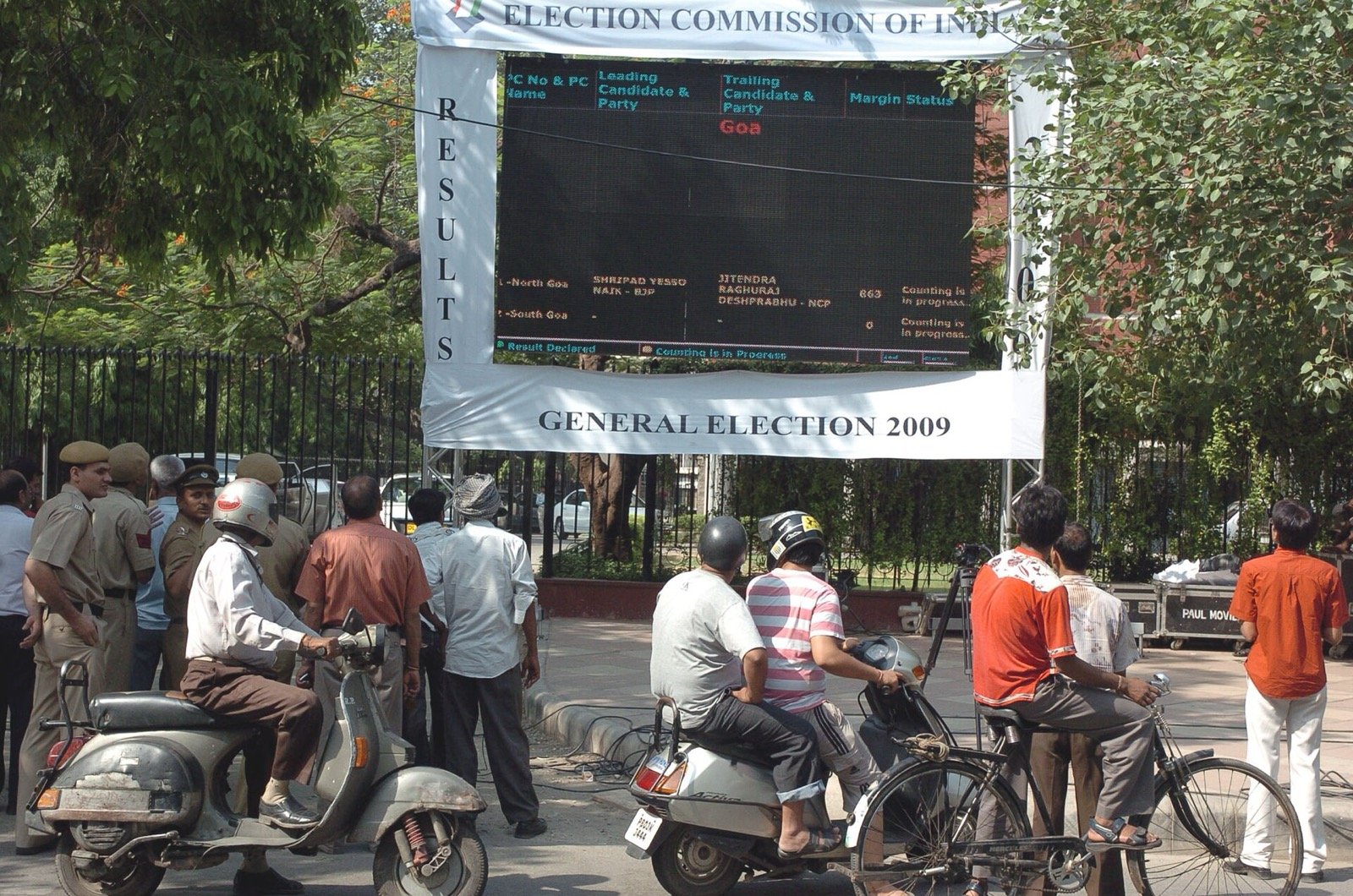
The Election Commission extends Delhi’s claims-and-objections window by a month, from 30 September to 30 October, moves disposal of notices and claims to 30 November and the final roll from 4 November to 4 December. CEO Delhi had counted 31,63,930 notices by 19 September (reports later put it at 33.13 lakh), mostly for records that could not be linked to the 2002 roll. The procedure changes too: BLOs will visit homes to collect documents and upload them on ECINET; hearings only in exceptional cases, preferably online, and a family member may attend instead. By 30 September CEO Delhi reported 4,58,254 notice hearings already held.
CEO Delhi’s 21 September press note: a notice “does not mean that their names will be deleted”, and “no name can be deleted without giving an opportunity of being heard and issuing a proper speaking and appealable order.” Notices had reached L.K. Advani, S. Jaishankar and Chief Minister Rekha Gupta.
2026
Who are the 47.56 lakh? Reported
CEO Delhi issues a press note explaining that uncollected forms were sorted into five reasons (death, untraceable/absent, permanently shifted, already enrolled, others) and that the booth-wise ASDD list is online. An analysis of that list by The Wire splits the 43.33 lakh shifted/absent group into about 31.6 lakh permanently shifted and 11.7 lakh absent/untraceable. R.K. Puram had the highest exclusion rate (44.4%), Rohini the lowest (16.5%); Burari lost the most names (1,67,885).
2026
Delhi’s draft roll: 97.53 lakh in, 47.56 lakh out Official
The CEO Delhi publishes the SIR draft electoral roll with 97,53,577 electors, those whose enumeration forms were collected and digitised. Forms could not be collected from 47,56,722 electors, placed under the Absent, Shifted, Dead or Duplicate categories. The claims-and-objections period opens the same day.
Why it matters: roughly one in three names from the base list is not in the draft, the highest exclusion share recorded in any SIR so far.
2026
House-to-house enumeration in Delhi
Booth Level Officers distribute and collect pre-filled enumeration forms for every elector on the base list, matching people to the 2002 roll where possible. Many BLOs are schoolteachers and other government staff doing the work on top of their regular jobs, in dense, hard-to-map neighbourhoods.
2026
Supreme Court upholds SIR Official
A bench led by Chief Justice Surya Kant, with Justice Joymalya Bagchi, unanimously upholds the Bihar SIR. The court holds that Article 324 read with Section 21(3) of the Representation of the People Act 1950 lets the ECI order a special revision, and that its measures are not manifestly excessive or disproportionate.
What it means: the legal question of whether SIR is allowed is settled. The fight moves to how it is carried out.
2026
Phase three announced
The Election Commission announces the third phase of SIR, covering 16 states and three Union Territories. Delhi’s enumeration starts six weeks later.
2026
Notice to remove the CEC rejected
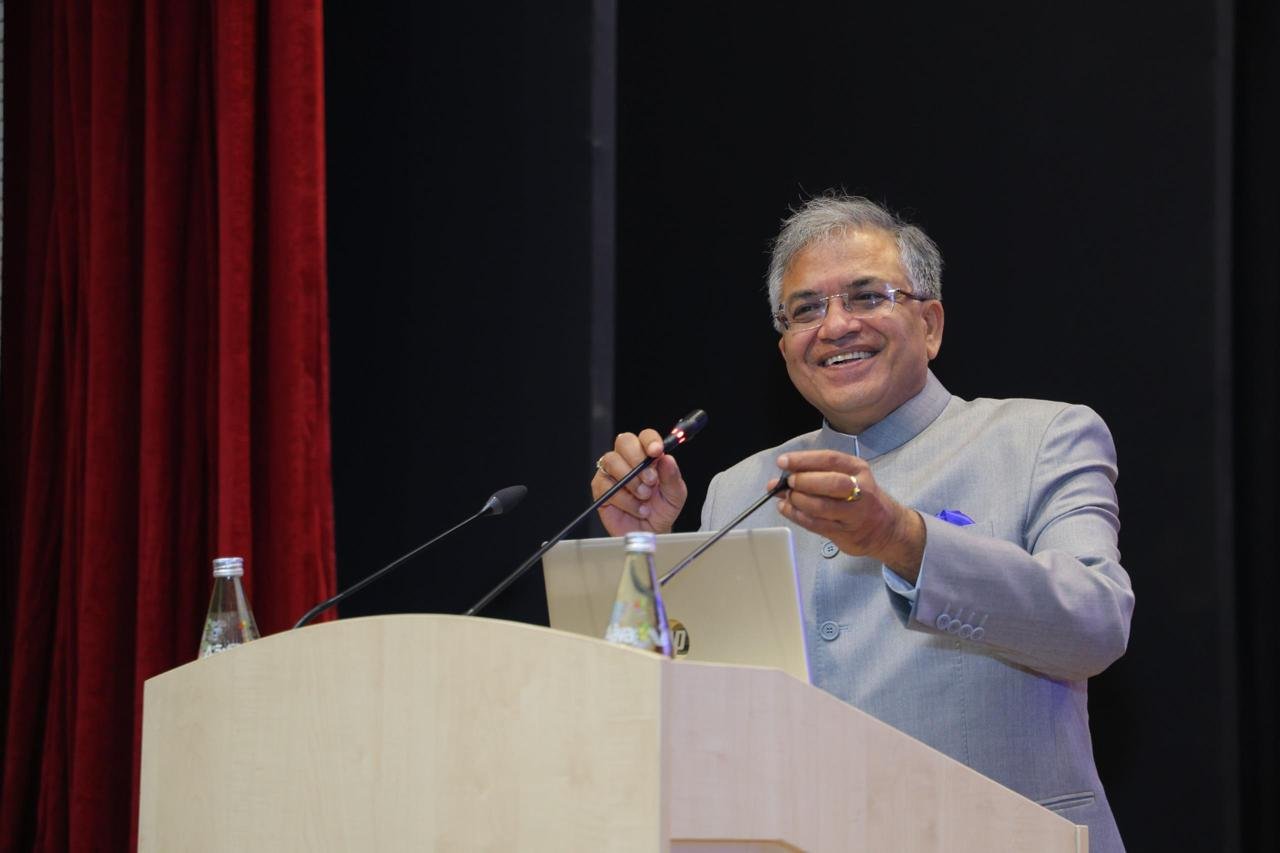
Rajya Sabha Chairman C.P. Radhakrishnan and Lok Sabha Speaker Om Birla reject an opposition notice of motion seeking the removal of Gyanesh Kumar. The demand returns on the streets in October as a call for resignation.
2025
SIR goes national
The ECI announces SIR across 12 states and Union Territories, including Uttar Pradesh. Draft rolls follow from December 2025. Across nine states and three UTs, phase two removes about 5.18 crore entries (about 10%), including about 2.05 crore in UP.
2025
Bihar’s final roll: about 7.42 crore Official
Bihar publishes its final roll with about 7.42 crore electors, roughly 47 lakh fewer than the 7.89 crore before the revision, after claims added some names back.
2025
Aadhaar added as a document
The Supreme Court directs the ECI to accept Aadhaar as a twelfth document for identity in Bihar’s SIR, while noting it is not proof of citizenship. The original list had 11 documents.
2025
Bihar’s draft drops about 65 lakh names
Bihar’s draft roll is published with about 7.24 crore electors, roughly 65 lakh fewer than before. The scale triggers petitions in the Supreme Court and an opposition campaign in Parliament.
2025
The ECI orders SIR in Bihar Official
The Election Commission orders a Special Intensive Revision of Bihar’s rolls. Every elector must submit an enumeration form; those not on the 2003 roll must show documents. It is the template every later phase, including Delhi, follows.
1952
The first queue
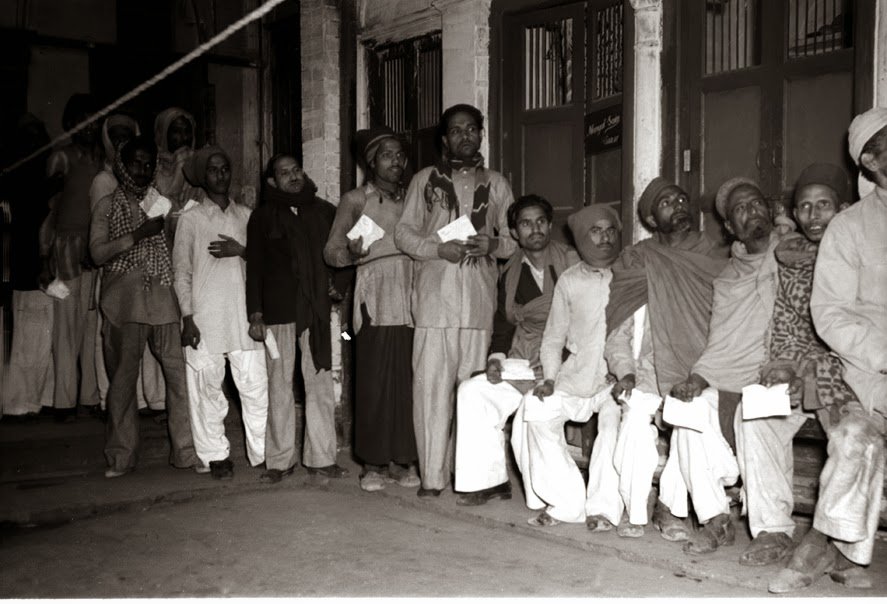
Delhi votes in independent India’s first general election under universal adult franchise. The photograph below, from a polling station near Jama Masjid, shows the original “voting line”. Seventy-four years later, the line that worries protesters is a different one: the list that decides who may join it.
SIR Phase by Phase
From one state to most of the country.
| Phase | Announced / began | Coverage | Outcome so far |
|---|---|---|---|
| Phase 1 | 24 Jun 2025 | Bihar | ~7.89 cr to ~7.42 cr final (30 Sep 2025) |
| Phase 2 | 27 Oct 2025 | 12 states and UTs incl. UP | ~5.18 cr entries removed across 9 states + 3 UTs |
| Phase 3 | 14 May 2026 | 16 states and 3 UTs | Ongoing; Delhi draft 31 Aug 2026 |
| Delhi | 30 Jun 2026 | 70 assembly constituencies | 97.53 lakh in draft; final roll 4 Dec 2026 |
The Constituency Gap
Why some neighbourhoods were hit harder than others.
| Constituency | Left out of draft | Note |
|---|---|---|
| R.K. Puram | 44.4% | Highest exclusion rate |
| Rohini | 16.5% | Lowest exclusion rate |
| Burari | 1,67,885 names | Most names left out |
| Delhi Cantonment | 22,855 names | Fewest names left out |
Exclusion rates ranged from 16.5% in Rohini to 44.4% in R.K. Puram, according to The Wire’s analysis of CEO Delhi data. Areas with large rental and migrant populations, or many government quarters whose occupants rotate, tend to show more “shifted” entries. Whether those differences reflect real movement or uneven fieldwork is exactly what the claims process should reveal, and what both sides will read into the final roll.
How to Stay on the Delhi Voter List
- Check the draft roll. Search your name or EPIC number on the ECI voter portal or the CEO Delhi site, or ask your Booth Level Officer.
- Identify your case. In the draft with no notice, in the draft with a notice, or missing from the draft.
- Answer any notice. Keep the listed documents ready; the BLO collects them at home and uploads them on ECINET.
- File the right form. Form 6 to be included, Form 8 to correct details, Form 7 to object to a wrong entry, by 30 October 2026.
- Track and verify. Keep the acknowledgement, follow the status online, and check the final roll on 4 December 2026.
The SIR Story in Numbers
| Figure | What it is | Context |
|---|---|---|
| 1,45,10,299 | Electors on Delhi’s pre-SIR base list | CEO Delhi |
| 97,53,577 | Electors in the 31 Aug 2026 draft roll | 67.22% of the base |
| 47,56,722 | Names not in the draft | 32.78% of the base; not yet final deletions |
| 43,32,775 | Shifted / absent / others | 91.1% of those left out (CEO Delhi) |
| 2,82,412 | Deceased | 5.9% |
| 1,41,535 | Enrolled at multiple places | 3.0%; kept at one place only |
| 31,63,930 | Notices generated by 19 Sep | CEO Delhi; 33.13 lakh reported by 26 Sep |
| 4,58,254 | Notice hearings held by 30 Sep | CEO Delhi |
| 13,033 | Booth Level Officers | One per polling station before rationalisation |
| 30 Oct 2026 | Claims and objections deadline | Extended from 30 Sep |
| 4 Dec 2026 | Final electoral roll | Moved from 4 Nov |
| 500 to 1,000+ | Detained on 2 Oct | Counts vary by source |
Corrections to Claims Circulating Online
“SIR = Special Identity Registration”
An earlier AI-generated draft of this page said so, and described a mandatory ID check to queue at polling booths. Both are wrong. SIR is the Special Intensive Revision of electoral rolls.
“47.56 lakh voters deleted”
Not yet. They are names not in the draft. The final count of removals will only be known on 4 December.
“32.79% excluded”
47,56,722 of 1,45,10,299 is 32.78%; with the 67.22% collected it adds to 100%.
“Around 500 detained”
The lowest published count. Others report more than 700, and Left parties claim over 1,000. No official figure has been released.
“Final list on 4 November”
That was the original date. It moved to 4 December when the claims window was extended on 26 September.
“1.37 crore deleted”
An AAP allegation, not an ECI figure. Delhi’s official draft shortfall is 47.56 lakh.
Did You Know?
- Jantar Mantar: the 18th-century observatory gave its name to the road that became Delhi’s designated protest site after the Boat Club lawns were closed to demonstrations in the 1990s.
- Section 163 BNSS: the 2023 criminal procedure code’s replacement for the old Section 144 CrPC prohibitory order.
- 2002 roll: Delhi’s last intensive revision; SIR maps today’s voters back to it.
- Forms: Form 6 adds a name, Form 7 objects to one, Form 8 corrects or shifts one.
- Next camps: CEO Delhi has scheduled special camps at all polling station locations on 4 and 11 October 2026, and for young voters at colleges on 7 and 8 October.
- First election: India’s first general election ran from October 1951 to February 1952, with over 17 crore registered voters.
Quick Quiz: SIR and the Protests
1. What does SIR stand for?
2. How many names were left out of Delhi’s draft roll?
3. What is the latest date to file a claim in Delhi?
4. Which category accounts for most Delhi exclusions?
5. Which law did police invoke around Jantar Mantar?
6. What did the Supreme Court decide on 27 May 2026?
Explore More Timelines
People Also Ask
Frequently Asked Questions
The Bigger Picture
India’s democracy rests on a document most people never look at: the electoral roll. An EVM cannot record the vote of someone who is not on it. SIR has dragged that document into public view, and the Delhi numbers have made it a political fight. The Supreme Court has settled that the Election Commission may run a special revision. What it cannot settle in advance is whether a revision this large is accurate in both directions, removing the dead and the duplicated without dropping the living. Before a citizen can stand in the voting line, their name has to survive the line on the voter list. The final Delhi roll on 4 December will show how many did.
Related AiTimeline Stories
⚠️ Editorial Note
Last updated 3 October 2026. This is a developing story. Items marked Official were checked against the Chief Electoral Officer, Delhi’s own press notes (31 Aug, 3, 19, 21, 26, 28 and 30 Sep 2026) on ceodelhi.gov.in. Category totals are CEO Delhi’s; the shifted/absent split and constituency rates come from The Wire’s analysis of the ASDD list. Detention counts are from Outlook, The Week and The Wire and differ by source. Protesters’ and parties’ allegations are attributed and are not findings. The “What Do I Do?” helper is a plain-language guide, not legal advice; check the ECI voter portal or your BLO for the current rules.
Sources & further reading
Every dated entry above was checked against these references. Last reviewed 3 October 2026.
- CEO Delhi press note: Delhi SIR key findings of enumeration phase and draft roll (31 August 2026)
- CEO Delhi press note: Revision of schedule of SIR 2026, claims to 30 Oct, final roll 4 Dec (26 September 2026)
- CEO Delhi press note: Notices do not mean deletion; list of notices published (21 September 2026)
- CEO Delhi press note: BLOs to visit homes of electors issued notices (28 September 2026)
- The Tribune: Delhi SIR claims, objections deadline extended till Oct 30; final roll on Dec 4 (26 September 2026)
- The Wire: Delhi SIR, who are the 47.56 lakh people knocked out from the draft roll?
- Outlook: Delhi Police detain over 500 including AAP's Atishi and Sanjay Singh at Jantar Mantar protest (2 October 2026)
- The Week: Protesters and activists return to Jantar Mantar (3 October 2026)
- Supreme Court Observer: ADR v. Election Commission of India (Bihar SIR challenge)
- Election Commission of India: Voter services portal (SIR 2026 search, forms and notices)