Rahul Gandhi Defamation Case: Timeline & Disqualification
Rahul Gandhi was convicted of criminal defamation on 23 March 2023 and disqualified as Wayanad MP a day later. The Supreme Court stayed his conviction on 4 August 2023, restoring his Lok Sabha seat.
Latest Story
The Rahul Gandhi defamation case began with a remark at a 2019 election rally and ended, for now, with a Supreme Court order that is a stay, not an acquittal. On 23 March 2023 a Surat court convicted the Congress leader of criminal defamation over a 2019 comment about people who share the Modi surname, and sentenced him to exactly two years — the maximum available, and the precise threshold that triggers disqualification from Parliament under Indian election law. The Lok Sabha disqualified him the next day. The Supreme Court stayed that conviction on 4 August 2023, restoring his membership, and he has since been elected from a different seat, Raebareli. The underlying appeal against the conviction has not been decided. This page tracks every dated step, court by court, with its sources.
💡 Short Answer
A Surat court convicted Rahul Gandhi of criminal defamation on 23 March 2023 over a 2019 remark about the Modi surname, and the Lok Sabha disqualified him as Wayanad MP the next day under Section 8(3) of the Representation of the People Act, 1951. The Supreme Court stayed the conviction on 4 August 2023 — not an acquittal — and his membership was restored a week later. He has represented Raebareli since the 2024 election, and the underlying defamation appeal is still pending.
The Case at a Glance
Eight steps, from the complaint to the most recent ruling on the 2024 election.
| Date | Event | Court / Body | Outcome |
|---|---|---|---|
| 2019 | Defamation complaint filed | Surat Magistrate Court | Case admitted against Gandhi |
| 23 Mar 2023 | Conviction | Surat CJM Court | 2-year sentence, the maximum under law |
| 24 Mar 2023 | Disqualification | Lok Sabha Secretariat | Wayanad MP seat lost, effective 23 Mar |
| 20 Apr 2023 | Stay plea rejected | Surat Sessions Court | Conviction stay denied |
| 7 Jul 2023 | Stay plea rejected | Gujarat High Court | Conviction stay denied |
| 4 Aug 2023 | Conviction stayed | Supreme Court of India | Stayed, not an acquittal |
| 7 Aug 2023 | Membership restored | Lok Sabha Secretariat | Wayanad seat reinstated |
| 5 Dec 2025 | Election petition dismissed | Allahabad High Court | 2024 Raebareli win upheld |
Rahul Gandhi Defamation Case: Key Questions
The Rahul Gandhi Defamation Case in Nine Points
- Trigger: a remark at an election rally in Kolar, Karnataka, on 13 April 2019.
- Complaint: filed by Purnesh Modi, then a BJP MLA from Surat West, Gujarat.
- Conviction: 23 March 2023, Surat Chief Judicial Magistrate’s court, under IPC Sections 499 and 500.
- Sentence: exactly two years — the maximum, and the exact threshold Section 8(3) of the Representation of the People Act uses to disqualify a sitting MP.
- Two refusals: both the Surat Sessions Court (20 Apr 2023) and the Gujarat High Court (7 Jul 2023) declined to stay the conviction.
- Supreme Court: stayed the conviction on 4 August 2023, citing inadequate reasons for the maximum sentence.
- Not an acquittal: a stay suspends the conviction’s legal effect; it does not decide the appeal or find Gandhi innocent.
- Restored: Lok Sabha membership reinstated 7 August 2023.
- Today: MP for Raebareli since 2024; a December 2025 Allahabad High Court ruling upheld that election.
Rahul Gandhi Defamation Case Timeline, Latest First
From the December 2025 Allahabad High Court ruling back to the 2019 rally remark that started it. Each entry ends with why it matters.
2025
Allahabad High Court Dismisses Election Challenge Latest
A petition asked the Allahabad High Court to disqualify Rahul Gandhi from the 2024 Lok Sabha election on the ground that his 2023 conviction should have barred his candidacy from Raebareli. The court dismissed it, holding that the Supreme Court had already stayed the conviction before the 2024 election, so no disqualification was in force when Gandhi filed his nomination (LawChakra).
The ruling concerned the legal consequences of the stayed conviction for a later election, not a fresh hearing of the original defamation allegation. The underlying appeal against the 2023 conviction remains a separate, still-pending matter.
2024
Wins Raebareli, Retains Seat After Also Winning Wayanad Election
Rahul Gandhi won the Raebareli constituency in Uttar Pradesh in the 2024 Lok Sabha election. He also contested and won Wayanad, Kerala, the seat he had represented before the 2023 disqualification. A member cannot hold two Lok Sabha seats at once, so he retained Raebareli and vacated Wayanad.
This was a separate electoral event from the defamation case: the Supreme Court’s August 2023 stay had already removed the disqualification months before voting began, so Gandhi contested both seats as an eligible sitting MP.
2023
Lok Sabha Membership Restored Restored
Following the Supreme Court’s stay, the Lok Sabha Secretariat restored Rahul Gandhi’s membership, reinstating him as MP for Wayanad. The restoration let him resume his parliamentary duties within days of the Court’s order.
The Secretariat’s action mirrored the one that had removed him: just as the March 2023 disqualification followed automatically from the conviction, the restoration followed automatically once that conviction’s legal effect was stayed.
2023
Supreme Court Stays Rahul Gandhi’s Conviction Turning Point
The Supreme Court stayed Rahul Gandhi’s conviction in the Modi-surname case. The bench observed that the trial court had imposed the maximum two-year sentence without adequately explaining why, and noted the sentence’s disproportionate consequence: disqualification from Parliament. The Court also remarked that Gandhi should have been more careful with his public speech, calling the words “in bad taste.”
A stay suspends a conviction’s legal effect while an appeal continues; it does not erase the judgment or find the person innocent. The appeal itself remained to be decided (The Hindu).
2023
Supreme Court Issues Notice Procedural
The Supreme Court issued notice to the Gujarat government on Rahul Gandhi’s petition challenging the Gujarat High Court’s refusal to stay his conviction. The case had now reached the country’s highest court after two lower forums declined to grant relief.
2023
Rahul Gandhi Approaches the Supreme Court Appeal
After the Gujarat High Court rejected his plea to stay the conviction, Rahul Gandhi filed a petition before the Supreme Court. His legal team argued the conviction and its consequences — including disqualification — should not continue while the appeal against it was still being heard.
2023
Gujarat High Court Rejects Stay Plea Setback
The Gujarat High Court dismissed Rahul Gandhi’s plea seeking a stay of his conviction, declining to suspend it at that stage. The disqualification from the Lok Sabha remained in force, and Gandhi’s legal team moved to the Supreme Court.
2023
Revision Petition Filed in Gujarat High Court Procedural
Rahul Gandhi filed a revision application in the Gujarat High Court challenging the Surat Sessions Court’s refusal to stay his conviction. The dispute now concerned not just the original conviction but whether it should keep carrying its consequences while the appeal process continued.
2023
Surat Sessions Court Rejects Stay Plea Setback
The Surat Sessions Court rejected Rahul Gandhi’s application to stay the conviction. The same court had already granted him bail and suspended the prison sentence while his appeal was pending — but suspending a sentence is not the same as staying a conviction. The conviction itself remained in force, so the disqualification continued.
2023
Rahul Gandhi Appeals the Conviction Appeal
Rahul Gandhi appeared before the Surat Sessions Court and filed an appeal against the magistrate’s judgment, also seeking a stay of the conviction. This opened the next phase of the legal process, moving the dispute beyond the trial court’s original decision.
2023
Lok Sabha Secretariat Disqualifies Gandhi Disqualified
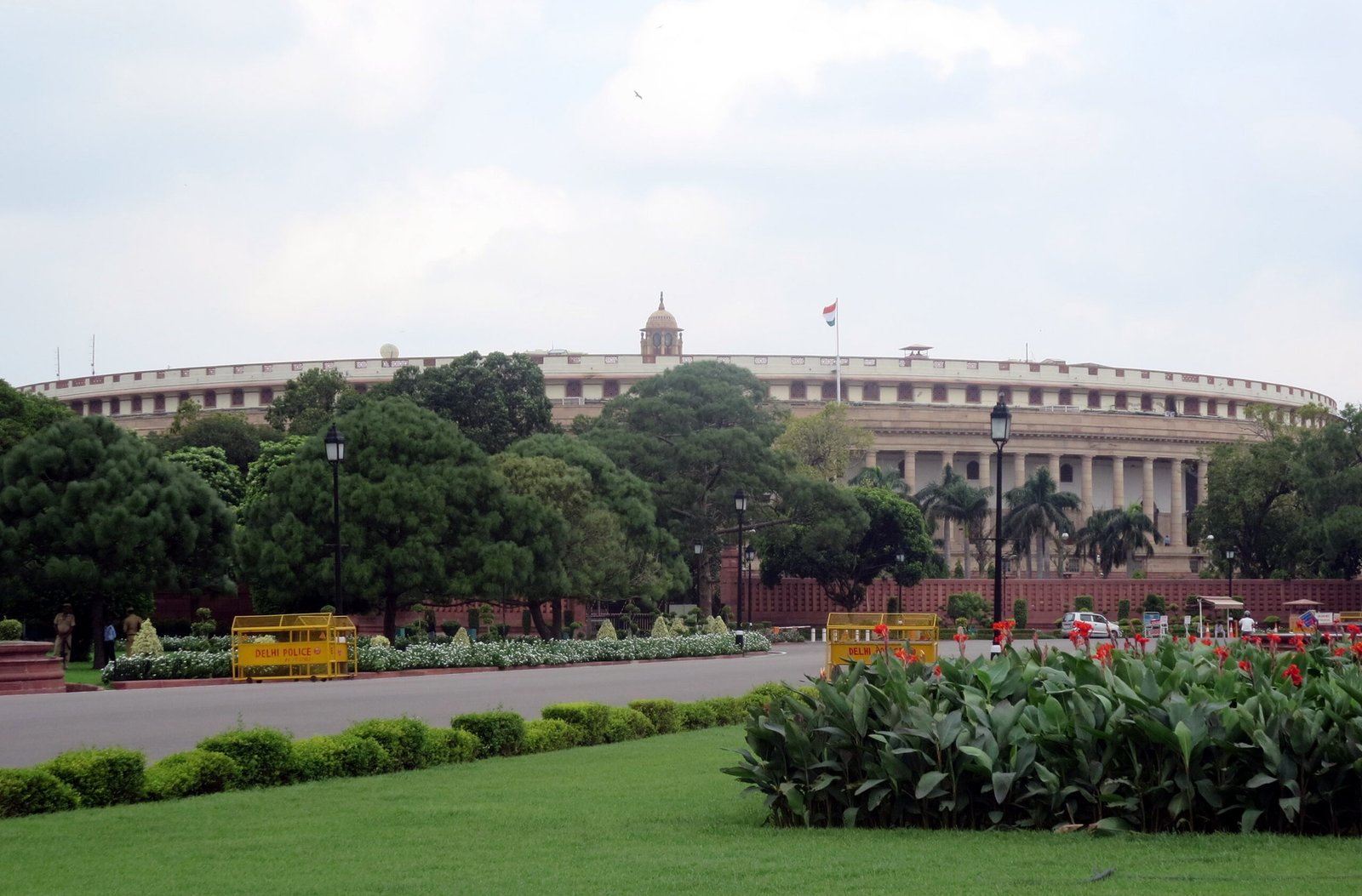
One day after the conviction, the Lok Sabha Secretariat issued a notification disqualifying Rahul Gandhi from membership of the House, effective from 23 March 2023 — the date of his conviction. The action applied Section 8(3) of the Representation of the People Act, 1951, which disqualifies a convicted member sentenced to two years’ imprisonment or more. The notification did not itself rule on whether the original speech was defamatory; it applied the statutory consequence of the court’s sentence (Reuters, via ThePrint).
2023
Surat Court Convicts Rahul Gandhi Conviction
A Chief Judicial Magistrate’s court in Surat convicted Rahul Gandhi under the criminal defamation provisions of the Indian Penal Code and sentenced him to two years’ imprisonment — the maximum available under the law. The court granted bail and suspended the sentence for 30 days to allow an appeal.
The Kolar Remark and the Defamation Complaint Origin
At an election rally in Kolar, Karnataka, on 13 April 2019, Rahul Gandhi asked why “all thieves have Modi as their common surname,” a remark widely read as referring to Nirav Modi, Lalit Modi and Prime Minister Narendra Modi. Purnesh Modi, then a BJP MLA from Surat West, Gujarat, filed a criminal defamation complaint in a Surat court, arguing the remark defamed everyone who shares the surname, and sought redress under Sections 499 and 500 of the Indian Penal Code.
Who’s Who in the Case
The people and institutions that decided each stage.
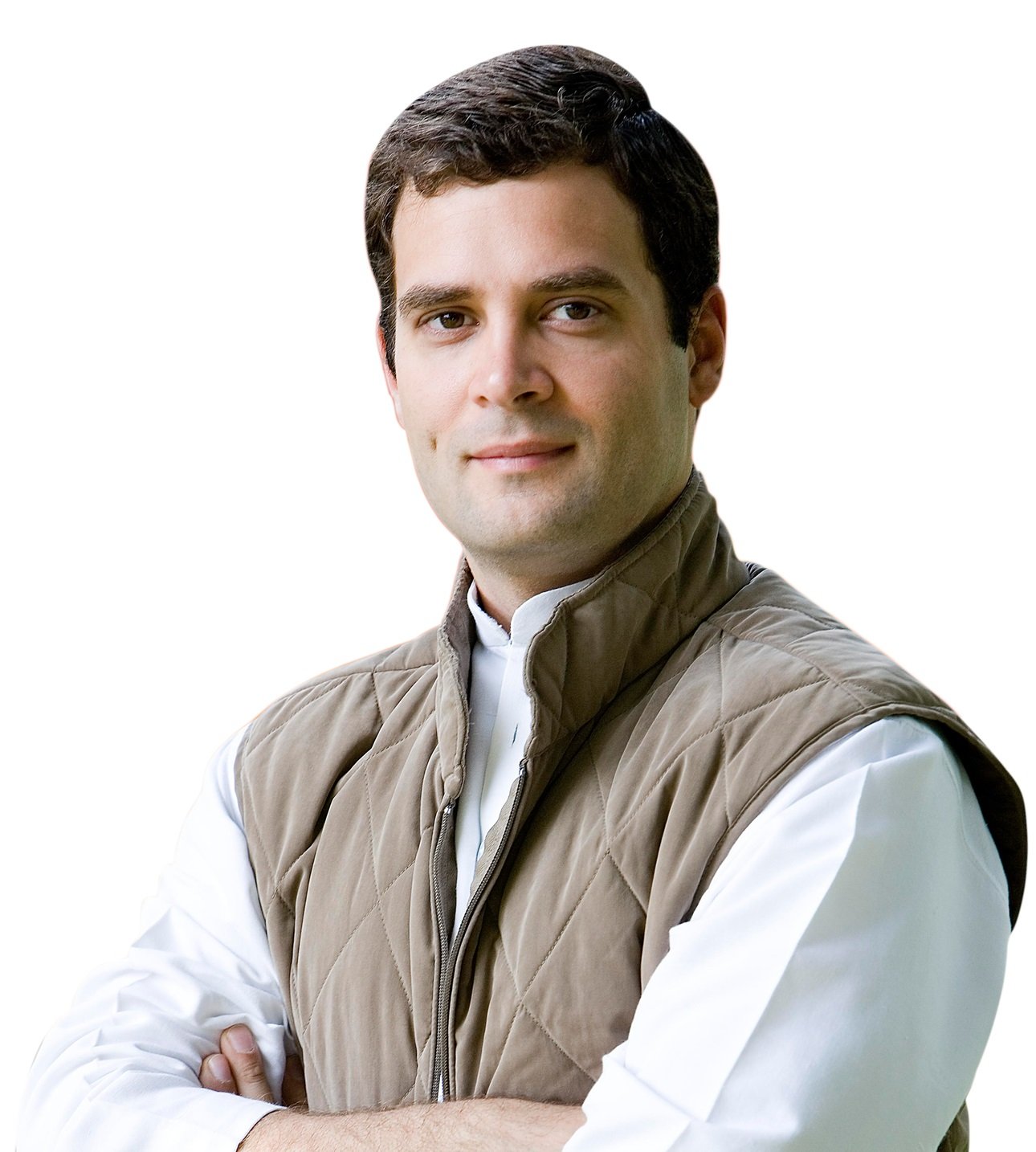
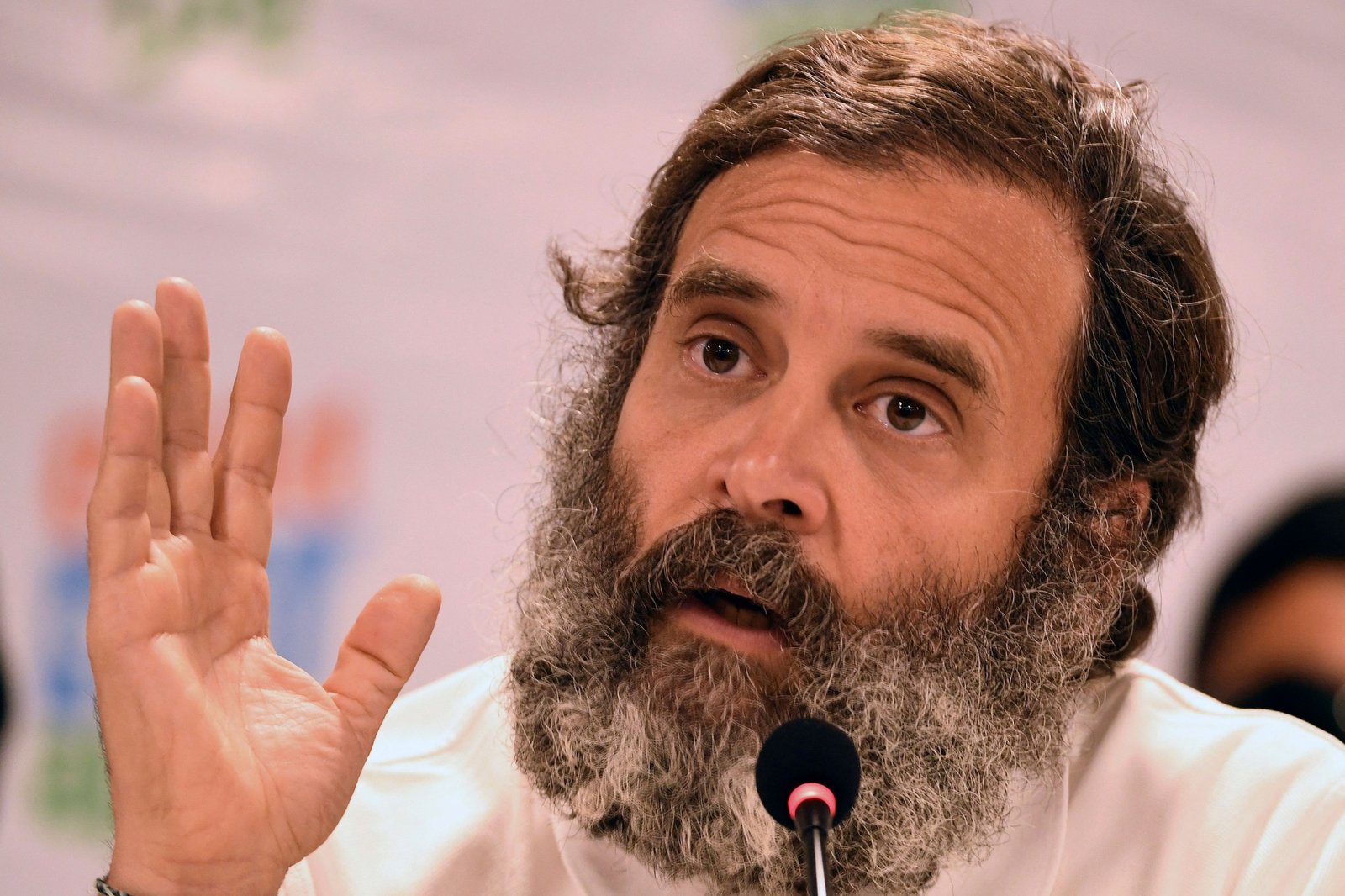
Rahul Gandhi
Congress leader, convicted of criminal defamation in March 2023 and disqualified as Wayanad MP. Elected from Raebareli, Uttar Pradesh, since 2024.
Purnesh Modi
Then a BJP MLA from Surat West, Gujarat. Filed the original criminal defamation complaint over the 2019 Kolar remark.
Surat CJM Court
Convicted Gandhi on 23 March 2023 and imposed the two-year sentence that triggered disqualification.
Surat Sessions Court
Heard Gandhi’s appeal and, on 20 April 2023, refused to stay the conviction.
Gujarat High Court
Also refused to stay the conviction, on 7 July 2023, before the matter reached the Supreme Court.
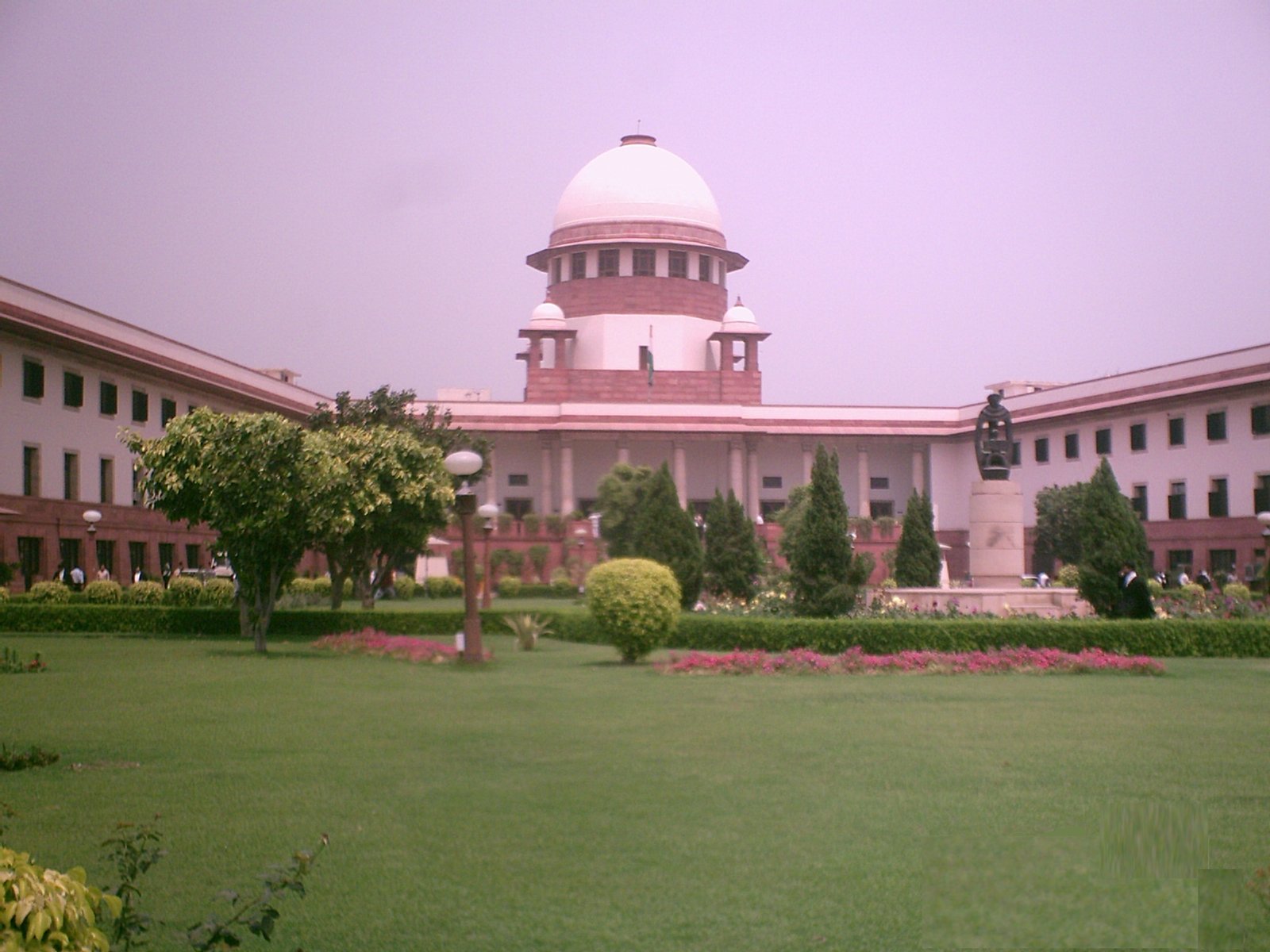
Supreme Court of India
Stayed the conviction on 4 August 2023, restoring Gandhi’s Lok Sabha membership while the appeal remains pending.
Stayed Conviction vs Acquittal
Explore More Timelines
People Also Ask
Frequently Asked Questions About the Rahul Gandhi Defamation Case
⚠️ Editorial Note
Last updated 28 October 2026. This article tracks the Modi-surname defamation case only and keeps the conviction, the disqualification and the Supreme Court’s stay as three distinct legal steps — the stay is not an acquittal, and the underlying appeal has not been decided on its merits. Allegations and court findings are attributed to their sources throughout. This is a general explainer and not legal advice.