Netanyahu & Modi: Turning Security Failures into Political Weapons
How 7 October, Pulwama, Manipur and Pahalgam became political battles for Netanyahu and Modi: who resigned, who did not, and the fight over inquiries.
Latest Story
Benjamin Netanyahu and Narendra Modi both built their politics on one promise: security. Then came the failures. In Israel, the 7 October 2023 Hamas attack. In India, Pulwama in 2019, the Manipur conflict from 2023 and Pahalgam in 2025. This page sets out, date by date, what each government did after each crisis, who was held responsible and who was not, and how both sides turned the aftermath into a political argument. Three weeks before Israel votes, it is the question that still decides careers.
💡 Short Answer
Netanyahu and Modi both made national security the core of their political brand, and both faced major security failures: for Netanyahu, the 7 October 2023 attack that killed about 1,200 people; for Modi, Pulwama (40 killed, 2019), the Manipur conflict (258+ killed from 2023) and Pahalgam (26 killed, 2025). In each case the government stressed its military response, while opponents stressed prevention and accountability. Israel’s military chiefs resigned, but no state inquiry has been held, and 7 October dominates the 27 October 2026 election. In India, no senior figure resigned over Pulwama or Pahalgam, though the J&K Lieutenant Governor admitted a “security lapse” at Pahalgam. Whether either leader deliberately “weaponized” a failure is a political accusation, not an established fact.
Netanyahu, Modi and Security Failures: Key Questions
Security Failures and Political Power in Ten Points
- The brand: both leaders made security their main political credential long before these crises.
- 7 October: about 1,200 killed and 251 abducted; Israel’s worst security failure.
- The generals went: Israel’s intelligence chief and chief of staff resigned; the prime minister did not.
- The inquiry fight: no state commission three years on; Netanyahu’s own panel bill died with the Knesset in July 2026.
- The vote: 27 October 2026 is effectively a referendum on 7 October.
- Pulwama: 40 killed; Balakot 12 days later; security dominated the 2019 campaign, which the BJP won with 303 seats.
- The clean chit: the Election Commission cleared Modi’s Balakot appeal to first-time voters, 2–1.
- Manipur: 78 days to the PM’s first words; 648 to the chief minister’s resignation.
- Pahalgam: 26 killed; Operation Sindoor in 15 days; the LG admitted a security lapse; nobody resigned.
- The pattern: response comes in days, ownership of failure in months or never.
Pick a crisis. See what is on record for “Who failed?” and for “Who responded?”
Governments tend to answer the second question first. Opponents keep asking the first.
Choose a crisis above
The Accountability Ledger
What is actually on the record for each crisis, as of 8 October 2026.
| Crisis | Killed | Official admission of failure | Who resigned | Independent inquiry |
|---|---|---|---|---|
| 7 October 2023 | About 1,200; 251 abducted | IDF and Shin Bet probes, Feb–Mar 2025 | Intelligence chief Haliva, chief of staff Halevi, others | None; coalition bill stalled July 2026 |
| Pulwama 2019 | 40 CRPF personnel | None published | Nobody at senior level | None; NIA criminal case only |
| Manipur 2023– | 258+ by late 2024; 60,000+ displaced | None published | Chief Minister Biren Singh, Feb 2025 | None on the security failure |
| Pahalgam 2025 | 26 | LG Manoj Sinha: “security lapse”, July 2025 | Nobody | None; NIA criminal case only |
When Security Becomes Politics
A terrorist attack begins with violence, but it rarely ends there. After the funerals come other questions: who failed, who knew, who should have prevented it, who should resign. And then the question that decides elections: who can protect the country now?
For leaders whose political identity rests on security, that last question is double-edged. A strong response can rebuild the image the attack damaged. A serious inquiry can destroy it. That is why the fight after an attack is so often a fight over which question gets asked first.
Netanyahu: “Mr Security” and 7 October
A single catastrophic failure, and a three-year fight over who owns it.
For three decades Netanyahu’s pitch was that he alone could keep Israelis safe: from Iran, from Hamas, from a Palestinian state. On 7 October 2023 Hamas-led militants broke through the Gaza fence at dozens of points, overran army bases and attacked border communities and the Nova festival for hours. About 1,200 people were killed and 251 taken hostage. The leader who had made security his central credential was in charge on the worst day in the country’s history.
The security services investigated themselves. The IDF’s findings, published on 27 February 2025, said it had believed Hamas was deterred and focused on economic gains, and had no plan for a large-scale ground invasion. The Shin Bet admitted its own failures on 4 March 2025, but also pointed to the political level: the policy of keeping Gaza quiet, and the Qatari cash transfers into Gaza that Netanyahu’s governments had allowed since 2018. Military intelligence chief Aharon Haliva resigned in April 2024; chief of staff Herzi Halevi announced his resignation in January 2025.
The prime minister stayed. For two years Netanyahu argued that accountability should wait until the war ended. When it did, with the October 2025 ceasefire, he proposed a commission whose members would be appointed through the Knesset rather than by the Supreme Court’s president, as Israeli law provides for a state commission. The opposition called it a cover-up and boycotted it. The bill passed a first reading in July 2026 and then died when the Knesset dissolved.
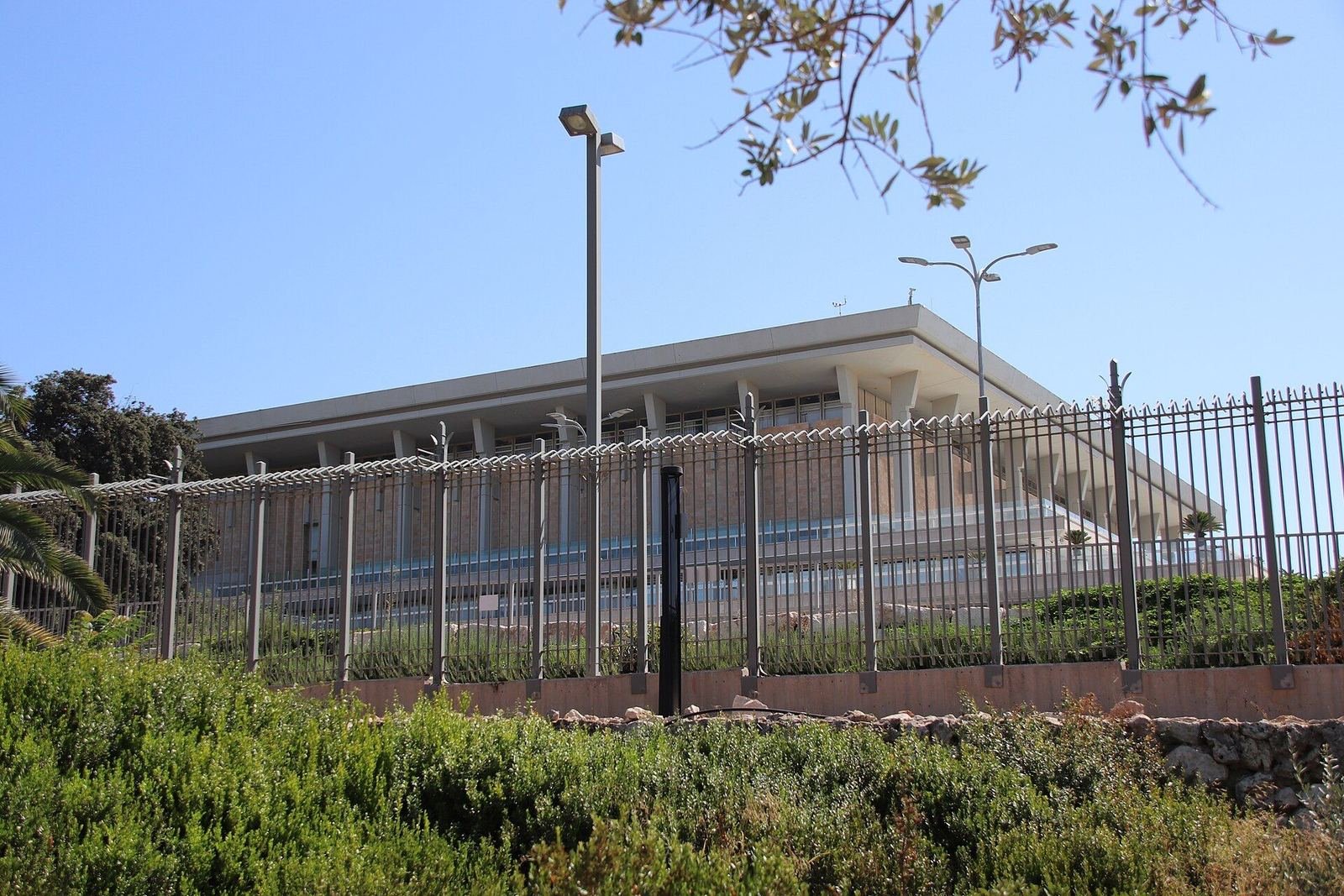
That leaves the question to the voters. Israel goes to the polls on 27 October 2026. According to AP, opponents from left to right call the outgoing coalition “the massacre government”; Netanyahu describes a “war of redemption” that rebuilt deterrence against Hamas, Hezbollah and Iran. His main rival, former chief of staff Gadi Eisenkot, frames the vote as “between taking responsibility and fleeing from responsibility”. Netanyahu’s camp says the military establishment, not the government, failed him. Reports in September that the UAE and Egypt warned him beforehand, which he denies, have kept the question of what he knew in the headlines.
The paradox is plain. The attack that justified the government’s wars is the same attack its opponents use to argue it should not govern.
Modi: Many Crises, One Response Template
Pulwama, Manipur and Pahalgam each tested a different part of the security brand.
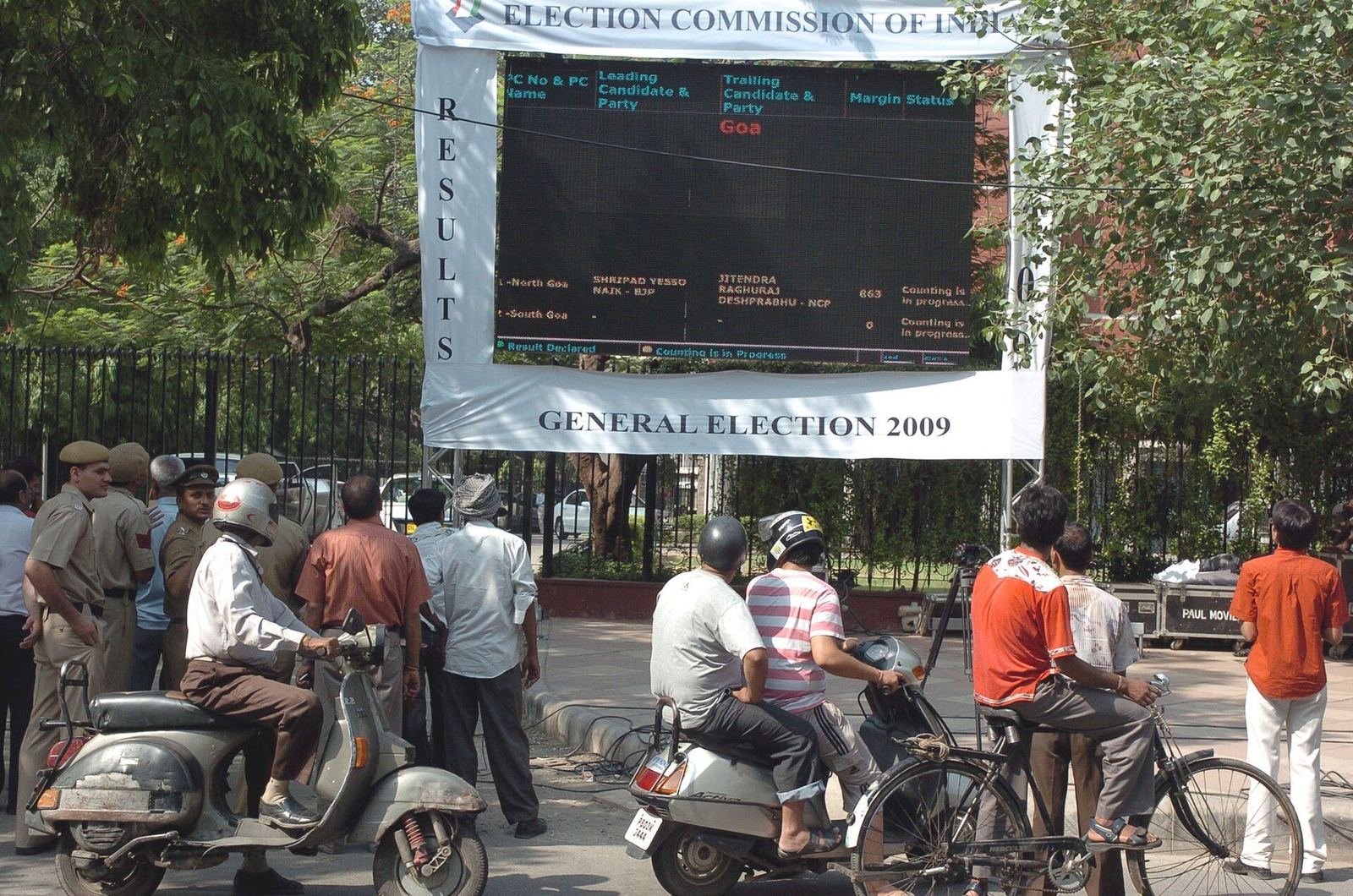
Pulwama, 2019. On 14 February a suicide car bomb killed 40 CRPF personnel. Twelve days later Indian jets struck Balakot in Pakistan. The election was weeks away, and the government’s message became that India now answered terrorism across the border. At a rally in Latur on 9 April, Modi asked first-time voters to dedicate their vote to the Balakot pilots and to Pulwama’s dead. Maharashtra election officials reported the remarks as prima facie contrary to the Election Commission’s advice against using the armed forces in campaigns; the full commission cleared him, with Ashok Lavasa dissenting. No public inquiry examined why the intelligence warnings and convoy procedures failed. The BJP won 303 seats.
Manipur, from 2023. This crisis had no foreign enemy to point to. Ethnic violence between Meitei and Kuki-Zo communities began on 3 May 2023, in a state the BJP governed. Modi did not speak about it publicly for 78 days, and only after a video of two women being paraded naked shocked the country. The opposition moved a no-confidence motion in August 2023 essentially to make him address it; it failed. Chief Minister N. Biren Singh resigned only in February 2025, the state spent a year under President’s Rule, and Modi first visited in September 2025. The strong-government brand fitted poorly with a conflict that dragged on for years.
Pahalgam, 2025. On 22 April gunmen killed 26 people at the Baisaran meadow. The attack hit the core of the government’s Kashmir story, that removing Article 370 had brought normality and tourists back. The response followed the Pulwama template: Operation Sindoor fifteen days later, then four days of fighting with Pakistan. This time an insider conceded the failure: Lieutenant Governor Manoj Sinha said in July it was “undoubtedly a security lapse”. Nobody resigned.
Side by Side
Different events, a similar argument.
| Question | Netanyahu | Modi |
|---|---|---|
| Security as political identity | Central for three decades | Central since 2014 |
| Defining crisis | One: 7 October 2023 | Several: Pulwama, Manipur, Pahalgam |
| Scale | Deadliest day in Israel’s history | Deadly attacks and a long ethnic conflict |
| Military response | Two-year Gaza war and wider regional wars | Balakot 2019; Operation Sindoor 2025 |
| Who owned the failure | Military and intelligence chiefs | The J&K Lieutenant Governor (Pahalgam); Manipur CM resigned |
| Inquiry fight | State commission vs a politically appointed panel | Opposition demands; no inquiry body proposed |
| Election test | 27 October 2026, with 7 October at its centre | Won 2019 after Pulwama; lost majority in 2024, when security was less dominant |
| Main tension | Mr Security vs the worst security failure | Strong response vs questions on prevention |
Netanyahu & Modi: The Full Timeline, 2009–2026
Newest first. Tags mark Israel or India, and items that are disputed or still unresolved.
2026
Third anniversary, three weeks before the vote Israel Unresolved
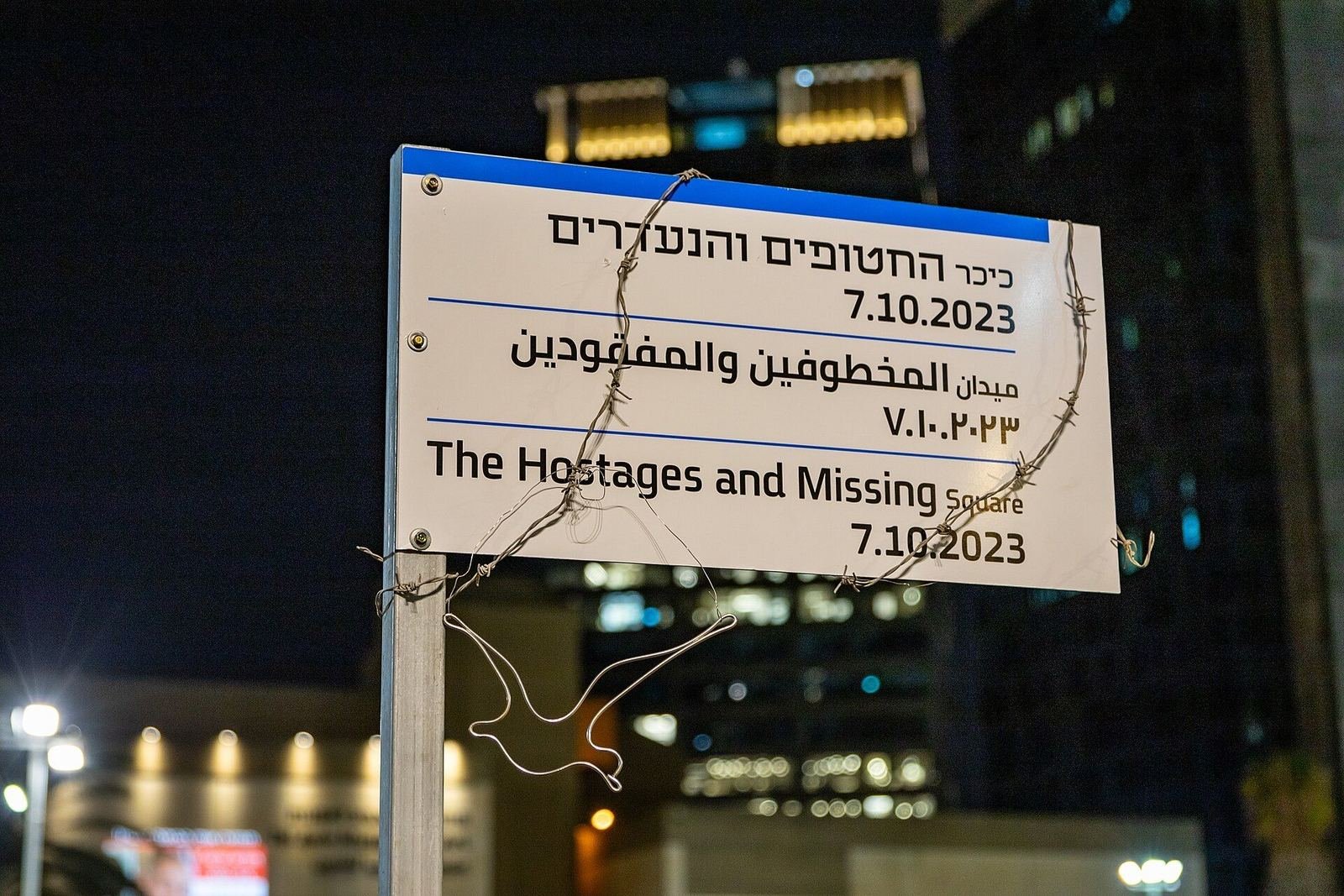
Israel marks three years since the attack with a state ceremony at Mount Herzl on 5 October and a mass memorial in Tel Aviv on 7 October. Protesters across the country demand a state commission of inquiry. AP reports that “nearly every poster, stump speech or televised debate” refers to the attack, and that Netanyahu is now the only senior figure from that day still in office.
According to the Israel Democracy Institute, over 60% of Israelis say their attitude to 7 October is central to their vote, 68% among Jewish voters.
The warning reports Israel Disputed
US media report that UAE President Mohamed bin Zayed and Egypt’s then intelligence chief Abbas Kamel warned Netanyahu before the attack. Netanyahu denies it and accuses former Shin Bet head Ronen Bar of withholding information; Bar says he will sue for defamation. Opposition leader Gadi Eisenkot says Netanyahu “received dozens of warnings” and is “unfit”. None of this has been tested by an inquiry.
Knesset dissolves; inquiry bill stalls Israel Unresolved
The coalition’s bill for a politically appointed 7 October commission passes a first reading by 59 votes to none in early July, with the opposition boycotting the vote and calling it a cover-up. The Knesset dissolves on 17 July before the final readings. Netanyahu’s government becomes the first since 1973 to serve a full term, and the election is set for 27 October.
2026
Manipur gets an elected government again India
The Home Ministry revokes President’s Rule after almost a year. BJP legislator Yumnam Khemchand Singh becomes chief minister, with Kuki-Zo legislator Nemcha Kipgen as one of two deputies, the state’s first woman deputy chief minister. The displacement camps and the separation of valley and hills remain.
2026
The last hostage comes home Israel
The IDF recovers the body of Ran Gvili, a Yassam police officer killed fighting on 7 October, from a cemetery in northern Gaza. All 251 hostages have now been returned, alive or dead. His mother later joins Likud’s candidate list.
Netanyahu proposes his own inquiry Israel Disputed
Netanyahu’s office announces legislation for a six-member inquiry appointed through the Knesset, with the Speaker, his ally Amir Ohana, empowered to fill seats if the opposition boycotts. Bereaved families’ groups and the opposition reject it and demand a state commission led by a judge. An October 2025 poll had found three in four Israelis wanted an independent state inquiry.
2025
Pahalgam chargesheet India
The NIA files its chargesheet in the Pahalgam case. It deals with who carried out and supported the attack, not with why the meadow was unguarded; that question has not been the subject of any published inquiry.
Ceasefire in Gaza Israel
Under a US-brokered ceasefire the last 20 living hostages are released on 13 October 2025. The deaths of over 74,000 Palestinians are reported by Gaza’s health authorities by October 2026. The end of major fighting removes Netanyahu’s main argument for postponing an inquiry until after the war.
2025
Modi visits Manipur India
Modi visits the state 864 days after the violence began, meeting displaced families in the Kuki-majority hill town of Churachandpur and in Imphal. Supporters call it a step towards reconciliation; opponents say it came two years too late.
2025
Operation Mahadev and the Sindoor debate India
Security forces kill three militants near Srinagar who the government says carried out Pahalgam. The next day Parliament debates Operation Sindoor. The government stresses the strikes and the deaths of the attackers; the opposition presses on how the attack happened and on claims about the ceasefire.
2025
“Undoubtedly a security lapse” India
Eighty-three days after Pahalgam, the Centre’s own administrator in Jammu and Kashmir says: “I take full responsibility for the Pahalgam terror attack. It was undoubtedly a security lapse.” He says the open meadow had no facilities for a regular security presence. The National Conference, Congress and others demand his resignation; he stays in office.
2025
Operation Sindoor India
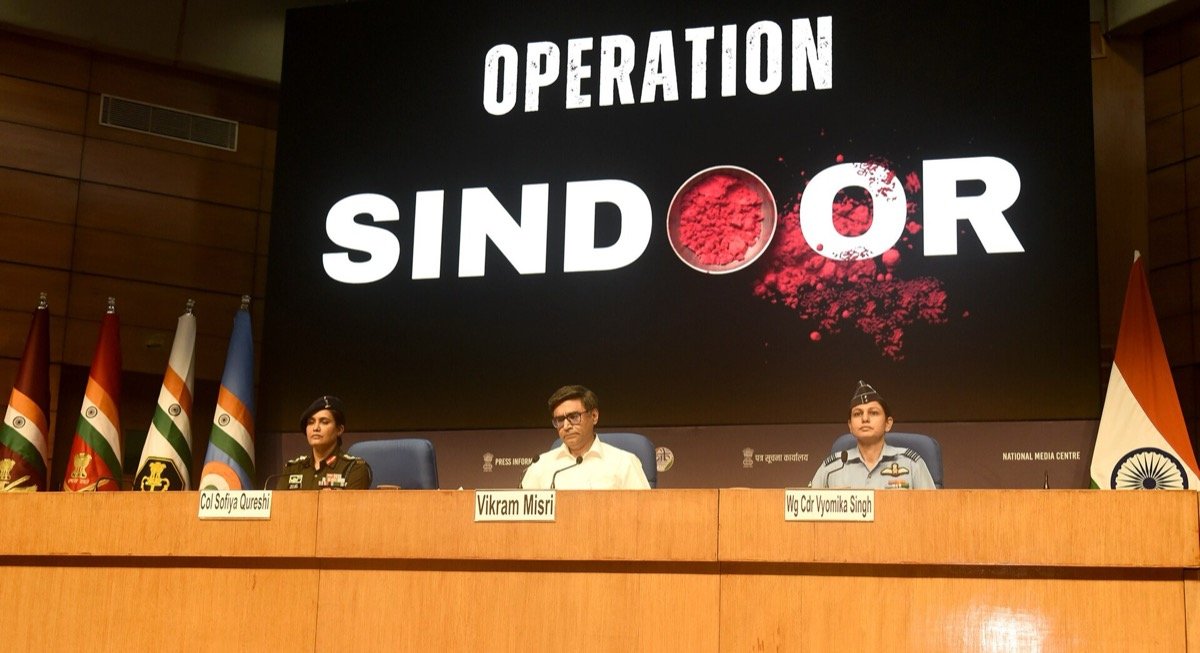
Fifteen days after Pahalgam, India strikes what it calls terrorist infrastructure at nine sites. Pakistan retaliates and four days of drone, missile and artillery exchanges follow before a ceasefire on 10 May. Domestically the operation, named for the vermilion worn by married Hindu women, becomes the centre of the government’s narrative about the attack.
2025
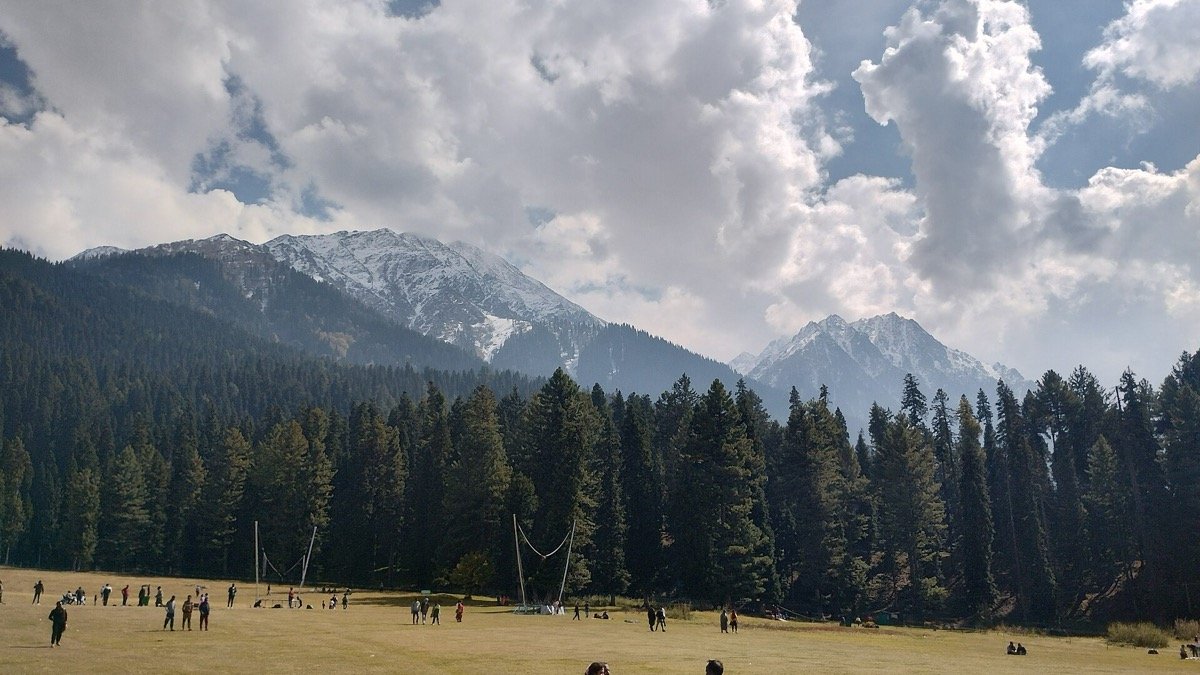
Pahalgam: 26 killed at Baisaran India
Gunmen attack tourists at the Baisaran meadow, a popular spot reached only on foot or by pony. It is the deadliest attack on civilians in Kashmir in years and directly challenges the government’s argument that the region had returned to normal after Article 370 was revoked in 2019. Amit Shah flies to Srinagar the same day.
2025
The military and Shin Bet report Israel
The IDF’s probes say it underestimated Hamas, believed it was deterred and seeking economic benefits, and was unprepared for a large ground assault. The Shin Bet’s summary admits its own failures and also cites the policy of quiet towards Hamas and the flow of Qatari money into Gaza, decisions taken at the political level. Halevi, who announced his resignation on 21 January, hands over in March.
2025
Manipur’s chief minister resigns India
Biren Singh resigns 648 days into the violence, ahead of a possible no-confidence vote in the state assembly and after leaked audio added to accusations of partisanship, which he denied. The Centre imposes direct rule.
2024
First senior resignation in Israel Israel
Major General Aharon Haliva, head of military intelligence, resigns, saying his directorate “did not live up to the task”. He is the first senior officer to go. Others follow over the next year, including the chief of staff and the head of Southern Command.
2023
No-confidence motion over Manipur India
The opposition, which knows it cannot win, moves the motion to force the prime minister to speak about Manipur in Parliament. Modi speaks for over two hours on 10 August, much of it about the opposition, then says peace will return. The motion falls by voice vote after an opposition walkout.
2023
Modi’s first public words on Manipur India
A video of two Kuki women paraded naked by a mob in May surfaces and causes national outrage. Modi says his “heart is filled with pain and anger” and that the guilty will not be spared. Critics note this is his first public comment since the violence began.
2023
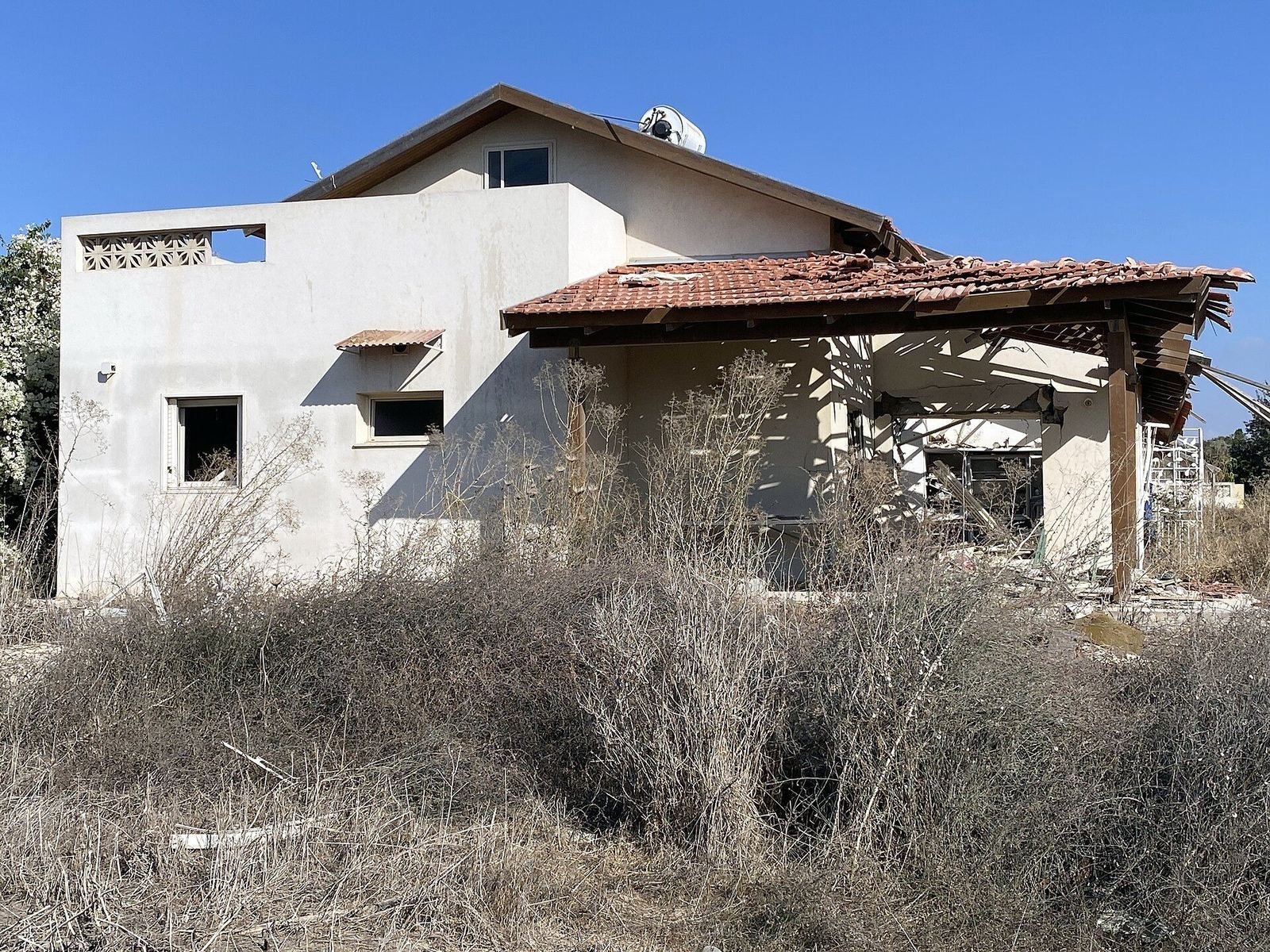
Hamas attacks southern Israel Israel
Thousands of militants break through the border fence at dozens of points while rockets are fired at Israeli cities. Army positions are overrun and kibbutzim such as Be’eri and Nir Oz are attacked for hours before help arrives. Israel declares war the next day. For a prime minister who had campaigned for years as “Mr Security”, it is the defining failure of his career.
2023
Violence begins in Manipur India
Clashes erupt after a march in the hill districts against a court-backed move towards Scheduled Tribe status for the Meitei majority. Within days the state splits along ethnic lines. By late 2024 at least 258 people have been killed and more than 60,000 displaced.
2019
BJP wins 303 seats India
Modi’s BJP increases its majority. Most analysts count Pulwama and Balakot as one of several factors, alongside welfare schemes and a weak opposition; how much it moved votes cannot be measured precisely.
2019
The Latur speech and the clean chit India Disputed
Modi asks first-time voters: “Can your first vote be dedicated to those who carried out the air strike? … to the brave martyrs of Pulwama?” The Election Commission had advised parties in March not to use the armed forces in campaigns. Maharashtra election officials report the remarks as prima facie violating that advice. At the end of April the full commission decides they do not, with Election Commissioner Ashok Lavasa dissenting.
2019
Balakot airstrike India Disputed
Indian jets strike near Balakot in Pakistan. The next day an Indian MiG-21 is shot down in an aerial clash and its pilot, Wing Commander Abhinandan Varthaman, captured and returned on 1 March. India’s account of the damage at Balakot has never been independently verified.
2019
Pulwama: 40 CRPF personnel killed India
A local recruit drives a car bomb into a convoy carrying about 2,500 personnel on the Jammu–Srinagar highway. Questions follow at once about intelligence warnings and why so large a convoy moved by road. Two months before a general election, national security becomes the campaign’s main theme.
Two leaders, one brand
Netanyahu returns to power promising to contain Hamas and confront Iran, and becomes Israel’s longest-serving prime minister. Modi wins in 2014 promising decisive government and a tougher line on terrorism after the 2008 Mumbai attacks. Each makes security central to his political identity.
Failure vs Response: The Two Narratives
After every attack on this page, two stories competed. The government’s: attack, response, deterrence. The opposition’s: attack, failure, accountability. Neither answers the other. A strike on Balakot or Bahawalpur can punish attackers; it does not explain how a car bomb reached a convoy or why a meadow full of tourists had no guards. An investigation into intelligence lapses, in turn, does not settle whether retaliation was right.
Democracies need both answers. If only the first is asked, governments can win credit for retaliation without explaining the failure that made it necessary. If only the second is asked, legitimate questions of deterrence get lost. What the record here shows is that the first question is almost always answered within days, and the second, if it is answered at all, takes months or years.
Victims sit at the centre of both stories. In India, the faces of Pulwama’s dead appeared on campaign stages in 2019. In Israel, bereaved parents and hostage families became political actors in their own right, and in 2026 appear on the candidate lists of both Likud and Eisenkot’s Yashar. Honouring the dead and using them are separated by a line that every campaign claims not to have crossed.
Blame, Responsibility and Accountability Are Not the Same
What went wrong?
The factual question: intelligence missed, forces not deployed, warnings not acted on. Military probes can answer it.
Whose decisions led there?
Includes strategy and policy, not just operations. This is where Israel’s Shin Bet pointed to the political level.
Who has to answer, and to whom?
Requires a body able to compel evidence: a state commission, a judicial inquiry, a parliamentary committee.
Who should voters punish?
The political question. It is the one elections decide, often without the first three being settled.
Corrections to Claims Circulating Online
From the summary material this page was built from, checked against official records and agency reports.
“An election officer described Modi’s appeal as a prima facie violation”
True, but the full Election Commission then ruled in late April 2019 that there was no violation, with Ashok Lavasa dissenting. The case is not complete without that.
“The investigation found failures; Halevi accepted responsibility and resigned”
Halevi announced his resignation on 21 January 2025, before the IDF’s main findings on 27 February. Aharon Haliva had resigned first, in April 2024.
“Netanyahu says accountability should come after the war”
The Gaza ceasefire came in October 2025. Netanyahu then proposed a politically appointed panel, which stalled in July 2026. No state commission exists.
“Pahalgam failure: political claims, not an established finding”
J&K’s Lieutenant Governor, appointed by the Centre, called it “undoubtedly a security lapse” on 14 July 2025 and took full responsibility.
“Manipur: 258 killed, opposition attacks”
Since then the chief minister resigned (February 2025), the state was under President’s Rule until February 2026, and Modi visited in September 2025.
“2024: Israeli military investigations identify serious failures”
Some local probes, such as the Be’eri inquiry, came in 2024, but the IDF’s main findings were published in February 2025.
What Remains Contested
- Netanyahu’s personal responsibility: heavily argued, but no inquiry with powers over the political level has examined it.
- The pre-attack warnings: reports that the UAE and Egypt warned Netanyahu are denied by him and untested.
- Balakot’s damage: India’s account has not been independently verified; Pakistan says the strike hit empty forest.
- Electoral effect: Pulwama and Balakot clearly shaped the 2019 campaign; how many votes they moved cannot be measured.
- “Weaponization”: both governments emphasised response over failure; proving deliberate exploitation means proving intent.
- Modi’s personal role: there is no basis to say he caused any of these attacks; the questions are about preparedness and accountability.
Ten Lessons From the Security Politics of Netanyahu and Modi
- Security creates legitimacy: leaders who promise protection gain authority from the promise.
- Failure creates vulnerability: the same promise becomes a liability after a major attack.
- Retaliation changes the subject: military action moves attention from prevention to response.
- Investigations change it back: independent findings complicate political stories, which is why their form is fought over.
- Generals resign more readily than politicians: in Israel, the military paid first.
- Elections magnify everything: Pulwama came weeks before a vote; 7 October became the vote.
- Internal conflicts are harder to frame: Manipur had no foreign enemy to retaliate against.
- Admissions can come from inside: Israel’s Shin Bet and India’s LG in Kashmir both conceded failures.
- Responsibility is not blame: institutional accountability needs evidence, not just anger.
- Memory is political: what voters remember years later matters as much as what happened that day.
Quick Quiz
1. How many days after Pulwama did India strike Balakot?
2. Who was the first senior Israeli officer to resign over 7 October?
3. What did the full Election Commission decide about Modi’s Latur speech?
4. Who called Pahalgam “undoubtedly a security lapse”?
5. When is Israel’s first election since 7 October?
Explore More Timelines
People Also Ask
Frequently Asked Questions
The Real Test
A government can punish an attacker, launch a military operation and win the political argument. None of that explains why the security failure happened. That takes investigation, evidence and a body with the power to ask the leadership hard questions.
Israel will decide on 27 October whether Netanyahu answers that question at the ballot box. India’s questions after Pulwama and Pahalgam have mostly been settled in the court of public opinion rather than by an inquiry. The ultimate test of security leadership is not only how a leader responds after an attack. It is whether the political system learns before the next one.
Related AiTimeline Stories
⚠️ Editorial Note
Last updated 8 October 2026. This is analysis of a contested political subject; it does not take sides in Israeli or Indian politics, in the Israeli–Palestinian conflict or in the India–Pakistan dispute. Casualty figures are official or widely cited agency figures; the Gaza toll is from Gaza’s health authorities as reported by AP. Claims by governments and opponents, including the pre-7 October warning reports and the Balakot damage claims, are labelled as claims. Day counts are calculated from dated public records. Words such as “weaponize” reflect the political debate, not a finding.
Sources & further reading
Every dated entry above was checked against these references. Last reviewed 8 October 2026.
- AP: Netanyahu and his opponents are putting Oct. 7 at the heart of Israel's elections (7 Oct 2026)
- Al Jazeera: The October 7 warnings threatening Netanyahu's Israeli election campaign (30 Sep 2026)
- Al Jazeera: Netanyahu finally announces October 7 inquiry: why are Israelis furious? (Dec 2025)
- Times of Israel: Knesset advances politically appointed Oct. 7 probe in first reading
- Al-Monitor: Israel returns remains of last Gaza hostage Ran Gvili (Jan 2026)
- The Quint: Election Commission clean chit to PM Modi on Latur speech (2019)
- Greater Kashmir: 'I take full responsibility', Lieutenant Governor calls Pahalgam attack a security failure (Jul 2025)
- All India Radio: President's Rule revoked in Manipur (4 Feb 2026)
- Deccan Herald: Pahalgam attack due to intelligence failure, says former army chief Shankar Roychowdhury