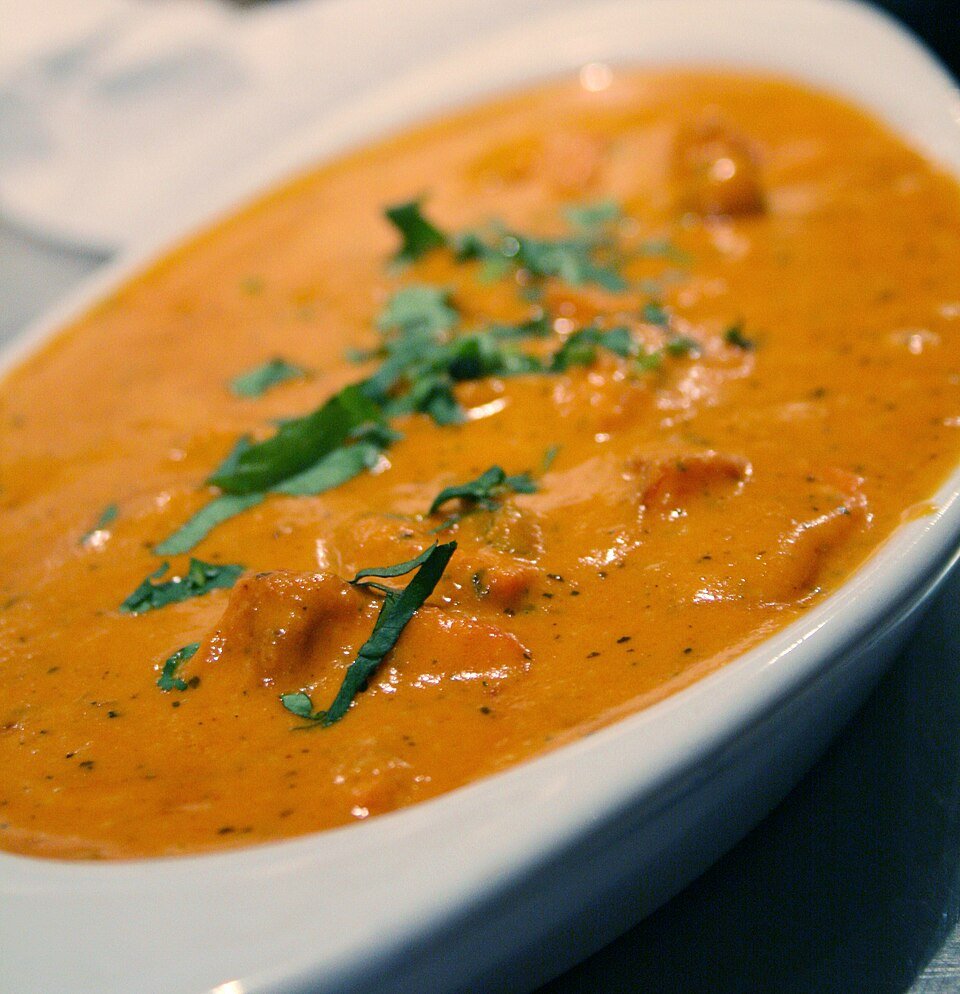
Fancy Chicken Recipes History Timeline: Classic to Modern Gourmet Chicken Dishes (1800–2026)
Fancy chicken recipes history timeline: from classic coq au vin and chicken Kiev to modern gourmet dishes - origins, techniques and iconic recipes.
Latest Story
This fancy chicken recipes history timeline traces how humble poultry became the star of the world’s most elegant tables — from Napoleon-era Chicken Marengo to Delhi’s velvety butter chicken and today’s AI-assisted, air-fryer gourmet dishes. Gourmet chicken recipes span French haute cuisine, Italian classics, Indian curries and Korean fried chicken, united by technique and a sense of occasion. Below, discover the dishes, the chefs, the science and the stories — with clear labels separating verified history, chef opinion, nutrition guidance and food-safety advice.
🧠 AI Overview Summary
Fancy chicken recipes are elegant, restaurant-style dishes that elevate chicken through refined technique, quality ingredients and global flavours. Famous examples include French coq au vin and chicken cordon bleu, Indian butter chicken and chicken tikka, Italian chicken parmesan, Ukrainian-style chicken Kiev and Korean fried chicken. Evolving from 19th-century European royal kitchens to modern fusion and air-fryer cooking, they balance indulgence with technique — and, increasingly, health.
Fancy Chicken Recipes: Key Questions
Fancy Chicken Recipes — What to Know
- Fancy chicken recipes elevate chicken through technique, quality ingredients and global flavour, from French classics to modern fusion.
- France shaped gourmet chicken technique (coq au vin, poulet rôti, chicken Marengo of 1800), while India gave the world butter chicken and tikka.
- Butter chicken (murgh makhani) was created in 1950s Delhi and is now one of the most-ordered chicken dishes globally.
- Food safety is non-negotiable: cook chicken to an internal temperature of 165°F (74°C).
- The Maillard reaction and good browning are the science behind deep, savoury flavour.
- Modern trends include the air-fryer revolution, Korean fried chicken, viral recipes and AI-assisted cooking.
- This guide separates historical facts, chef opinions, nutrition guidance, food-safety advice and modern adaptations.
- Nutrition figures here are approximate estimates that vary with recipe, portion and ingredients.
Featured Recipe: Restaurant-Style Butter Chicken
A full recipe card for the world’s favourite fancy chicken dish.
Restaurant-Style Butter Chicken (Murgh Makhani)
Ingredients
- 800 g boneless chicken thighs, cut into chunks
- 1 cup plain yogurt, 1 tbsp lemon juice, 1 tbsp ginger-garlic paste
- 2 tsp garam masala, 1 tsp turmeric, 1–2 tsp Kashmiri chilli powder
- 4 large tomatoes (or 400 g purée), 2 tbsp butter, 1 tbsp oil
- 1 onion, 8–10 cashews, 100 ml cream
- 1 tsp dried fenugreek leaves (kasuri methi), salt to taste
Preparation
Marinate the chicken in yogurt, lemon, ginger-garlic paste, half the garam masala, turmeric and chilli for at least 30 minutes (ideally a few hours, refrigerated).
Cooking Instructions
- Sear the chicken: Grill, broil or pan-sear the marinated chicken until charred at the edges and nearly cooked. Set aside.
- Build the gravy: Sauté onion, tomatoes and cashews with spices, then blend to a smooth purée and strain for a silky texture.
- Finish with butter and cream: Simmer the purée with butter, add the chicken, then stir in cream and crushed fenugreek leaves.
- Rest and serve: Simmer 5–10 minutes until glossy; check the chicken reaches 165°F (74°C). Serve hot with naan or rice.
Nutrition (approx. per serving)
~490 kcal; protein ~32 g; fat ~32 g; carbohydrates ~14 g. Estimates vary with cream, butter and portion size.
Storage
Refrigerate up to 3 days in an airtight container, or freeze up to 2 months. Reheat gently, adding a splash of water or cream.
Serving Suggestions
Serve with butter naan, jeera rice or roti, a squeeze of lemon and fresh coriander.
Common Mistakes
Skipping the marinade, boiling instead of gently simmering the cream, and under-charring the chicken (which loses the smoky depth).
Expert Tips
Chef tip: char the chicken hard for a tandoori-style smokiness, strain the gravy for restaurant silkiness, and always finish with kasuri methi for authentic aroma.
Recipe Variations
Try a lighter version with Greek yogurt and less cream, a paneer or tofu swap for vegetarians, or an air-fryer method for the chicken.
Most Iconic Fancy Chicken Dishes
The recipes that define elegant chicken cooking around the world.
France
India
Switzerland
Worldwide
Fancy Chicken Recipes History Timeline (Reverse Chronological)
Newest first. Each entry lists origin, chef, background, ingredients, method, timings, difficulty, nutrition and modern twists.
AI-Assisted & Healthy Gourmet Fusion Chicken
Historical Background: Smart appliances, recipe apps and AI meal planners now guide home cooks to restaurant-level results, favouring lighter, protein-forward gourmet chicken.
Main Ingredients: Lean chicken, global spice blends, olive oil, fresh herbs, fermented sauces.
Cooking Method: Air-frying, sous-vide and precision roasting.
Nutritional Summary: Often higher-protein and lower-fat than classic cream or fried dishes (varies by recipe).
Modern Variations: AI-optimised air-fryer chicken, Korean-Mexican fusion, high-protein meal-prep bowls.
Korean Fried Chicken Goes Global
Historical Background: Double-fried, ultra-crispy Korean fried chicken (KFC), glazed with sweet-spicy yangnyeom sauce, emerged in Korea from the 1970s–80s and became a global sensation in the 2010s.
Main Ingredients: Chicken, potato/corn starch, gochujang, garlic, soy, honey.
Cooking Method: Double deep-frying for extra crunch.
Nutritional Summary: Rich and indulgent; high in protein but also fat and sugar from the glaze.
Modern Variations: Air-fryer KFC, cheese-dusted, honey-butter and Nashville-Korean mashups.
Nashville Hot Chicken’s National Breakout
Historical Background: Rooted in Nashville’s African-American community (Prince’s, from the mid-20th century), fiery cayenne-lacquered hot chicken exploded nationally in the 2010s.
Main Ingredients: Chicken, buttermilk, cayenne, brown sugar, pickles, white bread.
Cooking Method: Buttermilk-brined, fried, then brushed with spiced hot oil.
Nutritional Summary: Indulgent and high in fat; heat comes from cayenne, not extra calories.
Modern Variations: Hot-chicken sandwiches, tenders, and “hot honey” milder versions.
Chicken Tikka Masala & General Tso’s Chicken
Historical Background: Two restaurant icons crystallised in the 1970s: chicken tikka masala (popularly linked to Glasgow, its exact origin debated) and General Tso’s chicken, refined by chef Peng Chang-kuei and reinvented in New York.
Main Ingredients: Marinated chicken; for tikka masala, tomato-cream-spice sauce; for General Tso’s, a sweet-savoury soy-chilli glaze.
Cooking Method: Grilling then simmering (tikka masala); frying then glazing (General Tso’s).
Nutritional Summary: Rich, saucy and satisfying; calories vary with cream, sugar and frying.
Modern Variations: Lighter yogurt-based tikka masala; baked General Tso’s.
Butter Chicken Is Born in Delhi
Historical Background: At the Moti Mahal restaurant in Delhi, cooks reportedly tossed leftover tandoori chicken into a rich tomato-butter-cream gravy, creating murgh makhani — butter chicken.
Main Ingredients: Tandoori chicken, tomatoes, butter, cream, fenugreek, garam masala.
Cooking Method: Grilling (tandoor) then simmering in a silky gravy.
Nutritional Summary: ~490 kcal/serving (est.); high protein, rich in fat from butter and cream.
Modern Variations: Butter chicken pizza, pasta, poutine and lighter yogurt versions.
Chicken Cordon Bleu & Continental Cuisine
Historical Background: “Cordon bleu” evokes culinary excellence; the ham-and-cheese-stuffed, breaded chicken cutlet rose to fame in mid-20th-century Europe and America as continental cuisine swept hotel menus.
Main Ingredients: Chicken breast, ham, Swiss cheese, breadcrumbs, butter.
Cooking Method: Stuffing, breading, then pan-frying or baking.
Nutritional Summary: Rich and protein-heavy; fat depends on cheese and frying.
Modern Variations: Baked or air-fried cordon bleu, and cordon-bleu casseroles.
Chicken Kiev & the Escoffier Era
Historical Background: As Auguste Escoffier codified French haute cuisine around 1900, refined poultry dishes flourished, including butter-filled chicken Kiev, whose exact origin (Russian, Ukrainian or French) remains debated.
Main Ingredients: Chicken breast, herb-garlic butter, breadcrumbs, eggs.
Cooking Method: Pounding, wrapping around butter, breading, then frying or baking.
Nutritional Summary: High in protein and fat, thanks to the molten butter core.
Modern Variations: Baked Kiev, and versions with different herb butters or cheeses.
Chicken à la King: Gilded-Age Glamour
Historical Background: A creamy dish of chicken in a sherry-mushroom sauce, chicken à la King became a symbol of turn-of-the-century American hotel and club dining.
Main Ingredients: Chicken, cream, mushrooms, peppers, sherry, egg yolks.
Cooking Method: Poaching then folding into a rich cream sauce.
Nutritional Summary: Rich and creamy; high in fat, typically served over toast or rice.
Modern Variations: Lightened versions and pot-pie style bakes.
Southern Fried Chicken Takes Shape
Historical Background: Southern fried chicken blended Scottish frying traditions with West African seasoning and technique brought by enslaved and free Black cooks, becoming an American icon through the 19th century.
Main Ingredients: Chicken, buttermilk, seasoned flour, lard or oil.
Cooking Method: Brining, dredging, then deep- or pan-frying.
Nutritional Summary: Indulgent, high in protein and fat; a celebration food.
Modern Variations: Buttermilk-brined gourmet fried chicken, air-fryer versions, hot chicken.
Chicken Marengo: A Dish Fit for Napoleon
Historical Background: By legend, chicken Marengo was improvised for Napoleon after the Battle of Marengo in 1800, using whatever was at hand — chicken, tomatoes, eggs and crayfish.
Main Ingredients: Chicken, tomatoes, garlic, olive oil, wine, herbs.
Cooking Method: Sautéing then braising.
Nutritional Summary: Moderate; tomato-and-wine based rather than cream-heavy.
Modern Variations: Simplified home versions without the traditional egg and crayfish garnish.
Coq au Vin & Roast Chicken: The Ancient Roots
Historical Background: Long before cookbooks, roasting fowl over fire was a mark of feasting, and rustic French cooks braised tough birds slowly in wine — the humble roots of coq au vin, later refined into haute cuisine.
Main Ingredients: Whole chicken or rooster, wine, aromatics, herbs, butter or fat.
Cooking Method: Roasting; slow braising in wine.
Nutritional Summary: Protein-rich; fat and calories depend on the cut and sauce.
Modern Variations: Coq au vin blanc (white wine), and quick weeknight roast-chicken methods.
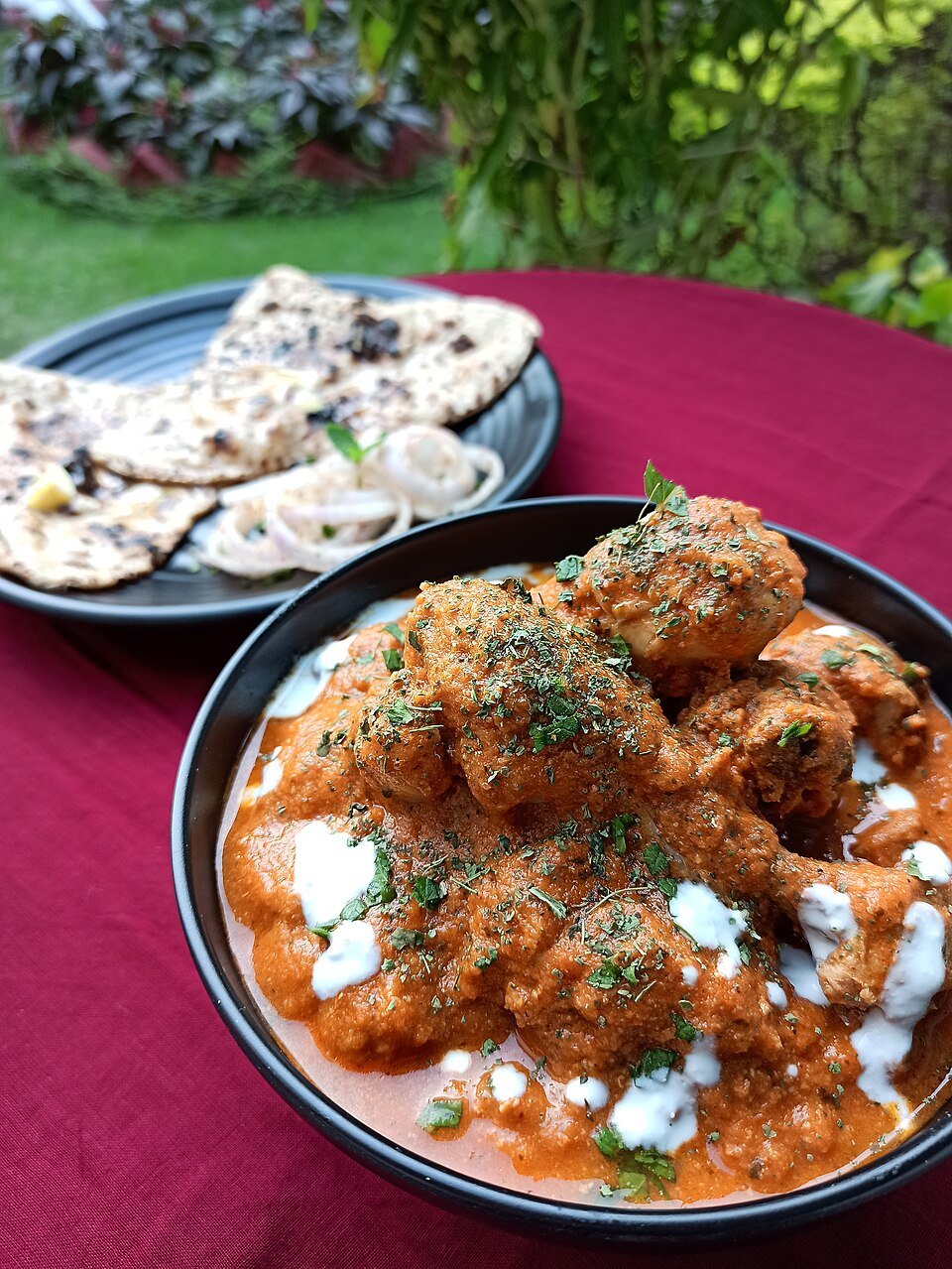
Indian chicken curries such as butter chicken and tikka masala are among the world’s most-loved gourmet chicken dishes.
Fancy Chicken Around the World
Signature dishes, history, modern adaptations and chef tips from ten cuisines.
France — Coq au Vin
History: Rustic wine-braised chicken refined into haute cuisine by chefs like Escoffier and popularised globally by Julia Child. Modern adaptation: Coq au vin blanc or a quick 45-minute version. Chef tip: Brown the chicken hard first and reduce the wine fully for depth.
Italy — Chicken Parmesan & Cacciatore
History: Chicken parmesan is an Italian-American evolution of eggplant parmigiana; cacciatore (“hunter’s style”) is a rustic tomato braise. Modern adaptation: Lighter baked parmesan. Chef tip: Don’t drown the crisp cutlet — sauce and cheese only on top.
India — Butter Chicken & Tikka
History: Born in 1950s Delhi, butter chicken and tandoori tikka are global ambassadors of Indian cuisine. Modern adaptation: Yogurt-lightened, air-fryer tikka. Chef tip: Char the chicken hard and finish with kasuri methi.
China — General Tso’s & Kung Pao
History: General Tso’s chicken was refined by chef Peng Chang-kuei; Kung Pao is a Sichuan classic. Modern adaptation: Baked, less-sweet versions. Chef tip: Velvet the chicken in cornstarch and egg white for silky texture.
Japan — Karaage & Chicken Nanban
History: Japanese fried chicken (karaage) and the sweet-tangy, tartar-topped chicken nanban are beloved comfort dishes. Modern adaptation: Air-fryer karaage. Chef tip: Marinate in soy, ginger and garlic, and use potato starch for crunch.
Thailand — Gai Yang & Basil Chicken
History: Grilled gai yang and stir-fried Thai basil chicken (pad krapow gai) are street-food staples turned global favourites. Modern adaptation: Lower-sodium sauces. Chef tip: Use holy basil and high heat for authentic aroma.
Mexico — Chicken Mole & Tinga
History: Mole poblano, a complex chilli-chocolate sauce, is a festival dish; tinga is a smoky chipotle shredded chicken. Modern adaptation: Quick mole using paste. Chef tip: Toast the chillies and spices to build layered flavour.
United States — Fried Chicken & Cordon Bleu
History: Southern fried chicken and mid-century cordon bleu define American comfort-gourmet. Modern adaptation: Air-fried and hot-chicken styles. Chef tip: Brine in buttermilk overnight for juicy, well-seasoned meat.
Middle East — Musakhan & Shawarma
History: Palestinian musakhan (sumac chicken on flatbread) and spit-roasted shawarma are regional icons. Modern adaptation: Oven shawarma bowls. Chef tip: Lean on sumac, za’atar and slow-cooked onions.
Mediterranean — Lemon-Herb Chicken
History: Greek and broader Mediterranean cooking favours olive oil, lemon, garlic and oregano with grilled or roasted chicken. Modern adaptation: Sheet-pan Mediterranean chicken. Chef tip: Marinate in lemon, olive oil and oregano, then grill hot and fast.
Country-of-Origin Map
Where the world’s fancy chicken dishes come from.
| Dish | Country of Origin | Signature Method | Era |
|---|---|---|---|
| Coq au Vin | France | Wine braising | Rustic; refined 20th c. |
| Chicken Marengo | France / Italy | Sauté & braise | 1800 |
| Chicken Kiev | Eastern Europe | Stuffed & fried | ~1900 |
| Chicken Cordon Bleu | Switzerland | Stuffed & breaded | Mid-20th c. |
| Chicken Parmesan | Italy / USA | Breaded & baked | Early-mid 20th c. |
| Butter Chicken | India | Tandoor & simmer | 1950s |
| Chicken Tikka Masala | UK / India | Grill & simmer | 1970s |
| General Tso’s Chicken | Taiwan / USA | Fry & glaze | 1950s–70s |
| Korean Fried Chicken | South Korea | Double-frying | 1970s–present |
| Southern Fried Chicken | USA | Brine & fry | 18th–19th c. |
The Science of Cooking Chicken
The technique and safety behind great gourmet chicken.
The Maillard reaction: The deep, savoury browning on roasted or seared chicken comes from the Maillard reaction — a chemical browning between amino acids and sugars at around 140–165°C. Dry the skin and use high heat for the best colour and flavour.
Food safety (recommendation): Cook chicken to a safe internal temperature of 165°F (74°C), measured at the thickest part, per food-safety authorities such as the USDA. Avoid cross-contamination and refrigerate promptly.
Chicken temperatures: A meat thermometer is the only reliable doneness test. Breast is best pulled at 74°C; some chefs cook thighs higher (~80–85°C) for tenderness, always at or above the safe minimum.
Brining: Soaking chicken in salted water (or buttermilk) seasons it throughout and helps it stay juicy, thanks to salt altering the muscle proteins’ water retention.
Marination: Acidic and enzymatic marinades (yogurt, lemon, ginger) tenderise the surface and add flavour; marinate in the fridge, not at room temperature.
Nutritional science: Chicken is a lean, complete protein rich in B vitamins and selenium. Skinless breast is leanest; thighs are juicier with more fat. Cooking method and sauces drive most of the calorie difference.
Iconic Chicken Dishes Explained
History, origin, popularity and evolution of eight legends.
Fried Chicken
Rooted in Scottish frying and West African seasoning, Southern fried chicken became a global comfort icon. Its buttermilk brine and crisp crust inspired everything from fast food to gourmet and Korean double-fried styles.
Chicken Cordon Bleu
A breaded cutlet stuffed with ham and Swiss cheese, its name evokes culinary excellence. Popularised mid-20th century, it remains a retro-luxe favourite, now often baked or air-fried.
Chicken Kiev
A pounded breast wrapped around herb-garlic butter, breaded and fried so it bursts when cut. Its origin (Russian, Ukrainian or French) is debated, but its theatrical butter gush made it a dinner-party star.
Butter Chicken
Created in 1950s Delhi at Moti Mahal, murgh makhani pairs smoky tandoori chicken with a silky tomato-butter-cream gravy. It is now one of the most-ordered chicken dishes worldwide.
Chicken Parmesan
A breaded cutlet topped with tomato sauce and melted cheese, evolved from Italian parmigiana by immigrants in the US. It is a beloved comfort classic, best with a crisp, un-soggy crust.
Coq au Vin
Chicken braised slowly in red wine with mushrooms, onions and bacon. Once a way to tenderise old roosters, it became a symbol of French country elegance, championed by Julia Child.
Chicken Tikka
Yogurt-and-spice-marinated chicken grilled in a tandoor. Its saucy offshoot, chicken tikka masala, became a UK favourite and a global restaurant staple with contested origins.
Roast Chicken
The timeless centrepiece: a whole bird seasoned and roasted until golden. Simple yet impressive, it is the easiest gourmet chicken to master and the foundation of countless Sunday feasts.
Recipe Nutrition Comparison
Approximate values per serving — estimates that vary by recipe and portion.
| Dish | Calories (est.) | Protein (est.) | Method | Difficulty |
|---|---|---|---|---|
| Roast Chicken (breast) | ~300 kcal | ~35 g | Roasting | Easy |
| Mediterranean Lemon Chicken | ~320 kcal | ~34 g | Grilling | Easy |
| Chicken Tikka | ~350 kcal | ~33 g | Grilling | Medium |
| Coq au Vin | ~450 kcal | ~30 g | Braising | Medium |
| Butter Chicken | ~490 kcal | ~32 g | Simmering | Medium |
| Chicken Cordon Bleu | ~500 kcal | ~35 g | Frying/Baking | Medium |
| Fried Chicken | ~500 kcal | ~30 g | Frying | Medium |
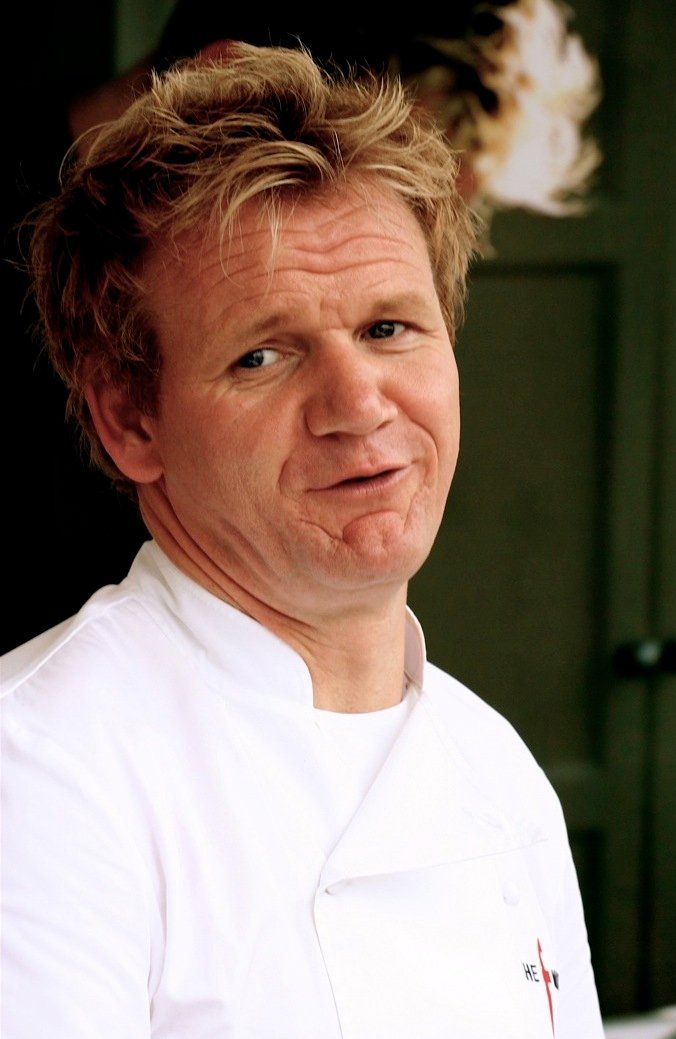
Celebrity chefs and food television turned gourmet chicken technique into mainstream home cooking from the 2000s onward.
Case Studies
Five deep dives into how iconic chicken dishes conquered the world.
Case Study 1 — Butter Chicken
Born of thrift at Delhi’s Moti Mahal in the 1950s, butter chicken turned leftover tandoori chicken into a velvety global phenomenon. Its blend of smoke, tomato, butter and cream is now reinvented as pizza, pasta and poutine toppings, proving how a single restaurant idea can reshape world dining.
Case Study 2 — Chicken Cordon Bleu
Cordon bleu shows how mid-century “continental cuisine” made restaurant elegance accessible at home. Stuffing chicken with ham and cheese, breading and frying it delivered drama and richness, and its endurance on menus and in freezers reflects the appeal of familiar luxury.
Case Study 3 — Coq au Vin
Coq au vin traces the arc from peasant necessity to haute cuisine. Braising a tough rooster in wine tenderised cheap meat; French chefs refined it, and Julia Child’s television and books made it the emblem of approachable French cooking for a generation of home cooks.
Case Study 4 — Chicken Parmesan
Chicken parmesan is a story of migration and adaptation: Italian immigrants in America transformed eggplant parmigiana using abundant, affordable chicken. The result became a comfort-food cornerstone, showing how diaspora kitchens create entirely new classics.
Case Study 5 — Japanese Fried Chicken
Karaage and chicken nanban reveal Japan’s genius for refining borrowed ideas. Adapting frying techniques with soy, ginger and potato starch produced an ultra-crisp, deeply seasoned chicken now beloved worldwide, and a template for the modern global fried-chicken craze.
Discover: Tasty Chicken Facts & Chef Secrets
- Rich history: Chicken Marengo was reportedly improvised for Napoleon on a battlefield in 1800.
- Chef secret: Dry the skin and use high heat — the Maillard reaction is your flavour engine.
- Rare dish: Original chicken Marengo was garnished with fried eggs and crayfish.
- Cooking tip: A buttermilk brine is the secret to juicy, well-seasoned fried chicken.
- Food fact: Chicken tikka masala has been called a “British national dish.”
- Safety first: Always cook chicken to 165°F (74°C) at the thickest point.
Explore More Timelines
People Also Ask
Fancy Chicken Recipes FAQ
Forty of the most-searched questions about gourmet chicken, history, technique and nutrition.
Explore More Timelines
⚠️ Editorial Note, Sources & Accuracy
This article separates historical facts (dish origins and dates, some of which are debated and noted as such), chef opinions (technique tips, marked as suggestions), nutrition guidance (general, not medical or dietary advice), food-safety recommendations (cook chicken to 165°F/74°C, per authorities such as the USDA) and modern adaptations. Some culinary origins — chicken Kiev, tikka masala, chicken à la King — are genuinely disputed, and are presented as popular accounts, not settled fact. Nutrition figures are approximate estimates that vary by recipe and portion. Content is editorial and AI-assisted, compiled from publicly available sources.
Sources & further reading
Every dated entry above was checked against these references. Last reviewed 15 September 2026.