Dubai Debt Crisis 2009: Timeline of the Property Collapse, Dubai World Debt Shock and Recovery
Dubai's property boom turned into a debt crisis when the global credit crunch exposed billions of dollars in borrowing. The 25 November 2009 Dubai World
Latest Story
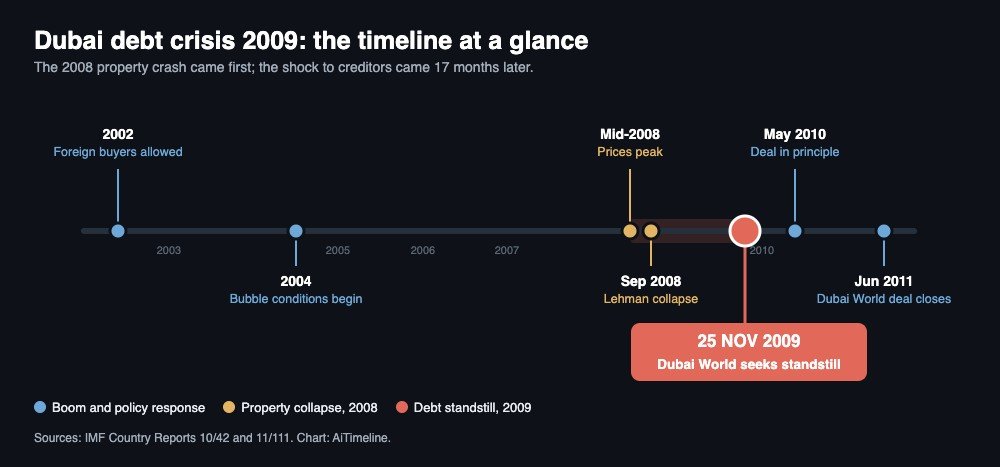
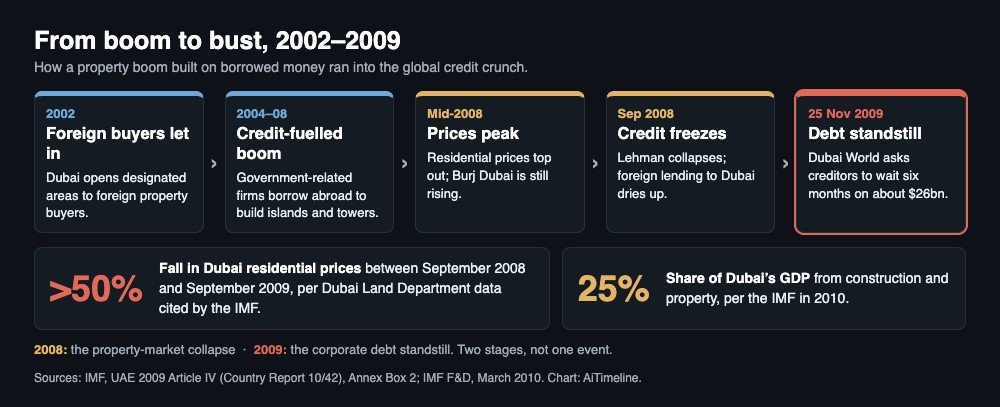
The Dubai Debt Crisis 2009 came to a head on 25 November 2009, when the Government of Dubai said that Dubai World, a state-owned conglomerate, would ask creditors to delay repayments for six months while about US$26 billion of debt was restructured. It followed a property boom built on borrowed money: Dubai’s home prices peaked in mid-2008 and fell by more than half within a year as the global financial crisis cut off credit. Abu Dhabi’s support helped Dubai repay a crucial Nakheel Islamic bond on 14 December 2009, and Dubai World’s US$24.9 billion restructuring closed in 2011. This timeline runs from the latest developments back to the boom.
💡 Short Answer
The Dubai debt crisis of 2009 was a corporate debt shock, not a sovereign default. After Dubai’s property bubble burst in mid-2008, state-owned Dubai World announced on 25 November 2009 that it and its property arms Nakheel and Limitless would seek a six-month standstill on about US$26 billion of debt. Abu Dhabi provided US$10 billion in total, Nakheel’s sukuk was repaid in full on 14 December 2009, and Dubai World restructured US$24.9 billion of liabilities by 2011.
Dubai Debt Crisis 2009: Key Questions
The Dubai Debt Crisis in Nine Points
- Two stages: a property collapse from mid-2008, then a corporate debt standstill on 25 November 2009.
- The boom: the IMF dates bubble conditions in credit and property to 2004.
- The crash: residential prices fell more than 50% from September 2008 to September 2009.
- The shock: Dubai World, Nakheel and Limitless sought a six-month standstill on about US$26 billion.
- Not a sovereign default: the UAE and Dubai government paid their own debts.
- The rescue: Abu Dhabi provided US$10 billion in total; the Nakheel sukuk was paid on 14 December 2009.
- The law: a special Dubai World insolvency decree took effect on 13 December 2009.
- The deal: US$24.9 billion restructured: US$14.4 billion of bank debt extended, US$10.5 billion of government claims turned into equity.
- 2026: Dubai’s market is cooling after a long boom, with off-plan sales down 45.7% on a year earlier, but there is no new debt crisis.
Dubai Debt Crisis Timeline, 2002–2026: Latest First
From today’s market back to the 2002 opening to foreign buyers. Each entry is tagged and ends with why it matters; 25 November 2009 is highlighted.
Dubai’s property market cools, without a crisis 2026
Seventeen years on, Dubai’s market is in a very different place. ValuStrat figures for the third quarter of 2026, reported on 28 October, showed off-plan sales down for a fourth straight quarter, to 24,375 deals, 45.7% fewer than a year earlier. Resales rose 18.5% on the quarter to 9,491 deals worth about AED 25 billion, while the average resale price eased to AED 1,627 per sq ft, 1.5% lower than a year earlier (Zawya/Reuters).
That is a slowdown after a long boom, not a repeat of 2009: there is no standstill, no failed bond and no rescue. But the off-plan market, where buyers pay for homes before they are built, is exactly where the 2008–09 crash did its damage.
A new property boom Recovery
Dubai’s property market revived strongly after the pandemic. Demand from foreign buyers, investors and people moving to the emirate drove transaction volumes and prices to new highs, with luxury villas and off-plan projects in particular demand.
This boom differed from the 2000s in important ways: Dubai World’s and Nakheel’s debts had long been restructured. It still revived old questions about affordability, speculation and how much new supply the market could absorb.
Nakheel’s restructuring closes Restructuring
Nakheel, the developer behind Palm Jumeirah, completed its separate restructuring in August 2011, two months after its parent. Under the terms set out by the IMF, the Dubai government, through the Dubai Financial Support Fund, would inject US$8 billion of new equity and convert US$1.2 billion of its loans into equity. Trade creditors and suppliers were paid 40% in cash and 60% in a tradable sukuk paying 10% a year. Nakheel’s outstanding bonds were paid in full and on time (IMF, 2011).
Nakheel was moved out of Dubai World to be owned directly by the government, to protect the group’s other businesses from its property losses.
Dubai World’s restructuring closes Restructuring
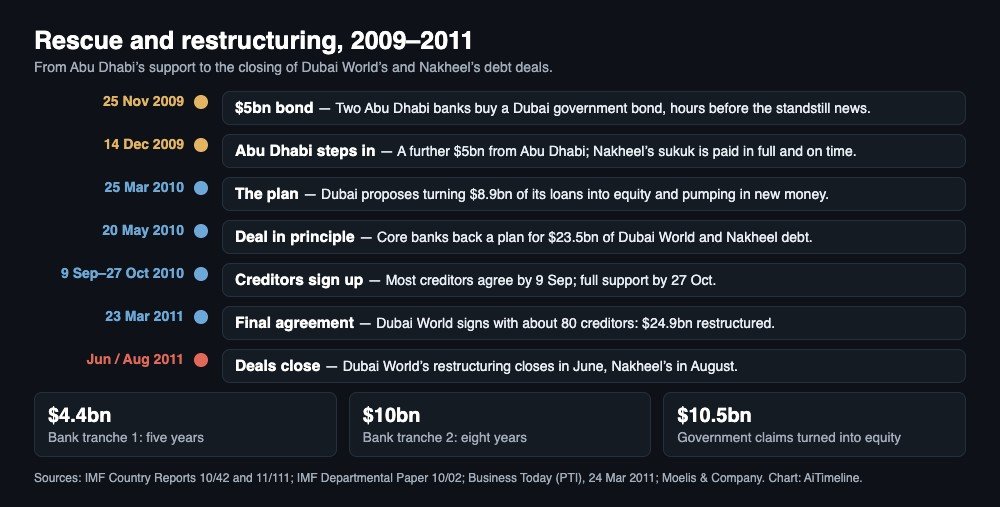
Dubai World’s restructuring closed in June 2011, according to Moelis & Company, an adviser to the Dubai government. (The source brief gives 29 June 2011; we could not confirm the exact day.) The plan covered US$24.9 billion: US$14.4 billion owed to about 90 domestic and foreign banks and US$10.5 billion owed to the Government of Dubai (IMF, 2011).
- Bank debt: split into a US$4.4 billion five-year tranche and a US$10 billion eight-year tranche, both at 1% interest with extra payments at maturity.
- Government claims: the US$10.5 billion was converted into equity.
- New money: up to US$1.5 billion for working capital and interest.
The IMF says the first big restructuring is done Restructuring
The IMF’s 2011 review of the UAE, dated April and published in May 2011, said Dubai World’s first debt restructuring had been “completed in 7 months”, from the 25 March 2010 plan to full creditor support on 27 October 2010 (IMF, 2011).
It also warned that the problem was wider. Dubai Group missed two loan payments worth US$1.8 billion in November 2010 and began restructuring US$6.2 billion of liabilities, Dubai Holding Commercial Operations Group renegotiated a US$555 million loan, and Dubai International Capital agreed to restructure US$2.5 billion of bank loans in December 2010.
Final agreement signed with 80 creditors Restructuring
Dubai World signed its final restructuring agreement with about 80 creditors, covering US$24.9 billion of debt, after roughly 12 months of negotiations (PTI via Business Today; Gulf News). A three-member Supreme Committee chaired by Sheikh Ahmad bin Saeed Al Maktoum oversaw the company and its restructuring.
Full creditor support Restructuring
Dubai World announced that it had the support of all its creditors for the restructuring plan, after months of talks led by a steering committee of seven large banks (IMF, 2011).
Most creditors agree terms Restructuring
By 9 September 2010 most creditors had agreed to the terms. Banks accepted longer repayment periods and lower interest rates, while the government converted its own loans into equity (IMF, 2011).
Agreement in principle with core banks Restructuring
Dubai World reached an agreement in principle with its core bank creditors to restructure US$23.5 billion of liabilities for itself and Nakheel; Limitless did not need restructuring, according to the IMF (IMF, 2010; Accountancy Age). Creditors were offered full repayment of principal through a five-year tranche of US$4.4 billion and an eight-year tranche of US$10 billion.
The source brief skips this step, but it was the moment the shape of the final deal became clear.
Dubai sets out its restructuring plan Restructuring
The Government of Dubai proposed to convert US$8.9 billion of debt owed to it by Dubai World into equity and, once creditors agreed, to provide up to US$9.5 billion of new money, mainly to continue work on Nakheel’s projects (IMF, 2010). The proposal became the basis for every later negotiation.
By the final 2011 plan, the government’s claims on Dubai World had grown to US$10.5 billion, all converted into equity.
The IMF measures the damage Warning sign
The IMF’s review of the UAE estimated that the country’s real GDP contracted by about half a percent in 2009, as oil output fell and Dubai’s property sector, which with construction made up about 25% of Dubai’s GDP, all but stopped. Residential prices had fallen by more than 50% between September 2008 and September 2009, according to Dubai Land Department data (IMF, 2010).
It noted that market tensions had eased after the Nakheel sukuk was repaid on 14 December.
First meeting with bank creditors Restructuring
Dubai World held its first meeting with the steering committee of bank creditors. The talks covered more than 90 UAE and foreign banks. While they went on, Dubai World kept paying interest and banks informally rolled over loans (IMF, 2010).
Abu Dhabi steps in; Nakheel’s sukuk is paid Support
On the day Nakheel’s Islamic bond matured, Abu Dhabi extended a further US$5 billion to the Government of Dubai. Reports at the time described a US$10 billion package, and the IMF counts Abu Dhabi’s support as US$10 billion in total, including the US$5 billion that two Abu Dhabi banks had provided on 25 November (IMF, 2010; Daily News Egypt/AFP).
About US$4.1 billion went to repay the sukuk, which had a face value of US$3.52 billion; the rest of the payment was the profit owed on it. The bond was repaid in full and on time, avoiding a default. The rest of the money was to cover contractors, working capital and interest until the end of April 2010. Dubai’s stock market rose more than 10% that day.
A special insolvency law for Dubai World Support
The Ruler of Dubai issued a decree, effective 13 December 2009, setting up a special insolvency regime for Dubai World and its subsidiaries, with a tribunal of three internationally recognised judges, proceedings in English and no appeal. Dubai World had not been subject to any existing UAE insolvency framework (IMF, 2010).
Moody’s cuts Dubai issuers to junk Debt shock
Moody’s downgraded all the Dubai issuers it rated to non-investment grade (IMF, 2010). Markets could no longer assume that state ownership meant a state guarantee.
Dubai World puts a number on it: US$26 billion Debt shock
Dubai World said the restructuring would cover about US$26 billion of debt, about US$6 billion of it linked to Nakheel, and that it would seek equitable treatment for creditors. DP World and some other non-property units were excluded (IMF Survey, 4 Dec 2009). A senior Dubai finance official also said the government did not guarantee Dubai World’s debts.
When markets reopened after the Eid holiday on 30 November, Dubai and Abu Dhabi shares fell sharply.
The UAE central bank backs the banks Support
The Central Bank of the UAE announced a special additional liquidity facility for banks, priced at 50 basis points above three-month EIBOR, and said it stood behind local and foreign banks in the country (TradeArabia). A central bank official later said the facility had never been used.
Global markets react Debt shock
Stock markets around the world fell as investors worked out who was exposed. Bank shares fell most, especially those thought to have lent to Dubai World. The IMF said the reaction was “strong but brief”, made worse by thin trading ahead of holidays in the US and the Middle East (IMF, 2010). Five-year credit default swap spreads on the Dubai government jumped from 317 basis points on 23 November to 675 on 27 November.
Dubai World asks for a six-month standstill Debt shock
The Government of Dubai announced that Dubai World and its two property subsidiaries, Nakheel and Limitless, would ask creditors for a standstill on property-related debt until May 2010, so the debt could be restructured. About US$26 billion of bank loans, syndicated loans and bonds was affected, including a Nakheel sukuk due on 14 December (IMF, 2010; The Guardian).
Two hours earlier, Dubai had sold a US$5 billion bond to two government-controlled Abu Dhabi banks. The news came on the eve of the Eid holiday and took markets by surprise: the Nakheel bond due in December fell to about 50 cents on the dollar from 111 on 23 November.
This was a corporate debt standstill, not a sovereign default. Dubai World was a state-owned company; neither the UAE nor the Government of Dubai defaulted on its own debt.
Moody’s downgrades again Warning sign
Moody’s downgraded Dubai’s government-related issuers for a second time in 2009 (IMF, 2010).
Dubai sells a US$2 billion sukuk Warning sign
The Government of Dubai issued a US$2 billion sukuk in foreign and local currency, three times oversubscribed and the largest in the Gulf, according to the IMF (IMF, 2010). By September, Nakheel’s 2009 sukuk had recovered to above par from about 60 cents in early 2009.
Dubai World cuts jobs Warning sign
Dubai World cut 15% of a workforce of about 70,000 to save US$800 million over three years (IMF, 2010).
Nakheel’s overseas property moved to Istithmar Warning sign
Nakheel’s overseas property portfolio was transferred to Istithmar World, another Dubai World subsidiary (IMF, 2010).
Talks to reschedule US$12 billion Warning sign
Dubai World announced talks with its core banks to reschedule about US$12 billion of debt, including Nakheel’s (IMF, 2010).
Moody’s downgrades six Dubai issuers Warning sign
Moody’s downgraded the six Dubai government-related issuers it rated, citing the weaker economy and property-related risks (IMF, 2010).
US$3 billion refinanced Support
Dubai Electricity and Water Authority (DEWA) and Dubai Civil Aviation refinanced about US$3 billion through sukuk and an 18-bank syndicated loan (IMF, 2010).
A US$20 billion support programme Support
In February 2009 the Government of Dubai announced a US$20 billion bond programme to support its companies. In March it sold the first US$10 billion tranche to the Central Bank of the UAE, at 4% a year (IMF, 2010). In July it set up the Dubai Financial Support Fund to manage the money. At the time, Nakheel’s 2009 sukuk was trading at about 60 cents on the dollar.
Because a federal institution had bought the bonds, markets took it as a signal that Abu Dhabi would help Dubai pay its debts.
Lehman collapses; credit dries up Warning sign
The collapse of Lehman Brothers on 15 September 2008 shut international capital markets. Dubai’s state-linked companies had borrowed heavily abroad, and the IMF later called that reliance on foreign borrowing the “Achilles’ heel” of Dubai’s development model (IMF, 2010). Buyers disappeared and developers struggled to sell finished and unfinished homes.
The property bubble bursts Boom & bust
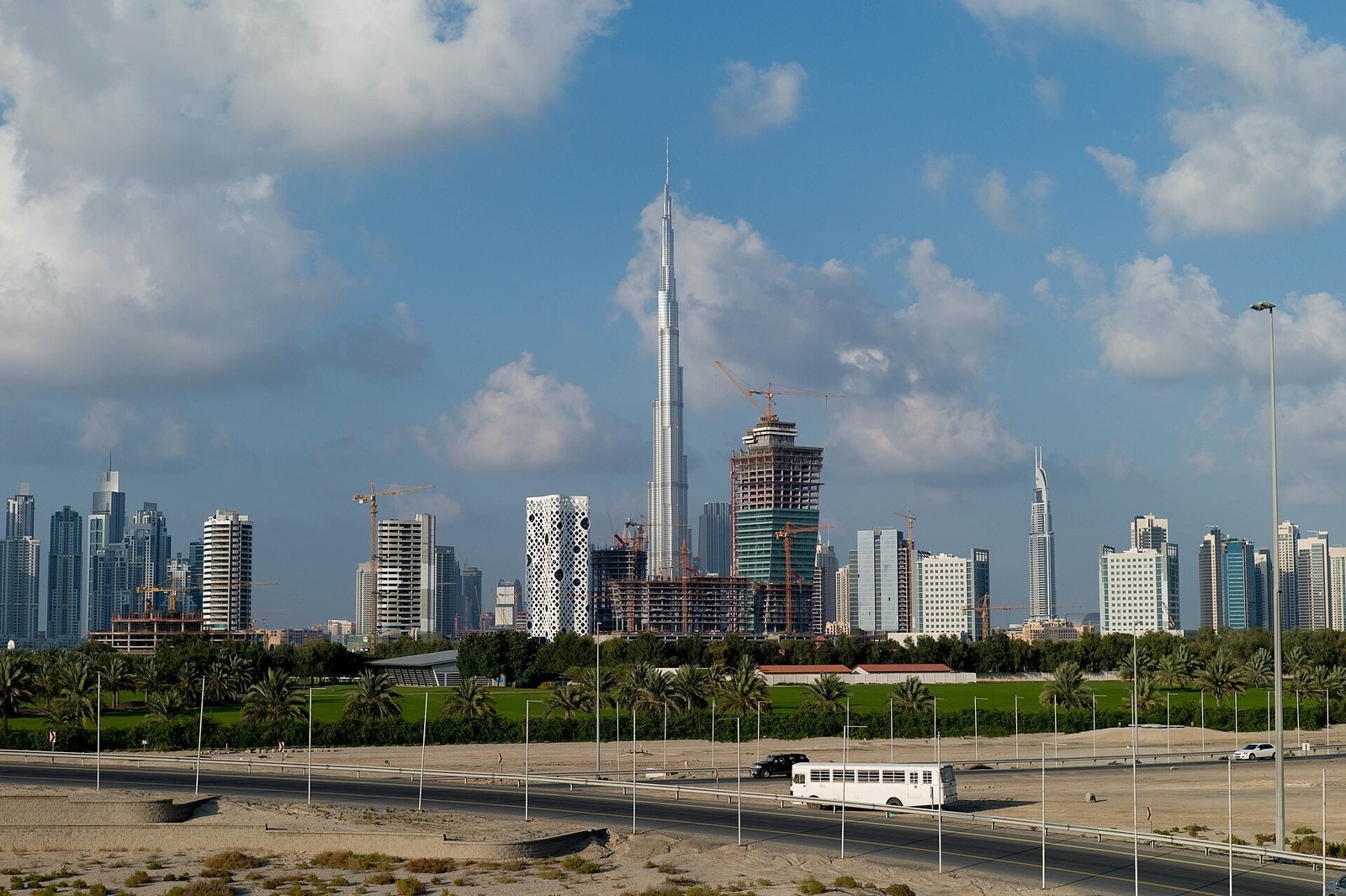
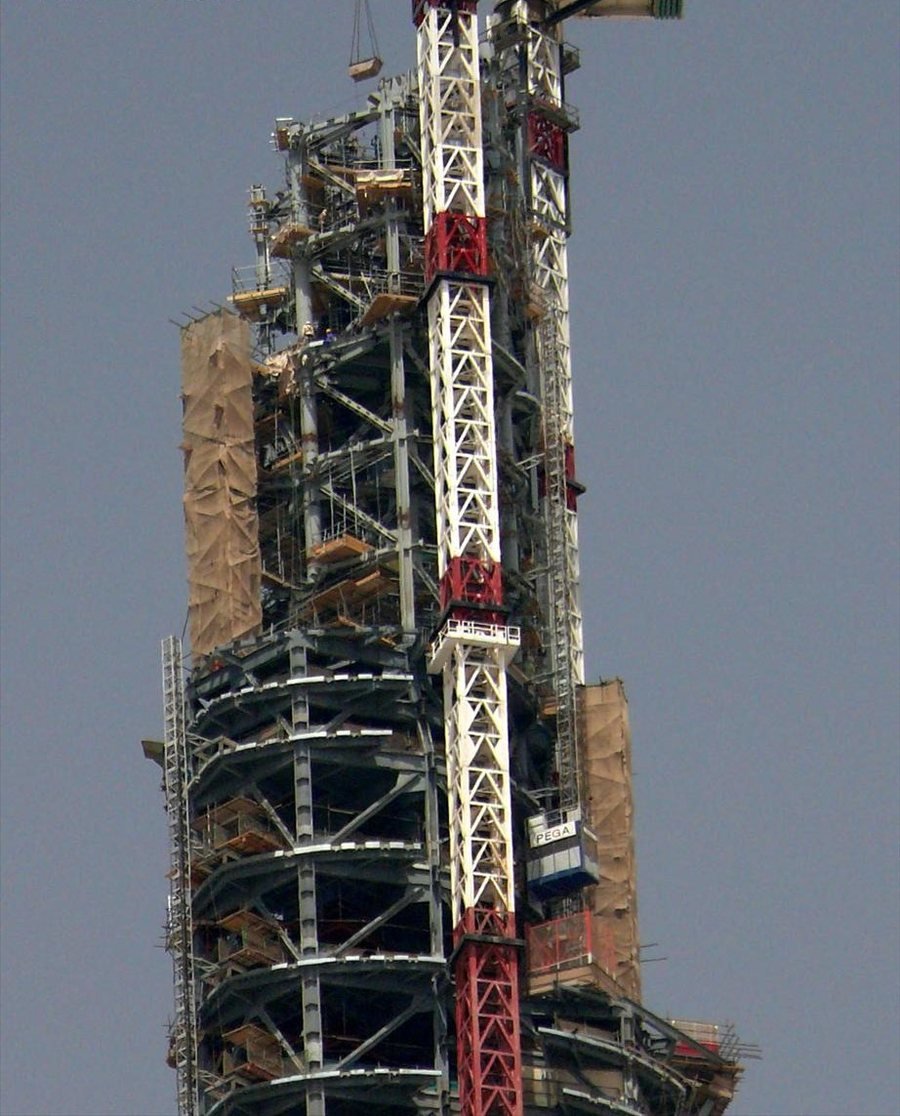
Dubai’s residential prices peaked around the middle of 2008, while Emaar was completing the world’s tallest tower, then called Burj Dubai (IMF, 2010). The IMF identifies the bursting of the property bubble in mid-2008 as the start of Dubai’s financial troubles. Prices then fell by more than half in a year.
This was the first stage of the crisis, a property-market collapse. The second stage, the corporate debt standstill, came 17 months later.
A US$6 billion loan for the Investment Corporation of Dubai Boom & bust
The Investment Corporation of Dubai took a syndicated Islamic loan of about US$6 billion, guaranteed by the Government of Dubai (IMF, 2010).
A US$4 billion debt programme Boom & bust
The Government of Dubai launched a US$4 billion medium-term note programme in foreign and local currency (IMF, 2010).
Credit fuels a construction boom Boom & bust
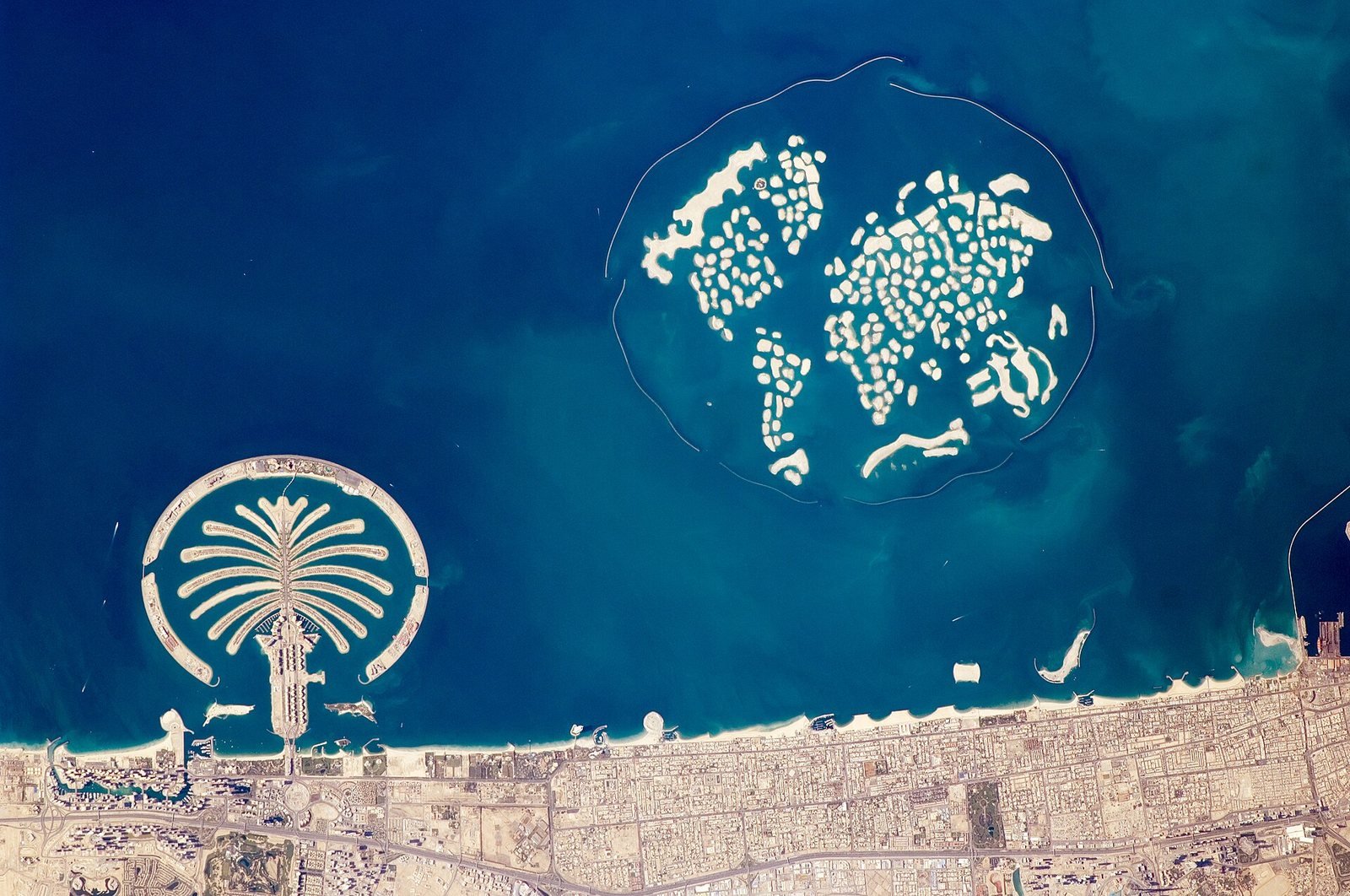
The IMF dates the start of bubble conditions in Dubai’s credit and property markets to 2004 (IMF, 2010). Between 2004 and 2008 government-related companies borrowed heavily to build the Palm islands, The World, Dubai Marina and Downtown towers (IMF F&D, 2010). Projects took years to earn money, while much of the debt had to be repaid or refinanced quickly.
Foreign buyers are let in Boom & bust
Dubai allowed foreigners to buy property in designated areas. The IMF describes this as 99-year leases; the change was widely marketed as freehold ownership and was put on a formal legal footing by Dubai’s property registration law of 2006 (IMF, 2010).
The 2008 Property Collapse vs the 2009 Debt Standstill
They are often run together, but they were separate events 17 months apart.
The property-market collapse began in mid-2008, before Lehman Brothers failed, and was largely over by late 2009. The debt standstill came afterwards, when Dubai World’s property arms could no longer refinance borrowing taken on during the boom. Treating them as one event hides why the November 2009 announcement shocked markets: by then Dubai had been rolling over its debts, its government had just sold a US$2 billion sukuk, and Nakheel’s bond was trading above face value.
| Stage 1: property collapse | Stage 2: debt standstill | |
|---|---|---|
| When | Mid-2008 to 2009 | 25 November 2009 |
| What happened | Prices peaked and then fell by more than 50% in a year | Dubai World asked creditors to wait six months |
| Trigger | Global credit crunch, oversupply, speculative buying | Debts falling due that the property arms could not refinance |
| Who was hit | Buyers, developers, contractors, banks | Creditors of Dubai World, Nakheel and Limitless |
| Response | US$20bn support programme (Feb 2009) | Abu Dhabi support, insolvency decree, restructuring |
What Caused the Dubai Debt Crisis?
No single event: six connected weaknesses.
Heavy borrowing to build
State-linked developers borrowed heavily between 2004 and 2008 for islands, towers and new districts that needed large sums up front and paid back slowly.
The global financial crisis
After Lehman Brothers collapsed in September 2008, international credit froze. Dubai had relied on foreign lenders, which the IMF called the model’s “Achilles’ heel”.
Oversupply and falling prices
New homes and offices kept arriving as buyers disappeared. Residential prices fell by more than half from September 2008 to September 2009.
An assumed state guarantee
Lenders priced state-owned companies as if Dubai would always back them. The 25 November announcement showed that it would not, automatically.
A maturity mismatch
Debts had to be repaid or rolled over within a few years, while projects took many years to earn money. When refinancing stopped, the gap became a crisis.
Little disclosure
Neither Dubai World nor “Dubai Inc.” published consolidated debt figures, the IMF noted, so creditors could not see the full scale of the problem.
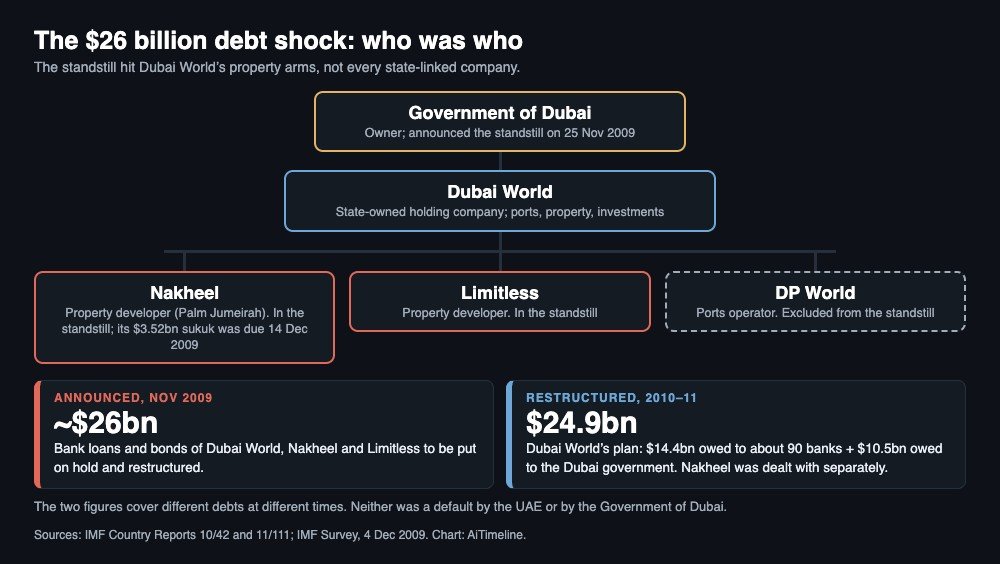
Dubai World, Nakheel and the Debt Shock: Who Was Who?
The crisis involved connected companies that were not the same entity.
Government of Dubai
Owned Dubai World, announced the standstill and later converted its own US$10.5 billion of claims into equity.
Dubai World
A state-owned conglomerate with ports, free zones, property and investments. Its standstill request was the centre of the crisis.
Nakheel
Builder of Palm Jumeirah and The World. Its US$3.52 billion sukuk due on 14 December 2009 was the crisis’s key test.
Limitless
Dubai World’s other property arm, named in the standstill; the IMF later said it did not need restructuring.
DP World
The ports operator, owned through Dubai World, was kept out of the standstill and restructuring.
Government of Abu Dhabi
The oil-rich capital emirate provided US$10 billion in total and said support would be selective, case by case. See our history of Gulf sovereign wealth funds.
The Numbers, and What Each One Measures
Several large figures are often confused. They are not interchangeable.
| Figure | What it measures | When |
|---|---|---|
| ~US$26bn | Dubai World, Nakheel and Limitless bank loans and bonds named in the standstill | Nov 2009 |
| US$3.52bn | Face value of the Nakheel 2009 sukuk (about US$4.1bn paid with profit) | 14 Dec 2009 |
| US$10bn | Abu Dhabi support in total: US$5bn via two banks + US$5bn from the government | Nov–Dec 2009 |
| US$23.5bn | Dubai World and Nakheel liabilities in the agreement in principle | 20 May 2010 |
| US$24.9bn | Dubai World plan: US$14.4bn to banks + US$10.5bn to the government | 2010–2011 |
| US$20bn | Dubai’s support programme: US$10bn central bank + US$10bn Abu Dhabi | 2009 |
How Abu Dhabi Helped Dubai Avoid a Default
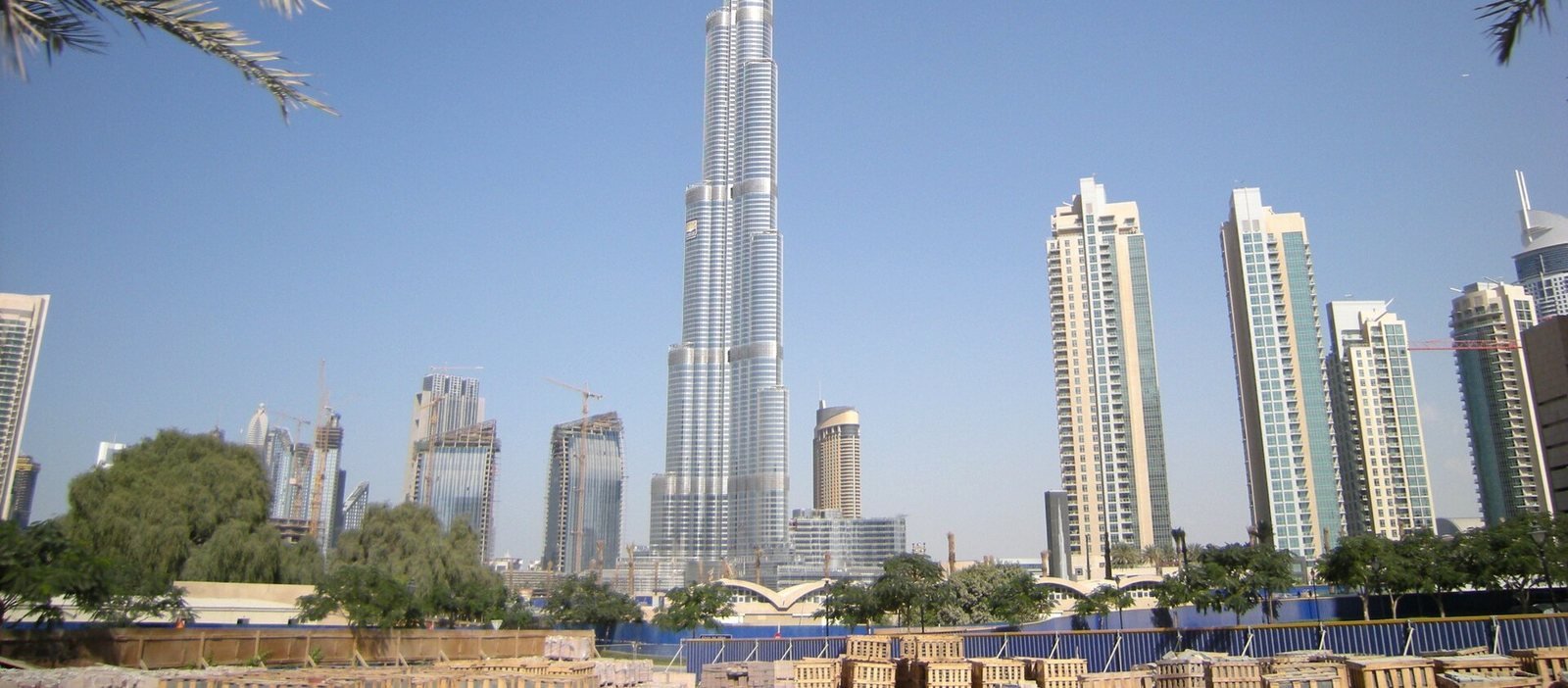
Abu Dhabi’s support came in two parts. On 25 November 2009, two hours before the standstill news, two government-controlled Abu Dhabi banks bought a US$5 billion Dubai government bond. On 14 December, the day Nakheel’s sukuk matured, the Abu Dhabi government provided a further US$5 billion. Reports that day described a US$10 billion package; the IMF counts the total as US$10 billion.
Dubai paid about US$4.1 billion to Nakheel’s sukuk holders, settling the US$3.52 billion bond in full and on time. The rest was earmarked for contractors, working capital and interest until the end of April 2010, provided Dubai World reached a standstill agreement with its creditors. Abu Dhabi said its support would remain selective and case by case.
That support removed the immediate threat of a missed payment. It did not erase Dubai World’s or Nakheel’s debts, which still had to be renegotiated.
What Happened After the Dubai Debt Crisis?
Dubai World’s restructuring took about 18 months from plan to closing. Banks were promised their principal in full, over five and eight years at lower interest, while the government turned its own claims into equity and took on most of the loss. Nakheel was restructured separately, given US$8 billion of new equity and moved into direct government ownership.
The IMF warned that the problem went beyond Dubai World: Dubai Group, Dubai Holding and Dubai International Capital also had to renegotiate debts in 2010. The episode made lenders look much harder at the difference between state ownership and a state guarantee, a theme that runs through other debt crises on AiTimeline, from Argentina’s defaults to Sri Lanka’s 2022 crisis.
Dubai kept building its economy around trade, logistics, tourism, finance and property. The crisis did not end its ambitions, but it showed how fast leverage can turn a construction boom into a creditor crisis when financing dries up.
Explore More Timelines
People Also Ask
Dubai Debt Crisis 2009: Frequently Asked Questions
The Crisis That Changed Dubai’s Financial Story
The Dubai debt crisis of 2009 exposed the risk behind one of the world’s most ambitious property booms. Years of fast construction and heavy borrowing left Dubai’s state-linked companies exposed to a sudden loss of credit. When prices fell and global financing dried up, the most indebted could not pay on time.
Dubai World’s request of 25 November 2009 turned those weaknesses into an international shock. Abu Dhabi’s support met the immediate bond payment, and long negotiations produced the 2011 restructurings. The lasting lesson is about the link between property speculation, corporate borrowing and the assumption that a state will always pay.
Related AiTimeline Stories
⚠️ Editorial Note
Last updated 30 October 2026. This is a historical account, not investment advice. Dates and figures for 2002–2010 follow the IMF’s 2009 Article IV report on the UAE (its Annex Box 2 timeline), its May 2010 GCC paper and March 2010 F&D article; restructuring terms follow the 2011 Article IV report; 2026 market data follow ValuStrat via Zawya. We corrected and added to the source brief: the 14 December US$5 billion was the second half of Abu Dhabi’s US$10 billion, not new money on top of a larger sum; the Nakheel sukuk’s face value was US$3.52 billion (about US$4.1 billion was paid with profit, and IMF documents give US$4–4.2 billion); 2002 opened property to foreigners via long leases that were marketed as freehold. We added the US$5 billion Abu Dhabi bank bond of 25 November, the 13 December insolvency decree, the 20 May 2010 agreement in principle and the 23 March 2011 signing. We could not confirm the brief’s exact 29 June 2011 completion date; Dubai World’s adviser Moelis & Company says the deal closed in June 2011. Photos are from Wikimedia Commons under the licences shown; we used pictures from 2008–2010 rather than current promotional images.
Sources & further reading
Every dated entry above was checked against these references. Last reviewed 30 October 2026.
- IMF: United Arab Emirates 2009 Article IV Consultation (Country Report 10/42)
- IMF: Impact of the Global Financial Crisis on the GCC Countries and Challenges Ahead (Departmental Paper 10/02)
- IMF Finance & Development: Learning from the Past (Khamis and Senhadji), March 2010
- IMF Survey: IMF Says Dubai Debt Fallout Contained, 4 December 2009
- IMF: United Arab Emirates 2011 Article IV Consultation (Country Report 11/111)
- The Guardian: Dubai World seeks debt standstill, 25 November 2009
- Daily News Egypt (AFP): Dubai to pay debt with $10 billion Abu Dhabi handout, 14 December 2009
- PTI via Business Today: Dubai World signs final debt restructuring agreement, 24 March 2011
- Zawya/Reuters: Dubai property resale market soars as off-plan demand slows, 28 October 2026