26/11 Mumbai Attacks Anniversary: The Warnings and the Failures
The 26/11 Mumbai attacks timeline: 20 intelligence alerts, the sea-route breach, the NSG delay, reforms since 2008 and the Rana and Saeed cases in 2026.
Latest Story
On the evening of 26 November 2008, ten Lashkar-e-Taiba gunmen came ashore in South Mumbai in rubber dinghies and attacked a railway station, a cafe, two luxury hotels and a Jewish centre. The siege lasted nearly 60 hours and killed 166 people. Many of the places they struck, and the sea route they used, had appeared in intelligence alerts going back to 2006. The 26/11 Mumbai attacks intelligence failure was not one missed message but a chain: alerts that were never put together, a coastline nobody fully owned, a landing site with no patrol boat, and a specialist force based near Delhi. This is the timeline of those warnings, how the response unfolded, and what has changed by 2026.
💡 Short Answer
Before 26/11, Indian agencies issued about 20 alerts from August 2006 warning of sea-borne, multiple and commando-style attacks, some naming the Taj, the Oberoi and CST. None gave the date or landing point, and they were never combined into one assessment. A vessel search days earlier found nothing. Ten LeT gunmen landed by dinghy on 26 November 2008 and killed 166 people over nearly 60 hours.
26/11 Warnings and Failures: Key Questions
26/11 in Ten Points
- The warnings started in 2006: the first alert that LeT planned to send fidayeen by sea came on 7 August 2006.
- The targets were named: police alerts in 2008 listed Leopold Cafe, the Taj, CST and the Oberoi.
- But not the plan: no alert gave the date, the landing point or Nariman House.
- A search came days too early: Coast Guard and Navy hunted a suspect vessel on 19–20 November and found nothing.
- The landing was unguarded: every police patrol boat was off Worli that night.
- Police fought first: Karkare, Kamte, Salaskar and Ombale died in the first hours; Kasab was captured alive.
- The NSG came from Manesar: it was requested about two hours after the first shots and deployed the next morning.
- Reform followed fast: the NIA in December 2008, NSG hubs by July 2009, a coastal radar chain by 2014.
- Justice is still unfinished: Rana was extradited in 2025 and faces charge arguments in November 2026.
- The planners are out of reach: Mumbai sought a trial in absentia for Hafiz Saeed and five others in 2026.
26/11 at a Glance
From the Home Minister’s statement to Parliament and court records. Scroll sideways on a phone.
| Key fact | Details |
|---|---|
| Dates | 26–29 November 2008 |
| Place | Mumbai, Maharashtra: 13 locations |
| Attackers | Ten Lashkar-e-Taiba men from Pakistan, in four teams |
| Route | Karachi by launch, hijacked trawler M.V. Kuber, then dinghy to Badhwar Park, Colaba |
| Landing time | Between 8:00 and 8:30 p.m., 26 November |
| First shots | About 9:20 p.m. at CST and Leopold Cafe |
| Main targets | CST, Leopold Cafe, Taj Mahal Palace, Oberoi-Trident, Nariman House |
| Victims killed | 166, including 26 foreign nationals |
| Attackers | Nine killed; Ajmal Kasab captured, hanged in 2012 |
| Duration | Nearly 60 hours; operations ended about 8:20 a.m., 29 November |
| NSG request | About 11:30 p.m., 26 November; deployed early 27 November |
| Main reforms | NIA, NSG hubs, coastal radar chain, new Navy and Coast Guard roles |
The Timeline: From the First Warning in 2006 to the 2026 Trials
Newest first. Tags mark warnings, breaches, the response, reforms, the courts, politics and 2026 developments. Times on 26 November are approximate.
2026
The 18th anniversary 2026
The anniversary falls during the first serious courtroom test of the conspiracy case in India since Kasab’s trial: arguments on charges against Tahawwur Rana are due to open on 16 November. This page will be updated after both.
2026
Rana case listed for arguments on charges 2026
The special NIA court in Delhi listed the case against Tahawwur Hussain Rana for arguments on framing charges, after reviewing the supplementary charge sheet filed following his arrest. Rana, who earlier dropped his legal-aid lawyer for private counsel, remains in high-security custody in Tihar Jail.
2026
A trial in absentia for Hafiz Saeed and five others 2026
Maharashtra asked the court to try six Pakistan-based accused in their absence: Hafiz Saeed, Zaki-ur-Rehman Lakhvi, Sajid Mir, Abu Alqama, Asim alias Abu Qahafa and Major Abdur Rehman Pasha. Proclamations were pasted up in Mumbai and the Home Ministry was asked to serve them through Interpol. It is the first use of the new in-absentia provision in a terror case of this kind, and the state relies mainly on the testimony of Kasab and of David Headley.
2026
Court tells the NIA to hurry 2026
A Delhi court directed the NIA to expedite its supplementary charge sheet against Rana in the larger conspiracy case. The agency said it had taken his voice samples and alleges his part in a conspiracy dating back to about 2005, with charges including waging war, murder and offences under the UAPA.
2026
A 26/11 responder becomes Maharashtra’s police chief 2026
Date, an Additional Commissioner in 2008 who led a small team against two of the attackers at Cama Hospital and was wounded, took charge as Director General of Maharashtra Police after being repatriated from the NIA.
2025
Chidambaram on why India did not retaliate Politics
P. Chidambaram, who became Home Minister days after the attacks, said in an interview that the UPA government decided against military action amid international pressure, recalling that US Secretary of State Condoleezza Rice flew in and urged restraint. The BJP accused the Congress of bowing to foreign pressure.
2025
Tahawwur Rana is extradited Courts
The US Justice Department said Rana, a Canadian citizen born in Pakistan, was sent to India to face charges including conspiracy, murder, a terrorist act and forgery. India alleges he let Headley run a Mumbai branch of his immigration business as cover for reconnaissance and helped with false visa applications.
2014
The coastal shield is declared in place Reform
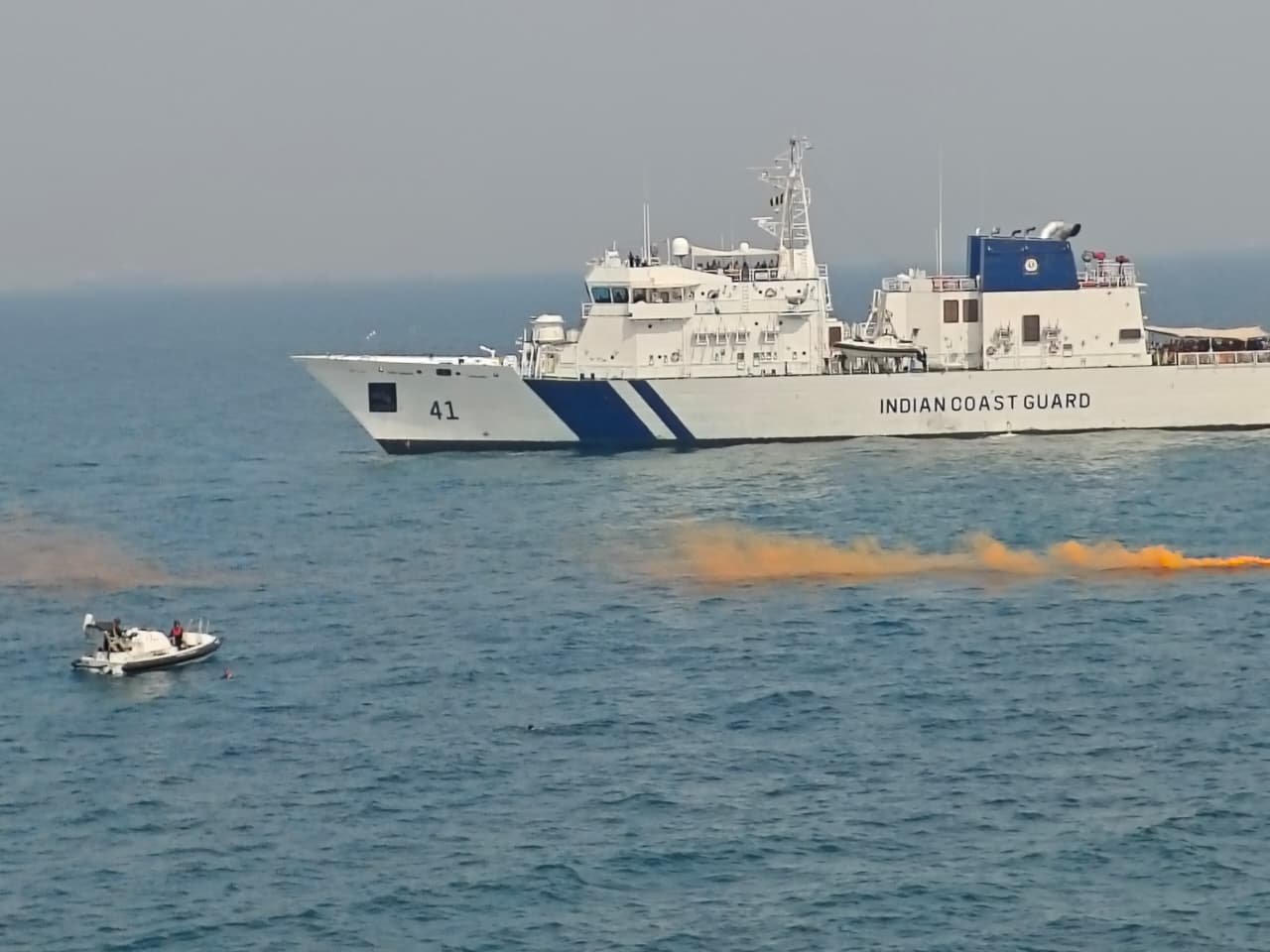
The Defence Ministry said all post-26/11 coastal measures were in place: joint centres manned round the clock by the Navy, Coast Guard and Marine Police, more than 100 exercises since 2008, ID cards for fishermen and more than two lakh fishing boats registered. A new network fed data on vessels to an Information Management and Analysis Centre at Gurugram.
Headley and Rana sentenced in Chicago Courts
Headley had pleaded guilty to 12 charges, including aiding the murders of six Americans in Mumbai, and became a government witness. Rana was convicted of supporting LeT and a foiled plot in Denmark but acquitted by the US jury of the Mumbai-related charge; India’s case against him is separate.
2012
Kasab is hanged Courts
The only attacker taken alive was executed four years after the attacks, after his appeals to the Bombay High Court and the Supreme Court failed.
2010
Death sentence for Kasab Courts
The court found Kasab guilty of murder, waging war against India and other offences. Fahim Ansari and Sabauddin Ahmed, accused of preparing maps for the attackers, were acquitted.
2009
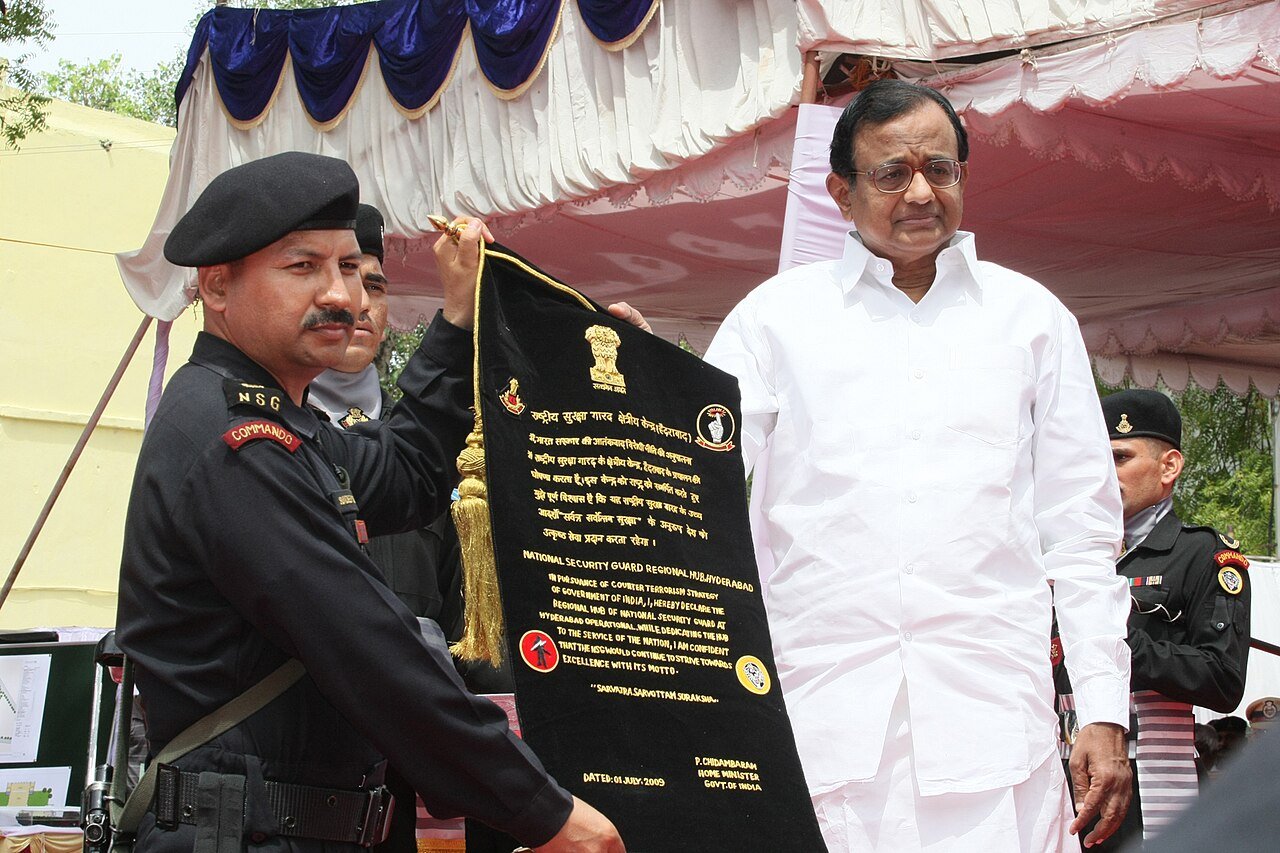
Four NSG hubs open Reform
Home Minister Chidambaram inaugurated the hubs, set up in fast-track mode to cut the NSG’s reaction time. A notification under the Aircraft Act let officials commandeer civil aircraft for the NSG, and a quick reaction team was posted at Delhi airport. The Mumbai hub began at Kalina before moving to Marol.
The Pradhan committee reports Warning
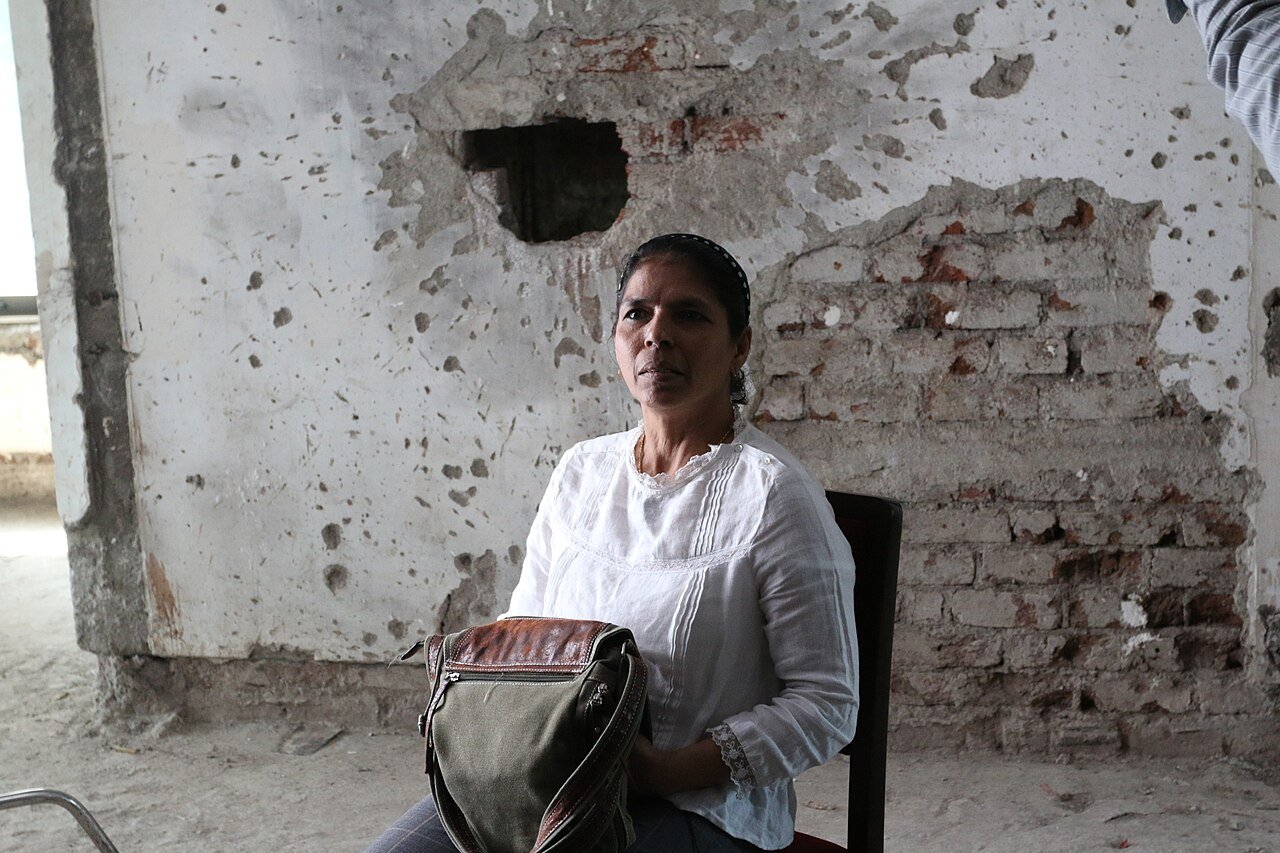
The Maharashtra committee found ‘total confusion’ in how the state processed intelligence alerts, which were ‘mechanically forwarded’ to police units. A former state intelligence chief told it he was unaware of any terror alert before the attack. It said an overall assessment of the alerts would have revealed ‘a strong indication that some major terrorist action was being planned against Mumbai’.
New roles at sea Reform
The government made the Navy the authority for overall maritime and coastal security, assisted by the Coast Guard and Marine Police, and gave the Coast Guard charge of territorial waters and coordination with state agencies. Before this, the 1993 plan split the sea between local police, the Coast Guard and the Navy, and the state DGP told the Pradhan committee it ‘was not working well’.
The NIA is created Reform
Parliament passed the bills the Home Minister had promised, creating a central agency to investigate terrorism and other scheduled offences across state lines. The NIA later took over the Rana and Headley angle of the conspiracy.
2008
The Home Minister’s account to Parliament Warning
Chidambaram said agencies tended to treat inputs that were not specific or precise as not actionable, and that responsibility for acting on intelligence was diffuse. He announced NSG hubs, a coastal command in principle, 20 counter-terrorism schools for state police and the NIA bill.
8:20 a.m.
The siege ends Response
The Home Ministry put the end of the operations at about 8:20 a.m. The Oberoi-Trident had been cleared on 28 November and Nariman House that evening. 166 victims were dead.
2008
Operation Black Tornado Response
Commandos cleared hundreds of rooms in occupied buildings while the attackers held hostages and used the height of the hotels. At Nariman House six hostages, including Rabbi Gavriel and Rivka Holtzberg, were killed. Their son Moshe, two, had been carried out by his nanny, Sandra Samuel.
early hours
The NSG arrives Response
The NSG was airlifted late on 26 November and deployed at the sites in the early hours of 27 November. The Home Minister later said it was hampered by the distance between its base and the airport, the lack of a dedicated aircraft and poor logistics on the ground.
about midnight
Three senior officers killed; Kasab captured Response
Hemant Karkare, Ashok Kamte and Vijay Salaskar were killed when their vehicle came face to face with Kasab and Abu Ismail. The pair seized a police car; at Girgaum Chowpatty a police party stopped them. Ismail was killed. Tukaram Ombale grabbed Kasab’s rifle and took the bullets so that his colleagues could overpower him.
11–11:30 p.m.
Delhi learns, and the NSG is requested Breach
The Central Government heard of firing at several places shortly before 11 p.m. Five Army columns cordoned off areas and Navy marine commandos moved in. The request for the NSG came about two hours after the first shots.
from 9:20 p.m.
Four teams, 13 locations Breach
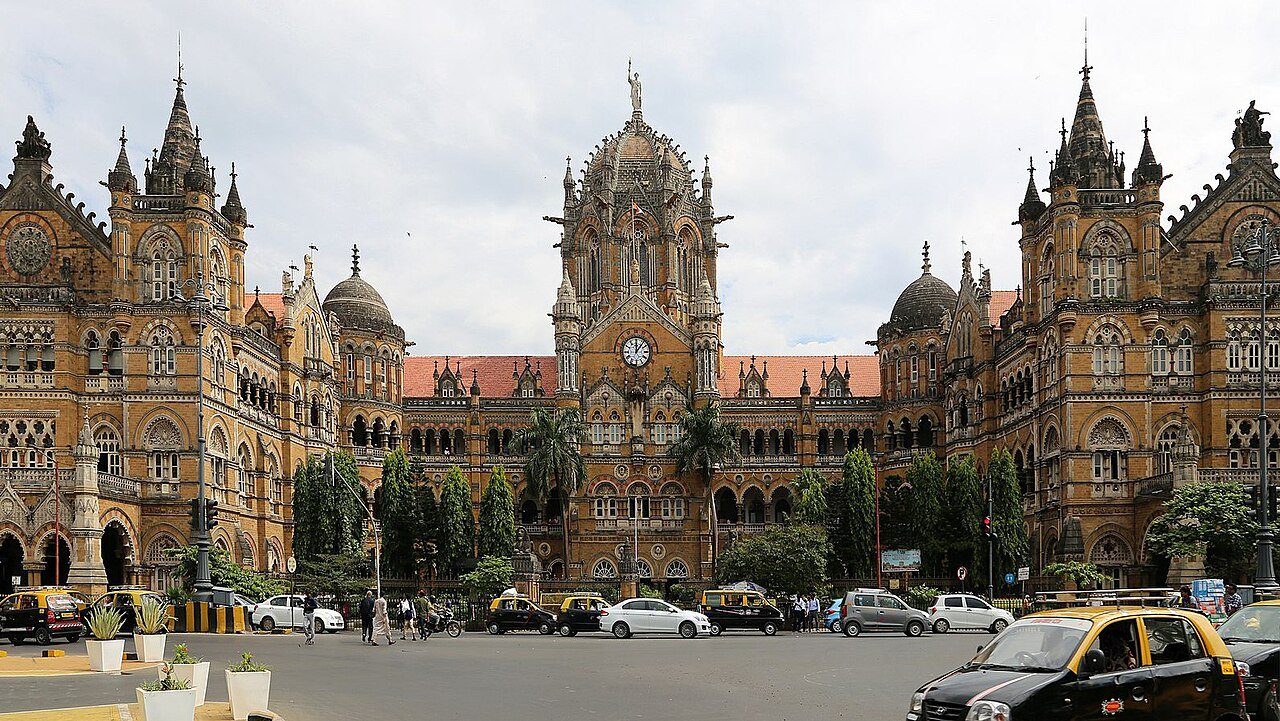
Kasab and Abu Ismail fired into crowds at CST, where Railway Protection Force and police personnel confronted them. Minutes later two others attacked Leopold Cafe and moved on to the Taj; two more went to the Oberoi-Trident and two to Nariman House. Police had warned in June 2008 that Leopold could be a target and had cleared hawkers outside.
8–8:30 p.m.
Landing at Badhwar Park Breach
A few miles off Mumbai the attackers left the trawler and took a rubber dinghy ashore. Fishermen saw them land. The Pradhan committee found that all Mumbai Police patrol boats were off Worli that night because of a fishermen’s protest against the new sea link that had begun on 24 November.
2008
Departure from Karachi Breach
The ten Lashkar-e-Taiba men left Karachi, transferred to the hijacked Kuber and used it to cross hundreds of nautical miles of Indian waters unchallenged. Its captain, Amar Singh Solanki, was forced to navigate before he too was killed.
2008
The suspect vessel is searched for Warning
The Coast Guard deployed ships and aircraft; the Navy committed surface units and aircraft to the zone on 19 and 20 November. With no further input, it concluded no further action was possible. The warning had reached those who could act at sea, but its precision and follow-up were not enough.
2008
IB: Lashkar is interested in the Taj Warning
The Intelligence Bureau told the state that LeT was showing ‘interest’ in launching actions in Mumbai. Police met the hotel’s general manager and security chiefs and discussed CCTV, one entry gate with door-frame metal detectors and manned monitoring. The committee later found the hotels did not implement some important advice, and that a police picket was withdrawn at a local inspector’s discretion.
2008
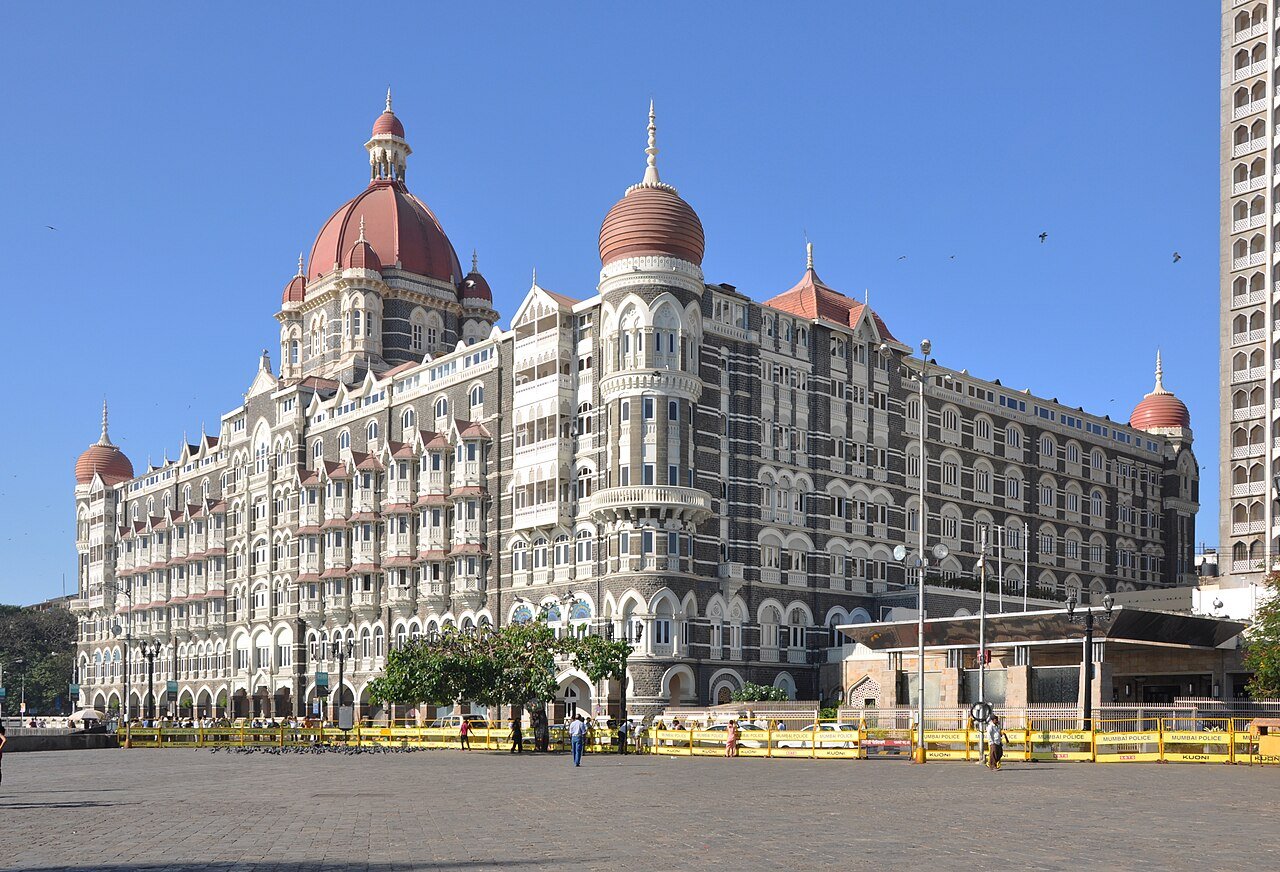
Taj, CST and Oberoi named in an alert Warning
A police source reported a possible bomb attack on South Mumbai targets including the Taj, CST and the Oberoi. The local deputy commissioner visited the areas on 11 August and issued written security instructions on 12 August; hotels and malls were briefed. When the stated date passed without an attack, the alert faded.
2008
Leopold Cafe on a target list Warning
The DCP had hawkers removed from in front of the cafe and the owner was told about the threat. The committee later noted that only three of the 11 dead and 28 injured at Leopold were hawkers.
David Headley scouts Mumbai Breach
According to US and Indian prosecutors, Headley trained with Lashkar-e-Taiba, then made repeated visits to Mumbai to film and map targets, including the hotels and Nariman House, and reported back to LeT. Nothing in his visa applications, which India alleges contained false information, raised an alarm.
2007
The last sea-route alert to the state Warning
The Pradhan committee found that the state received no ‘proximate information’ about attackers approaching Mumbai by sea. It also said the state took no significant step to strengthen coastal security after the six sea-route alerts.
2006
The first sea-route warning Warning
This was the earliest of the alerts the committee examined. Over the next two years the state received alerts on sea-borne attacks, multiple simultaneous attacks, commando-style assaults and Jewish targets, the features that made 26/11 different from Mumbai’s earlier bomb attacks.
The 20 Alerts: What Did They Actually Say?
The number is real. The way it is often used, as 20 precise warnings that were ignored, is not.
Maharashtra’s High Level Enquiry Committee, led by former Union Home Secretary R.D. Pradhan, sorted the alerts by the features that made 26/11 different from Mumbai’s earlier bombings. Each feature had been flagged. Three alerts even gave dates, 20 August 2006, 24 May 2008 and 11 August 2008, for attacks on targets including the Taj and the Oberoi. None of those attacks happened, and each passed date made the next warning easier to discount.
The committee did not say the police ignored the alerts. It recorded site visits, written instructions and meetings with the Taj. Its criticism was about the system: there was no mechanism to make an overall assessment, and had one existed, the reports ‘would have revealed a strong indication that some major terrorist action was being planned against Mumbai’.
Pick a warning. What did it say, what was done, and where did it run out?
Seven of the alerts and inputs before 26/11, drawn from the Maharashtra High Level Enquiry Committee and the Home Minister’s statement of 11 December 2008.
What Were the Major Failures?
Several connected problems, not one agency’s mistake.
| Area | What the record shows | Core lesson |
|---|---|---|
| Intelligence assessment | Some 20 alerts from 2006 flagged each feature of the attack; none gave date or landing point | General warnings still need a combined assessment |
| Ownership | Alerts were mechanically forwarded; the Home Minister called responsibility diffuse | Every warning needs an owner and a deadline |
| Coastal security | A vessel input led to a search that found nothing; the 1993 coastal plan was not working | Detection, tracking and interception must be one system |
| Local preparedness | No police boat at the landing site; QRT teams in the hotels had no one to lead them | Local responders need equipment, command and drills |
| Target protection | Hotels did not adopt some police advice; a picket was withdrawn locally | Withdrawing protection after a specific alert should be a senior decision |
| Specialist force | NSG requested about two hours after the first shots; based near Delhi | Regional capacity and transport change response time |
| Learning | No formal Mumbai Police debriefing after the attacks | Post-incident reviews are about systems, not blame |
The Sea Route: A Known Risk Nobody Fully Owned
The attackers spent three days at sea, much of it in a hijacked Indian trawler that looked like hundreds of others. Under the 1993 arrangement the state police covered the shore to 12 nautical miles, the Coast Guard from 12 to 200, and the Navy beyond. The Maharashtra DGP told the committee it ‘was not working well because several agencies have to contribute to its success’. Mumbai’s marine police had no high-speed boats and no trained crews.
Days before the attack, the system did react. An input about a suspected LeT vessel reached the Coast Guard and Naval Intelligence; ships and aircraft searched, and the Navy kept units in the zone on 19 and 20 November. But the coordinates placed the vessel inside Pakistani waters and no further information came. On the night itself, every police patrol boat was off Worli, where fishermen were protesting against the new sea link. The dinghies came ashore at Badhwar Park unchallenged.
The NSG Delay: Why Specialist Help Took Hours
The first shots were fired at about 9:20 p.m. Delhi heard of firing at several places shortly before 11 p.m., and Maharashtra asked for the National Security Guard at about 11:30 p.m. Around 200 commandos were flown from near Delhi overnight and were in position in the early hours of 27 November. In between, local police, the Railway Protection Force, Army cordons and Navy marine commandos held the line.
The Home Minister later named three problems: the distance between the NSG’s Manesar base and the airport, the absence of a dedicated aircraft, and poor logistics in Mumbai. Within seven months the government had opened four regional hubs, including one in Mumbai, and given officials power to requisition civil aircraft for the NSG.
Pick a weak point from 26/11. What did it look like then, and what was built after?
Based on government statements of 2008, 2009 and 2014, the Coast Guard’s own account and 2025–2026 court reporting. Reforms reduce risk; they do not remove it.
The Long Road to Justice
One attacker tried, two US convictions, and the planners still in Pakistan.
| Accused | Where | Status in 2026 |
|---|---|---|
| Ajmal Kasab | Special court, Mumbai | Convicted 2010; hanged 21 November 2012 |
| Fahim Ansari, Sabauddin Ahmed | Special court, Mumbai | Acquitted in 2010 |
| David Coleman Headley | US District Court, Chicago | Pleaded guilty; 35 years (2013); approver in Mumbai trial |
| Tahawwur Hussain Rana | Special NIA court, Delhi | Extradited April 2025; charge arguments from 16 November 2026 |
| Hafiz Saeed, Lakhvi, Sajid Mir and three others | Sessions court, Mumbai | In Pakistan; trial in absentia sought in 2026 |
Kasab’s trial was completed within 18 months. The wider conspiracy has moved far more slowly. Tahawwur Rana’s extradition in April 2025 brought the first alleged member of the planning network into an Indian court; a Delhi court pressed the NIA in March 2026 to finish its supplementary charge sheet, and arguments on charges are listed from 16 November 2026. In Mumbai, the state turned in August 2026 to a new legal route: trying Hafiz Saeed and five other Pakistan-based accused in their absence.
The Enduring Lessons of 26/11
- A warning needs an owner. Someone must assess it, decide what to do and check that it was done.
- Uncertainty is not a reason for inaction. Intelligence is rarely precise; proportionate measures still count.
- Coastal security is a system. Sensors, boat identification, patrols and local police have to work as one.
- Specialist forces need rapid access. Training matters less if the team is hours away.
- Review after every crisis. The committee found no formal debriefing in Mumbai Police; learning should be routine.
Explore More Timelines
People Also Ask
Frequently Asked Questions
Conclusion: The Warnings Were There, but Not Connected
26/11 was not a case of agencies knowing the exact plan and ignoring it. The record shows something harder to fix: alerts that pointed at the right method and the right places, a sea frontier split between agencies, protection that eased when predicted dates passed, and a specialist force too far away. The courage of police officers, hotel staff, a nanny and NSG commandos limited the damage the system could not prevent.
The lasting lesson of 26/11 is that intelligence is only useful when someone assesses it, owns it and turns it into timely action.
Related AiTimeline Stories
⚠️ Editorial Note
This article is based mainly on the Home Minister’s statement to the Lok Sabha of 11 December 2008, the report of Maharashtra’s High Level Enquiry Committee on 26/11, Press Information Bureau releases of 2009 and 2014, the Indian Coast Guard, the US Department of Justice and 2025–2026 reporting by PTI, ANI and others. Times on 26 November 2008 are approximate. Tahawwur Rana and the six accused named in the in-absentia proceedings have not been convicted in India. The figure of about 20 alerts refers to alert types counted by the committee and does not mean 20 precise warnings of the attack.
Sources & further reading
Every dated entry above was checked against these references. Last reviewed 18 October 2026.
- HM announces measures to enhance security: statement in the Lok Sabha on the Mumbai attacks (11 December 2008)
- Report of the High Level Enquiry Committee (HLEC) on 26/11 (R.D. Pradhan and V. Balachandran)
- Four hubs set up to sharpen NSG effectiveness (12 August 2009)
- PM's reply to the debate on the President's Address, 9 June 2009 (MAC, NIA, coastal measures)
- Initiatives to strengthen coastal security (25 November 2014)
- Coastal Security
- U.S. extradites alleged co-conspirator in 2008 Mumbai terrorist attacks to face charges in India
- 26/11 Mumbai terror case: NIA court lists Tahawur Rana's case for hearing arguments
- Delhi's Patiala House court directs NIA to file supplementary chargesheet against Tahawwur Rana by May
- 26/11 Mumbai terror attacks: Maharashtra seeks trial in absentia of 6 Pakistani nationals including Hafiz Saeed
- 26/11 hero Sadanand Date takes charge as Maharashtra DGP
- Remarks at the Embassy of India on the tenth anniversary of the November 2008 Mumbai terror attacks