Indian Bad Loans Crisis: How NPAs Rose to 11.2% and Fell to 1.8%
Indian bad loans crisis explained: how gross NPAs hit 11.2% in 2018 and fell to 1.8% by 2026, with the AQR, IBC, recapitalisation and write-offs.
Latest Story
The Indian bad loans crisis took the gross NPA ratio of scheduled commercial banks from 3.8% in March 2014 to a peak of 11.2% (Rs 10.4 lakh crore) in March 2018 on RBI’s own table, before reforms, recapitalisation and write-offs brought it down to 1.8% by March 2026. This timeline runs newest first, ties every figure to its date and bank group, and separates recoveries from write-offs and from the ratio itself.
💡 Short Answer
India’s bad-loan crisis grew out of heavy lending to infrastructure and industry after 2008, projects that stalled, and restructuring that hid stress. RBI’s Asset Quality Review from 2015 exposed it, pushing gross NPAs to 11.2% in March 2018. The 2016 IBC, Rs 2.11 lakh crore of announced recapitalisation, write-offs and a bad bank followed. RBI put the ratio at 1.8% in March 2026; the Government cites 1.73%.
Indian Bad Loans Crisis: Key Questions
The Bad-Loan Story in Ten Points
- Build-up: post-2008 lending to infrastructure and industry, with restructured loans still counted as standard.
- 2014: gross NPAs were 3.8% of advances, Rs 2.63 lakh crore.
- 2015-17: the Asset Quality Review lifted the ratio to 7.5% (2016) and 9.3% (2017).
- Peak: 11.2% and Rs 10.40 lakh crore in March 2018, per RBI’s bank-group table.
- Law: the IBC (May 2016) shifted control of defaulters to creditors; 12 large accounts were referred in June 2017.
- Capital: a Rs 2.11 lakh crore recapitalisation plan was announced on 24 October 2017.
- Rules: the 12 February 2018 circular ended restructuring schemes and was struck down on 2 April 2019.
- Write-offs: Rs 10.09 lakh crore in five years to FY2022, with Rs 1.32 lakh crore recovered from written-off accounts.
- Today: 1.8% in March 2026 (RBI) with agriculture at 5.1% and small finance banks’ NPAs rising.
- 2026: an IBC amendment, a creditor-initiated process and a bad bank still working through Rs 1.66 lakh crore.
Indian Bad Loans Crisis Timeline, Latest First
Each entry is tagged and ends with why it matters. Use the filter to isolate a phase.
Build-up, reckoning, repair or latest data? Filter the Indian bad loans crisis timeline by phase.
–
2026
Government: gross NPAs 1.73% in March 2026 Latest
The Government told the Rajya Sabha that the gross NPA ratio of scheduled commercial banks had fallen to 1.73 per cent in March 2026 from 2.75 per cent in March 2024. Bank-group figures showed public sector banks’ NPAs down from Rs 6.16 lakh crore in March 2021 to Rs 2.45 lakh crore in March 2026, private banks from Rs 2.02 lakh crore to Rs 1.26 lakh crore, and urban co-operative banks lower too, while small finance banks’ NPAs rose from Rs 5,971 crore to Rs 10,448 crore. The reply repeated that write-offs are an accounting step that do not waive the borrower’s liability, and listed the IBC, SARFAESI amendments, early warning systems and stressed-asset verticals as measures.
2026
RBI Financial Stability Report: 1.8% and 0.4% Latest
RBI’s June 2026 Financial Stability Report, as reported on 30 June, put scheduled commercial banks’ gross NPA ratio at a multi-decadal low of 1.8 per cent at the end of March 2026, with net NPAs at 0.4 per cent. Agriculture showed the highest sector ratio, 5.1 per cent. In the baseline stress-test scenario the ratio for 46 banks was projected to edge up to 1.9 per cent by March 2028. The RBI figure (1.8%) and the Government’s parliamentary figure (1.73%) cover slightly different bases; this page cites both rather than choosing one.
NARCL: 33 accounts, Rs 1.66 lakh crore, Rs 6,345 crore recovered Repair
A Finance Ministry release said that by March 2026 NARCL had acquired 33 borrower entities with aggregate debt exposure of Rs 1,65,862 crore, against a target of about Rs 2 lakh crore. It had recovered about Rs 6,345 crore across 23 accounts, of which Rs 4,364 crore came in FY2025-26, and three accounts were fully resolved with recovery ratios of 148, 115 and 183 per cent of acquisition cost. The bad bank pays 15 per cent in cash and issues government-guaranteed security receipts for the remaining 85 per cent; resolution work sits with India Debt Resolution Company Ltd.
2026
IBC (Amendment) Act, 2026 gives creditors more control Repair
The Insolvency and Bankruptcy Code (Amendment) Act, 2026 received assent on 6 April 2026 after the Lok Sabha passed it on 30 March. It introduced a creditor-initiated insolvency resolution process under a new Chapter IV-A, requires admission or rejection of applications within 14 days, treats proven default as sufficient ground for admission and bars withdrawal once the committee of creditors is formed and resolution plans are invited. Reports differ on commencement: some provisions were reported in force from 25 May 2026, with others awaiting notification, so the Gazette should be checked.
2026
Finance Ministry: 2.15% in September 2025, lower than 2010-11 Latest
On 9 February 2026 the Ministry of Finance said the gross NPA ratio of scheduled commercial banks’ domestic operations had declined for eight successive financial years to a historic low of 2.15 per cent at the end of September 2025 on provisional data, lower than the 2010-11 level. Public sector banks stood at 2.50 per cent, private banks at 1.73 per cent and foreign banks at 0.80 per cent, and PSB slippage had improved to 0.8 per cent against 1.8 per cent for private banks. It credited the 2015 Asset Quality Review, the 4Rs strategy and other reforms, and said more than 30,000 IBC applications with Rs 13.78 lakh crore of underlying default were settled before admission by March 2025.
RBI: 2.1% in September 2025, stress tests up to 4.2% Latest
RBI’s December 2025 Financial Stability Report put the gross NPA ratio at 2.1 per cent in September 2025. Its stress tests projected that the aggregate ratio for 46 banks might improve to 1.9 per cent by March 2027 under the baseline, and rise to 3.2 per cent or 4.2 per cent under adverse scenarios. The later June 2026 report moved the baseline horizon to March 2028.
2025
Bhushan Power case: liquidation order, then recall Repair
On 2 May 2025 the Supreme Court set aside JSW Steel’s Rs 19,700 crore resolution plan for Bhushan Power and Steel and ordered liquidation, holding the plan violated the IBC. It ordered status quo on liquidation in late May and, on 31 July 2025, recalled the judgment so the matter could be considered afresh. Later reports say the court approved the acquisition, but the date and details were not verified for this page.
RBI June 2025 report: 2.3% in March 2025 Latest
RBI’s June 2025 Financial Stability Report put gross NPAs at 2.3 per cent of gross advances at the end of March 2025, against 2.8 per cent a year earlier, and net NPAs at 0.5 per cent. The provisional bank-group table (Table 50 of RBI’s Statistical Tables) shows 2.2 per cent for 2024-25; the gap reflects data vintage and rounding.
Parliament: Rs 10.09 lakh crore written off in five years Repair
A written reply in the Rajya Sabha on 13 December 2022 said scheduled commercial banks wrote off Rs 10,09,510 crore in the five years to FY2021-22, including Rs 1,74,966 crore in 2021-22. In the same period they recovered Rs 1,32,036 crore from written-off accounts, about 13 per cent, and Rs 6,59,596 crore in all across NPA accounts. A December 2023 reply put write-offs at Rs 10.57 lakh crore for FY2018-19 to FY2022-23. The Government and RBI stress that a write-off is accounting, not forgiveness, and that banks still pursue recovery.
The ratio halves: 5.8%, 3.9%, 2.7% Repair
RBI’s bank-group table shows gross NPAs of scheduled commercial banks falling from Rs 7.44 lakh crore (5.8 per cent) in March 2022 to Rs 5.72 lakh crore (3.9 per cent) in March 2023 and Rs 4.81 lakh crore (2.7 per cent) in March 2024, while gross advances grew from Rs 127.5 lakh crore to Rs 175.1 lakh crore. Both the numerator and the denominator moved, which is why the ratio fell faster than the rupee amount of NPAs.
Bad bank: NARCL gets a Rs 30,600 crore guarantee Repair
In September 2021 the Union Cabinet approved a Government guarantee of up to Rs 30,600 crore for security receipts issued by the National Asset Reconstruction Company Ltd (NARCL), the so-called bad bank announced in the 2021-22 Budget. NARCL was to acquire stressed assets of about Rs 2 trillion in phases, paying 15 per cent in cash and the rest in security receipts, with the guarantee invoked only if resolution or liquidation fell short. The guarantee is a contingent liability, so no immediate fiscal outgo.
COVID-19: moratorium, stand-still and a falling ratio Repair
The pandemic prompted a loan moratorium from March 2020, a suspension of fresh insolvency filings from 25 March 2020 for a year and a one-time restructuring window. The gross NPA ratio nevertheless fell from 8.2 per cent in March 2020 to 7.3 per cent in March 2021, helped by relief measures and by write-offs of Rs 2.03 lakh crore in FY2020-21. A moratorium deferred repayments; it did not cancel debt.
Public sector banks merged: 27 down to 12 Repair
On 1 April 2019 Vijaya Bank and Dena Bank merged into Bank of Baroda. On 1 April 2020 ten public sector banks were amalgamated into four: Oriental Bank of Commerce and United Bank into Punjab National Bank, Syndicate into Canara, Andhra and Corporation into Union Bank, and Allahabad into Indian Bank. Together with the 2017 absorption of SBI’s associates, the number of public sector banks fell from 27 to 12. Consolidation was meant to build larger, better-capitalised lenders.
2019
Essar Steel: Supreme Court backs creditors’ commercial wisdom Repair
On 15 November 2019 the Supreme Court set aside an NCLAT order that had given operational creditors equal status with financial creditors in the Essar Steel resolution, clearing the way for ArcelorMittal’s roughly Rs 42,000 crore takeover. The bench held that the committee of creditors’ commercial decision cannot be interfered with by the adjudicating authority and relaxed the 330-day limit for finishing resolution. Essar was one of the 12 large accounts referred in 2017.
2019
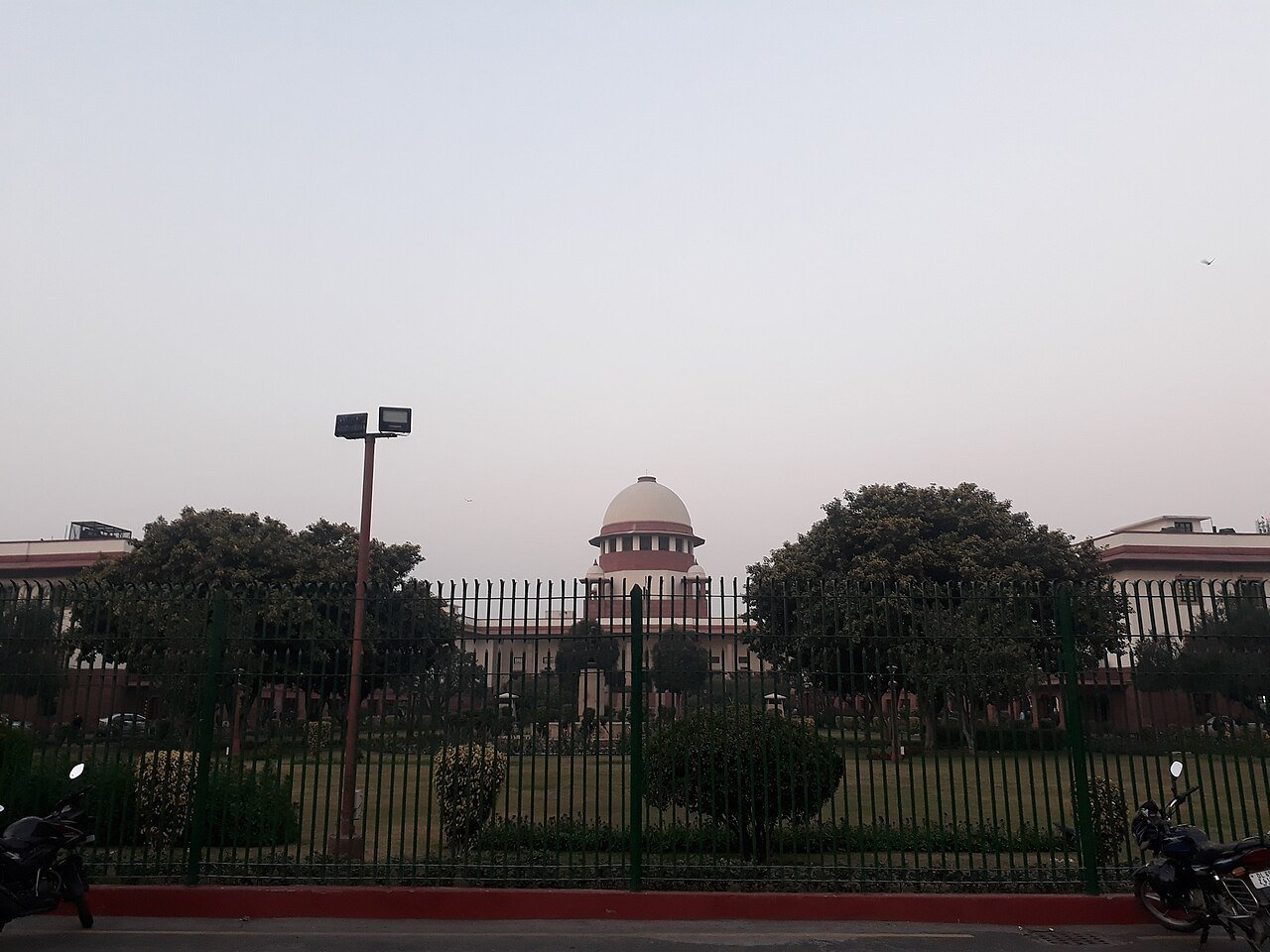
Supreme Court strikes down the 12 February circular Reckoning
On 2 April 2019 the Supreme Court struck down RBI’s 12 February 2018 circular, which had required lenders to resolve large defaults within 180 days or go to insolvency, holding it ultra vires the Banking Regulation Act as drafted. RBI issued a revised Prudential Framework for Resolution of Stressed Assets in June 2019, with an inter-creditor agreement and a review period. The gross NPA ratio at the end of March 2019 was 9.1 per cent, down from 11.2 per cent a year earlier.
Peak: Rs 10.4 lakh crore, 11.2% of advances Reckoning
At the end of March 2018, RBI’s bank-group table shows gross NPAs of scheduled commercial banks at Rs 10,39,679 crore, or 11.2 per cent of gross advances of Rs 92.7 lakh crore, with net NPAs at 6.0 per cent. Some later RBI commentary cites 11.5 per cent for the same date, which reflects a different data vintage. The ratio had been 3.8 per cent four years earlier.
2018
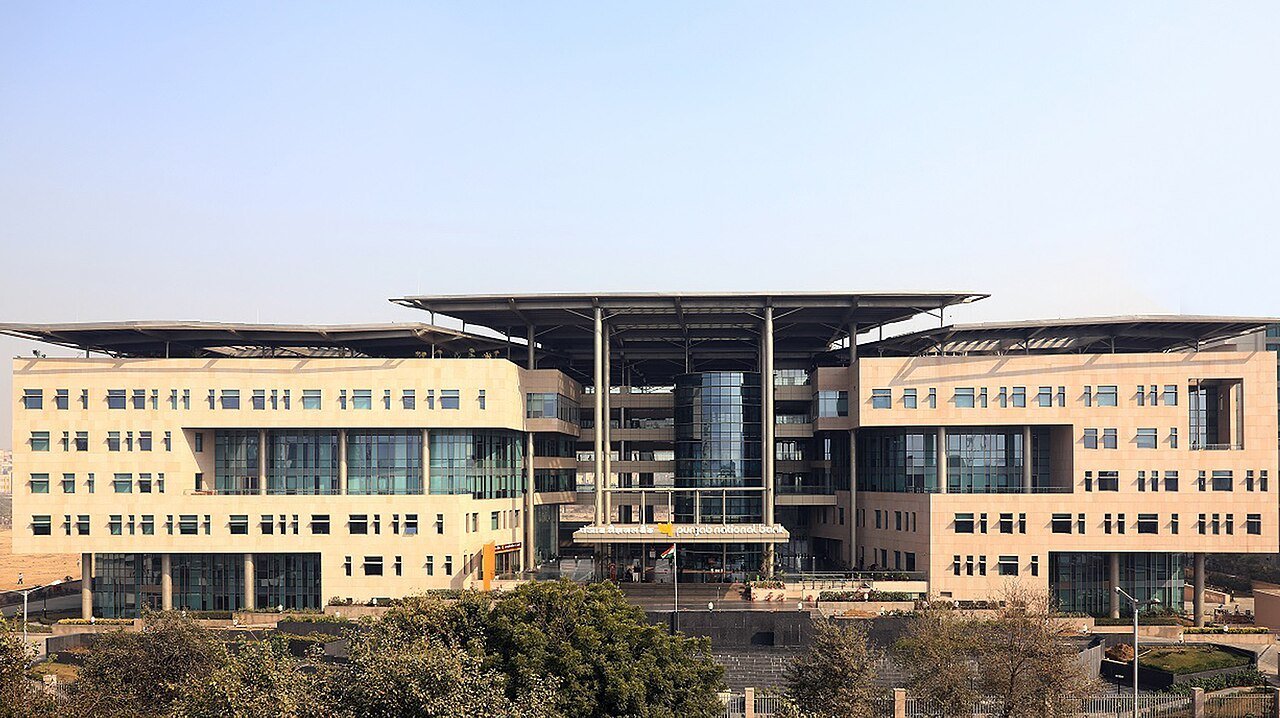
PNB discloses a Rs 11,400 crore fraud Reckoning
On 14 February 2018 Punjab National Bank told the exchanges it had detected fraudulent transactions of about Rs 11,400 crore through letters of undertaking issued by one branch. The case, linked to Nirav Modi’s companies, was a fraud rather than ordinary credit stress, but it landed two days after RBI’s 12 February circular and deepened scrutiny of public sector bank controls. Later estimates of the exposure were higher.
2018
RBI scraps restructuring schemes, sets a 180-day clock Reckoning
RBI’s circular of 12 February 2018 withdrew its earlier stressed-asset schemes, including corporate debt restructuring, strategic debt restructuring and the scheme for sustainable structuring of stressed assets (S4A). Lenders had to put a resolution plan in place within 180 days of default for accounts with aggregate exposure above Rs 2,000 crore or refer them to insolvency. The circular ended the restructuring route that had let stressed loans stay classified as standard.
2017
Rs 2.11 lakh crore recapitalisation for public sector banks Repair
On 24 October 2017 the Cabinet announced a Rs 2.11 lakh crore recapitalisation plan for public sector banks, to be spread over two years, with roughly Rs 1.35 lakh crore through recapitalisation bonds and the balance from budgetary support and equity raising; it was announced alongside the Bharatmala road programme. Reports of actual infusions vary slightly: about Rs 88,000-90,000 crore in 2017-18 and Rs 1.06 lakh crore in 2018-19. The Finance Ministry later described recapitalisation as the third of its 4Rs.
2017
RBI names a 25% slice of NPAs for insolvency Reckoning
Under powers in the Banking Regulation (Amendment) Ordinance of May 2017, RBI’s Internal Advisory Committee identified 12 accounts, each with outstanding exposure above Rs 5,000 crore and at least 60 per cent classified as NPA at 31 March 2016, which together accounted for about a quarter of the banking system’s gross NPAs. RBI did not name the borrowers, but banks were directed to file for insolvency. Essar Steel was among those widely reported.
Revised Prompt Corrective Action and a 9.3% ratio Reckoning
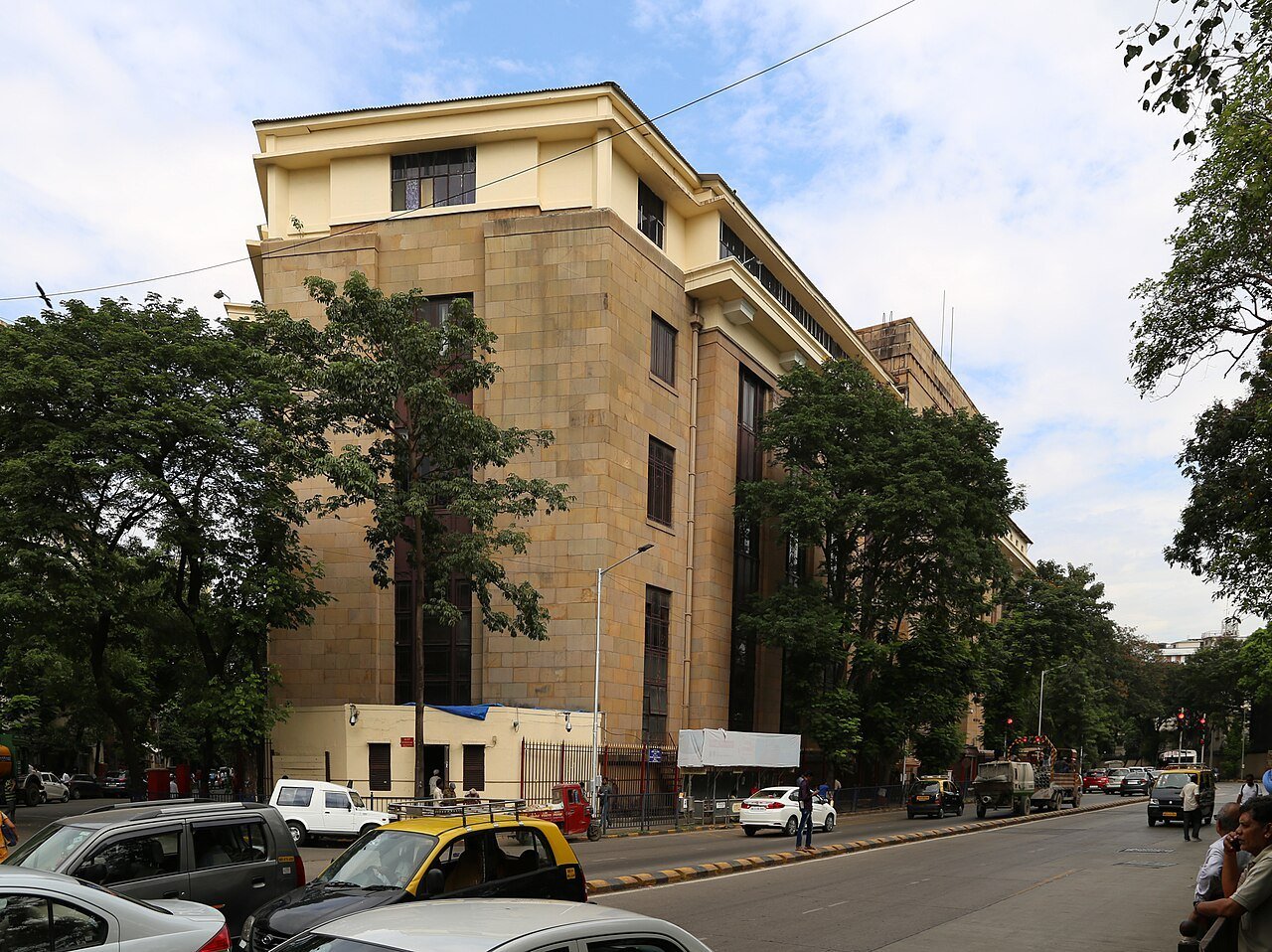
RBI revised its Prompt Corrective Action framework in April 2017, with triggers based on capital, asset quality and profitability and restrictions such as limits on dividends, branch expansion and new lending for banks that breached them. The gross NPA ratio at the end of March 2017 was 9.3 per cent (Rs 7.92 lakh crore), up from 7.5 per cent a year earlier. A Banking Regulation (Amendment) Ordinance in May 2017 then gave RBI powers to direct banks to initiate insolvency proceedings.
2016
The Insolvency and Bankruptcy Code becomes law Reckoning
Parliament enacted the Insolvency and Bankruptcy Code in May 2016, replacing a patchwork of older laws with a single, time-bound process under the National Company Law Tribunal. It moved control of a defaulting company from its promoters to a committee of creditors and an insolvency professional, and the Insolvency and Bankruptcy Board of India began regulating the system in October 2016. Corporate insolvency provisions began operating in December 2016.
Asset Quality Review: the books are opened Reckoning
RBI began its Asset Quality Review in 2015, scrutinising banks’ loan books and pushing accounts that had been restructured or carried as standard into the non-performing category. In December 2015 Governor Raghuram Rajan said he wanted something like March 2017 on the table as the date by which a full clean-up would be done. Reported gross NPAs of scheduled commercial banks rose from Rs 3.23 lakh crore (4.3 per cent) in March 2015 to Rs 6.12 lakh crore (7.5 per cent) in March 2016. Much of the stress had built up earlier; the AQR revealed it.
Indradhanush: seven-point plan for public sector banks Repair
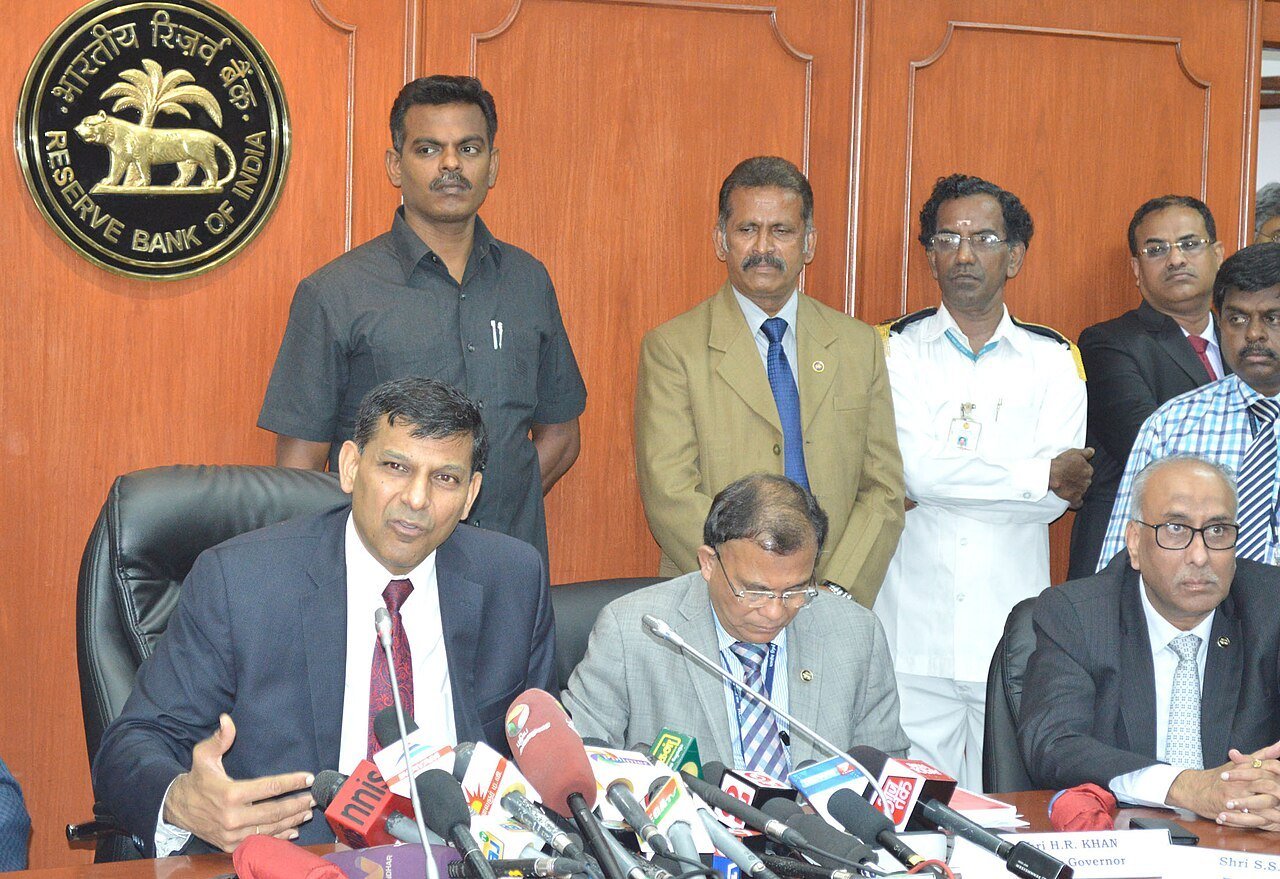
In August 2015 the Government launched the Indradhanush plan for public sector banks, with measures on appointments, a Bank Board Bureau, capitalisation, de-stressing, empowerment, accountability and governance. It promised Rs 70,000 crore of capital over four years, with more to be raised from the market. It was the first step in what the Finance Ministry later called the 4Rs.
A lending boom meets a slowdown Build-up
After the 2008 global financial crisis, India’s banks kept lending heavily to infrastructure, power, steel and other capital-intensive projects, and regulatory forbearance allowed restructured loans to stay classified as standard. When land, environmental and regulatory approvals slowed, costs overran and demand weakened, borrowers struggled to service debt. RBI’s bank-group table shows gross NPAs of Rs 2.63 lakh crore (3.8 per cent of Rs 68.8 lakh crore advances) in March 2014 and Rs 3.23 lakh crore (4.3 per cent) in March 2015, a modest-looking ratio that hid restructured loans.
The Ratio in One Picture
Where the Stress Sat: Bank Groups
The Official Series, Year by Year
Scheduled commercial banks, RBI Statistical Tables (Table 50). Keep the date, bank group and gross-versus-net distinction beside every figure.
| Year-end | Gross advances (Rs lakh cr) | Gross NPAs (Rs lakh cr) | Gross NPA ratio |
|---|---|---|---|
| Mar 2014 | 68.8 | 2.63 | 3.8% |
| Mar 2015 | 75.6 | 3.23 | 4.3% |
| Mar 2016 | 81.7 | 6.12 | 7.5% |
| Mar 2017 | 84.9 | 7.92 | 9.3% |
| Mar 2018 | 92.7 | 10.40 | 11.2% |
| Mar 2019 | 102.9 | 9.36 | 9.1% |
| Mar 2020 | 109.2 | 9.00 | 8.2% |
| Mar 2021 | 114.0 | 8.35 | 7.3% |
| Mar 2022 | 127.5 | 7.44 | 5.8% |
| Mar 2023 | 147.6 | 5.72 | 3.9% |
| Mar 2024 | 175.1 | 4.81 | 2.7% |
| Mar 2025* | 194.5 | 4.32 | 2.2% |
| Mar 2026 | n/a here | n/a here | 1.8% (RBI FSR) / 1.73% (Govt) |
Reading the table. Rows to March 2025 come from RBI’s bank-group table, with 2024-25 provisional. The March 2026 ratio is not in that table here; the 1.8% figure is from RBI’s June 2026 report and the 1.73% from a Government reply. Domestic-operations figures, such as the Ministry’s 2.15% for September 2025, are a different series.
What Is an NPA?
A non-performing asset is a loan that has stopped generating income for the bank under RBI’s classification norms. For a typical term loan, interest or principal overdue for more than 90 days triggers the classification, subject to specific rules and exceptions.
| Term | Meaning | Why it matters |
|---|---|---|
| Gross NPA | Total loans classed as non-performing before provisions | Headline measure; ratio = gross NPAs / gross advances |
| Net NPA | Gross NPAs less provisions held against them | Shows the unprovided part of the problem |
| Provisioning | Money set aside for expected losses | Cuts profit now, cushions later losses |
| Write-off | Accounting removal of a loan from the balance sheet | Lowers reported NPAs; borrower still owes the debt |
| Recovery | Cash or value actually collected | Different from the NPA ratio; reported separately |
| Slippage ratio | Fresh NPAs as a share of standard advances | Shows whether new stress is building |
| Haircut | Share of a claim lenders give up in a resolution | IBC haircuts were about 68% in FY2026 per ICRA |
Why Did the Crisis Happen?
Aggressive corporate lending. Banks expanded lending to power, steel, roads and other capital-intensive sectors, often on optimistic growth and commodity-price assumptions.
Stalled projects. Land, environmental and regulatory approvals, construction delays and cost overruns weakened the economics of several projects.
Weak appraisal and monitoring. Some lenders underestimated risk or acted too slowly when a loan showed signs of stress.
Delayed recognition. Restructuring and forbearance let problem loans stay classified as standard until the 2015 review.
Slow recovery. Long proceedings and creditor disputes reduced collateral value and tied up bank capital.
Fraud and wilful default. These were central in some accounts, such as the PNB case, but should not be treated as the explanation for every bad loan.
Did the IBC Recover All the Bad Loans?
No. The Code provides a process, not a guarantee. IBBI’s December 2025 newsletter reported 8,833 admitted CIRPs, 1,376 resolution plans and 2,952 liquidation orders, with creditors realising about 31.63% of admitted claims and 171.54% of liquidation value. The Finance Ministry says over 30,000 applications with Rs 13.78 lakh crore of default were settled before admission, a sign of the Code’s deterrent effect. ICRA reported haircuts of about 68% for FY2026 and cumulative realisations of Rs 4.3 lakh crore by March 2026; those are third-party figures.
Six Lessons from the Crisis
1. Lending standards matter more than lending volume. Fast credit growth looks good until borrowers struggle to repay.
2. Recognise losses early. Restructuring kept problem loans classed as standard; the 2015 review and 2018 circular ended that, but only after the problem had grown.
3. Recovery systems need to be timely. IBBI data show 31.6% of admitted claims realised and long case timelines; delay erodes asset value.
4. Public capital has an opportunity cost. Recapitalisation stabilised banks, and also used public resources.
5. Write-offs are not waivers, and not recoveries. Report them separately, as Parliament replies now do.
6. Monitor new credit. A low legacy NPA ratio does not guarantee that unsecured loans or NBFC exposure stay safe.
The Popular Story vs the Record
Short versions of the bad-loan story blur several details.
| Popular version | What the record shows |
|---|---|
| NPAs fell because the bad loans were recovered | Recoveries, upgrades, write-offs and loan growth all lowered the ratio; Rs 1.32 lakh crore was recovered from Rs 10.09 lakh crore written off in five years to FY2022 |
| Write-offs mean the borrower was let off | The legal liability stays and banks can still pursue recovery, as the Government told Parliament in July 2026 |
| The crisis was all fraud and wilful default | Fraud mattered in some accounts, but stalled projects, weak appraisal and slowdown caused many defaults |
| The crisis began in 2015 | The Asset Quality Review revealed stress that had built since 2008-14; March 2014 was already 3.8% |
| The peak was 11.5%, Rs 9.6 lakh crore | RBI Table 50 shows 11.2% and Rs 10.40 lakh crore for March 2018; some later series cite 11.5% |
| The IBC recovered most of what was owed | IBBI shows about 31.6% of admitted claims realised by December 2025, with long timelines |
The Crisis in Numbers
| Measure | Figure | Source and caveat |
|---|---|---|
| Ratio, March 2014 | 3.8% | RBI Table 50 |
| Peak ratio, March 2018 | 11.2% (Rs 10.40 lakh cr) | RBI Table 50; some series 11.5% |
| Ratio, March 2026 | 1.8% (RBI) / 1.73% (Govt) | FSR June 2026 / Rajya Sabha 21 Jul 2026 |
| Domestic ratio, Sep 2025 | 2.15% | Ministry of Finance, provisional |
| Recapitalisation plan, Oct 2017 | Rs 2.11 lakh cr | Cabinet; actual infusions varied |
| Write-offs FY2018-FY2022 | Rs 10.09 lakh cr | Rajya Sabha, 13 Dec 2022 |
| Recovered from written-off accounts | Rs 1.32 lakh cr | Same reply; about 13% |
| IBC realisation vs admitted claims | 31.63% | IBBI, Dec 2025 |
| CIRPs admitted / resolution plans | 8,833 / 1,376 | IBBI, Dec 2025 |
| NARCL debt acquired | Rs 1,65,862 cr, 33 entities | Finance Ministry, Mar 2026 |
Who Shaped the Story
Roles as described in public sources.
Reserve Bank of India
Ran the 2015 Asset Quality Review, issued the 2017-19 stressed-asset rules and publishes the NPA series and Financial Stability Reports.
Ministry of Finance
Designed the 4Rs strategy, the recapitalisation plans and the bad bank guarantee.
Insolvency and Bankruptcy Board of India
Regulates insolvency professionals and publishes quarterly realisation and timeline data.
National Company Law Tribunal
Admits and approves corporate insolvency cases; delays here are a recurring complaint.
Supreme Court of India
Struck down the 12 Feb 2018 circular, settled the Essar waterfall and reviewed the Bhushan Power plan.
NARCL and IDRCL
Acquire and resolve large stressed loans with a Government-guaranteed security-receipt structure.
Public sector banks
Held most of the stressed corporate loans and received most of the recapitalisation.
Parliament
Enacted the IBC in 2016 and amended it in 2026; ministers’ written replies are the main source of write-off data.
Explore More Timelines
People Also Ask
Frequently Asked Questions
Related AiTimeline Stories
⚠️ Editorial Note
This page is a dated, sourced record drawn from RBI statistical tables and Financial Stability Reports, Finance Ministry releases, Parliament replies, IBBI data and court rulings. It is general information, not investment or banking advice. NPA ratios measure the share of loans classified as non-performing, not cash recovered. Several details in the original brief were corrected: RBI’s table gives 3.8% (not 4.1%) for March 2014 and 11.2% with Rs 10.40 lakh crore (not 11.5% and Rs 9.6 lakh crore) for March 2018; the 2012 figure of 2.8% was not verified and is omitted; the brief’s 2013-2015 entries were re-ordered and expanded with the 2015 Indradhanush plan, the 2017 recapitalisation and the 2018 and 2019 circular events; and the latest data point was updated from September 2025 to March 2026. Figures from news summaries of RBI’s June 2026 report could not be checked against the report itself.
Sources & further reading
Every dated entry above was checked against these references. Last reviewed 21 October 2026.
- RBI Statistical Tables: Gross and Net NPAs of Scheduled Commercial Banks, Bank Group-wise (Table 50)
- RBI Financial Stability Report, June 2025
- Gross NPAs of SCBs for domestic operations reach a historic low of 2.15% as of September 2025 (9 Feb 2026)
- Gross NPAs of scheduled commercial banks decline to 1.73% in March 2026 (Rajya Sabha reply, 21 Jul 2026)
- Bank NPAs fall further in March; may rise under baseline scenario: RBI report (30 Jun 2026)
- Rajya Sabha unstarred question 258 on write-offs by scheduled commercial banks (13 Dec 2022)
- RBI asks banks to file for insolvency in 12 large NPA accounts (14 Jun 2017)
- Rs 2.11 lakh crore recapitalisation for banks to boost growth (24 Oct 2017)
- RBI's 12th February circular: the last word becomes the lost world
- The Insolvency and Bankruptcy Code (Amendment) Act, 2026: key shifts
- Govt backs NARCL with Rs 30,600-crore guarantee for five years (Sep 2021)
- Insolvency and Bankruptcy Board of India