Facebook’s Early Decisions: How It Beat Friendster and MySpace
How Facebook beat Friendster and MySpace: campus-first launch, real names, News Feed and open sign-up, dated from 2002, and where all three stand in 2026.
Latest Story
Facebook did not invent social networking. Friendster showed in 2003 that people wanted to see their friends online, and MySpace turned profiles into pop culture. How Facebook beat Friendster and MySpace is a story of decisions: start in one community, insist on real identities, keep the site fast and simple, give people reasons to return, and open the doors only once the network was ready. This timeline dates each choice, shows what its rivals did instead, and follows all three networks to October 2026.
💡 Short Answer
Facebook beat Friendster and MySpace by launching only at Harvard in February 2004, requiring real names and school email addresses, and expanding one campus at a time, so each network was dense with people who knew each other. It kept a simple design, avoided Friendster’s server failures, added the Wall, photo tagging and News Feed, opened to everyone in September 2006 and launched a developer platform in 2007. It passed MySpace worldwide in April 2008 and in the US in May 2009.
Facebook vs Friendster and MySpace: Key Questions
How Facebook Won, in Ten Points
- Not first: Friendster (2003) and MySpace (2003) had millions of users before TheFacebook launched on 4 February 2004.
- Closed start: Facebook required a Harvard email address, then expanded one university at a time from March 2004.
- Real identities: verified profiles built trust that pseudonymous rivals lacked.
- Reliability: Facebook grew only as fast as it could run, while Friendster’s slow pages drove users away.
- Reasons to return: the Wall (2004) and photo tagging (2005) made profiles social.
- News Feed: launched on 5 September 2006 despite a user revolt, and made checking Facebook a habit.
- Open doors: public sign-up on 26 September 2006 came only after the network was dense.
- Platform: outside developers could build apps from May 2007, turning a website into an ecosystem.
- The crossover: Facebook passed MySpace worldwide in April 2008 and in the US in May 2009.
- 2026: Friendster has relaunched as an in-person app, MySpace promises a return, and Meta’s apps reach 3.60 billion people a day.
The Timeline: From Friendster to Facebook’s Victory, and After
Newest first. Tags mark Facebook’s moves, its rivals, the turning points and the 2025–26 sequel.
2026
Hollywood returns to Facebook, and flops 2025–26
Aaron Sorkin’s follow-up to The Social Network dramatises the 2021 Facebook Files leak by whistleblower Frances Haugen, with Jeremy Strong as Mark Zuckerberg. Sixteen years after a film about Facebook’s founding became a hit, a film about its consequences drew a fraction of the audience.
Twenty years of News Feed and open sign-up 2025–26
The two decisions that defined Facebook’s second phase reached their 20th anniversaries within three weeks of each other. The feed, once protested by users, is now the default design of almost every social app, while ranked by algorithms in ways the 2006 version never was.
2026
MySpace’s owners promise a comeback 2025–26
‘We still own Myspace … and we are going to relaunch Myspace,’ Tim Vanderhook said. Coverage described a possible algorithm-free site built around chronological posts and profile songs, but the owners gave no timetable. Co-founder Tom Anderson is not involved.
2026
Meta reaches 3.6 billion daily users 2025–26
Meta no longer reports Facebook’s own user numbers, only people using any of its apps each day. The figure shows how far the Harvard-only site of 2004 has travelled: it is now one part of a group of apps used by more than four in ten people on Earth each day.
Friendster returns as an in-person network 2025–26
The new Friendster reverses the logic of the 2000s: friends are added by tapping phones together in person, and connections fade if people do not meet. There are no ads or recommendation algorithms, and none of the old accounts or photos came back.
2025
Meta wins the FTC monopoly case 2025–26
The Federal Trade Commission argued that Facebook bought Instagram (2012) and WhatsApp (2014) to neutralise future rivals, as it had once outgrown Friendster and MySpace. The judge found Meta does not hold a monopoly today because it competes with TikTok and YouTube.
2025
Facebook tries to go back to ‘OG Facebook’ 2025–26
Zuckerberg called the tab ‘phase one of bringing back OG Facebook’. It was an admission that recommended videos had crowded out the feature that won the 2000s race: seeing what people you actually know are doing.
2021
Facebook becomes Meta Facebook
The rename followed the Facebook Files reporting and Haugen’s testimony to the US Senate earlier that month. Facebook, the product, kept its name; the company built on it now bet its future on the metaverse and, later, artificial intelligence.
2019
MySpace loses a decade of music Rivals
MySpace admitted that most music, photos and videos uploaded before 2016 had been lost in a server migration. For the bands that had launched their careers on MySpace profiles, it was a final blow to the site’s cultural legacy.
Friendster shuts down Rivals
By then Friendster had been reinvented as a gaming site for South-East Asia, where it had kept most of its users. The first social network to reach millions of people closed without a buyer for its brand.
2012
Facebook goes public Facebook
Facebook’s IPO valued it at about $104 billion. MySpace, sold to News Corporation for $580 million in 2005, had been sold again a year earlier for about $35 million.
2011
News Corporation sells MySpace for about $35 million Rivals
MySpace had lost about 10 million users in the first two months of 2011 alone. The sale marked the end of News Corporation’s bet on social networking and one of the largest write-downs of the web 2.0 era.
–2010
Friendster is sold; Facebook buys its patents Rivals
Friendster had more than 115 million registered users, mostly in Asia, but little activity in the US. Facebook’s purchase of its patents, including early ideas about mapping social networks, removed a legal risk for the company that had overtaken it.
Facebook passes MySpace in the United States Turning point
MySpace had defended its home market for a year after losing worldwide. In May 2008 it still had about twice Facebook’s US audience, 73.7 million against 35.6 million. Twelve months later the lines crossed by about 20,000 people.
2009
The Like button Facebook
The button lowered the effort of taking part to almost nothing. It also gave Facebook a constant stream of data about what each person found interesting, which later shaped the ranked News Feed and Facebook’s advertising system.
Facebook passes MySpace worldwide Turning point
Facebook’s lead came from outside the US, helped by translations into other languages from early 2008. In August it passed 100 million users. MySpace remained larger in America for another year, but the trend had turned.
Pages and self-service ads Facebook
Businesses could now create Pages and buy targeted ads themselves. Beacon, which shared users’ purchases on other websites with their friends, caused another privacy revolt; Zuckerberg apologised in December 2007 and let users turn it off.
2007
Microsoft invests $240 million Facebook
The investment came with an advertising partnership. It also gave Facebook money and a price tag that no rival social network could match, a year after Zuckerberg had reportedly turned down about $1 billion from Yahoo.
2007
Facebook Platform opens the site to developers Turning point
MySpace had let users paste outside widgets into their profiles; Facebook gave developers an official system, with access to the social graph and distribution through News Feed. Thousands of apps appeared within months, and games such as those from Zynga followed.
2006
Facebook opens to everyone Turning point
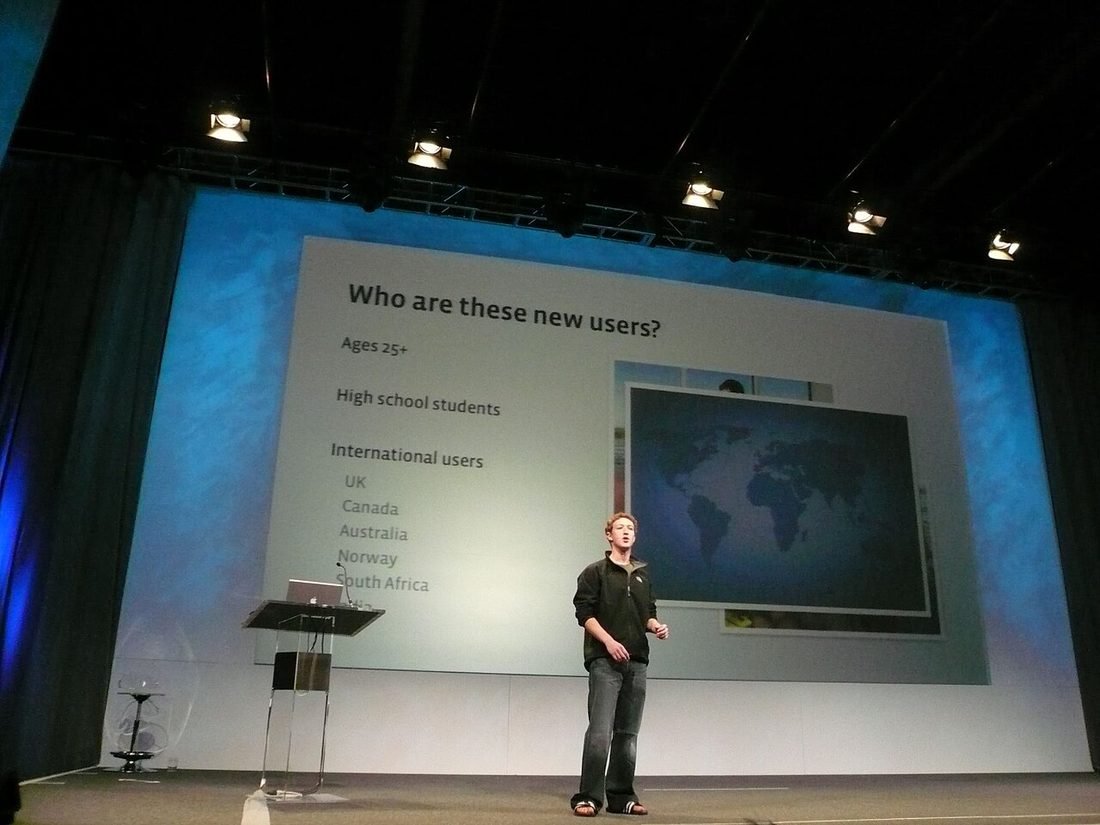
This was the moment Facebook moved into MySpace’s market. It did so with a network already dense with students, graduates and employees, so new users could find people they knew on their first day.
2006
News Feed launches and users revolt Turning point
Nothing new was being shared, but News Feed collected friends’ updates in one place, and many users felt exposed. Facebook added controls rather than withdrawing it. Within weeks, people were checking the feed instead of visiting profiles one by one.
MySpace becomes America’s most visited website Rivals
MySpace was at its peak. Its open sign-up, customisable profiles and music pages made it a cultural phenomenon. But the same freedom filled pages with clashing designs, auto-playing songs and spam, and its owner was focused on turning traffic into advertising revenue.
Yahoo’s reported $1 billion offer is turned down Facebook
Zuckerberg’s refusal, against the advice of some investors, kept control of product decisions within Facebook. Friendster had turned down Google in 2003 and MySpace had been sold in 2005; Facebook stayed independent through the decisive years.
– 2006
High schools, then workplaces Facebook
Each new group still had to have a verified email address, so Facebook kept its trust model while widening its market. It also meant students did not have to leave Facebook when they graduated.
Photos, with tagging Facebook
Facebook’s photo tool was simpler than dedicated photo sites, but tagging made it social: each tag pulled another person back to the site. Photos quickly became one of Facebook’s busiest features.
TheFacebook becomes Facebook Facebook
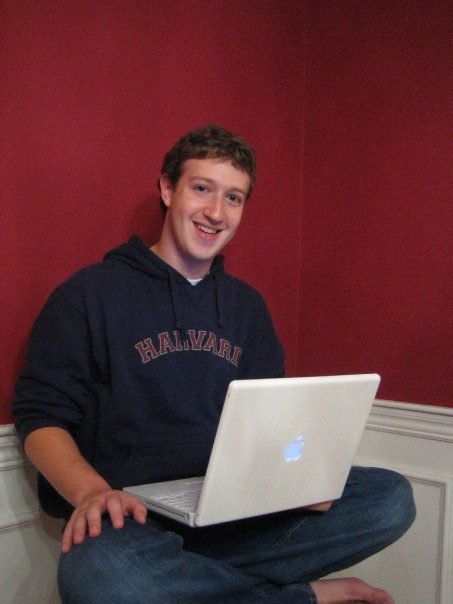
A shorter name and more funding signalled that Facebook was no longer a student project. Accel’s money paid for servers and engineers at a time when Friendster’s failure to scale was a well-known warning.
2005
News Corporation buys MySpace’s parent Rivals
The deal gave MySpace a wealthy owner and made it part of a traditional media company. Former executives later said pressure to earn advertising revenue made it harder to fix the site and build new features.
Facebook reaches about 1 million users Facebook
Facebook was far smaller than Friendster or MySpace, but each campus network was dense, with most students on it. That density made it more useful to each user than a larger but thinner network.
The Wall Facebook
Profiles became places of conversation, giving people a reason to come back every day. Thiel’s angel investment, arranged through Facebook’s then president Sean Parker, funded the company’s first months in California.
The company moves to Palo Alto Facebook
Silicon Valley gave Facebook access to investors and engineers. It also put it close to the people who had watched Friendster stumble and knew what scaling a social network required.
Stanford, Columbia and Yale join Facebook
Facebook entered campuses one at a time, often schools where students already had a local directory or rival site. Each launch could recreate the Harvard effect: most of a student’s classmates joining within weeks.
2004
TheFacebook launches at Harvard Turning point
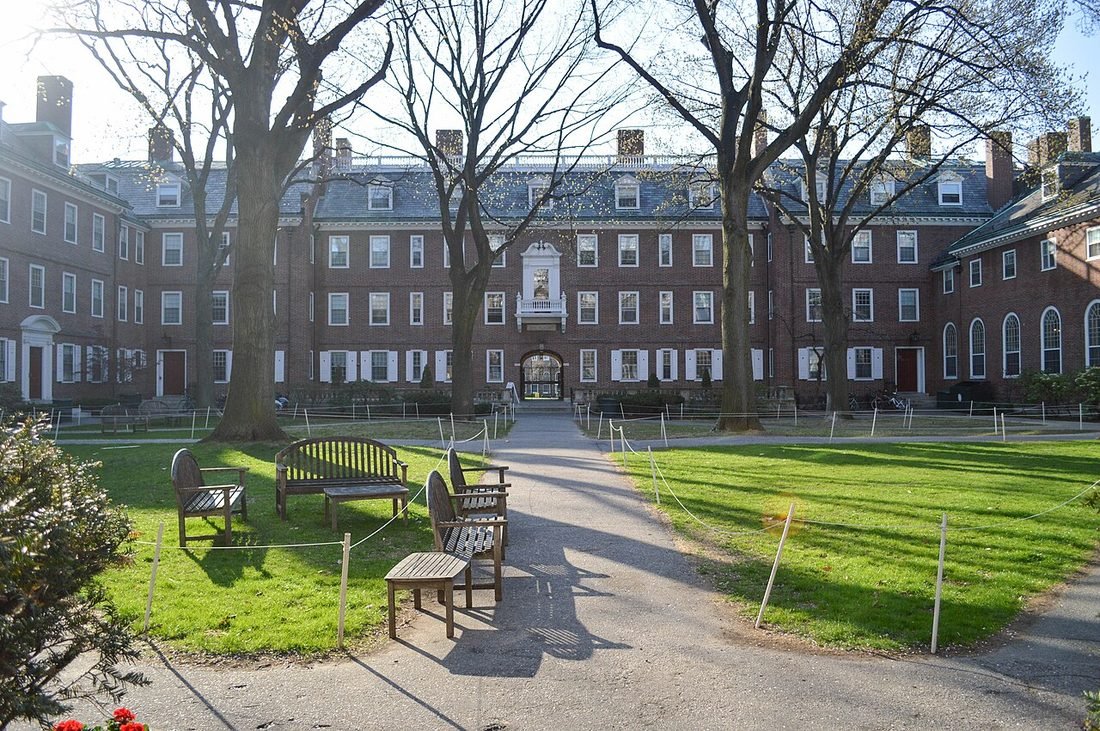
Zuckerberg launched the site from his room in Kirkland House with co-founders Eduardo Saverin, Andrew McCollum, Dustin Moskovitz and Chris Hughes. Requiring a harvard.edu address made profiles real and trustworthy: the people on it were your classmates.
Facemash, the precursor Facebook
Facemash drew thousands of visitors within hours and got Zuckerberg into trouble with Harvard over privacy and security. It showed how fast a site could spread among students who knew each other.
2003
MySpace launches Rivals
MySpace welcomed the users Friendster was pushing away, including bands, promoters and people with invented profiles. Profiles could be customised with HTML, music and pictures, making it as much a place for self-expression as for friendship.
Friendster’s boom, and its slowdown Rivals
Friendster showed that people wanted to see their friends, and friends of friends, online. But its servers could not keep up, pages became painfully slow, and it deleted fake ‘Fakester’ profiles that many users enjoyed. Users began to drift away just as MySpace opened.
–2003
Friendster introduces friends of friends Rivals
Friendster was designed partly as a dating site: you could meet people through mutual friends rather than strangers. It mapped real relationships online, the idea Facebook later perfected.
Pick one of Facebook’s early choices to compare it with what Friendster and MySpace did, and see what it led to.
Based on the dated timeline above. No single decision explains Facebook’s win; they worked together.
Friendster vs MySpace vs Facebook, Side by Side
How the three networks differed in the years that decided the race, 2003 to 2008.
| Friendster | MySpace | ||
|---|---|---|---|
| Launched | March 2003 | August 2003 | February 2004 |
| Who could join | Anyone | Anyone | Students with a school email, until September 2006 |
| Identity | Real names expected; fake profiles purged | Pseudonyms and personas common | Real names, verified by email |
| Profile design | Standard | Fully customisable with HTML and music | Standard, simple |
| Core idea | Friends of friends, dating | Self-expression, music, culture | Real-world connections |
| Big weakness | Slow, unreliable servers | Clutter, spam, slow product changes | Privacy backlashes |
| Ownership by 2006 | Venture-backed start-up | News Corporation (since 2005) | Independent, founder-controlled |
| Fate | Sold 2009, closed 2015 | Sold for about $35 million, 2011 | Public 2012, Meta since 2021 |
Why Facebook Won: Five Decisions That Reinforced Each Other
A clearly defined community
Harvard first, then campus by campus. Each launch reached critical mass quickly because classmates joined together.
Connections over decoration
MySpace was about how your page looked; Facebook was about who you knew. The second model travelled better across schools, workplaces and countries.
A product that kept changing
The Wall, Photos, News Feed, Platform and the Like button each gave people a new reason to come back.
Opening at the right moment
Public sign-up in 2006 brought new users into a network already full of people they knew.
From website to platform
Apps, Pages and self-service ads let developers and businesses build on Facebook, adding value it did not have to create itself.
Founder control
By refusing to sell, Zuckerberg kept the power to make unpopular calls, such as News Feed, that paid off.
Friendster’s Mistakes: Proving the Idea, Losing the Users
Friendster got the big idea right. Jonathan Abrams wanted people to meet through mutual friends, and in 2003 millions signed up to map their real social circles. The site’s problem was that every page had to calculate who was connected to whom, up to several steps away, and that became harder as the network grew. Users waited for pages to load, and many gave up.
Friendster also chose to fight its users. People created joke profiles for celebrities, places and ideas, known as Fakesters, and Friendster deleted them. MySpace, launched that August, welcomed them, along with the bands and club promoters who had been active on Friendster. By the time Friendster fixed its technology, its American users had moved on. It thrived for a while in the Philippines, Malaysia and Indonesia before closing in 2015.
MySpace’s Decline: Big, Loud and Hard to Change
MySpace was no failure. It was the most visited website in America in mid-2006, launched the careers of musicians and gave millions of teenagers their first web page. Its weakness was the flip side of its strength. Letting users rewrite their profile pages created a creative, chaotic look, but it also brought slow pages, security holes and spam, and made it hard for MySpace to roll out new features across the site.
After News Corporation bought MySpace’s parent for about $580 million in July 2005, and especially after a $900 million advertising deal with Google in 2006, MySpace was under pressure to show more ads and hit traffic targets. Facebook, still controlled by its founders, could focus on product changes such as News Feed and Platform. By the time MySpace redesigned itself around music and entertainment, its users had moved to Facebook.
When Did Facebook Overtake MySpace?
Follow the Money: The Deals That Shaped the Race
Reported figures in US dollars. Offers marked ‘reported’ were never officially confirmed.
| Date | Deal | Value | What it meant |
|---|---|---|---|
| 2003 | Google offers to buy Friendster (reported) | About $30 million | Turned down; Friendster takes venture capital instead |
| Summer 2004 | Peter Thiel angel investment in Facebook | $500,000 | First outside money; funds the move to California |
| May 2005 | Accel Partners leads Facebook round | $12.7 million | Servers and staff for national expansion |
| July 2005 | News Corporation buys Intermix (MySpace) | About $580 million | MySpace joins a traditional media company |
| August 2006 | Google ad deal with MySpace and Fox sites | $900 million over 3 years | Pressure to maximise ad revenue |
| 2006 | Yahoo offer for Facebook (reported) | About $1 billion | Turned down |
| October 2007 | Microsoft buys 1.6% of Facebook | $240 million | Values Facebook at about $15 billion |
| December 2009 | MOL Global buys Friendster | About $26.4 million | Friendster refocuses on Asia |
| 2010 | Facebook buys Friendster’s patents | About $40 million | Removes a patent risk |
| June 2011 | Specific Media buys MySpace | About $35 million | A fraction of the 2005 price |
Mistakes Facebook Made, and Survived
- News Feed backlash (2006): the launch was handled badly, but Facebook responded within days with privacy controls instead of retreating.
- Beacon (2007): sharing users’ shopping on other sites with friends caused a revolt and an apology; it was later shut down.
- Privacy settings changes (2009–2010): made more profile information public by default and led to a US FTC settlement in 2011.
- Cambridge Analytica (2018): data harvested through a third-party app, made possible by Platform’s early openness, led to a $5 billion FTC penalty in 2019.
- Facebook Files (2021): internal research leaked by Frances Haugen, now the subject of the 2026 film The Social Reckoning.
2025–2026: The Rivals Return, and Facebook Looks Back
Two decades after the race was decided, its losers are trying again, with a pitch built on what modern social media has lost. The new Friendster, launched in April 2026, only lets you add people you meet in person. MySpace’s owners talk of an algorithm-free relaunch with profile songs and a chronological feed. Both are betting on fatigue with feeds dominated by recommended videos and ads.
Facebook itself has made a similar diagnosis. In March 2025 it launched a Friends tab showing only posts from friends, which Zuckerberg called the first phase of bringing back ‘OG Facebook’. In November 2025 a US judge rejected the FTC’s claim that Meta held a monopoly, finding that its real competition now comes from TikTok and YouTube, not from social networks built on friendships; the FTC has appealed. The question that decided the 2000s, whether people want to see what their friends are doing, is being asked again.
Pick a network to see how it started, how big it got, how it ended up and where it stands in 2026.
Lessons for Technology Companies
- Being first is not enough: Friendster proved the market, and MySpace dominated it for years. Neither held it.
- Density beats size: a small network where everyone knows each other can be more valuable than a huge one where few do.
- Reliability is a feature: users leave a slow site, however good the idea.
- Trust compounds: real identities made people share more, which made Facebook more useful.
- Keep shipping: each new feature gave users a fresh reason to return.
- Control matters: founders who keep control can take risks that a parent company focused on quarterly targets may not.
Explore More Timelines
People Also Ask
Frequently Asked Questions
Conclusion: A Sequence of Decisions, Not One Big Idea
Facebook arrived after Friendster and MySpace and did not invent anything they had not tried. What it did was make a series of choices that reinforced each other: a closed, trusted start, steady expansion, a reliable and simple site, features that gave people reasons to return, and an open door only when the network was ready. Its rivals each made at least one choice, on technology, identity or ownership, that it avoided.
The lasting lesson is that being first creates an opportunity, but sustained product execution and the ability to adapt decide who keeps it. In 2026, as Friendster and MySpace return promising the friend-focused social web that Facebook itself is trying to recover, that lesson applies to Facebook too.
Related AiTimeline Stories
⚠️ Editorial Note
This timeline draws on Meta’s company history, danah boyd and Nicole Ellison’s 2007 study of social network sites, comScore data reported by TechCrunch in 2008 and 2009, Meta’s quarterly results, court reporting on FTC v. Meta, and reporting by WIRED, TechCrunch, NPR, Bloomberg, NBC and Variety. Acquisition offers from Google (2003) and Yahoo (2006) were widely reported but never officially confirmed, and are labelled as reported. Visitor figures are third-party estimates. AiTimeline has no commercial relationship with Meta, Friendster or MySpace.
Sources & further reading
Every dated entry above was checked against these references. Last reviewed 18 October 2026.
- Company Information and Facebook History
- Social Network Sites: Definition, History, and Scholarship
- Building a Better News Feed for You
- Sex, Beer, and Coding: Inside Facebook's Wild Early Days
- Facebook No Longer The Second Largest Social Network (comScore, 2008)
- Facebook Finally Catches Up To MySpace In The U.S. (comScore, 2009)
- Judge sides with Meta in antitrust trial, will not spin off WhatsApp and Instagram
- US FTC to Appeal Court Ruling on Meta Win in Monopoly Case
- Meta Reports Second Quarter 2026 Results
- Facebook debuts a revamped Friends tab as part of its return to 'OG' Facebook
- Friendster relaunched with focus on in-person connections
- Could Myspace come back? Owners share plans for social media site
- Box Office: 'The Social Reckoning' Flops With $5.5 Million Debut